

As summer temperatures continue to reach unprecedented levels across the northern hemisphere, outdoor enthusiasts and casual observers alike are noting a distinct shift in the intensity and duration of extreme heat events. The phenomenon, often described colloquially as a "sufferfest" for those engaged in outdoor recreation, is supported by a growing body of meteorological data indicating that heat waves are hitting harder, lasting longer, and impacting geographical regions previously considered temperate. To unpack the complex science driving these trends, atmospheric scientists and meteorologists are analyzing the intersection of high-pressure systems, jet stream volatility, and the overarching influence of anthropogenic climate change.
Will Stikeleather, a Boston-based meteorologist and atmospheric scientist associated with the POW Science Alliance, notes that the traditional understanding of summer heat is being rewritten by new atmospheric realities. By examining the mechanics of heat domes and the shifting baseline of global temperatures, researchers can better predict the hazards posed to public health, infrastructure, and the natural environment.
Defining the Modern Heat Wave and the Heat Dome Phenomenon
The technical definition of a heat wave is subject to regional variation, but the National Oceanic and Atmospheric Administration (NOAA) provides a foundational metric: a period of two or more days characterized by abnormally high temperatures. However, meteorologists argue that this definition is intentionally broad to account for the diverse ways heat manifests across different climates. Stikeleather emphasizes that focusing solely on temperature fails to capture the full scope of the hazard. Humidity remains an equally critical factor, as it significantly amplifies heat stress on the human body by inhibiting the evaporation of sweat, the primary mechanism for cooling.

The primary driver of these extreme events is the development of large high-pressure systems in the upper atmosphere. These systems create what is commonly known as a "heat dome." In a heat dome, high pressure causes air to sink and compress, which leads to warming at the surface. This structure acts as a lid, trapping heat over a broad region. Furthermore, the clockwise rotation of air around a high-pressure center in the northern hemisphere can pull in additional warmth and moisture from the south, exacerbating the conditions. These systems typically only dissipate when the high pressure moves away, but recent years have seen an increase in "stalled" patterns where heat domes remain stationary for extended periods.
The Role of Atmospheric Blocking and Jet Stream Volatility
In extreme scenarios, heat domes become trapped by atmospheric "traffic jams" known as blocking patterns. These occur when the jet stream—the high-altitude river of air that steers weather systems—develops deep, slow-moving waves. These blocking patterns were responsible for the historic heat wave that impacted the Pacific Northwest and British Columbia in the summer of 2021. During that event, temperatures soared above 115°F in regions where such extremes were historically unthinkable, leading to hundreds of heat-related fatalities and massive ecological disruption.
Scientific research, including studies by Francis and Vavrus (2012) and White et al. (2023), has linked the increase in these "wavier" jet stream patterns to a phenomenon called Arctic Amplification. Because the polar regions are warming at a rate significantly faster than the rest of the globe, the temperature gradient between the poles and the equator is weakening. This gradient is what powers the jet stream; as it diminishes, the jet stream becomes more prone to large, meandering loops that allow high-pressure systems to sit over a single area for days or weeks at a time.
Statistical Trends: A Shifting Baseline for Extreme Heat
The link between climate change and heat waves is no longer a matter of theoretical projection but a recorded historical fact. From 1895 to 2023, the contiguous United States (CONUS) warmed by approximately 2°F. While this may seem like a minor fluctuation, it represents a significant shift in the statistical baseline. By elevating the average temperature, the threshold for what constitutes an "extreme" event is reached more frequently and with less atmospheric anomaly required.

Data from NOAA indicates that the frequency of heat waves in the United States has nearly tripled since the 1960s. Perhaps more concerning is the expansion of the "heat wave season," defined as the number of days between the first and last heat wave of the year. This window has more than doubled, increasing from roughly 25 days in the mid-20th century to approximately 70 days in the current decade. This expansion allows for extreme heat events to occur well outside the traditional peak of summer, catching communities and ecosystems off guard.
The 6th Intergovernmental Panel on Climate Change (IPCC AR6) report categorized it as "virtually certain" that climate change is the primary driver behind the increased frequency and severity of warm temperature extremes globally. For example, the 2021 Western Canada heat wave, once considered a one-in-1,000-year event, was estimated to be 2°C hotter than it would have been in a pre-industrial climate.
European Heat Waves and the Wet Bulb Global Temperature
The impact of these trends is currently being felt acutely across Europe. Recent data suggests that the rate of increase in hot daily extremes in Europe is approximately twice the global average. In Western Europe specifically, these extremes are rising at three times the global rate. A study by World Weather Attribution found that the hottest temperatures recorded during the mid-2020s are approximately 3.5°C higher than they would have been under similar atmospheric conditions in the mid-1970s.
A critical metric for measuring these impacts is the Wet Bulb Global Temperature (WBGT), which combines temperature, humidity, wind speed, and solar radiation to assess heat stress. In late June 2026, approximately 45% of all Western European urban areas set new WBGT records. Because warmer air can hold roughly 7% more moisture for every 1°C of warming, the pairing of high heat with high humidity is becoming the new normal, pushing the limits of human physiological endurance.
Geographical Vulnerabilities and the Urban Heat Island Effect
Not all regions experience heat waves in the same manner. In the United States, the Northeast has emerged as one of the fastest-warming regions, containing three of the top five fastest-warming states since 1970. Alaska remains the fastest-warming state overall due to its proximity to the rapidly melting Arctic. Meanwhile, the East Coast faces unique challenges due to rising sea surface temperatures, which fuel increased evaporation and inland humidity.
Urban environments are particularly susceptible to these trends due to the "urban heat island" effect. Infrastructure composed of concrete, asphalt, and steel has a low albedo, meaning it absorbs and retains solar radiation rather than reflecting it. In contrast, rural areas with ample vegetation benefit from evapotranspiration, a biological process that naturally cools the air. In cities, the heat absorbed during the day is released slowly at night, preventing temperatures from dropping. This lack of nighttime cooling is a major public health concern, as the human body requires lower temperatures during sleep to recover from daytime heat stress.
Cascading Hazards: Wildfires and Snowpack Depletion
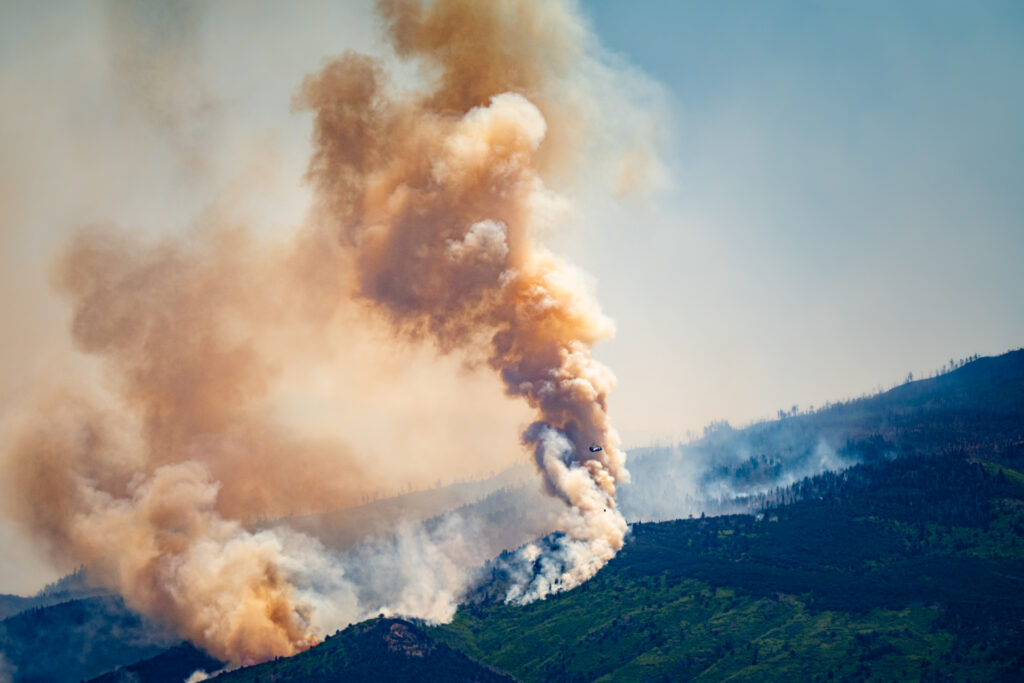
Heat waves do not exist in isolation; they often act as "threat multipliers" for other natural disasters. One of the most direct connections is between extreme heat and wildfire risk. In the Rocky Mountains and the Pacific Northwest, record-low snowpack levels combined with early-season heat domes have led to the premature "curing" or drying out of vegetation.
By late July 2026, vegetation in significant portions of the Pacific Northwest had reached a state of dryness typically not seen until September. This has effectively expanded the window for extreme wildfire behavior, threatening population centers such as Spokane, Washington, much earlier in the year. The combination of dry fuels and high-temperature atmospheric conditions creates an environment conducive to "megafires" that are increasingly difficult for traditional firefighting resources to contain.
Infrastructure Strain and the Call for Clean Energy Solutions
The societal response to escalating heat has largely relied on increased air conditioning usage, which creates a dangerous feedback loop. The heightened demand for cooling strains the electrical grid, often leading to brownouts or blackouts during the times when cooling is most needed. Furthermore, if the energy powering these cooling systems is derived from fossil fuels, the resulting greenhouse gas emissions continue to drive the global warming that causes the heat waves in the first place.
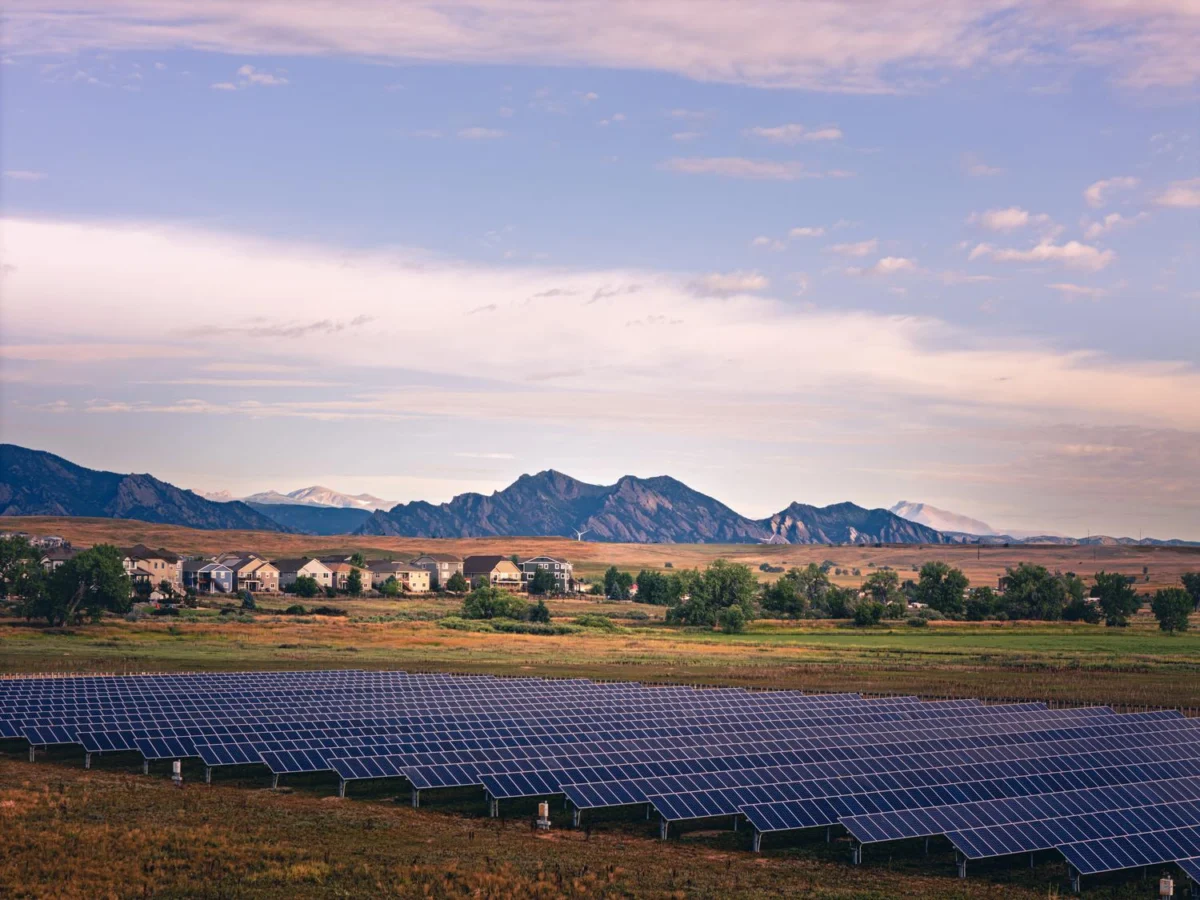
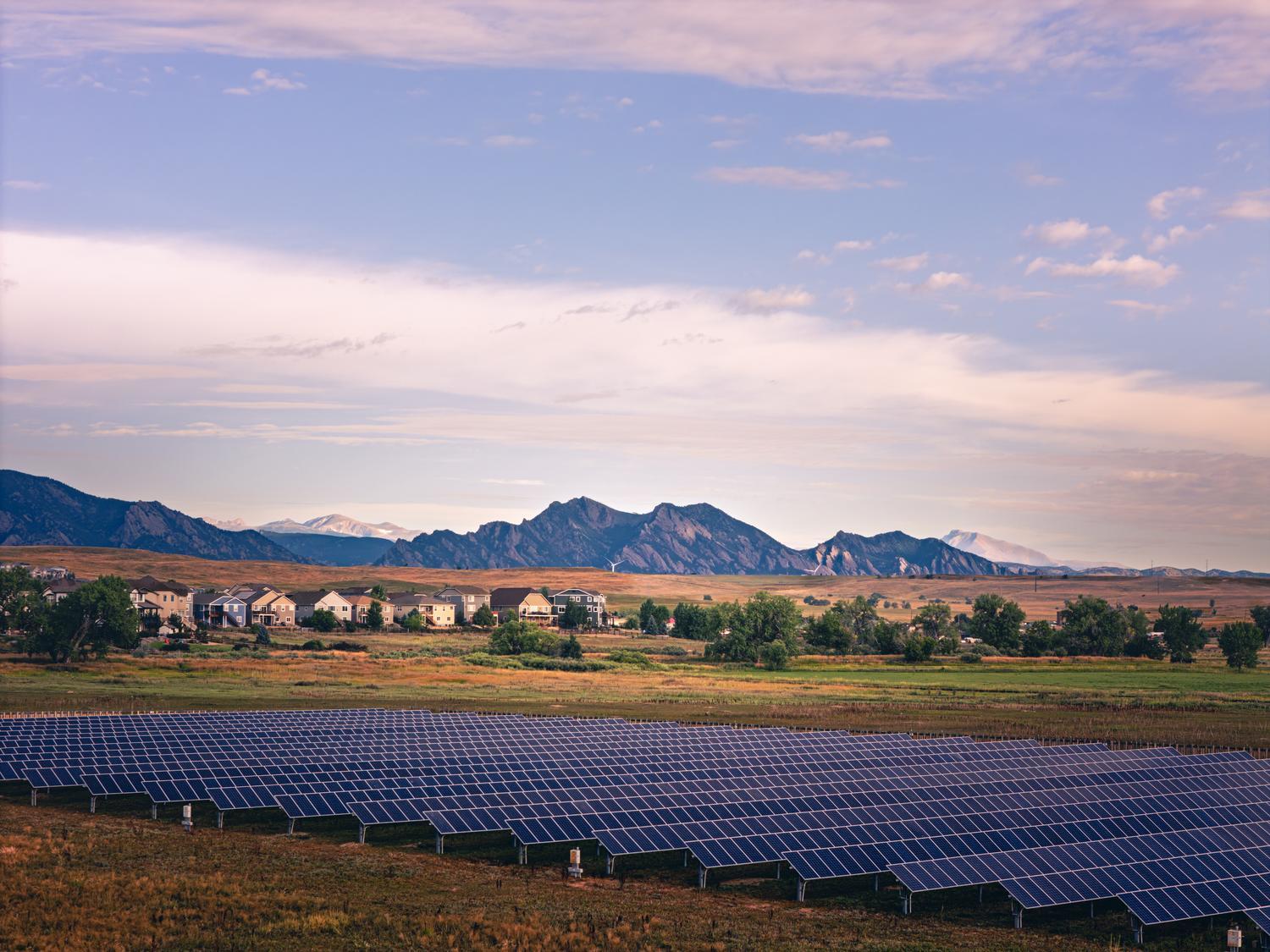
Experts argue that a transition to a more resilient, decentralized energy grid is essential. This includes the implementation of community solar projects, rural electric cooperatives, and local grid upgrades that prioritize renewable energy. These solutions are intended to reduce the carbon intensity of the energy sector while providing a more reliable power source during extreme weather events.
Conclusion and Public Safety Recommendations
As the "Outdoor State"—the collective of individuals who rely on the natural world for recreation and livelihood—confronts this new reality, adaptation becomes mandatory. The science confirms that the era of "normal" summers has passed, replaced by a period of intensifying extremes. While systemic changes in energy policy are required to address the root cause, immediate safety measures remain vital for those navigating high-heat environments.
Public health officials recommend monitoring forecasts for both temperature and humidity, staying hydrated, and scheduling outdoor activities for the early morning hours. Seeking shade and utilizing natural cooling sources, such as bodies of water, are also recommended strategies. Ultimately, understanding the meteorological drivers of these events is the first step toward building the community resilience and political will necessary to mitigate the impacts of a warming planet.
