

Updated November 2, 2026 03:23 PM
Quebec stands as a compelling winter destination, presenting a unique confluence of world-class skiing, profound cultural immersion, and remarkable accessibility for travelers across North America, particularly from the contiguous United States. Far from a mere provincial offering, Quebec’s winter landscape transforms into an expansive playground where diverse terrain, abundant snowfall, and vibrant Francophone culture converge, challenging the notion that exceptional winter experiences must be geographically remote or economically prohibitive. This distinct appeal is underpinned by a strategic blend of natural endowments and deliberate tourism development, making it an increasingly favored choice for those seeking adventure, relaxation, and cultural enrichment without the complexities of transatlantic travel or significant time zone adjustments.
The Allure of the Snow: A Winter Wonderland
At the heart of Quebec’s winter appeal lies its extraordinary snow profile. The province consistently records some of Canada’s highest annual snowfall, with averages often reaching up to 250 inches (approximately 635 centimeters) per year across its varied regions. This consistent accumulation provides a foundation for extended ski seasons and pristine conditions, catering to all types of snow enthusiasts. The snow itself is multifaceted: from light, fluffy powder that blankets the highest peaks to meticulously groomed corduroy runs and expansive natural glades. This ensures a dynamic experience, whether one seeks the exhilaration of deep backcountry descents or the meditative glide across perfectly manicured tracks.
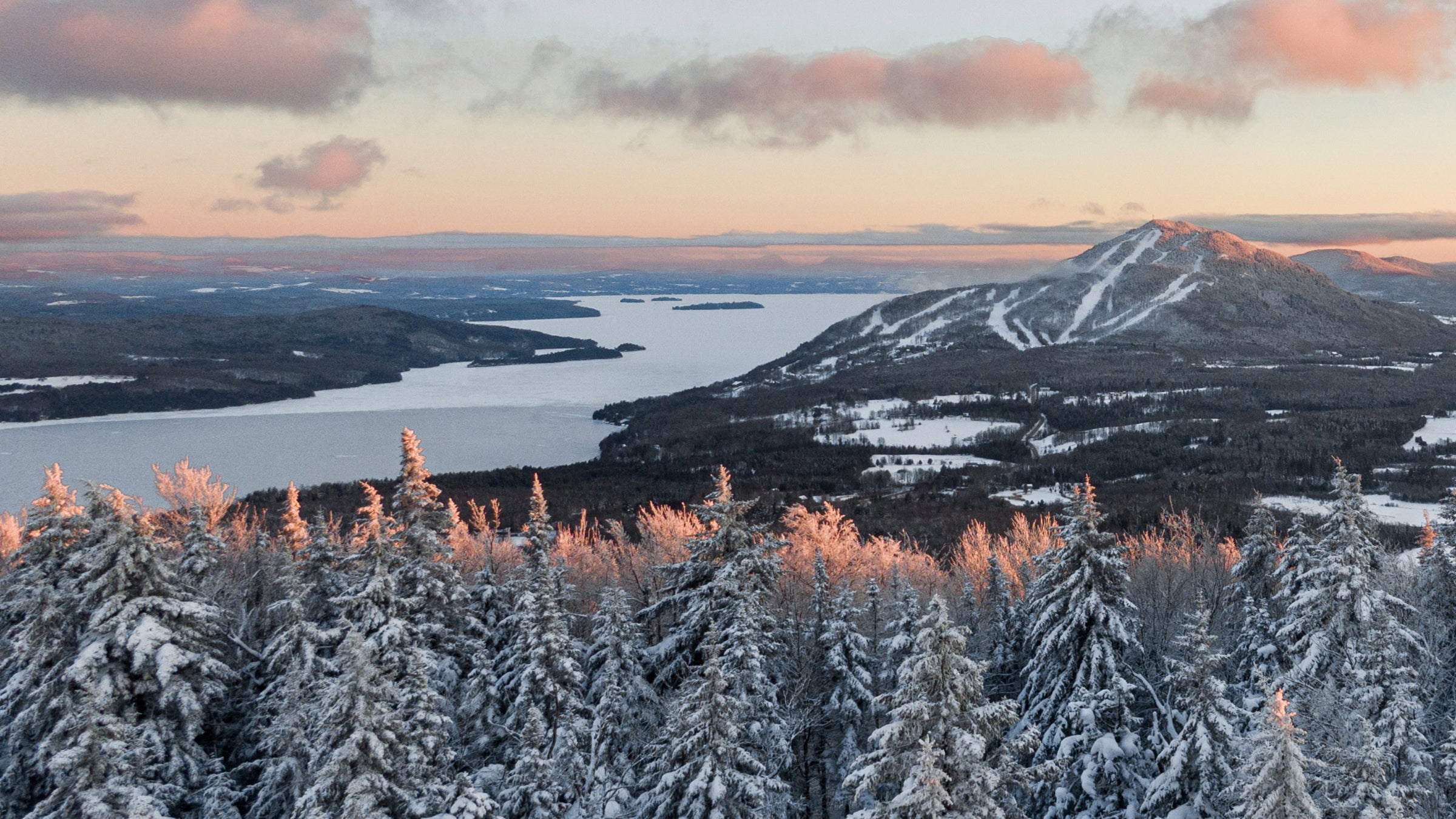
Quebec’s diverse topography, a result of its vast geographical expanse, ensures a spectrum of skiable terrain. The province is home to over 70 ski resorts, ranging from large-scale, internationally renowned destinations to intimate, family-oriented hills. This extensive network means skiers and snowboarders can choose between challenging steep pitches, wild ungroomed areas that test advanced skills, or gentle, peaceful slopes ideal for beginners and families. Many resorts, particularly in the Charlevoix and Laurentian regions, boast substantial vertical drops, providing long, sustained runs that rival those found in more distant and often more expensive destinations. Furthermore, significant investments in state-of-the-art snowmaking technology across major resorts guarantee consistent snow coverage and extend the operational season, mitigating reliance solely on natural snowfall fluctuations. This blend of natural abundance and technological enhancement positions Quebec as a reliable and high-quality winter sports hub.
The history of skiing in Quebec dates back to the early 20th century, with the development of pioneering ski clubs and rudimentary lifts. The sport gained significant traction after World War II, leading to the establishment of many of the resorts recognized today. Iconic destinations like Mont Tremblant, founded in 1939, and Mont-Sainte-Anne, developed in the 1960s, have evolved from humble beginnings into modern, comprehensive winter resorts, continually upgrading their infrastructure, lifts, and guest services. This chronological development reflects a deep-rooted passion for winter sports and a sustained commitment to creating world-class facilities.
Seamless Access: Bridging Borders, Not Time Zones
One of Quebec’s most compelling advantages is its unparalleled accessibility for the vast population of the U.S. East Coast. Unlike distant Western destinations, Quebec is remarkably close, eliminating the need for lengthy flights, significant time zone adjustments, or prohibitive travel costs. Montreal (YUL) is a mere 90-minute flight or a six-hour drive from Boston, while Quebec City (YQB) can be reached from New York City in under two hours by air. Major urban centers like Toronto and Ottawa in Canada are even closer, further solidifying Quebec’s position as a regional and international gateway.
The ease of border crossing for U.S. citizens, typically a straightforward process, further streamlines travel. This geographical proximity translates directly into practical benefits: travelers can maximize their time on the slopes and immersed in culture rather than enduring arduous journeys. Furthermore, the favorable exchange rate between the U.S. Dollar and the Canadian Dollar consistently offers American visitors significant savings on accommodations, lift tickets, dining, and other expenses. This economic advantage positions Quebec as a high-value destination, allowing travelers to experience premium winter offerings at a more accessible price point compared to many domestic U.S. ski resorts. This confluence of proximity, ease of entry, and cost-effectiveness creates a highly attractive proposition for winter vacationers.
A Tapestry of Culture: Beyond the Slopes
Beyond its formidable natural attributes, Quebec offers a distinct cultural landscape that enriches the winter experience exponentially. As North America’s sole predominantly French-speaking province, Quebec provides a unique cultural immersion that feels distinctly European, yet remains conveniently situated within the continent. This cultural depth is palpable in its historic neighborhoods, where 17th-century colonial architecture, complete with narrow cobblestone streets, turrets, and flagstone courtyards, evokes a sense of stepping back in time. Cities like Quebec City, a UNESCO World Heritage site, offer an enchanting backdrop to a winter getaway, with its fortified walls and the iconic Château Frontenac dominating the skyline.
The "joie de vivre" – a profound appreciation for life, good food, and convivial company – is an intrinsic part of Quebecois identity and permeates the entire winter experience. This translates into a vibrant gastronomy scene, celebrating both time-honored traditions and modern culinary flair. Visitors can savor classic Quebecois dishes such as poutine, tourtière (meat pie), and maple-infused delicacies, alongside sophisticated fine dining options in urban centers and rustic, hearty fare in mountain bistros. The province also boasts a thriving craft beer scene, with numerous microbreweries offering innovative local brews that perfectly complement the après-ski atmosphere.
Winter in Quebec is not just about skiing; it’s about embracing the season with a multitude of festivities. The Quebec Winter Carnival, one of the world’s largest winter festivals, transforms Quebec City into a magical realm of ice sculptures, parades, and outdoor activities, drawing hundreds of thousands of visitors annually. Smaller, regional festivals and community events further punctuate the winter calendar, offering visitors authentic glimpses into local traditions and communal celebrations. This rich cultural tapestry ensures that a trip to Quebec is a multi-sensory journey, appealing to those who seek more than just athletic pursuits from their winter vacation.
Exploring Quebec’s Diverse Ski Regions
Quebec’s vast geography ensures a wide array of distinct ski regions, each with its unique character and appeal. This regional diversity allows travelers to tailor their winter adventure to specific preferences, whether they prioritize dramatic scenery, vibrant urban experiences, luxury amenities, or budget-friendly resort hopping.
Charlevoix: Majestic Peaks and Maritime Vistas
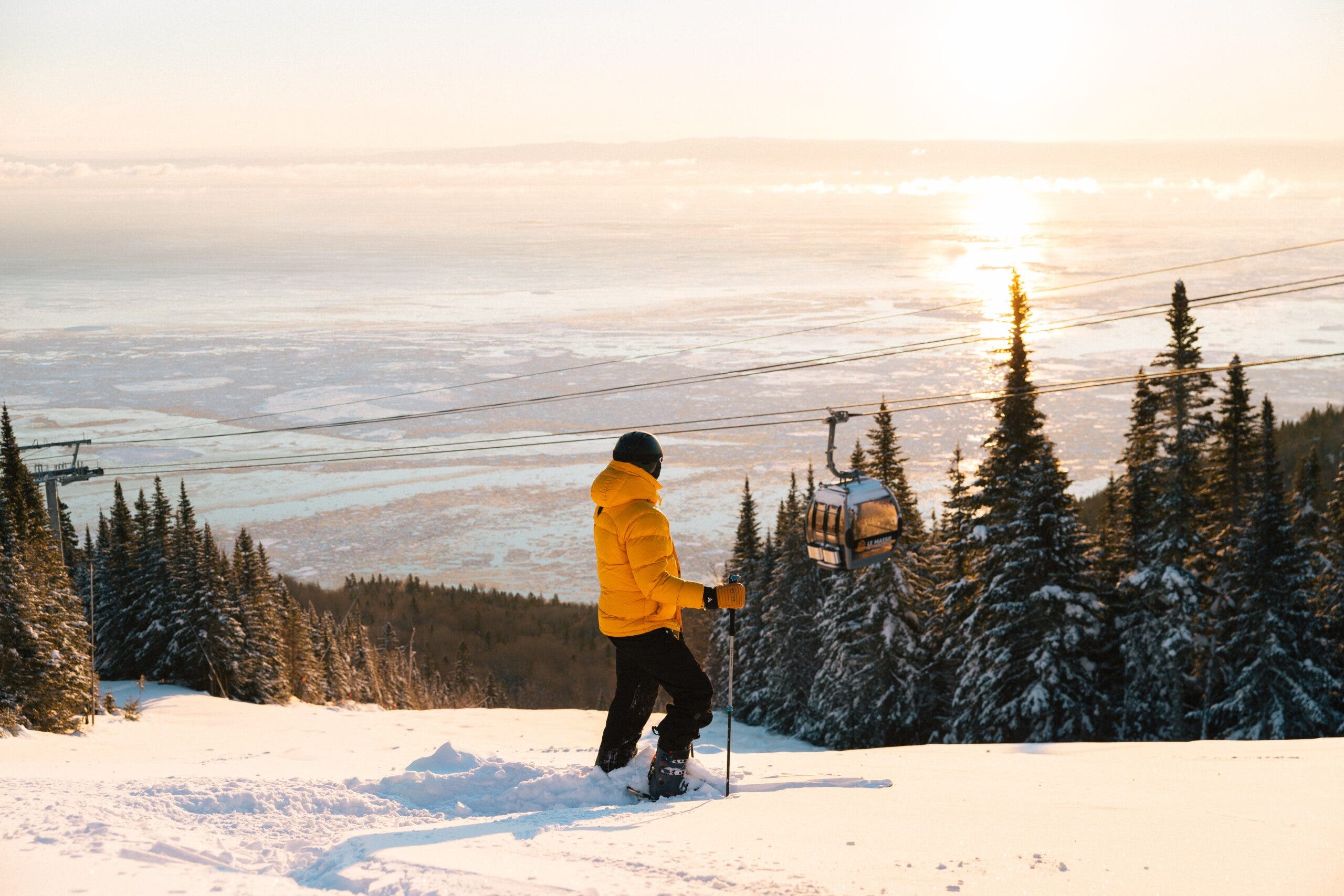
Northeast of Quebec City, the Charlevoix region is renowned for its breathtaking "big mountain" scenery, where the rugged peaks of the Laurentian Mountains plunge dramatically towards the vast St. Lawrence River. This unique geographical convergence creates unparalleled views and a distinctive maritime snowpack, known for its buttery consistency. Le Massif de Charlevoix is the crown jewel of the region, boasting the biggest vertical drop east of the Canadian Rockies. Its slopes offer unbelievably long runs, with some trails culminating directly at the river’s edge, providing an experience unmatched in North America. The resort is celebrated for its challenging terrain, including steep glades and sweeping bowls, appealing to expert skiers seeking an exhilarating ride amidst serene natural beauty. Nearby, Mont Grand-Fonds offers a more compact layout and a laid-back atmosphere, providing excellent terrain for all ability levels in a welcoming environment, often favored by families and those seeking a quieter experience.
Quebec City Region: Urban Elegance Meets Alpine Thrills
Using Quebec City as a base camp allows visitors to seamlessly blend an immersive cultural experience with exhilarating ski days. The provincial capital, with its UNESCO-listed Old Quebec, offers an enchanting maze of European architecture, historic neighborhoods, and a dynamic arts and culinary scene. An evening stroll through the snow-draped streets feels like wandering through a fairytale. Yet, world-class skiing is remarkably close. Mont-Sainte-Anne, just a 30-minute drive from the city center, offers extensive terrain with a substantial vertical drop, a wide array of runs for all abilities, and renowned night skiing facilities. This proximity allows visitors to indulge in the vibrant Quebecois lifestyle—exploring museums, dining in acclaimed restaurants, and enjoying lively bars—without sacrificing valuable time on the slopes. The region also includes Stoneham Mountain Resort, another popular choice known for its family-friendly atmosphere and diverse terrain, further enhancing the appeal of this urban-alpine combination.
The Laurentians: Luxury, Leisure, and Legendary Après-Ski
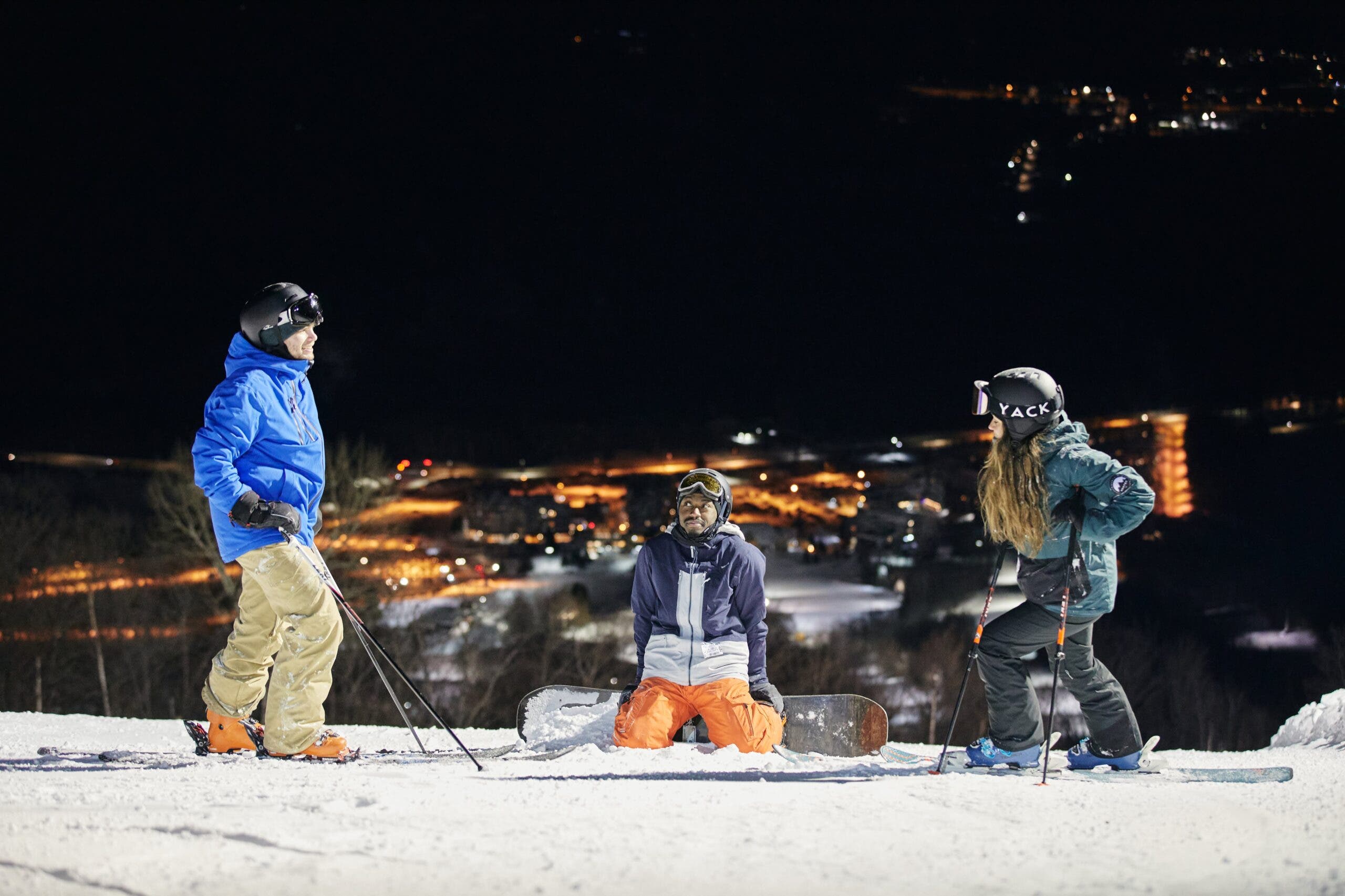
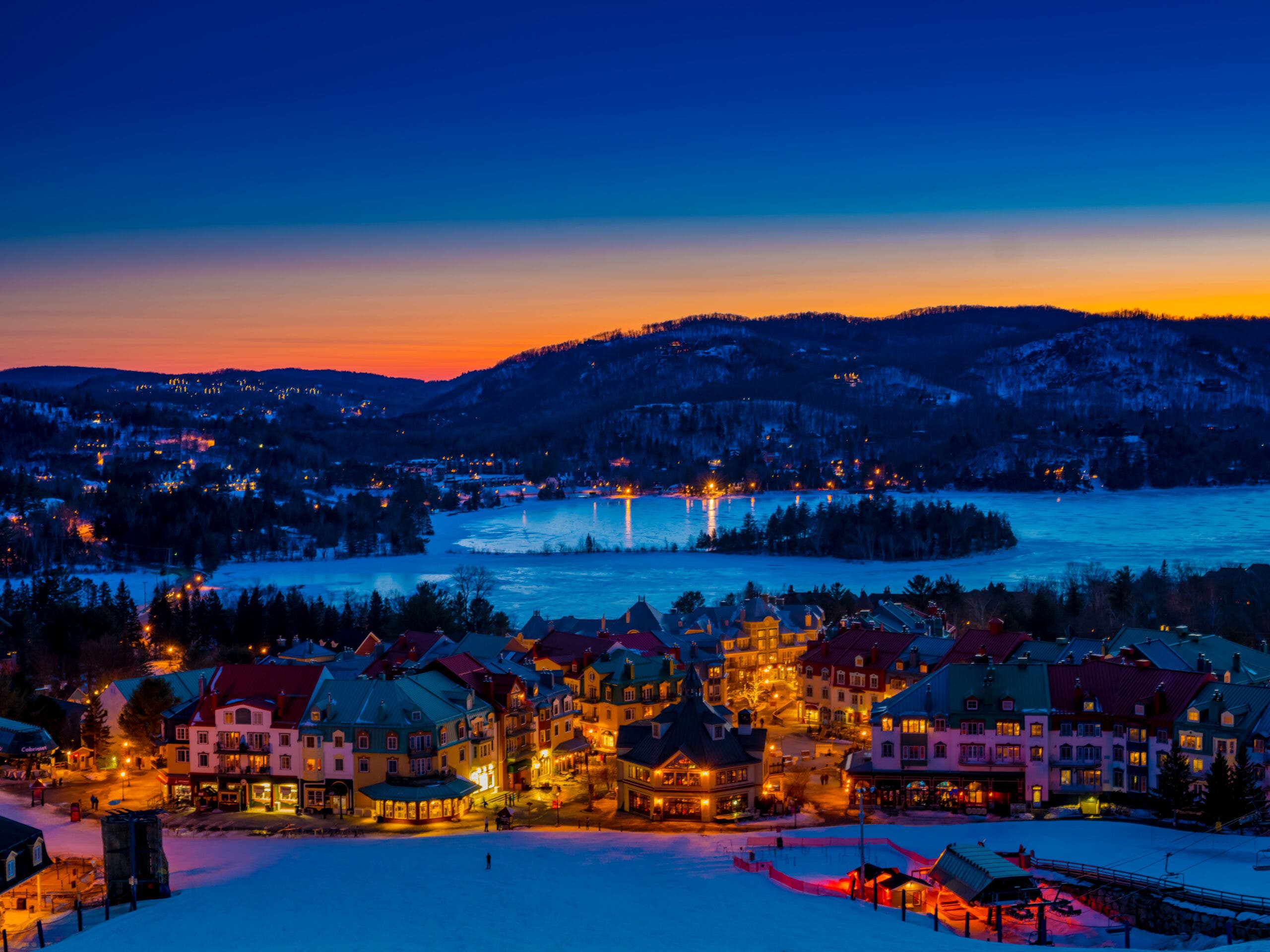
Located close to Montreal, the Laurentian Mountains are synonymous with upscale winter escapes. This region is dotted with charming, Alps-style villages, such as Mont Tremblant, which offer sophisticated accommodations, world-class spas, gourmet bistros, and a thriving microbrewery scene. The Laurentians are celebrated for their robust après-ski tradition, where the camaraderie and festive atmosphere extend well beyond the last run of the day. Mont Tremblant, the region’s flagship resort, is a four-season destination famous for its picturesque pedestrian village, vibrant nightlife, and a stunning variety of terrain that caters to every skill level, from gentle learning areas to challenging steep-and-deep runs for experts. Its extensive snowmaking capabilities ensure consistent conditions throughout the long season. Beyond Tremblant, resorts like Mont-Blanc and Sommet Saint-Sauveur offer distinct advantages. Mont-Blanc provides a quieter, family-friendly atmosphere with excellent terrain, while Sommet Saint-Sauveur is famed for its extensive night skiing, allowing enthusiasts to extend their day on the snow under floodlights, followed by lively evening entertainment. The region also boasts numerous Nordic spas, offering a perfect blend of relaxation and rejuvenation after a day on the slopes.
Eastern Townships: Affordable Adventure and Resort-Hopping
Southeast of Montreal, the Eastern Townships present a densely packed landscape of ski areas, making it an ideal destination for resort-hopping and budget-conscious travelers. The region’s L’EST GO Pass offers discounted lift tickets across four of its premier hills, providing exceptional value. Bromont, montagne d’expériences, is a local favorite renowned for having one of the largest night skiing domains in North America, with over 90 runs illuminated after sunset. For those seeking the solitude of the deep woods, Mont Sutton offers world-class tree skiing and a wilder, more natural feel, with extensive glades that cater to adventurous skiers. Laid-back resorts such as Owl’s Head cater to families with panoramic views of Lake Memphremagog and a welcoming atmosphere. Mont-Orford, with its higher elevation, reliably boasts a motherlode of high-quality snow, attracting those who prioritize prime conditions and challenging terrain, including terrain parks for freestyle enthusiasts. This region offers a diverse array of experiences, from thrilling night runs to serene glade skiing, all within close proximity, allowing for a dynamic and varied ski vacation.
Statements and Perspectives: Voices from the Industry
"Quebec’s winter offerings are not just about exceptional skiing; they’re about providing an immersive cultural journey that feels worlds away, yet is incredibly accessible," remarked a spokesperson for Tourisme Québec. "We continuously invest in enhancing our infrastructure and promoting the diverse experiences available, from the historic charm of Quebec City to the majestic slopes of Charlevoix. Our goal is to ensure every visitor leaves with unforgettable memories and a desire to return."
The president of the Quebec Ski Areas Association further highlighted, "The ongoing investment in snowmaking technology, high-speed lifts, and resort infrastructure across Quebec ensures consistent, high-quality conditions for all visitors. This commitment extends our operational season and significantly enhances the guest experience, reinforcing Quebec’s reputation as a reliable and premier ski destination in North America."
Local business owners across Quebec’s ski regions consistently attest to the significant economic boost winter tourism provides. "The influx of visitors during the winter season is vital for our local economy," stated a proprietor of a boutique hotel in the Laurentians. "It supports everything from our small businesses and artisanal producers to our cultural institutions, allowing us to maintain our unique Quebecois identity and offer authentic experiences." These sentiments underscore a shared commitment to fostering a vibrant and sustainable winter tourism industry.
Economic Engines and Sustainable Growth: The Broader Impact
Winter tourism plays a pivotal role in Quebec’s economy, contributing substantially to its Gross Domestic Product and supporting tens of thousands of jobs across various sectors, including hospitality, transportation, retail, and recreational services. The continuous investment in ski resort infrastructure, including new lifts, expanded snowmaking capabilities, and enhanced guest amenities, reflects a strategic commitment to maintaining Quebec’s competitive edge in the North American ski market. These investments not only improve the visitor experience but also drive regional development, creating opportunities in often rural areas.
Furthermore, Quebec is increasingly focusing on sustainable tourism practices. Many resorts are implementing initiatives aimed at reducing their environmental footprint, such as energy-efficient snowmaking systems, waste reduction programs, and responsible land management. This commitment to environmental stewardship ensures the long-term viability of Quebec’s natural winter assets, aligning with global trends in responsible travel. The distinct cultural experience offered by Quebec also aids in cultural preservation, as tourism revenue often supports local artists, artisans, and cultural institutions, allowing the unique Francophone heritage to thrive.
In comparison to other major North American ski destinations, Quebec offers a distinctive value proposition. While regions like the Rockies boast higher elevations, Quebec differentiates itself through its unique blend of cultural immersion, European charm, and exceptional value, all within a more accessible geographical framework for a significant portion of the North American population. This combination allows Quebec to attract a broad demographic of travelers, from families seeking affordable, multi-faceted vacations to seasoned skiers looking for new challenges and cultural enrichment.
In conclusion, Quebec’s winter appeal is a powerful synthesis of abundant natural snow, extensive and varied terrain, a rich and distinctive cultural fabric, and unparalleled accessibility. The province’s four primary ski regions—Charlevoix, Quebec City, the Laurentians, and the Eastern Townships—each offer unique experiences, yet all are united by Quebec’s unmistakable “joie de vivre” and commitment to quality. From the dramatic slopes overlooking the St. Lawrence to the historic charm of its capital city, and from luxurious alpine villages to budget-friendly resort-hopping, Quebec provides a comprehensive winter adventure. Coupled with favorable economic conditions for U.S. travelers and a dedication to sustainable growth, Quebec has solidified its position as a premier North American winter destination, inviting travelers to discover its unique charm and squeeze more adventure out of their winter season.
