


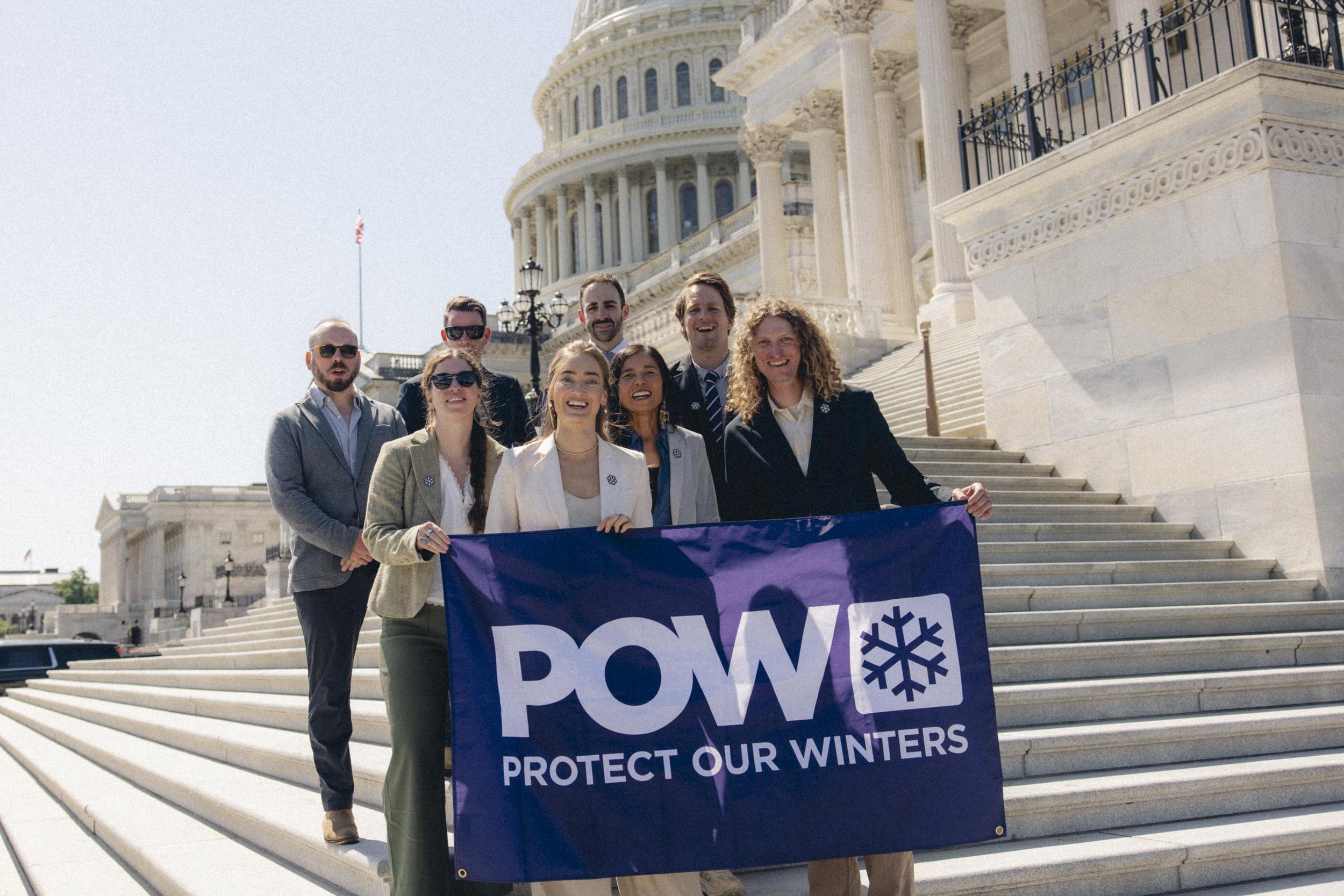
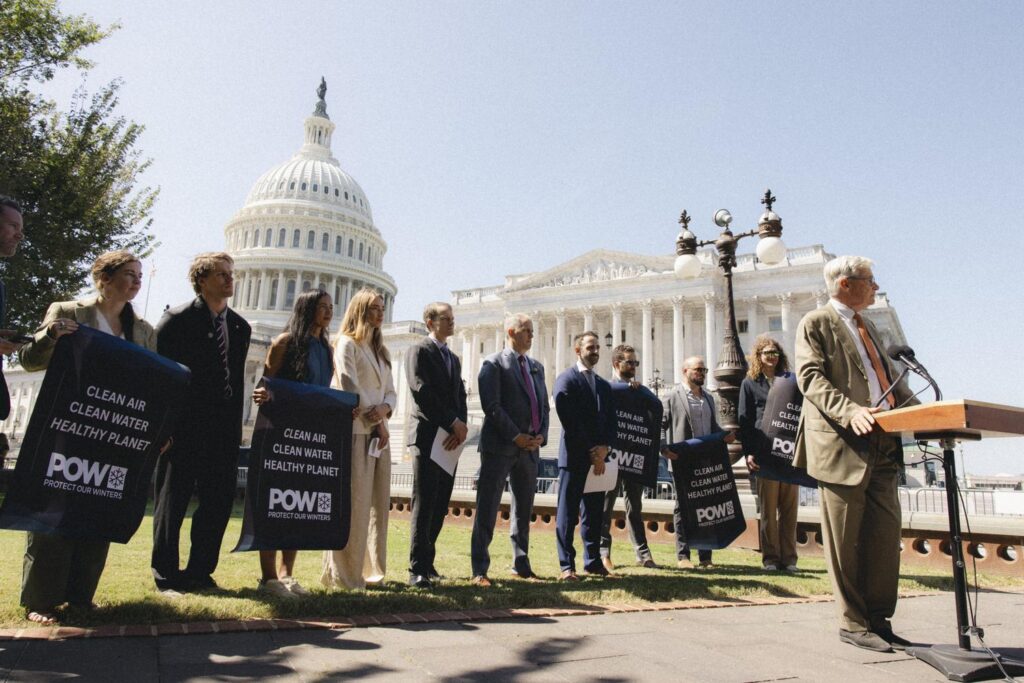
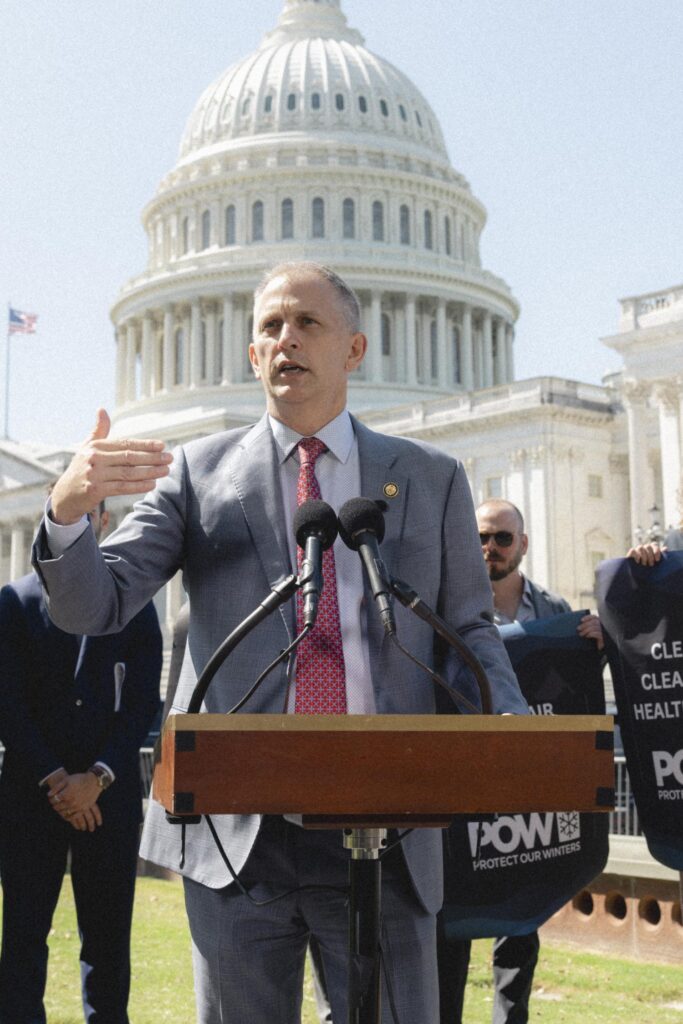
On September 16, 2024, a coalition of federal lawmakers and environmental advocates convened on the steps of the United States Capitol to announce the introduction of the Environmental Health Restoration Act (EHRA). Spearheaded by Representative Sean Casten (D-IL) and Senator Sheldon Whitehouse (D-RI), the legislation represents a comprehensive effort to restore and codify the regulatory authority of the Environmental Protection Agency (EPA), which proponents argue has been systematically dismantled through executive actions and judicial rulings over the past several years. The bill arrives at a critical juncture in American environmental policy, seeking to transform the EPA from an agency subject to the shifting priorities of successive presidential administrations into a more durable institution anchored by explicit congressional mandates.
For more than half a century, the EPA has functioned as the primary guardian of the nation’s natural resources and public health. Established in 1970 under the Nixon administration, the agency was the product of a rare era of bipartisan consensus regarding the necessity of federal oversight for air and water quality. However, the introduction of the EHRA signals a recognition by modern legislators that this consensus has fractured. The proposed act aims to re-establish the agency’s core mission: the protection of public health, the maintenance of clean air and water standards, and the mitigation of climate-driven environmental degradation.
The Legislative Framework of the EHRA
The Environmental Health Restoration Act is designed to address what supporters describe as the "hollowing out" of federal environmental protections. In recent years, a series of rollbacks have targeted regulations governing methane emissions, mercury and air toxics standards, and the definition of "Waters of the United States" (WOTUS). These changes have not only reduced the scope of the EPA’s oversight but have also created a climate of regulatory uncertainty for industries and local governments.
The EHRA seeks to rectify this by providing the EPA with clear, statutory authority that is less vulnerable to judicial challenges. This is particularly relevant following recent Supreme Court decisions, such as West Virginia v. EPA (2022) and Loper Bright Enterprises v. Raimondo (2024), which have significantly curtailed the "Chevron deference" once afforded to federal agencies. By explicitly defining the EPA’s power to regulate greenhouse gases and other pollutants under the EHRA, Congress aims to satisfy the "Major Questions Doctrine," which requires clear legislative authorization for agency actions of vast economic and political significance.
Key provisions of the EHRA include:

- Restoration of Science-Based Safeguards: The bill mandates that regulatory decisions be rooted in peer-reviewed scientific data, shielding federal scientists from political interference.
- Durable Enforcement Mechanisms: It strengthens the EPA’s ability to enforce existing laws, ensuring that violators of the Clean Air Act and Clean Water Act face consistent penalties regardless of the current administration.
- Climate Resilience Mandates: The act incorporates climate change mitigation as a core component of the EPA’s public health mission, authorizing the agency to set aggressive standards for carbon pollution.
Historical Context and the Erosion of Bipartisanship
To understand the necessity of the EHRA, one must look at the trajectory of the EPA since its inception. In 1970, the agency was created in response to escalating public concern over visible pollution, such as the Cuyahoga River fire and the smog-choked skies of Los Angeles. The subsequent passage of the Clean Air Act (1970) and the Clean Water Act (1972) established a framework that successfully reduced lead in the atmosphere by 98% and made many previously "dead" waterways fishable and swimmable again.
However, the political landscape began to shift in the late 1990s and early 2000s. Environmental regulation increasingly became a partisan flashpoint, with critics arguing that EPA mandates placed an undue burden on the energy and manufacturing sectors. This tension culminated during the 2017–2021 period, during which more than 100 environmental rules were targeted for reversal. While some of these rollbacks were later reinstated, the EHRA’s sponsors argue that the "pendulum effect" of administrative changes prevents long-term environmental stability and discourages private sector investment in green technology.
The Economic and Public Health Impetus
The advocacy for the EHRA is not solely based on ecological concerns; it is deeply tied to the American economy and public health statistics. According to data from the Bureau of Economic Analysis (BEA), the outdoor recreation economy accounts for approximately $1.1 trillion in annual economic output, representing 2.2% of the U.S. GDP. This sector, which includes tourism, hunting, fishing, and skiing, is directly threatened by environmental degradation.
"Pollution doesn’t respect state lines," Senator Whitehouse noted during the bill’s introduction. "Wildfire smoke, air pollution, and contaminated waterways hit communities and economies across the map."

The public health data supporting the EHRA is equally compelling. Research from the American Lung Association indicates that nearly 120 million Americans live in counties with unhealthy levels of ozone or particle pollution. Furthermore, the economic cost of asthma, often exacerbated by poor air quality, is estimated at more than $80 billion per year in medical expenses and lost productivity. By reinforcing the EPA’s authority to limit industrial emissions, the EHRA aims to reduce these costs and improve the quality of life for vulnerable populations, particularly those in "fenceline" communities located near industrial hubs.
A Coalition of Outdoor and Scientific Interests
The introduction of the EHRA saw a significant presence from Protect Our Winters (POW), an advocacy group that mobilizes the outdoor sports community against climate change. POW brought a diverse coalition to Washington, D.C., including professional athletes, business leaders, and climate scientists.
Professional climber Tommy Caldwell, a member of the POW Alliance, provided a firsthand account of the changing environment during the press conference. "I’ve seen less and less snow, glaciers shrinking at a not-so-glacial pace, and volatile air quality," Caldwell stated. "This directly affects our community’s health and economy. A stronger, more durable EPA is essential for clean air, clean water, and a strong, healthy community."
This sentiment was echoed by Ben Gubits, POW’s Vice President of Advocacy & Campaigns, who emphasized the tangible consequences of regulatory rollbacks. Gubits argued that the EHRA "draws a clear line" that prioritizes the health of the citizenry over the interests of industrial polluters. The bill has also received formal endorsements from major environmental organizations, including the League of Conservation Voters (LCV), the Surfrider Foundation, the Natural Resources Defense Council (NRDC), and the Southern Utah Wilderness Alliance (SUWA).

Chronology of the EHRA Introduction and Advocacy
The path to the September 16 introduction involved months of strategic planning and cross-partisan outreach:
- Drafting Phase (Early 2024): Legislative aides for Rep. Casten and Sen. Whitehouse worked with legal experts to ensure the bill’s language could withstand modern judicial scrutiny.
- Coalition Building (Summer 2024): Environmental NGOs and outdoor industry leaders were briefed on the bill to build a broad base of support.
- The DC Fly-In (September 15-16, 2024): Advocates from the outdoor community arrived in Washington to meet with representatives from both parties.
- Formal Introduction (September 16, 2024): The bill was officially introduced in both the House and the Senate, accompanied by a press event on the Capitol lawn.
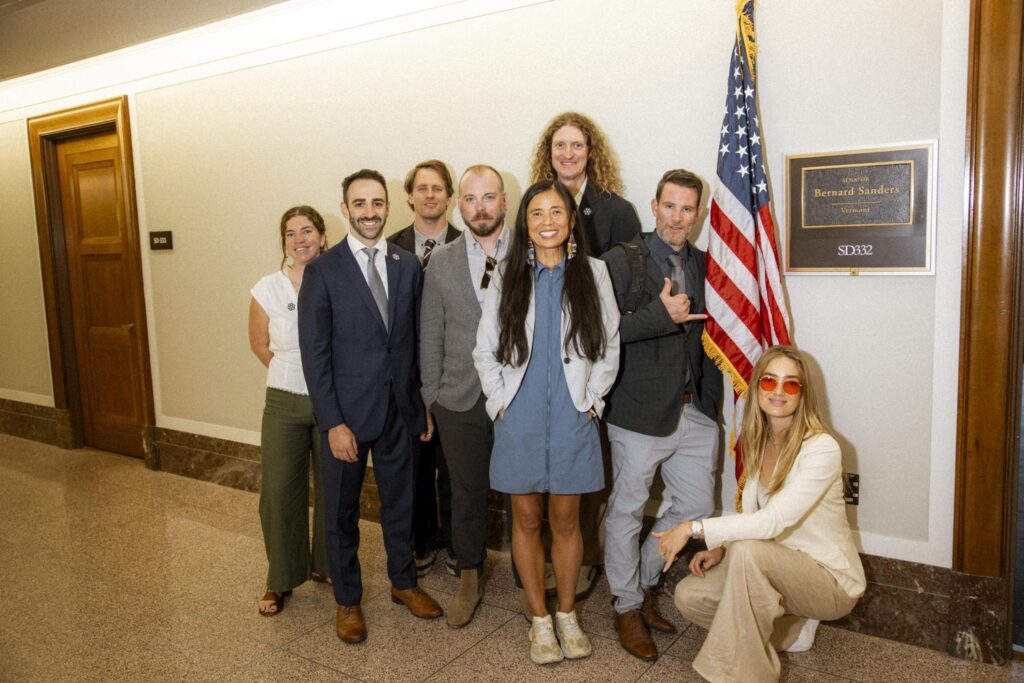
- Congressional Meetings: Following the introduction, supporters met with the offices of Representatives Andrew Garbarino and Maxine Dexter, as well as Senators Bernie Sanders, Jeff Merkley, and Ron Wyden, to solicit co-sponsorship.
Analysis of Implications and Legislative Outlook
While the EHRA represents a bold vision for the future of environmental governance, its immediate passage faces significant hurdles. The current 118th Congress is deeply divided, and major environmental legislation often requires a filibuster-proof majority in the Senate. Proponents of the bill are "clear-eyed" about these challenges, suggesting that the EHRA is a "marker bill"—a piece of legislation intended to set the agenda for future sessions.

The strategy involves playing a "long game," with supporters looking toward the 119th or 120th Congress (2027–2029) for a realistic window of passage. This timeline allows for the continued growth of a bipartisan coalition and the accumulation of public support. The goal is to create enough momentum that the bill becomes a priority when the political climate shifts.
If enacted, the EHRA would represent the most significant expansion of the EPA’s statutory power since the 1990 amendments to the Clean Air Act. It would effectively shift the power of environmental regulation back to the legislative branch, providing a more stable foundation for the agency’s work. This shift would likely lead to more consistent long-term planning for industries, as they would no longer need to fear radical shifts in environmental policy every four to eight years.

Conclusion: The Path Forward
The Environmental Health Restoration Act is more than a set of regulatory adjustments; it is a fundamental attempt to redefine the relationship between the federal government, the environment, and the public interest. By seeking to codify protections that were once taken for granted, Congress is attempting to insulate the nation’s air, water, and climate from the volatility of modern politics.
As the bill moves into the committee phase, the focus of its supporters will remain on grassroots organizing and legislative outreach. The success of the EHRA will ultimately depend on whether its advocates can convince a broader segment of the American public—and their representatives—that the health of the environment is an essential component of national stability and economic prosperity. For now, the introduction of the act serves as a definitive statement that the era of administrative uncertainty must come to an end in favor of a durable, science-based approach to environmental protection.
