

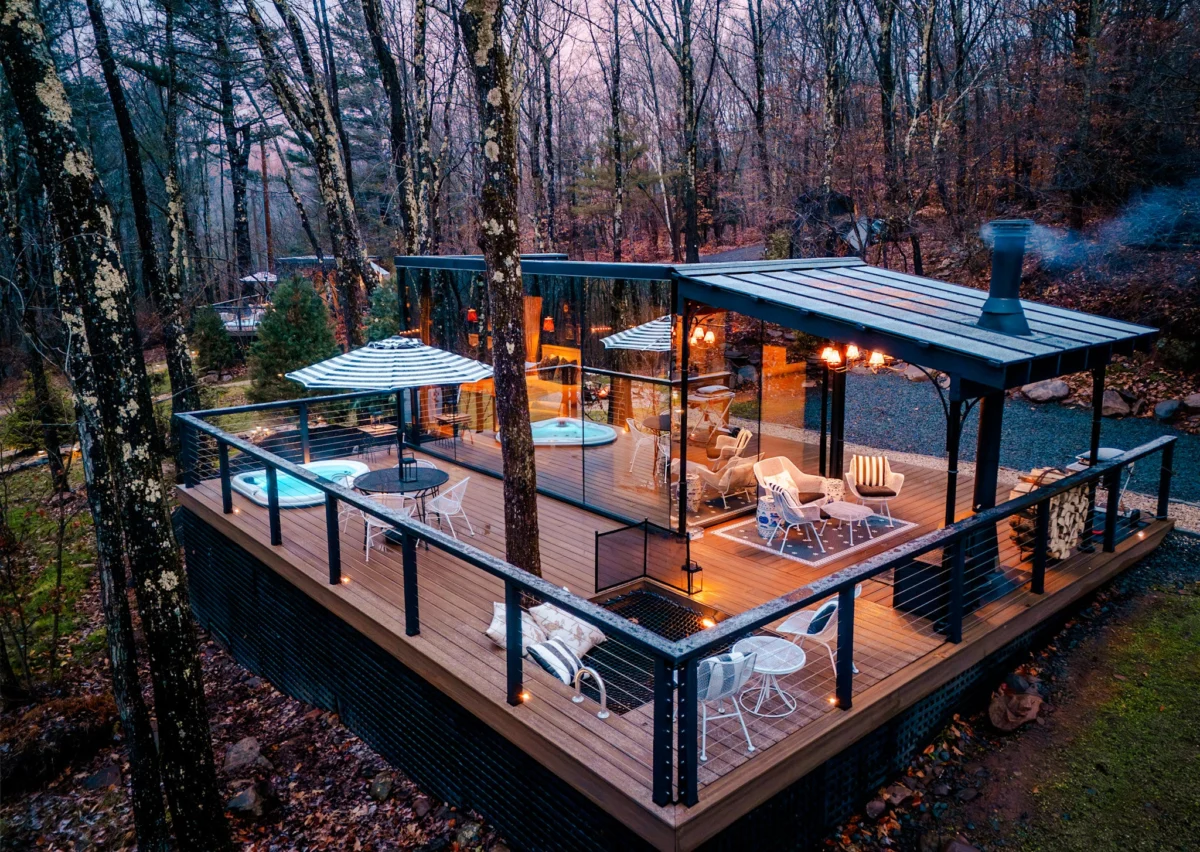
The landscape of holiday travel is undergoing a significant transformation as the 2026 winter season approaches, with a marked shift away from traditional domestic hosting toward curated mountain experiences. According to the latest winter travel report released by Airbnb, a growing segment of travelers is prioritizing high-altitude destinations and premium amenities over conventional home-based celebrations. This trend is underscored by a 37 percent year-over-year increase in search volume for destinations like Hunter, New York, alongside a surge in interest for established ski hubs such as Mammoth Lakes, California, and Brian Head, Utah.
Industry analysts suggest that this movement is driven by a desire to mitigate the logistical stresses associated with holiday hosting. As travelers seek to bypass the traditional requirements of meal preparation and household management, the demand for "turnkey" holiday rentals—properties equipped with professional-grade kitchens, expansive living spaces, and luxury wellness facilities—has reached record highs.
Evolution of Short-Term Rental Regulations and Consumer Expectations
A pivotal factor influencing the 2026 winter travel market is the implementation of Airbnb’s revised checkout protocols. For bookings made on or after November 20, 2026, the company has introduced standardized rules that generally prohibit hosts from requiring guests to perform labor-intensive tasks, such as stripping bed linens, managing laundry, or completing full dishwashing cycles. This policy shift is intended to align short-term rental experiences more closely with the hospitality standards of boutique hotels, removing a long-standing point of friction for holiday travelers.
The "amenity war" among property owners has also intensified. In 2026, the presence of a standard hot tub is no longer considered a luxury but a baseline expectation. Trending properties now feature advanced wellness installations, including private saunas, cold plunge pools, and steam rooms. Furthermore, the integration of dedicated gear storage and commercial-grade boot dryers has become a critical selling point for properties catering to the ski and snowboard demographic.
Market Analysis: The Rise of the "Micro-Mountain Town"
While major resorts continue to draw significant crowds, the 2026 data highlights a burgeoning interest in smaller, high-altitude communities. These "micro-mountain towns" offer a blend of accessible terrain and sophisticated lodging without the congestion of major metropolitan-adjacent hubs.
Mammoth Lakes and the Group Travel Dynamic
Mammoth Lakes remains a cornerstone of Western winter travel. The resort recently secured the No. 7 position in the 2027 Resort Guide rankings, performing exceptionally well in categories such as snow quality, grooming, and terrain variety. With a summit elevation exceeding 11,000 feet and more than 3,500 acres of skiable terrain, Mammoth offers a level of reliability that attracts long-distance travelers.
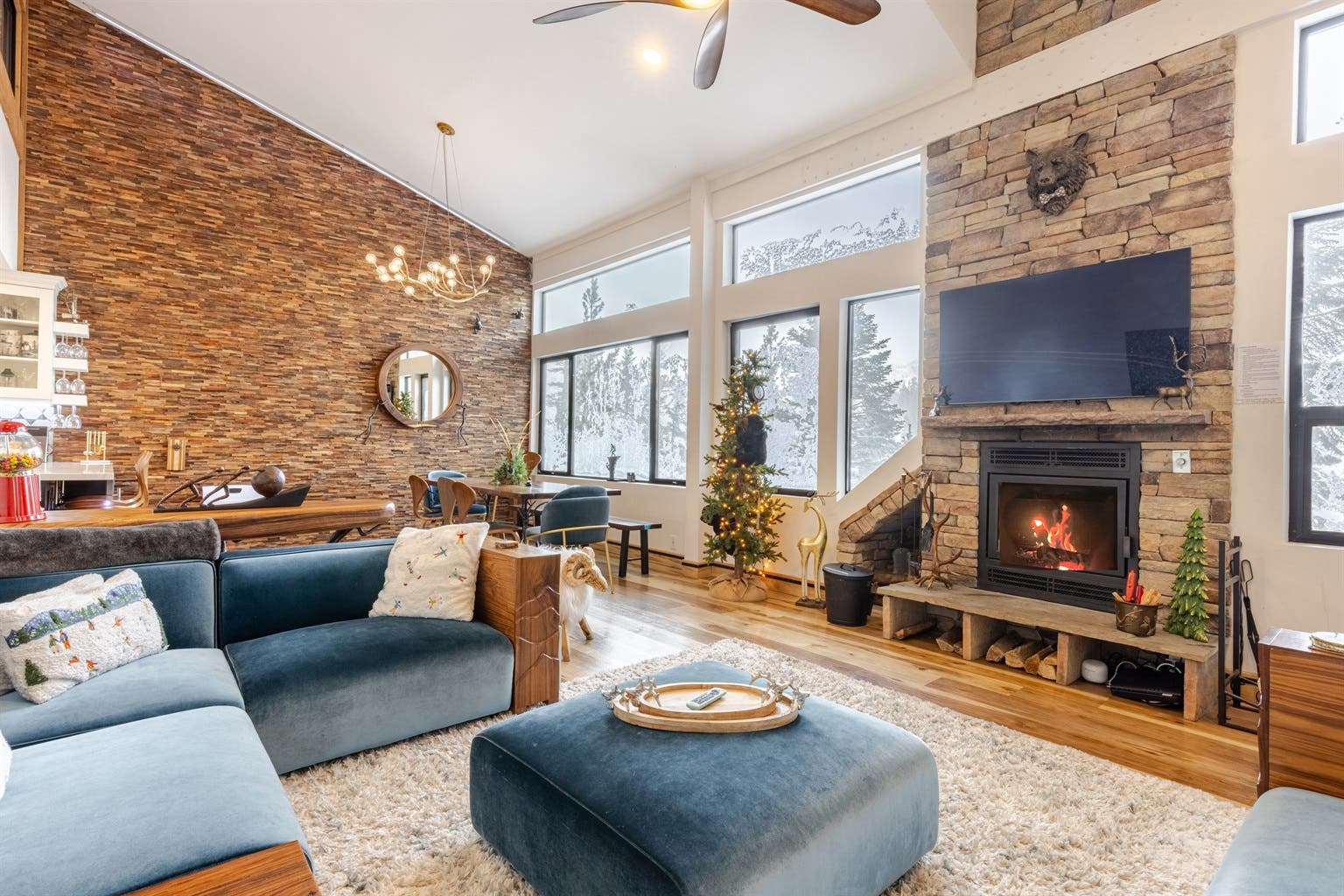
A significant trend in this region is the rise of the "Mega-Chalet"—properties designed to accommodate groups of 10 to 15 guests. The Gondola Chalet at Canyon Lodge serves as a primary example of this trend. Located within walking distance of multiple lifts, these properties allow groups to operate on decentralized schedules. This logistical flexibility is increasingly valued by multi-generational families and large social groups who wish to avoid the complications of carpooling and equipment transport.
The Architectural Allure of the Catskills
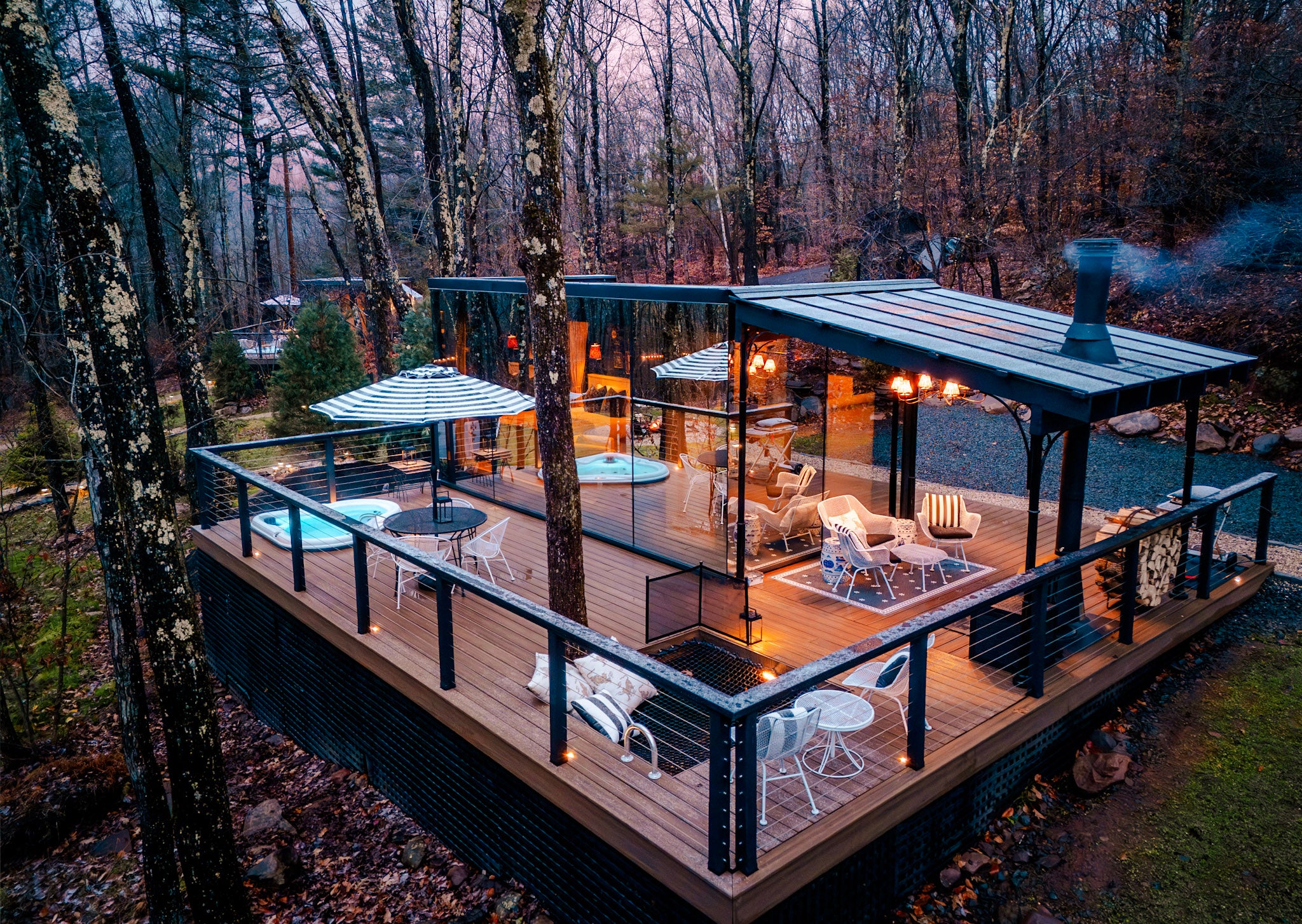
In the Eastern United States, Hunter, New York, has emerged as a focal point for architectural innovation in the rental market. The "Lion’s Lair," a 225-square-foot mirrored tiny home, represents a shift toward experiential lodging where the structure itself is a primary draw. These properties cater to the "romantic getaway" segment, providing a secluded atmosphere while maintaining proximity to Hunter Mountain’s 1,600 feet of vertical descent.
The accessibility of the Catskills is also being bolstered by specialized transportation services. The continued success of the Manhattan-to-Hunter ski bus, offering round-trip transit for approximately $59, has made the region viable for the significant portion of the New York City population that does not own a vehicle.
Regional Highlights and Resort Performance Data
The 2026-2027 ski season is characterized by a "return to roots" in the Northeast, while the Intermountain West continues to see growth in its high-elevation desert resorts.
Vermont’s Value and Terrain Variety
Smugglers’ Notch, Vermont, continues to leverage its reputation for terrain diversity. Ranked No. 11 overall in the East for 2027, the resort holds the No. 3 spot for value and No. 5 for terrain variety. Lodging trends in the area, such as the Secluded Riverside Cottage on the Brewster River, emphasize the "wellness in nature" theme. These properties often include private riverside saunas and wood-burning stoves, catering to travelers who prioritize post-ski recovery. However, logistics remain a factor in this region; the seasonal closure of Route 108 through Smugglers’ Notch Pass requires travelers to plan arrivals with precision, often necessitating four-wheel-drive vehicles for winter access.
Maine’s Modern Cabin Movement
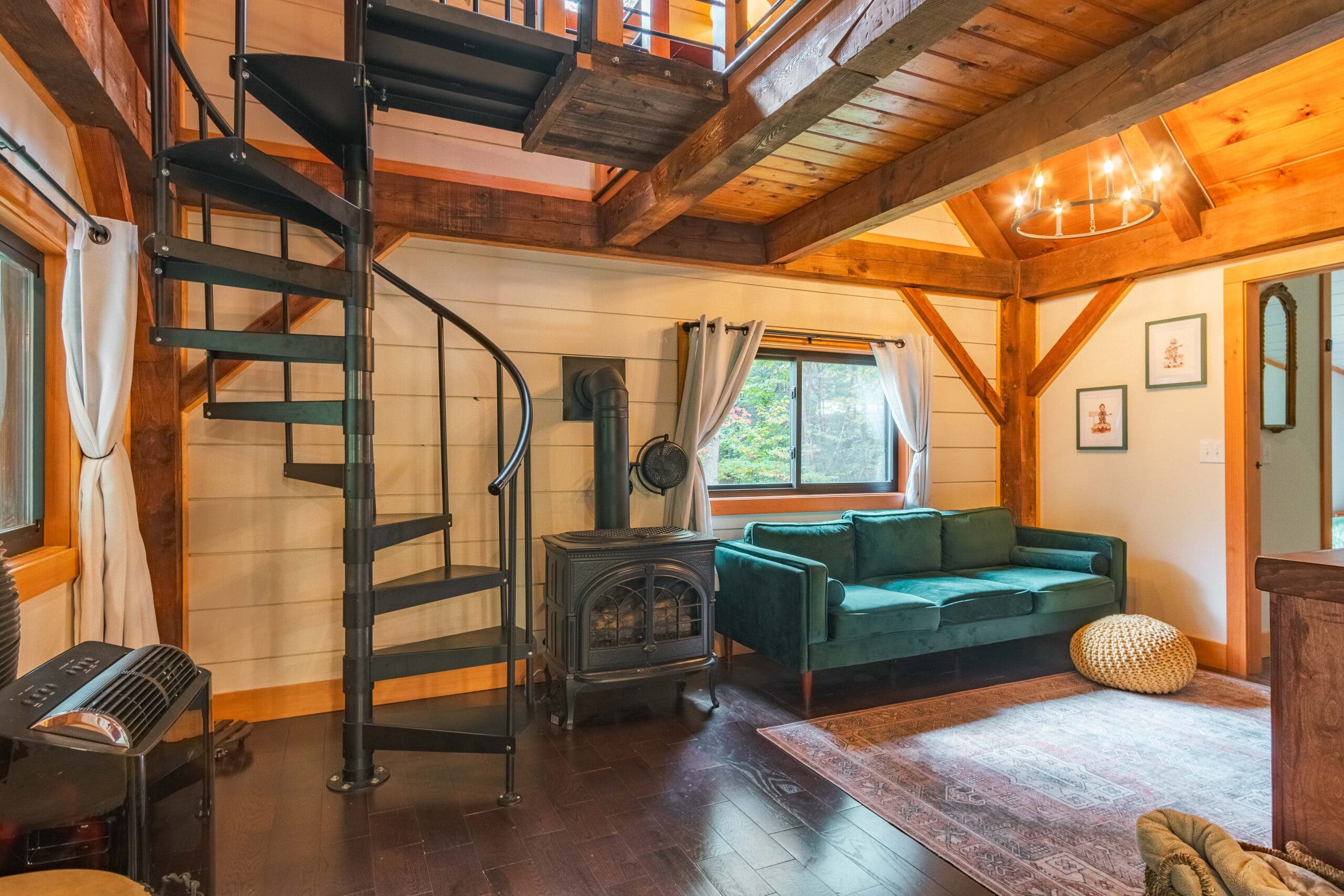
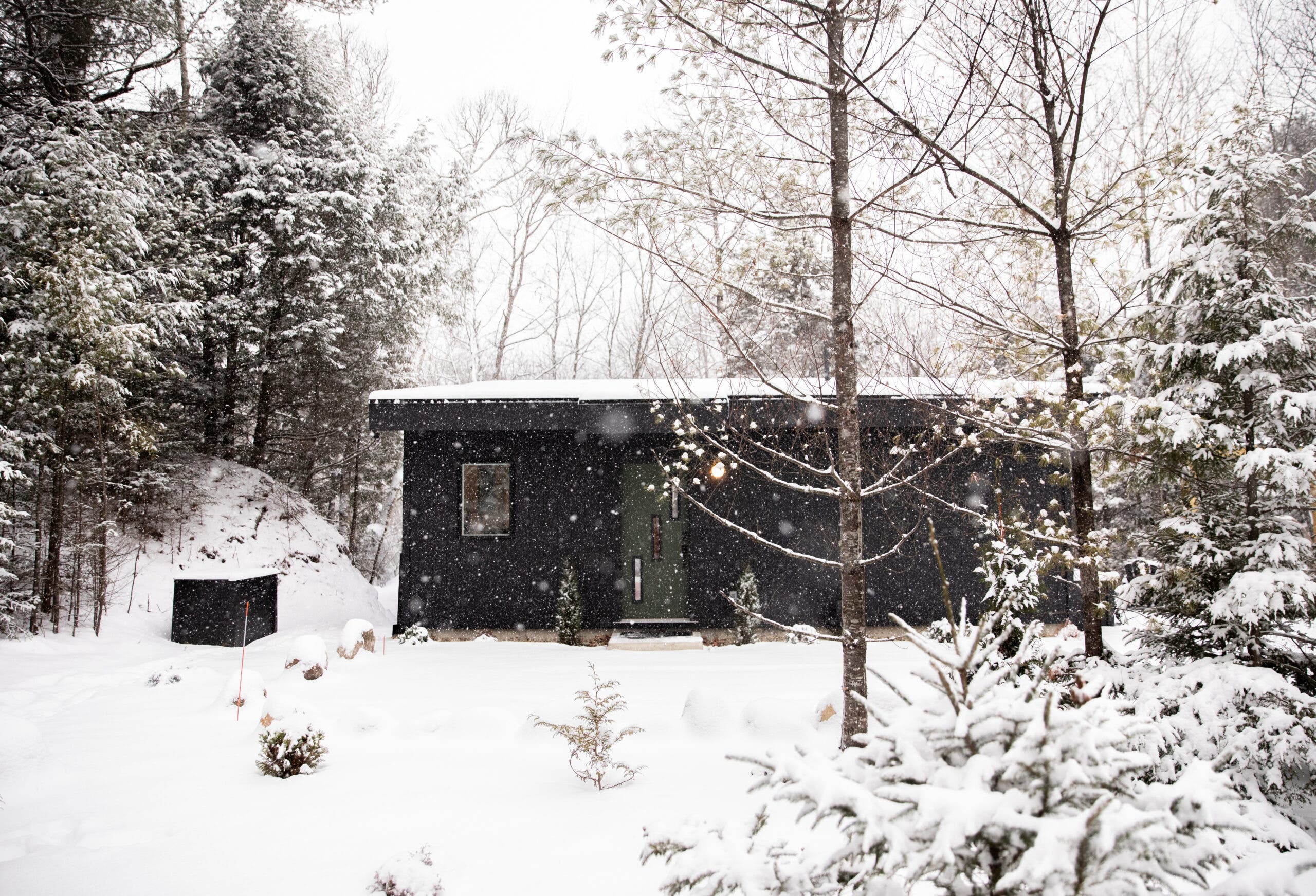
In Maine, Sunday River has solidified its status as a premier Eastern destination, ranking No. 9 in the 2027 regional guide. The resort’s eight interconnected peaks provide a vast canvas for skiers, but the real growth is seen in the "Hygge-inspired" rental market. The Cabin at Bear River exemplifies the modern Maine retreat, featuring radiant-heated floors and high-end culinary tools like KitchenAid mixers and fondue sets. This reflects a broader trend where travelers are increasingly choosing to dine in, provided the rental kitchen meets professional standards.
The Southern Utah Alternative
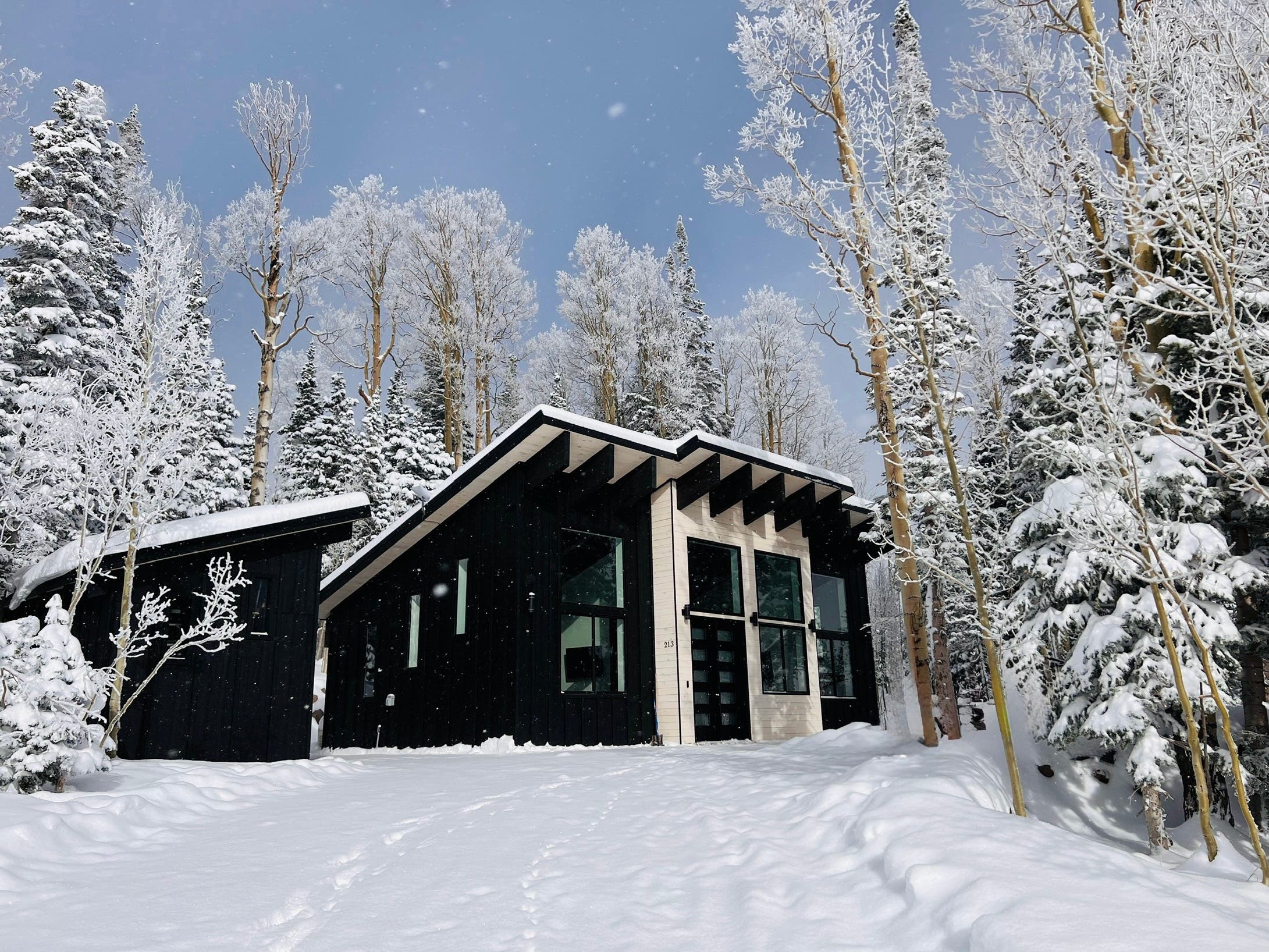
Brian Head Resort, located four hours south of Salt Lake City, is benefiting from the "anti-traffic" movement. As the Cottonwood Canyons face increasing congestion, Brian Head’s 9,600-foot base elevation and red-rock vistas offer a distinct alternative. The "Chalet Black," a Scandinavian-inspired property, highlights the aesthetic shift in the region toward minimalist, high-contrast architecture that stands out against the snowy landscape. This area is also seeing a rise in "ski-and-see" tourism, where visitors combine a ski trip with excursions to nearby Cedar Breaks National Monument.
New Hampshire and the "Hallmark" Aesthetic
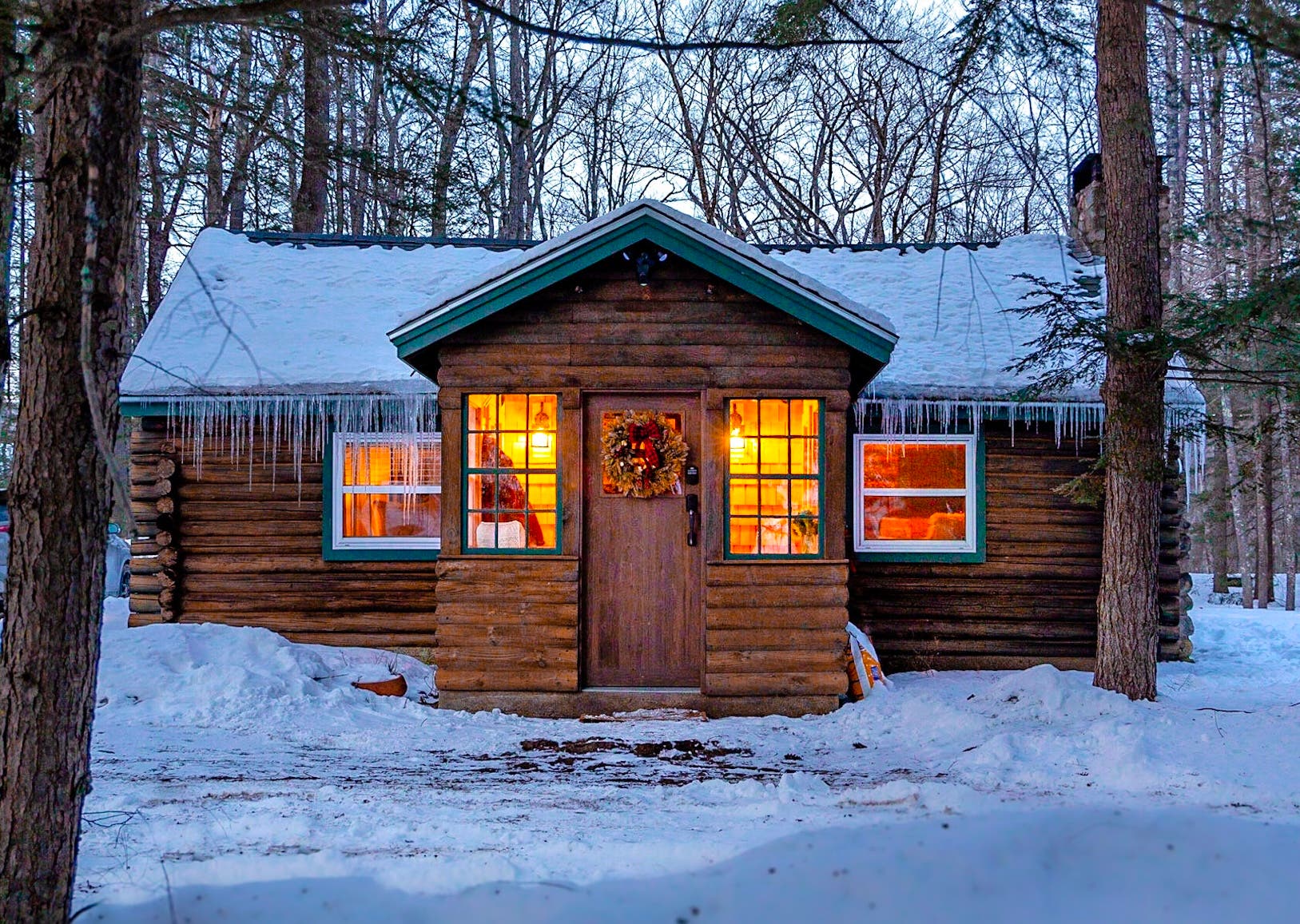
North Conway, New Hampshire, remains the epicenter of traditional New England winter aesthetics. Cranmore Mountain and Attitash Mountain Resort, ranked No. 17 and No. 19 in the East respectively, anchor a region that excels in lodging and dining. The "Conscious Cabin," a renovated log structure, represents the high demand for "storybook" accommodations. In 2026, North Conway took the top spot for lodging in industry surveys, a testament to the town’s ability to maintain a classic atmosphere while upgrading its internal infrastructure.
International Appeal: The Mont-Tremblant Factor
For North American travelers seeking an international atmosphere without a transoceanic flight, Mont-Tremblant, Québec, remains the primary choice. The resort’s pedestrian village and 2,116 feet of vertical descent provide a European-style experience. The "Horizon 115-204" condo illustrates the demand for ski-in/ski-out access in this market. With over 100 trails and a sophisticated snowmaking system, Tremblant is a high-reliability destination for early-season holiday trips.
Economic and Cultural Implications
The shift toward premium, decentralized holiday travel has significant implications for local economies. Small mountain towns are seeing a year-round benefit from the "winterization" of their rental stock. However, this trend also brings challenges, including the need for enhanced municipal services and the management of short-term rental densities.
From a cultural perspective, the 2026 winter season marks a definitive move toward "intentional travel." Travelers are no longer simply looking for a place to sleep between ski sessions; they are looking for environments that facilitate connection and relaxation. The data suggests that the "ski trip" has evolved into a "winter retreat," where the quality of the accommodation is weighted equally with the quality of the snow.
As the industry moves toward 2027, the integration of wellness technology, the simplification of rental logistics, and the focus on unique architectural experiences are expected to remain the primary drivers of the winter travel market. For the 2026 holiday season, the message from travelers is clear: they are willing to trade traditional routines for the serenity of the mountains, provided the amenities are world-class and the chores are non-existent.
