

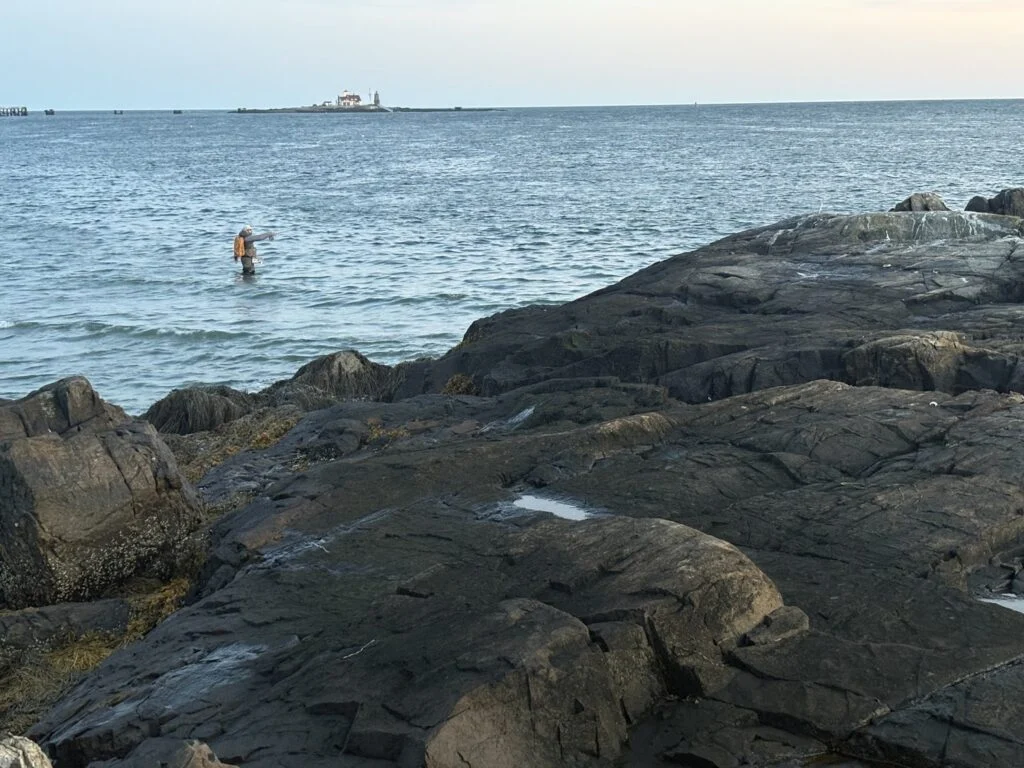
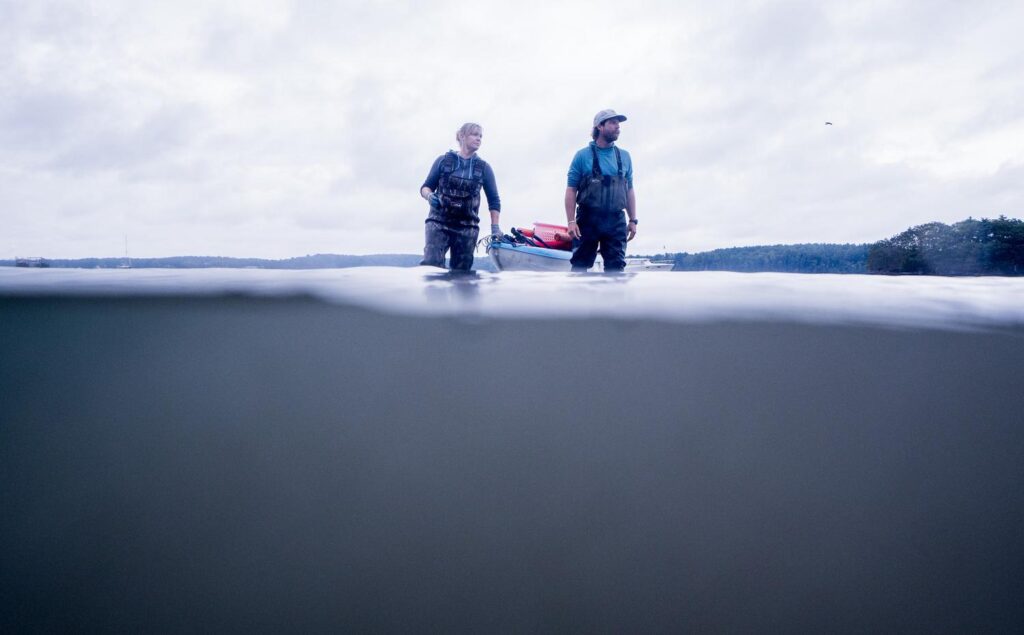
The Gulf of Maine is currently a focal point for global oceanographic research, serving as a bellwether for the impacts of accelerated climate change. Against this backdrop of environmental transformation, a new five-part documentary series titled New Blue View has been released, documenting the intersection of recreational fishing, local industry, and scientific advocacy. Supported by the climate advocacy group Protect Our Winters (POW) and the sustainability organization 11th Hour Racing, the series follows filmmaker Liam Gallagher and professional fishing guide Captain Kyle Schaefer as they navigate the coastal waters of Maine to highlight grassroots solutions to the climate crisis.
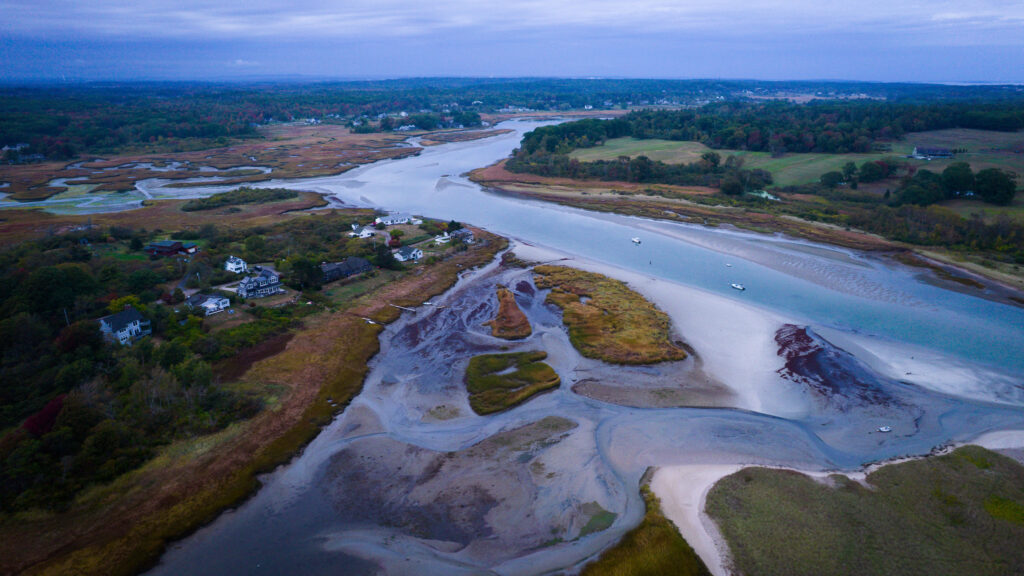
The production of New Blue View involved an intensive six-day filming schedule during the late summer and early autumn, a period when the Gulf’s tidal flats and estuaries are most active. The series seeks to bridge the gap between abstract climate data and the tangible experiences of those whose livelihoods depend on the health of the Atlantic ecosystem. By documenting conversations with a diverse array of stakeholders—including oyster farmers, research scientists, conservationists, and culinary professionals—the project provides a comprehensive look at how one region is adapting to unprecedented ecological shifts.
Environmental Context: The Rapidly Warming Gulf of Maine
The primary catalyst for the New Blue View project is the alarming rate at which the Gulf of Maine is warming. According to data from the Gulf of Maine Research Institute (GMRI), this body of water, which encompasses the area from Cape Cod in Massachusetts to the Canadian provinces of New Brunswick and Nova Scotia, is warming faster than 97% of the global ocean. This phenomenon is attributed to a combination of factors, including the northward shift of the Gulf Stream and the weakening of the cold Labrador Current.
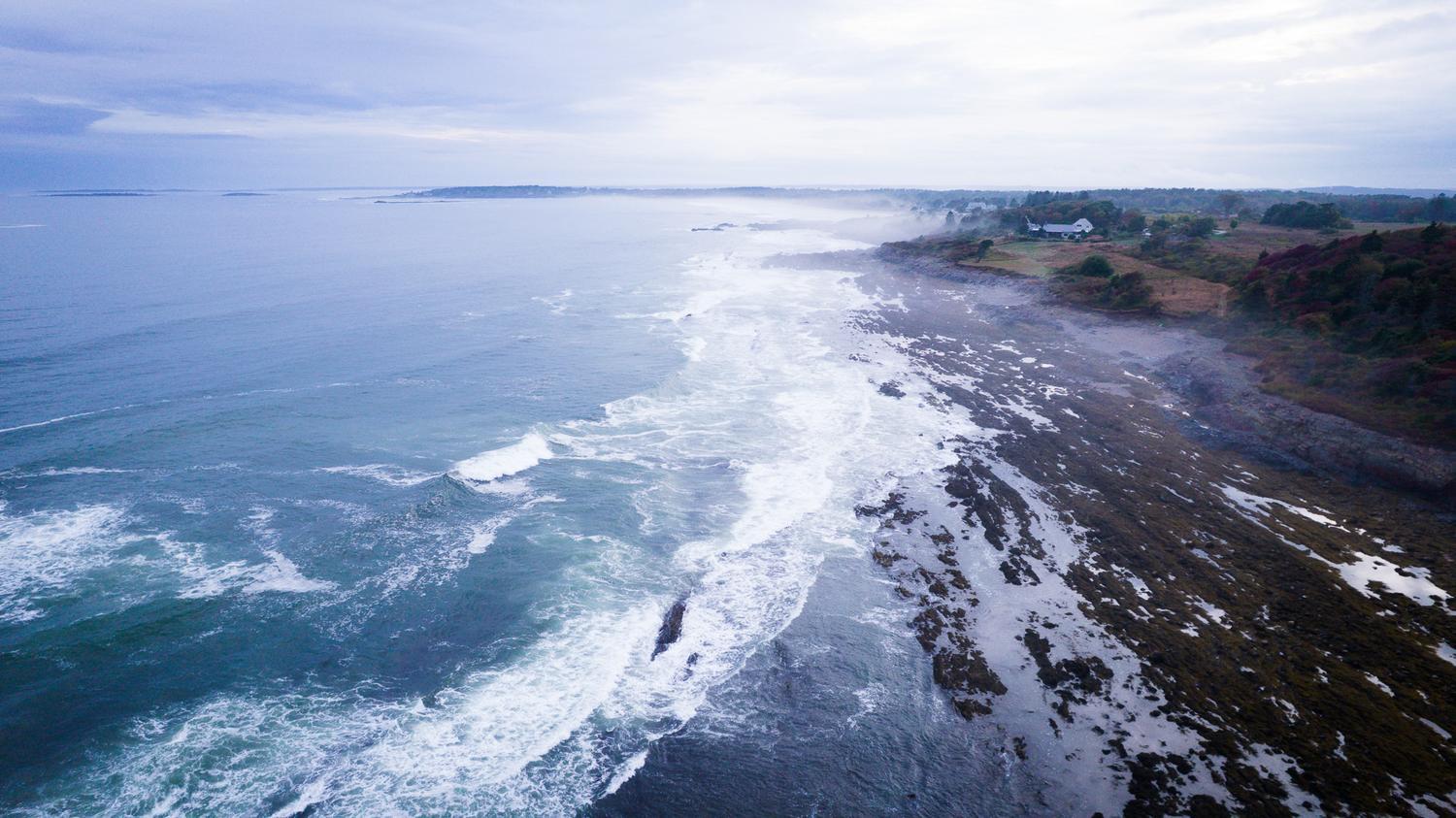
The implications of this warming are profound for both biodiversity and the regional economy. Historically, the Gulf of Maine has been defined by its cold-water species, such as Atlantic cod, northern shrimp, and American lobster. However, as temperatures rise, these species are migrating further north or into deeper, cooler waters, while southern species like black sea bass and longfin squid are becoming more prevalent. For Captain Kyle Schaefer, a local outfitter who has fished these waters since childhood, these changes are not merely statistics but daily realities. Schaefer’s role in the film series is that of a "connector," utilizing his professional network to explore the scientific and advocacy-based responses to these shifts.
Chronology of Production and Collaborative Outreach
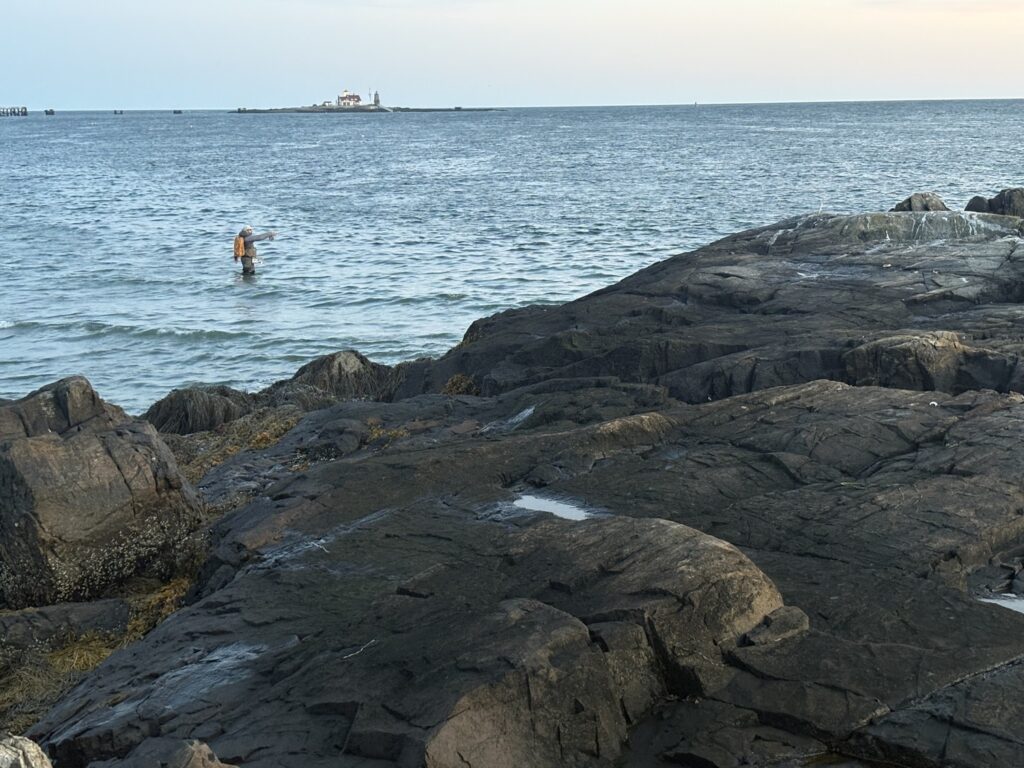
The filming of New Blue View was structured around a series of twelve-hour days, primarily conducted via skiff to access remote tidal flats and river mouths. The collaboration between Liam Gallagher, a member of the POW Creative Alliance based in Washington, and Schaefer was born out of a shared interest in fly fishing and environmental stewardship. Gallagher’s objective was to capture the "first light" of the day—the optimal time for both fishing and cinematography—while facilitating a dialogue on climate resilience.
The six-day production period was categorized by a series of site visits and interviews:
- Aquaculture Integration: The team met with local oyster farmers to discuss the role of bivalves in water filtration.
- Watershed Connectivity: Discussions with river conservationists focused on dam removal and the restoration of migratory pathways for fish like river herring.
- Scientific Inquiry: Consultations with researchers to ground the narrative in empirical data regarding sea-level rise and ocean acidification.
- Economic Sustainability: Interviews with hospitality leaders, such as Chef Jeremy Sewall, regarding the importance of local supply chains in a changing climate.
- Policy and Advocacy: Engagement with organizations like the American Saltwater Guides Association to discuss science-based fishery management.
The Role of Oyster Aquaculture as a Climate Solution
One of the central themes of the series is the ecological benefit of oyster farming. During the filming, Gallagher and Schaefer visited tidal flats where aquaculture operations are actively contributing to water quality. Scientific data presented in the series highlights that a single adult oyster can filter between 40 and 50 gallons of water per day. By removing excess nitrogen and particulate matter, these bivalves help prevent harmful algal blooms and improve the overall clarity and health of the coastal ecosystem.
Beyond water filtration, oyster reefs and farms serve as natural buffers against storm surges, an increasingly frequent threat as climate change intensifies weather patterns in the North Atlantic. The series emphasizes that supporting local aquaculture is not only an economic choice for consumers but a proactive step in maintaining the resilience of the marine environment.
Watershed Management and River Restoration
The documentary also explores the "upriver-downriver" connection, illustrating how land-based conservation efforts directly impact ocean health. A significant portion of the series is dedicated to the work of river conservationists and organizations like the Conservation Law Foundation. Melissa Paly, the Great Bay-Piscataqua Waterkeeper, features prominently in the fourth episode, providing a pragmatic perspective on restoration.
Paly notes that while the problems facing the watershed are complex, the solutions are often straightforward. The removal of obsolete dams is a primary example of a high-impact intervention. By restoring the natural flow of rivers, species such as river herring can return to their ancestral spawning grounds. These fish are vital to the ecosystem, acting as a primary food source for larger marine predators and transporting essential nutrients between freshwater and saltwater environments. The series argues that these "solutions-oriented" projects are essential for maintaining the biological integrity of the Gulf of Maine.
Culinary Resilience and Local Supply Chains
The economic impact of climate change on the seafood industry is addressed through the lens of local sourcing. Chef Jeremy Sewall, a fourth-generation lobsterman and prominent restaurant owner, discusses the necessity of transparency in the seafood supply chain. As species distributions shift, chefs and consumers must adapt to what the local waters can sustainably provide.
The series highlights the work of the American Saltwater Guides Association and other groups that advocate for "science-based advocacy" in fisheries management. By prioritizing long-term ecological health over short-term yields, these organizations aim to ensure that the Gulf of Maine remains a viable resource for future generations of fishermen and recreational anglers.
Institutional Support and the "Ripple Effect" Philosophy
The involvement of Protect Our Winters and 11th Hour Racing underscores the growing trend of outdoor athletes and recreationalists engaging in climate policy. POW, originally founded to address the impact of climate change on winter sports, has expanded its scope to include "Blue" environments, recognizing that the melting of snowpacks and the warming of oceans are interconnected issues.
Liam Gallagher’s philosophy throughout the series is centered on the concept of the "ripple effect." He posits that while global climate issues can feel overwhelming, individual and community-level actions are the foundation of broader systemic change. This pragmatic approach is a hallmark of the New England response to environmental challenges, characterized by a focus on "tending to one’s own garden" to influence the larger landscape.
Analysis of Implications and Actionable Steps
The release of New Blue View comes at a critical time for environmental policy in the United States. As federal and state agencies grapple with the logistics of climate adaptation, the series provides a template for how local communities can lead the way. The film suggests several actionable steps for viewers, including:
- Citizen Science: Encouraging individuals to volunteer for data collection projects that track water temperature and species migration.
- Support for Local Fisheries: Prioritizing the purchase of locally sourced, sustainably harvested seafood to reduce the carbon footprint of the food supply chain.
- Restoration Advocacy: Supporting the removal of dams and the protection of estuaries through local and regional petitions.
- Micro-Philanthropy: Contributing to organizations that provide science-based advocacy for marine species.
Conclusion
New Blue View serves as more than a documentary of a fishing trip; it is a journalistic record of a region in transition. By documenting the synergy between the scientific community and those who work on the water, the series highlights a path forward that is rooted in resilience rather than despair. The Gulf of Maine’s rapid warming is a significant challenge, but as the series demonstrates, the web of advocacy and action in the region is dense and increasingly effective.
Through the collaborative efforts of Liam Gallagher, Kyle Schaefer, and the various stakeholders featured in the series, New Blue View provides a comprehensive look at the modern environmental movement in the Northeast. It reinforces the idea that the health of the ocean is inextricably linked to the actions taken in the rivers, on the farms, and in the kitchens of the surrounding communities. As the series concludes, it leaves viewers with the message that while the climate is changing, the capacity for human innovation and community-led advocacy remains a powerful force for preservation.
