

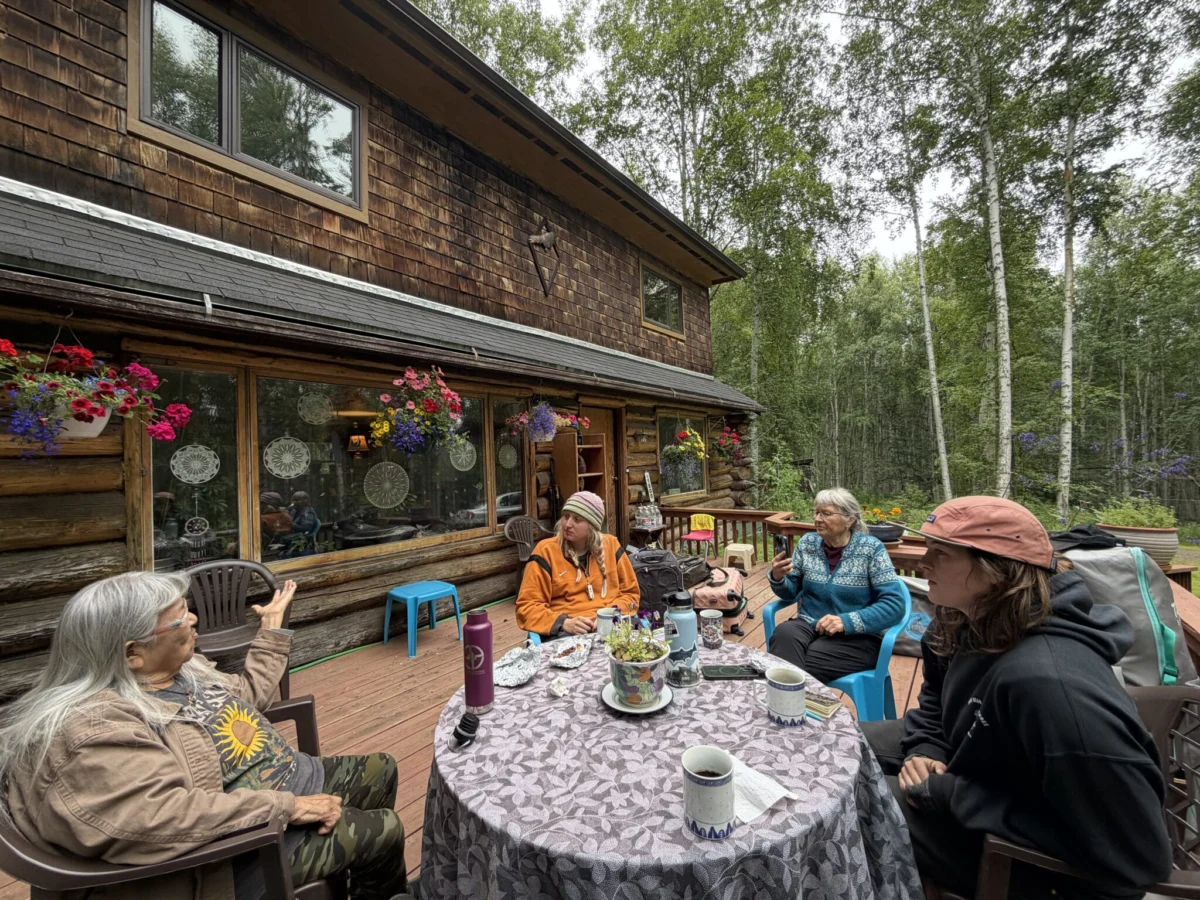
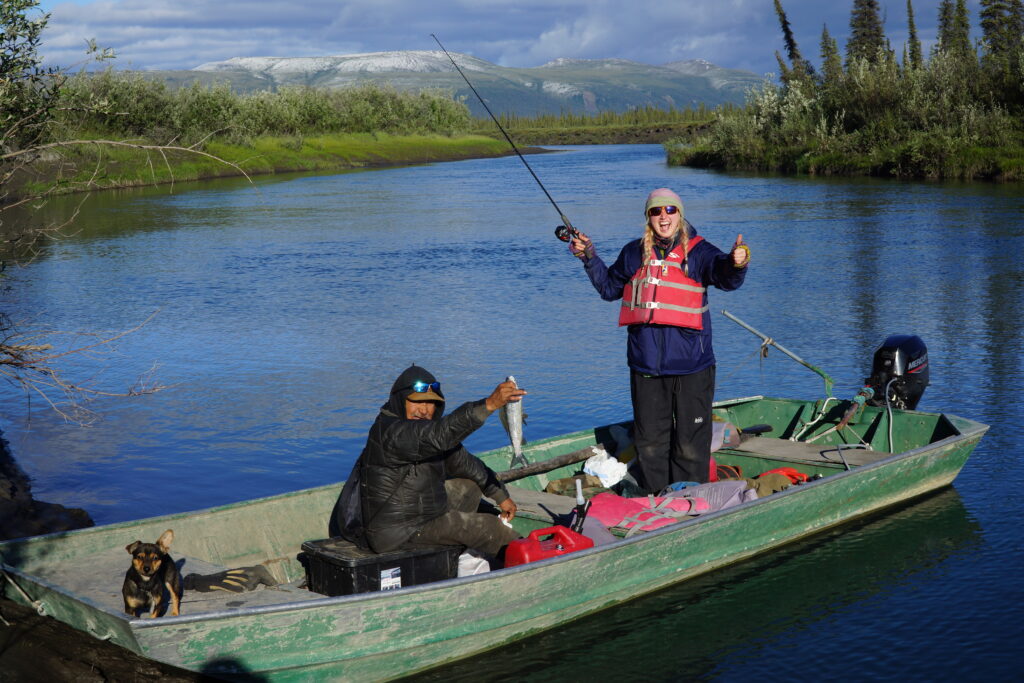
The Arctic National Wildlife Refuge (ANWR), an expanse of 19.6 million acres in northeastern Alaska, is currently witnessing a dual transformation characterized by rapid ecological shifts and a prolonged legal struggle over Indigenous land rights and resource extraction. Recent field observations from the Gwich’in community of Vashraii K’oo (Arctic Village) reveal that the impacts of global warming are no longer theoretical projections but are manifesting in the fundamental alteration of species migration and topographical stability. Local residents and environmental educators report that King Salmon, historically absent from the northernmost reaches of the Chandalar River, are now being sighted as they migrate further north in search of colder waters. This shift serves as a primary indicator of the rising water temperatures that are redefining the subsistence patterns of the Neets’aii Gwich’in people.
Environmental Transformation and the Phenomenon of Arctic Greening
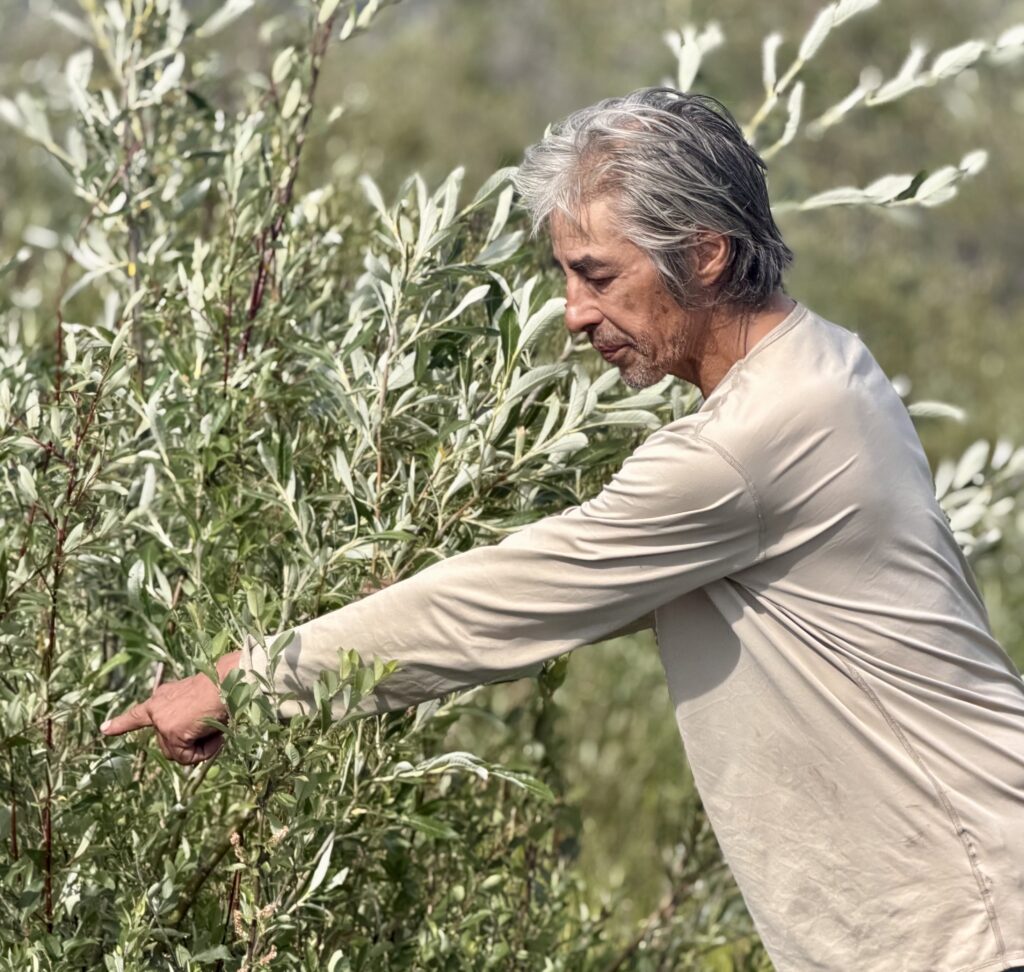
The ecological integrity of the Arctic Refuge is being challenged by a phenomenon known as "Arctic Greening." According to data from NASA’s Earth Observatory, rising temperatures in the Arctic—which is warming at a rate approximately four times faster than the global average—are triggering an increase in the growth of shrubs and taller vegetation in areas formerly dominated by tundra and lichens. In the East Fork of the Chandalar River, long-term observers note that willow thickets have become significantly thicker and taller over the past decade.
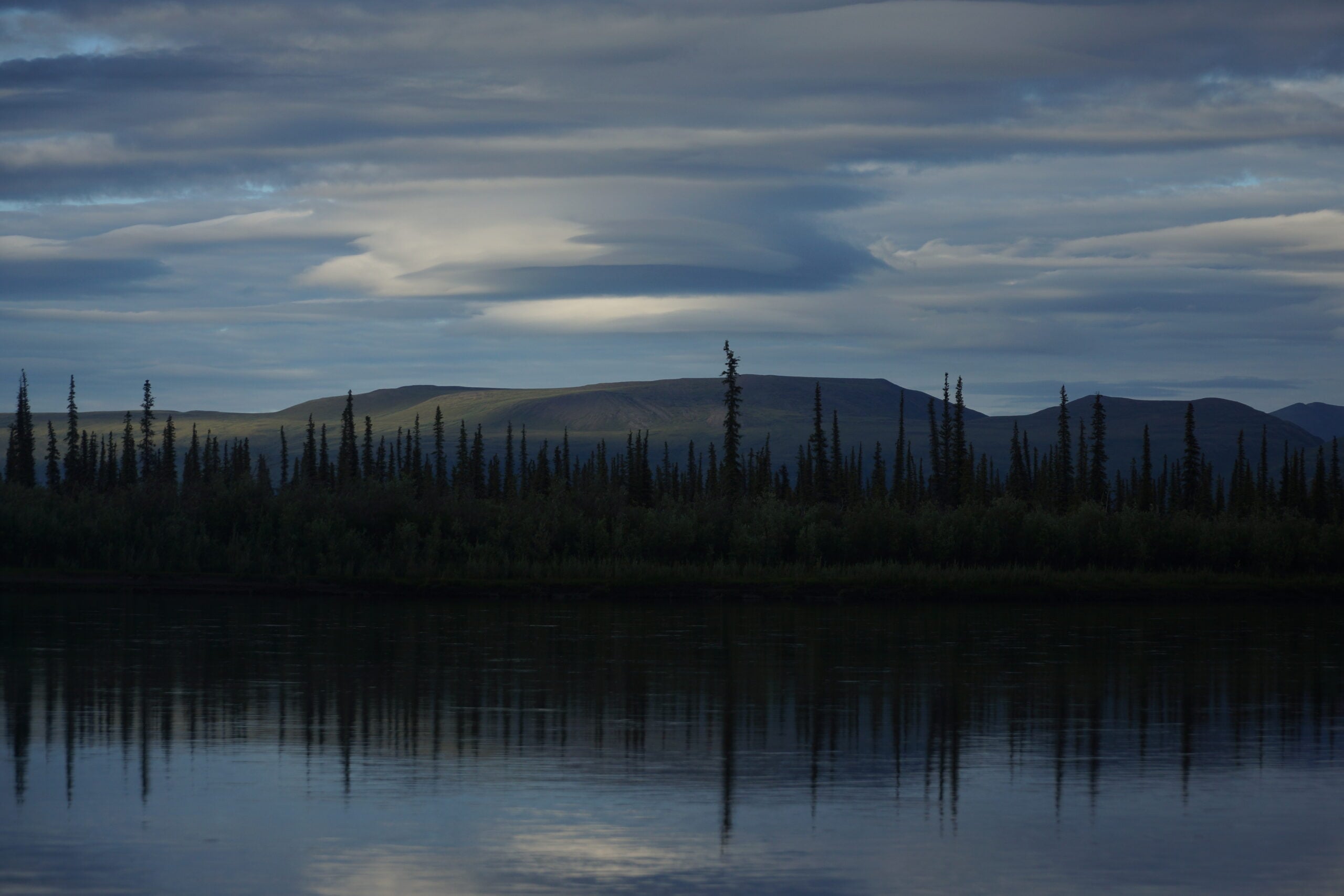
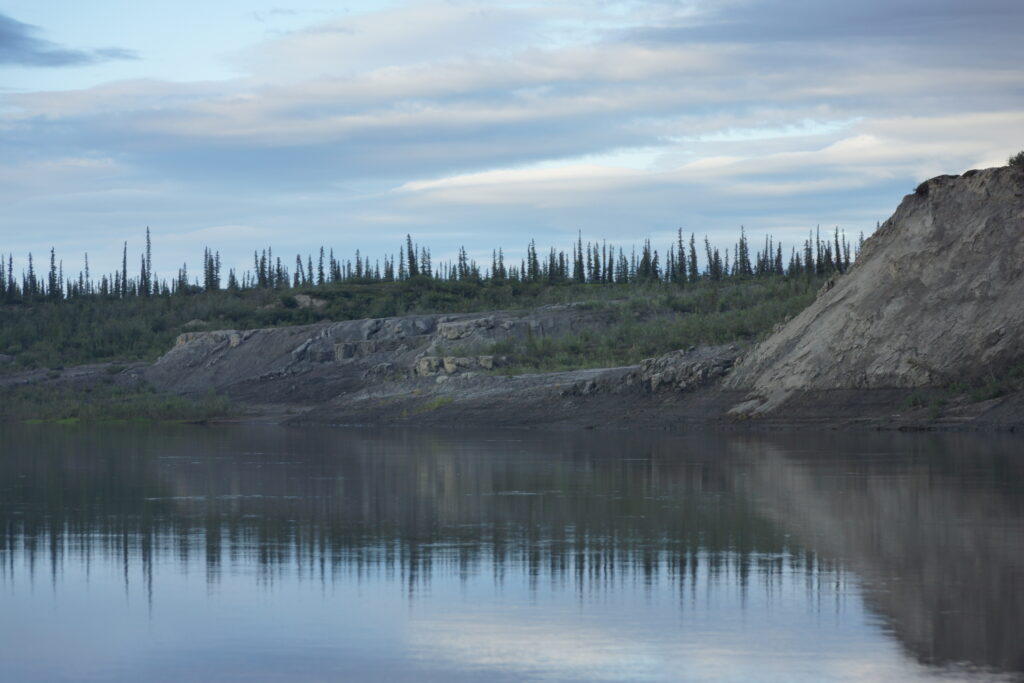
This "shrubification" of the Arctic has profound implications for the local fauna. While increased vegetation might appear beneficial, it alters the traditional grazing grounds of the Porcupine Caribou herd, a central pillar of Gwich’in culture and food security. Furthermore, the region is experiencing visible permafrost collapse. The thawing of carbon-rich frozen ground leads to the formation of sinkholes and thermokarst lakes, which destabilize the land and release methane, a potent greenhouse gas, creating a feedback loop that further accelerates regional warming.
Charlie Swaney, a local hunter and knowledge holder in Vashraii K’oo, observes that these changes are a direct communication from the ecosystem. Swaney notes that the land is adapting to fluctuating climatic conditions, but the speed of this transition poses a direct threat to the subsistence lifestyle that has sustained the Gwich’in Nation for millennia.
A Chronology of the Conflict Over Section 1002
The political battle over the Arctic Refuge centers largely on the 1.5-million-acre coastal plain, known as "Section 1002." This area is considered the "Sacred Place Where Life Begins" (Iizhik Gwats’an Gwandaii Goodlit) by the Gwich’in because it serves as the primary calving ground for the Porcupine Caribou herd.
The timeline of the modern conflict began in earnest with the Alaska National Interest Lands Conservation Act (ANILCA) of 1980, which expanded the refuge but deferred a decision on the management of the coastal plain’s oil and gas potential. For decades, the area remained protected through various legislative maneuvers until the passage of the Tax Cuts and Jobs Act of 2017. This federal legislation mandated the Bureau of Land Management (BLM) to hold two lease sales in the coastal plain by 2024.
The first lease sale, conducted in January 2021 during the final days of the Trump administration, was widely regarded as a commercial failure. While proponents had initially estimated that lease sales could generate up to $1.8 billion in federal revenue over a decade, the actual sale garnered only a fraction of that amount—roughly $14.4 million. Major oil companies largely abstained from the auction, citing high operational costs, regulatory uncertainty, and intense pressure from environmental and Indigenous advocacy groups.
In June 2021, the Biden administration suspended the leases issued during that sale, citing "legal deficiencies" in the environmental review process. This was followed by a formal cancellation of the remaining seven leases in September 2023, a move that the Gwich’in Steering Committee celebrated as a significant victory for Indigenous sovereignty and conservation.
Subsistence Economy and the Cost of Climate Displacement
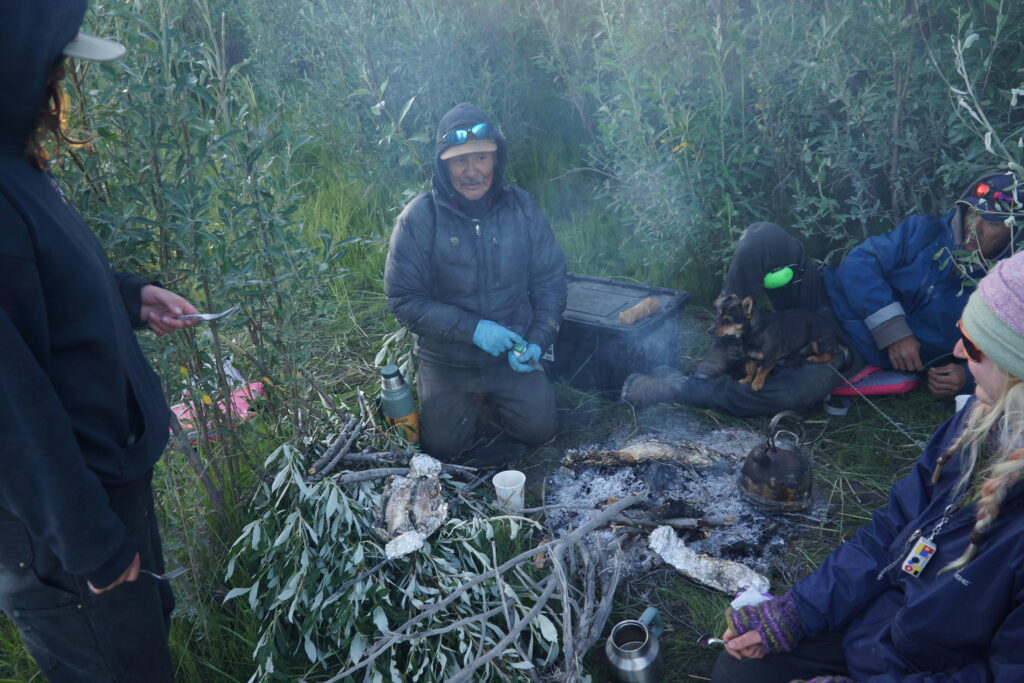
For the residents of Vashraii K’oo, the protection of the Arctic Refuge is an issue of food security and economic survival. The Gwich’in rely on caribou, moose, and fish for the vast majority of their nutritional needs. In remote Arctic villages, the cost of imported commercial meat is prohibitively expensive, often three to four times the price found in the contiguous United States.
The transition of subsistence sources due to climate change creates a ripple effect throughout the community. When caribou migration patterns shift or fish populations move to deeper, colder waters, the energy and financial resources required for a successful harvest increase. Community members such as Marion, Joyce, and Jimmy John continue to teach younger generations traditional methods of processing moose and making frybread, emphasizing a "zero-waste" philosophy that is both a cultural value and an economic necessity.
Dr. Sarah James, a Neets’aii Gwich’in Elder and former Goldman Environmental Prize winner, has spent decades advocating for the permanent protection of the refuge. Her work emphasizes that the health of the land and the health of the people are inseparable. James maintains that while the recent failure of lease sales is a positive development, the movement must remain vigilant against future attempts to open the land for extraction.
Scientific and Socio-Political Implications of the Failed Lease Sales
The failure of the 2021 lease sales provides a critical case study in the changing landscape of global energy investment. Financial institutions have increasingly adopted Environmental, Social, and Governance (ESG) criteria, leading many major U.S. banks to publicly state they will no longer finance oil and gas exploration in the Arctic Refuge.
The Gwich’in Steering Committee (GSC) and their allies, including organizations like Protect Our Winters (POW) and SILA, have successfully leveraged this shift in financial sentiment. By framing the defense of the refuge as a matter of human rights and climate justice, they have managed to align Indigenous traditional knowledge with global corporate responsibility standards.
From a scientific perspective, the Arctic Refuge represents one of the last intact ecosystems of its kind. It serves as a critical "climate reserve," providing a baseline for researchers to study natural adaptation without the compounding variables of industrial development. The Bureau of Land Management’s previous attempts to force development in the region have been met with "truth to power" testimonies from those who argue that the ecological cost of extraction far outweighs the temporary economic gains of fossil fuel production.
Broader Impact and the Future of Arctic Protection
The movement to protect the Arctic Refuge has evolved into a symbol of the broader global struggle for climate justice. It represents a "uniting force" that connects localized backyard movements with international policy. The strategy employed by the Gwich’in—combining grassroots community organizing, legal challenges, and high-level political advocacy—has become a blueprint for other Indigenous nations seeking to defend their ancestral lands.
The concept of the "Outdoor State," a term used to describe the collective economic and political power of outdoor enthusiasts and conservationists, has also played a pivotal role. By mobilizing a vast network of supporters who value the refuge for its intrinsic and recreational worth, advocates have ensured that the issue remains a priority on the national political stage.
As the 2024 election cycle approaches, the legal status of the Arctic Refuge remains a point of contention. While the current administration has taken steps to restrict development, permanent protection would require an act of Congress, specifically the passage of legislation like the "Arctic Village Act" or similar conservation bills that would designate the coastal plain as a wilderness area.
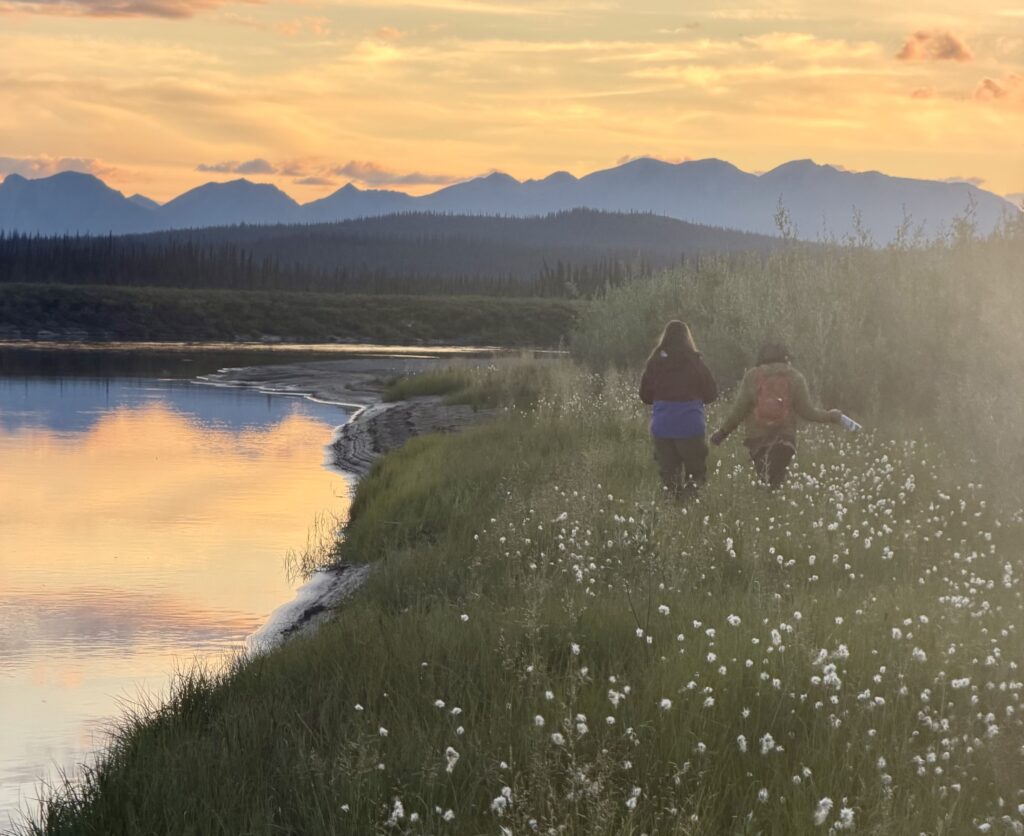
In the interim, the people of Vashraii K’oo continue to serve as the frontline guardians of the land. The ongoing presence of student groups and researchers, facilitated by programs such as Informed Experiences, ensures that the lessons of the Arctic are shared with a global audience. The "Sacred Place Where Life Begins" remains a vibrant, though fragile, ecosystem where the ancient traditions of the Gwich’in meet the modern realities of a changing planet. The resilience of the caribou, the adaptation of the salmon, and the steadfastness of the Elders all point toward a singular conclusion: the defense of the Arctic Refuge is not merely an environmental cause, but a fundamental commitment to the preservation of life in its original state.
