

A Shift from Ambition to Pragmatism: The Genesis of the Private Ski Operation
The journey toward lift-served skiing in the Ruby Mountains has been a protracted and often contentious one. The recent approval represents a revised strategy following a significant setback in 2024. At that time, a much more ambitious proposal to rezone thousands of acres for a large-scale public resort was met with considerable resistance. Concerns raised by stakeholders and local authorities centered on the potential strain on existing infrastructure, the sustainability of water resources in an arid region, and the long-term ecological and social impacts of such a development. These substantial objections led to the outright denial of the initial rezoning application, effectively halting the grand vision for a public mountain destination.
The current proposal, however, operates under a fundamentally different framework. By confining the development entirely to private ranch land, the project significantly reduces its footprint and the scope of its potential impact. This strategic pivot addresses many of the concerns that doomed the previous endeavor. Instead of a vast public undertaking requiring extensive land use changes, this is a more contained private enterprise. The plan includes modest facilities, such as a small lodge with a limited number of guest rooms, and crucially, the installation of up to five chairlifts. These lifts are intended to ascend north-facing slopes, leveraging the natural topography and snow accumulation patterns characteristic of the Ruby Mountains. This approach is less about transforming a wild landscape into a mainstream ski resort and more about creating an exclusive, private recreational area.
The Ruby Mountains: A Sleeping Giant of Skiing Potential
Often poetically referred to as the "Swiss Alps of Nevada," the Ruby Mountains present a compelling case for winter sports enthusiasts. This dramatic range boasts peaks exceeding 10,000 feet and consistently receives substantial snowfall throughout the winter months, creating conditions that, on paper, could rival some of the most renowned ski destinations in the world. The sheer scale and potential of the terrain have long captivated skiers and snowboarders who appreciate its rugged beauty and the challenge it offers.

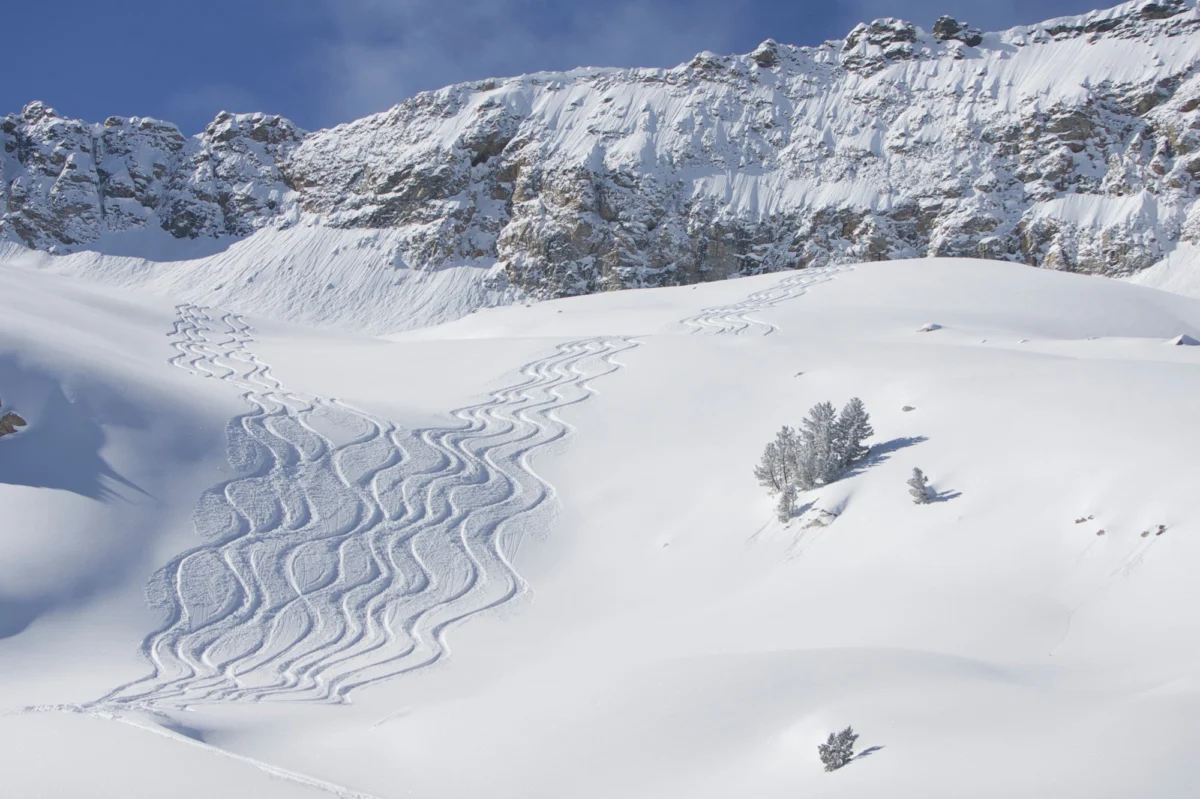
However, access has historically been the primary impediment, and paradoxically, also a significant part of the allure for those who venture into the Rubies. For years, experiencing the mountain’s winter offerings has meant engaging in the physical exertion of ski touring with skins, utilizing snowmobiles for laps, or booking specialized trips with outfitters such as Ruby Mountain Heli-Skiing. This approach inherently avoids the typical trappings of conventional ski resorts: no crowded lift lines, no sprawling base villages, and an unparalleled sense of solitude and vastness. This absence of developed infrastructure has been integral to the Ruby Mountains’ identity, preserving its wild character and offering a unique, unadulterated backcountry experience. The current development proposal, therefore, directly challenges this established identity, raising questions about how much the range’s wildness can be preserved while introducing mechanized lift systems.
A Community Divided: Public Hearings and Dissenting Voices
The Elko County Planning Commission’s deliberation on the conditional use permit was far from a quiet affair. A lengthy public hearing underscored the deep divisions within the local community regarding the proposed ski operation. Proponents of the project highlighted the potential economic benefits, envisioning a surge in local employment opportunities, increased tax revenue for Elko County, and enhanced access to private lands for recreational pursuits. They argued that a carefully managed private operation could bring much-needed economic diversification to the region.
Conversely, a significant segment of the public voiced strong opposition, primarily driven by environmental concerns. These residents expressed anxieties about the long-term consequences of introducing permanent lift infrastructure into a relatively undeveloped wilderness area. Questions were raised about the potential disruption to wildlife habitats, the impact on water resources, and the irreversible alteration of the mountain’s natural landscape. The argument was made that even a smaller-scale development could set a precedent for further commercialization, eroding the very wilderness that makes the Ruby Mountains so special.
The commission ultimately rendered a decision by a vote of 5-2, approving the conditional use permit. However, the close margin and the remarks of a dissenting commission member, who characterized the proposal as "the same pig, different lipstick" – implying it was merely a rebranded version of the larger, rejected resort plan – suggest that the concerns of the opposition were not entirely dismissed. This sentiment indicates that while the current plan may have appeased some regulatory hurdles, the fundamental debate about development in the Rubies remains very much alive.

Navigating the Future: Conditions, Challenges, and the Evolving Landscape
The approval of the conditional use permit is not without its stipulations. The project must adhere to several conditions designed to mitigate potential negative impacts and ensure the operation remains aligned with its scaled-down nature. Notably, night skiing will be prohibited, limiting the operational hours and visual impact. Furthermore, a stringent condition mandates the removal of any chairlifts that remain unused for a period of five consecutive years. This clause serves as a safeguard against the permanent installation of infrastructure that might become obsolete or fall into disuse, potentially leaving behind an environmental scar.
The decision also faces a limited appeal window, meaning that stakeholders who oppose the permit have a narrow timeframe to lodge a formal challenge. This legal and administrative hurdle will play a critical role in determining the immediate future of the project.
However, beyond the immediate procedural steps, the broader implications of this development are profound. This is not the creation of a sprawling, publicly accessible resort akin to those found in more established ski regions. Instead, it represents a novel form of access, a hybrid model that straddles the line between a private recreational playground for a select few and a potential proof-of-concept for future, perhaps larger, developments in the area.
The introduction of any lift system into a place as historically wild and inaccessible as the Ruby Mountains inevitably sparks a cascade of larger questions. These revolve around the delicate balance between access and preservation, the long-term sustainability of development in sensitive environments, and the fundamental question of how much a mountain range can retain its wild character once the first mechanical lifts begin to ascend its slopes. The Ruby Mountains are now at a crossroads, and the coming years will reveal how this nascent private ski operation shapes the future of this iconic Nevada range. The echoes of past debates about infrastructure, water, and environmental impact will undoubtedly continue to resonate as this new chapter unfolds.
