

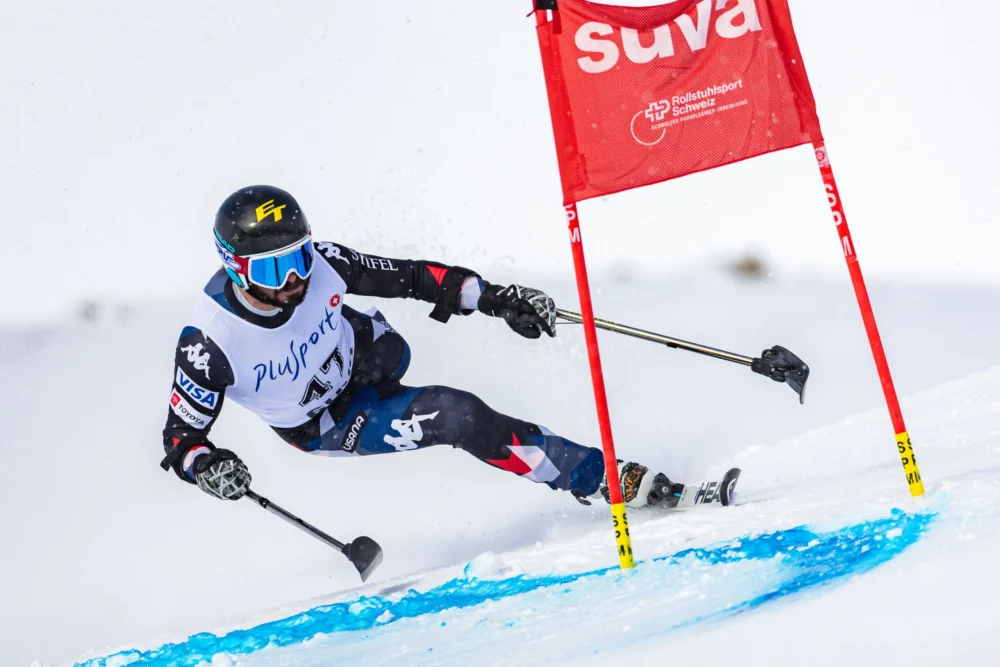
The 2026 Winter Paralympic Games, scheduled to take place in the iconic alpine corridors of Milan and Cortina d’Ampezzo, Italy, represent a pivotal moment for the United States Para Alpine Ski Team. As the international sports community turns its attention to the Italian Alps, the American delegation arrives with a strategic blend of seasoned veterans and emerging talent. This roster, characterized by a deep history of resilience and technical proficiency, aims to build upon the nation’s historical success in adaptive winter sports. The upcoming Games are not merely a display of individual athleticism but a culmination of a four-year quadrennial cycle marked by rigorous qualification standards and significant advancements in adaptive equipment technology.
A Legacy of Excellence: The Veteran Core
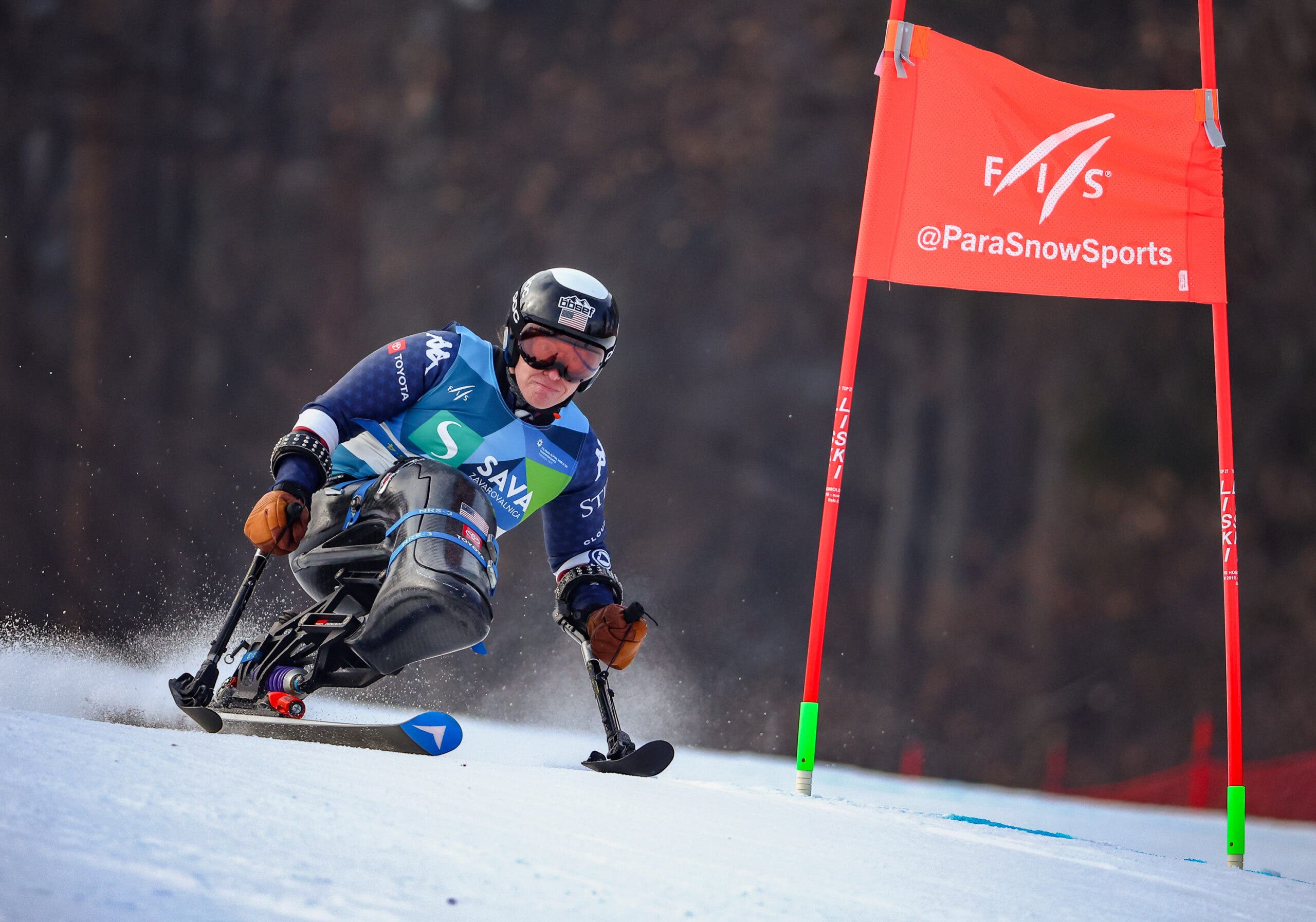
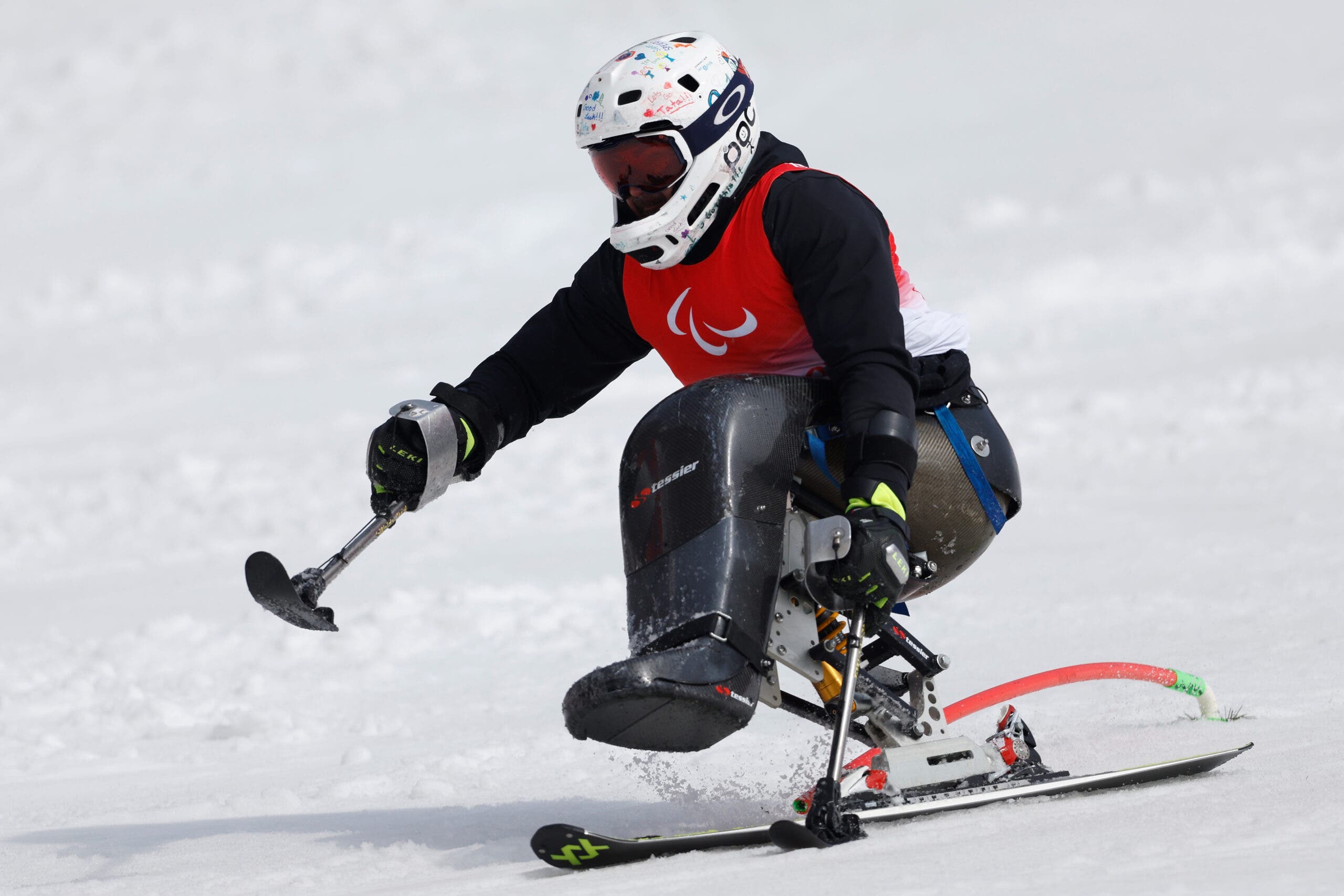
Leading the American charge is Laurie Stephens, a sit-skier whose name has become synonymous with consistency and excellence in the para-alpine circuit. Stephens, a Massachusetts native born with spina bifida, is entering her sixth Paralympic Games. Her career, which began in earnest at the age of 12 before moving into competitive racing at 15, spans two decades of elite performance. With seven Paralympic medals to her name, including multiple golds, Stephens provides a foundational stability to the team. Her background is not limited to the slopes; she has previously held world records in para-swimming, specifically in the 100-meter and 200-meter backstroke, demonstrating a cross-disciplinary athletic prowess that is rare even at the Paralympic level. In Cortina, Stephens is expected to compete in both speed and technical events, leveraging her immense experience to navigate the challenging Italian terrain.
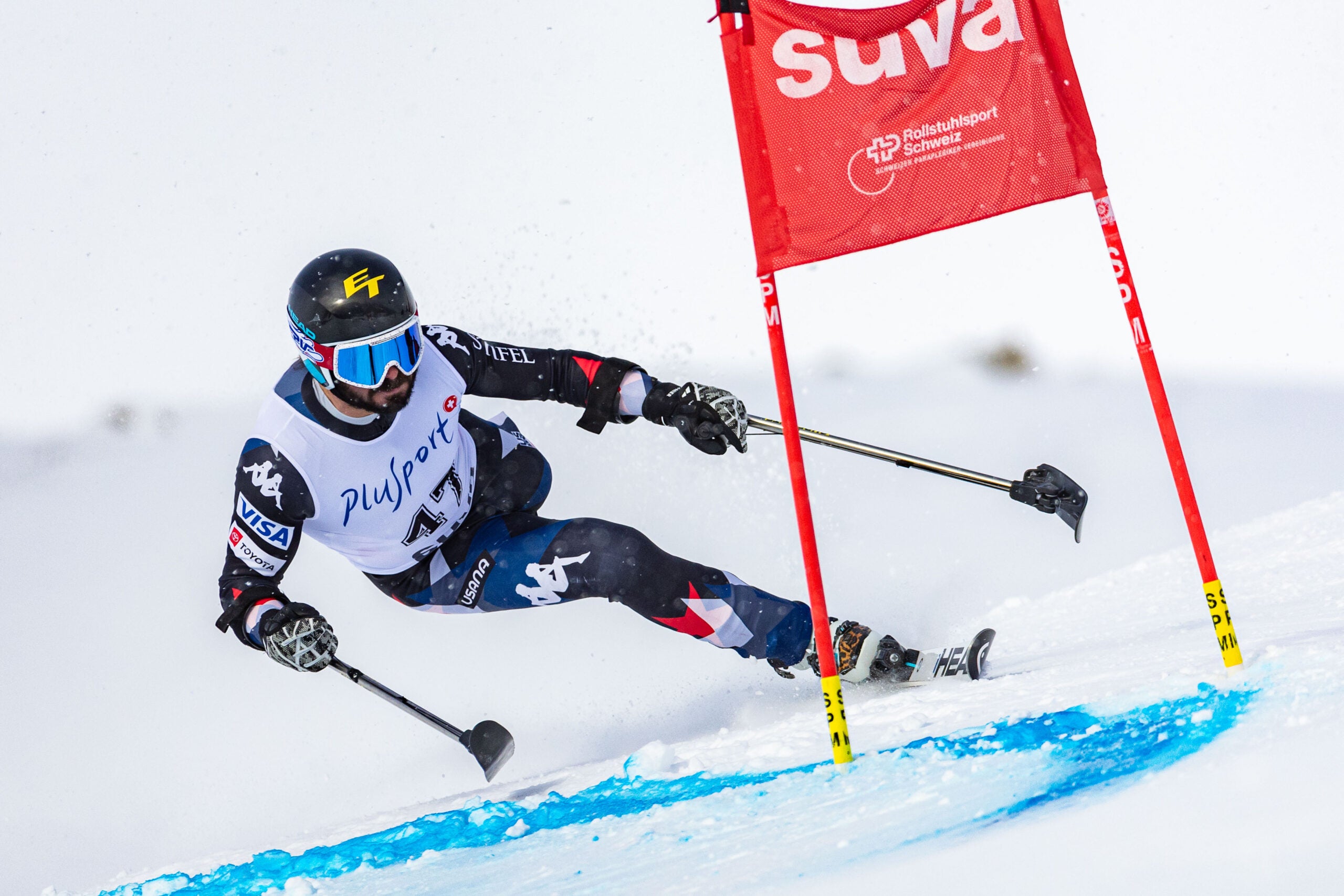
Joining Stephens in the veteran ranks is Jasmin Bambur, a four-time Paralympian whose journey to the 2026 Games is a testament to international perseverance. Born in Bosnia, Bambur moved to the United States as a refugee at age 12. His life took a transformative turn in 2000 following a car accident that resulted in a spinal cord injury. Competing in the sitting category, Bambur has represented the U.S. in Vancouver, Sochi, PyeongChang, and Beijing. His career highlights include a seventh-place finish in the Sochi Super-G and an eighth-place finish in the Beijing Slalom. Bambur’s versatility across the downhill, slalom, and giant slalom disciplines makes him a critical asset for the U.S. team as they seek to accumulate points in the overall medal standings.
The Rise of the Next Generation
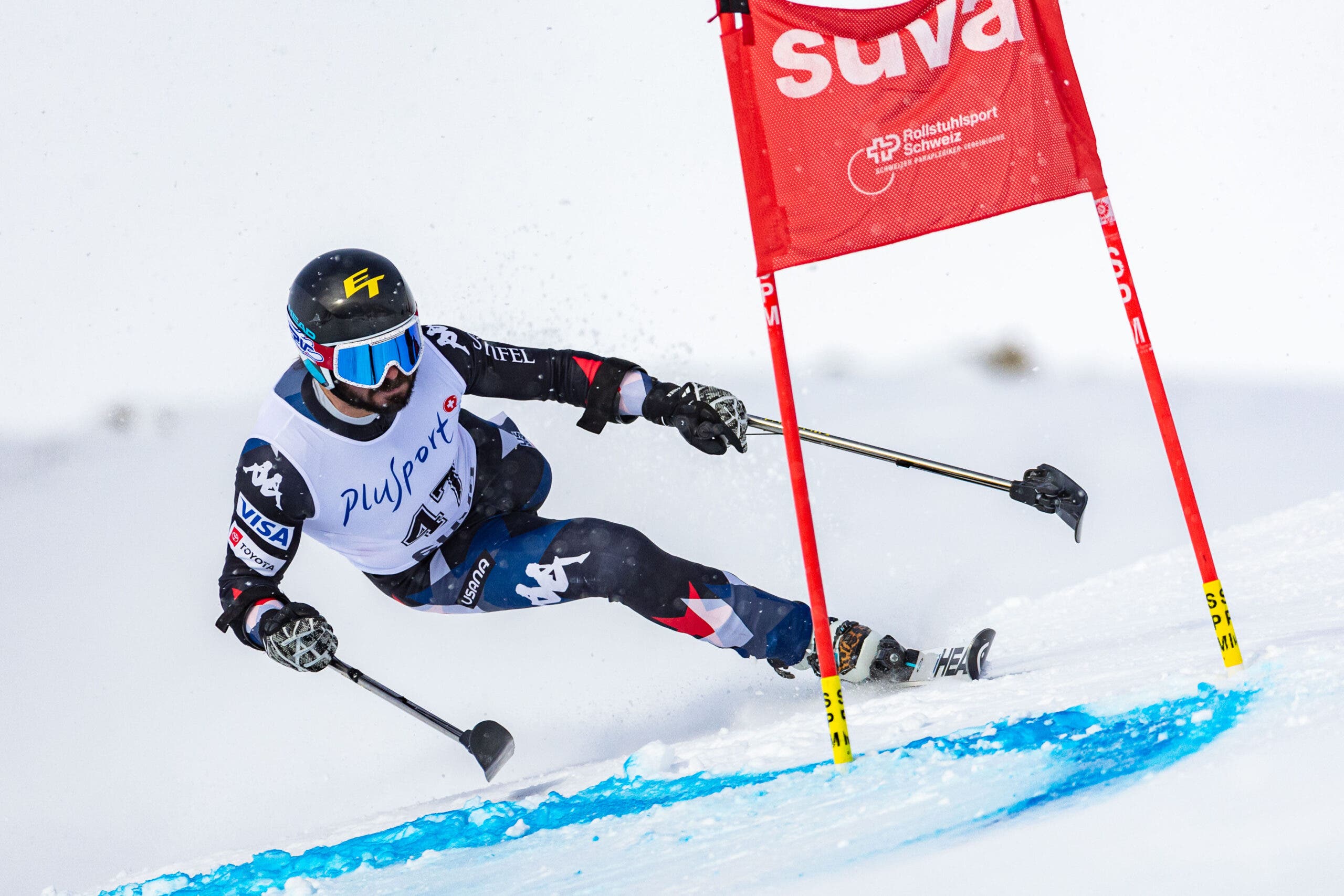
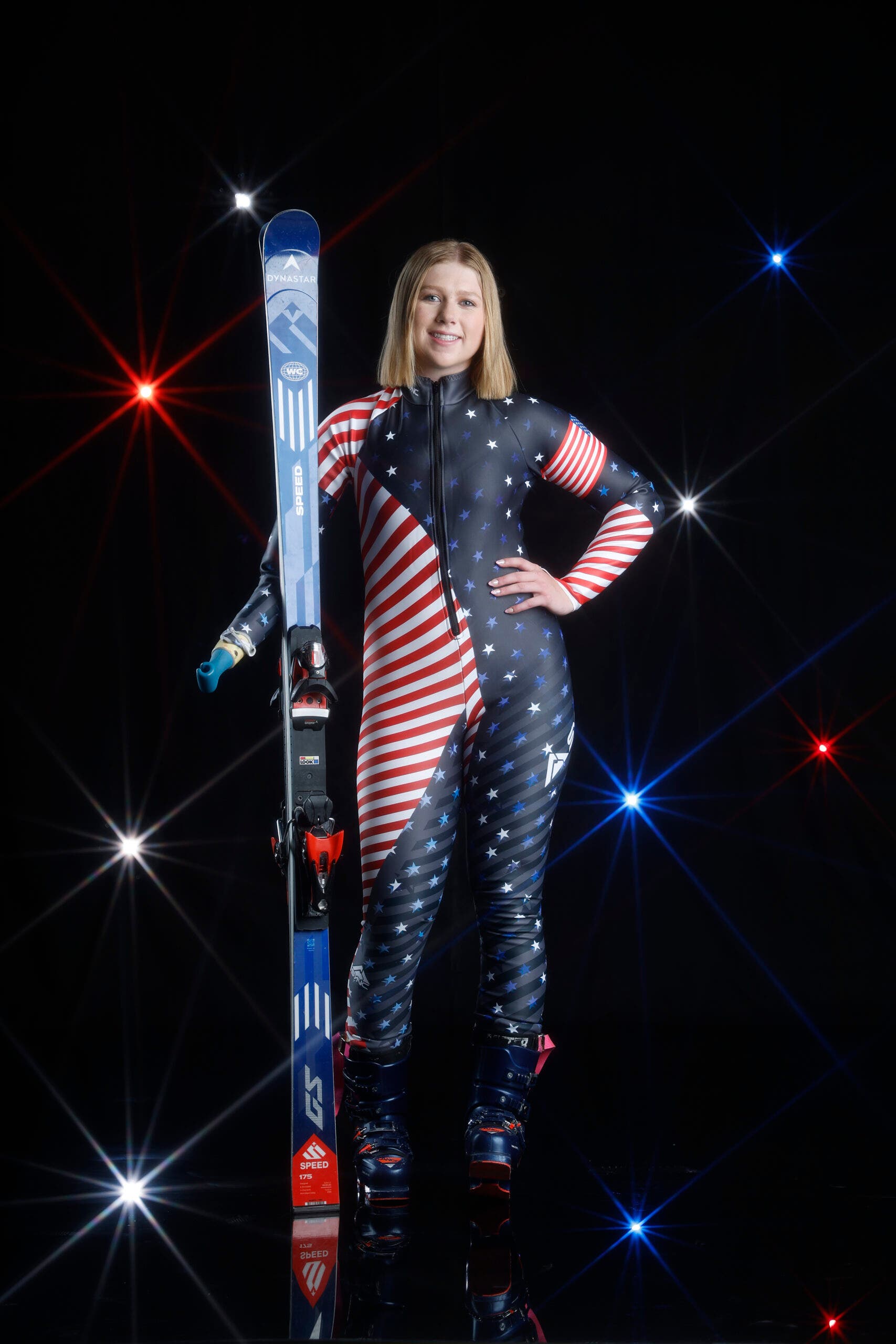
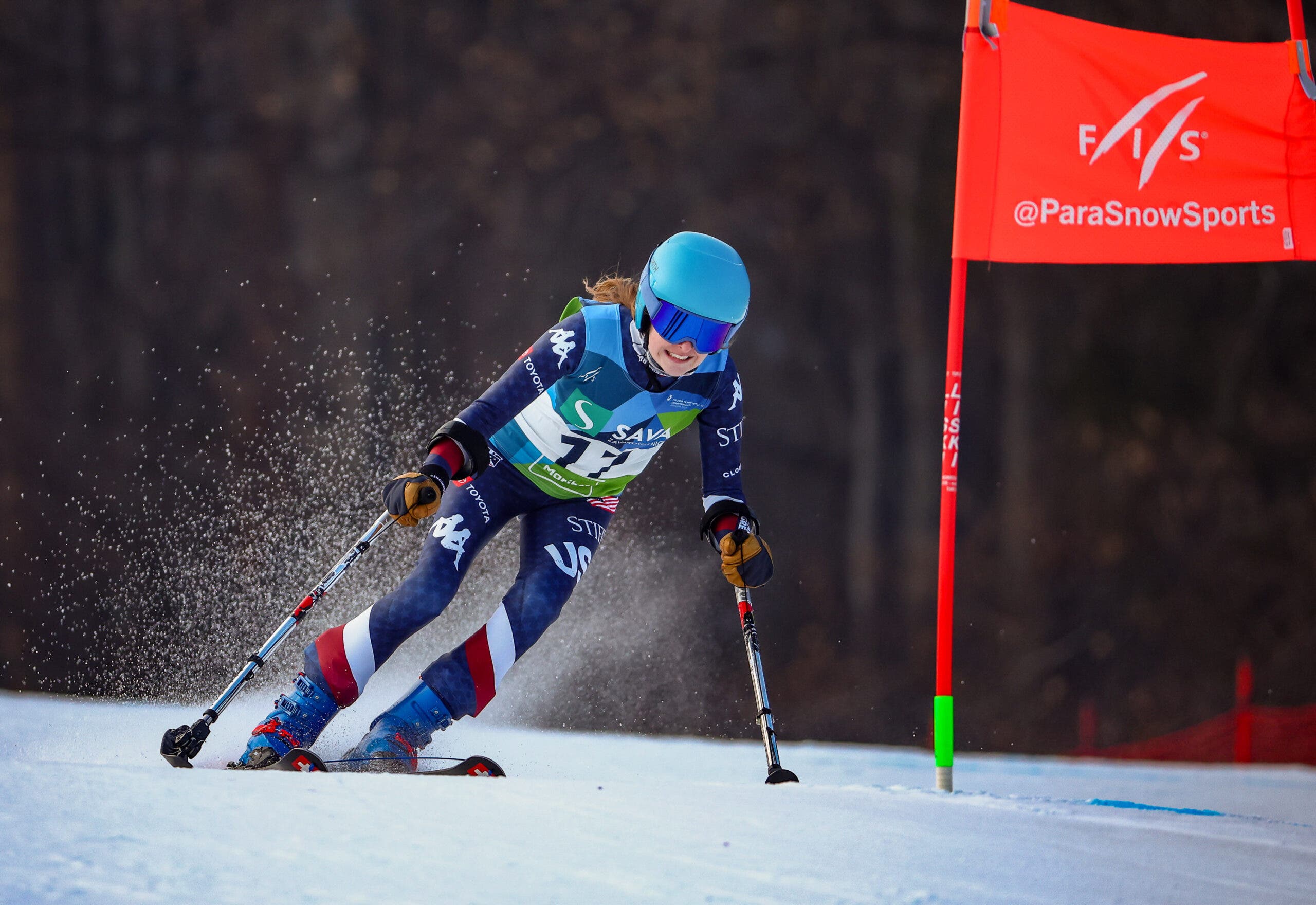
While veterans provide the leadership, the 2026 Games will serve as the debut stage for several high-potential athletes who have ascended rapidly through the FIS Para Alpine World Cup ranks. Audrey Crowley, 19, represents the vanguard of this new generation. Born without her lower left arm, Crowley began skiing at the age of two in Wisconsin before her family relocated to Colorado to facilitate her training at higher altitudes and more competitive environments. Despite her youth, Crowley has already proven her mettle on the world stage, securing a bronze medal in the Standing Giant Slalom at the 2025 Para Alpine World Ski Championships. Her technical precision in the standing disciplines makes her a legitimate medal contender in Cortina.
Similarly, Tyler McKenzie enters his first Paralympic Games with a narrative of remarkable recovery. McKenzie, who grew up skiing in the Northeast, suffered a severe brachial plexus injury during a biking accident in his early 20s. The injury necessitated multiple nerve transfers and a shoulder fusion, permanently altering his physical capabilities. However, McKenzie’s return to the sport saw him transition into para-racing with unexpected speed. After securing three podium finishes at the U.S. Championships, his selection for the 2026 team underscores the depth of the American standing program.
Resilience and the Pursuit of the Podium
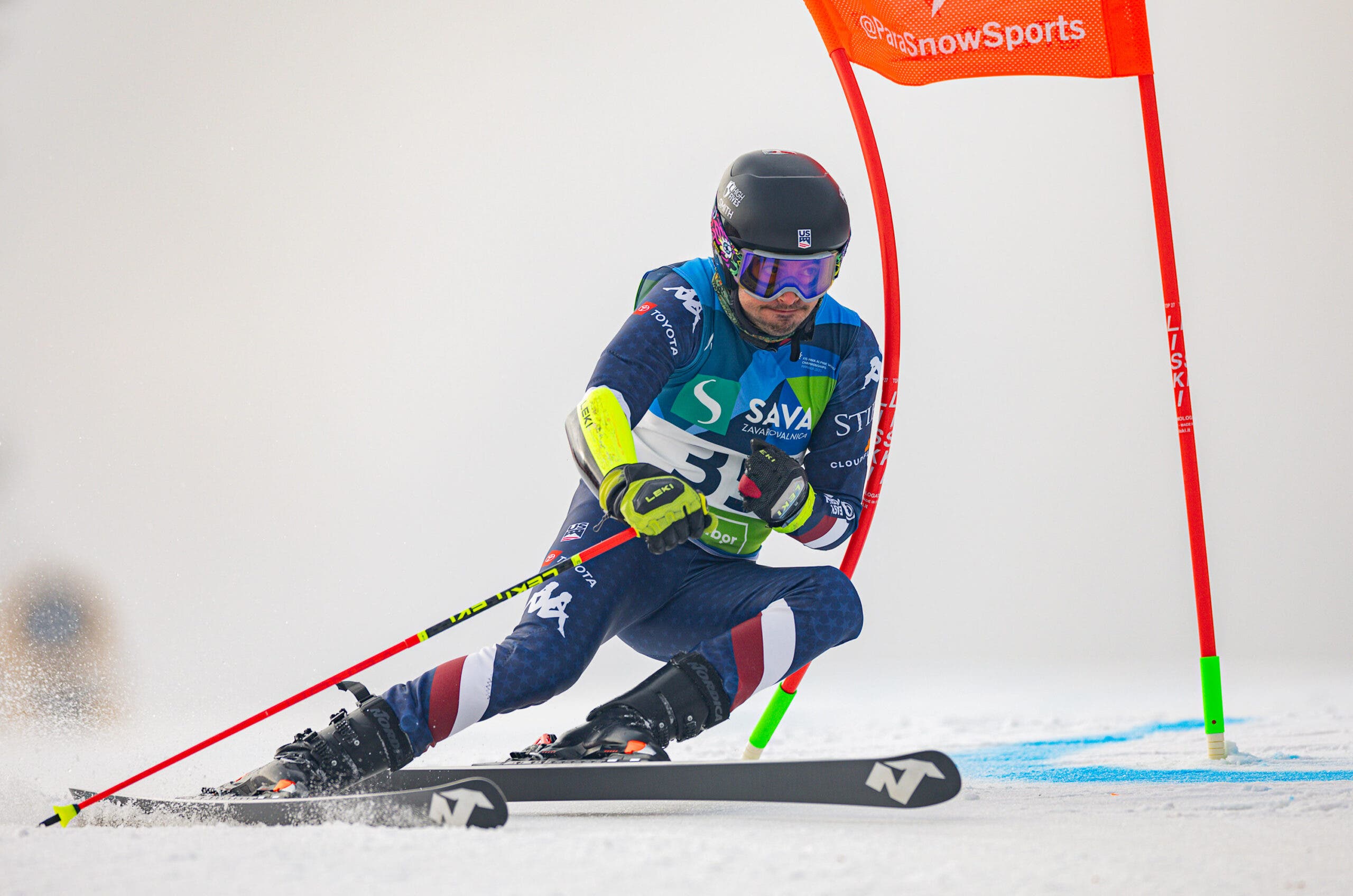
The roster is further bolstered by athletes whose paths to the Paralympics were forged through sudden, life-altering events. Patrick Halgren is set to compete in his second Winter Games, a milestone that carries deep personal significance. Halgren lost his left leg above the knee following a 2013 motorcycle accident. He entered the world of para-skiing in 2018 at the urging of his twin brother, Lucas, who tragically passed away in another motorcycle accident shortly thereafter. Halgren’s performance in Beijing, where he finished 24th in slalom and 26th in giant slalom, served as a foundational experience. Analysts suggest that his improved strength and refined technique during the 2024-2025 season position him for a significant jump in the standings this year.
Kelsey O’Driscoll, another newcomer to the Paralympic stage, brings a unique perspective as a former ski patroller. A New York native, O’Driscoll sustained a spinal fracture during a sledding accident in her late 20s. Her journey through rehabilitation involved relearning to walk and, eventually, to ski. Her transition into competitive racing was swift; she earned top-10 finishes in both Slalom and Giant Slalom at the 2025 World Championships. O’Driscoll’s background in mountain safety and her intimate knowledge of snow conditions provide her with a tactical advantage in reading the complex fall lines of the Cortina courses.
Technical Context and Classification Standards
To understand the stakes of the 2026 Games, one must look at the technical structure of Para Alpine Skiing. Athletes compete in three primary categories: Sitting, Standing, and Visually Impaired. Within these categories, a sophisticated "factoring" system is applied. This system uses mathematical coefficients to adjust the raw times of athletes based on the severity of their impairment, ensuring that a skier with a more significant physical limitation can compete fairly against one with more function.
The Milan-Cortina courses are expected to be among the most demanding in recent Paralympic history. Cortina d’Ampezzo, a regular stop on the women’s FIS World Cup circuit, is known for the "Tofane" Schuss, a high-speed section between two massive rock faces. For para-athletes, managing the vibrations and high G-forces of these turns requires not only physical strength but highly specialized equipment, from carbon-fiber sit-skis to custom-molded outriggers.
Chronology of the 2026 Para Alpine Competitions
The competition schedule for the 2026 Games is designed to test both endurance and explosive speed over a nine-day period.
- Saturday, March 7: The Games open with the high-stakes Men’s and Women’s Downhill events. This is the fastest discipline, requiring immense courage and precise line choice.
- Monday, March 9: The focus shifts to the Super-G, a discipline that combines the speed of the downhill with the technical turns of the giant slalom.
- Tuesday, March 10 – Wednesday, March 11: These days are dedicated to the Super Combined, an event that tests versatility by requiring athletes to complete one speed run (Super-G) and one technical run (Slalom).
- Thursday, March 12 – Friday, March 13: The Giant Slalom competitions take place. This event is often considered the purest test of a skier’s technical ability to carve turns.
- Saturday, March 14 – Sunday, March 15: The Games conclude with the Slalom events. Characterized by rapid-fire turns and high gate density, the Slalom often sees the most dramatic shifts in the leaderboard.
Media Coverage and Global Accessibility
The 2026 Winter Paralympics will see unprecedented media coverage in the United States, driven by NBCUniversal’s long-term broadcast rights agreement, which extends through 2036. This ensures that para-sports receive a level of visibility comparable to the Olympic Games. Coverage will be distributed across NBC, USA Network, and CNBC, with a heavy emphasis on live streaming through the Peacock platform.
For the first time, the digital experience is expected to be the primary gateway for viewers. The Peacock app will provide "Gold Zone" style coverage, allowing fans to jump between live events as medal moments occur. Additionally, NBCOlympics.com will serve as a hub for authenticated cable and satellite subscribers to access replays and specialized camera angles, such as "on-board" views from sit-skiers.
Broader Impact and Implications
The performance of the U.S. Para Alpine Team in 2026 carries implications far beyond the medal count. Success on the world stage serves as a powerful catalyst for the growth of adaptive sports programs at the grassroots level. Organizations like Move United and the Challenged Athletes Foundation (CAF) often see a surge in interest and funding following a successful Paralympic cycle.
Furthermore, the technological innovations developed for these elite athletes often trickle down to the general disabled population. Improvements in prosthetic limb responsiveness, shock absorption in sit-skis, and lightweight materials used in Cortina are likely to influence the design of everyday mobility aids and recreational adaptive equipment.
As the U.S. team prepares to depart for Italy, the narrative is one of a program in transition—honoring the legacy of veterans like Stephens and Bambur while clearing the path for the rapid ascent of Crowley and McKenzie. In the high-altitude theater of the Dolomites, these six athletes, and their teammates, will seek to redefine the limits of human performance, proving once again that the spirit of competition knows no physical boundaries. The 2026 Winter Paralympics promise to be a definitive chapter in the history of American alpine skiing, marked by speed, resilience, and the relentless pursuit of gold.
