

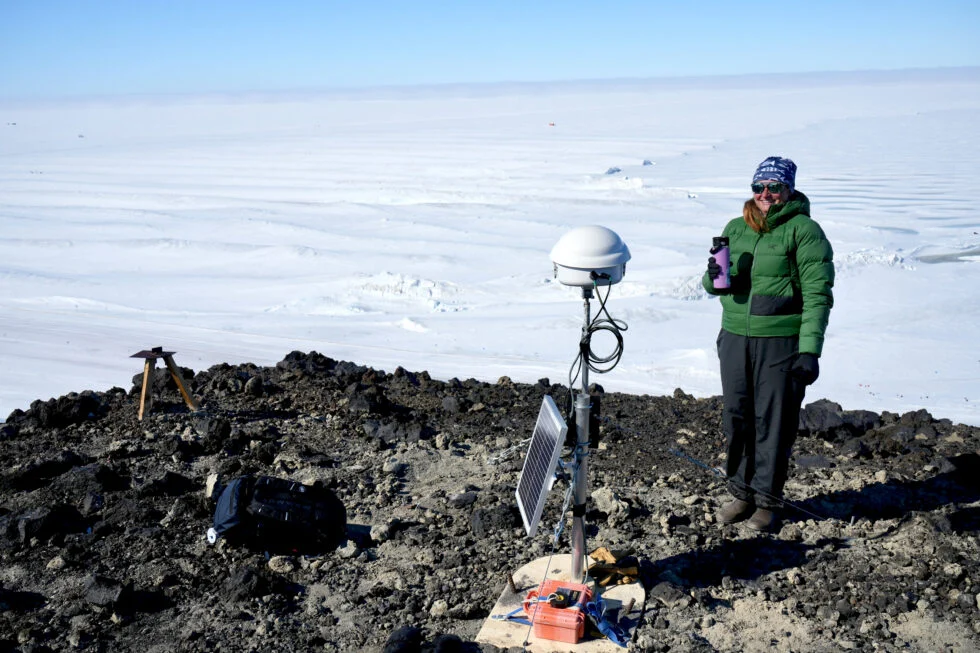
At the southernmost reaches of the planet, a team of dedicated glaciologists is grappling with a question that carries profound implications for the future of global civilization: How long can Antarctica’s ice shelves remain stable in a warming world? Dr. Ali Banwell, a prominent member of the POW Science Alliance and a Research Scientist at the University of Colorado Boulder, recently concluded a pivotal field season on the McMurdo Ice Shelf. Her work, conducted in collaboration with Northumbria University and funded by the National Science Foundation (NSF), seeks to decode the complex mechanics of ice shelf stability—a critical factor in predicting global sea-level rise.
The stakes of this research are grounded in a singular, sobering statistic: the Antarctic Ice Sheet contains enough frozen water to raise global sea levels by approximately 190 feet. While the total melting of the continent is not an immediate prospect, the mechanisms that facilitate ice loss are already accelerating. Dr. Banwell’s research focuses on the "last line of defense"—the ice shelves that ring 75% of the Antarctic coastline and act as massive, floating buttresses for the land-based glaciers behind them.
The Critical Role of Ice Shelf Buttressing
To understand the urgency of Dr. Banwell’s mission, one must understand the structural role of an ice shelf. These floating platforms of ice, often hundreds of meters thick, extend from the continent over the Southern Ocean. Their primary function in the global climate system is "buttressing." By providing resistance against the seaward flow of inland glaciers, ice shelves regulate the speed at which ice enters the ocean.
When an ice shelf thins or collapses, this resistance is removed, allowing land-based ice to flow more rapidly into the sea. This process, known as glacial acceleration, is a primary driver of sea-level rise. Because the ice shelves are already floating, their melting does not directly raise sea levels (much like an ice cube melting in a glass of water). However, the land-based ice they hold back does contribute to rising oceans once it reaches the water. Consequently, the structural integrity of these shelves is the primary variable in determining how quickly coastal cities from Miami to Mumbai will face inundation.
Investigating the McMurdo Ice Shelf Rumples
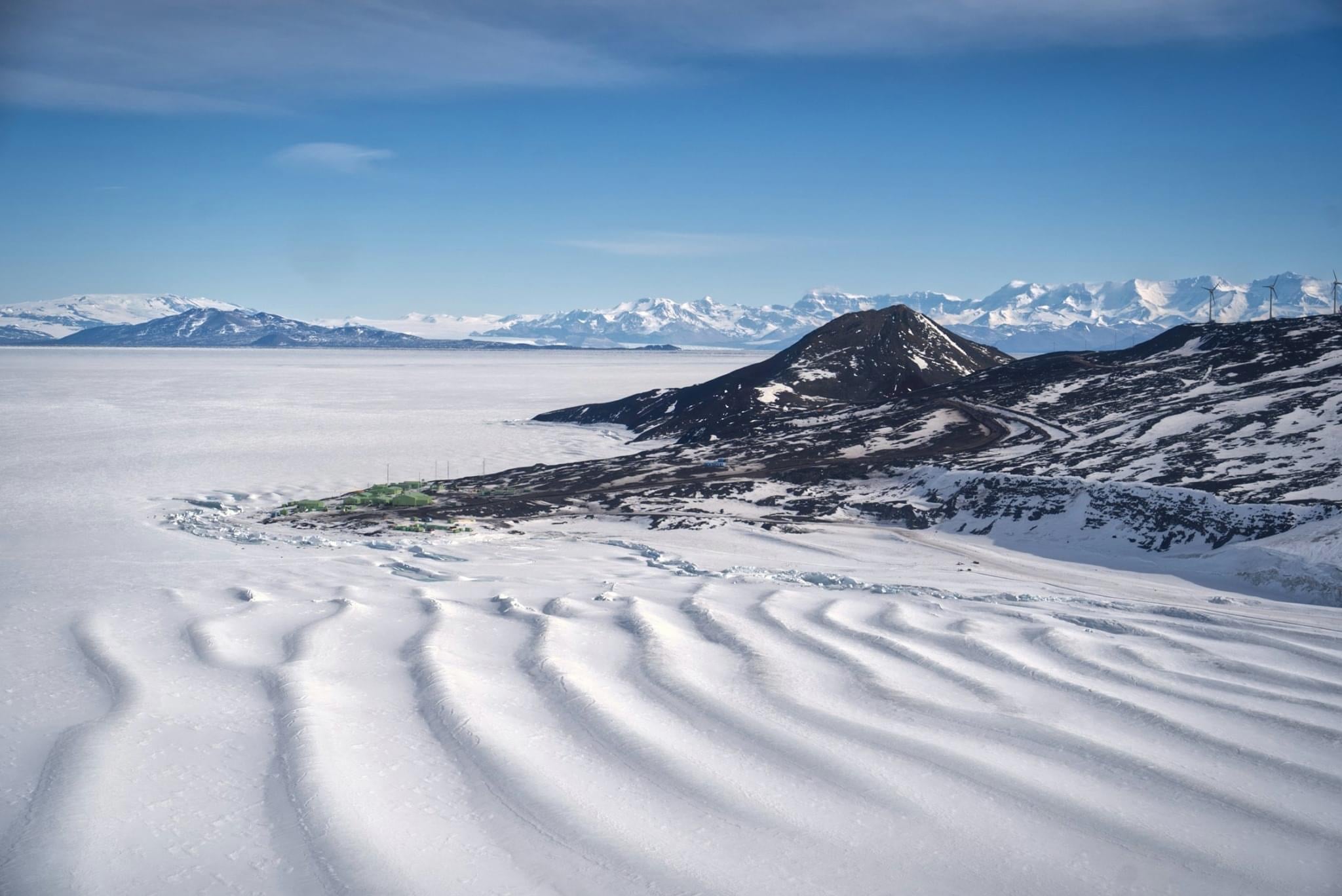
The focus of the recent field season was a specific and puzzling feature of the McMurdo Ice Shelf: "ice shelf rumples." Located near the United States’ McMurdo Research Station on Ross Island, these features challenge the standard model of ice flow. While most ice shelves flow outward toward the open sea, portions of the McMurdo shelf are being pushed into landmasses or grounded areas of the seafloor.
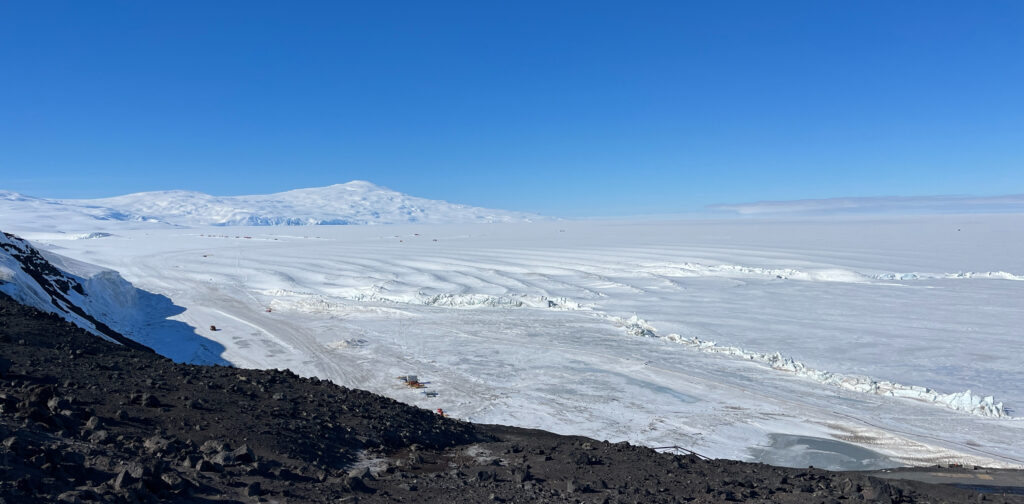
This lateral compression causes the ice to buckle and crumple, creating wave-like ridges known as rumples. In many instances, the stress of this compression causes the ice to fracture, creating deep crevasses and surface buckling. The central objective of Dr. Banwell’s NSF-funded study is to determine whether these rumples act as an additional anchor, strengthening the shelf, or whether the fractures they create make the shelf more susceptible to a catastrophic breakup.
Chronology of the Six-Week Expedition
The expedition consisted of a six-week deployment during the Antarctic summer, a period of perpetual daylight that allows for around-the-clock research but also accelerates surface melting. Dr. Banwell led a specialized four-person team, including Co-Principal Investigator Ryan Cassotto from the University of Colorado Boulder and the University of Maine, and PhD students Allie Berry and Michela Savignano.
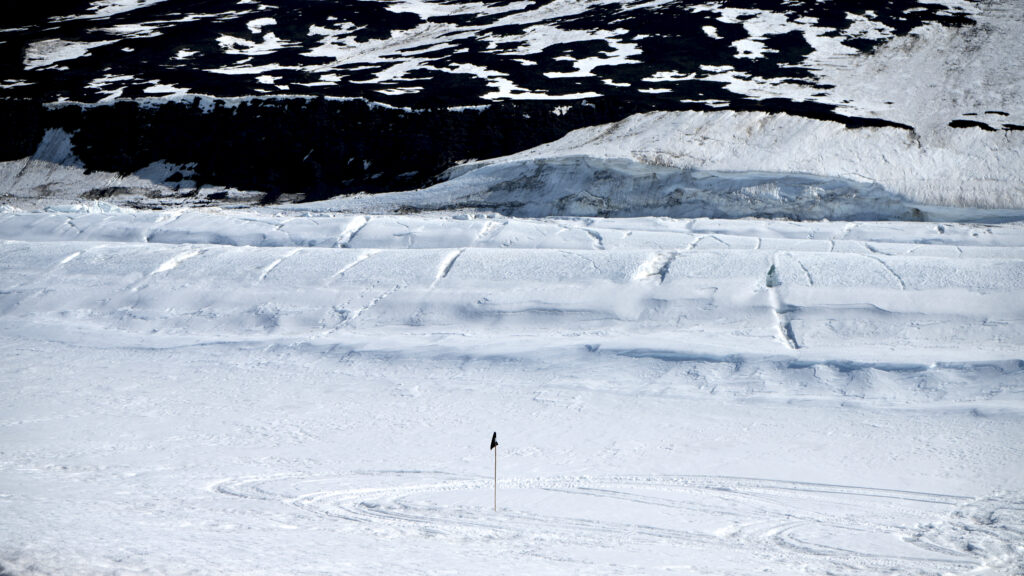
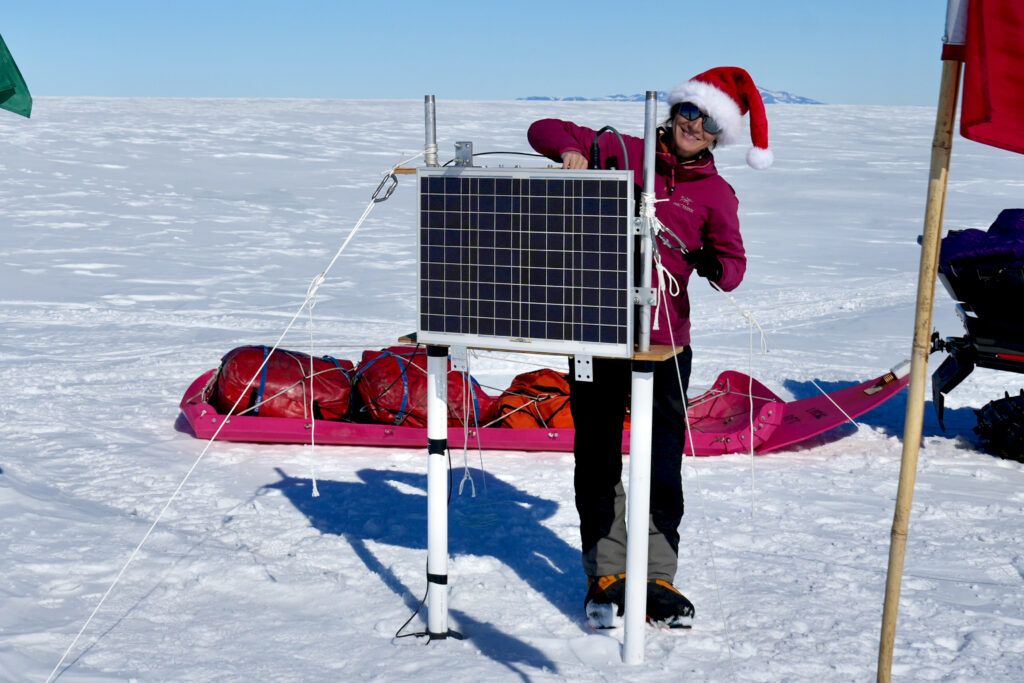
The team’s daily operations involved traversing the remote and "otherworldly" landscape via snowmobile, navigating a terrain increasingly defined by its volatility. Over the course of the six weeks, the team established a sophisticated monitoring network designed to record the "pulse" of the ice shelf throughout the brutal Antarctic winter.
- Deployment Phase: The first two weeks were dedicated to the transport and calibration of sensitive instruments across the rumple zone.
- Monitoring Phase: Once the network was established, the team conducted manual surveys and radar measurements to establish a baseline of ice thickness and internal deformation.
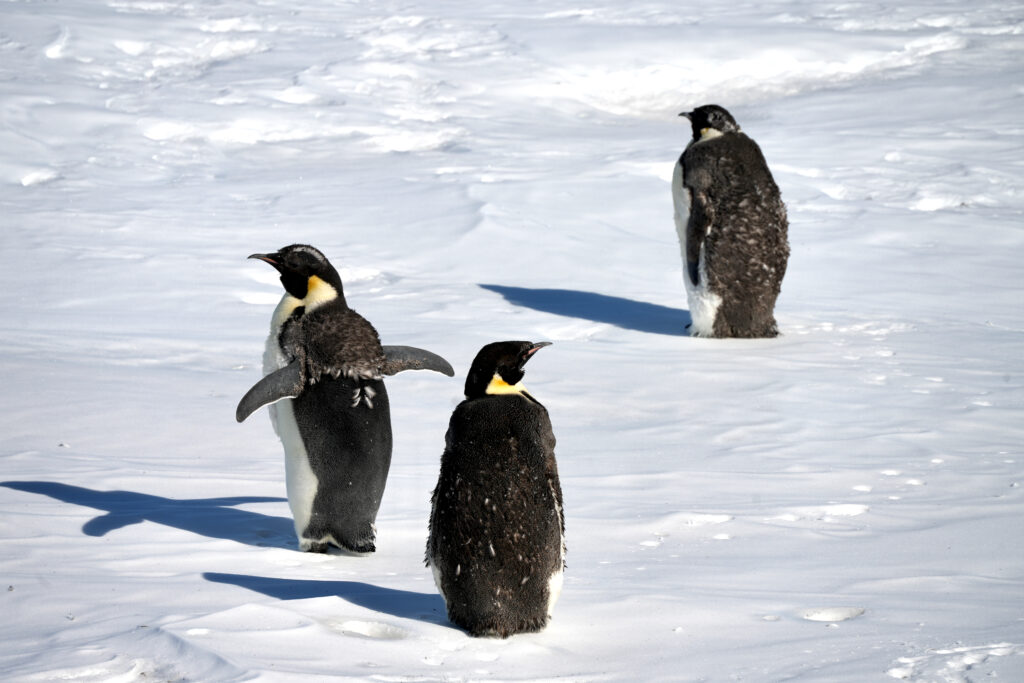
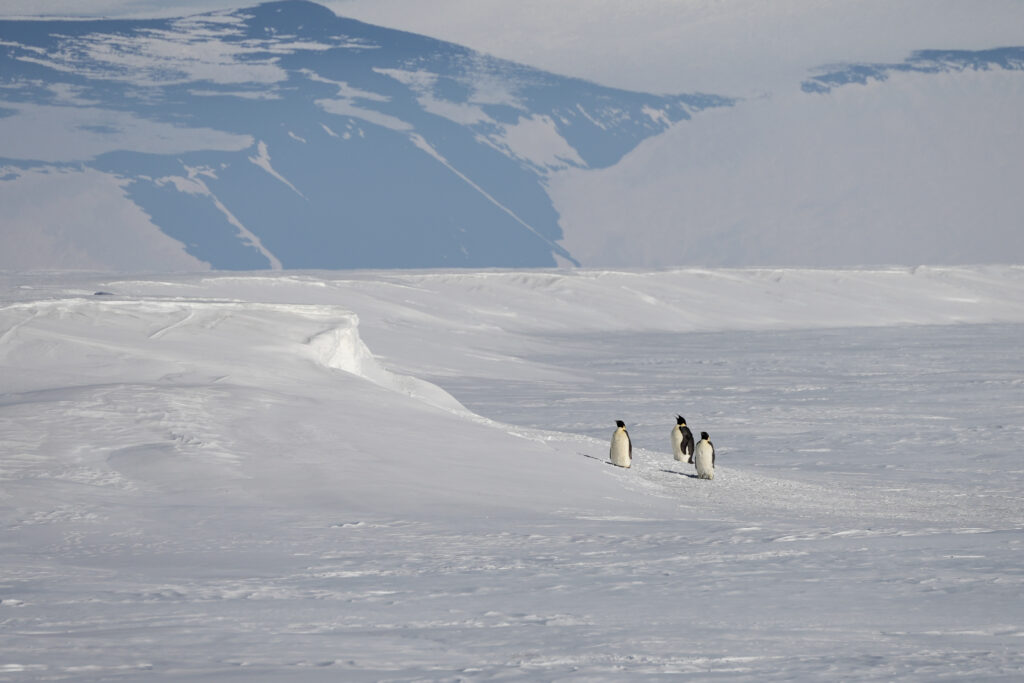
- Observation and Wildlife Interaction: During the research, the team shared their field site with three emperor penguins in the midst of their annual molt. These birds, unable to enter the water until their new feathers grew in, remained stationary observers of the human activity, providing a rare opportunity for the scientists to witness the continent’s iconic wildlife in a state of vulnerability.
- Extraction and Winterization: In the final week, the team secured the equipment to withstand the sub-zero temperatures and high-velocity winds of the coming winter. The instruments were left in situ to collect data autonomously until the team returns in the following season.
Advanced Methodology and Data Collection
The research utilized a multi-disciplinary approach to capture the physical state of the ice shelf. The instrument network includes:
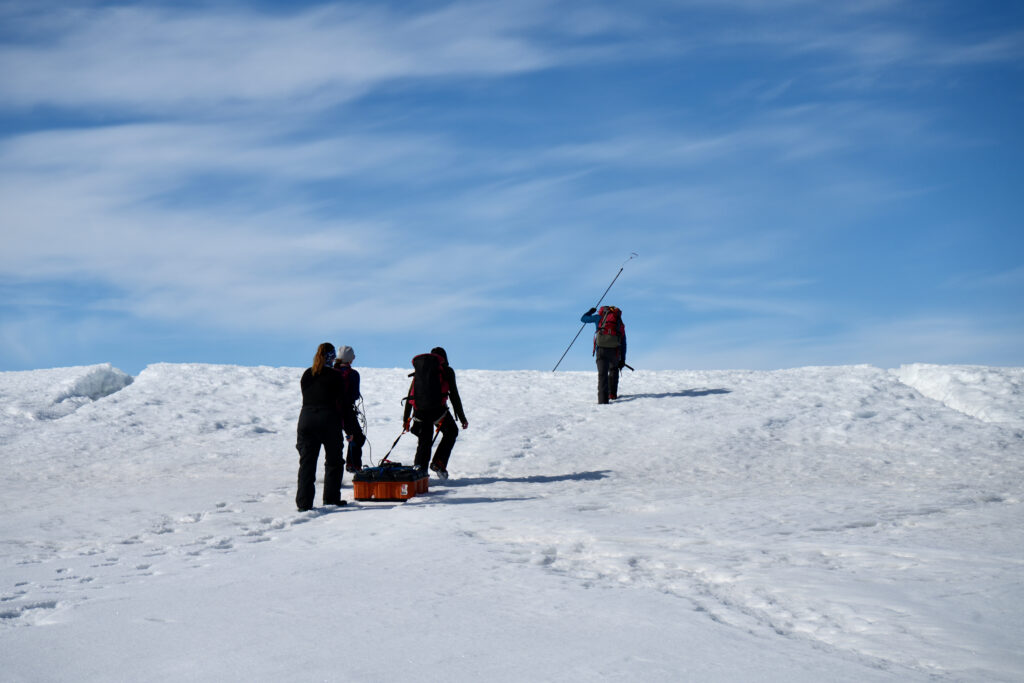
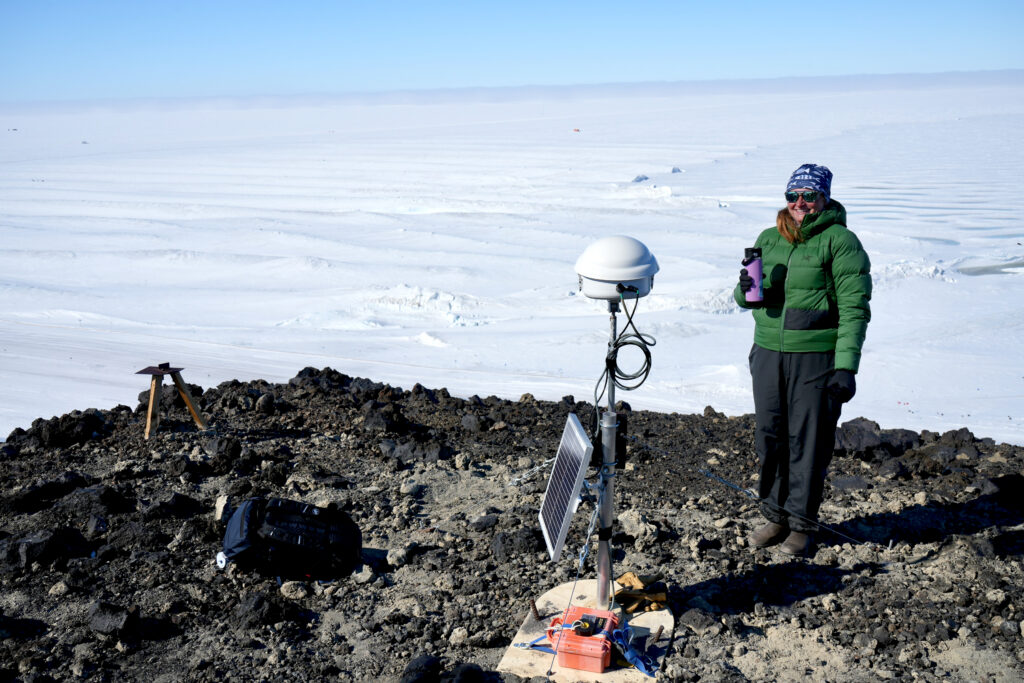
- Seismometers: These devices detect "icequakes"—tiny vibrations caused by the cracking and fracturing of the ice. By analyzing seismic data, the team can determine how much internal stress the rumples are creating.
- Precision GPS Units: These units track the movement of the ice shelf with centimeter-level accuracy. Early findings from this season revealed that the ice was moving at a rate of one to two feet per day—a pace that, while seemingly slow, indicates a highly dynamic environment.
- Radar Systems: Ground-penetrating radar allowed the team to see beneath the surface, measuring the thickness of the ice and identifying hidden internal structures or water-filled cavities.
- Weather Stations and Time-Lapse Cameras: Atmospheric data is cross-referenced with ice movement, while cameras take photographs every 30 minutes to provide a visual record of surface changes, such as the formation of meltwater ponds or the widening of crevasses.
Observations of a Changing Climate
The most striking takeaway from the recent field season was the uncharacteristic warmth. Dr. Banwell, a veteran of seven Antarctic summers, noted that this was the warmest season she had ever experienced on the continent. This record-breaking heat had immediate and visible impacts on the research site.
As the seasonal snow cover melted earlier than expected, it revealed a surface that was significantly more fractured than previous satellite imagery had suggested. The team encountered a higher density of crevasses, which necessitated constant vigilance and professional mountaineering training. This observation aligns with a broader trend: as the atmosphere warms, surface meltwater can percolate into existing cracks, a process known as hydrofracturing. This can lead to the rapid disintegration of ice shelves, as seen in the historic collapse of the Larsen B Ice Shelf in 2002.
Broader Implications and Global Sea-Level Projections
The data collected by Dr. Banwell and her team serves as a critical input for global climate models. Current scientific consensus, including reports from the Intergovernmental Panel on Climate Change (IPCC), suggests that global sea levels could rise by one to three feet by the end of the 21st century. However, these projections are heavily dependent on the stability of Antarctic ice shelves.
If the "buttressing" effect of shelves like the McMurdo or the much larger Ross Ice Shelf were to fail, the rate of sea-level rise could exceed current "worst-case" scenarios. A rise of just two feet would be sufficient to displace millions of people, contaminate coastal freshwater aquifers, and cause trillions of dollars in infrastructure damage globally.
The research into "ice shelf rumples" is specifically designed to reduce the uncertainty in these models. By understanding whether these features stabilize or weaken the ice, scientists can better predict which regions of the Antarctic coastline are at the highest risk of collapse.
Analysis of Future Research Directions
When the team returns to the McMurdo Ice Shelf next season, they will retrieve a year’s worth of continuous data. This dataset will be unique in its resolution, offering a second-by-second account of how the ice shelf responded to the extreme conditions of the Antarctic winter.
The integration of this ground-level data with satellite observations from missions like NASA’s ICESat-2 will provide a comprehensive view of the continent’s health. Furthermore, the work of the POW Science Alliance highlights the intersection of professional glaciology and climate advocacy. By translating complex geophysical data into clear narratives about the future of our winters and our coastlines, researchers like Dr. Banwell are bridging the gap between the laboratory and the public consciousness.
As global temperatures continue to climb, the window for understanding and potentially mitigating the most severe impacts of ice shelf collapse is narrowing. The work being done today on the McMurdo Ice Shelf is not merely a pursuit of geological curiosity; it is a vital diagnostic of the planet’s life-support systems. The movement of the ice—measured in mere feet per day—will eventually dictate the map of the world’s coastlines for centuries to come.
