

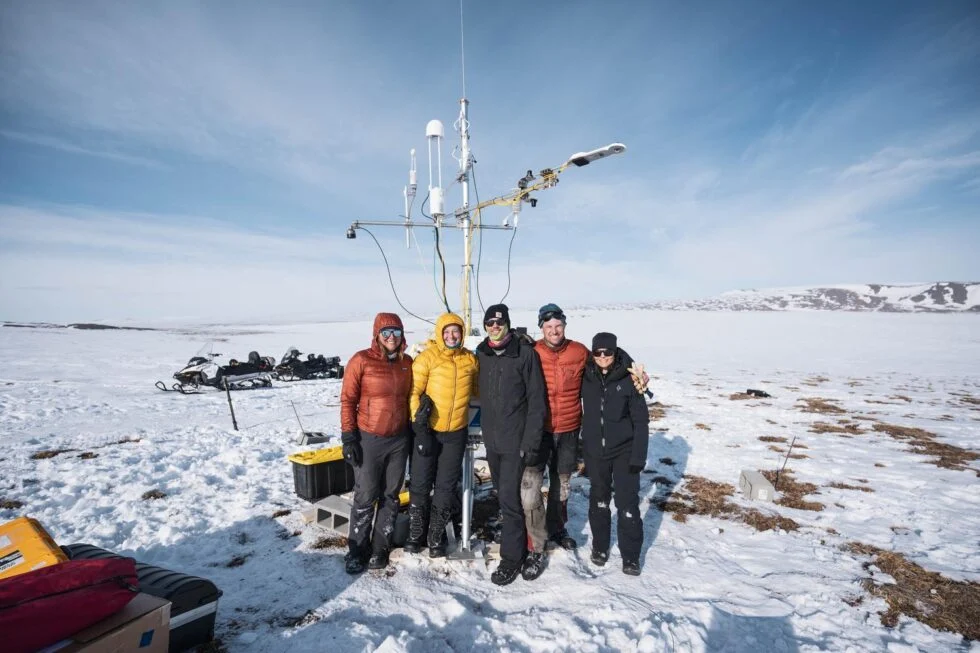
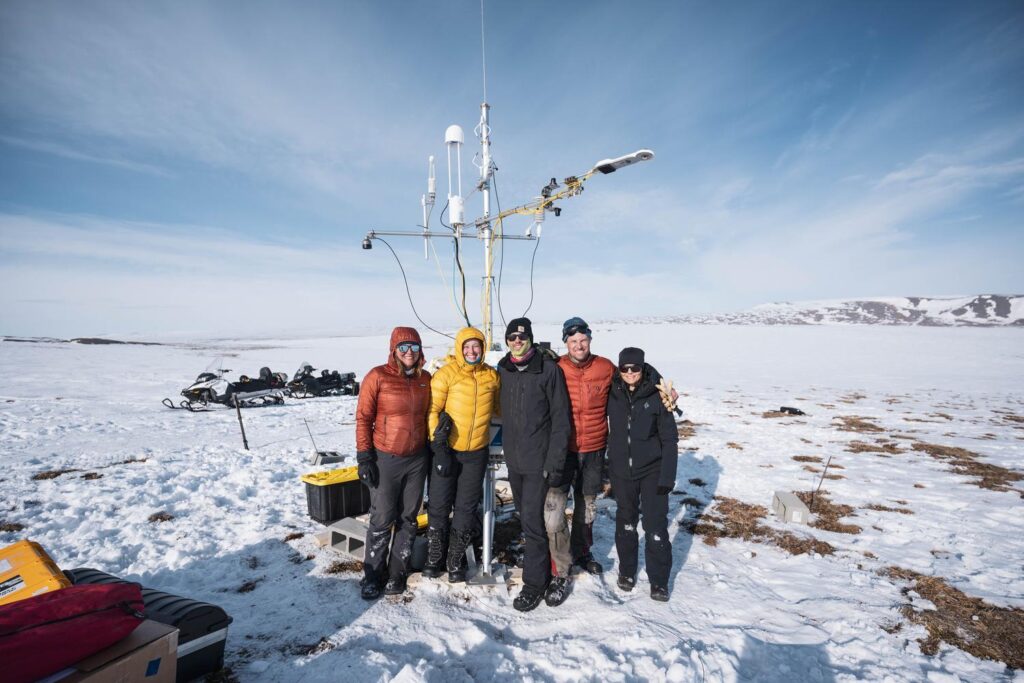
In a significant advancement for Arctic climate research, a specialized team of scientists recently completed the installation of a state-of-the-art flux tower at a permafrost thaw slump near the Toolik Field Station on Alaska’s North Slope. Led by ecologist Dr. Jenny Watts of the Woodwell Climate Research Center and snow hydrologist Dr. Kelly Gleason of Portland State University, the project marks the first time a flux tower has been deployed in the Arctic specifically to evaluate methane and carbon dioxide emissions from a site of active permafrost collapse. This research aims to fill a critical gap in global climate models, which frequently underestimate the impact of abrupt permafrost thaw on the Earth’s atmosphere.
The expedition, conducted under the auspices of the Protect Our Winters (POW) Science Alliance, underscores the accelerating pace of environmental change in the high latitudes. As the Arctic warms at nearly four times the global average, the permanently frozen ground—permafrost—that has stabilized the region for millennia is beginning to fail. When permafrost thaws, it doesn’t always do so evenly; in many areas, it undergoes "abrupt thaw," leading to dramatic geological features known as thaw slumps. These features act as localized "hotspots" for greenhouse gas emissions, venting ancient carbon that has been sequestered in the soil for thousands of years.
The Logistics of Arctic Science: Deploying the Flux Tower
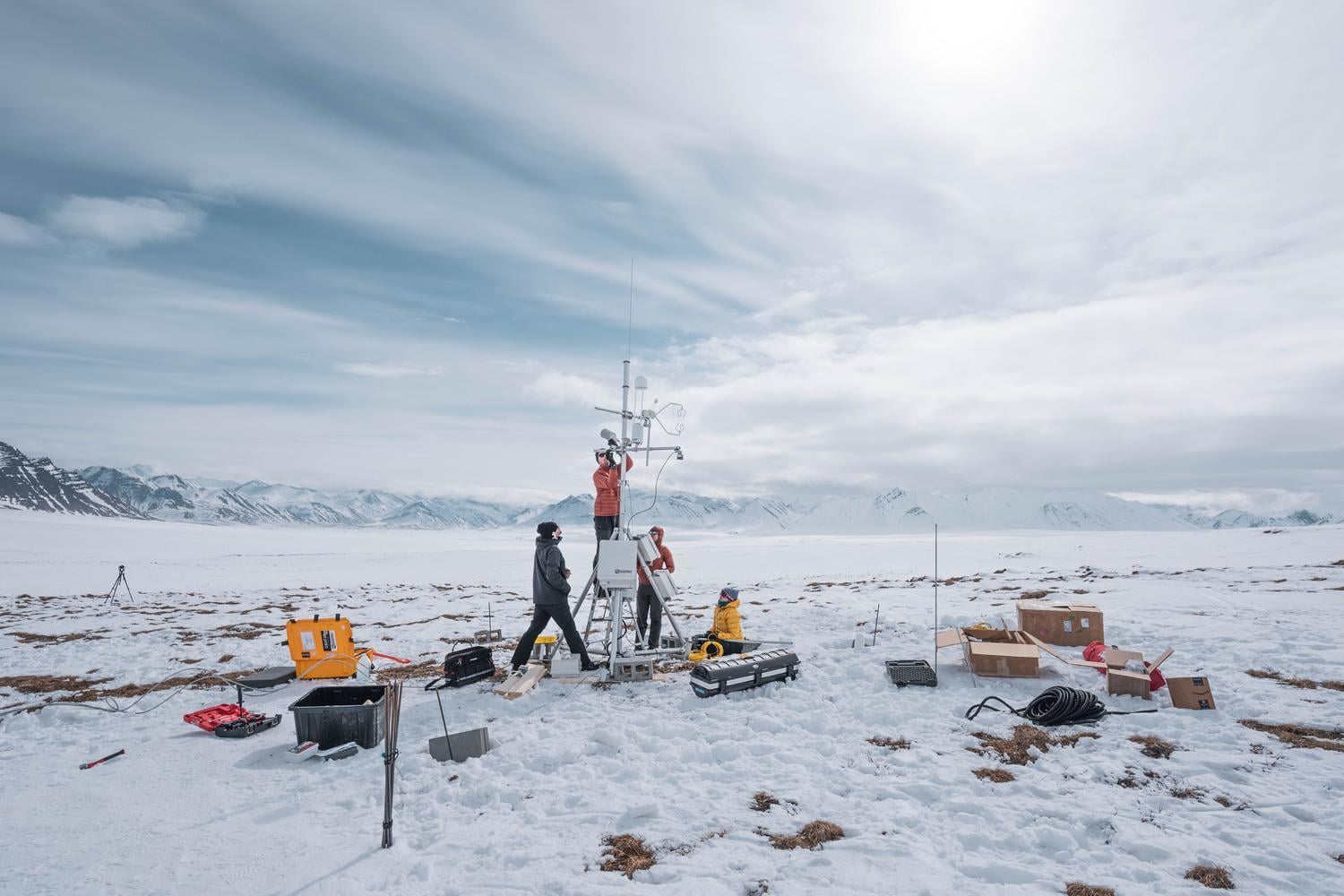
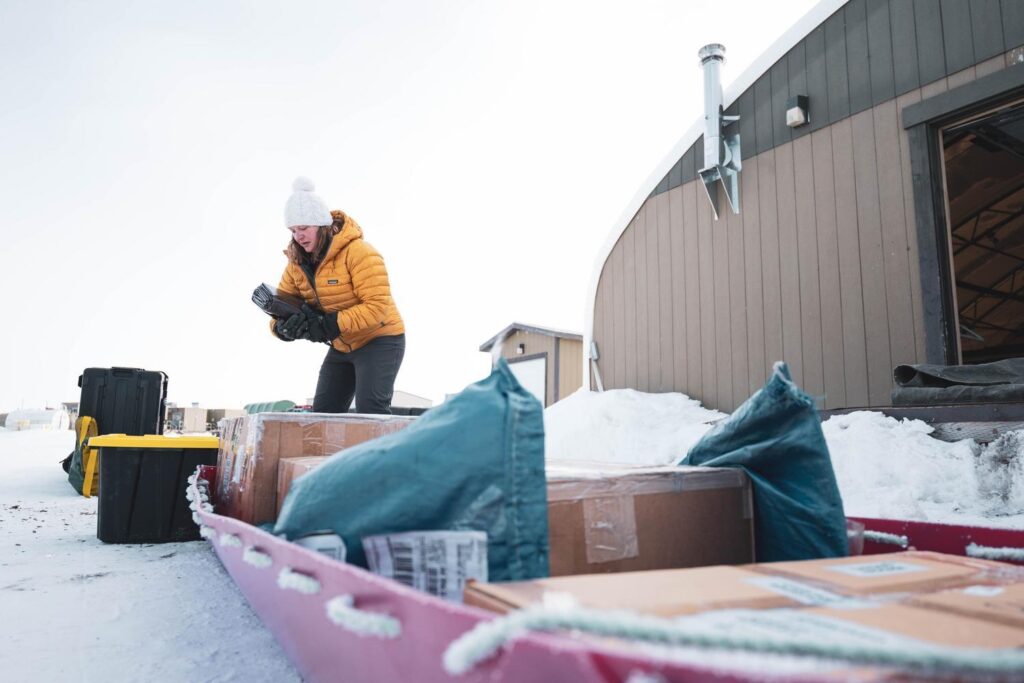
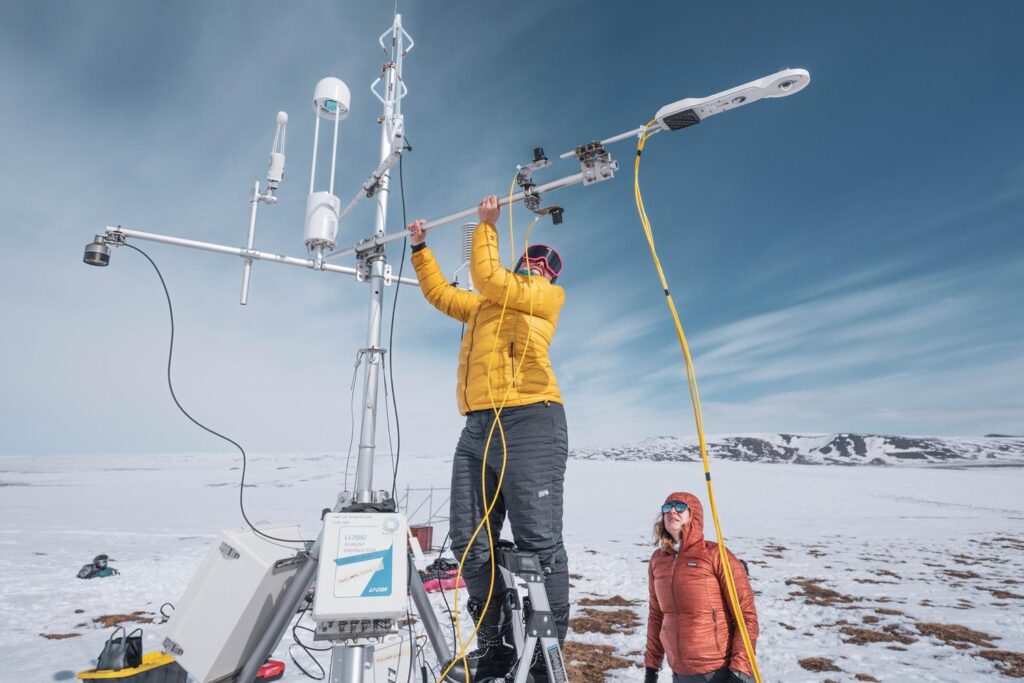
The deployment of the flux tower was a multi-day operation requiring complex logistics and physical labor in sub-zero conditions. Toolik Field Station, located roughly 170 miles north of the Arctic Circle, served as the base of operations. From there, the team—comprising Watts, Gleason, and researchers Kyle, Christina, and Kai—transported several tons of equipment across the frozen tundra via snowmachines and heavy-duty sleds.
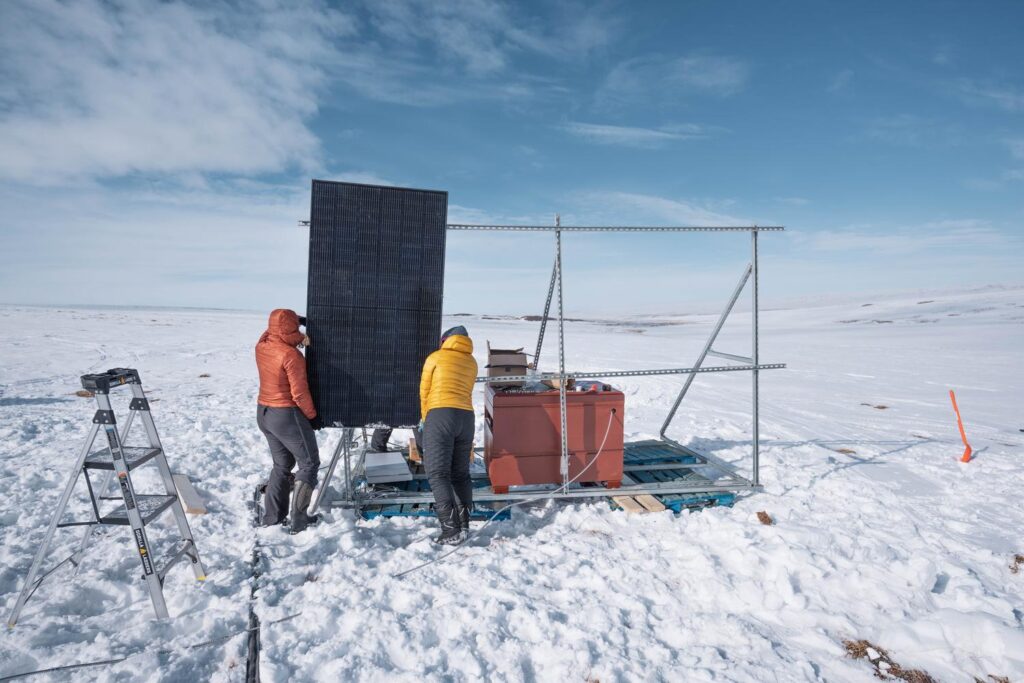
The hardware for the flux tower included a 15-foot aluminum frame, high-precision sensors for measuring gas concentrations, and a robust power system designed to withstand the brutal Arctic winter. To ensure continuous operation during the dark months, the team installed eight deep-cell batteries, each weighing over 100 pounds, supported by four large solar panels. The tower uses eddy covariance technology to measure the "flux"—the exchange rate—of carbon dioxide and methane between the soil and the atmosphere. By placing this equipment directly on a thaw slump, researchers can capture high-resolution data on how much gas is escaping from these unstable features compared to the surrounding undisturbed tundra.
Understanding the Mechanics of Permafrost Thaw Slumps
Permafrost is defined as ground that remains at or below 0°C (32°F) for at least two consecutive years. It covers approximately 24% of the land area in the Northern Hemisphere and stores an estimated 1,400 to 1,600 billion metric tons of carbon—roughly twice the amount currently present in the Earth’s atmosphere.
A thaw slump occurs when ice-rich permafrost melts, causing the overlying soil to lose its structural integrity and collapse downhill. This creates a steep, horseshoe-shaped scar in the landscape that continues to erode as more ice is exposed to the air. Unlike the slow, top-down thawing of the active layer, thaw slumps expose deep, organic-rich soil layers almost instantaneously. This organic matter, once frozen and inert, becomes "food" for microbes. As these microbes decompose the ancient organic material, they release carbon dioxide and methane as byproducts. Methane is of particular concern to scientists because it is approximately 25 to 30 times more potent than carbon dioxide at trapping heat over a 100-year period.
The Snow Paradox: Albedo versus Insulation
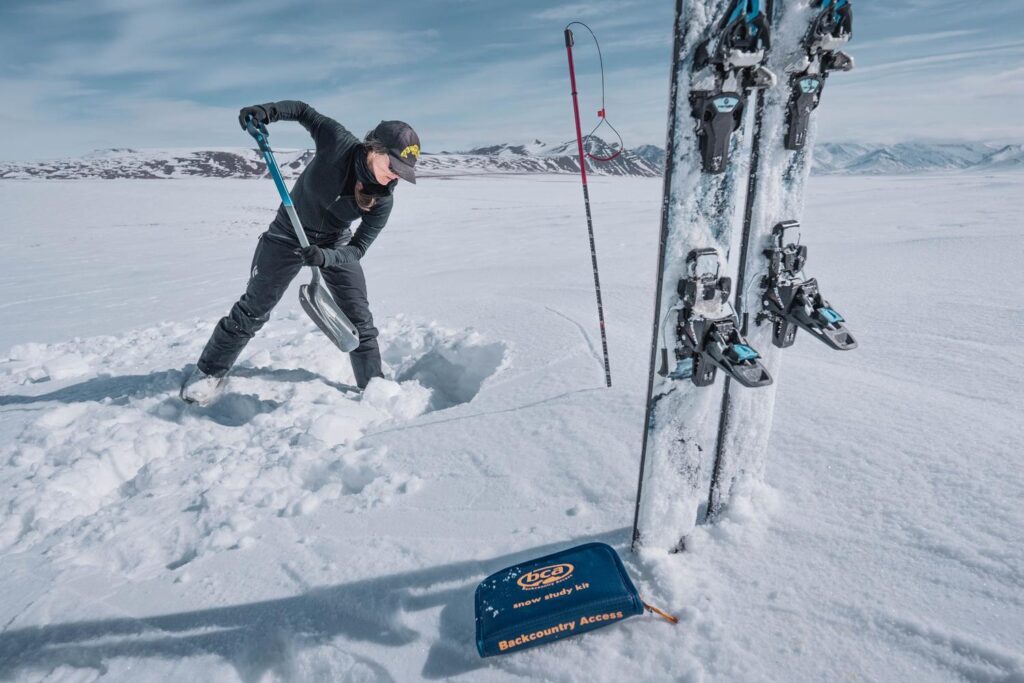
A critical component of the expedition involved investigating the role of snow cover in regulating permafrost temperatures. Dr. Kelly Gleason, an expert in snow hydrology, conducted detailed snow pit analyses to compare the thermal profiles of different snow depths across the study site.
In temperate mountain regions, snow is primarily viewed as a seasonal water reservoir. In the Arctic, however, snow plays a dual role in the climate system. On the surface, snow’s high albedo (reflectivity) helps cool the planet by bouncing up to 90% of incoming solar radiation back into space. However, beneath the surface, snow acts as a powerful thermal insulator. This insulation prevents the extreme cold of the Arctic winter air from penetrating the ground, effectively keeping the permafrost warmer than it would be if the ground were bare.
Gleason’s findings during the May expedition highlighted a stark contrast in sub-surface temperatures based on snow depth:
- Deep Snowpack (Approx. 2 meters): Despite surface temperatures of -3°C, the temperature at the base of the deep snowpack, near the soil interface, was measured at nearly -3°C. This relatively warm temperature is close to the threshold where microbial activity can persist even in winter.
- Shallow Snowpack (Approx. 57 centimeters): In contrast, the shallower snow allowed more cold to penetrate, with temperatures dropping to -10°C at the soil surface.
This "insulation effect" suggests a troubling feedback loop. As the Arctic atmosphere becomes wetter due to the loss of sea ice, some regions are experiencing increased snowfall. While more snow might increase reflectivity in the spring, the winter insulation provided by deeper drifts may be accelerating the very permafrost thaw that the flux tower is designed to measure.
Data Analysis and Climate Modeling Implications
The data collected by the new flux tower will be integrated into broader climate research efforts to improve the accuracy of Earth System Models (ESMs). Currently, most global climate models treat permafrost thaw as a gradual, uniform process. They often fail to account for the "abrupt thaw" represented by slumps, which can release decades’ worth of carbon in a single season.
Preliminary research indicates that while thaw slumps occupy a relatively small percentage of the total Arctic landmass, their contribution to the total carbon flux could be disproportionately high. By quantifying the exact emissions from these features, Watts and her team hope to provide policymakers with a more realistic "carbon budget" for the coming decades.
"The Arctic is not a future threat; it is a daily reality," the research team noted during the installation. "If we do not account for these localized sources of methane and CO2, we are essentially flying blind into a warming future."
The Role of Scientist-Advocates and Protect Our Winters
The expedition also highlights a shifting trend in the scientific community toward active advocacy. Both Dr. Watts and Dr. Gleason are members of the Protect Our Winters (POW) Science Alliance, a group that seeks to bridge the gap between academic research and climate policy.
POW, an organization founded by professional athletes and outdoor enthusiasts, leverages the expertise of scientists to communicate the urgency of climate change to the public and legislators. By participating in these high-stakes field missions, scientists are increasingly taking on the role of storytellers, translating complex data sets into narratives that emphasize the vulnerability of the world’s "frozen" landscapes.
The involvement of POW signifies a broader recognition that science alone may not be sufficient to trigger the necessary policy shifts. The organization advocates for systemic changes, including transitioning to renewable energy and protecting large-scale carbon sinks like the Arctic tundra.
Broader Environmental and Global Impacts
The implications of the work being done at Toolik Field Station extend far beyond the North Slope of Alaska. The "Arctic feedback loop"—where warming leads to thaw, which leads to gas emissions, which leads to further warming—is a global concern.
The destabilization of permafrost doesn’t just impact the atmosphere; it also destroys local infrastructure, including roads, pipelines, and indigenous communities’ homes. Furthermore, the runoff from thaw slumps carries sediment and ancient nutrients into Arctic rivers and lakes, potentially altering aquatic ecosystems and affecting fish populations that local communities rely on for subsistence.
As the flux tower begins its long-term monitoring, the scientific community awaits the first full year of data. This information will be crucial in determining whether the Arctic is transitioning from a net carbon sink—a place that absorbs more carbon than it releases—to a net carbon source. If the Arctic becomes a consistent source of greenhouse gases, the challenge of meeting global temperature targets, such as those set in the Paris Agreement, will become significantly more difficult.
Conclusion and Future Outlook
The installation of the flux tower at the Toolik thaw slump represents a milestone in Arctic observation. It provides a literal "window" into the invisible processes that are reshaping the planet. For Dr. Watts, Dr. Gleason, and their team, the mission was a success of engineering and endurance, but the true work begins with the analysis of the data now flowing from the Brooks Range.
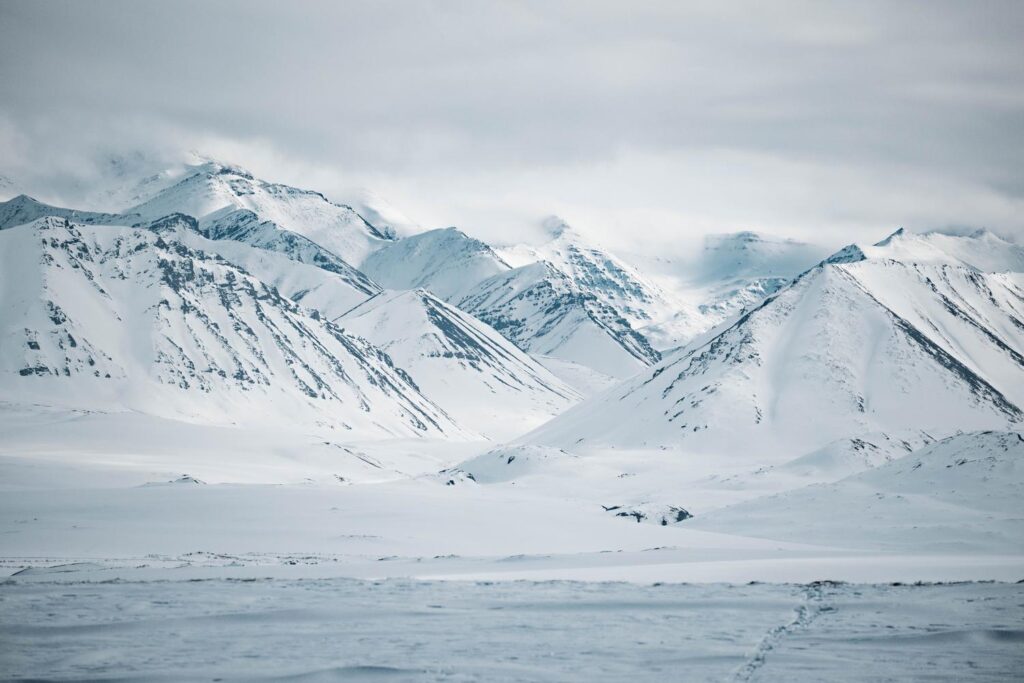
The research confirms that the Arctic is in a state of flux, driven by global trends but governed by complex local feedbacks. As the team returned from the field, the jagged peaks of the Brooks Range remained as "ancient sentinels" over a landscape that is no longer as permanent as its name suggests. The fight to protect these winters, and the permafrost beneath them, continues through a combination of rigorous science, public advocacy, and urgent global action.
