

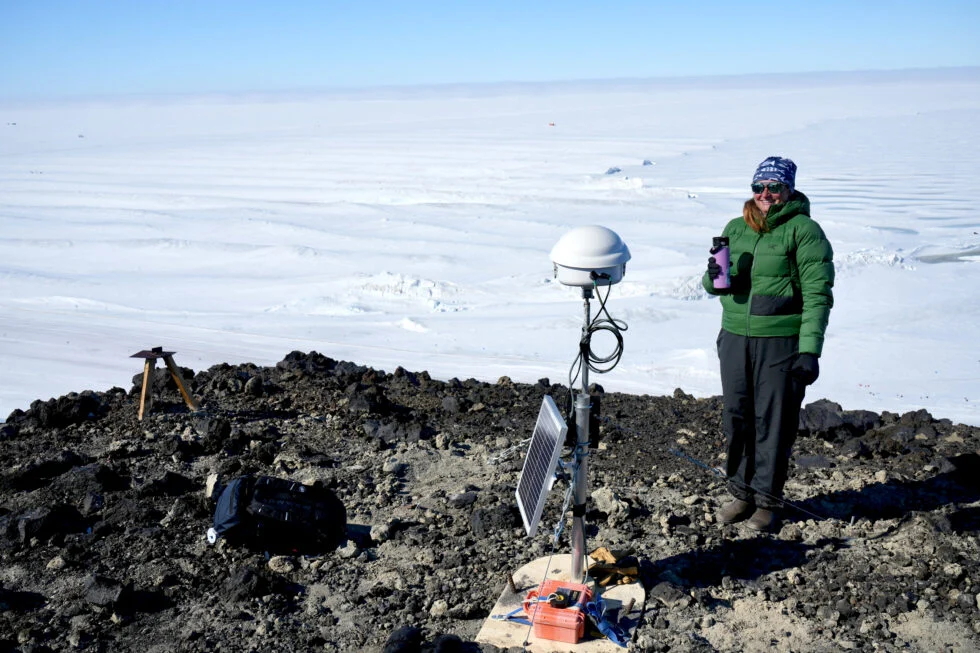
At the southern extremity of the globe, where the terrestrial world meets the frigid expanse of the Southern Ocean, a team of dedicated scientists is engaged in a high-stakes investigation to answer one of the most pressing questions of the modern era: how long can Antarctica’s protective ice shelves remain intact? Dr. Ali Banwell, a Research Scientist at the University of Colorado Boulder and Professor of Glaciology at Northumbria University, recently concluded a pivotal field season on the McMurdo Ice Shelf. As a member of the Protect Our Winters (POW) Science Alliance, Dr. Banwell’s work transcends academic curiosity, targeting the mechanical vulnerabilities of the ice that directly dictate the future of global coastlines.
The scale of the risk is difficult to overstate. According to glaciological consensus, the Antarctic Ice Sheet contains enough frozen water to raise global sea levels by approximately 190 feet (58 meters) if it were to melt entirely. While such a total collapse is not projected in the immediate future, the mechanisms that facilitate accelerated melting and glacial discharge are currently active. Dr. Banwell’s research focuses on the ice shelves—the floating extensions of the continental ice sheets that ring roughly 75% of the Antarctic coast. These shelves serve as a critical "buttress," providing a resistive force that slows the flow of land-based glaciers into the sea. Without this structural support, the interior ice would slide into the ocean at a much higher velocity, precipitating a rapid and catastrophic rise in sea levels.
The Structural Mechanics of Ice Shelf Buttressing
To understand the urgency of Dr. Banwell’s mission, one must understand the physics of the "buttressing effect." Ice shelves act much like a cork in a bottle or a dam on a river. Because they are already floating, their own melting does not significantly raise sea levels (following Archimedes’ principle). However, their presence creates friction against the sides of bays and over shallow points on the seafloor known as "pinning points." This friction creates back-pressure that holds the massive land-based glaciers in place.
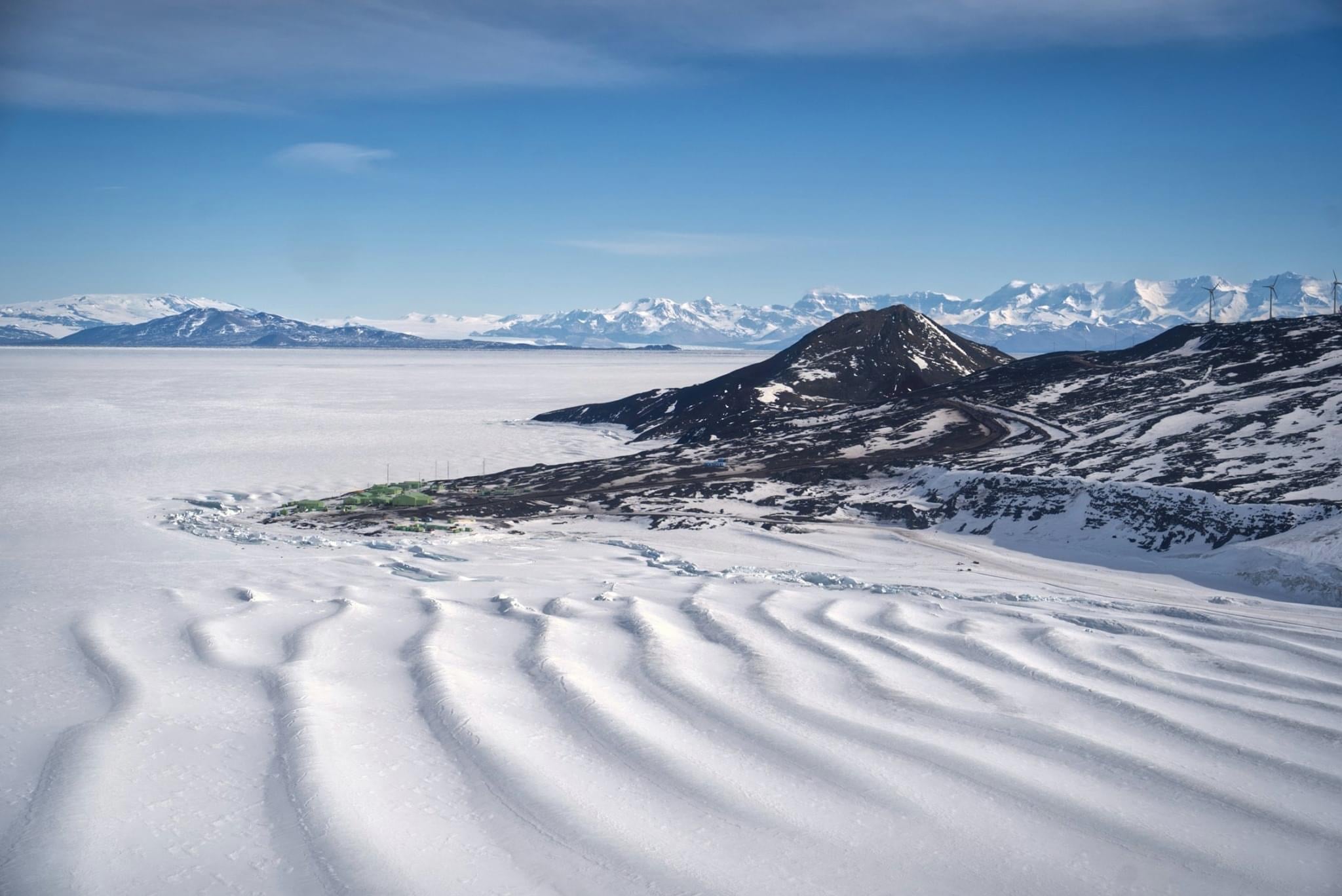
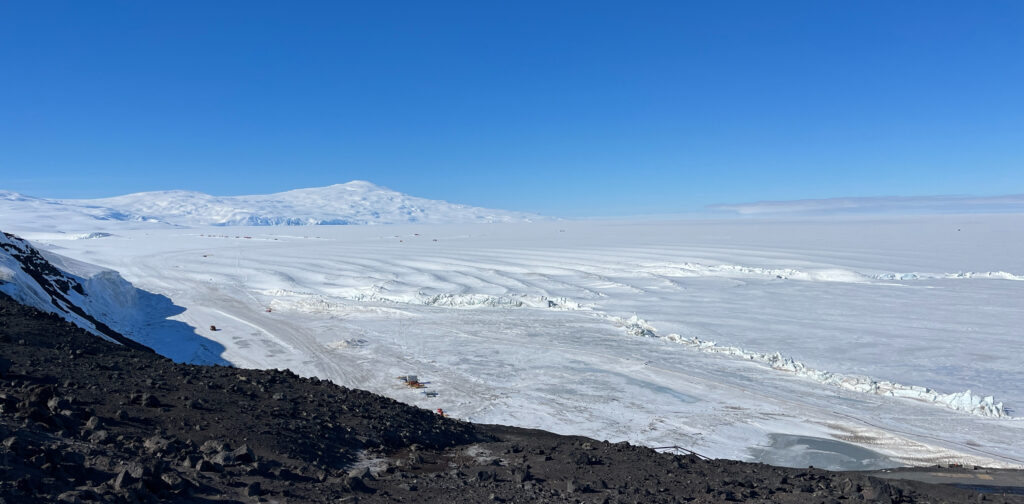
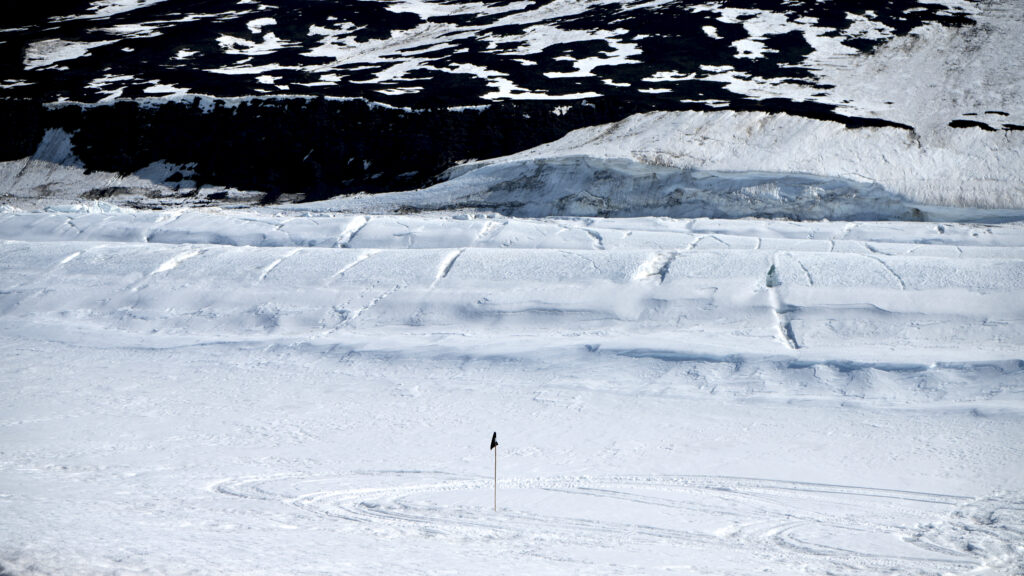
The McMurdo Ice Shelf, located near the United States’ McMurdo Research Station on Ross Island, presents a unique geological puzzle. While most ice shelves flow outward toward the open ocean, portions of the McMurdo shelf are being compressed against landmasses. This compression forces the ice to buckle, creating "ice shelf rumples"—wave-like ridges and troughs that can span several miles. These features represent a critical point of study for Dr. Banwell’s team, which is funded by the National Science Foundation (NSF). The central scientific question is whether these rumples act as additional anchors that stabilize the shelf or whether the internal stress and fracturing caused by the buckling make the shelf more susceptible to a sudden collapse.
Methodology and Chronology of the Six-Week Expedition
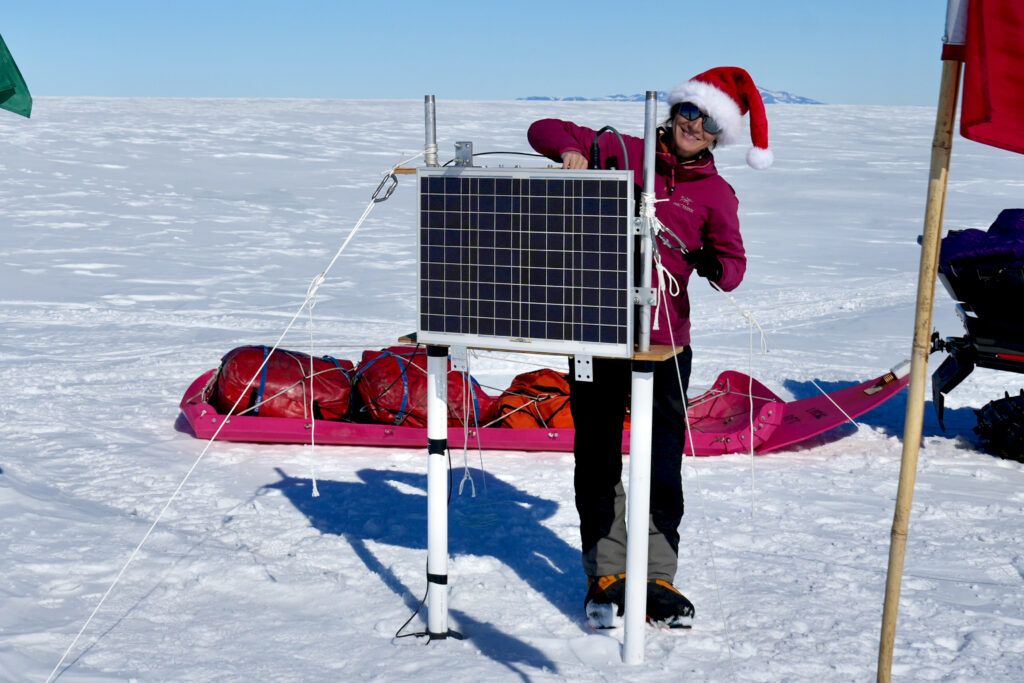
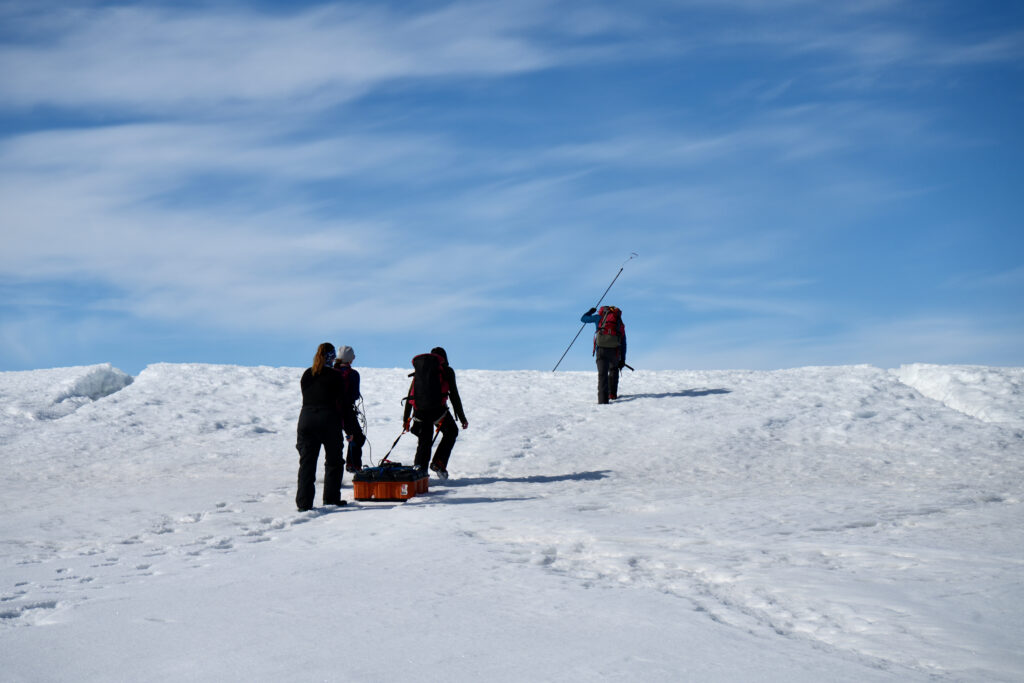
The expedition, led by Dr. Banwell, consisted of a four-person team including Co-Principal Investigator Ryan Cassotto (University of Colorado Boulder/University of Maine) and PhD students Michela Savignano and Allie Berry. Over the course of six weeks, the team operated in a landscape defined by perpetual summer daylight and extreme isolation. Their daily routine involved traveling via snowmobile across the undulating surface of the ice shelf to deploy a sophisticated array of monitoring equipment designed to "listen" to the ice throughout the brutal Antarctic winter.
The instrumentation suite deployed by the team is among the most comprehensive ever used in the region:
- Seismometers: These devices detect "icequakes"—tiny vibrations caused by the internal cracking and fracturing of the ice.
- High-Precision GPS Units: Capable of measuring movement down to the centimeter, these units track the real-time velocity and deformation of the ice shelf.
- Radar Systems: Ground-penetrating radar allows the team to peer through the ice to measure its thickness and map internal layers of deformation.
- Automated Weather Stations: These capture critical atmospheric data, including wind speed, temperature, and solar radiation, to correlate environmental changes with ice movement.
- Time-Lapse Cameras: Positioned to trigger every 30 minutes, these cameras provide a visual record of surface changes, including the formation of meltwater ponds and the expansion of surface crevasses.
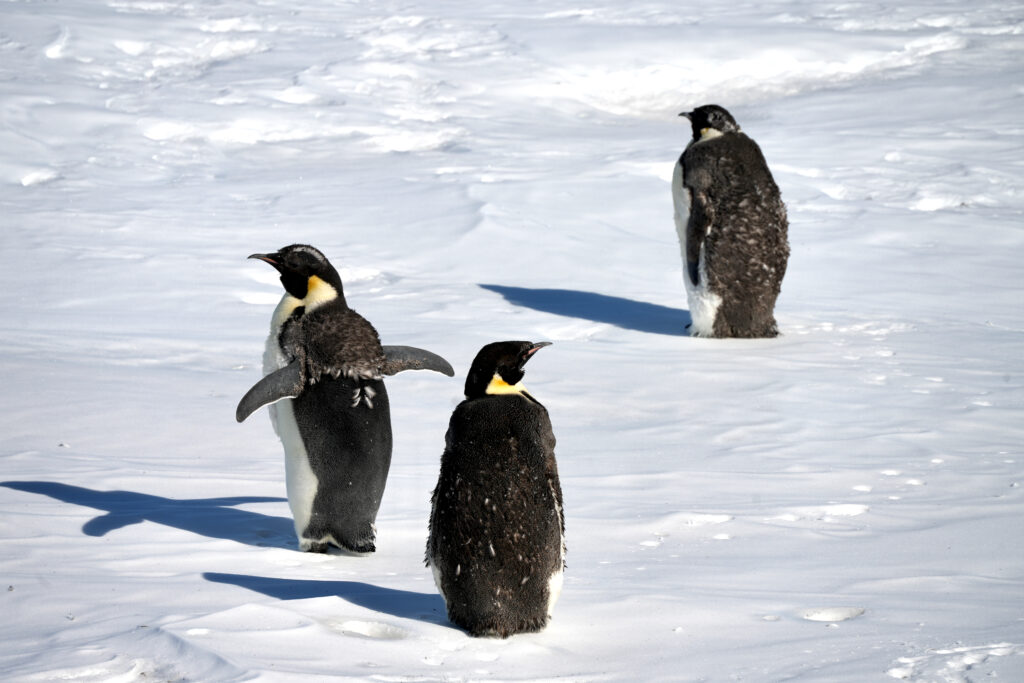
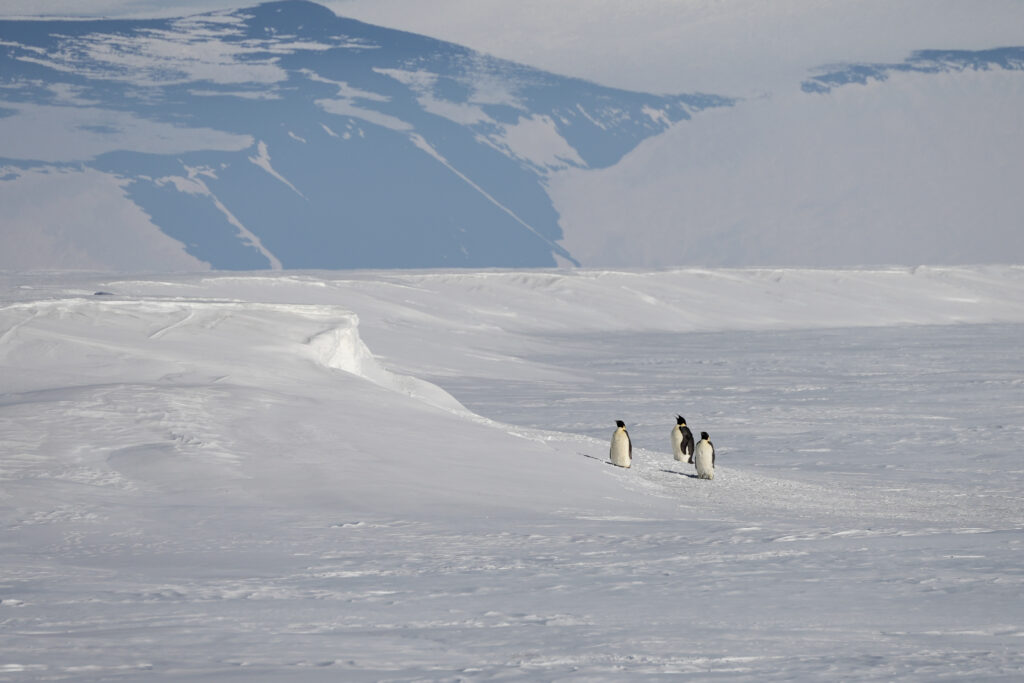
Throughout the field season, the team was accompanied by three emperor penguins in the midst of their annual molt. These birds, unable to enter the water until their new waterproof feathers grew in, remained near the field site for weeks, serving as a stoic reminder of the biological ecosystems that depend on the stability of the Antarctic environment.
Preliminary Findings and Environmental Anomalies
While the full analysis of the data will require the retrieval of the instruments in the following season, early observations from the field have already raised alarms. Dr. Banwell noted that the ice shelf was moving significantly faster than initial models suggested, with a recorded displacement of one to two feet per day. In the context of glaciology, this is a highly dynamic rate of movement, suggesting that the shelf is under immense internal pressure.
Furthermore, the team experienced the warmest summer in Dr. Banwell’s seven seasons of Antarctic fieldwork. This anomalous warmth led to an earlier-than-expected snowmelt, which stripped away the insulating layer of "firn" (multi-year snow) and revealed a highly fractured ice surface. The team encountered a higher density of crevasses than anticipated, necessitating advanced mountaineering techniques and constant vigilance. This increased fracturing is a direct consequence of thermal stress and the physical buckling of the rumples, potentially indicating a decrease in the shelf’s structural integrity.
Historical Context and the Threat of Disintegration
The urgency of Dr. Banwell’s research is underscored by historical precedents of ice shelf collapse. In 2002, the Larsen B Ice Shelf on the Antarctic Peninsula shattered in a matter of weeks after millennia of stability. The collapse was preceded by the formation of meltwater lakes on the surface, which acted like wedges, driving open cracks in a process known as hydrofracturing.
The McMurdo Ice Shelf research aims to determine if the "rumples" are similarly vulnerable. If the compression-induced fractures at McMurdo allow meltwater to penetrate deep into the ice, the shelf could face a similar fate to Larsen B. The loss of the Ross Ice Shelf complex—of which McMurdo is a part—would be a global tipping point. Current climate projections from the Intergovernmental Panel on Climate Change (IPCC) suggest a sea-level rise of one to three feet by the end of the century. However, these models often struggle to account for the "non-linear" behavior of ice shelves—sudden, rapid collapses that could cause sea levels to rise much faster than currently predicted.
Broader Implications for Global Coastal Infrastructure
The data being collected by Dr. Banwell and her colleagues at the University of Colorado Boulder, Northumbria University, and the University of Maine will be cross-referenced with satellite imagery to create a more accurate predictive model of ice shelf behavior. The implications of this data extend far beyond the scientific community; they are vital for urban planners, governments, and economists.
A sea-level rise of just three feet would be sufficient to displace tens of millions of people globally. Major metropolitan areas, including New York, London, Shanghai, and Mumbai, face existential threats from increased flooding and storm surges. In the United States, coastal property worth trillions of dollars is at risk. By understanding the specific "breaking points" of Antarctic ice shelves, scientists can provide more accurate timelines for these changes, allowing for better-informed decisions regarding coastal defenses and climate mitigation strategies.
Conclusion and Future Outlook
As the Antarctic winter sets in, Dr. Banwell’s instruments remain on the ice, silently recording the shelf’s response to the extreme cold and the shifting tides of the Southern Ocean. The team plans to return in the next field season to retrieve the data and begin the arduous process of synthesis and analysis.
The work of the POW Science Alliance and the NSF-funded team highlights a sobering reality: the most remote places on Earth are the ones that will ultimately determine the geography of our future. One to two feet of ice movement per day may seem negligible in a vast wilderness, but it represents a massive shift in the planetary balance. The scientists who navigate crevasses and endure the Antarctic elements are the front line in a global effort to understand, and perhaps prepare for, a world where the "last line of defense" may no longer hold. Through rigorous empirical data and field observation, Dr. Banwell’s research continues to illuminate the complex relationship between the ice at the bottom of the world and the rising waters at our doorsteps.
