

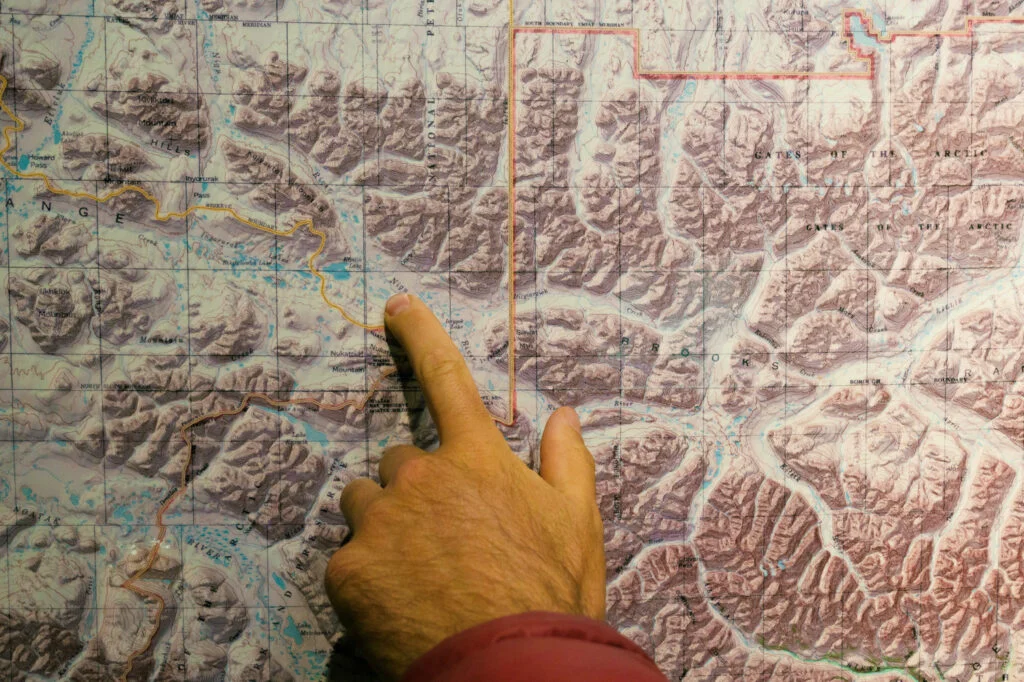
The federal government officially opened the first of five mandated lease sales in the Western Arctic of Alaska on March 18, marking a significant escalation in the industrial development of one of the most remote and ecologically sensitive regions in North America. This move, part of a broader ten-year strategy to expand domestic energy production, targets more than 5.5 million acres of the National Petroleum Reserve-Alaska (NPR-A). Among the areas offered for leasing are the Teshekpuk Lake wetlands, a region that has served as a critical habitat for migratory birds and caribou for decades. This development represents a pivotal moment in the century-long history of the reserve, highlighting a deepening conflict between energy security mandates and the preservation of intact ecosystems in a rapidly warming climate.
The Historical Foundation: From Naval Reserve to Civilian Asset
The origins of the current leasing program date back more than a century to the early 20th century, a period defined by the United States’ transition from coal to oil as the primary fuel for its naval fleet. In 1923, President Warren G. Harding signed an executive order establishing "Naval Petroleum Reserve No. 4" on Alaskas North Slope. The designation was prompted by geological surveys that identified significant oil seeps along the Arctic coast. At the time, Alaska was viewed largely as a resource colony, and the 23-million-acre tract—an area nearly the size of the state of Ohio—was withdrawn from all other uses to ensure a strategic fuel supply for the military.
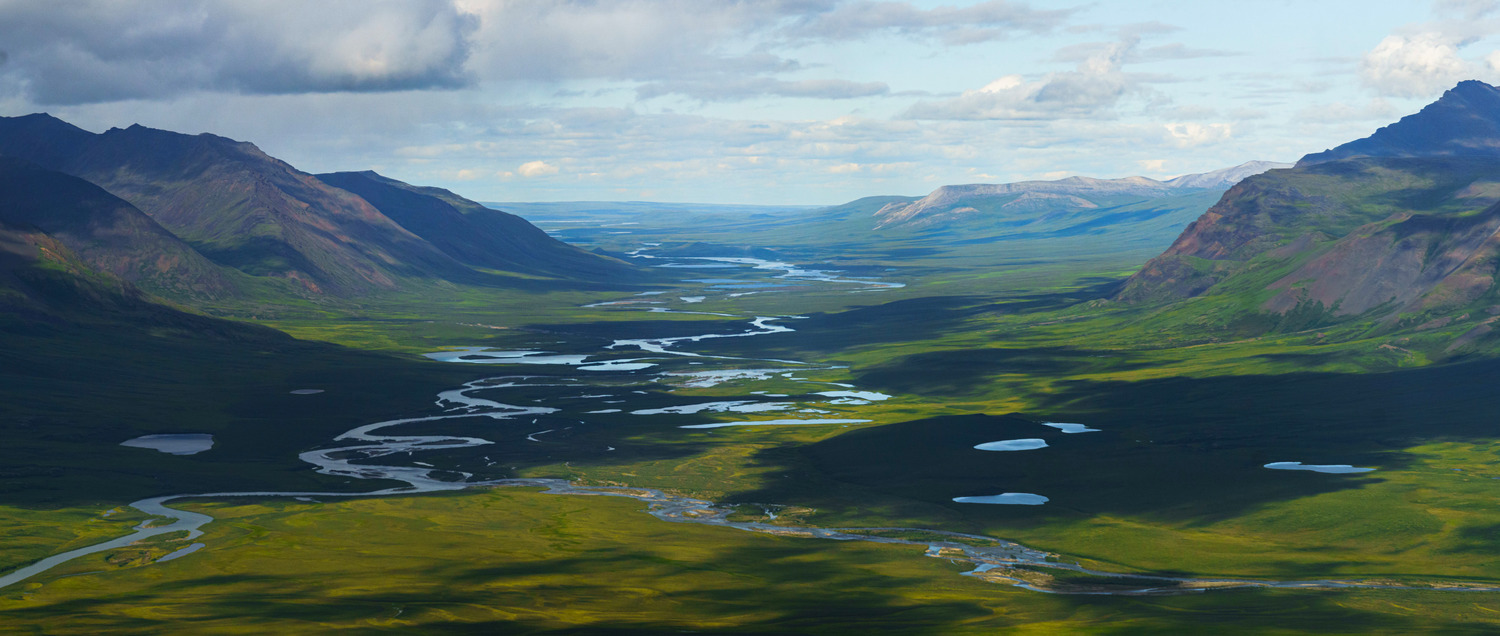
The reserve remained under the jurisdiction of the U.S. Navy for over fifty years. However, the energy crises of the 1970s prompted a shift in federal policy toward civilian control of energy resources. In 1976, Congress passed the Naval Petroleum Reserves Production Act, which transferred management of the land to the Department of the Interior and rebranded the area as the National Petroleum Reserve-Alaska (NPR-A). While the name changed, the legislative mandate retained a focus on "an expeditious program of competitive leasing." Today, the NPR-A stands as the largest single block of public land in the United States, encompassing over 22 million acres of tundra, wetlands, and coastal plains.
Modern Leasing Mandates and the Trump Administration Strategy
The current push for development is rooted in administrative directives that seek to maximize the output of the North Slope. Under the Trump administration, the Department of the Interior moved to open millions of previously protected acres to the oil and gas industry. This includes the reversal of protections for the Teshekpuk Lake Special Area, which had been shielded from development due to its importance to global biodiversity. Federal law now mandates at least five lease sales in the NPR-A over the next decade, creating a legal framework that prioritizes extraction as the primary utility of the land.
Government officials justify these sales by citing the 1976 Act’s language regarding competitive leasing. The Bureau of Land Management (BLM) has been tasked with overseeing these auctions, which are intended to bolster the Alaskas anemic state budget and offset production cuts by international cartels like OPEC. The move is also seen as a way to utilize existing infrastructure, such as the Trans-Alaska Pipeline System (TAPS), which has seen declining throughput in recent decades.
Ecological Significance of the Western Arctic
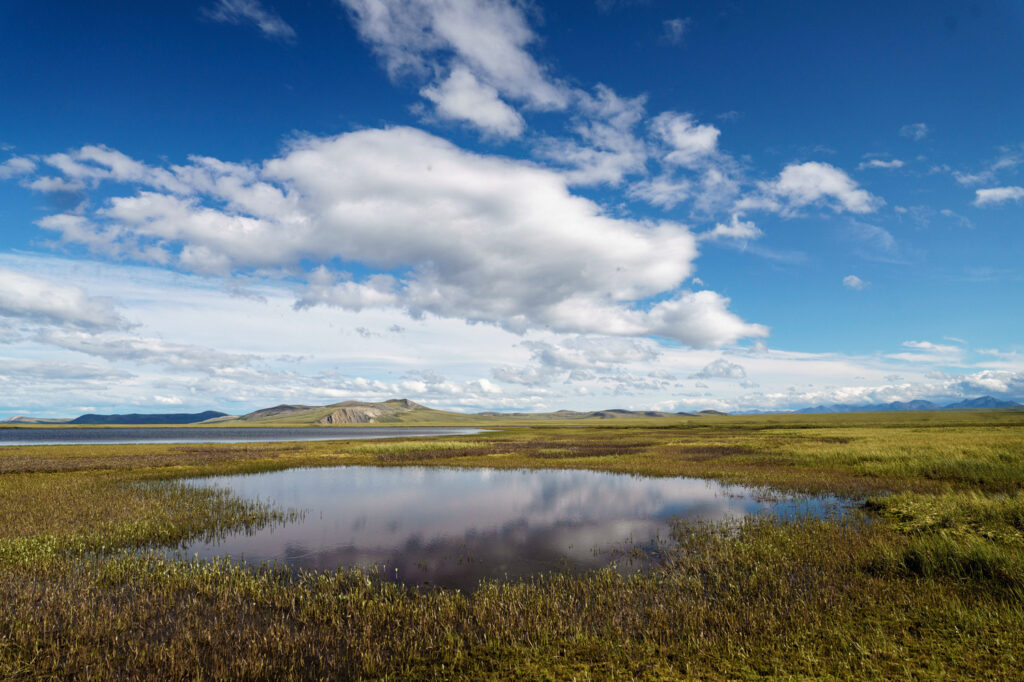
Despite its name, the NPR-A is far more than a geological warehouse for fossil fuels; it is a globally significant biological corridor. The region supports an estimated 5.4 million aquatic birds each season, representing species from six continents. The Teshekpuk Lake area, in particular, is recognized as the single most important molting habitat in the Arctic for migratory waterfowl and serves as the primary calving ground for the Teshekpuk Lake caribou herd.
Biologists emphasize that the NPR-A is part of an "intact ecosystem," a rarity in the modern world. Unlike the contiguous United States, where public lands are often fragmented by roads, fences, and suburban sprawl, the Western Arctic remains largely untrammeled. The landscape is a contiguous stretch of mountains, valleys, and rivers that allow for natural migration patterns and predator-prey dynamics to function without human interference. Conservationists argue that the "petroleum reserve" designation is a relic of 1920s military strategy that fails to account for the modern understanding of the regions ecological value.
Climate Change and the Arctic Warming Trend
The debate over oil leasing is further complicated by the fact that the Arctic is warming three to five times faster than the global average. This rapid temperature rise is causing permafrost degradation, which threatens both existing infrastructure and the stability of the tundra ecosystem. The irony of extracting fossil fuels from a region that is being disproportionately destroyed by the combustion of those same fuels is a central point of contention for environmental scientists.
The Western Arctic serves as a critical "carbon sink," with its vast wetlands and permafrost storing immense amounts of carbon. Industrializing the landscape—through the construction of gravel roads, drill pads, and pipelines—threatens to release these stores into the atmosphere, potentially accelerating the greenhouse effect. Furthermore, the loss of sea ice along the Arctic coast is increasing erosion, making coastal drilling operations increasingly precarious and expensive to maintain.
Economic Feasibility and the Willow Project
While the U.S. Geological Survey (USGS) estimates that the NPR-A may hold nearly 900 million barrels of technically recoverable conventional oil, the economic reality of Arctic drilling remains complex. Arctic oil is among the most expensive in the world to extract due to the extreme climate, lack of infrastructure, and the high cost of transporting equipment to remote sites. Analysts point out that projects in the region often require significant public subsidies and long-term capital horizons—often 30 years or more—to reach a breakeven point.
A central component of the new development phase is the Willow Oil Project, spearheaded by ConocoPhillips. Located within the NPR-A, Willow is estimated to produce roughly 750 million barrels of oil over its lifetime. In addition to Willow, the state is pursuing the Ambler Road project, a 200-mile industrial corridor designed to provide access to the Ambler Mining District. While these are often discussed as separate initiatives, they collectively represent a massive expansion of industrial infrastructure into the "last whole place" of the American wilderness.
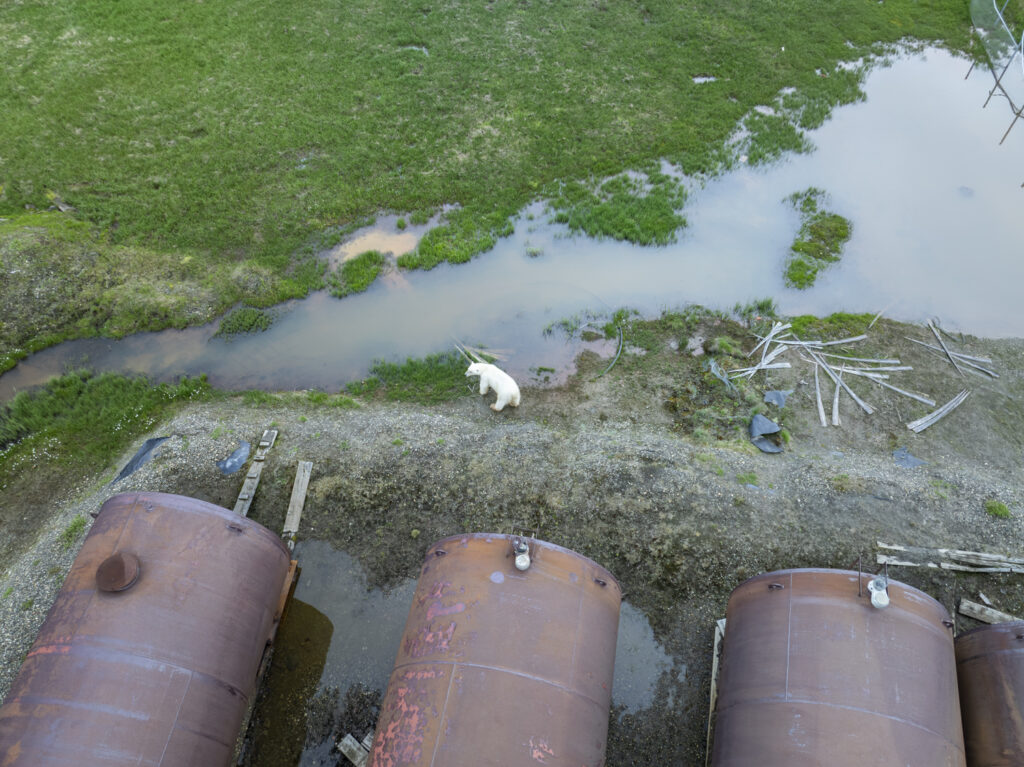
A Chronology of the National Petroleum Reserve-Alaska
- 1923: President Warren G. Harding designates 23 million acres as Naval Petroleum Reserve No. 4 to secure fuel for the U.S. Navy.
- 1944–1953: The Navy conducts extensive exploration, drilling 36 test wells and 45 core holes, confirming the presence of oil and gas.
- 1976: Congress passes the Naval Petroleum Reserves Production Act, transferring jurisdiction to the Department of the Interior and renaming it the NPR-A.
- 1977: The Trans-Alaska Pipeline System (TAPS) begins operation, providing a transit route for North Slope oil.
- 2013: The Obama administration implements an Integrated Activity Plan (IAP) that protects roughly half of the NPR-A, including Teshekpuk Lake, from leasing.
- 2017: The Tax Cuts and Jobs Act includes provisions to open the Arctic National Wildlife Refuge (ANWR) to drilling, signaling a broader federal shift toward Arctic development.
- 2020: The Department of the Interior issues a new Record of Decision for the NPR-A, opening 82% of the reserve to potential leasing.
- 2024–2026: The federal government initiates a series of five mandated lease sales, beginning with the March 18th auction.
Stakeholder Perspectives: Development vs. Conservation
The reaction to the March 18 lease sale has been sharply divided along economic and environmental lines. Pro-development groups, including the Alaska Oil and Gas Association and various labor unions, argue that the sales are vital for Alaskas economic future. They contend that the projects will create thousands of jobs and provide the state with much-needed tax revenue to fund education and infrastructure.
Conversely, Indigenous groups and environmental organizations, such as Protect Our Winters (POW) and the Sierra Club, have expressed profound concern. They argue that the social and environmental costs of Arctic drilling far outweigh the economic benefits. "Arctic oil is more expensive and requires more public subsidy than almost any other fossil fuel development in this country," noted one environmental analyst. Critics also point to the potential impact on subsistence hunting and fishing rights for the Gwich’in and Inupiat peoples, whose cultures are inextricably linked to the caribou herds and migratory birds of the North Slope.
Broader Impact and the Future of the American Arctic
The decision to move forward with these lease sales reflects a fundamental tension in American land management policy. On one hand, the "petroleum reserve" designation provides a clear legal pathway for industrial use. On the other, the changing global climate and the collapse of biodiversity suggest that the highest and best use of the land may no longer be extraction.
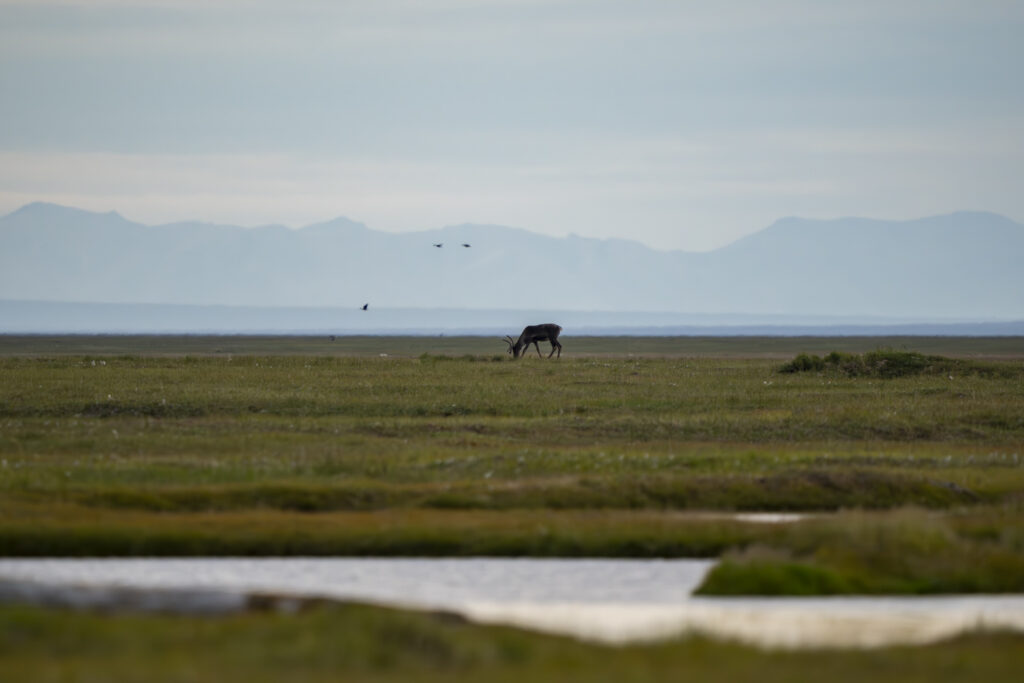
As the five mandated lease sales proceed over the next decade, the landscape of the Western Arctic will likely undergo a permanent transformation. The construction of roads and pipelines will fragment the tundra, potentially altering migration routes that have existed for millennia. Furthermore, the long-term investment required for these projects means that the U.S. is committing to fossil fuel production in the Arctic well into the middle of the 21st century, a timeline that many climate scientists argue is incompatible with international goals to limit global warming.
The "sticky name" given to the region by President Harding in 1923 continues to dictate its fate in 2026. While names are political constructions, the geological and ecological realities of the Arctic are not. The coming years will determine whether the United States chooses to exercise restraint in its last truly wild frontier or if the mandate of "expeditious leasing" will finally bring the era of the "last whole place" to a close.
