


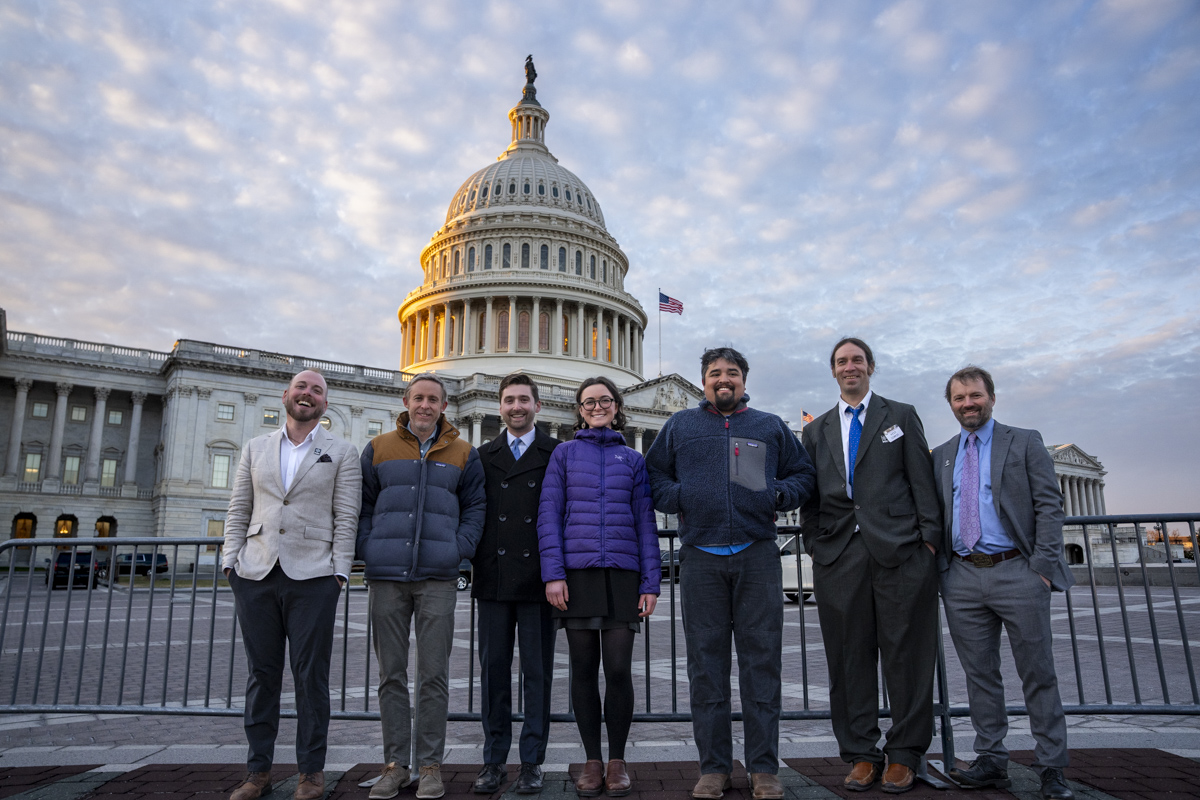
A coalition of environmental advocates, professional athletes, and Indigenous leaders converged on Washington, D.C., last week to deliver a comprehensive 74-page petition to Congress, demanding permanent protections for the Arctic. Led by the non-profit organization Protect Our Winters (POW) in collaboration with the Alaskan Wilderness League (AWL) and the League of Conservation Voters (LCV), the delegation hand-delivered the document, which contains over 6,000 signatures from members of the "Outdoor State"—a demographic representing the millions of Americans who participate in outdoor recreation and whose livelihoods often depend on stable climates and preserved public lands. The delivery comes at a period of heightened tension as the Trump administration recently moved to finalize legislation intended to streamline oil and gas leasing in the Arctic National Wildlife Refuge (ANWR) and the National Petroleum Reserve in Alaska (NPRA).
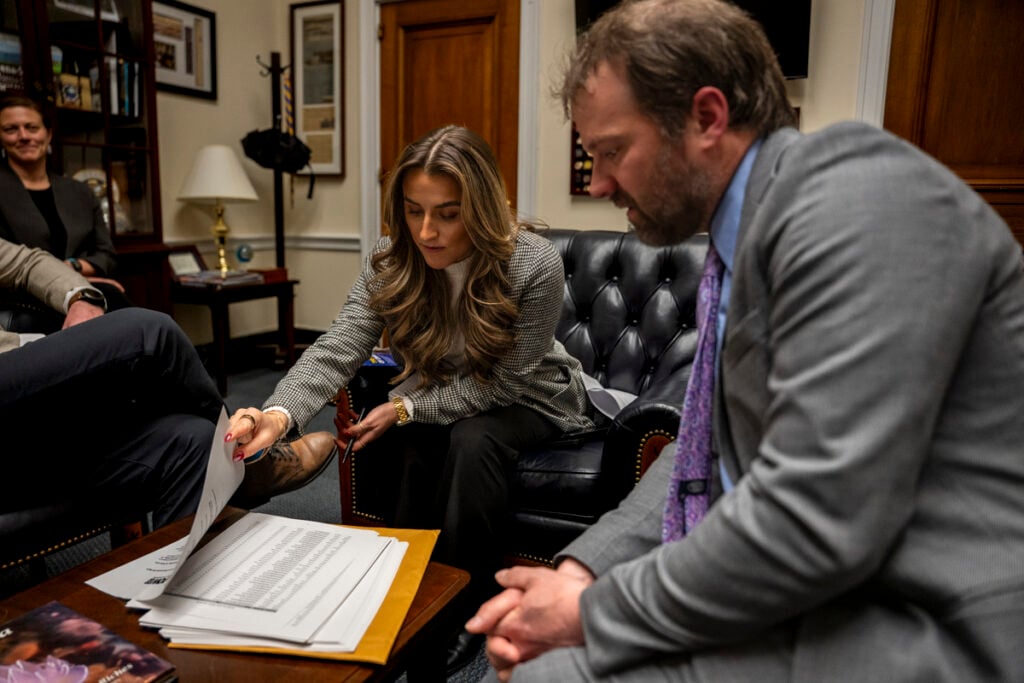
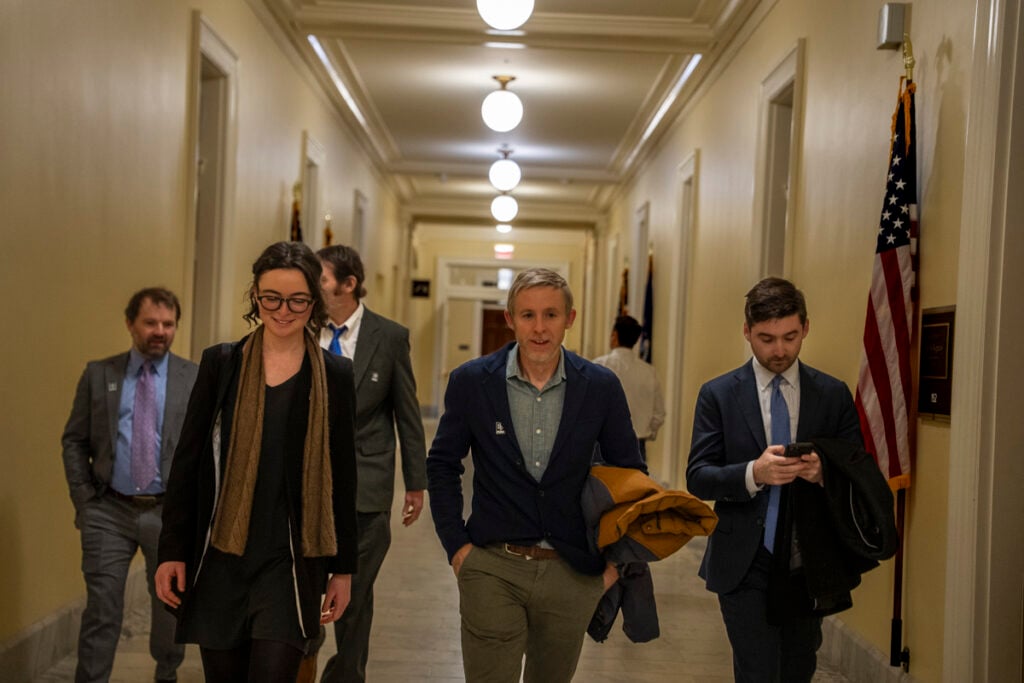
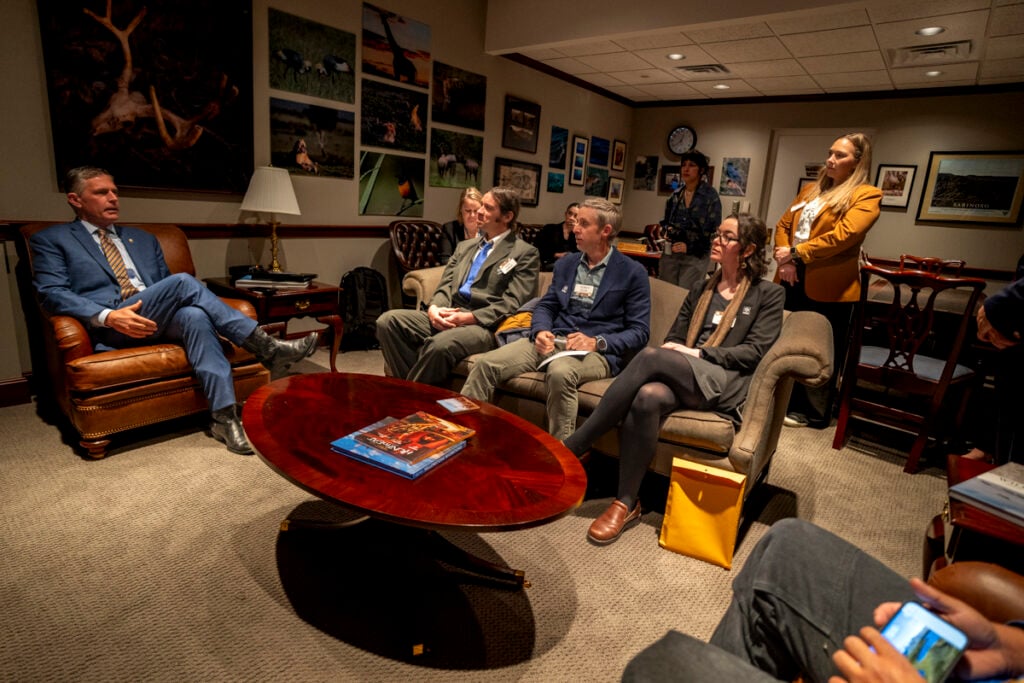
The strategic "fly-in" event lasted two days and involved dozens of meetings with key House and Senate offices. The delegation sought to provide lawmakers with a multi-faceted argument against extraction, combining scientific data, economic analysis, and personal testimony from those who live and work in the shadow of the Arctic Circle. By presenting a unified front that included world-class climbers, climate scientists, and Indigenous storytellers, the coalition aimed to demonstrate that the preservation of the Arctic is not merely an environmental concern but a matter of national economic resilience and cultural sovereignty.
The Legislative and Political Context of the Arctic Dispute
The timing of the coalition’s arrival on Capitol Hill was dictated by a rapid succession of policy shifts. For decades, the Arctic National Wildlife Refuge has been a flashpoint in American energy policy. The 19.6-million-acre region, often described as "America’s Serengeti," was largely shielded from industrial development until the passage of the 2017 Tax Cuts and Jobs Act, which included a provision mandating two lease sales in the refuge’s 1.5-million-acre Coastal Plain.
While the Biden administration had previously sought to cancel or suspend these leases, citing insufficient environmental reviews, the current political landscape has shifted back toward an "energy dominance" strategy. Last Friday, the Trump administration signed new legislation designed to remove regulatory hurdles for drilling and mining operations in Arctic Alaska. Proponents of the legislation argue that domestic energy production is essential for national security and lower energy prices. However, the POW-led coalition contends that these moves ignore the long-term fiscal risks and the accelerating impacts of the climate crisis, which is warming the Arctic at nearly four times the global average.
A Diverse Coalition: The "Outdoor State" Strategy
Central to the coalition’s message is the concept of the "Outdoor State." This term refers to the economic powerhouse of the outdoor recreation industry, which, according to the U.S. Bureau of Economic Analysis, contributes over $1.1 trillion to the U.S. economy annually and supports nearly five million jobs. By framing Arctic protection through this lens, the advocates moved the conversation beyond traditional conservationism into the realm of industrial stability.
The delegation included high-profile figures such as Tommy Caldwell, a member of the POW Climb Alliance and a world-renowned professional rock climber. Caldwell emphasized that the fight for public lands is inherently a policy fight. "Like it or not, policy is the only thing that has the chance to fix our climate and save our public lands," Caldwell stated during the trip. His presence, along with other athletes and creators like Brennan Lagasse and Ming Poon, was intended to humanize the data and show lawmakers that a massive constituency of voters views the Arctic as a non-negotiable asset for the future of the American landscape.
Economic Realities and the Case Against Arctic Extraction
A significant portion of the 74-page petition and the accompanying meetings focused on the financial viability of Arctic drilling. The coalition presented data suggesting that extraction in the remote, harsh environment of the North Slope is increasingly out of step with global energy markets. High operational costs, coupled with the long timelines required to bring Arctic oil to market, make these projects "fiscally risky" and prone to becoming "stranded assets" as the world transitions toward renewable energy.
Furthermore, the delegation highlighted that major global financial institutions have increasingly distanced themselves from Arctic oil and gas projects. Over two dozen major banks worldwide, including several of the largest U.S. lenders, have instituted policies that restrict or prohibit the financing of new oil and gas development in the Arctic Refuge. The coalition argued that pushing for lease sales in a region where capital is fleeing is a poor use of federal resources and a threat to U.S. climate goals.
Indigenous Sovereignty and Cultural Value
The inclusion of Indigenous voices was a cornerstone of the fly-in. For the Gwich’in people and other Alaska Native communities, the Arctic Refuge—specifically the Coastal Plain—is sacred ground. The Gwich’in refer to the area as "Iizhik Gwats’an Gwandaii Goodlit" (The Sacred Place Where Life Begins), as it serves as the primary calving ground for the Porcupine Caribou Herd. The caribou are central to the Gwich’in way of life, providing food, clothing, and spiritual connection.
Advocates argued that any industrial disruption to this landscape constitutes a violation of Indigenous human rights and sovereignty. By bringing these voices directly into the halls of Congress, the coalition forced a confrontation between abstract energy policy and the lived realities of those whose ancestral lands are at stake. This cultural testimony was paired with the scientific perspective of researchers who detailed how the loss of permafrost and the disruption of carbon-rich landscapes in the Arctic would trigger "feedback loops," releasing massive amounts of methane and carbon dioxide into the atmosphere and further destabilizing the global climate.
The Energizing Our Communities Act: A Bipartisan Alternative
While much of the mission was defensive—pushing back against new leasing in the NPRA and the Arctic Refuge—the coalition also advanced a proactive legislative solution: the Energizing Our Communities Act (EOCA). This proposed legislation aims to support a clean-energy future by providing practical, community-level solutions for energy resilience.
The EOCA is designed to bridge the gap between rural development and environmental protection. By meeting with both Democratic and Republican offices, the coalition sought to find bipartisan common ground on energy transmission and grid modernization. The argument presented was that while Arctic drilling is a legacy industry of the 20th century, the EOCA represents a forward-looking economic strategy that strengthens local economies without compromising ecological integrity.
Documenting the Impact: Phase Two of the Arctic Campaign
The two-day event resulted in meetings with dozens of legislative offices, including key members of the Arctic Congressional Delegation and leaders in both the House and Senate. According to Ming Poon, a member of the POW Creative Alliance, even meetings with offices that traditionally support oil extraction were productive in establishing communication channels. "Delivering our petition with more than 6,000 signatures made it clear that people are paying attention and care deeply about protecting this place," Poon noted.
The coalition views the delivery of the 74-page petition as the conclusion of one chapter and the beginning of another. With the Trump administration’s recent signing of pro-drilling legislation, POW and its partners have announced they are moving into "Phase Two" of their Arctic campaign. This phase will involve escalating public pressure, legal monitoring of lease sales, and continued engagement with the financial sector to discourage investment in the region.
Broader Implications for U.S. Climate Policy
The struggle over the Arctic serves as a bellwether for the broader direction of U.S. climate policy heading into 2026. The outcome of these legislative and legal battles will determine whether the United States remains committed to its international climate obligations or reverts to a fossil-fuel-centric energy model.
For the "Outdoor State" and its allies, the mission to Capitol Hill was a reminder that the protection of the Arctic is a multi-generational effort. As Brennan Lagasse of the POW Creative Alliance observed, the trip reaffirmed the importance of physical presence in the democratic process. "This trip was another fresh reminder that even though there’s so much momentum against climate justice and intersected causes, there’s a vibrant counter-balance standing together to resist and move forward in a good way," Lagasse said.
As the coalition returns from Washington, the focus shifts to the administrative and judicial arenas. The 6,000 signatures delivered to lawmakers represent a growing movement of citizens who view the Arctic not as an oil reserve, but as a critical component of the planet’s life-support system. With Phase Two of the campaign now underway, the "Outdoor State" remains vigilant, prepared to leverage its economic and social influence to ensure that the 74 pages of signatures translate into permanent, ironclad protections for one of the world’s last great wildernesses.
