

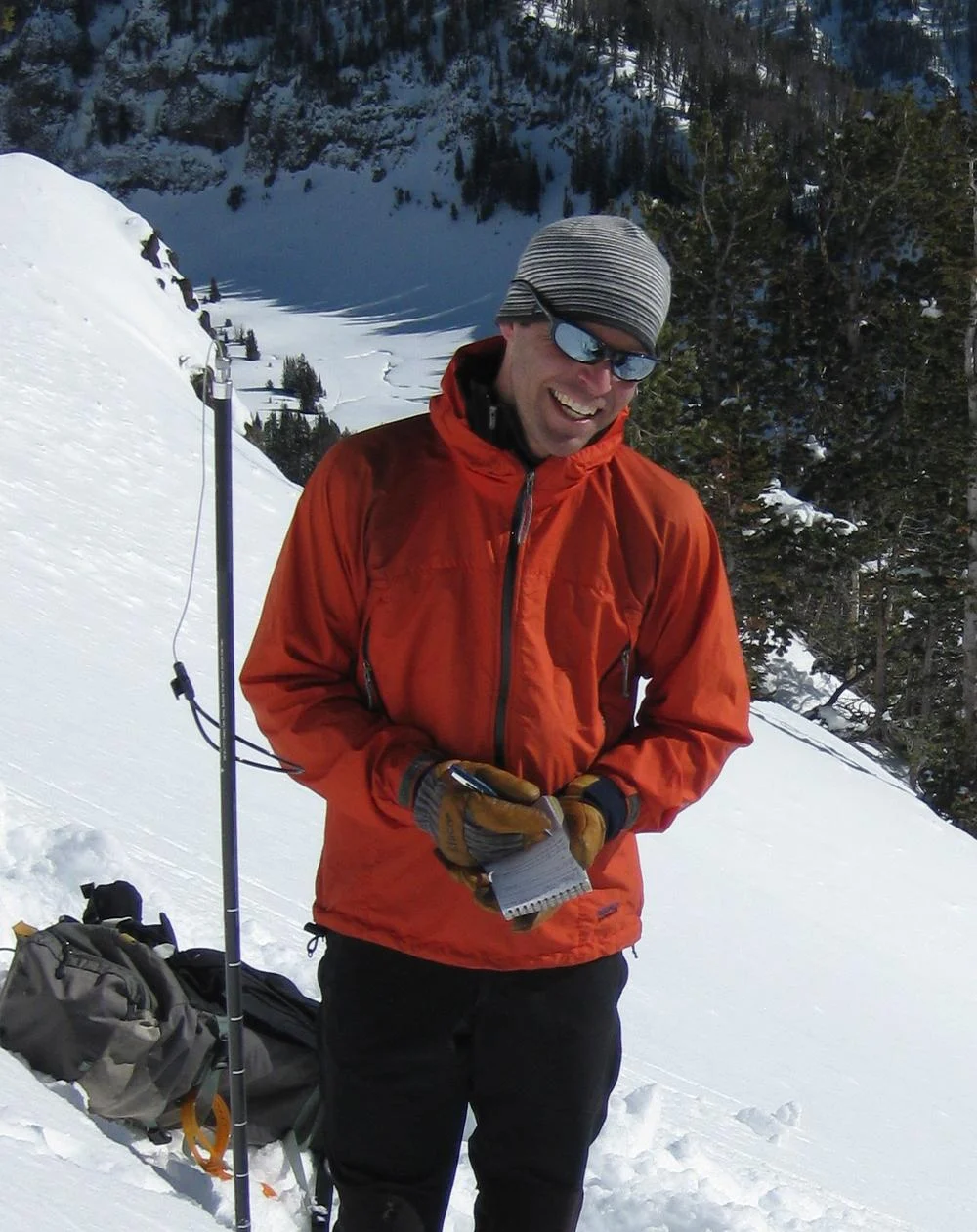
The Utah Avalanche Center (UAC) has announced a significant leadership transition as Bruce Tremper, its long-serving Director, prepares for retirement from the Forest Service at the end of August. Tremper’s departure marks the end of a nearly 30-year tenure that has profoundly shaped avalanche forecasting, safety education, and public awareness not only in Utah but across the international avalanche community. His successor, Mark Staples, brings a wealth of experience to the role, poised to continue the UAC’s mission in an evolving landscape of climate and snowpack challenges.
A Legacy Forged in Snow and Science
Bruce Tremper’s career in avalanche science is characterized by a deep commitment to translating complex meteorological and geological phenomena into actionable safety information for the public. His influence extends far beyond the administrative duties of directing the UAC; he has been a driving force in innovation, a prolific educator, and a trusted voice in times of critical need.
Tremper’s journey into the world of avalanches began in Montana, where he pursued his Master of Science degree at Montana State University under the guidance of Dr. John Montagne. This academic foundation was quickly complemented by practical experience in avalanche control work at prominent ski resorts like Bridger Bowl and Big Sky. His early career also saw him contribute as an avalanche forecaster at the esteemed Alaska Avalanche Center, working alongside notable figures such as Doug Fesler, Jill Fredston, and Jim Woodmency. These formative years provided him with a comprehensive understanding of avalanche dynamics across diverse and challenging mountain environments.
In 1986, Tremper assumed the directorship of the Utah Avalanche Center. During his 29-year leadership, the UAC underwent a dramatic transformation, mirroring the broader technological advancements within the field. He spearheaded the evolution of avalanche advisories from simple telephone recordings to sophisticated, data-rich internet platforms. A key innovation under his guidance was the introduction of clear visual aids, such as icons representing different avalanche problems, making complex danger assessments more accessible to a wider audience, including recreationalists, ski patrollers, and emergency responders. This commitment to clarity and accessibility has been a hallmark of the UAC’s success and a direct result of Tremper’s forward-thinking approach.
Beyond the UAC: A Multifaceted Contributor to Avalanche Safety
Tremper’s impact on avalanche safety extends significantly beyond his directorship of the UAC. He has been a vocal advocate for public education and scientific advancement through various avenues. For six years, he served as the editor for The Avalanche Review, a crucial publication for disseminating research and best practices within the avalanche community. His prolific writing has resulted in numerous published papers, several impactful avalanche safety videos, and two highly regarded books on avalanches, which are considered essential reading for anyone involved in snow science and backcountry travel.

His expertise was called upon during a period of significant national and international attention when he was in charge of backcountry avalanche safety for Salt Lake City’s 2002 Olympic Games. This role demanded the highest levels of preparedness and risk management in a high-stakes environment. Tremper has consistently served as a valuable media liaison for the Forest Service, delivering clear and accurate information to the public and media during avalanche events, thereby enhancing public understanding and promoting safer practices. His dedication to education is further evidenced by his decades of teaching at the National Avalanche School, where he has mentored countless aspiring avalanche professionals. Furthermore, Tremper played an integral role as a member of the working group that developed the conceptual model of avalanche danger and the associated avalanche danger scale in 2010, a foundational framework now widely adopted in avalanche forecasting globally.
A Look Ahead: Continuity and Evolving Challenges
While Tremper’s retirement from the Forest Service signifies the end of an era for the UAC, his dedication to avalanche safety is far from over. He plans to continue his involvement in teaching, writing, and contributing to avalanche safety projects. This ongoing engagement ensures that his vast knowledge and experience will continue to benefit the field. It is also anticipated that Tremper, along with his wife Susi, will be spending even more time enjoying the Wasatch backcountry, a testament to their passion for the mountains and the snow.
The UAC has simultaneously announced the appointment of Mark Staples as its new Director. Staples is well-equipped to lead the center, bringing a diverse and extensive background in avalanche science and operations. His experience includes ski patrol and snow safety work at Big Sky Ski Area, a Master of Science degree in Engineering from Montana State University with a focus on snow avalanche research, and specialized projects for the National Avalanche Center. For eight seasons, he served as a backcountry avalanche forecaster at the Gallatin National Forest Avalanche Center, gaining invaluable on-the-ground expertise. Staples expressed his enthusiasm for joining the "top-notch UAC team" and continuing the vital work of the center.
Implications and Future Outlook
Bruce Tremper’s retirement coincides with a period of increasing concern regarding the impact of climate change on snowpack stability and avalanche frequency. As weather patterns become more volatile and snowpack conditions more unpredictable, the role of organizations like the UAC becomes ever more critical. Tremper’s legacy of rigorous scientific analysis, clear communication, and proactive education provides a strong foundation for Staples and the UAC team to navigate these evolving challenges.
The UAC’s consistent innovation in data visualization and public outreach, pioneered under Tremper’s leadership, will be essential in ensuring that backcountry users and communities remain informed and prepared. The transition to new leadership, coupled with the ongoing expertise of the UAC’s seasoned forecasters and educators, positions the center to continue its vital mission of saving lives through avalanche awareness and education. The emphasis on continued research and the application of new scientific understanding will be key as the UAC adapts to the changing mountain environment. The retirement of a figure as influential as Bruce Tremper is a moment of reflection on past achievements and a look towards the future, confident in the continued dedication to avalanche safety and the expertise of the incoming leadership.
