

The 2025-2026 winter season across the Western United States has concluded as one of the most erratic and meteorologically concerning periods in recent history, characterized by a phenomenon researchers are describing as a "warm snow" event. While precipitation levels across much of the region remained within or near historical averages, an unprecedented lack of sustained cold temperatures resulted in a catastrophic failure of the seasonal snowpack. For ski resort operators, agricultural planners, and municipal water managers, the season became a study in the "moving goalposts" of climate reliability, as traditional benchmarks for winter peak were superseded by record-breaking early melt-out dates.
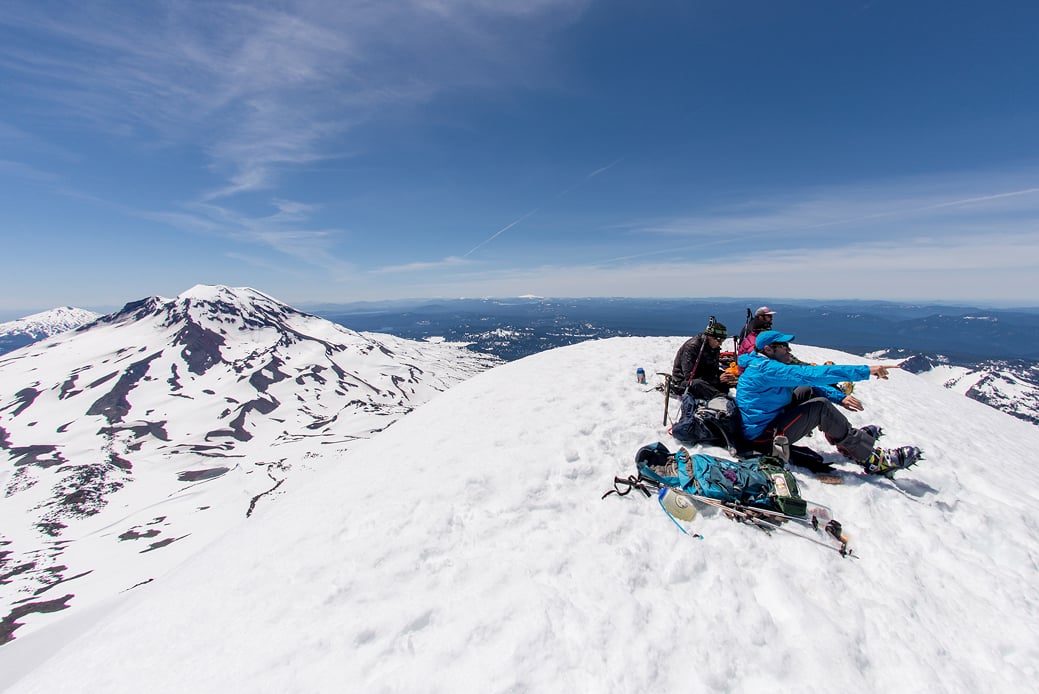
As the region transitions into the summer months, scientists and hydrologists are evaluating the data from what Dr. David Hill, a professor at Oregon State University and National Geographic Explorer, characterizes as a "literal hot mess." The implications of this season extend far beyond the shortened operations of winter recreation; they strike at the heart of the Western United States’ water security infrastructure, which relies on the high-altitude snowpack to act as a natural, slow-release reservoir.
Regional Meteorological Breakdown: Precipitation vs. Temperature
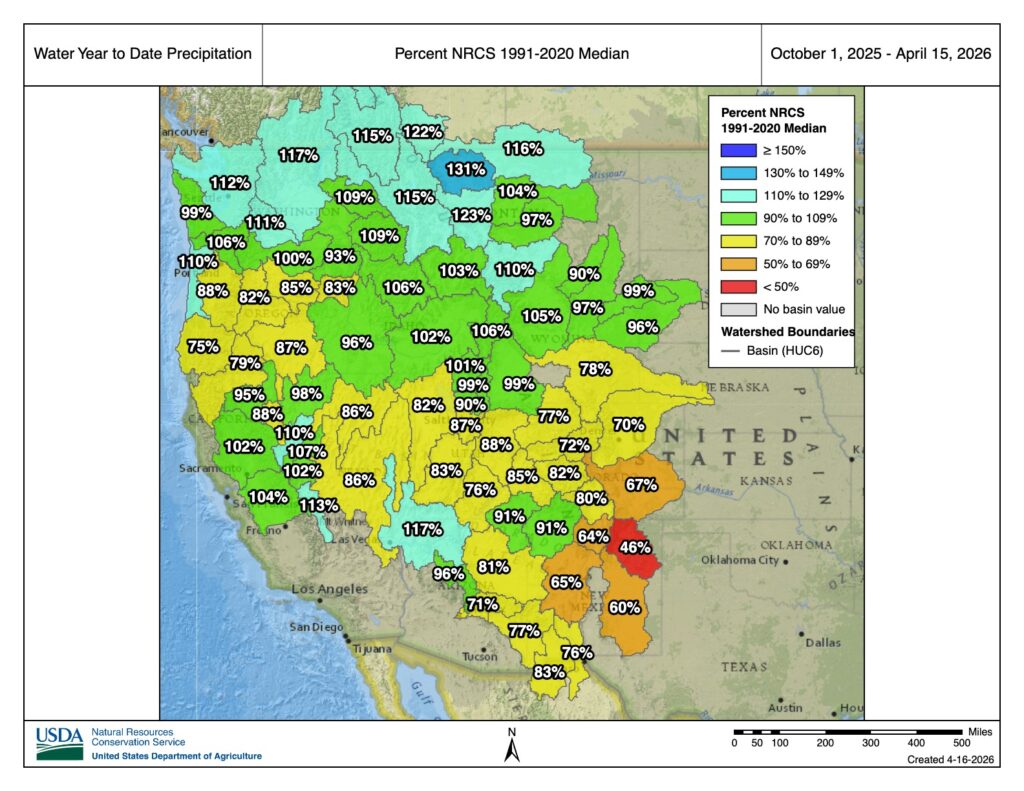
The primary driver of the 2025-2026 season’s volatility was not a lack of moisture, but rather the failure of that moisture to remain in solid form. According to data provided by the Natural Resources Conservation Service (NRCS), the 2025-2026 water year was, on average, statistically respectable in terms of total precipitation. Regional variances saw Oregon, Utah, and Colorado trending slightly below average, while the Pacific Northwest—specifically Washington, Idaho, and Montana—along with northwest Wyoming, experienced precipitation levels that were slightly above the historical mean.
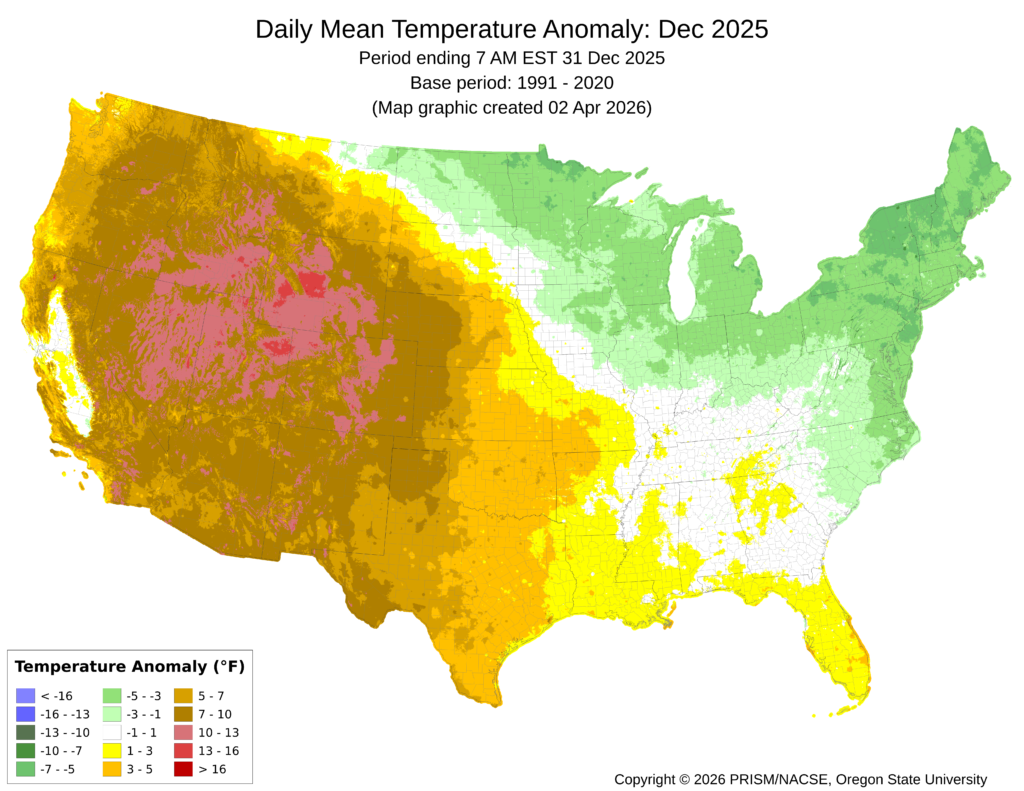
However, the "smoking gun" for the season’s poor performance was the temperature anomaly. Data from the PRISM Climate Group indicates that the entire season across the Western U.S. ran significantly warmer than average. The month of December 2025 was particularly devastating. While the Northeast and Upper Midwest of the United States saw temperatures up to 5 degrees Fahrenheit below average, the Western United States experienced anomalies ranging from 5 to 15 degrees Fahrenheit above the historical average.
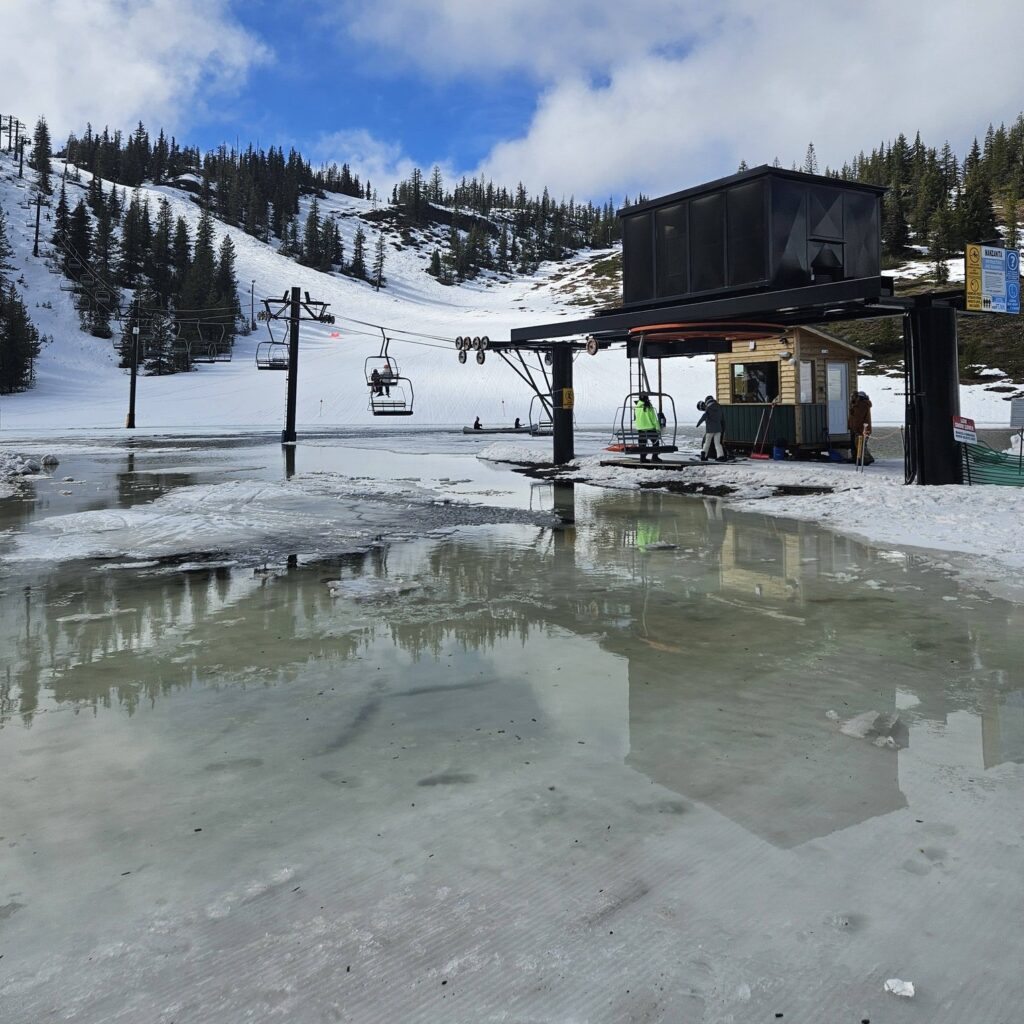
This thermal spike meant that many storms that would typically deposit feet of dry powder instead arrived as rain or heavy, wet "mashed potato" snow that failed to bond to the ground. In many instances, even when snow did fall, the lack of overnight freezing temperatures prevented the development of a stable base, leading to the "unscheduled pond skims" and slushy conditions that plagued resorts like Hoodoo Ski Area in Oregon as early as mid-March.
Chronology of a Shortened Season
The 2025-2026 season was marked by a series of delayed expectations. In the early autumn, meteorological outlooks suggested a standard winter, but as December progressed with record-shattering warmth, the industry began a period of tactical retreats and rescheduled openings.
- Late November to December 2025: Initial openings at high-altitude resorts were met with rain-on-snow events. The traditional "Christmas Rush" was severely impacted, with many resorts operating on limited terrain or relying entirely on energy-intensive snowmaking.
- January 2026: Hope for a "January Reset" failed to materialize. The goalposts for a "real winter" shifted from the New Year’s holiday to Martin Luther King Jr. Weekend. While some storms did pass through, they were intermittent and followed by rapid warming cycles.
- February 2026: By President’s Day weekend, the typical peak of the season, the snowpack in several key basins was already showing signs of early-season degradation.
- March to April 2026: The traditional spring break period saw many resorts closing early. By April 1, a critical benchmark for measuring Peak Snow Water Equivalent (SWE), values across the West were a tiny fraction of the long-term average.
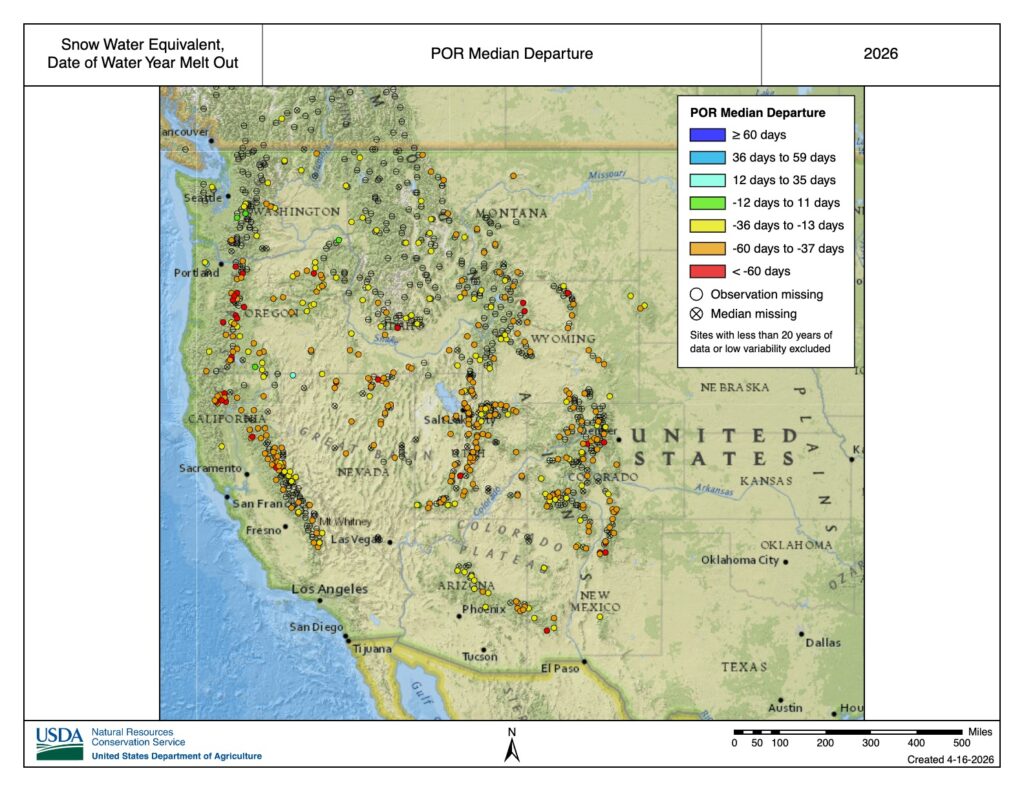
- Mid-April 2026: Observation stations across the Cascades and the Sierra Nevada posted their worst peak values in 45 years. The "snow off" dates—the calendar day when the ground is finally bare—occurred not just weeks, but in some cases, two months earlier than historical norms.
The Role of Snow as a Natural Reservoir
To understand the gravity of an early melt-out, it is necessary to view snow through the lens of hydrology rather than recreation. The seasonal snowpack is the single most important component of the Western United States’ water storage system.
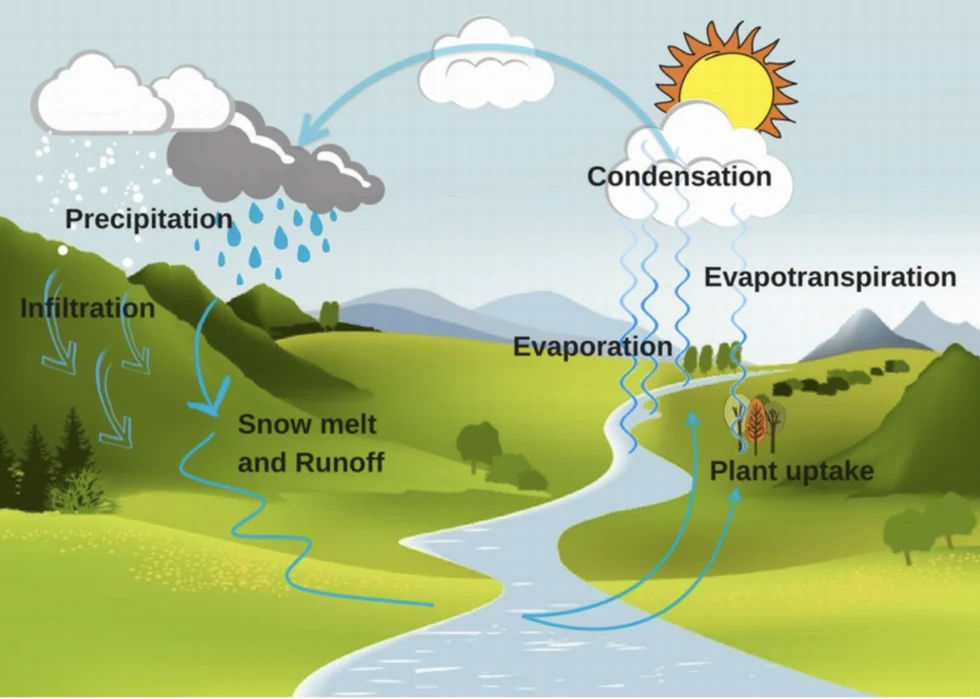
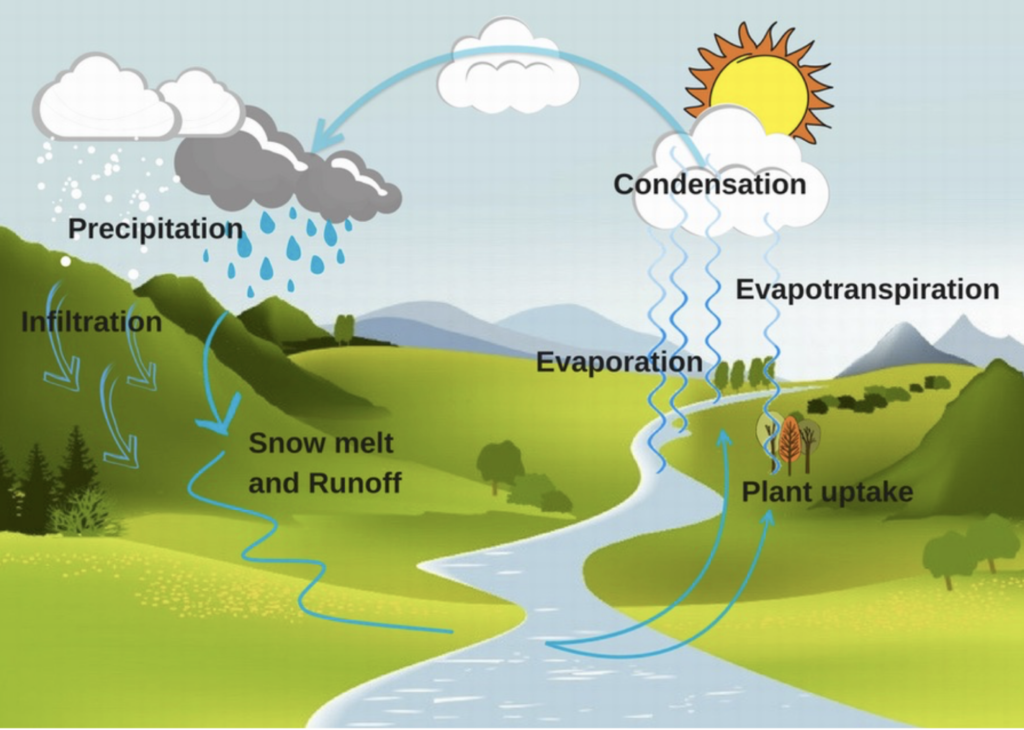
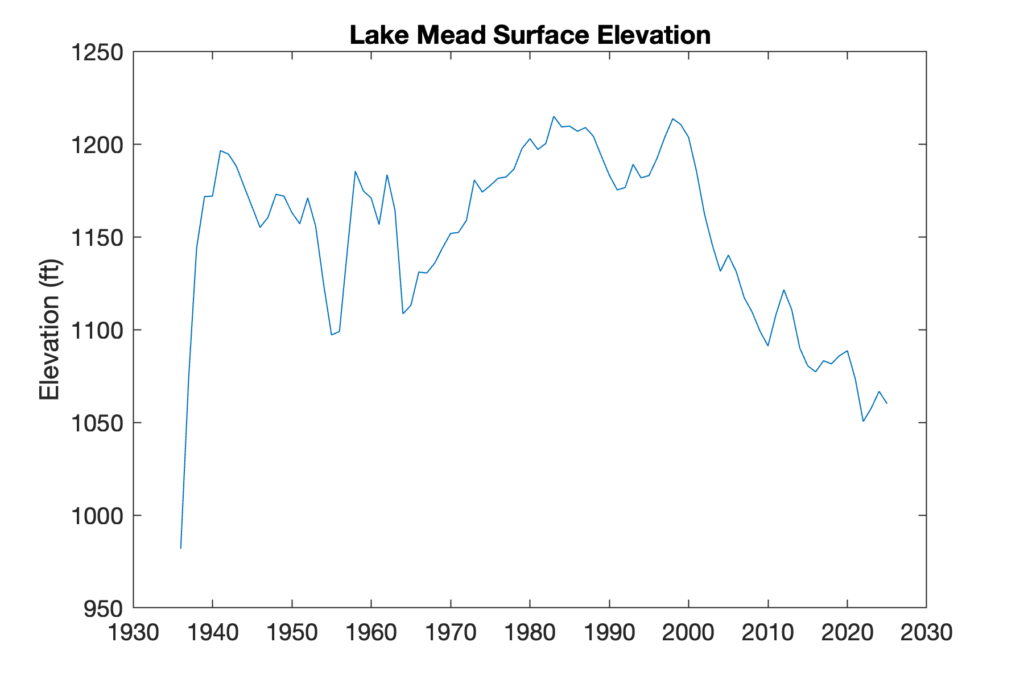
The global hydrologic cycle is a delicate balance. While the Earth is covered in water, less than one-hundredth of one percent of that water is easily accessible freshwater available to support human life and industry. In the Western U.S., the infrastructure of canals, aqueducts, and surface reservoirs like Lake Mead and Lake Powell is designed to capture runoff. However, these man-made structures have a finite capacity.
The snowpack acts as a "distributed reservoir." It stores water at high elevations during the winter and releases it slowly during the late spring and early summer. This timing is crucial; it ensures that stream temperatures remain cool for aquatic species, such as salmon and trout, and provides a steady flow of water for irrigation during the peak of the agricultural growing season.
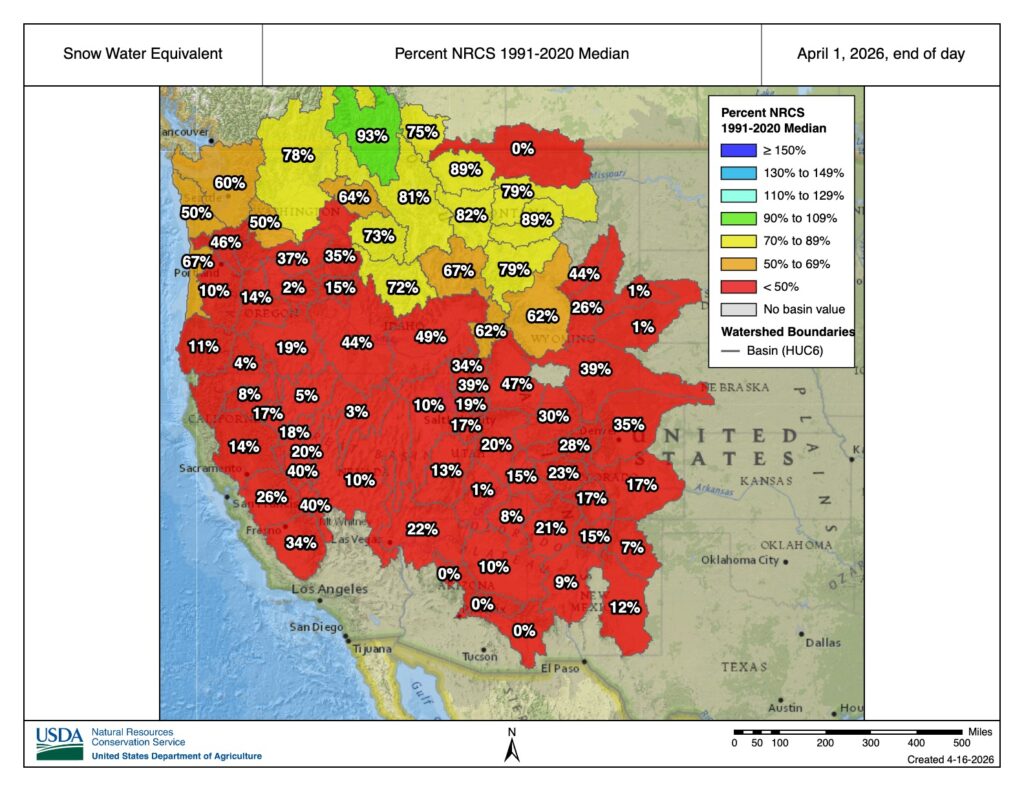
Estimates suggest that the amount of water stored in the contiguous United States’ snowpack at its peak is approximately five times the total capacity of Lake Mead. When the snow melts two months early, as it did in 2026, that water rushes into the system all at once. This increases the risk of spring flooding and leaves the region with a "water deficit" by mid-summer, as the natural storage has already been exhausted before the hottest months arrive.
The Colorado River Basin and Long-term Water Security
The 2025-2026 season has added further strain to the already embattled Colorado River Basin. Years of consecutive dry conditions and warm winters have led to a steady decline in the elevation of Lake Mead, the reservoir behind the Hoover Dam. The poor snowpack of the 2025-2026 season has accelerated the urgency of conversations regarding water allocation.
Municipalities in the lower-basin states (California, Arizona, and Nevada) and farmers in the upper-basin states (Colorado, Utah, Wyoming, and New Mexico) are facing a future where the "insurance policy" of a heavy snow year is becoming increasingly rare. The mismatch between supply and demand is no longer a seasonal concern but a structural reality. The 2026 data shows that even in years with "decent" precipitation, the rising baseline temperature can effectively nullify the benefits of that moisture by preventing it from being stored as snow.
Economic and Ecological Implications
The economic impact of the 2025-2026 season is currently being tallied, but preliminary reports from the outdoor recreation industry suggest significant losses. The "opening, pausing, and early closing" cycle of ski resorts led to a decrease in seasonal employment and a reduction in tourism revenue for mountain gateway communities.
Ecologically, the early loss of snowpack creates a cascade of negative effects:
- Wildfire Risk: Early melt-out leads to earlier drying of forest fuels. By May 2026, soil moisture levels in many high-altitude forests were already at levels typically not seen until August, signaling a potentially catastrophic fire season.
- Aquatic Ecosystems: Without the "slow drip" of snowmelt, stream levels drop and temperatures rise earlier in the year. This stresses fish populations and can lead to massive die-offs in sensitive watersheds.
- Agricultural Planning: Farmers in valleys dependent on snowmelt-driven irrigation have had to adjust planting schedules or switch to less water-intensive crops, often at a lower profit margin.
Analysis: A Trend of "Boom or Bust"
While the 2025-2026 season is an outlier in its severity, it fits into a broader, decadal trend of increased variability. Meteorologists note that snow is inherently unpredictable across short timescales, but the long-term trend is undeniable: snow is dwindling in both volume and duration across many parts of the Western United States.
Dr. Hill and other climate scientists emphasize that "massive variations" from year to year are now riding on top of a warming baseline. This creates a "feast or famine" or "boom or bust" cycle. A record-breaking "lean" year like 2025-2026 could, theoretically, be followed by a record-breaking "heavy" year. However, the warming trend means that even the "heavy" years are increasingly vulnerable to rain-on-snow events and rapid spring melts.
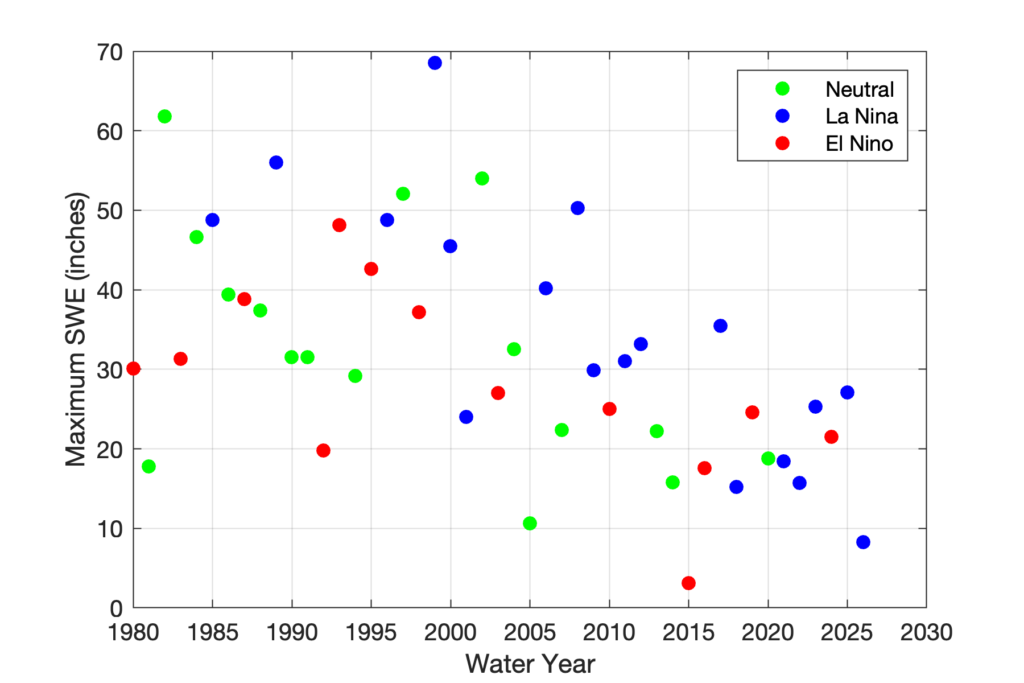
The data from the Hogg Pass SNOTEL site in Oregon serves as a stark illustration. Looking at the annual maximum Snow Water Equivalent over the last several decades, the frequency of years failing to reach the historical mean is increasing. The 2025-2026 data point will sit near the bottom of this historical record, serving as a reminder that the "glass half full" philosophy requires a proactive approach to water management.
Conclusion
The 2025-2026 snow season serves as a critical warning for the Western United States. It demonstrated that precipitation alone is not a sufficient metric for a healthy winter; temperature remains the ultimate arbiter of snowpack viability. As the region moves into a summer likely to be defined by water scarcity and high fire risk, the lessons of this "hot mess" of a winter will inform the next generation of climate adaptation strategies.
The transition from a snow-dominant hydrological regime to a rain-dominant one requires a fundamental rethinking of how the West captures, stores, and shares its most precious resource. While the disappointment of a lost ski season is felt by many, the deeper concern remains the stability of the water supply that sustains tens of millions of people and a multi-billion dollar agricultural industry. For now, the focus shifts to the 2026-2027 outlook, with the hope that the upcoming winter will bring not just the "wet," but the "cold" necessary to replenish the mountains’ frozen reservoirs.
