

The intensification of summer temperatures has transitioned from a seasonal inconvenience to a significant public health and environmental crisis, as heat waves across the globe become more frequent, severe, and persistent. For outdoor enthusiasts and professional athletes, the traditional summer season is increasingly defined by what many describe as a "sufferfest," where extreme thermal conditions limit physical activity and threaten safety. This shift is not merely anecdotal; it is supported by a growing body of atmospheric science and meteorological data indicating that the baseline of global climate is shifting toward an era of extreme heat. To understand the mechanisms driving these trends, it is essential to examine the intersection of atmospheric pressure systems, climate change, and the geographical factors that amplify heat stress.
Defining the Modern Heat Wave: Beyond Simple Temperature
While the general public often associates heat waves with a simple rise in the thermometer, the scientific definition is more nuanced. The National Oceanic and Atmospheric Administration (NOAA) technically defines a heat wave as a period of two or more days of abnormally high temperatures relative to the historical averages of a specific region. However, meteorologists, including Will Stikeleather of the POW Science Alliance, argue that this definition can be deceptively vague. A comprehensive assessment of a heat wave must include humidity, as moisture in the air significantly impairs the human body’s ability to cool itself through the evaporation of sweat.
The primary driver of these events is the formation of large high-pressure systems in the upper atmosphere. These systems act as a "heat dome," trapping warm air over a broad geographical area. As air within these high-pressure zones sinks, it undergoes adiabatic heating—compressing and warming as it descends toward the surface. This process not only raises temperatures but also clears cloud cover, allowing for intense, uninterrupted solar radiation. Furthermore, the clockwise rotation of air around a high-pressure center in the Northern Hemisphere can draw in additional warm, humid air from the south, further compounding the heat stress.

The Role of Atmospheric Blocking and Jet Stream Volatility
Under normal conditions, weather systems are ushered across the globe by the jet stream, a high-altitude ribbon of fast-moving air. However, recent years have seen an increase in "atmospheric traffic jams," or blocking patterns. These occur when the jet stream develops large, stagnant meanders that pin high-pressure systems in place for days or weeks.
A definitive example of this phenomenon occurred in the summer of 2021, when a massive heat dome stalled over the Pacific Northwest and British Columbia. The resulting "Omega Block"—named for its resemblance to the Greek letter—pushed temperatures in regions like Lytton, British Columbia, to a staggering 121°F (49.6°C). Such events were previously considered "once-in-a-millennium" occurrences, yet they are appearing with increasing regularity as the global climate warms.
Quantifying the Impact of Climate Change on Heat Frequency
The correlation between rising global greenhouse gas concentrations and heat wave intensity is now considered "virtually certain" by the Intergovernmental Panel on Climate Change (IPCC). Since the late 19th century, the contiguous United States has warmed by approximately 2°F. While this may seem like a marginal increase, it has fundamentally altered the statistical probability of extreme events.
Data from NOAA indicates that the frequency of heat waves in the United States has nearly tripled since the 1960s. Perhaps more concerning is the expansion of the "heat wave season." The duration between the first and last heat waves of the year has grown from an average of 25 days to approximately 70 days. This expansion means that extreme heat is no longer confined to the peak of July and August; it now encroaches into late spring and early autumn, disrupting ecological cycles and extending the window for heat-related illnesses.

In Europe, the trend is even more pronounced. Recent studies by World Weather Attribution suggest that extreme heat events in Western Europe are warming at a rate three times faster than the global average. A study comparing modern conditions to the historic European heat wave of 1976 found that similar atmospheric conditions today result in temperatures roughly 3.5°C (6.3°F) higher than they would have been fifty years ago. This shift in the baseline means that what was once considered a record-breaking extreme is now becoming a standard summer occurrence.
Geographical Vulnerabilities and Arctic Amplification
The impact of heat waves is not distributed uniformly across the globe. Certain regions are experiencing warming at an accelerated pace due to specific geographical and atmospheric factors. One of the most critical of these is "Arctic Amplification." As polar ice melts, the Earth’s albedo—the ability to reflect sunlight—decreases. The dark open ocean absorbs more solar energy, leading to a feedback loop that warms the Arctic at more than twice the rate of the rest of the planet.
This polar warming reduces the temperature gradient between the Arctic and the mid-latitudes, which researchers like Jennifer Francis have linked to a "wavier" and slower-moving jet stream. This increased waviness creates the ideal conditions for the persistent blocking patterns that fuel long-duration heat waves. In the United States, this effect is particularly visible in Alaska, the nation’s fastest-warming state. Domestically, the Northeast and the Desert Southwest follow closely behind, with the Northeast housing three of the top five fastest-warming states since 1970.
The Urban Heat Island Effect and Public Health
The built environment of modern cities creates a unique microclimate known as the Urban Heat Island (UHI) effect. Infrastructure composed of concrete, asphalt, and steel has a low albedo, meaning it absorbs and retains a vast amount of thermal energy. In contrast, rural areas with abundant vegetation benefit from evapotranspiration—a process where plants release moisture into the air, providing a natural cooling effect.
The most dangerous aspect of the UHI effect is the lack of nighttime cooling. In urban centers, buildings and roads radiate heat back into the environment long after the sun has set, preventing the ambient temperature from dropping. For the human body, nighttime recovery is essential; without a period of cooler temperatures, heat stress becomes cumulative, significantly increasing the risk of cardiovascular and respiratory failure. Vulnerable populations, including the elderly, low-income communities with limited access to cooling, and outdoor laborers, are at the highest risk.
Compounding Hazards: Wildfires and Snowpack Depletion
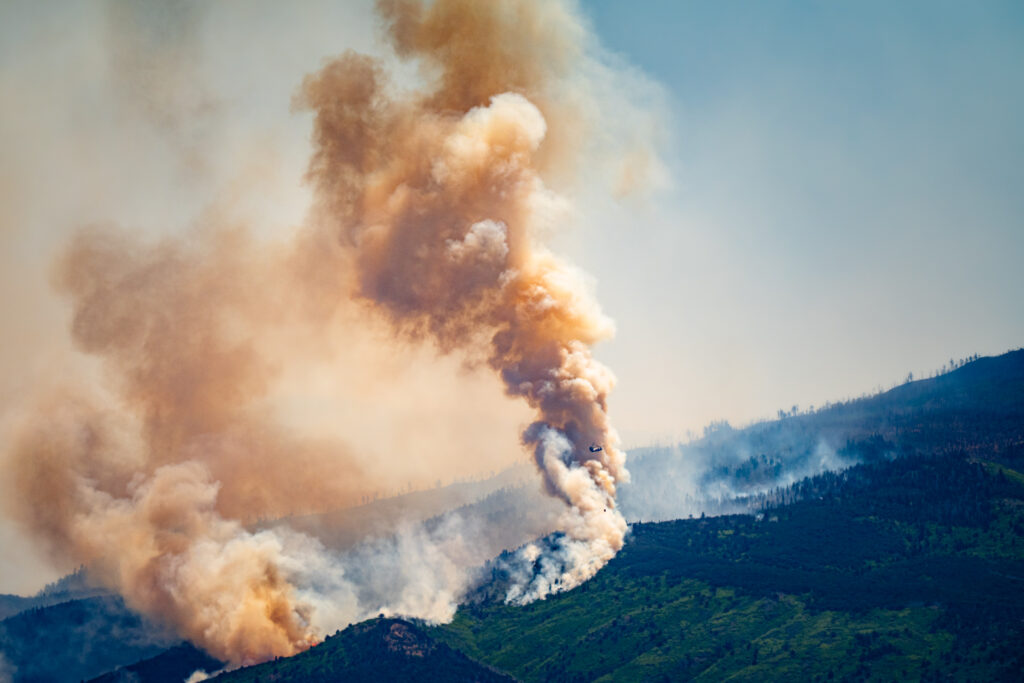
Heat waves do not exist in a vacuum; they act as "force multipliers" for other natural disasters. In the Western United States and Canada, the combination of extreme heat and declining winter snowpack has created a tinderbox environment. When heat waves occur early in the season, they accelerate the melting of the snowpack that usually provides moisture to forests through the summer.
By mid-summer, vegetation—often referred to as "fuel" by fire ecologists—dries out or "cures" much faster than historically expected. In 2026, projections and recent trends indicated that fuel types in the Pacific Northwest were ready to burn weeks ahead of schedule. This has expanded the wildfire season into early July, a window that was traditionally considered safe. The resulting smoke from these fires creates a secondary health crisis, as the combination of high ozone levels from heat and particulate matter from smoke degrades air quality to hazardous levels across entire continents.
Infrastructure Strain and the Limits of Adaptation
As temperatures rise, the human response has been an increased reliance on air conditioning. While life-saving in the short term, this adaptation creates a problematic feedback loop. The massive surge in demand for cooling strains aging electrical grids, often leading to brownouts or total grid failure during the times when cooling is most needed. Furthermore, unless the grid is powered by renewable sources, the increased energy consumption releases more greenhouse gases, further driving the warming that necessitated the air conditioning in the first place.
The "Outdoor State"—the collective of millions of people who rely on the outdoors for their livelihood, recreation, and mental health—is finding its traditional way of life under threat. From the cancellation of endurance races to the closure of national parks due to fire risk, the economic and social toll is mounting.
Strategic Responses and the Transition to Clean Energy
Addressing the crisis of escalating heat waves requires a dual approach: immediate adaptation and long-term mitigation. Adaptation involves urban planning initiatives such as "cool roofs," increasing urban tree canopies, and the development of community cooling centers. However, scientific consensus emphasizes that these are temporary measures.
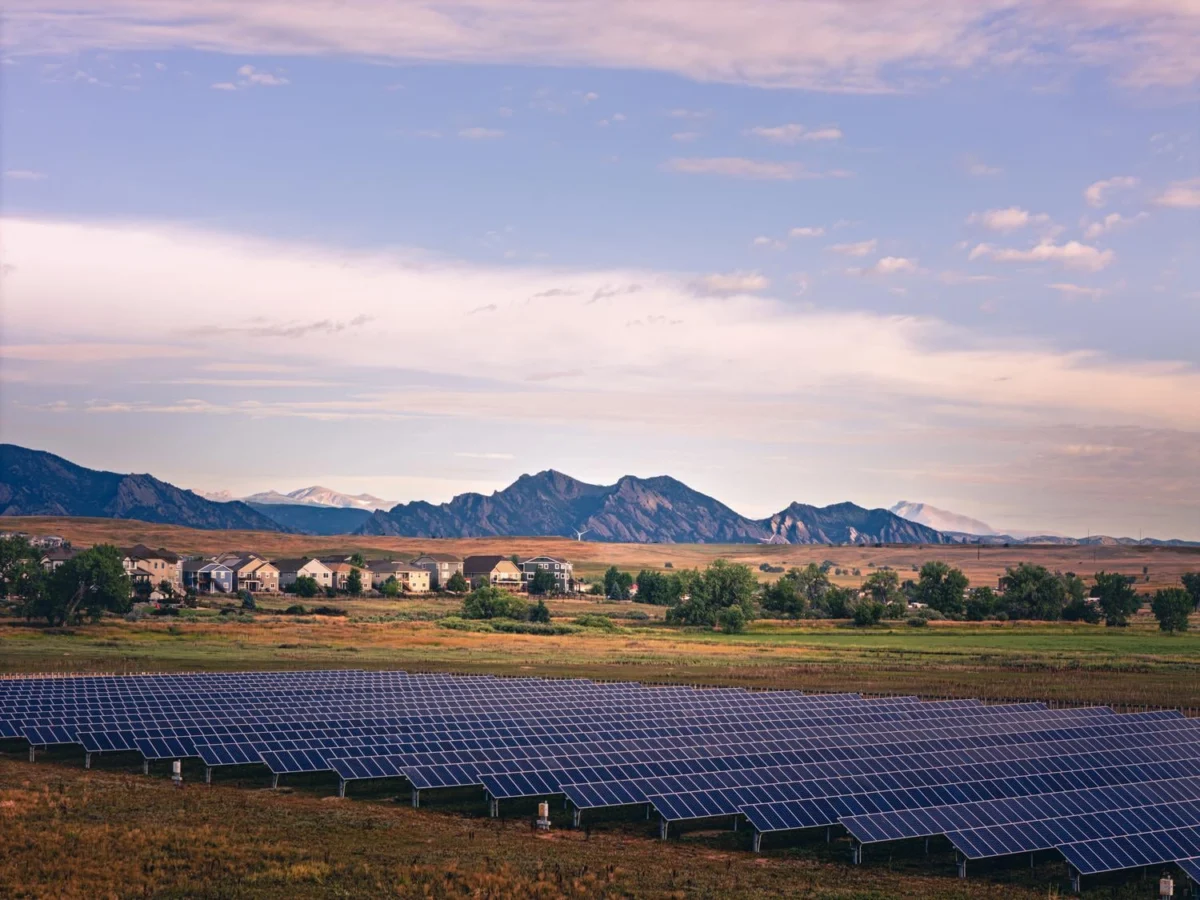
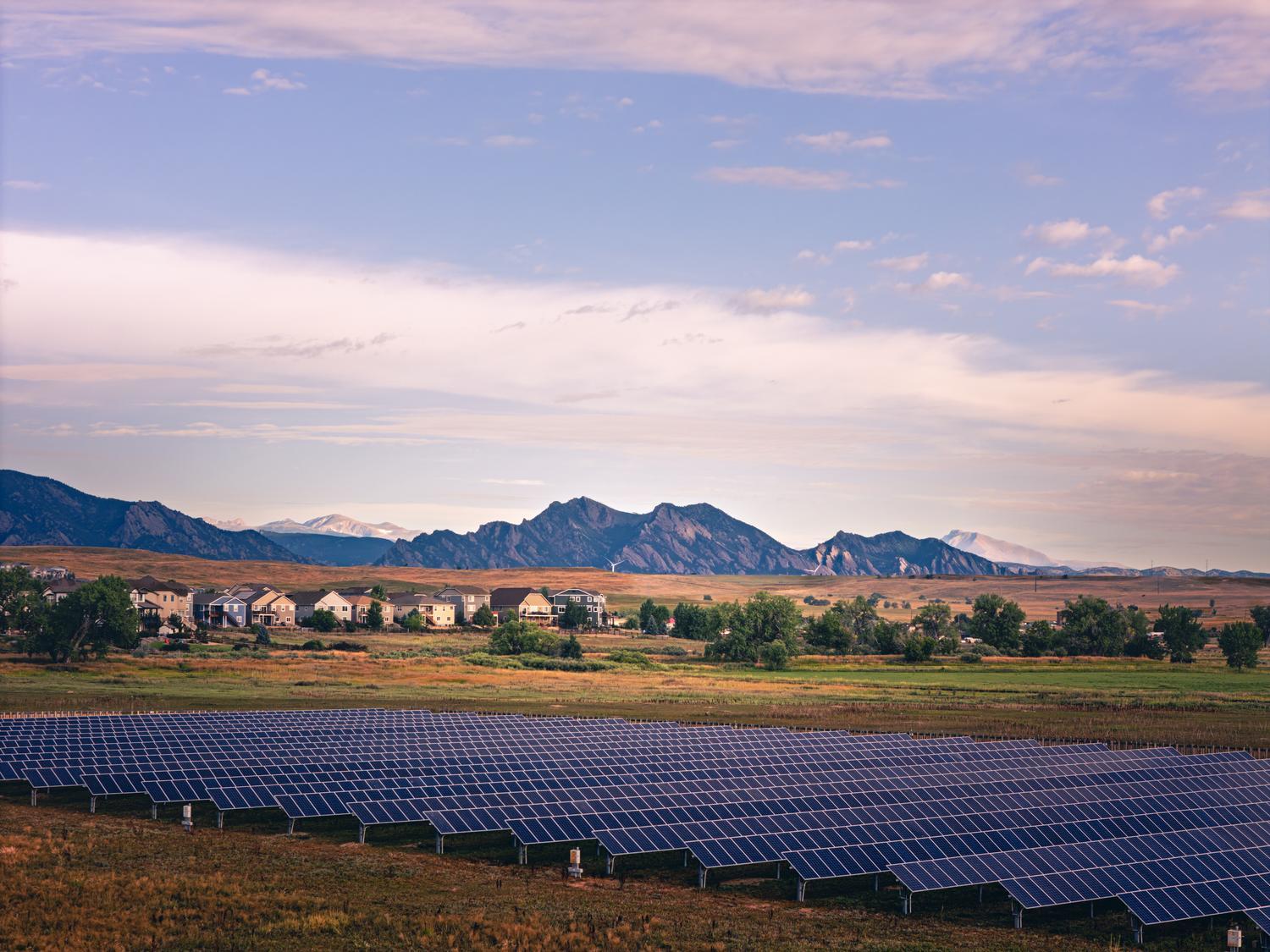
The long-term solution lies in decarbonizing the energy sector to stabilize global temperatures. This includes the expansion of community-led solar projects, the modernization of the electrical grid to handle decentralized renewable energy, and the transition away from fossil fuels. Organizations like Protect Our Winters (POW) emphasize that the "Outdoor State" has a unique role to play in advocating for these policy changes, moving beyond individual lifestyle shifts toward systemic advocacy.
By understanding the atmospheric mechanics of heat domes and the influence of climate change on the jet stream, communities can better prepare for a future where extreme heat is a recurring challenge. The goal is to move toward a more resilient infrastructure that can withstand the thermal peaks of the 21st century while simultaneously reducing the emissions that are pushing the planet toward these new extremes. Staying informed through meteorological data, participating in local clean energy initiatives, and adhering to safety protocols during peak heat events are the essential components of navigating this new climatic reality.
