

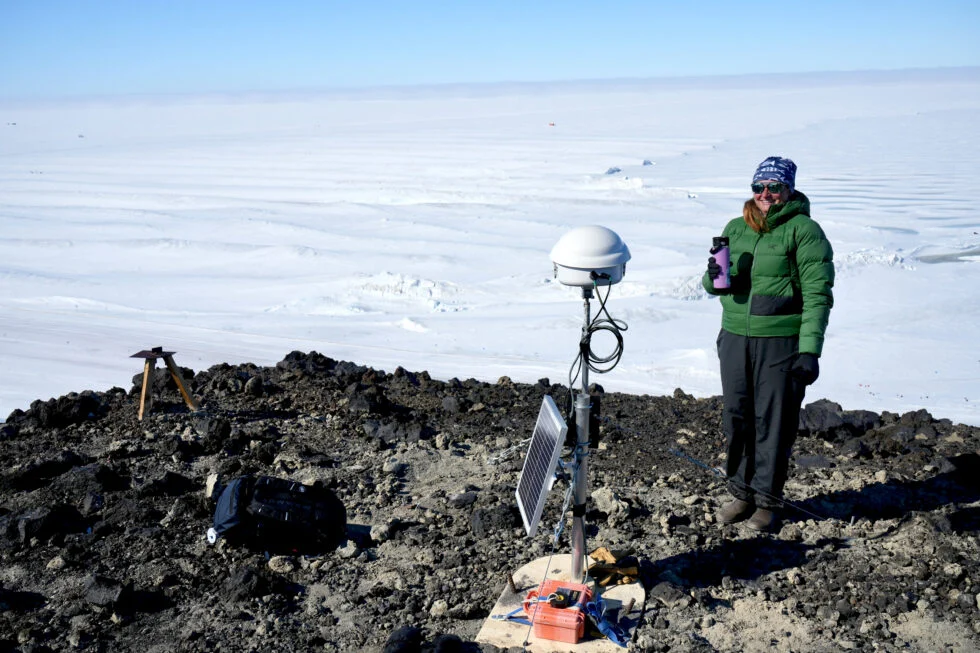
At the southern extremity of the globe, where the Antarctic Ice Sheet meets the Southern Ocean, a specialized team of glaciologists is conducting research that may determine the future of the world’s coastal cities. Led by Dr. Ali Banwell, a Research Scientist at the University of Colorado Boulder and a Professor in Glaciology at Northumbria University, the expedition recently concluded a six-week field season on the McMurdo Ice Shelf. This research, supported by the National Science Foundation (NSF) and the POW Science Alliance, aims to answer a critical question for 21st-century climate science: How long can Antarctica’s ice shelves continue to act as a barrier against catastrophic sea-level rise?
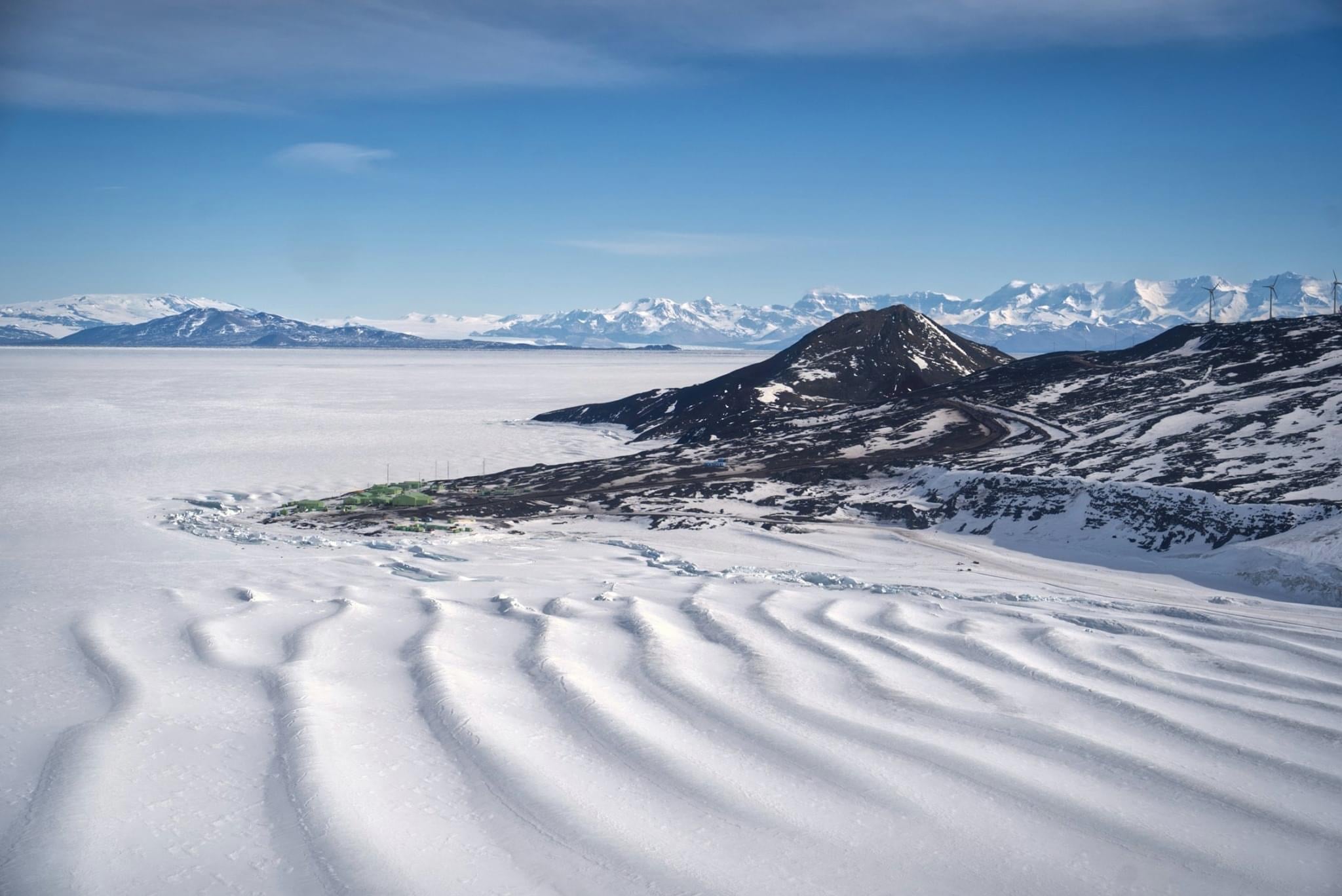
The stakes of this inquiry are immense. The Antarctic Ice Sheet contains enough frozen water to raise global sea levels by approximately 190 feet (58 meters) if it were to melt entirely. While such a total collapse is not projected in the immediate future, the mechanisms that could trigger large-scale melting are already in motion. Dr. Banwell’s work focuses on the "last line of defense"—the ice shelves that ring roughly 75% of the Antarctic continent. These floating extensions of the land-based ice sheet serve as a buttress, providing back-pressure that slows the flow of glaciers into the sea. Without these shelves, the discharge of land ice into the ocean would accelerate, leading to a rapid and irreversible rise in global sea levels.
The Mechanics of Glacial Buttressing and the Threat of Instability
To understand the urgency of Dr. Banwell’s research, one must understand the structural role of ice shelves. Glaciologists describe ice shelves as the "corks in the bottle." They occupy the interface between the massive inland ice sheets and the warming Southern Ocean. By creating friction against the sides of bays and pinning themselves onto undersea ridges, ice shelves provide a mechanical resistance that keeps the inland glaciers stable.
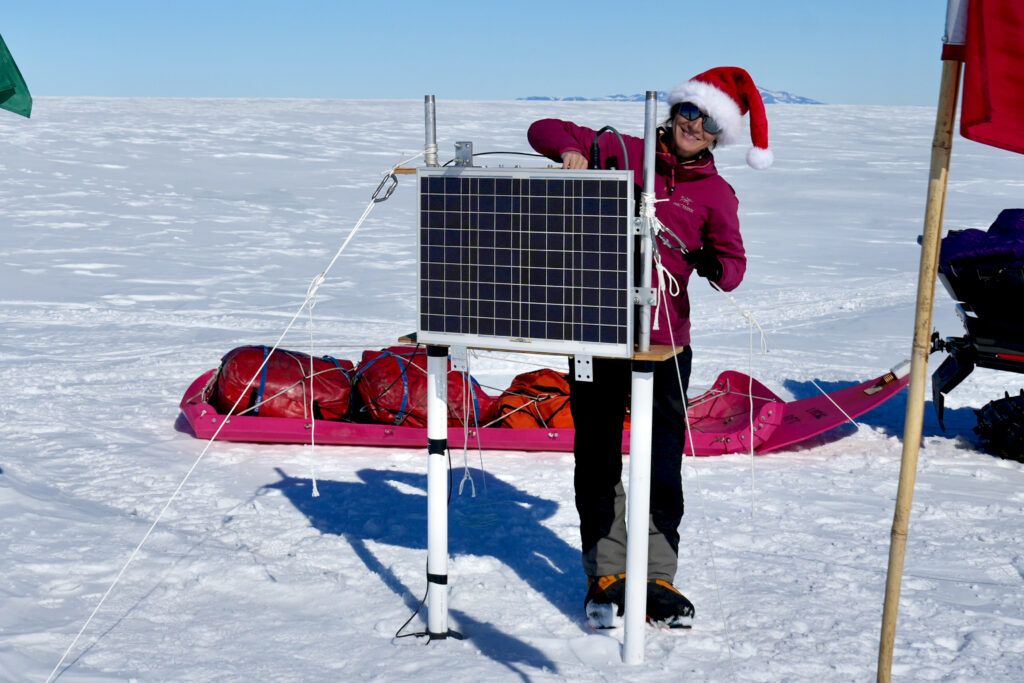
However, these shelves are increasingly fragile. They are susceptible to "basal melting" from warming ocean currents below and "surface melting" from rising atmospheric temperatures above. When an ice shelf thins or collapses, as seen with the dramatic disintegration of the Larsen B Ice Shelf in 2002, the glaciers behind it can accelerate their flow toward the sea by as much as eight times their original speed.
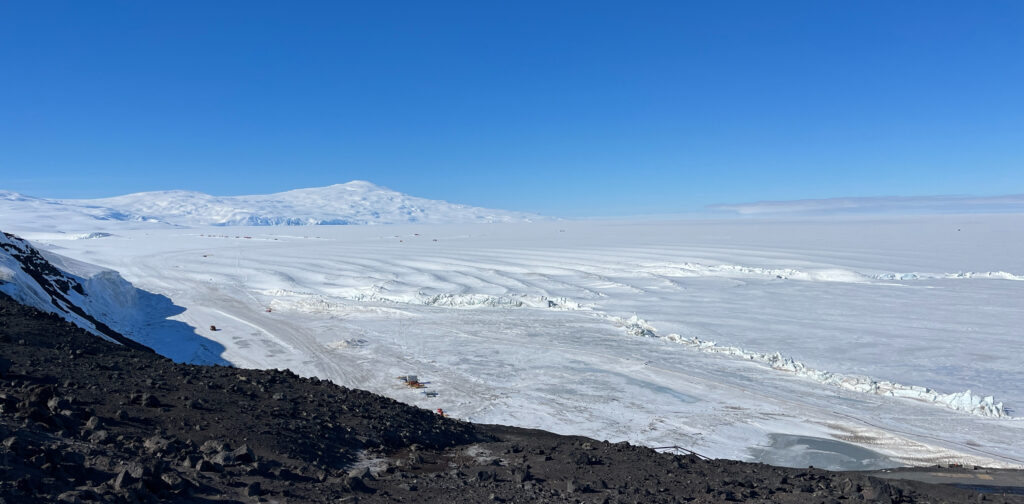
Dr. Banwell’s current research focuses on a specific and poorly understood phenomenon known as "ice shelf rumples." On the McMurdo Ice Shelf, near the United States’ McMurdo Station on Ross Island, the ice does not simply flow unimpeded toward the open water. Instead, parts of the shelf are being forced into areas of land or shallow seafloor. This compression causes the ice to buckle, forming wave-like ridges or rumples that can stretch across the surface. These features often contain deep fractures and buckles, creating a complex topography that researchers are now working to map and monitor.
Chronology of the McMurdo Field Season
The expedition, which consisted of a four-person team, operated during the peak of the Antarctic summer, a period of perpetual daylight that allows for 24-hour research cycles. The team included Dr. Banwell, Co-Principal Investigator Dr. Ryan Cassotto (University of Colorado Boulder/University of Maine), and PhD students Michela Savignano (University of Colorado Boulder) and Allie Berry (University of Maine).
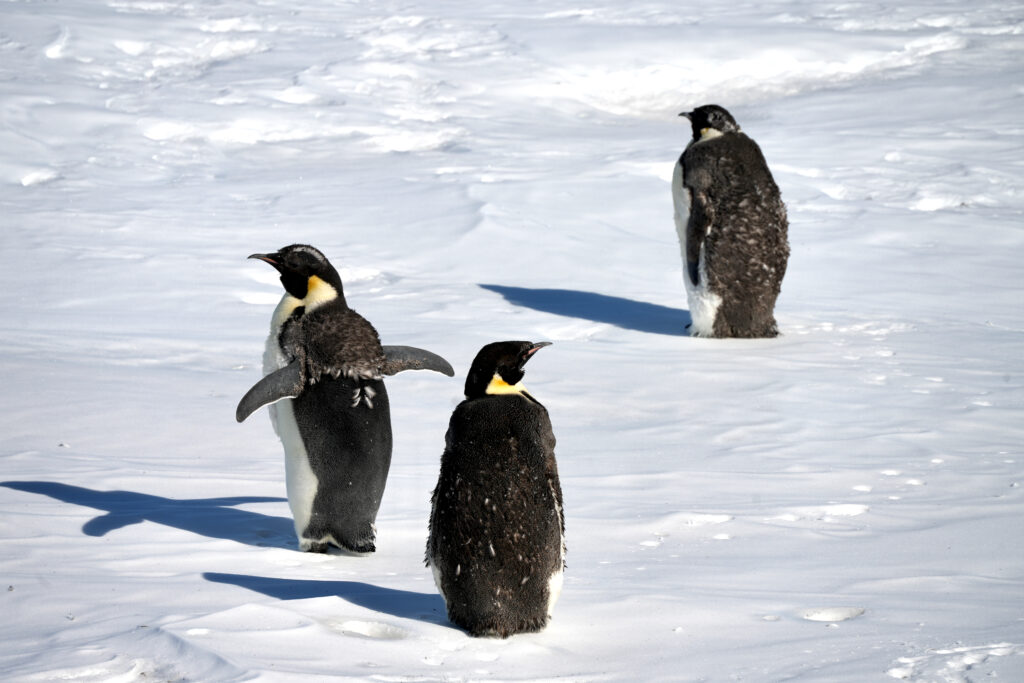
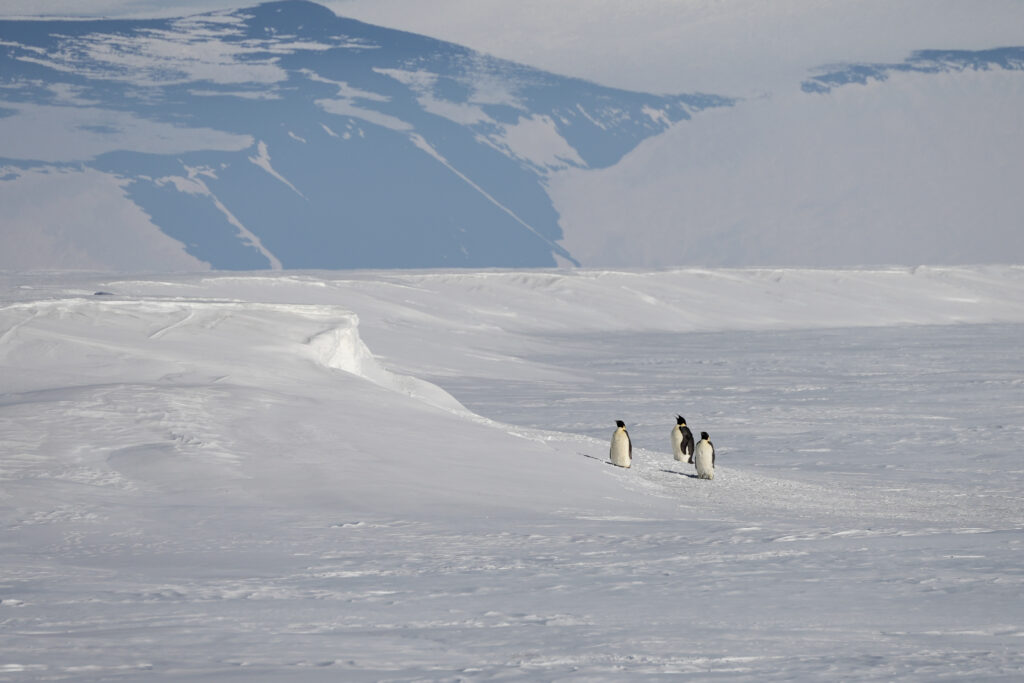
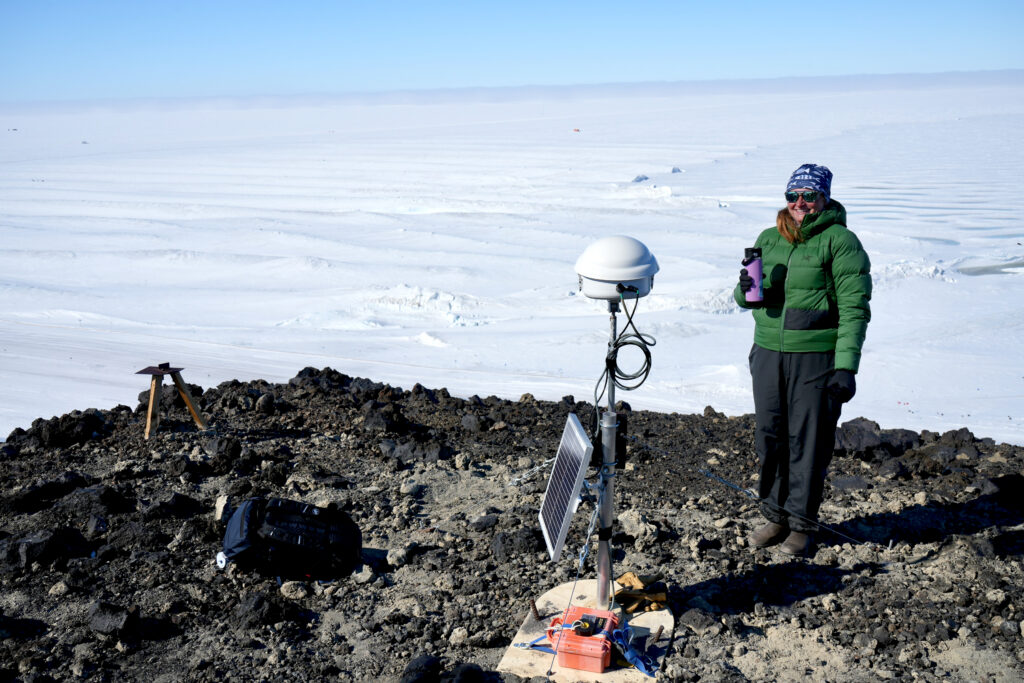
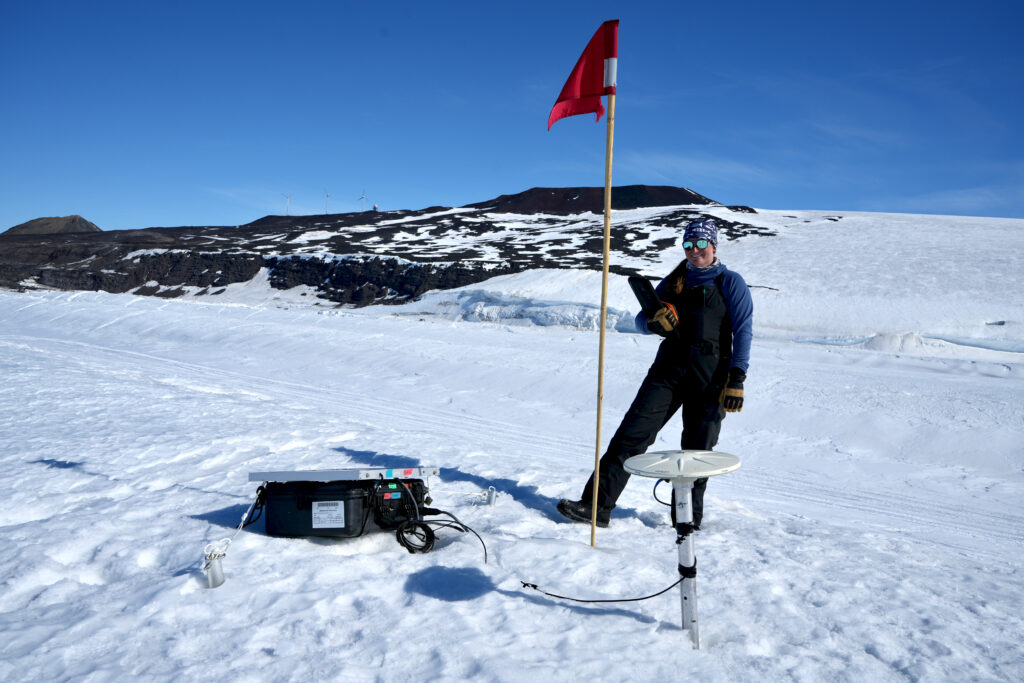
The field season spanned six weeks, during which the team traveled daily by snowmobile from McMurdo Station to the rumple zones. The environment was described as otherworldly, characterized by vast expanses of white and the occasional presence of local wildlife, such as molting emperor penguins. The primary objective of this phase was the installation of a high-tech sensor network designed to survive the brutal Antarctic winter.
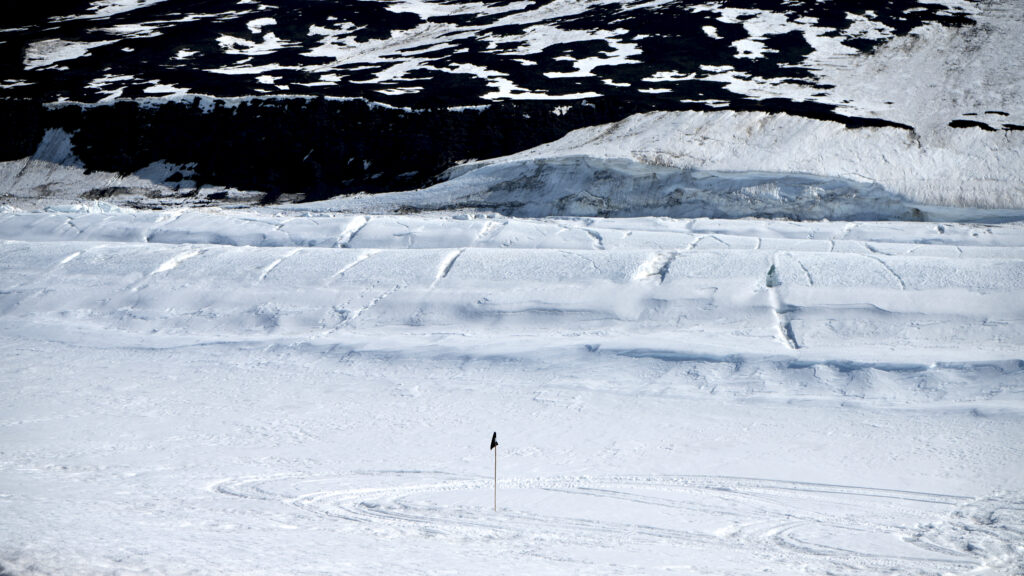
By the end of the six weeks, the team had successfully deployed:
- Seismometers: Sensitive instruments capable of detecting the minute "ice quakes" caused by internal cracking and fracturing.
- High-Precision GPS Units: Centimeter-accurate systems used to track the daily movement and deformation of the ice.
- Radar Systems: Ground-penetrating radar used to measure ice thickness and internal layers, providing a 3D view of the shelf’s structure.
- Weather Stations: Automated units to record temperature, wind speed, and solar radiation, allowing researchers to correlate ice movement with atmospheric changes.
- Time-Lapse Cameras: Positioned to capture images every 30 minutes, these cameras will provide a visual record of surface changes through the dark winter months.
Early Findings and Observations of a Warming Continent
While the full dataset will not be retrieved until the team returns in the next field season, preliminary observations from the past summer have already raised concerns. Dr. Banwell noted that the glacier ice was moving at a rate of one to two feet per day. While this may seem slow by terrestrial standards, in the context of glaciology, it represents a highly dynamic and rapidly changing system.
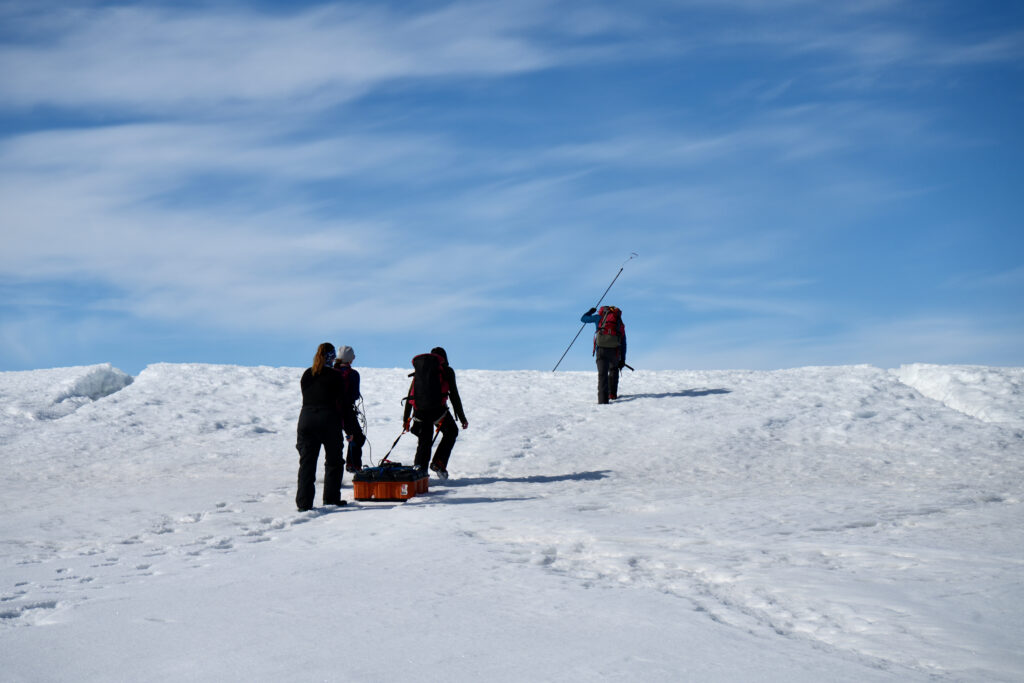
Furthermore, the team experienced the warmest of the seven summers Dr. Banwell has spent in Antarctica. This record warmth led to an earlier-than-expected snowmelt, which stripped away the protective white layer and exposed a highly fractured ice surface. The team encountered significantly more crevasses than historical data suggested, necessitating rigorous mountaineering and safety protocols.
"The fact that we found a far more fractured ice surface is a sobering reminder of why this work is so urgent," Dr. Banwell stated. The exposure of these fractures is a visual indicator of the stress the ice shelf is under, suggesting that the "buttressing" effect may be weakening as temperatures rise.
Data Integration and the Role of Satellite Imagery
The ground-based data collected by Dr. Banwell’s team is designed to complement large-scale satellite observations from missions such as NASA’s ICESat-2 and the European Space Agency’s Sentinel-1. While satellites can provide a broad overview of ice shelf thinning and movement, they often lack the temporal and spatial resolution to explain why specific fractures are forming or how the ice is responding to daily tidal cycles and weather events.
By cross-referencing the seismic signals and GPS tracks with satellite imagery, the researchers hope to create a comprehensive model of ice shelf stability. This model will help clarify whether "rumples" act as stabilizing anchors that help hold the shelf together or as points of structural weakness where fractures are more likely to initiate.
Broader Implications: Sea-Level Rise and Global Displacement
The implications of Dr. Banwell’s research extend far beyond the South Pole. According to the Intergovernmental Panel on Climate Change (IPCC), global sea levels are projected to rise by one to three feet by the end of this century. However, these projections are heavily dependent on the stability of the Antarctic ice shelves. If major shelves like the Ross or Filchner-Ronne were to destabilize, those projections could be significantly upwardly revised.
A sea-level rise of even two feet would have devastating consequences for global infrastructure. Low-lying coastal regions, including parts of Florida, the Netherlands, Bangladesh, and numerous Pacific island nations, face the threat of permanent inundation. Tens of millions of people could be displaced, leading to unprecedented economic and humanitarian challenges.
The research conducted by the POW Science Alliance and academic institutions like the University of Colorado Boulder provides the empirical data necessary for policymakers to plan for these contingencies. By understanding the "tipping points" of Antarctic ice, scientists can provide more accurate timelines for sea-level rise, allowing for better-informed decisions regarding coastal defenses and climate mitigation strategies.
Looking Ahead: The Winter Vigil
As the Antarctic winter sets in, Dr. Banwell’s instruments remain on the McMurdo Ice Shelf, operating in total darkness and temperatures that can drop below -50 degrees Celsius. These "silent sentinels" are currently recording the shelf’s response to the most extreme conditions on Earth.
The team is scheduled to return to the site during the next austral summer to retrieve the data and the instruments. The findings from this multi-year study are expected to be published in leading scientific journals, contributing to the global body of knowledge on polar stability.
In the field of glaciology, small numbers often carry the most weight. A one-degree rise in ocean temperature or a two-foot-per-day increase in ice velocity can signal the beginning of a global shift. For Dr. Ali Banwell and her team, the goal is to ensure that the world is not caught off guard by the changes occurring at the bottom of the world. The race to understand the ice is, in many ways, a race to protect the future of the global coastline.
