

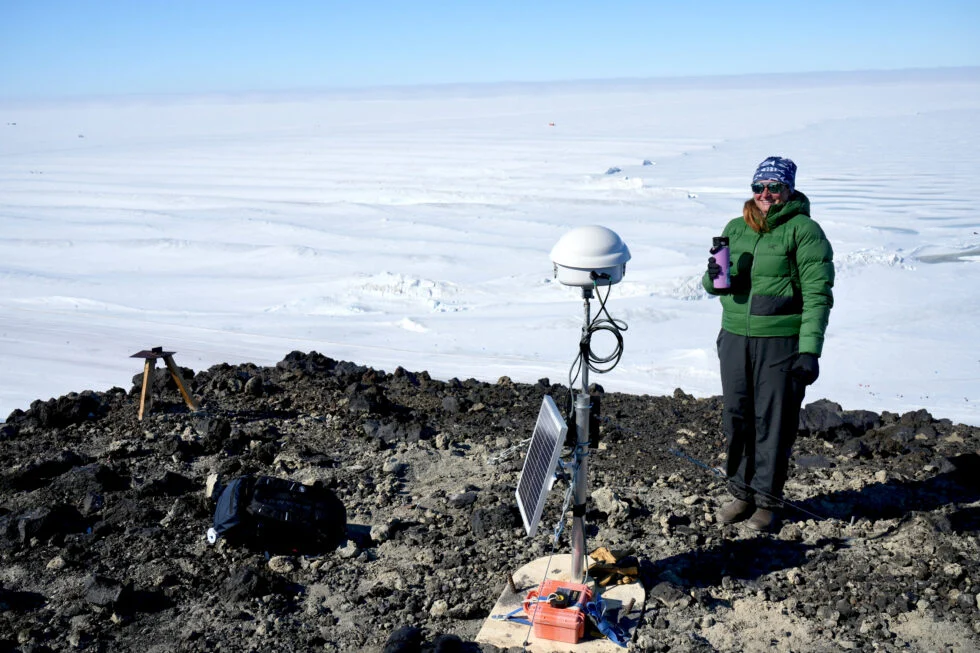
At the southern reaches of the globe, a specialized team of researchers is working to decode one of the most pressing environmental questions of the 21st century: the structural integrity of the Antarctic ice shelves and their capacity to prevent a catastrophic rise in global sea levels. Dr. Ali Banwell, a Research Scientist at the University of Colorado Boulder and a Professor in Glaciology at Northumbria University, recently concluded a rigorous field season on the McMurdo Ice Shelf. As a member of the Protect Our Winters (POW) Science Alliance, Dr. Banwell’s work focuses on the mechanical stressors affecting the ice, a study that carries profound implications for coastal populations worldwide.
The Antarctic Ice Sheet contains enough frozen water to raise global sea levels by approximately 190 feet (58 meters) if it were to melt entirely. While scientists do not expect the entire sheet to vanish in the immediate future, the mechanisms that prevent this ice from sliding into the ocean are showing signs of unprecedented strain. The primary defense mechanism is the ice shelf system—massive, floating extensions of land-based glaciers that ring roughly 75% of the Antarctic continent. These shelves act as a "buttress," providing back-pressure that slows the flow of glaciers from the interior toward the sea. When an ice shelf thins or collapses, this braking mechanism is removed, allowing land-based ice to accelerate its journey into the Southern Ocean, thereby contributing directly to sea-level rise.
The Mechanics of Ice Shelf Rumples and Structural Vulnerability
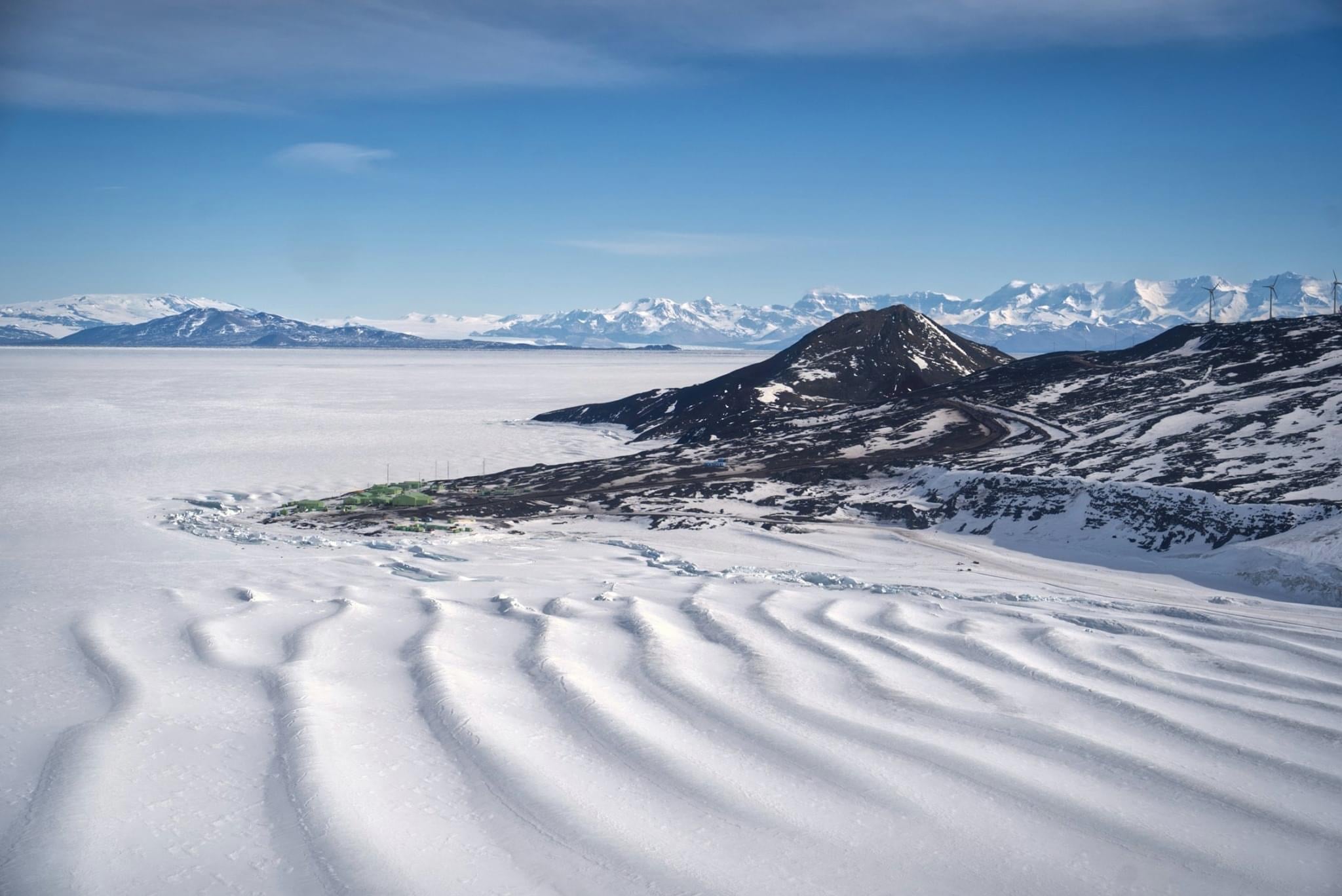
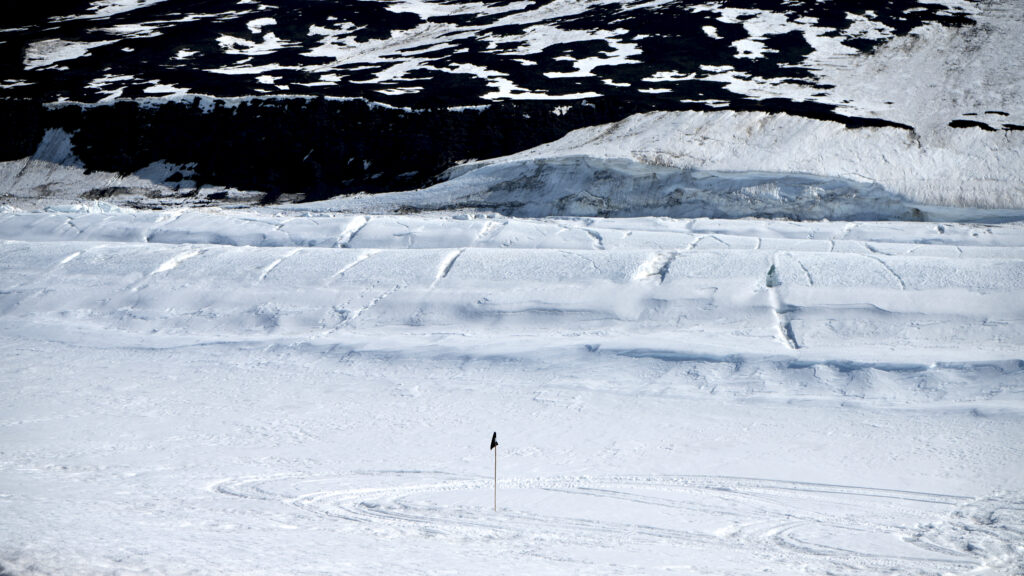
The focus of Dr. Banwell’s National Science Foundation (NSF)-funded research is the McMurdo Ice Shelf, a region near the United States’ McMurdo Station on Ross Island. Unlike typical ice shelves that flow unimpeded toward open water, parts of the McMurdo shelf are being compressed against landmasses. This physical obstruction causes the ice to deform, creating "ice shelf rumples"—a series of wave-like ridges and troughs that can span miles across the frozen surface.
The central inquiry of the mission is whether these rumples serve to stabilize the shelf by pinning it against the ground or if the resulting internal stress makes the ice more prone to fracturing. "The answer matters because ice shelves play a critical role in slowing the flow of glaciers on land into the ocean," Dr. Banwell noted. If the rumples are a sign of structural failure rather than stability, the "last line of defense" for the land-based ice sheet may be more fragile than previously modeled.
Observational data from the field indicates that the compression in these zones is intense enough to cause the ice to buckle and fracture. These fractures, or crevasses, represent physical weaknesses that can be exploited by rising air temperatures and meltwater, a process known as hydrofracturing, which has historically led to the rapid disintegration of other Antarctic shelves, such as the Larsen B in 2002.
Methodology: Six Weeks of High-Precision Monitoring
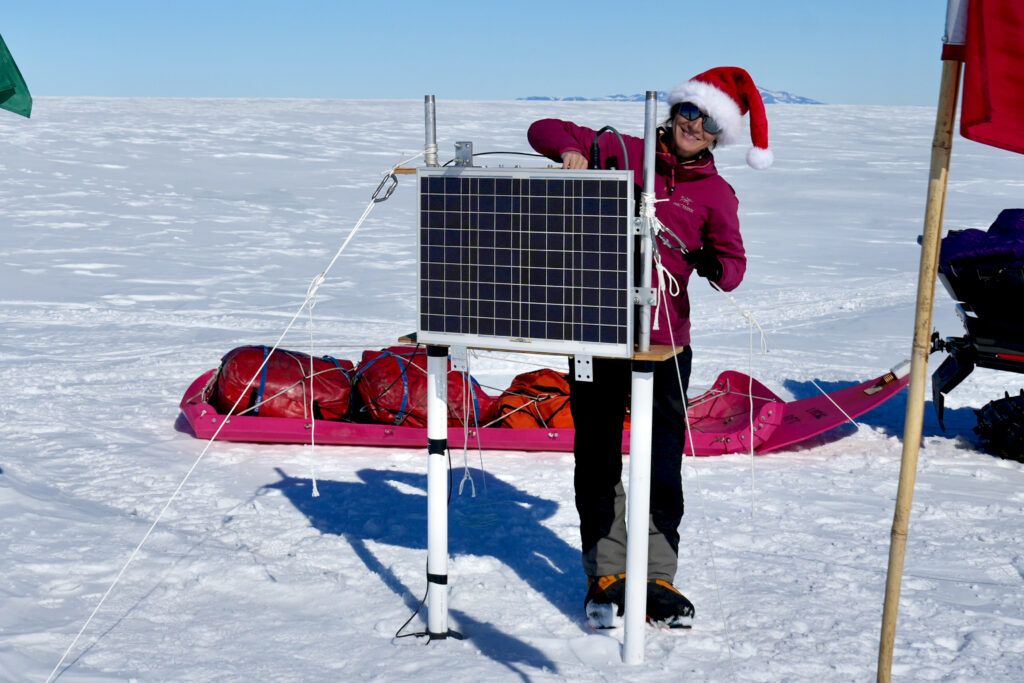
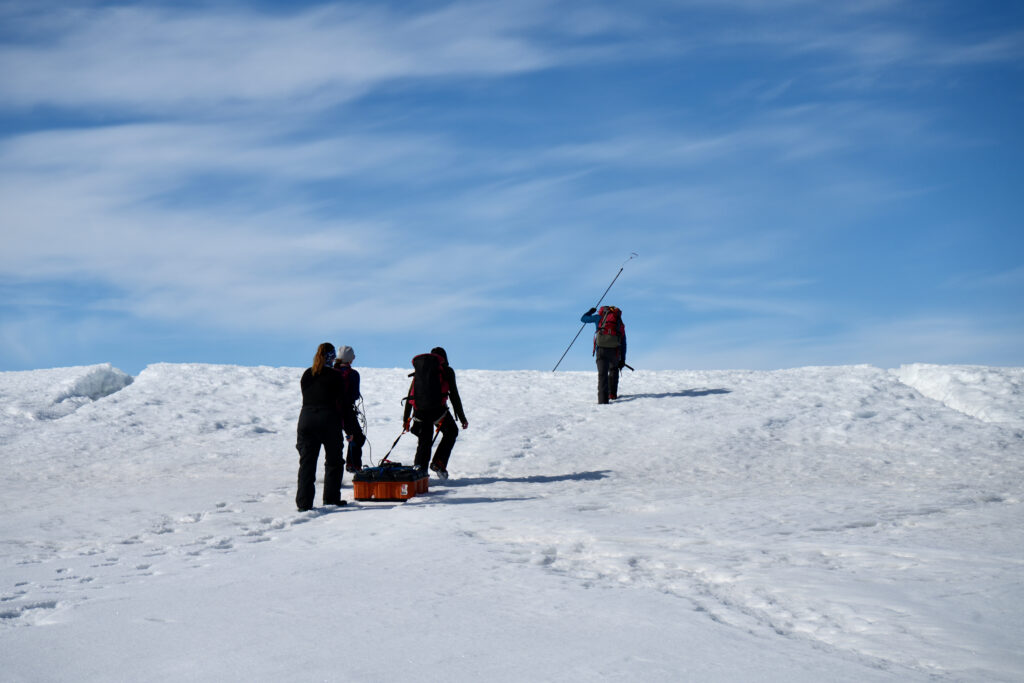
The research expedition spanned six weeks of the Antarctic summer, during which a team of four scientists navigated the remote landscape via snowmobile to deploy an array of sophisticated monitoring equipment. Joining Dr. Banwell were Co-Principal Investigator Dr. Ryan Cassotto from the University of Colorado Boulder and the University of Maine, and PhD students Michela Savignano and Allie Berry.
The team established a comprehensive sensor network designed to capture a multi-dimensional view of the ice shelf’s behavior. The instrumentation included:
- Seismometers: These devices were embedded to detect "icequakes"—the acoustic signals generated when the ice cracks or shifts. By monitoring these micro-seismic events, researchers can determine the frequency and location of internal fracturing.
- High-Precision GPS Units: Capable of measuring movement to the centimeter, these units track the velocity of the ice shelf. Preliminary findings from the season showed the ice moving at a rate of one to two feet per day, a speed that highlights the dynamic nature of the shelf.
- Radar Systems: Ground-penetrating radar was utilized to map the internal layers of the ice and measure its thickness, providing data on how the ice deforms as it encounters the "rumple" zones.
- Automated Weather Stations: These stations recorded atmospheric conditions, including temperature, wind speed, and solar radiation, to correlate environmental changes with ice movement.
- Time-Lapse Cameras: Positioned to take photographs every 30 minutes, these cameras provide a visual record of surface changes, including snow accumulation and the opening of surface cracks.
This equipment remains on the ice through the harsh Antarctic winter, collecting data autonomously. The team plans to return in the following field season to retrieve the instruments and analyze the data captured during the months of total darkness and extreme cold.
Environmental Observations: A Record-Breaking Summer
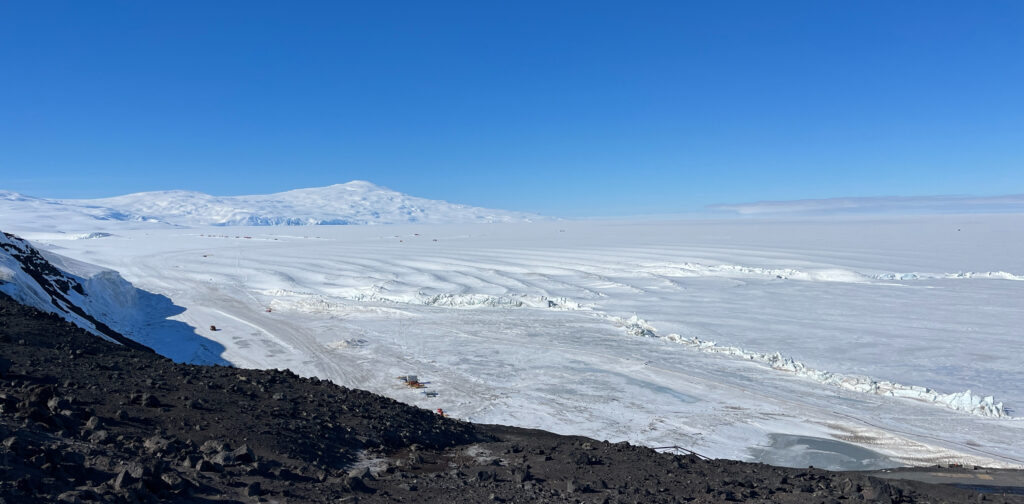
The 2023-2024 field season was marked by unusual environmental conditions. Dr. Banwell reported that this was the warmest of the seven summers she has spent working in Antarctica. The elevated temperatures led to an earlier-than-normal melt of the seasonal snowpack, revealing a highly fractured ice surface beneath.
The exposure of these fractures presented significant operational challenges. The team encountered more crevasses than anticipated, necessitating advanced mountaineering techniques and constant vigilance to ensure safety. The increased presence of surface fractures is a sobering indicator of the shelf’s vulnerability; as temperatures rise, surface meltwater can pool in these cracks, exerting downward pressure that can wedge the ice apart.
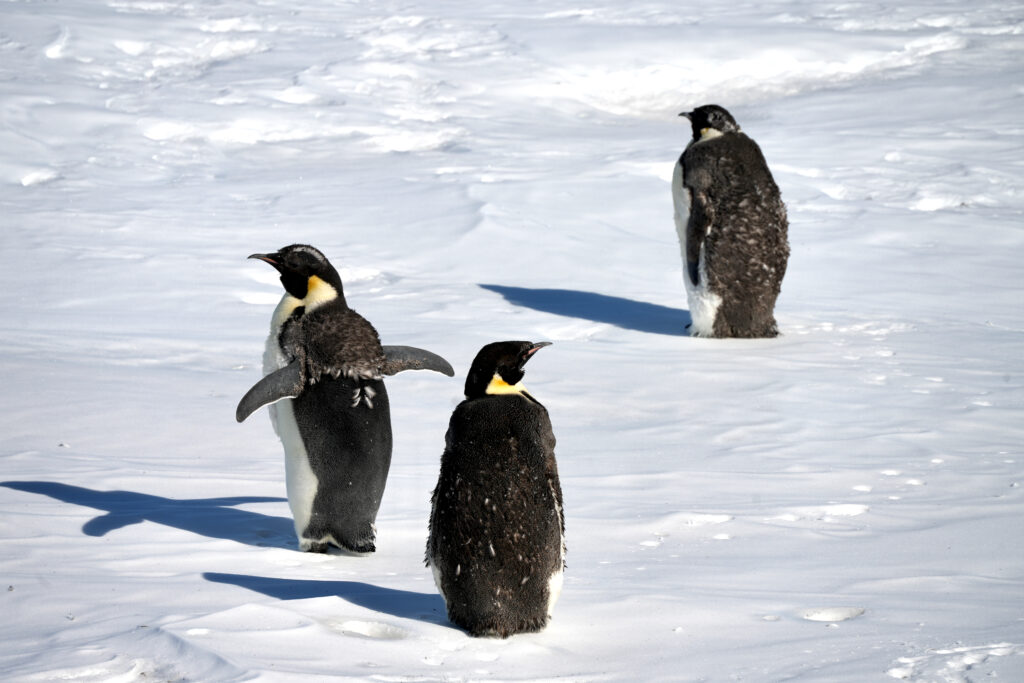
In addition to the scientific data, the team observed local wildlife adapting to the changing environment. Three emperor penguins in the midst of their annual molt became a fixture near the research site. While a common sight in Antarctica, the presence of molting penguins—who are unable to enter the water for several weeks—served as a reminder of the biological dependency on stable ice platforms.
Historical Context and Comparative Analysis
The urgency of Dr. Banwell’s research is underscored by historical precedents in the Antarctic Peninsula. The collapse of the Larsen A Ice Shelf in 1995 and the Larsen B in 2002 demonstrated how quickly these structures can fail once a certain threshold of thinning and fracturing is reached. In the case of Larsen B, a section of ice the size of Rhode Island disintegrated in just over a month.
Following the collapse of the Larsen B, the tributary glaciers that the shelf had previously buttressed accelerated their flow into the ocean by as much as eightfold. This real-world example serves as the primary justification for the current study of the McMurdo and Ross Ice Shelves. While the Ross Ice Shelf is significantly larger and more stable than the Larsen shelves were, any sign of instability in its smaller components, like the McMurdo shelf, is viewed with concern by the global scientific community.
Current climate models suggest that if global warming continues on its current trajectory, the Southern Ocean will continue to warm, attacking ice shelves from below (basal melting) while warmer air attacks them from above. Dr. Banwell’s study of "rumples" adds a third dimension to this analysis: the mechanical stress caused by the shelf’s interaction with the land itself.
Global Projections and Socioeconomic Implications
The data being gathered by Dr. Banwell and her colleagues will be integrated into larger climate models used by the Intergovernmental Panel on Climate Change (IPCC). Current projections estimate a global sea-level rise of one to three feet by the end of this century. While this may appear to be a gradual change, the implications for human civilization are immense.
A three-foot rise in sea level would threaten the infrastructure of major coastal cities, including New York, Miami, Shanghai, and London. It is estimated that such an increase could displace over 200 million people and cause trillions of dollars in economic damage to coastal real estate and trade hubs. Furthermore, sea-level rise exacerbates the impact of storm surges, making coastal flooding more frequent and severe even during moderate weather events.
The research conducted on the McMurdo Ice Shelf is a vital component of the effort to narrow the uncertainty in these projections. By understanding the specific conditions that lead to ice shelf failure, policymakers and urban planners can better prepare for the realities of a rising ocean.
The Path Forward: Analyzing the Winter Dataset
As the Antarctic winter sets in, the instruments left behind by Dr. Banwell’s team continue their silent vigil. The data being recorded now—during a period of maximum physical stress on the ice—will provide the most comprehensive look yet at the life cycle of ice shelf rumples.
When the team returns next season, they will face the task of cross-referencing their ground-based data with satellite observations. This "ground-truthing" is essential for improving the accuracy of satellite-based monitoring, which is the only way to track changes across the vast, inaccessible reaches of the entire Antarctic continent.
The work of Dr. Banwell and the POW Science Alliance highlights the intersection of field science and global advocacy. By documenting the tangible changes occurring at the "bottom of the world," these researchers provide the empirical evidence necessary to drive global climate policy. In Antarctica, where glacier movement is measured in inches and sea-level rise is measured in feet, every data point collected is a critical piece of the puzzle in determining the future of the planet’s coastlines.
