

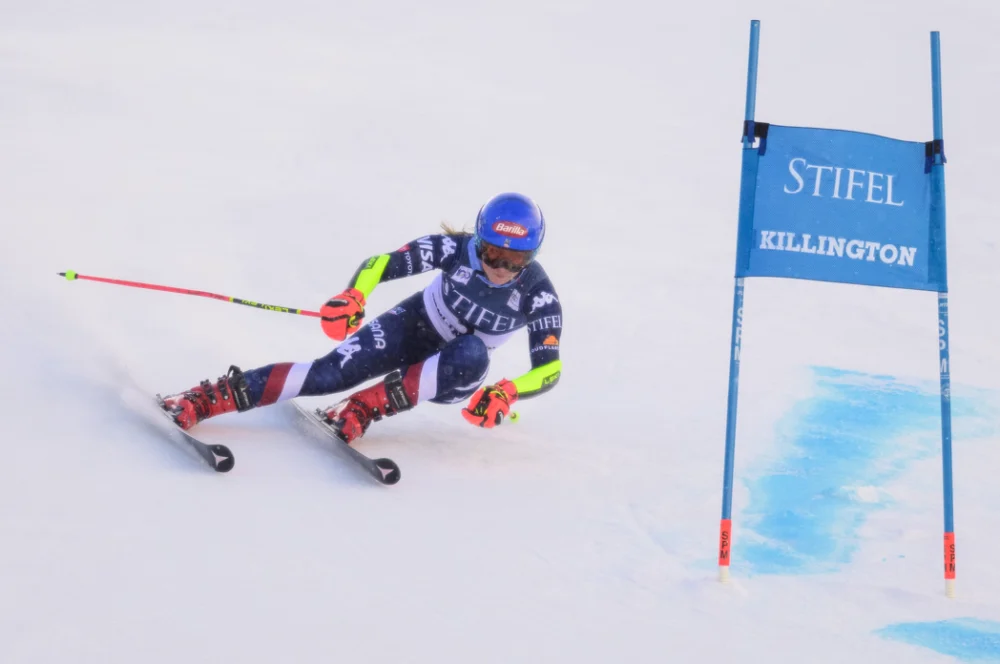
The stage is set for an extraordinary celebration of winter sports as the 2026 Winter Olympic Games descend upon the iconic Italian Alps of Milano Cortina this February. This quadrennial spectacle promises a blend of compelling human-interest narratives, groundbreaking athletic achievements, and the introduction of thrilling new disciplines, all unfolding against the breathtaking backdrop of Italy’s premier ski regions. From the audacious return of an American alpine skiing icon to the integration of dynamic new events like dual moguls and ski mountaineering, the Games are poised to deliver an unparalleled display of both uphill grit and downhill prowess. Beyond the pursuit of medals, the event presents a unique educational opportunity for snowsports professionals, offering a live masterclass in movement analysis as the world’s elite athletes push the boundaries of performance.
Host Cities and the Legacy of the Italian Alps
Milano Cortina 2026 marks a significant moment in Olympic history, representing the first time two cities have shared the primary host duties for a Winter Games. Milan, a global fashion and finance hub, will host the opening ceremony and indoor events, while Cortina d’Ampezzo, nestled in the Dolomites, will be the heart of the alpine and sliding sports. Cortina holds a cherished place in Olympic lore, having previously hosted the Winter Games in 1956. This return signifies a profound connection to its heritage while embracing modern advancements. The 2026 Games are projected to attract an estimated 1.5 million spectators and generate an economic uplift of over €2 billion for the region, underpinned by significant investments in sustainable infrastructure and renewable energy solutions. Organizers have emphasized a commitment to leveraging existing venues and minimizing environmental impact, aiming for a "net-zero" Games, a crucial consideration for the fragile alpine ecosystem. This dual-city model, combining urban dynamism with alpine tradition, offers a unique spectator experience and underscores Italy’s multifaceted appeal.
The Audacious Comeback: Lindsey Vonn Defies Expectations
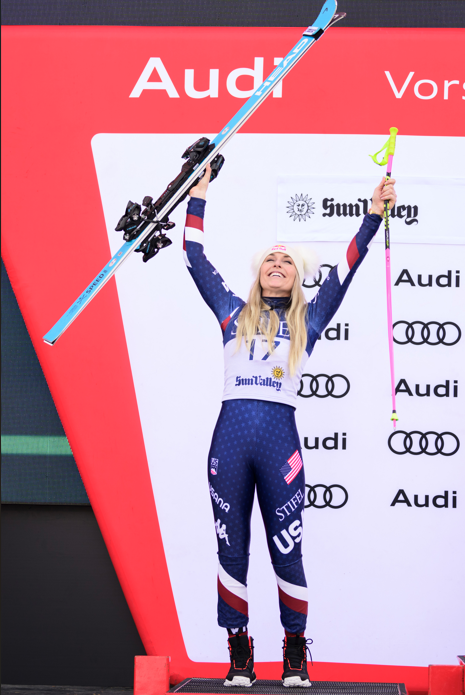
Among the myriad storylines, none captivates quite like the fearless return of American superstar Lindsey Vonn. At 41 years old and with a partially replaced knee, Vonn is slated to compete in the high-stakes, high-speed world of Super-G and Downhill racing. Her journey to Milano Cortina is a testament to unparalleled resilience and an unwavering competitive spirit. Vonn’s illustrious career already boasts a gold medal from the 2010 Vancouver Olympics in Downhill, along with multiple World Championship titles and a record 82 World Cup victories, solidifying her status as one of alpine skiing’s all-time greats.
Her decision to return to the pinnacle of her sport, years after her official retirement in 2019, has sent ripples through the ski world. Medical experts have lauded her recovery and dedication, with Dr. Elena Rossi, a leading sports orthopedist, commenting, "Lindsey’s ability to not only recover from significant knee surgery but to return to the demands of Olympic-level downhill skiing at 41 is nothing short of miraculous. It speaks volumes about her physical conditioning, mental fortitude, and the advancements in sports medicine." Vonn herself, in a recent interview, reportedly stated, "Retirement never truly felt like an end. The mountains kept calling, and I knew I had one more chapter to write. This isn’t just about competing; it’s about proving what’s possible when you refuse to let age or injury define your limits." Her rigorous training regimen, focusing on strength, stability, and high-speed simulation, has been meticulously documented, showcasing her relentless pursuit of peak performance. Her presence on the slopes of Cortina will undoubtedly be a major draw, offering an inspiring narrative of human determination against formidable odds.
Expanding the Winter Sports Horizon: New Disciplines Debuts
The 2026 Games are not only about celebrating established heroes but also about embracing the evolution of winter sports with the official introduction of two exciting new competitions: Dual Moguls and Ski Mountaineering.
Dual Moguls: Head-to-Head Thrills
Dual Moguls, a dynamic and visually engaging discipline, pits two skiers against each other simultaneously on parallel mogul courses. This head-to-head format amplifies the drama, requiring not just technical precision and aerial prowess but also strategic racing tactics. The event demands exceptional stamina, balance, and quick decision-making as athletes navigate bumps, execute mandatory aerial tricks, and race for the finish line. Its inclusion reflects the International Olympic Committee’s (IOC) ongoing effort to introduce more youth-oriented and spectator-friendly events. The World Cup circuit has seen a significant surge in popularity for dual moguls in recent years, with average viewership increasing by 15% over the last two seasons, signaling its strong potential for Olympic success. "Dual moguls brings an undeniable energy," explains FIS Freestyle Coordinator, Markus Keller. "It’s raw, direct competition, and that translates incredibly well to a global audience."
Ski Mountaineering (Skimo): The Ultimate Mountain Challenge
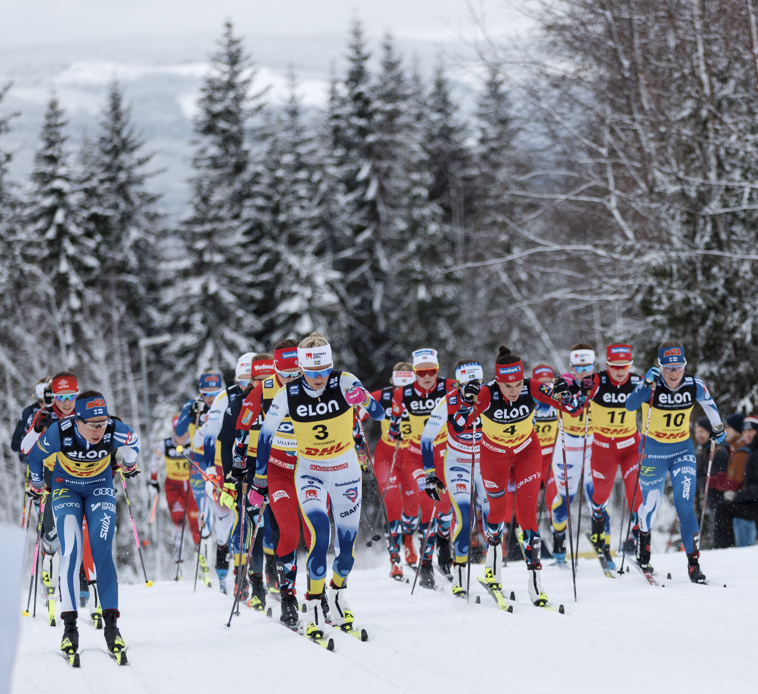
Ski Mountaineering, or "Skimo," makes its highly anticipated Olympic debut, bringing an endurance-focused, multi-faceted challenge to the Games. This discipline combines uphill climbing on skis (skinning), technical transitions, and thrilling downhill skiing, often traversing demanding alpine terrain. Athletes compete in various formats, including individual races, sprint events, and mixed relays, testing their endurance, technical skill, and strategic acumen in high-altitude environments. Skimo’s inclusion reflects the growing global appeal of outdoor endurance sports and backcountry activities. Predominantly popular in Europe, particularly the Alps, the sport has seen a 25% increase in registered participants globally over the past five years. Its addition aligns with the IOC’s push for sports that resonate with adventure and environmental consciousness. "Skimo is the essence of mountain sport," noted Kilian Jornet, a legendary endurance athlete. "It’s about raw power, tactical navigation, and a deep respect for the alpine environment. Its Olympic inclusion is a huge step for the sport’s global recognition." The technical demands involve precise equipment management, efficient skinning techniques, and expert downhill skiing in varied snow conditions, making it a true test of a mountain athlete.
A Masterclass in Movement: The Olympic Games for Snow Professionals
For snowsports instructors – alpine skiers, snowboarders, and telemarkers – the Winter Olympics offer far more than mere entertainment. It’s a once-every-four-year "teaching bonanza," a unique opportunity to engage in high-level movement analysis (MA) as the world’s best athletes arc across television screens. Movement analysis involves observing and dissecting the biomechanics, efficiency, and technique of athletes to understand how they achieve their incredible feats. By meticulously watching these elite performers, snow pros can gain profound insights that directly augment their instructional skills, allowing them to better understand and articulate foundational movements to their own students. The ability to identify subtle shifts in balance, pressure, and rotary movements in Olympic athletes provides a benchmark for optimal performance, offering tangible examples to illustrate complex concepts.
To harness this instructional potential, we consulted some of the most respected snowsports instructors on the planet, asking them to highlight specific events and detail how their observations translate into practical advantages for teaching.
Deconstructing Performance: Expert Insights for Instruction
Giant Slalom: The Mother of All Turns – Insights from A.J. Oliver, PSIA Alpine Team Member
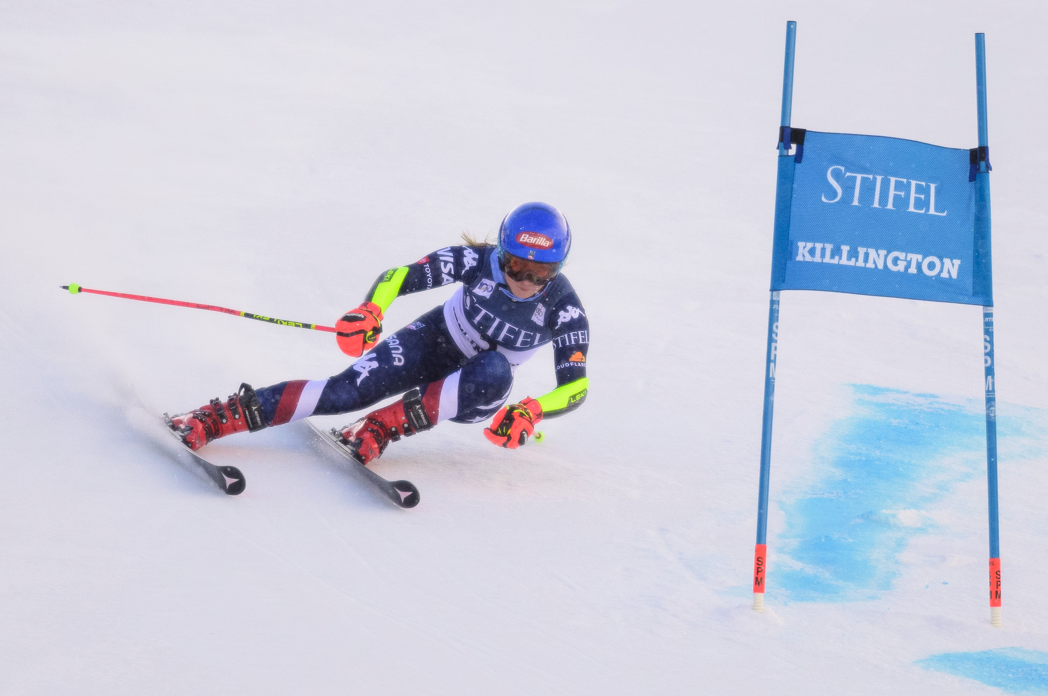
A.J. Oliver, a distinguished PSIA Alpine Team Member, emphasizes the foundational importance of Giant Slalom (GS). "It’s often called the mother of all turns," Oliver states, "and it’s one of the most revealing events to watch for pure skiing mechanics." His primary focus when watching GS is the finish of the turn. "Truly elite skiers exhibit an effortless ability to release their skis early and transition smoothly into the next turn. Those who struggle often get ‘stuck’ on their old edges, appearing sluggish and losing crucial milliseconds." The hallmark of a successful GS racer, according to Oliver, is the ability to finish a turn cleanly, with direction, and without resistance, setting them up optimally for the subsequent gate.
Making It a Technical Advantage: Oliver advises snow pros to avoid getting "bogged down by the details" of individual technical approaches, as various styles can yield speed. Instead, he urges observers to focus on universal principles: "Watch for stable upper bodies, balanced stances, and continuous movement – the absence of getting stuck anywhere in the turn." He elaborates that these athletes "align to, and balance on, the new ski early" in the transition phase. This crucial move allows them to create maximum edge angle and shape higher in the turn, generating the necessary trajectory and momentum to release the skis cleanly and move efficiently into the next turn. This early engagement and balanced platform are paramount for carving precision and maintaining speed through the course.
Helping Your Students: While recreational skiers’ objectives differ vastly from World Cup racers, Oliver stresses that the underlying biomechanical concepts remain identical. "Many beginner to intermediate students struggle immensely with releasing their old edges and initiating movement down the hill," he explains. "By teaching them the importance of a stable upper body, a balanced stance over their skis, and the ability to move continuously from one turn to the next, we empower them to release more easily and build confidence as they progress to steeper, more challenging terrain." The visual reinforcement from watching Olympic athletes can be a powerful tool for instructors to demonstrate these abstract concepts.
Snowboard Halfpipe: Precision, Power, and Style – Insights from Cori Lambert, AASI Snowboard Team Member
AASI Snowboard Team Member Cori Lambert champions the Halfpipe as a must-watch event for its unparalleled blend of technicality and explosive athleticism. "The halfpipe is one of snowboarding’s most technical and dangerous events," Lambert asserts, "demanding incredible stamina, strength, accuracy, power, and, of course, undeniable style." She notes the rigorous qualification process, where athletes accumulate points through FIS World Cup qualifiers and World Championships, aiming for a top-30 finish to secure one of the coveted eight men’s and women’s Olympic spots. Selectors also weigh factors like consistency, attitude, and injury history, making the Olympic team a truly elite cadre.
Making It a Technical Advantage: The Superpipe, with its colossal 22-foot walls and 64-foot width, is a demanding arena requiring precise, technical riding. Lambert highlights the specific equipment choices, noting that "riders typically opt for longer, full-camber boards for superior edge control, consistent contact, and enhanced stability on takeoffs and landings." Line choice within the pipe is critical, directly influencing the speed and height achieved above the lip. She emphasizes the manipulation of DIRT – Duration, Intensity, Rate, and Timing – as the core mechanism athletes use to execute complex spins, flips, and achieve breathtaking height. Understanding how athletes adjust these variables allows them to control their trajectory and maximize airtime.
Helping Your Students: Lambert underscores that the foundational principles of halfpipe riding are universally applicable, even for students without access to a halfpipe. "The core lies in accurate carving and the ability to modulate DIRT to achieve desired outcomes," she explains. By teaching students to analyze line choice and understand the importance of tilt throughout the pipe, instructors can equip them with skills that transcend the halfpipe environment. "These concepts are invaluable for mastering carving, executing advanced euro carves, revert carves, navigating quarter pipes, and even managing icy conditions." With proper board choice and a mastery of carving fundamentals, Lambert firmly believes a strong halfpipe foundation can be built, regardless of prior experience or immediate access to a dedicated facility.
Beyond the Medals: Broader Implications and Future Outlook
Milano Cortina 2026 is poised to be more than just a sporting event; it’s a window into the future of winter sports. The integration of new technologies, from advanced tracking systems for performance analysis to sustainable venue operations, will set new benchmarks for future Games. The narratives of resilience, like Lindsey Vonn’s comeback, and the excitement generated by new disciplines, will undoubtedly inspire a new generation of athletes and enthusiasts worldwide. The Games serve as a powerful catalyst for participation, driving interest in snowsports at all levels, from grassroots programs to elite competition. For snow professionals, the opportunity to dissect and learn from the world’s best offers a profound impact on their instructional craft, fostering a culture of continuous learning and refinement. As the world watches, Milano Cortina will not only crown new champions but also solidify its legacy as a pivotal moment in the ongoing evolution of the Winter Olympic movement.
