

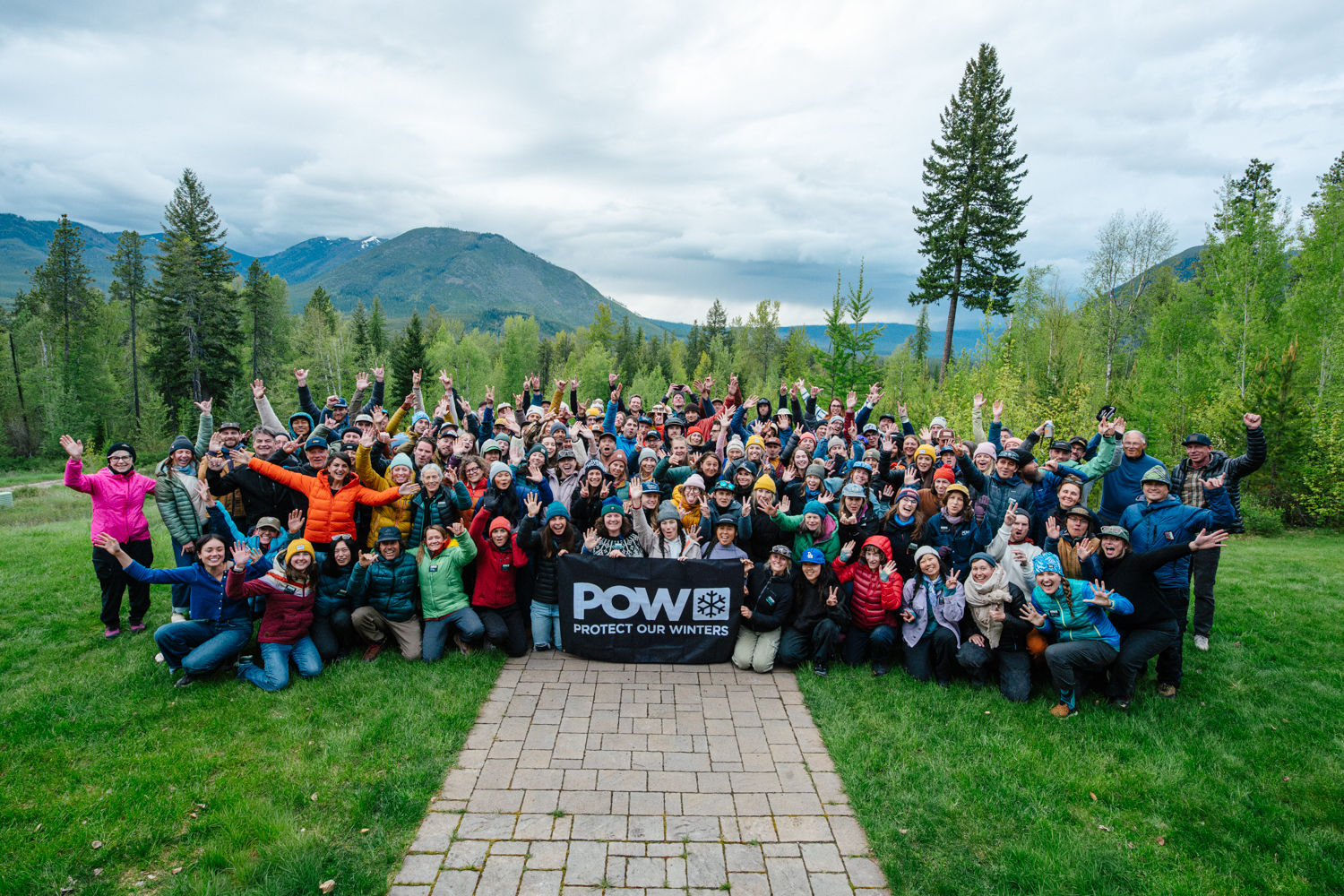
The intersection of outdoor recreation and climate policy is undergoing a fundamental shift as grassroots networks move beyond seasonal awareness campaigns toward year-round legislative and civic engagement. At the forefront of this movement is Protect Our Winters (POW), an organization that has historically leveraged the influence of professional athletes to highlight the decline of snowpacks and glaciers. However, through its newly expanded Chapter Program, the organization is now deploying a network of field organizers to bridge the gap between "powder-loving" enthusiasts and the complex machinery of local government. These organizers, stationed in critical regions such as the White Mountains of New Hampshire, the Gallatin Valley in Montana, the Western Slope of Colorado, and the Truckee-Tahoe corridor, are proving that the future of environmental protection may depend less on national grandstanding and more on the minutiae of town council meetings and utility board elections.
The Strategic Shift to Grassroots Organizing
For years, climate advocacy was often viewed as the domain of policy specialists and lobbyists in Washington, D.C. However, the realization that many of the most consequential decisions regarding energy infrastructure and land use occur at the municipal and county levels has prompted a strategic pivot. POW’s Chapter Program is designed to mobilize what the organization calls the "Outdoor State"—a demographic of roughly 50 million Americans who identify as outdoor enthusiasts. According to 2022 data from the Bureau of Economic Analysis, the outdoor recreation economy accounts for approximately $1.1 trillion in economic output and supports nearly 5 million jobs. By organizing this economic powerhouse into local chapters, POW aims to create a permanent, locally-led presence that can respond to regional environmental threats in real-time.
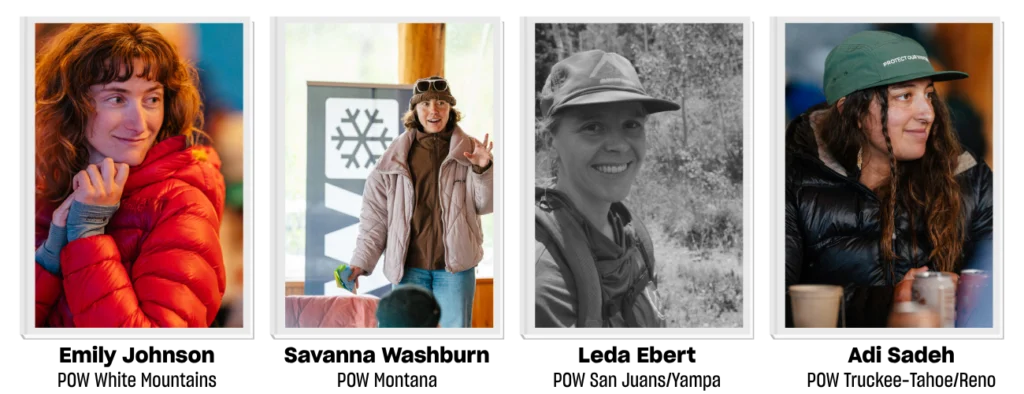
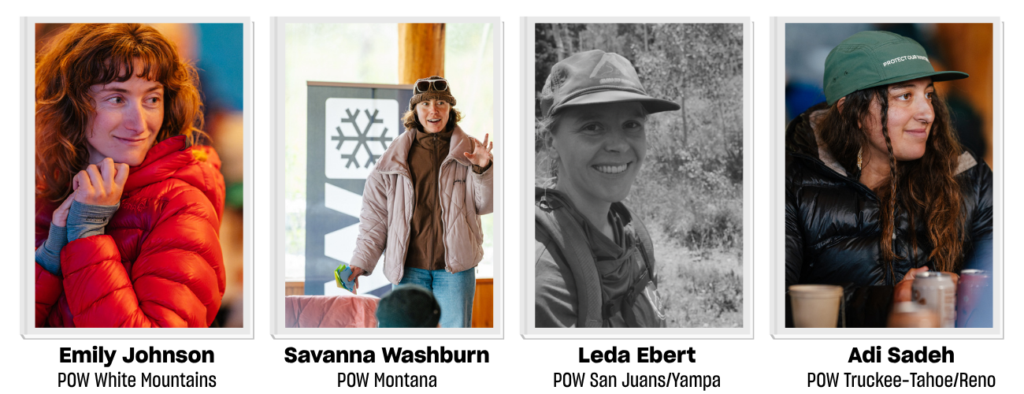
The organizers leading these efforts—Emily Johnson in New Hampshire, Savanna in Montana, Leda in Southwest Colorado, and Adi in the Truckee-Tahoe region—represent a new breed of advocate. They are individuals whose personal identities are rooted in the landscapes they defend, blending professional backgrounds in geography, ecology, and communications with a shared passion for skiing, mountain biking, and conservation. Their mandate is to demystify the political process for their neighbors, turning the "adrenaline-fueled" energy of mountain sports into the sustained "civic-fueled" energy required for policy change.
Regional Chronology and Recent Legislative Victories
The effectiveness of this localized approach is evidenced by a series of recent "wins" that illustrate how small-scale advocacy can yield significant environmental dividends. In New Hampshire, the focus has been on the governance of rural energy. Earlier in 2026, the POW Action Fund supported the election of Laurel Boivin to the New Hampshire Electric Coop’s Board of Directors. Boivin, an expert in energy policy and community relations, represents a shift in how utility boards—traditionally opaque and slow-moving—approach the transition to renewable energy. Because electric cooperatives are member-owned, their board elections are often decided by thin margins, making them prime targets for grassroots mobilization.
In Montana, the struggle has centered on the long-term energy planning of NorthWestern Energy. The utility’s recent Integrated Resource Plan (IRP), a document outlining energy generation for the next 20 years, has drawn criticism for its continued reliance on coal and gas despite a stated pledge to reach net-zero emissions by 2050. Savanna, the Montana field organizer, led a "community bike ride" initiative that culminated in a collective public comment session. By translating a highly technical 20-year planning document into a tangible issue—future electricity rates and air quality—the Montana chapter successfully increased public participation in Public Service Commission hearings, challenging the utility’s preference for fossil fuels over lower-cost wind and solar options.
Simultaneously, in Southwest Colorado’s La Plata County, the Yampa Valley and San Juan chapters played a role in lifting a moratorium on Battery Energy Storage Systems (BESS). Battery storage is widely regarded by energy analysts as the "missing link" for a reliable renewable grid, allowing for the storage of solar and wind energy for use during peak demand. The lifting of the moratorium in early 2026 was the result of a concerted effort by local advocates to provide public testimony on the safety and necessity of storage infrastructure.
Further west, in the Reno-Tahoe area, the advocacy has taken on a more industrial scale. In April 2026, the Reno chapter helped advance the TregoGrid project, which will integrate 200 megawatts (MW) of battery storage into the regional grid. This project is a cornerstone of Nevada’s decarbonization goals and serves as a blueprint for how outdoor communities can support large-scale green infrastructure projects in their backyards.
The Data Behind Local Impact
The emphasis on local advocacy is supported by data regarding voter turnout and legislative efficacy. While national elections often see high participation, municipal and county-level elections frequently suffer from low turnout, sometimes dropping below 20%. In rural electric cooperative elections or small-town council votes, outcomes can be decided by fewer than a dozen votes.
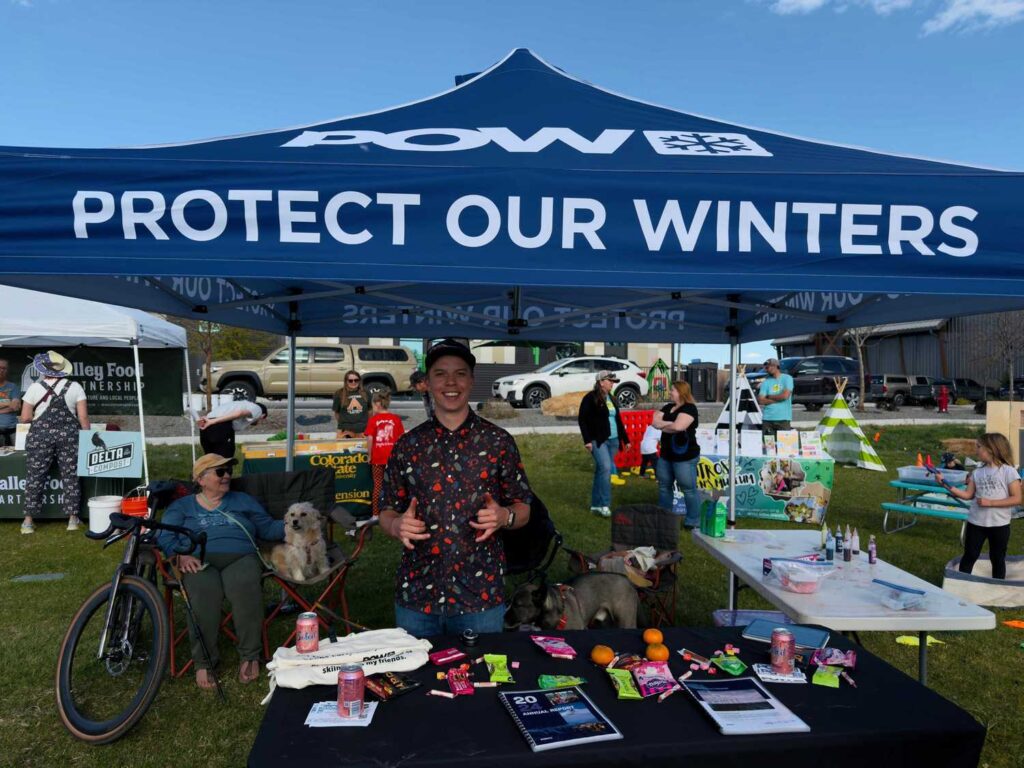
"Local advocacy is where our voting power can stretch the furthest," notes Savanna, the Montana organizer. "The fights that plague news headlines aren’t necessarily the ones that will decide your rent or your energy bill." This sentiment is echoed by Leda in Colorado, who points out that rural electric coop elections are sometimes won or lost by as few as eight votes. For an organization like POW, which can mobilize hundreds of volunteers in a single mountain town, these margins represent a significant opportunity to install climate-conscious leadership.
Furthermore, the "ripple effect" of local policy cannot be understated. When a high-profile mountain town like Truckee or Durango adopts aggressive climate targets or approves innovative storage projects, it creates a "proof of concept" that can be scaled to the state or federal level. This bottom-up approach creates a more resilient movement that is less vulnerable to the political volatility of Washington, D.C.
Overcoming the "Expertise Barrier"
One of the primary challenges cited by field organizers is the "expertise barrier"—the feeling among citizens that they are not qualified to speak on technical policy issues. To combat this, the Chapter Program focuses on the power of personal storytelling. Emily Johnson, the White Mountains organizer, argues that sharing why one cares about a specific river or trail is often more persuasive to a local official than reciting a list of statistics.
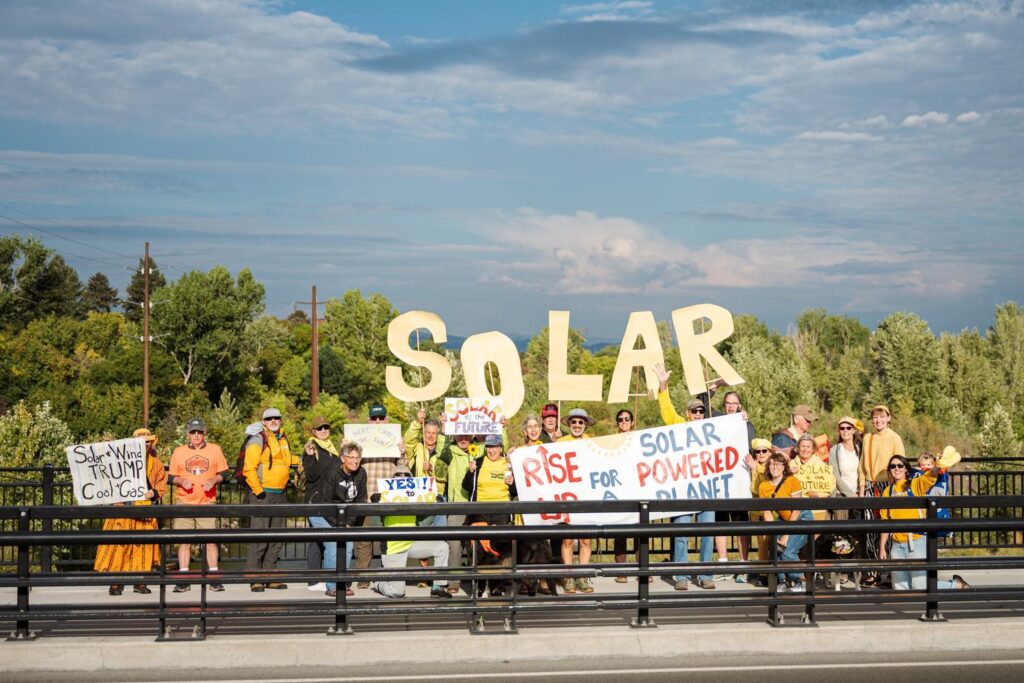
"You don’t have to be an expert to be an advocate," Johnson states. "Sharing why you care moves other people to care, and that’s the goal." The organizers provide training and resources to help volunteers write letters to the editor, prepare public comments, and navigate the bureaucratic structures of city hall. By treating civic engagement as a "muscle" that requires regular exercise, the program seeks to normalize political participation among a demographic that has historically remained on the sidelines.
Future Implications and the 2026 Midterm Cycle
As the 2026 midterm election cycle approaches, the POW Chapter Program is shifting its focus toward voter turnout and civic education. In New Hampshire’s 1st Congressional District and Nevada’s 3rd Congressional District, chapters are preparing "Run to the Polls" events and voter registration drives. These efforts are not merely about high-level politics; they are about ensuring that the outdoor community is recognized as a coherent and formidable voting bloc.
The broader implications of this work suggest a maturing of the environmental movement. By integrating climate action into the social fabric of mountain and coastal towns—through community runs, brewery meetings, and local outdoor events—POW is building a model of "durable advocacy." This model moves away from crisis-response activism toward a proactive, permanent presence in local governance.
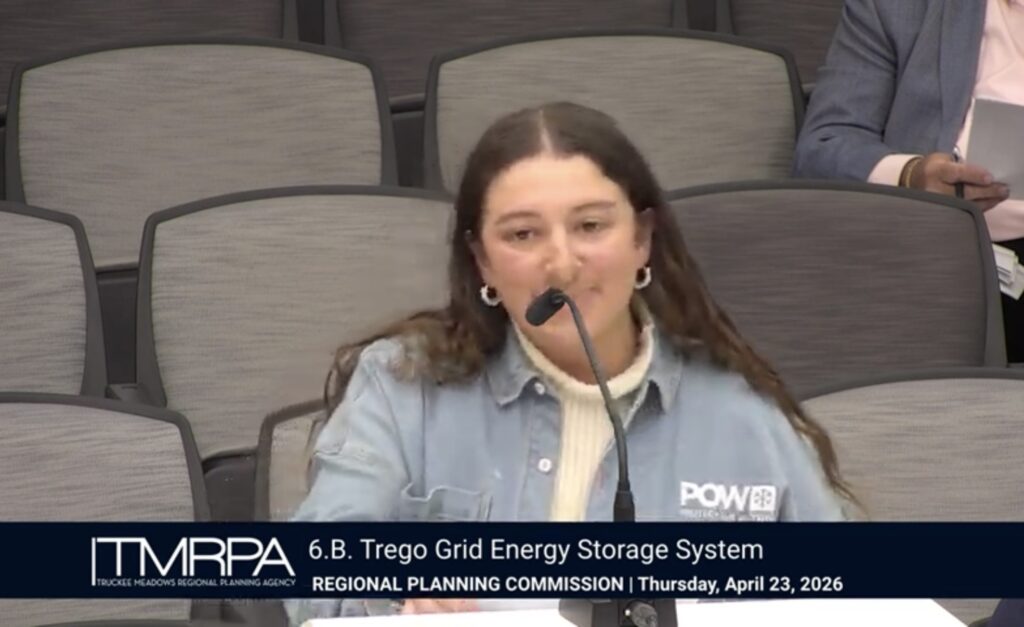
In the long term, the success of the Chapter Program will be measured not just by the number of bills passed or boards changed, but by the cultural shift it fosters within the outdoor industry. As organizers like Adi in Tahoe suggest, the goal is a future where the protection of the environment is viewed as a fundamental civic responsibility, inseparable from the sports and landscapes that define these communities.
Conclusion and Strategic Outlook
The work being done by Emily, Savanna, Leda, and Adi reflects a broader trend in American politics: the localization of global crises. As climate change continues to manifest in shorter winters, more frequent wildfires, and unpredictable water levels, the communities most directly affected are no longer waiting for federal intervention.
Through the POW Chapter Program, the "Outdoor State" is beginning to realize its potential. By focusing on the "unsexy" but essential work of utility regulation, zoning boards, and local storage projects, these field organizers are laying the groundwork for a more resilient and sustainable future. The message from the ground is clear: while the scale of the climate crisis is global, the most effective solutions are often found in the town hall.
