

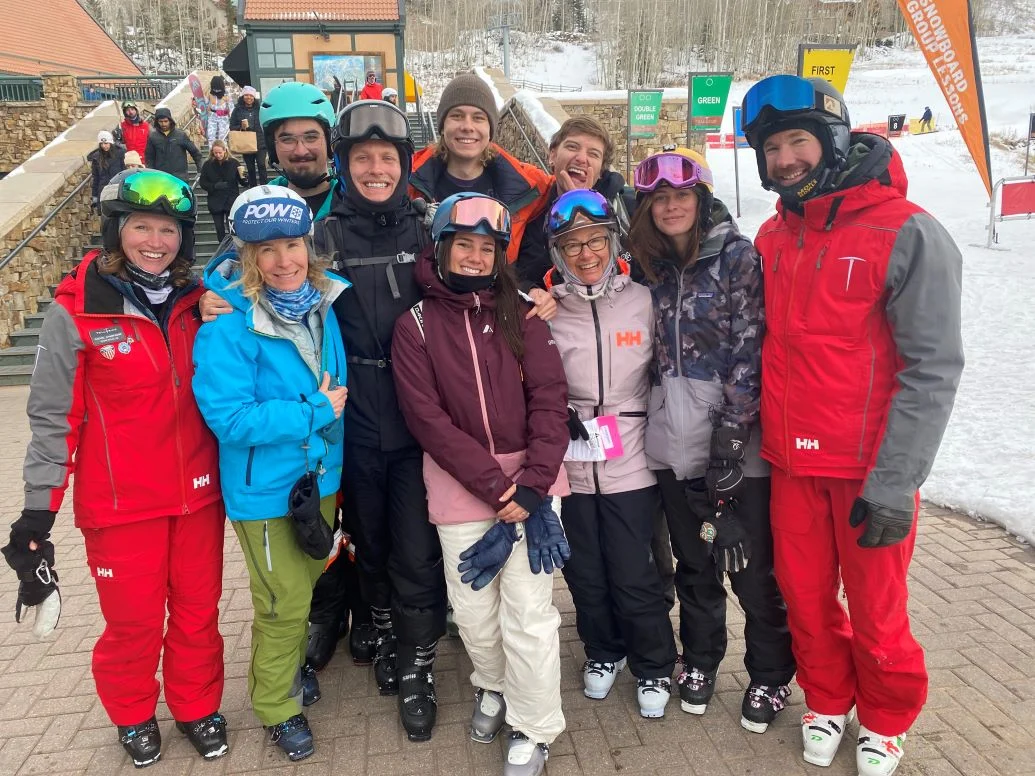
The ski and snowboard industry, a cornerstone of winter tourism and recreation, relies heavily on the quality and professionalism of its instructors. These individuals are not merely teachers of technique; they are ambassadors of the mountain experience, crucial to guest safety, satisfaction, and the overall reputation of a resort. In a significant move signaling a potential paradigm shift in professional development, the Telluride Ski and Snowboard School embarked on a groundbreaking initiative for the 2023-2024 season, fundamentally reimagining its new-hire instructor training. Departing from the long-standing didactic model, Telluride implemented an experiential, ecological dynamics, and constraints-based learning approach, empowering new instructors to "train themselves" with the explicit goal of accelerating their development from rote imitation to independent, adaptive decision-making on the slopes. This innovative program, spearheaded by Training Manager Rick Rauch, represents a proactive response to the inherent drawbacks of traditional training methods and the intense pressures of preparing a new workforce for the demanding holiday season.
The Critical Role of Snowsports Instruction in the Industry Landscape
Snowsports instruction is a vital component of the multi-billion dollar ski industry, impacting everything from guest retention to safety records. According to industry analyses, a positive instructional experience significantly increases the likelihood of a guest returning to a resort and continuing their engagement with snowsports. Instructors are often the primary point of contact for new participants, shaping their initial perceptions and fostering a lifelong love for skiing or snowboarding. Beyond technique, they instill confidence, impart crucial safety protocols, and navigate diverse learning styles and personalities. The effectiveness of new-hire training directly correlates with the quality of instruction provided, which in turn influences customer satisfaction, repeat business, and the overall economic health of ski schools and resorts.
The seasonal nature of the ski industry presents unique challenges for workforce development. Resorts typically hire a substantial number of new instructors each fall, often comprising a mix of seasoned enthusiasts seeking a lifestyle change and younger individuals entering the professional realm. These recruits must be rapidly integrated and brought up to a professional standard within a compressed timeframe, usually just weeks before the busiest periods of the winter season, particularly the critical Christmas and New Year holidays. During these peak times, ski schools operate at maximum capacity, and the demand for skilled, confident instructors is paramount. Any deficiencies in initial training can lead to compromised guest experiences, increased instructor stress, and potentially higher turnover rates.
Deciphering the Traditional Training Paradigm: Strengths and Strains
For decades, the standard approach to new-hire instructor training across many ski and snowboard schools has followed a largely linear, didactic curriculum. This method typically involves classroom lectures complemented by on-snow demonstrations, focusing on the foundational elements of snowsports instruction. Key components include basic ski and snowboard techniques suitable for beginner to green-level students, familiarization with the resort’s terrain and lift operations, essential "people skills" for managing diverse groups, adherence to a standard Teaching Model, basic equipment setup and maintenance, and critical safety protocols.
Following initial instruction, new recruits often shadow experienced professionals during actual lessons, observing teaching in practice before engaging in debriefing sessions to discuss observations and learnings. Some more progressive schools incorporate "shines," where new instructors teach a lesson under the observation of a veteran, receiving immediate feedback. While this structured approach offers a systematic transfer of knowledge, its reliance on a lecture-heavy format, often delivered while standing on the side of a beginner slope, has inherent limitations.
One of the most significant drawbacks of this traditional model is the potential for cognitive overload. New instructors are inundated with a vast amount of information—technical, pedagogical, and logistical—within a very short period. This rapid-fire delivery can diminish information retention and lead to early fatigue or even burnout. The disconnect between theoretical knowledge acquisition and practical, on-the-fly application often results in a lack of confidence among new hires when they face real-world teaching scenarios, especially when lessons deviate from the planned curriculum. The pressure to "do it this way," without sufficient practice in adapting to unforeseen circumstances, can be frustrating and limit an instructor’s ability to innovate.
Furthermore, traditional training often sequesters new hires in their own groups, inadvertently delaying their integration into the broader team of experienced professionals. This isolation can hinder their sense of belonging and limit informal learning opportunities that arise from interacting with diverse colleagues. For resort management, these challenges translate into legitimate concerns about the readiness of new staff for peak season demands, the effectiveness of addressing early performance issues, and the overall return on investment (ROI) for the considerable time and financial resources committed to training. Industry figures, while varying by resort, often indicate that instructor turnover rates can be significant, particularly among new hires who feel underprepared or unsupported, further underscoring the need for more effective training paradigms.
The Arc of Instructor Development: Copy, Choose, Create
The challenges inherent in traditional training are perhaps best understood through the lens of instructor development theory. Kim Peterson, PhD, an expert in Educational Leadership and Innovation and author of the "Guest-Centered Teaching Model," describes an instructor’s developmental journey in three distinct stages: Copy, Choose, and Create.
-
Copy: In their nascent stage, new instructors predominantly copy observed behaviors and techniques. They replicate examples they’ve seen or heard, applying them directly in their lessons. The traditional training model, with its emphasis on prescribed methods, largely caters to this "copy" stage. Instructors are shown "what to do and how to do it," with the expectation that they will then replicate these actions.
-
Choose: As instructors gain experience, they progress to the choose stage. Here, they begin to select from a repertoire of approaches, discerning which might best fit the specific circumstances of a lesson or the unique needs of their students. This stage requires a deeper understanding of pedagogical principles and a growing ability to assess dynamic situations.
-
Create: The pinnacle of instructor development is the create stage. Well-seasoned, highly confident professionals can innovate and customize teaching content in the moment, drawing from a deep well of knowledge and experience. They are adept at adapting, problem-solving, and spontaneously generating effective solutions for complex instructional challenges.
The fundamental critique of the traditional training approach, as highlighted by Rauch and Peterson, is that it often keeps new instructors firmly rooted in the "copy" stage, even as the holiday rush demands "choose" and "create" level adaptability. The limited timeframe between initial training and peak operational demands makes it imperative to accelerate this developmental arc. This critical need for faster, more profound skill acquisition became the driving force behind Telluride’s decision to radically rethink its new-hire training program.
Telluride’s Bold Initiative: Reimagining Instructor Development
Recognizing the limitations of the status quo and the urgent need to foster more adaptive and confident instructors, the Telluride Ski and Snowboard School initiated a transformative approach for the 2023-2024 season. The core tenet of this re-imagination was to empower new instructors to "train themselves," shifting the paradigm from passive reception of information to active engagement and discovery.
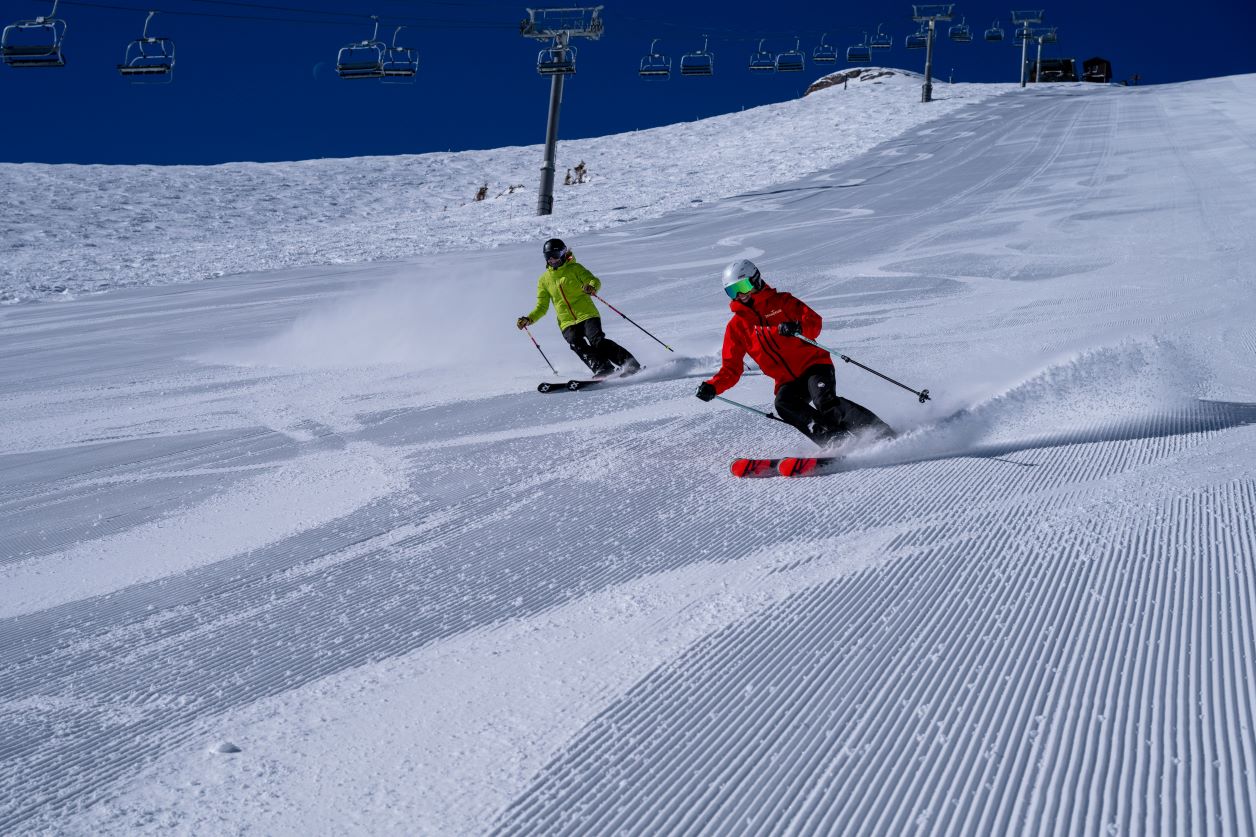
The objective was clear: move beyond simply helping new instructors remember information. Instead, Telluride aimed to significantly accelerate their development, pushing them past the "copy" stage towards the "choose" and "create" phases, enabling them to make sound, independent decisions even when lessons unfolded in unexpected ways. This ambitious goal immediately met with skepticism from the veteran new-hire training team, who were presented with a clinic description that abandoned the familiar linear method in favor of a profoundly different philosophy.
Theoretical Underpinnings: Experiential, Ecological, and Constraints-Based Learning
Telluride’s innovative training model draws heavily from contemporary pedagogical theories, moving away from purely behaviorist or cognitivist approaches. The new framework integrates principles from experiential learning, ecological dynamics, and constraints-based learning.
-
Experiential Learning: At its heart, experiential learning posits that individuals learn best by doing and reflecting on their experiences. This approach emphasizes hands-on activities, problem-solving, and real-world application, allowing learners to construct their own understanding rather than passively receiving it. For ski instructors, this means less time listening to lectures and more time actively teaching, experimenting, and receiving immediate, contextualized feedback.
-
Ecological Dynamics: This field of study, particularly relevant to motor skill acquisition, examines how organisms (in this case, people) interact with and move within their environment. It highlights the dynamic interplay between the individual, the task, and the environment. In snowsports, this translates to understanding how an instructor’s movements, perceptions, and decisions are constantly influenced by the snow conditions, terrain, student abilities, and group dynamics. Ecological dynamics encourages learning that is highly attuned to these ever-changing variables, fostering adaptability rather than rigid adherence to prescribed movements.
-
Constraints-Based Learning (Newell, 1986): Developed by Karl Newell, this theory suggests that motor skill development is not about mastering a single, ideal movement pattern, but rather about discovering functional movement solutions within the specific constraints of the task, the individual, and the environment. Instead of telling learners how to move, constraints-based learning involves manipulating these constraints (e.g., equipment, terrain, task rules) to guide the learner towards discovering more effective and efficient solutions themselves. For new ski instructors, this could involve setting up scenarios that naturally encourage certain teaching strategies or technical adjustments, allowing them to organically discover what works best in a given context, rather than being explicitly told.
These theories collectively emphasize the learner’s active role in the skill acquisition process. They propose that robust learning, particularly for complex, dynamic skills like teaching snowsports, occurs most effectively through active engagement, experimentation, and self-organization in response to environmental cues. By embracing these principles, Telluride aimed to create a learning environment where new instructors would not just imitate, but truly understand, adapt, and eventually innovate.
Implementation and Initial Reactions
The shift in training philosophy required a significant change in mindset, not just for the new hires but also for the seasoned training staff. The initial skepticism from the training team, accustomed to the familiar linear method, was a natural reaction to such a radical departure. It required a leap of faith and a deep dive into the pedagogical rationale behind the new approach.
Details of the specific exercises and structured experiential scenarios implemented in Telluride’s re-imagined training would likely reveal how these theories were put into practice. One could infer that instead of long lectures on "how to teach a wedge," new instructors might have been immediately tasked with teaching a peer or a simulated student in a controlled environment, then reflecting on their performance, receiving peer feedback, and experimenting with different approaches. Constraints might have been introduced – such as specific terrain, limited equipment, or challenging "student" behaviors – to encourage creative problem-solving and adaptive teaching.
The emphasis on "doing" from day one would have immediately immersed new hires in the practical realities of the job, fostering a sense of ownership over their learning. While challenging, this intensive, hands-on approach would likely lead to deeper engagement and more resilient skill development compared to passive information absorption.
Anticipated Outcomes and Broader Implications for the Industry
The Telluride Ski and Snowboard School’s venture into re-imagined new-hire training carries significant implications, both for the resort itself and for the broader snowsports instruction industry.
For Telluride:
- Accelerated Competence: The primary anticipated outcome is a cohort of new instructors who achieve a higher level of competence and adaptability much faster than through traditional methods. This means they would be better prepared to handle the diverse demands of the holiday season with greater confidence.
- Enhanced Instructor Confidence and Retention: By fostering a sense of agency and practical preparedness, the new approach could significantly boost instructor confidence, leading to greater job satisfaction and potentially lower turnover rates. Reduced turnover translates directly into cost savings for recruitment and training, and a more stable, experienced workforce.
- Improved Guest Experience: More confident, adaptive instructors are better equipped to deliver exceptional guest experiences, tailoring lessons to individual needs and managing unexpected situations seamlessly. This directly impacts guest satisfaction and resort reputation.
- Culture of Innovation: By embracing a novel training methodology, Telluride positions itself as an innovator in professional development, potentially attracting higher-caliber applicants and fostering a culture of continuous improvement within its ski school.
For the Snowsports Industry:
- A New Benchmark: If Telluride’s approach proves successful in accelerating instructor development and enhancing performance, it could establish a new benchmark for new-hire training across the industry. Other resorts, facing similar pressures, may look to adopt or adapt these experiential models.
- Evolution of Professional Standards: The success of such programs could influence industry-wide professional standards and certification processes, potentially shifting focus from purely technical proficiency to adaptive teaching skills and pedagogical innovation.
- Addressing Industry Challenges: With seasonal employment and instructor retention being persistent challenges, innovative training methods like Telluride’s offer a potential solution to creating a more robust, skilled, and satisfied workforce.
- Rethinking Pedagogy: The integration of ecological dynamics and constraints-based learning highlights a broader trend towards more scientifically informed pedagogical practices in sports coaching and instruction, moving beyond traditional "chalk and talk" methods.
Expert Perspectives and Future Outlook
The move by Telluride resonates with a growing recognition among educational specialists that active, problem-based learning yields more robust and transferable skills than passive, didactic instruction, especially in dynamic environments. Experts in adult learning and motor skill acquisition would likely commend Telluride for its willingness to challenge conventional wisdom and embrace methodologies that align with how humans truly learn and adapt.
The success of Telluride’s re-imagined training will likely be measured not only by immediate performance metrics but also by long-term indicators such as instructor retention, overall guest satisfaction scores, and the reputation of its ski school. As the snowsports industry continues to evolve, facing challenges from climate change to shifting demographics, the ability to rapidly develop highly competent, adaptable professionals will be a critical differentiator for resorts. Telluride’s initiative is not just about training instructors; it is about investing in the future of the mountain experience, fostering a generation of snowsports professionals who are not just skilled practitioners but creative, confident, and inspiring ambassadors of the slopes. The industry will undoubtedly be watching to see if this bold experiment indeed charts a new course for professional development in snowsports instruction.
