

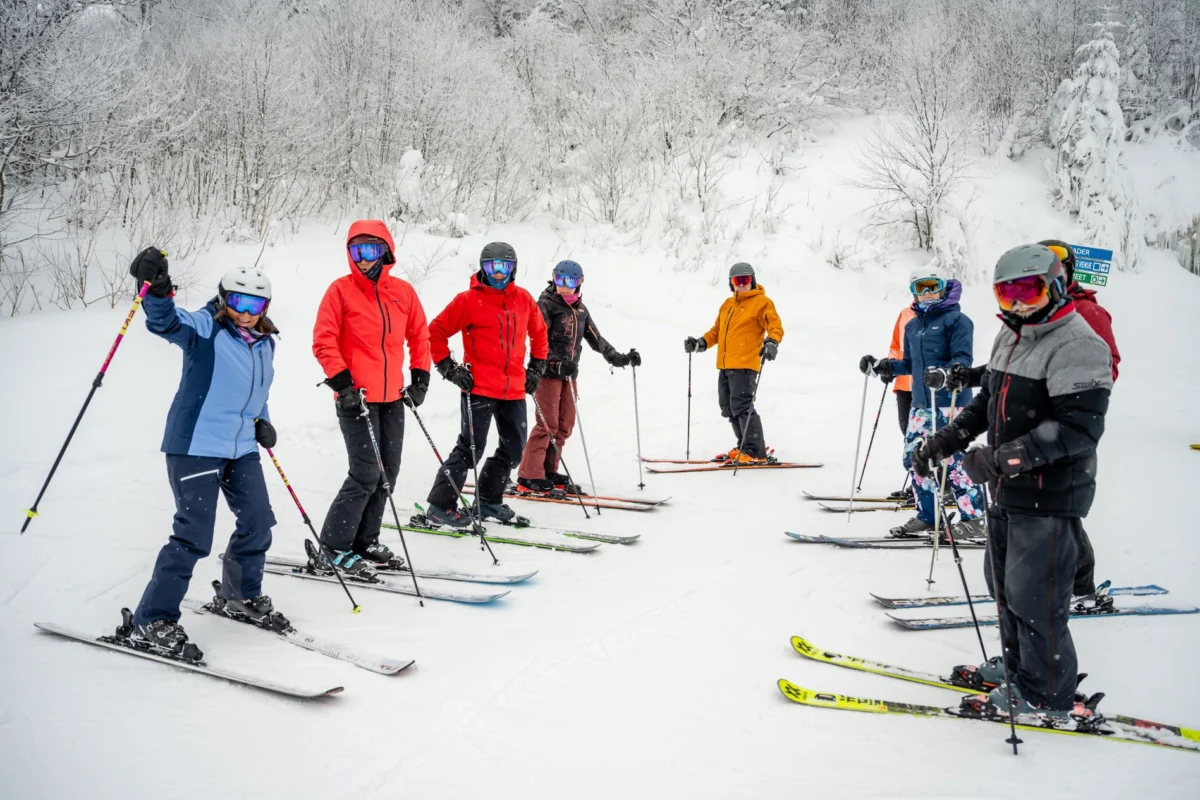
The Professional Ski Instructors of America and American Association of Snowboard Instructors (PSIA-AASI), the nation’s foremost professional organization for snowsports educators, has announced the launch of a groundbreaking national alignment of its education and credentialing pathways. This pivotal initiative, detailed in the Fall 2026 Issue of 32 Degrees, represents years of intensive collaboration and strategic development, promising unprecedented consistency, clarity, and credibility for its more than 33,000 members across the United States. The initial rollout focuses on Alpine and Snowboard disciplines, setting a new standard for professional development within the snowsports industry.
A Unified Vision for Snowsports Professionalism
For decades, PSIA-AASI has been the benchmark for snowsports instruction, fostering excellence through its robust certification programs and professional development opportunities. However, the organization’s unique structure, comprising eight largely autonomous regions alongside a national office and national board, historically presented challenges to achieving complete national consistency. While regional expertise has always been a significant strength, variations in educational resources, terminology, and assessment methodologies could lead to differing experiences for members depending on their geographic location. This new alignment project directly addresses these disparities, aiming to create a seamless and universally recognized framework for instructor development.
Dave Schuiling, PSIA-AASI Director of Education and Credentialing, underscored the profound significance of this milestone. "Consistency. Collaboration. Credibility. This season marks an important milestone for PSIA-AASI," Schuiling stated, emphasizing the core tenets driving the initiative. "We’ve been working on overall consistency, and this season the education and credentialing pathways are launching with a significantly greater level of national alignment." This move is not merely an update to certification processes but a holistic re-envisioning of the entire member learning journey, from foundational education to advanced professional development and credentialing.
The Genesis of a Strategic Imperative: Addressing Historical Challenges
The journey toward national alignment was born out of a strategic imperative to strengthen the value proposition of PSIA-AASI membership and its credentials. The organization recognized that a fragmented approach, however rich in regional diversity, could inadvertently create hurdles for instructors seeking to advance their careers or transfer their skills across different regions. Members often expressed a desire for greater clarity and predictability in their educational progression, and the industry, particularly resort ski and snowboard schools, sought a more uniform standard of instructor quality.
Initiated over half a decade ago, the project involved an exhaustive consultative process. This included numerous national summits, countless virtual meetings, and extensive feedback loops involving hundreds of volunteer task force members, regional education leaders, examiners, and national staff. The scope of the undertaking was immense, requiring the harmonization of diverse regional practices, curricula, and assessment tools, all while preserving the best elements of regional innovation. PSIA-AASI CEO Jeff Lifgren highlighted the collaborative spirit that fueled this endeavor during a recent "First Chair" episode, noting that the initiative required "an enormous amount of trust and collaboration across our eight regions and the national organization." This collective effort underscores a commitment to a shared future, transcending individual regional identities for the greater good of the profession.
Beyond Certification: A Holistic Learning Ecosystem
While enhanced consistency in the certification process is a critical component, the larger vision behind the alignment is to establish a truly connected education, professional development, and credentialing system. This integrated approach recognizes that professional growth is an ongoing journey, not a singular event. Members will now benefit from nationally aligned education and resources, facilitating skill development through structured professional development, and enabling them to demonstrate their expertise through a more consistent credentialing process.
This interconnected system aims to:
- Provide a Clearer Pathway: Members will experience a more intuitive and predictable progression through their learning journey, from entry-level instructor to advanced educator.
- Elevate Professional Standards: By standardizing educational outcomes and assessment criteria, the initiative ensures a consistently high level of professionalism across all regions.
- Enhance Credibility: A unified national standard strengthens the reputation and value of PSIA-AASI credentials, both within the snowsports industry and in the broader professional landscape.
- Facilitate Mobility: Instructors can more easily transfer their skills and credentials between regions, supporting career growth and addressing staffing needs at resorts nationwide.
The emphasis is on fostering a comprehensive learning environment where education, practical application, and formal recognition are seamlessly integrated. This represents a significant evolution from a system where these components might have operated more independently at the regional level.
Phased Implementation: A Strategic Rollout
The current season marks the official launch of the nationally aligned pathways for Alpine and Snowboard disciplines. This initial phase is the culmination of years of development, pilot programs, and meticulous refinement. Following closely behind, PSIA-AASI plans to extend this alignment to other crucial disciplines, including Telemark, Cross Country, Children’s Specialist, Freestyle Specialist, and Adaptive. This phased approach allows the organization to learn from the initial rollout, gather feedback, and ensure the successful integration of subsequent disciplines, guaranteeing a robust and well-supported transition for all members.
Members will increasingly encounter a suite of nationally aligned resources designed to provide a common language and set of expectations across the country. While the original article did not list specific resources, a comprehensive alignment strategy would typically include:
- Core Curriculum Guides: Standardized outlines of essential knowledge and skills for each discipline and certification level.
- Instructor Manuals and Handbooks: Uniform instructional content, methodologies, and technical guidance.
- Online Learning Modules and Digital Resources: Accessible, consistent educational materials for self-study and blended learning.
- Standardized Assessment Criteria and Rubrics: Clear, objective benchmarks for evaluating performance during certification events.
- Common Terminology Glossaries: Ensuring a shared understanding of technical and pedagogical language.
- Performance Guides and Video Libraries: Visual and descriptive aids for understanding desired skill execution.
- Training Support Materials: Resources for regional education teams to deliver consistent training experiences.
These resources collectively aim to ensure that an instructor in the Rocky Mountains shares a fundamental understanding of learning outcomes and expectations with a colleague in the Eastern or Western regions. This common ground is crucial for fostering professional dialogue, facilitating collaboration, and ultimately, elevating the collective expertise of the entire PSIA-AASI community.
The Transformative Power of Assessment Forms 2.0: Data-Driven Education
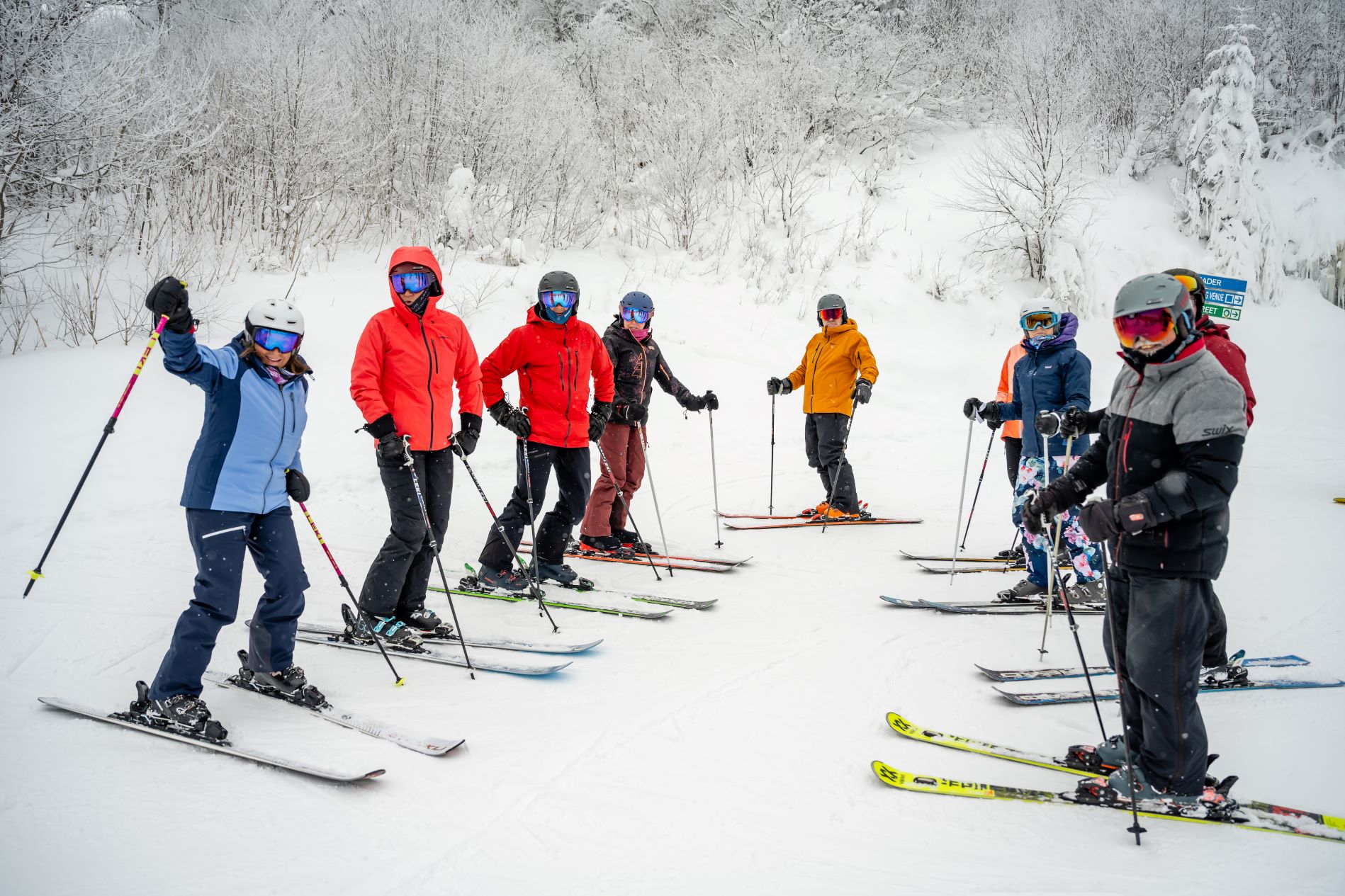
One of the most innovative and impactful developments within this alignment initiative is the rollout of Assessment Forms 2.0. Historically, assessment data primarily served a binary function: whether a candidate passed or did not pass a module. The new system, however, fundamentally transforms this paradigm. Assessment Forms 2.0 is designed to capture granular data at the individual assessment-criterion level, providing unprecedented insights into member progression.
This detailed data collection will allow PSIA-AASI to analyze:
- Strengths and Weaknesses: Identifying specific areas where candidates consistently excel or struggle across disciplines and regions.
- Curriculum Effectiveness: Evaluating which educational components are most effective and where adjustments might be needed.
- Professional Development Needs: Pinpointing common skill gaps that could be addressed through targeted training programs.
- Regional Trends: Understanding variations in learning outcomes or instructional approaches between different regions.
- Predictive Analytics: Over time, this data could help anticipate areas where members might need additional support before they even encounter an assessment.
As Dave Schuiling explained, this represents a significant shift from "simply assessing learning to understanding learning." By leveraging this rich dataset, PSIA-AASI can transform assessment into a powerful feedback loop for the entire education system. The iterative process of "Learn. Practice. Assess. Analyze. Improve." becomes a tangible reality, enabling the organization to continuously refine its educational offerings and better support its members’ professional growth. This data-driven approach positions PSIA-AASI at the forefront of professional development organizations, demonstrating a commitment to continuous improvement and evidence-based decision-making.
Building Skills Beyond the Slopes: The Learning Connection Framework
The value of PSIA-AASI education extends far beyond technical proficiency in skiing or snowboarding. The organization’s acclaimed Learning ConnectionSM framework has long emphasized the interconnected importance of People Skills, Teaching Skills, and Technical Skills. The national alignment initiative reinforces and amplifies this holistic approach, ensuring that members are not only mastering the mechanics of snowsports but also developing a robust set of transferable professional competencies.
As instructors progress through their professional development, they are intentionally cultivating skills such as:
- Communication: Clearly conveying complex ideas to diverse learners.
- Observation and Analysis: Accurately assessing student performance and needs.
- Feedback Delivery: Providing constructive and actionable guidance.
- Problem-Solving: Adapting instruction to various learning styles and challenges.
- Collaboration: Working effectively with fellow instructors, supervisors, and resort staff.
- Adaptability: Adjusting to changing conditions, student dynamics, and instructional demands.
- Leadership: Guiding and inspiring individuals and groups.
- Decision-Making: Making informed choices under pressure.
These "soft skills" are not confined to the snowsports industry. They are highly valued in virtually any professional pathway, enabling instructors to transition into roles such as trainers, supervisors, managers, education leaders, or even successful entrepreneurs outside of snowsports. The aligned system will make this connection more explicit, helping members recognize and articulate how their PSIA-AASI journey equips them with a versatile skill set that enhances their overall career trajectory. A PSIA-AASI credential, therefore, becomes not just a mark of technical expertise, but a testament to a well-rounded professional capable of excelling in various challenging environments.
The Triumph of Collaboration: Overcoming Organizational Complexity
The successful launch of this national alignment is a testament to extraordinary collaboration within a complex organizational structure. Coordinating eight distinct regions, each with its own board, leadership teams, and long-standing traditions, alongside national staff and a national board, presented a formidable challenge. The journey involved navigating diverse perspectives, reconciling differing priorities, and engaging in "difficult conversations" where compromise was essential.
There were undoubtedly moments when achieving meaningful national alignment seemed an "unachievable" aspiration, given the sheer scale and inherent complexities. However, the unwavering commitment of countless individuals proved pivotal. Volunteer task force members dedicated thousands of hours of their time, expertise, and energy. Regional education leaders from across the country contributed innovative ideas and critically challenged assumptions, fostering robust debate. Regional and national staff meticulously worked through countless logistical and pedagogical details. Most importantly, leaders across the organization demonstrated an exceptional capacity for listening, adapting, and finding common ground.
This process exemplifies true collaboration: it is not the absence of differences, but rather the collective willingness to work through those differences toward a shared vision that transcends any single region or individual. The achievement deserves profound celebration as it reflects a mature, unified organization dedicated to its mission and its members.
A Milestone and a Beginning: Charting the Future of Snowsports Education
The national alignment initiative represents a significant milestone, but it is also a powerful beginning. As PSIA-AASI’s education, professional development, and credentialing systems become more interconnected and data-driven, the opportunities for continuous improvement are boundless. This enhanced consistency and collaboration will allow the association to:
- Refine the Member Experience: Continuously optimize learning pathways based on feedback and performance data.
- Strengthen Credentials: Ensure that PSIA-AASI certifications remain the gold standard for professionalism and expertise.
- Innovate Education: Develop cutting-edge educational resources informed by real-world data and best practices.
- Advocate for the Profession: Leverage a unified voice and stronger credentials to champion the value and credibility of professional snowsports education to resorts, the public, and governing bodies.
The ability to speak with one voice, supported by consistent standards and robust data, gives PSIA-AASI a stronger platform from which to advocate for the value and credibility of professional snowsports education. This is what makes this moment transcend a mere certification update; it signifies the construction of a more resilient, responsive, and forward-thinking professional education system for its entire 33,000+ member community across the country.
Gratitude for a Collective Achievement
PSIA-AASI extends immense gratitude to the multitude of individuals who contributed to this monumental undertaking. A "massive shout-out" goes to the volunteer task force members, regional education leaders, examiners, educators, staff, and organizational leaders. Their collective time, expertise, patience, and unwavering willingness to collaborate have transformed what many once deemed too difficult into a resounding success. This work, truly belonging to all who contributed, ultimately serves the members. Every resource aligned, every assessment improved, every learning opportunity created, and every conversation about professional development is fundamentally aimed at empowering members to become better instructors, educators, and leaders. It is about strengthening the association and advancing the noble profession of teaching on snow, a passion proudly shared by all involved. The future of snowsports education is brighter and more unified than ever before, thanks to this collective vision and tireless effort.
