

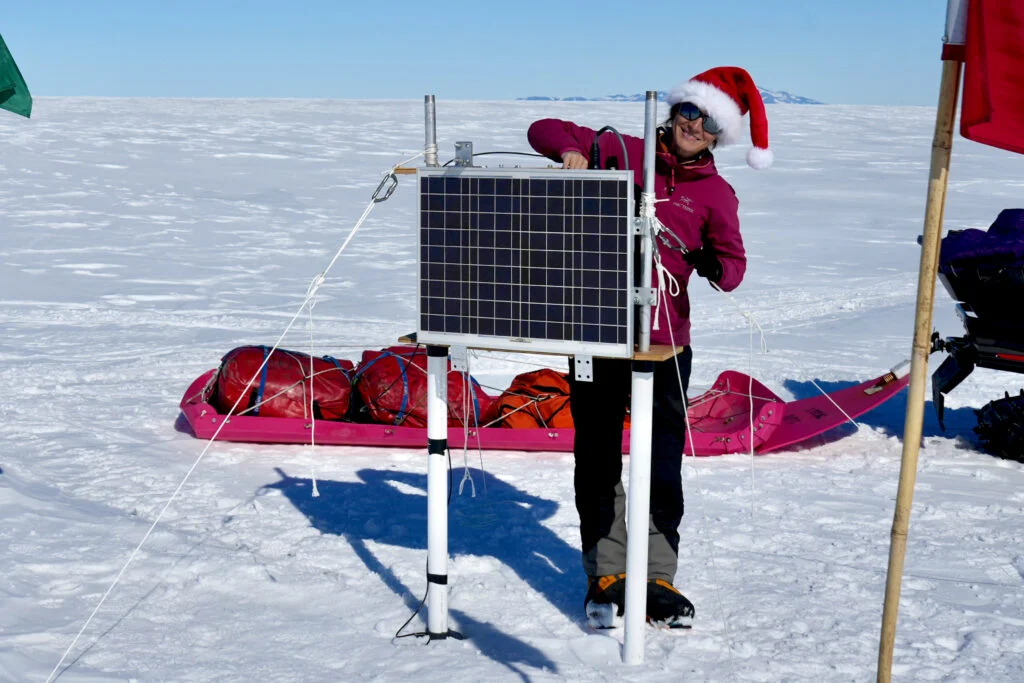
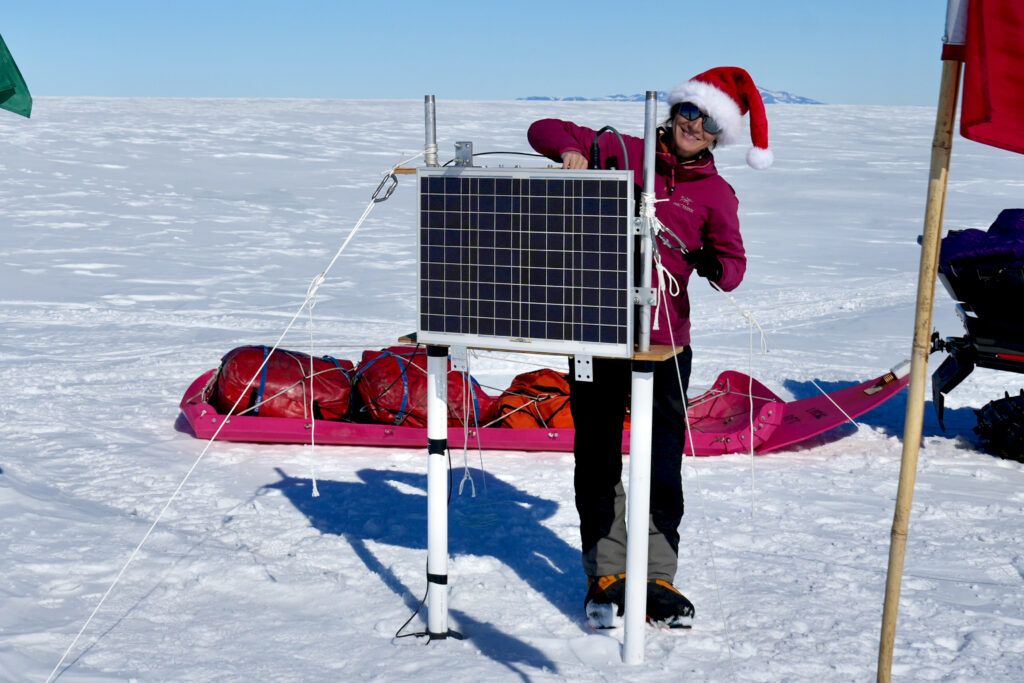
At the southern reaches of the planet, where the environment is defined by its hostility and its isolation, a scientific team led by Dr. Ali Banwell is grappling with a question that could redefine the geography of the 21st century: How long can the Antarctic ice shelves withstand the pressures of a warming climate? Dr. Banwell, a Research Scientist at the University of Colorado Boulder and a Professor of Glaciology at Northumbria University, recently concluded an intensive field season on the McMurdo Ice Shelf. As a member of the Protect Our Winters (POW) Science Alliance, her work represents a critical intersection of high-level academic research and urgent environmental advocacy. The data being gathered on the ice shelf today is intended to provide a clearer forecast for the hundreds of millions of people living in coastal regions who are vulnerable to rising sea levels.
The urgency of this research is grounded in a singular, staggering statistic: the total melting of the Antarctic Ice Sheet would result in a global sea-level rise of approximately 190 feet. While scientists do not expect such a total collapse in the immediate future, the mechanisms that facilitate the disintegration of the ice sheet are already in motion. The Antarctic Ice Sheet is not a static block; it is a dynamic system of flowing glaciers. The primary defense against the rapid acceleration of these glaciers into the Southern Ocean is the network of ice shelves—floating extensions of the land-based ice that ring approximately 75% of the continent’s coastline. These shelves act as a "buttress," providing a physical counter-pressure that slows the flow of ice from the interior toward the sea. If these shelves collapse, the glaciers they hold back will surge into the ocean, dramatically accelerating the rate of global sea-level rise.
The Mechanics of the McMurdo Ice Shelf Rumples
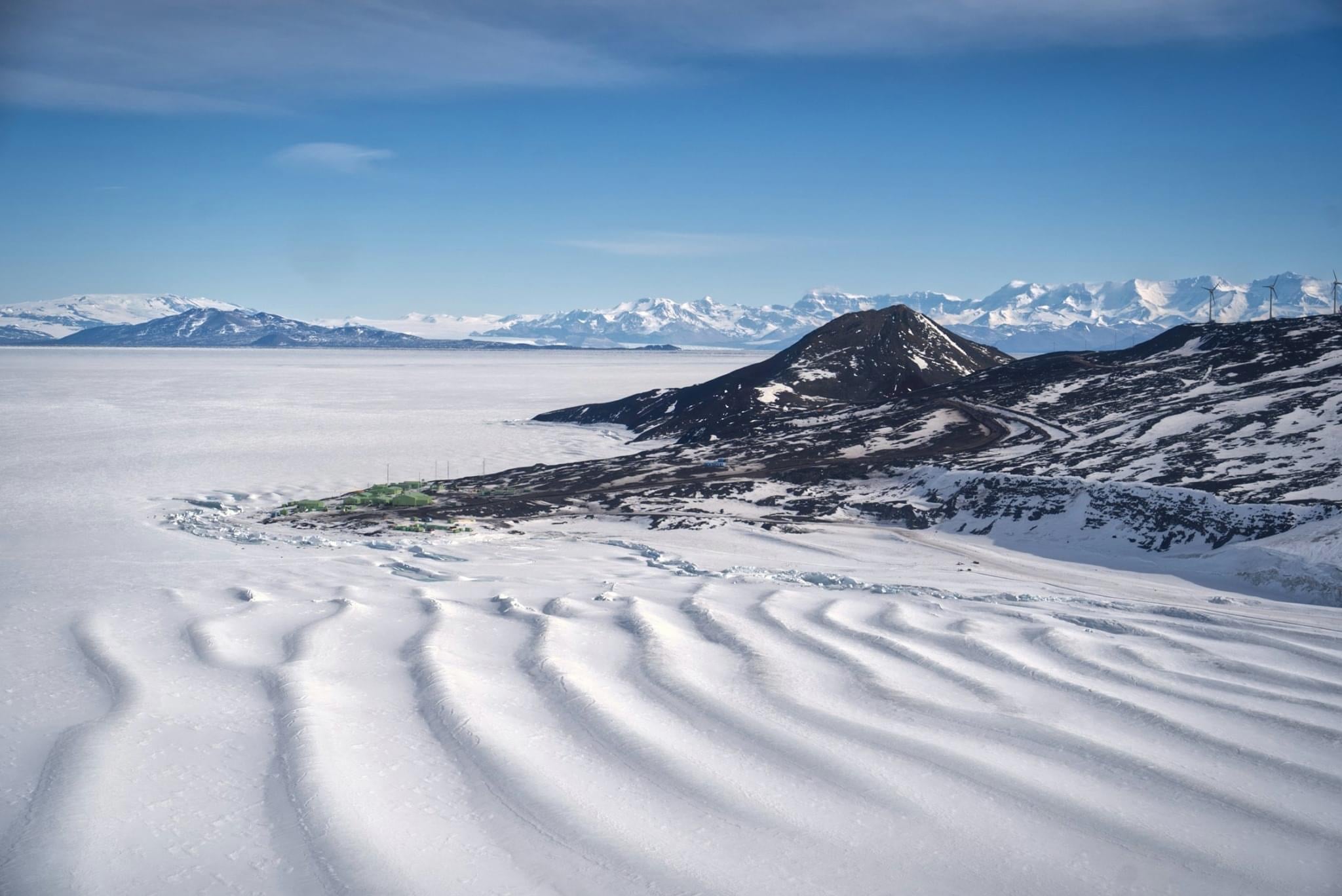
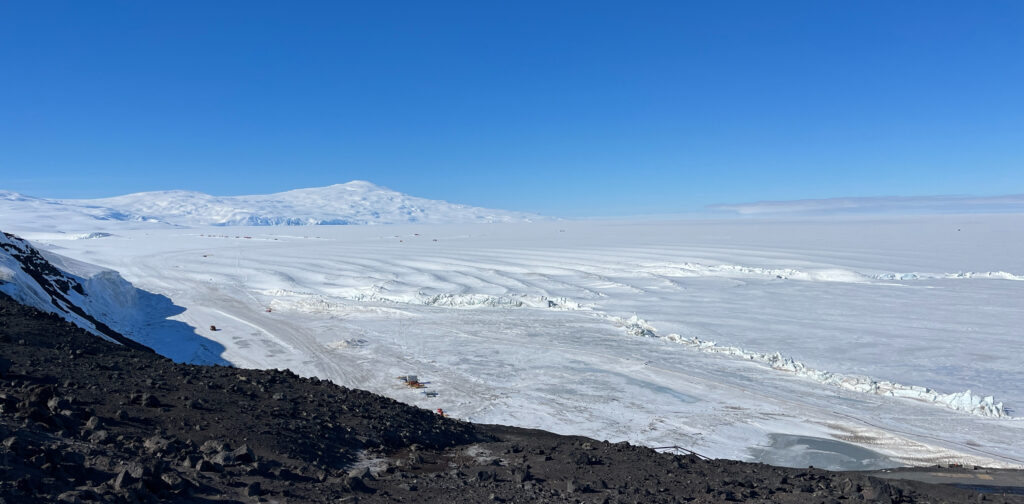
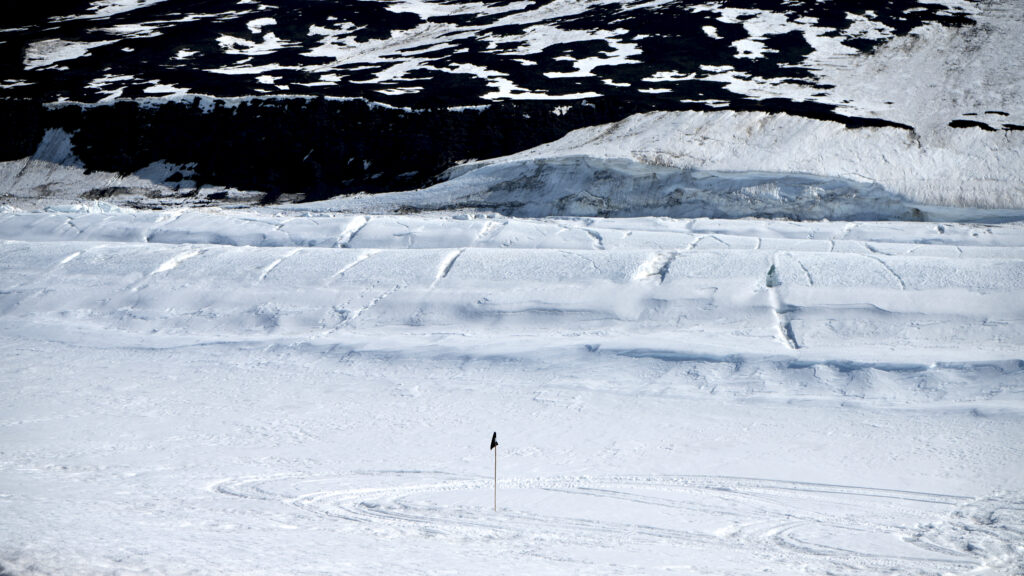
The focus of Dr. Banwell’s National Science Foundation (NSF)-funded research is a specific and puzzling feature of the McMurdo Ice Shelf known as "ice shelf rumples." In typical glaciological models, ice shelves are expected to flow outward toward the open sea. However, on the McMurdo Ice Shelf, located near the United States’ McMurdo Station on Ross Island, the ice is being pushed into landmasses or grounded features. This compression causes the ice to buckle and crumple, creating wave-like ridges—the rumples—that can stretch for miles across the surface.
The scientific community is currently divided on the role these rumples play in the overall stability of the ice shelf. One hypothesis suggests that the rumples provide additional friction and resistance, further slowing the flow of ice and strengthening the shelf. An alternative, more concerning hypothesis is that the stress of crumpling causes the ice to fracture and thin, making it more susceptible to sudden collapse. Determining which of these scenarios is accurate is the primary goal of the current mission. As Dr. Banwell notes, understanding the structural integrity of these features is essential for refining the computer models that predict how much the ocean will rise over the next century.
A Six-Week Chronology of Fieldwork in an Extreme Environment
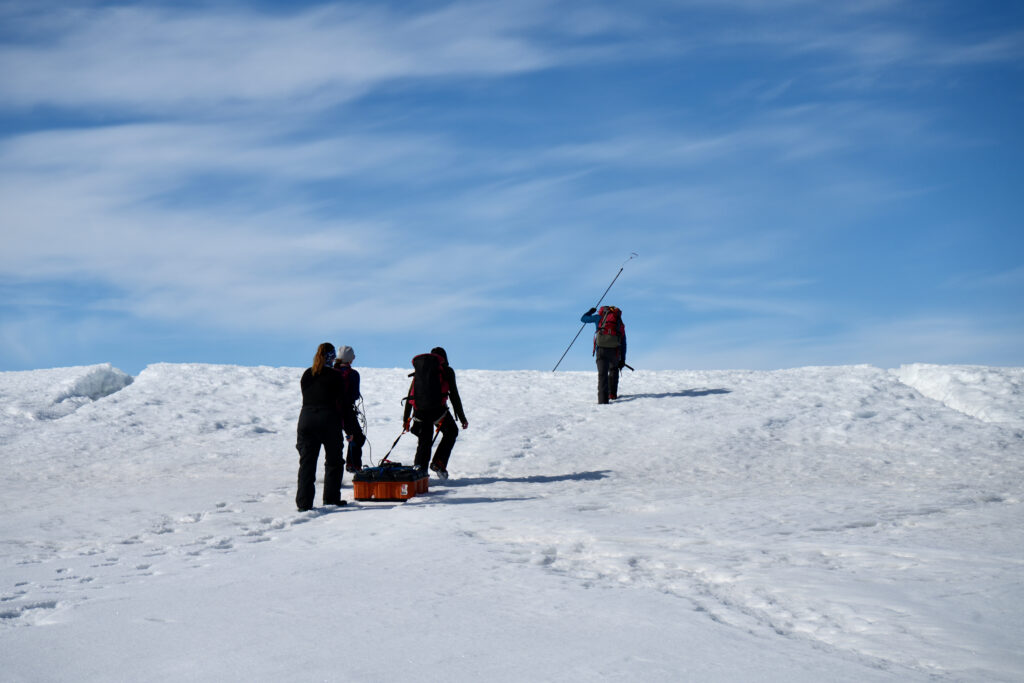
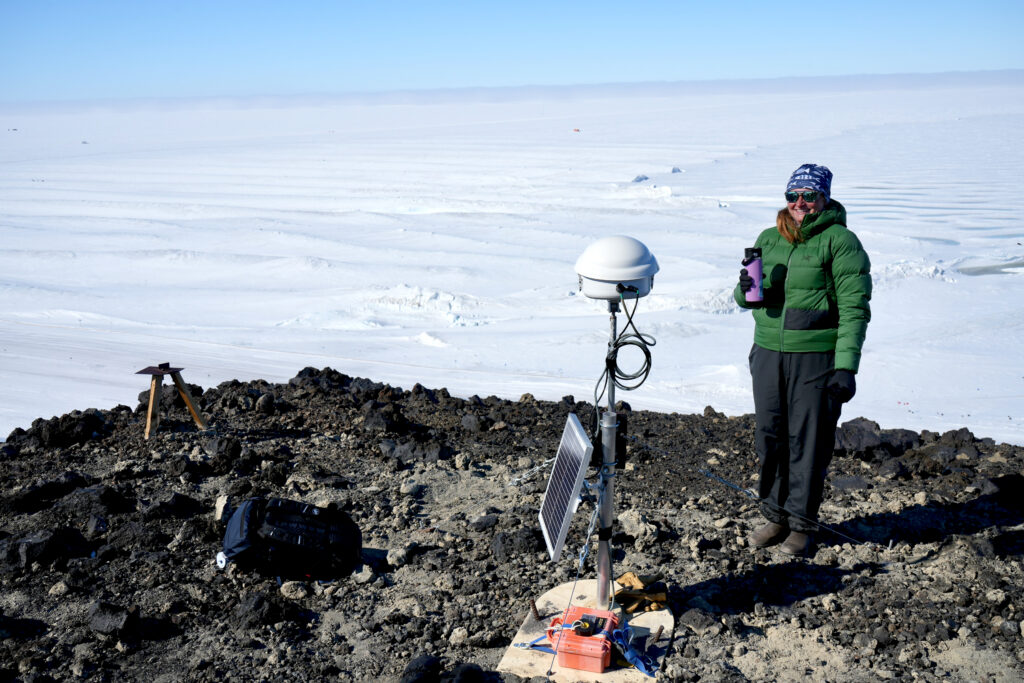
The expedition, consisting of a four-person team, spent six weeks on the ice shelf during the Antarctic summer. The team included Dr. Banwell, Dr. Ryan Cassotto of the University of Colorado Boulder and the University of Maine, and PhD students Allie Berry and Michela Savignano. Their daily routine involved traveling by snowmobile across a landscape characterized by its "otherworldly" vastness, navigating a maze of hidden crevasses and treacherous terrain to maintain a network of sophisticated monitoring equipment.
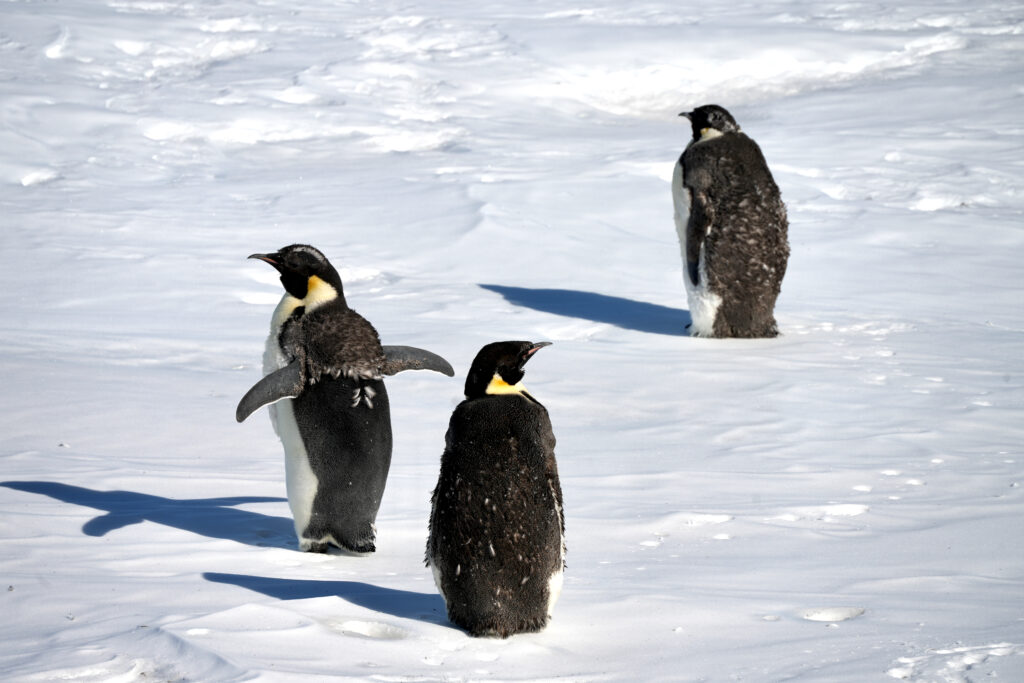
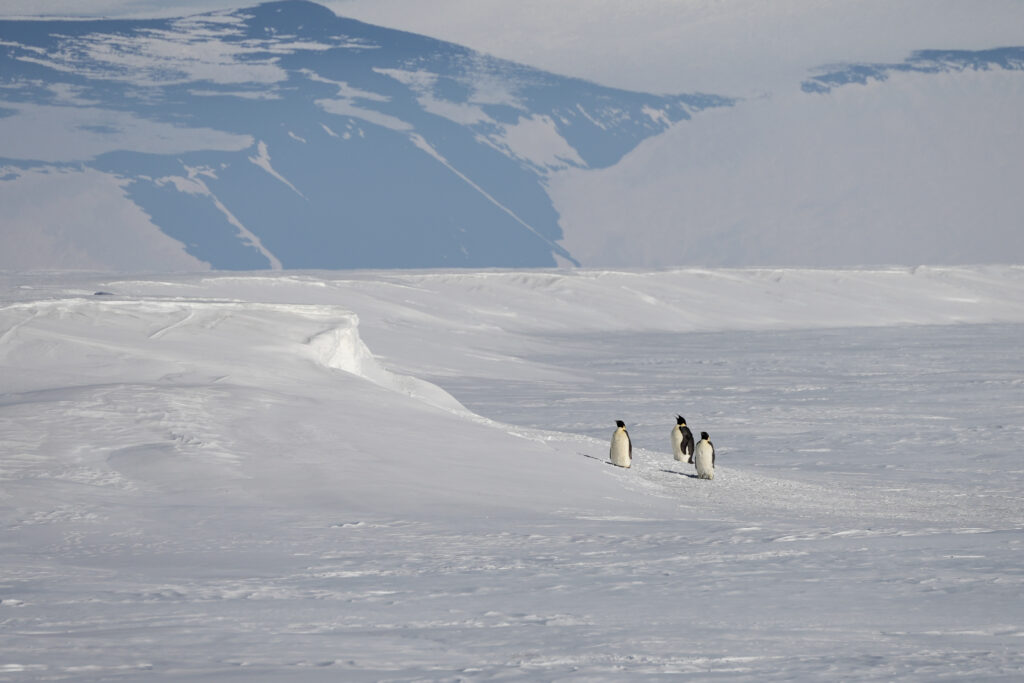
The chronology of the field season was marked by both rigorous scientific labor and unique biological encounters. For much of the mission, the team worked in the presence of three emperor penguins. These animals, in the midst of their annual molt, remained near the field site for weeks, providing a rare opportunity for the researchers to observe the continent’s most iconic species in their natural habitat. However, the primary focus remained on the instrumentation. The team deployed:
- Seismometers: These devices were used to detect "icequakes"—the tiny, often sub-audible vibrations caused by the ice cracking and shifting deep within the shelf.
- High-Precision GPS Units: Capable of measuring movement to the centimeter, these units tracked the horizontal and vertical displacement of the ice in real-time.
- Radar Systems: Ground-penetrating radar allowed the team to see through the surface to measure the thickness of the ice and identify internal deformation patterns.
- Weather Stations and Time-Lapse Cameras: These provided a continuous record of atmospheric conditions and visual changes on the surface, with cameras programmed to take photos every 30 minutes.
While the team has since departed, these instruments remain on the ice, powered by batteries designed to survive the brutal Antarctic winter. The researchers plan to return in the 2024-2025 field season to retrieve the stored data, which will offer a rare look at how the ice behaves during the months of total darkness and extreme cold.
Preliminary Observations: Speed and Unexpected Warmth
Even before the full dataset is analyzed, the preliminary observations from the field season have raised concerns. Dr. Banwell reported that the ice was moving faster than initial models had predicted, with a flow rate of approximately one to two feet per day. While this may seem slow by human standards, in the context of glaciology, it represents a highly dynamic and rapidly changing system.
Furthermore, the team experienced the warmest summer in Dr. Banwell’s seven seasons of working in Antarctica. This spike in temperature led to an earlier-than-usual snowmelt, which stripped away the protective white layer and exposed a heavily fractured ice surface beneath. The discovery of more crevasses than anticipated served as a sobering reminder of the shelf’s fragility. The increased fracturing is a direct consequence of surface melting, a process known as "hydrofracturing," where meltwater fills cracks and forces them open under the weight of the liquid, potentially leading to the rapid disintegration of the shelf.
Historical Context and the Global Comparison
To understand the potential fate of the McMurdo Ice Shelf, scientists look to the historical precedents of the Antarctic Peninsula. The collapse of the Larsen A Ice Shelf in 1995 and the spectacular disintegration of the Larsen B Ice Shelf in 2002—where 1,250 square miles of ice vanished in just over a month—demonstrated how quickly these structures can fail once they reach a tipping point. More recently, the Larsen C Ice Shelf made headlines when a massive iceberg, A-68, broke away in 2017.
The McMurdo Ice Shelf is part of the larger Ross Ice Shelf, the world’s largest floating body of ice. While the Ross Ice Shelf has historically been considered more stable than those on the Antarctic Peninsula, the anomalies observed by Dr. Banwell’s team suggest that even the most massive ice structures are beginning to feel the effects of global atmospheric and oceanic warming.
Broader Implications: The Human and Economic Cost
The implications of Dr. Banwell’s research extend far beyond the borders of Antarctica. Current international climate projections, including those from the Intergovernmental Panel on Climate Change (IPCC), estimate a sea-level rise of one to three feet by the year 2100. However, these estimates are highly dependent on the stability of Antarctic ice shelves. If the buttressing effect is lost, those projections could be significantly underestimated.
A rise of just three feet would be catastrophic for global civilization. It would displace tens of millions of people in low-lying nations such as Bangladesh and the Maldives, and threaten major metropolitan centers including New York, Miami, Shanghai, and Ho Chi Minh City. The economic cost of such a rise—factoring in the loss of real estate, the destruction of infrastructure, and the necessity of massive sea-wall construction—is estimated in the trillions of dollars.
The work of Dr. Banwell and her colleagues provides the empirical foundation necessary for global policymakers to understand the stakes of climate mitigation. By "listening" to the ice through seismometers and tracking its every move via satellite and GPS, these scientists are providing an early warning system for a planet in flux.
Conclusion and Future Research
As the scientific team prepares for their return to the McMurdo Ice Shelf next season, the global community remains in a period of anxious observation. The data currently being recorded in the Antarctic winter will eventually be cross-referenced with satellite imagery to create the most detailed map to date of ice shelf stress and strain.
The research conducted by Dr. Banwell, Dr. Cassotto, Allie Berry, and Michela Savignano underscores a fundamental truth of modern climate science: the most remote parts of our planet are intimately connected to our most populous cities. The "rumples" of a distant ice shelf in Antarctica may seem inconsequential, but they are, in fact, the structural joints of a global system. If they fail, the repercussions will be felt on every coastline on Earth. The scientists willing to endure the cold, the wind, and the isolation of the Antarctic summer are not just studying ice; they are documenting the future of our habitable world.
