

Updated April 6, 2026 12:05PM
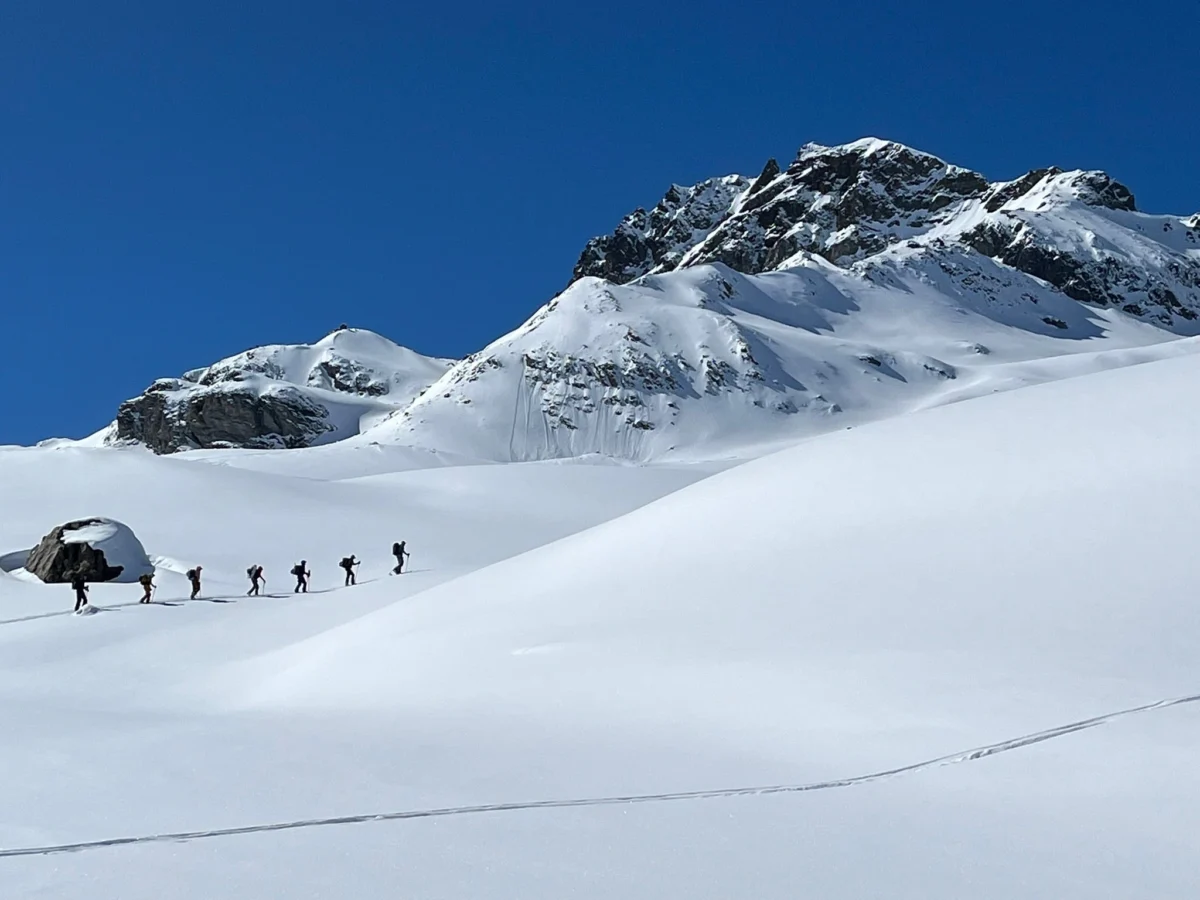
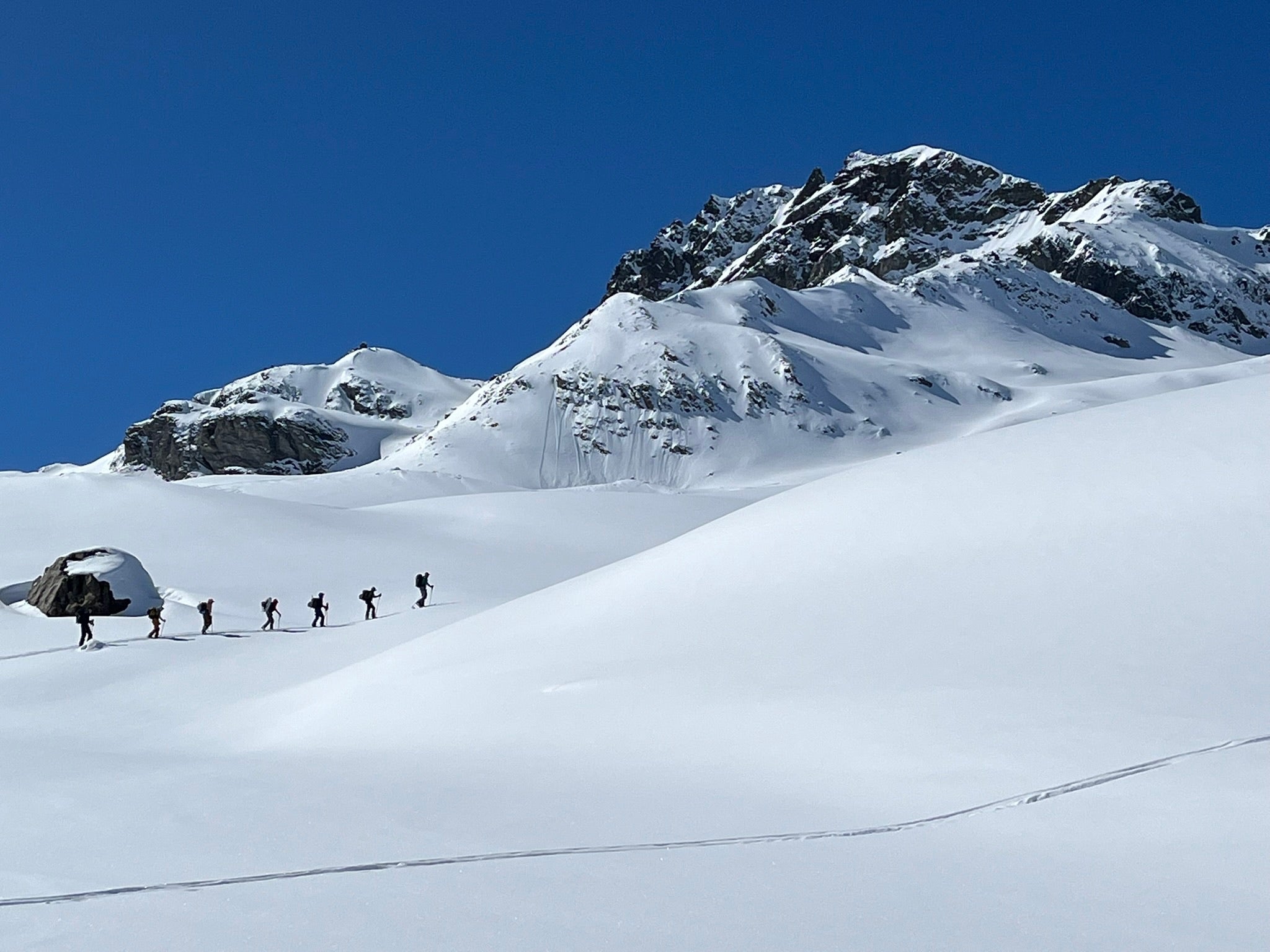
On the final day of a demanding week-long hut trip traversing the iconic Berner Oberland route in the Swiss Alps, John Race, co-owner of Northwest Mountain School, recognized a critical divergence between forecast and reality. The day’s avalanche hazard assessment was pegged at "considerable" (Level 3), a rating that typically signifies moderate risk. However, Race’s meticulous morning observations, a practice honed over decades of guiding in some of the world’s most formidable mountain ranges, pointed towards a significantly graver situation. His assessment indicated conditions consistent with a "high" hazard rating (Level 4), a stark warning that demanded immediate reevaluation of their planned descent.
Faced with the potential for life-threatening avalanche activity, Race, a certified International Federation of Mountain Guides Associations (IFMGA) guide, made a swift and decisive call. Prioritizing the safety of his clients, many of whom had flights home booked, he directed the group to abandon their intended route. Instead, they would undertake a longer, albeit significantly safer, circuit to exit the mountains. From a seasoned risk management perspective, the decision was unequivocally clear.
Later, Race’s wife and business partner, fellow IFMGA guide Olivia Cussen Race, recounted the tragic aftermath. A group following behind Race’s party, having apparently continued on their original, more direct route, triggered a devastating avalanche. Tragically, this incident resulted in multiple fatalities among the skiers caught in the slide. This stark contrast between the two groups’ outcomes underscores the profound impact of individual decisions, especially in inherently dangerous backcountry environments.
Each excursion into the backcountry, whether for seasoned athletes or guided groups, is a complex tapestry woven from dozens of seemingly small choices. These decisions commence from the initial contemplation of a ski trip and extend far beyond the moment the skis are unstrapped. It is often the cumulative effect of these micro-decisions that determines whether skiers return home safely or become statistics in the grim tally of avalanche tragedies.
The National Avalanche Center estimates that between 25 and 30 individuals perish in avalanches in the United States each winter. This year alone, a single catastrophic incident in California’s Castle Peak backcountry, near Lake Tahoe, claimed the lives of nine skiers. While even the most experienced and well-trained individuals can err, and the backcountry inherently offers no absolute guarantees, professional guides dedicate years to accumulating the knowledge and refining the decision-making processes that ensure their continued survival and that of their clients.
To understand how these experts navigate such perilous terrain, conversations with seasoned guides reveal that the answer is far from simplistic. There is no single, universally applicable rule of thumb or a definitive "red flag" sign that can always be relied upon. A multitude of variables interact to influence the outcome of any given ski trip. Guides invest years in acquiring the requisite experience and formal education to meticulously plan and execute safe expeditions. Crucially, they also employ structured decision-making systems that can simplify complex choices and foster a commitment to continuous learning and adaptation.
Building a Foundation of Knowledge
The fundamental prerequisite for avoiding avalanche entrapment is a thorough understanding of the conditions that precipitate these dangerous snow slides. To effectively select lower-risk routes, skiers must possess an intimate knowledge of the terrain they intend to explore and how various environmental factors can dynamically impact it.
Marc Ripperger, an IFMGA guide and co-owner of Cirque Guides in Colorado, describes his decision-making process as drawing upon a vast "Rolodex of experience." This internalized library of knowledge, accumulated over countless hours in the mountains, serves as his primary reference.
For aspiring backcountry skiers, formal avalanche education provides the essential starting point for building such a critical "Rolodex." Avalanche 1 courses, typically spanning three days, offer foundational knowledge on avalanche formation, identification of avalanche-prone terrain, and the effective utilization of resources like daily forecasts to make informed route choices. The subsequent Avalanche Rescue course, a one-day intensive, focuses on critical rescue techniques should an avalanche occur. However, as Ripperger emphasizes, the ultimate goal remains prevention – to avoid being caught in a slide altogether.
Upon embarking on his own backcountry journey, Ripperger employed tools such as the five-point Avalanche Terrain Exposure Scale (ATES). This systematic approach allowed him to initially identify and navigate relatively simpler terrain, gradually progressing to more complex routes as his confidence and expertise grew. Furthermore, he actively sought out and explored varied terrain beyond his home base in the San Juan Mountains, deliberately developing a nuanced understanding of how snowpack characteristics can differ significantly from one region to another. He views this progressive accumulation of knowledge and skills as akin to "putting all these different kinds of tools in my toolbox."
Developing a Robust Decision-Making Process
Olivia Cussen Race has meticulously honed her skills and instincts through a multifaceted approach encompassing formal education, extensive backcountry touring experience, on-the-job training, and invaluable mentorship from other highly respected professionals. While a multitude of choices present themselves during any backcountry trip, she relies heavily on pre-established planning techniques and clearly defined "guardrails" to maintain her focus and ensure safety.
"The main thing we try to convey to people is that they need to have a process," Cussen Race stated. This critical process begins long before skiers even set foot in the backcountry. Comprehensive safety checklists, a cornerstone of avalanche education, equip individuals with the means to gather vital information and formulate a detailed plan for the day’s outing.

A significant portion of the necessary information can be obtained through readily available resources such as daily avalanche forecasts. Cussen Race pointed out that a substantial majority of avalanche incidents occur on slopes that are explicitly identified as high-risk in these forecasts. She referenced a comprehensive 2024 study that analyzed avalanche incidents dating back to the 1970s. The research revealed that approximately 90 percent of "risk managing parties"—those who had actively taken steps to mitigate their exposure—were nevertheless caught on slopes exhibiting the very characteristics (such as elevation, aspect, and direction) highlighted in the forecast.
The study, authored by Ian McCammon and Kelly McNeil, concluded, "This evidence suggests that knowledgeable accident parties used their avalanche skills to access avalanche-prone slopes during periods of instability." This finding serves as a potent reminder that even extensive experience can paradoxically become a source of danger, underscoring the absolute necessity for experts to adhere to decision-making processes that cultivate and maintain a vigilant and cautious approach.
Cussen Race subscribes to InfoEx, a Canadian platform that facilitates the sharing and review of real-time observations with a global network of colleagues. This collaborative approach proves invaluable both during the planning stages of a trip and in the post-trip debriefing process. A key strategy she employs is to establish clear boundaries and limitations in advance of any outing, thereby removing potential temptations when faced with challenging conditions in the field. One effective method she utilizes is mentally "closing off" certain runs or slopes based on the prevailing conditions before even departing. Alternatively, depending on the identified risk factors, she might pre-emptively decide to avoid skiing anything steeper than 30 degrees.
"If you’re standing at the top of the slope and it looks really good, it’s really hard to not ski that," she admitted. By pre-determining the rules of engagement, the act of walking away from a tempting but potentially hazardous situation becomes significantly more straightforward.
Continuous Observation: A Dynamic Process
Once the parameters have been established and skis are on the snow, every moment presents a fresh opportunity to gather critical information. Neglecting these observations, or worse, forgoing the chance to make them altogether, can be a direct pathway to disaster.
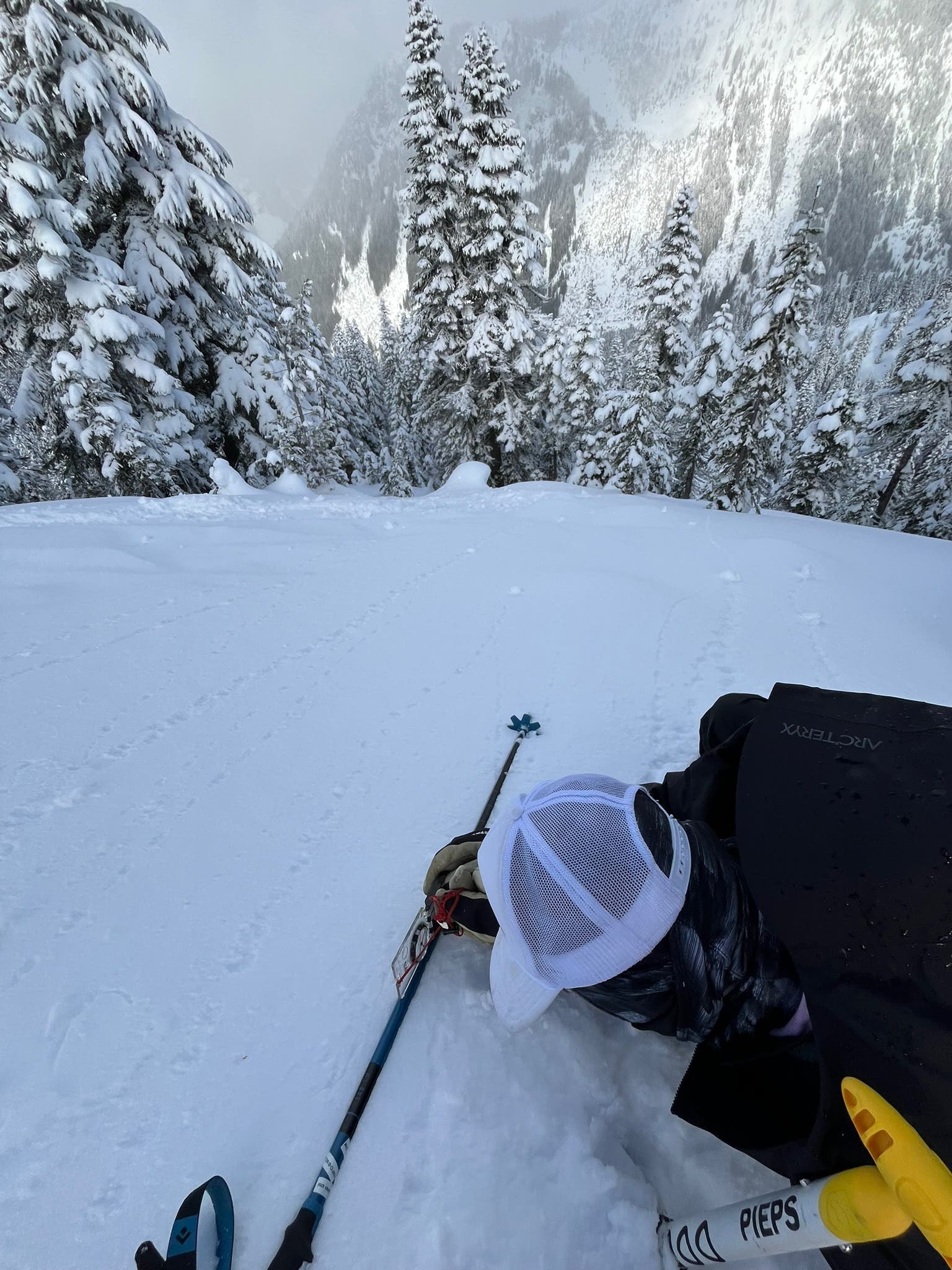
"It’s a series of bad decisions that leads many times to the fatal decision," Ripperger observed. He elaborated with an example: "For example, somebody might be out touring. They’re getting a bunch of collapsing of the snowpack, they’re getting shooting cracks, the weather might be changing rapidly." While this list is not exhaustive, Ripperger identified these as significant red flags. The decision to disregard each of these warning signs, individually or in combination, could ultimately lead to the fatal decision to enter a slope that is prone to sliding.
Cussen Race also highlighted the heightened risks associated with "sidecountry" terrain, the backcountry areas adjacent to ski resorts that are typically lift-served but not actively managed for avalanche control. The ease of access to these areas can inadvertently lure inexperienced backcountry skiers, who may bypass the crucial uphill travel process that allows for essential information gathering and assessment. "When you’re accessing it from the edges of a ski area, it speeds everything up, and it makes it harder to collect good information," she explained.
Group Dynamics and the Importance of Guided Tours
Whether embarking on a guided tour for the first time or navigating familiar trails with experienced companions, fostering open communication and ensuring every member has a voice within the group is paramount. Ripperger advocates for groups to openly discuss their individual risk tolerances before a trip commences, while also maintaining a readiness to abandon plans if any individual experiences a feeling of unease or discomfort in the moment. "If somebody in the group doesn’t feel good about skiing a certain slope, then as a group, you have to honor that," he stated emphatically.
As a guide, Ripperger considers it his responsibility to ensure that all participants not only feel comfortable with the day’s plan but also confident in their ability to voice any concerns. Throughout the expedition, he consistently makes observations and articulates them to his guests, thereby illuminating his reasoning for feeling secure on a particular slope or, conversely, why they might be backtracking along the skin track. However, he stressed that anyone, regardless of experience level, could observe significant indicators such as a remotely triggered avalanche or the alarming sound of snow cracking underfoot. In such instances, every individual should feel empowered to speak up without hesitation.
"Creating that forum of open communication, where you value everybody’s opinions and observations, goes a long way and that helps the whole group make better decisions in the mountains," Ripperger concluded. This collaborative approach to decision-making cultivates a shared responsibility for safety and significantly enhances the collective judgment of the group.
The Essential Debrief: Learning from Every Expedition
By the time skiers are safely ensconced at home, perhaps sipping a warm beverage, they have theoretically navigated the immediate avalanche risks of the day. However, Cussen Race emphasizes that "The debrief at the end of the day is a really critical part."
Even after the snow has settled and the physical demands of the day have subsided, there is always an opportunity for valuable learning. This post-trip reflection can provide crucial insights that will be drawn upon in future "mental Rolodex" accesses. She encourages skiers to grapple with two fundamental questions: "Where were we most at risk?" and "Is there anything we should have done differently?" The answers derived from this introspective process can very well prove to be the decisive factor between a safe return and a tragic outcome on subsequent mountain adventures. This continuous cycle of assessment and learning is the bedrock of sustained safety in the unforgiving, yet exhilarating, world of backcountry skiing.
