

The ongoing struggle to address global climate change has shifted from a purely environmental debate to a fundamental challenge of collective action and democratic governance. As the scale of the climate crisis intensifies, the necessity for systemic, large-scale solutions—such as the modernization of power grids, the establishment of national pollution standards, and the construction of interstate transmission systems—has become increasingly clear. However, the implementation of these solutions remains tethered to the health of democratic institutions. Recent legislative and administrative actions in the United States have highlighted a significant divergence between public health goals and federal policy, leading to what many advocates describe as a deliberate dismantling of climate progress. This shift underscores a critical reality: the ability to stabilize the climate is inextricably linked to who governs, who is held accountable, and the robustness of the democratic process.
The Legislative Shift: The 2025 Budget and the Erosion of Clean Energy
The trajectory of American climate policy underwent a dramatic reversal with the passage of the 2025 budget law, colloquially referred to as the "One Big Beautiful Bill." This legislation targeted the core pillars of the Inflation Reduction Act (IRA), which had previously stood as the most substantial federal investment in climate mitigation in U.S. history. By gutting key clean-energy provisions, the 2025 budget law effectively stalled the momentum of the domestic transition to renewable energy.
The law accelerated the expiration of critical tax credits for wind and solar energy, which had been designed to provide long-term market certainty for investors and developers. Furthermore, the elimination of incentives for electric vehicles (EVs) and home energy efficiency improvements removed essential tools for reducing consumer costs and lowering residential carbon footprints. Economic analysts have noted that these disruptions have not only slowed carbon reduction efforts but have also threatened the stability of American manufacturing sectors that had begun to scale up in response to earlier green-energy mandates. By removing these financial guardrails, the federal government has inadvertently made it more difficult to build a reliable and affordable energy system, placing the domestic industry at a competitive disadvantage in the global market.
Administrative Barriers and the EPA’s Deregulatory Agenda
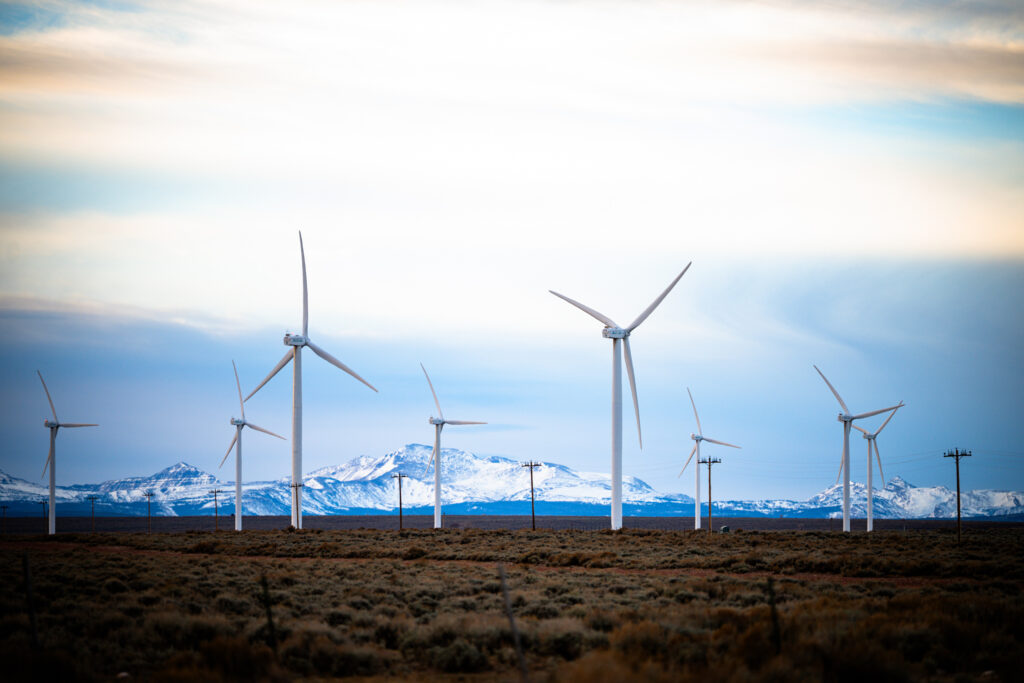
Parallel to legislative changes, the executive branch has implemented a series of administrative hurdles designed to prioritize fossil fuel extraction over renewable development. This strategy has manifested as a "federal obstacle course" for green energy. Wind and solar projects on public lands, once encouraged as part of a diversified energy portfolio, are now subjected to elevated political reviews that often result in protracted delays. Offshore wind leases have faced similar suspensions, creating a climate of uncertainty for the maritime energy sector.
Simultaneously, the administration has expanded support for traditional energy sources. Federal policies have streamlined the permitting process for oil and gas drilling, mining, and coal production while eroding the rigor of environmental reviews. This approach has been characterized by critics not as an "all-of-the-above" energy strategy, but as a targeted effort to place the fastest-growing and increasingly cheapest sources of electricity behind new barriers while clearing the path for fossil fuels.
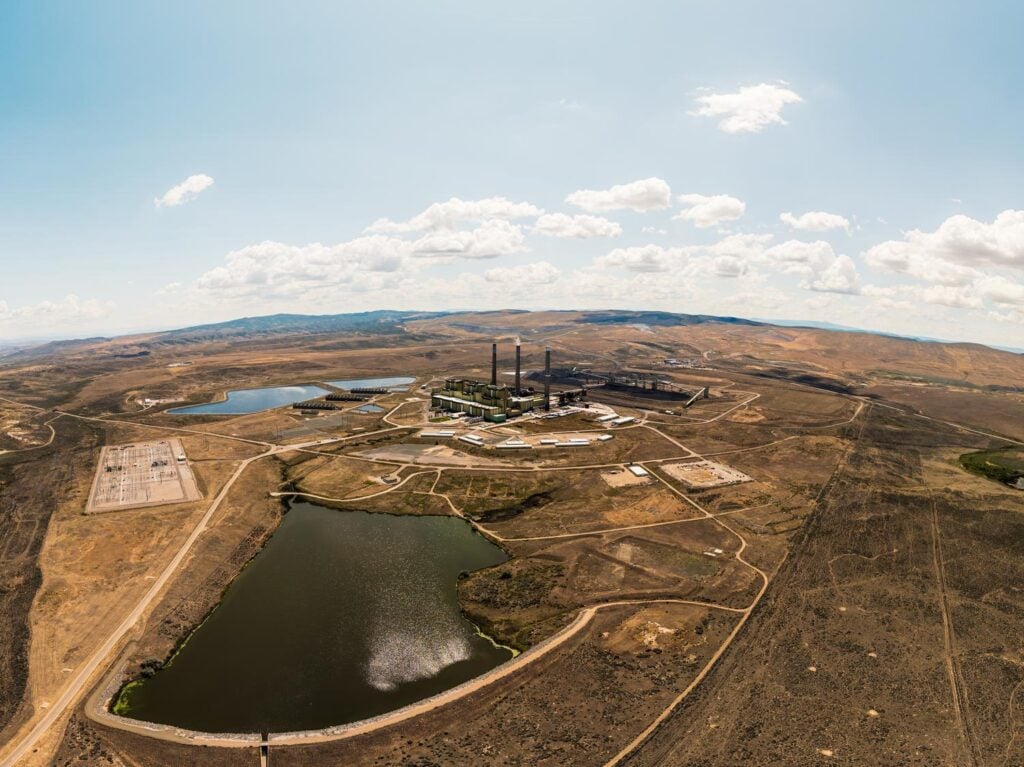
At the Environmental Protection Agency (EPA), the shift in mission has been even more pronounced. Under the leadership of Administrator Lee Zeldin, the agency has overseen what the administration describes as the "largest deregulatory action in U.S. history." This agenda has included the weakening of pollution safeguards and the movement to erase federal limits on climate pollution from power plants. Data from early 2026 indicates that federal civil enforcement cases against polluters fell to their lowest level in the modern history of the EPA. This decline in enforcement suggests a significant retreat from the agency’s foundational mandate to protect human health and the environment, effectively hollowing out the institutional capacity to hold corporate interests accountable for environmental degradation.
Chronology of Environmental Policy Reversals (2025–2026)
To understand the scope of these changes, it is necessary to examine the timeline of actions that have redefined the federal government’s relationship with the environment over the past two years:
- Early 2025: The passage of the "One Big Beautiful Bill" budget law initiates the dismantling of IRA tax credits and clean energy incentives.
- July 2025: The Department of the Interior introduces "elevated reviews" for renewable projects on public lands, significantly slowing the approval process for solar and wind farms.
- November 2025: The administration revokes Biden-era limits on drilling in Alaska, specifically targeting the National Petroleum Reserve-Alaska (NPRA) and opening 10 million acres to fossil fuel development.
- February 2026: EPA reports reveal a record-low number of civil enforcement actions against industrial polluters for the preceding fiscal year.
- July 2026: President Trump slashes the size of the Bears Ears and Grand Staircase-Escalante National Monuments in Utah by more than 90 percent. This action removes protections from millions of acres of land containing sacred Tribal sites and irreplaceable cultural resources.
- Late 2026: The administration celebrates the completion of a massive deregulatory package, signaling a permanent shift toward a fossil-fuel-centric federal policy.
The Exploitation of Public Lands and Tribal Impact
The treatment of public lands as inventory for extraction represents one of the most visible aspects of the current policy shift. The 90 percent reduction in the size of the Utah national monuments is a primary example. These landscapes are not merely scenic areas; they are home to thousands of archaeological sites and are considered sacred by several Tribal nations. By stripping these lands of their protected status, the administration has prioritized short-term resource extraction over long-term conservation and the sovereignty of indigenous communities.
In Alaska, the reopening of the coastal plain of the Arctic National Wildlife Refuge (ANWR) to oil and gas leasing has put one of the world’s most fragile ecosystems at risk. The removal of protections in the NPRA further exposes millions of acres to industrial development. These actions have profound implications for local Alaska Native communities who rely on these lands for subsistence and cultural continuity, as well as for the global climate, given the carbon-sequestering potential of these vast wilderness areas.
The Democratic Crisis: Collective Action vs. Institutional Decay
The erosion of climate policy serves as a case study in the vulnerability of democratic institutions. Climate change is a collective action problem because no single individual can stabilize the atmosphere through personal choices alone. Systemic change requires laws, public investments, and institutions capable of acting on behalf of the public good rather than narrow, powerful interests.
When democratic institutions function effectively, they provide a framework for citizens to accomplish together what is impossible individually—such as ensuring clean air and water or building sustainable infrastructure. However, as recent events demonstrate, these institutions are not self-sustaining. Laws can be repealed, and agencies can be repurposed to serve the very industries they were meant to regulate. This highlights the inextricable link between climate and democracy: when political power becomes less accountable to the public, polluters gain disproportionate influence over public decisions. Conversely, when voting rights and public participation are protected, communities retain the power to demand a livable future.
The Environmental Health Restoration Act (EHRA)
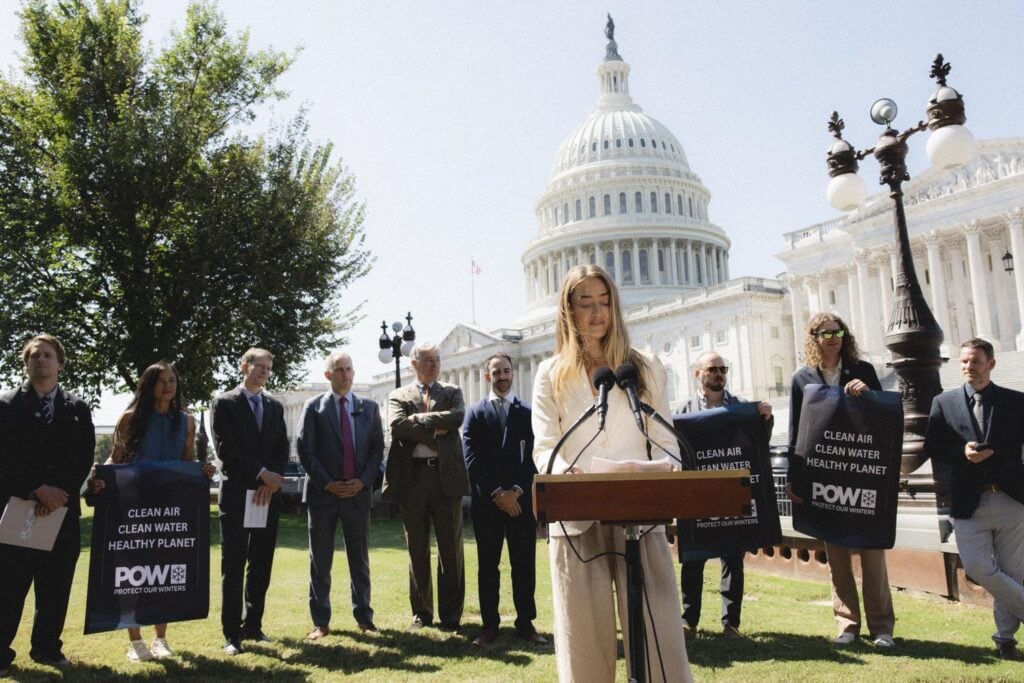
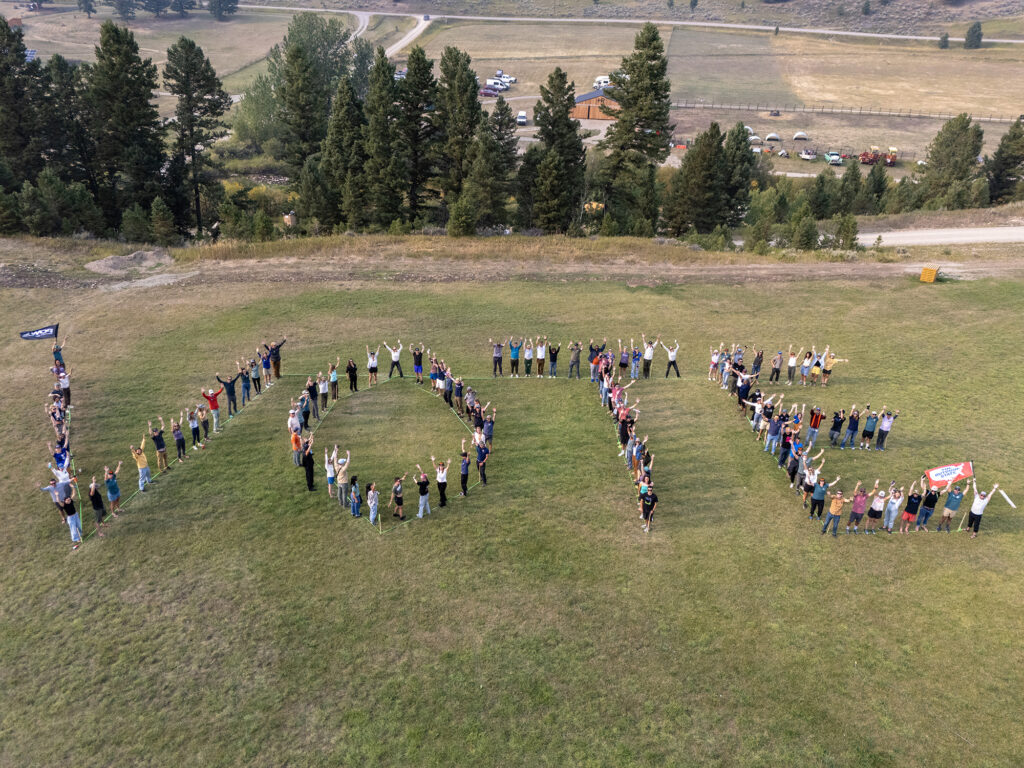
In response to the dismantling of federal protections, a coalition of advocates, athletes, and scientists known as the "Outdoor State" has mobilized to propose legislative remedies. A central component of this effort is the Environmental Health Restoration Act (EHRA), introduced in Washington, D.C., in late 2026.
The EHRA is grounded in the principle that the EPA must be both empowered and required to fulfill its original mission. The act seeks to:
- Restore the agency’s authority to regulate greenhouse gas emissions from power plants.
- Mandate stricter enforcement of existing pollution laws to ensure corporate accountability.
- Codify clean air and water as public rights that cannot be used as political bargaining chips.
The introduction of the EHRA represents a shift from defensive advocacy to a proactive attempt to rebuild the legal framework for environmental protection. Supporters of the bill argue that while institutions may be currently compromised, they ultimately belong to the public, and organized civic action can force them to function in the public interest once again.
Broader Economic and Social Implications
The current policy direction has implications that extend far beyond environmental statistics. The shift toward fossil fuels and the abandonment of clean energy incentives have specific economic consequences:
- Job Growth: While the administration emphasizes fossil fuel jobs, the renewable energy sector has historically shown higher growth rates in employment. The uncertainty in the wind and solar sectors threatens thousands of high-tech manufacturing and installation jobs.
- Public Health: The reduction in EPA enforcement and the weakening of air quality standards are projected to lead to an increase in respiratory and cardiovascular diseases, particularly in "fenceline" communities located near industrial sites.
- Energy Costs: As the global cost of renewables continues to fall, the artificial barriers placed on wind and solar may eventually lead to higher energy costs for American consumers compared to nations that are successfully transitioning to a low-carbon grid.
The Path to a Climate Renaissance
The cumulative effect of the last two years has been a federal government organized around fossil-fuel development rather than climate responsibility. However, policy analysts suggest that this period of "destruction by design" could serve as a catalyst for a "Climate Renaissance." Such a movement would go beyond merely restoring previous regulations; it would aim to build a more durable, clean-energy economy with deep roots in every part of the country.
A Climate Renaissance would involve:
- Science-Based Governance: Restoring the government’s ability to follow the best available science in its regulatory processes.
- Public Lands as Shared Inheritance: Reconceptualizing public lands as areas for conservation, recreation, and biodiversity rather than reserves for private extraction.
- Centering Affected Communities: Placing the communities most impacted by pollution and climate disruption at the heart of the decision-making process.
As the nation approaches the midterm elections, the future of these policies remains in the hands of the electorate. While an election cannot solve the climate crisis in isolation, it determines the legislative and administrative framework within which climate policy is made. The current state of affairs serves as a reminder that democracy is not a passive state but an active practice. The degree to which citizens engage in the democratic process will ultimately determine whether the U.S. continues on its current path of deregulation or moves toward a sustainable and equitable energy future. The resolution to the collective action problem of climate change is, fundamentally, the exercise of democratic power.
