

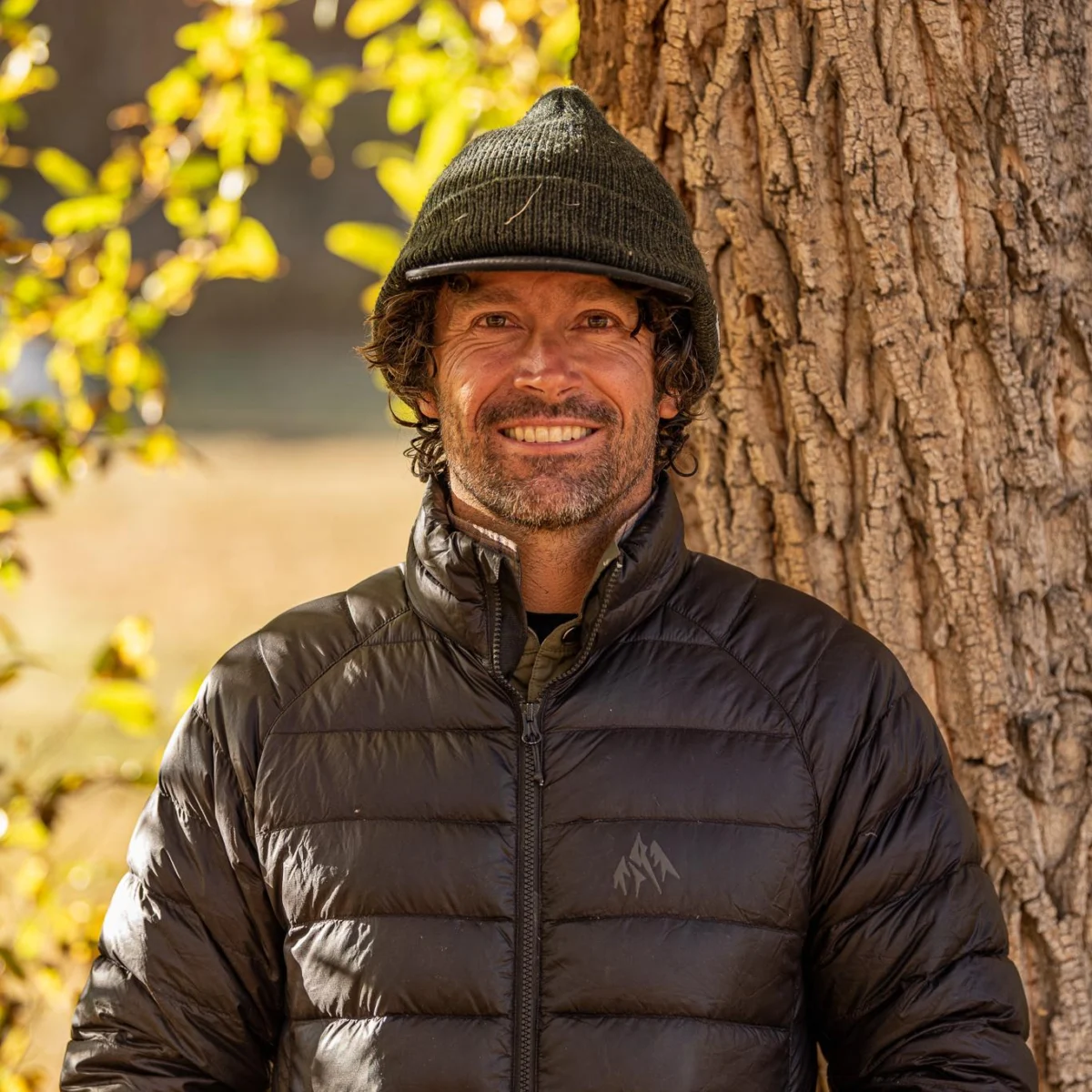
The recent federal election results have signaled a significant shift in the American political landscape, particularly regarding the intersection of environmental conservation and legislative priorities. Jeremy Jones, the founder of the advocacy group Protect Our Winters (POW) and a prominent figure in the outdoor industry, has characterized the outcome as a pivotal moment for the nation’s climate trajectory. The election of a new majority in the United States House of Representatives is expected to introduce a period of rigorous oversight concerning environmental protections, public land management, and the regulatory authority of the Environmental Protection Agency (EPA).
According to Jones, the voting patterns observed during the election cycle reflect a growing consensus among the American electorate that corporate interests should not supersede environmental health and public well-being. This sentiment was echoed by millions of voters who crossed traditional party lines to prioritize the preservation of natural resources, a movement Jones and his organization have termed the "Outdoor State." This demographic, comprised of skiers, snowboarders, hikers, anglers, and outdoor professionals, has increasingly asserted its influence as a non-partisan yet policy-driven voting bloc.
The Legislative Shift and the Environmental Health Restoration Act
With the seating of a new Congress, the legislative agenda is poised to focus on the restoration of environmental safeguards that were diminished or rescinded in previous years. A primary objective for environmental advocates in this new session is the advancement of the Environmental Health Restoration Act (EHRA). This proposed legislation is designed to restore and fortify the EPA’s mandate to regulate pollutants under the Clean Air Act and the Clean Water Act.
The EHRA seeks to address what advocates describe as a period of unprecedented deregulation. Between 2017 and the recent election, the federal government initiated the rollback of over 100 environmental rules. These included the weakening of carbon emission standards for power plants and vehicles, the narrowing of the "Waters of the United States" rule, and the relaxation of oversight for toxic air pollutants. The new congressional majority provides a mechanism for legislative "checks and balances," allowing for the investigation of these rollbacks and the potential reinstatement of stricter federal standards.
Chronology of Environmental Policy and Advocacy (2017–Present)
To understand the significance of the current political window, it is necessary to examine the timeline of environmental policy shifts that led to this juncture:
- June 2017: The United States announces its intent to withdraw from the Paris Climate Agreement, signaling a retreat from international climate leadership.
- December 2017: Significant reductions are made to the Bears Ears and Grand Staircase-Escalante National Monuments, opening previously protected lands to potential resource extraction.
- 2018 Midterm Elections: A record-breaking voter turnout, particularly among younger demographics and outdoor enthusiasts, results in a change of party control in the House of Representatives.
- January 2019: The new Congress is inaugurated, marking the beginning of increased committee oversight into the Department of the Interior and the EPA.
- Post-Election Advocacy: Organizations like Protect Our Winters begin mobilizing "the Outdoor State" to lobby for specific bills, including the EHRA and the protection of the Arctic National Wildlife Refuge.
This chronology highlights a period of intense volatility in federal land management and climate policy, culminating in the current legislative environment where advocates believe progress is once again possible.
Supporting Data: The Economic Impact of the Outdoor Industry
The push for climate-centric policy is not merely an ideological pursuit; it is underpinned by significant economic data. The outdoor recreation economy is a major contributor to the United States’ Gross Domestic Product (GDP). According to data from the Bureau of Economic Analysis (BEA), the outdoor recreation industry accounts for approximately 2.2% of the entire U.S. GDP, generating over $887 billion in annual consumer spending and supporting 7.6 million direct jobs.
In states such as Colorado, Utah, and Montana, the outdoor industry often outpaces the fossil fuel and mining sectors in terms of job creation and long-term economic stability. However, this sector is uniquely vulnerable to climate change. Shorter winter seasons, reduced snowpack, and increased wildfire activity pose direct threats to the viability of mountain resorts, guiding services, and local tourism-dependent economies. Data from the National Oceanic and Atmospheric Administration (NOAA) indicates that the winter season has warmed by an average of 3 degrees Fahrenheit across the contiguous U.S. since 1970, with some northern regions experiencing even more drastic shifts. These climatic changes provide the factual basis for the urgency expressed by Jones and his coalition.
Official Responses and Strategic Coalitions
The shift in congressional power has elicited varied responses from stakeholders. While environmental groups have expressed optimism, representatives of the energy and manufacturing sectors have cautioned against "regulatory overreach" that could stifle economic growth. However, the strategy employed by POW and its partners involves building broad-based coalitions that include rural communities, tribal nations, and local governments.
A key focus of these coalitions is the protection of public lands in the Arctic and the Mountain West. Specifically, the Arctic National Wildlife Refuge (ANWR) has become a focal point of legislative contention. Advocates are working to block fossil fuel extraction in the refuge’s 1.5-million-acre Coastal Plain, arguing that the long-term ecological and cultural value of the land outweighs the short-term gains of oil and gas development.
Furthermore, the emphasis on "clean energy at the state and local levels" reflects a strategic pivot. While federal gridlock remains a possibility, many states have moved forward with aggressive Renewable Portfolio Standards (RPS). Currently, over 30 states have implemented policies requiring a certain percentage of their electricity to come from renewable sources. Jones noted that these local victories provide a blueprint for national policy, demonstrating that clean energy transition is both technologically feasible and economically beneficial.
Analysis of Implications for Public Health and Resource Management
The implications of the current legislative window extend beyond the recreation industry to broader public health concerns. The rollback of EPA regulations has been linked by scientific experts to increased rates of respiratory illness and water contamination in vulnerable communities. By advocating for the Environmental Health Restoration Act, organizations are seeking to re-establish the link between federal regulation and public health outcomes.
From a resource management perspective, the new Congress is expected to scrutinize the "energy dominance" agenda that prioritized leasing public lands for oil, gas, and coal development. This oversight will likely involve:
- Audit of Lease Sales: Investigating whether public lands were leased at "fire-sale" prices that undervalued taxpayer-owned assets.
- Accountability for Nominees: Using the Senate confirmation process (where applicable) or House committee hearings to vet officials who may have conflicts of interest with the industries they regulate.
- Funding Defense: Protecting the budgets of the Land and Water Conservation Fund (LWCF) and other programs that support public access to nature.
Conclusion and Future Outlook
The current political atmosphere represents what Jeremy Jones describes as a "weather window"—a temporary period of favorable conditions that allows for an attempt at a difficult objective. While the executive branch’s stance on climate change remains unchanged, the legislative branch now possesses the tools to act as a counterbalance.
The success of this movement will depend on sustained engagement. History shows that politicians are most responsive to the constituencies that maintain consistent pressure. For the outdoor community, this means transitioning from seasonal advocacy to a year-round presence in the halls of government. The introduction of the Environmental Health Restoration Act serves as the first major test of this new legislative dynamic.
As the nation moves toward the next legislative cycle, the focus remains on ensuring that the "Outdoor State" is not just a participant in the democratic process, but a primary driver of the policies that will determine the health of the American environment for decades to come. The message from the ballot box was clear: the public expects accountability, and the window for action on climate and public lands is now officially open.
