

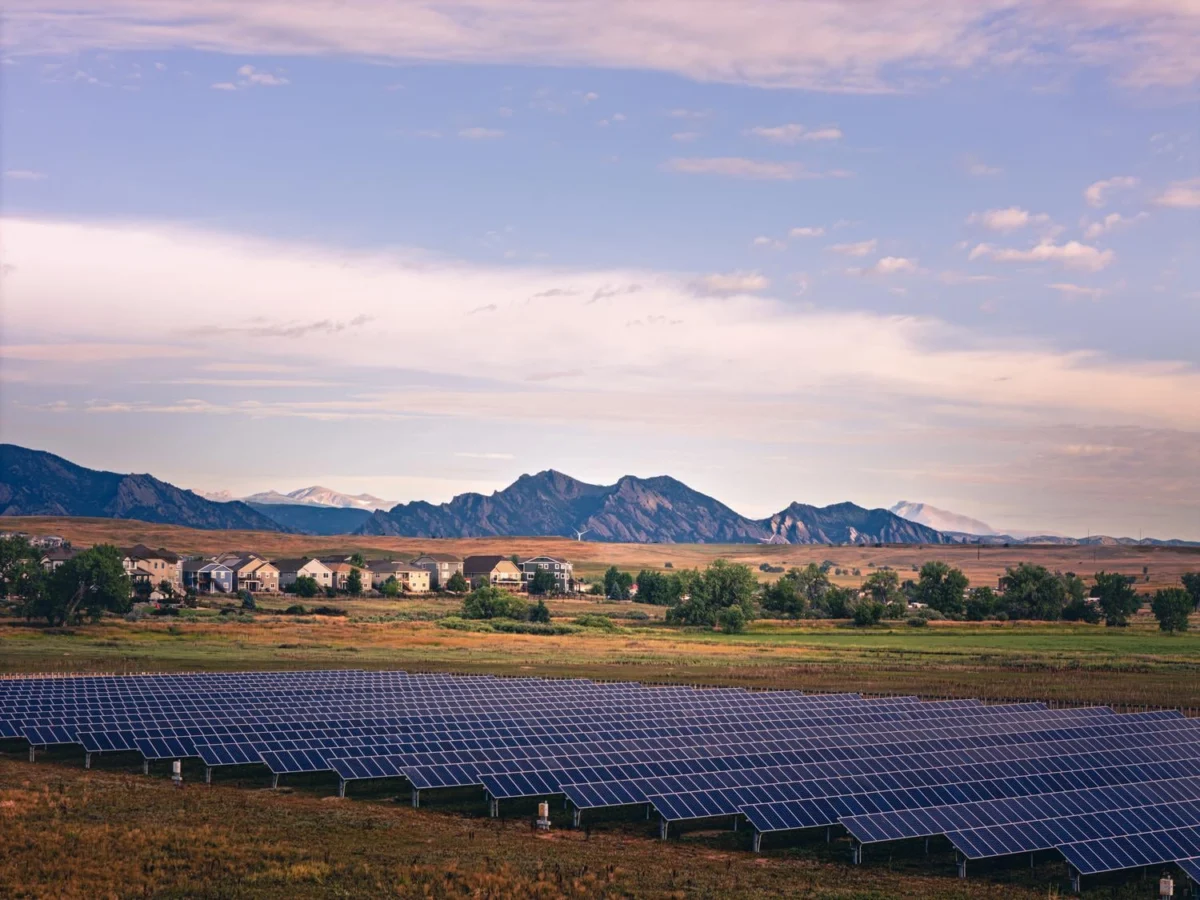
The escalating frequency and intensity of extreme heat events have transformed summer outdoor activities from manageable challenges into significant health hazards. As global temperatures continue to rise, heat waves are becoming more persistent, reaching geographic regions previously considered temperate and breaking historical records with unprecedented regularity. To understand the mechanisms driving these shifts, meteorologists and atmospheric scientists are analyzing the complex interplay between jet stream volatility, high-pressure systems, and the overarching influence of anthropogenic climate change.
Defining the Modern Heat Wave: Beyond Simple Temperature Metrics
While the colloquial understanding of a heat wave often centers on discomfort, the scientific definition is more nuanced and varies by region. The National Oceanic and Atmospheric Administration (NOAA) generally defines a heat wave as a period of two or more days of abnormally high temperatures relative to a region’s historical averages. However, as noted by Boston-based meteorologist Will Stikeleather, a member of the POW Science Alliance, this definition can be deceptively simple.
The hazard posed by extreme heat is not determined by temperature alone. Humidity plays a critical role in the "heat stress" experienced by the human body. High humidity levels inhibit the body’s ability to cool itself through the evaporation of sweat, a factor captured by the Wet Bulb Global Temperature (WBGT) index. This metric combines temperature, humidity, wind speed, and solar radiation to provide a more accurate assessment of environmental heat stress. Consequently, a 90°F day in a humid coastal environment can be more dangerous than a 100°F day in an arid desert.
The Mechanics of Atmospheric "Traffic Jams" and Heat Domes
Most significant heat waves are the result of large-scale high-pressure systems in the upper atmosphere. These systems act as a "heat dome," trapping warm air over a broad geographical area. In a high-pressure system, air sinks toward the surface; as it descends, it compresses and warms adiabatically, further driving up surface temperatures.

Under normal conditions, these systems are moved along by the jet stream—the high-altitude river of air that steers weather patterns across the globe. However, recent years have seen an increase in "blocking patterns," or atmospheric traffic jams. These occur when the jet stream develops deep, stagnant undulations that cause high-pressure systems to stall for days or even weeks.
A primary example of this phenomenon occurred during the Pacific Northwest and British Columbia heat wave of 2021. During this event, a stagnant heat dome drove temperatures above 115°F in regions where many homes lacked air conditioning. Such events are no longer considered statistical outliers but are becoming features of a destabilized climate.
Chronology of a Warming Trend: From the 1960s to 2026
The historical data regarding heat waves reveals a clear and accelerating trend. According to NOAA research, the frequency of heat waves in the United States has nearly tripled since the 1960s. Furthermore, the "heat wave season"—the window of time between the first and last extreme heat events of the year—has expanded significantly. In the mid-20th century, this window lasted approximately 25 days; by 2026, it has more than doubled to an average of 70 days.
This expansion means that dangerous heat is now occurring earlier in the spring and later into the autumn, catching ecosystems and human populations off guard. The Intergovernmental Panel on Climate Change (IPCC) Sixth Assessment Report (AR6) confirms that it is "virtually certain" that climate change has increased the frequency and severity of warm temperature extremes globally.
In Europe, the trend is even more pronounced. The summer of 1976 was long considered the benchmark for extreme heat in the 20th century. However, studies by World Weather Attribution indicate that modern heat waves, such as the intense period observed in June 2026, are significantly hotter. Temperatures recorded from Spain to the Czech Republic in late June 2026 were estimated to be 3.5°C higher than they would have been under similar atmospheric conditions in 1976. This 10-fold increase in the likelihood of such events compared to the early 2000s underscores the rapid pace of atmospheric warming.
Arctic Amplification and Jet Stream Volatility
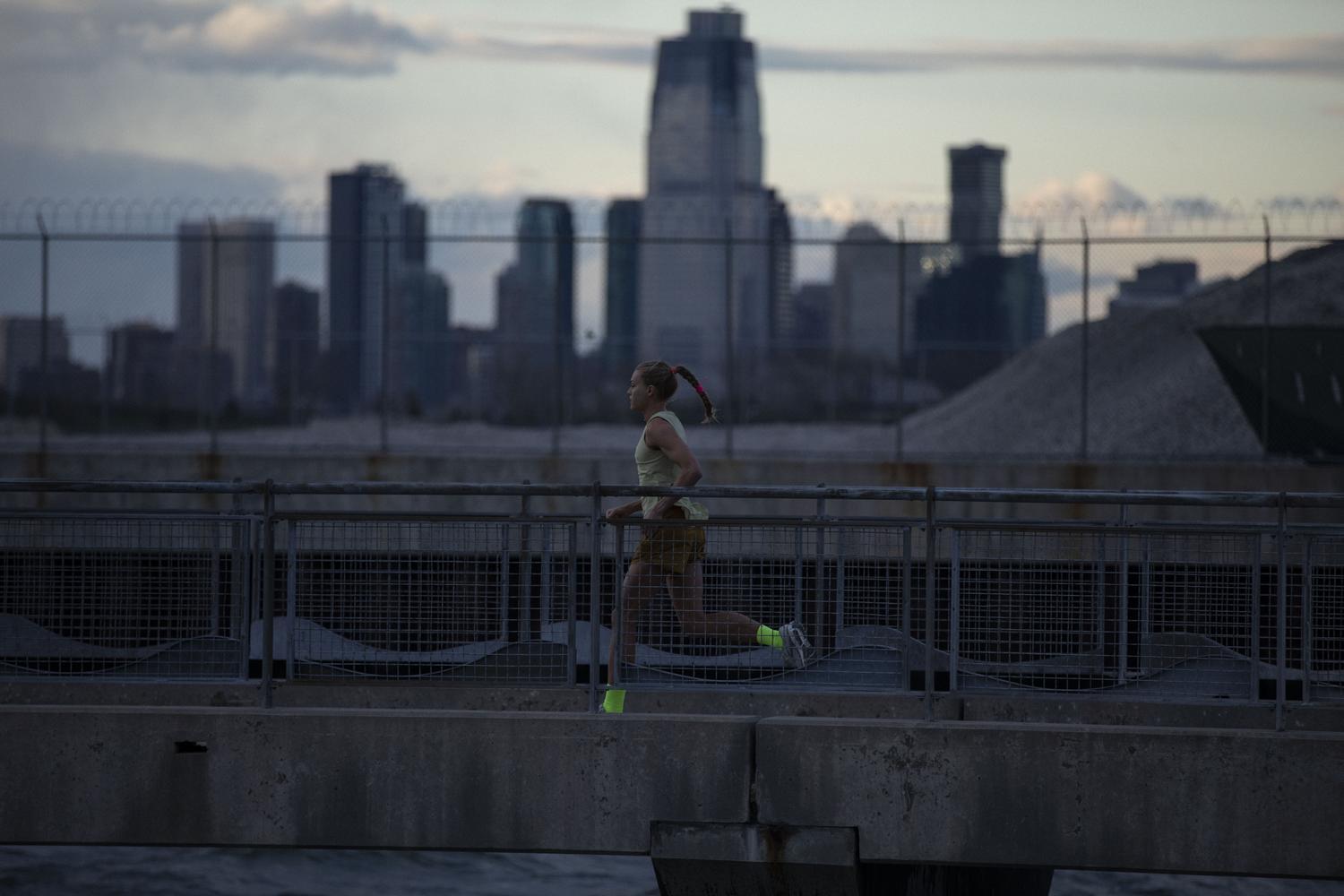
One of the most complex areas of current meteorological research involves "Arctic Amplification." This refers to the observation that the Polar Regions are warming at a rate significantly faster than the rest of the planet. As the temperature gradient between the cold Arctic and the warmer mid-latitudes narrows, the jet stream—which is powered by that temperature difference—begins to weaken and become "wavier."
These exaggerated waves in the jet stream are directly linked to the "blocking patterns" mentioned previously. Research by scientists such as Francis and Vavrus (2012) and White et al. (2023) suggests that these wavier patterns are responsible for the increased persistence of heat domes. When the jet stream loses its horizontal velocity, it is more prone to getting "stuck," leaving regions trapped under a ridge of high pressure for extended periods.
Geographical Vulnerabilities and the Urban Heat Island Effect
The impact of heat waves is not distributed uniformly across the landscape. Different regions face unique challenges based on their geography and infrastructure:
The Northeast and the Desert Southwest
In the United States, the Northeast is warming faster than almost any other region, containing three of the top five fastest-warming states since 1970. Meanwhile, the Desert Southwest continues to see its baseline temperatures rise, pushing the limits of human habitability during peak summer months. Alaska remains the fastest-warming state overall, a direct consequence of its proximity to the accelerating changes in the Arctic.
The Coastal Humidity Factor
Rising sea surface temperatures are fueling increased evaporation, particularly along the East Coast. This creates a feedback loop where warmer air holds more moisture (approximately 7% more for every 1°C of warming), leading to higher humidity levels during heat waves. In 2026, nearly 45% of Western European urban areas set records for Wet Bulb Global Temperature, highlighting the dangerous synergy between heat and moisture.
Urban Infrastructure and Albedo
Cities are uniquely vulnerable due to the "urban heat island" effect. Urban environments are dominated by materials like concrete and asphalt, which have low albedo—meaning they absorb solar radiation rather than reflecting it. In contrast, rural areas with dense vegetation benefit from evapotranspiration, a process where plants release moisture into the air, providing a natural cooling effect.
The most dangerous aspect of the urban heat island effect is the lack of nighttime cooling. In a natural environment, temperatures drop significantly after sunset, allowing the human body and the ecosystem to recover. In cities, the built environment retains heat and radiates it back throughout the night. This lack of a recovery window exponentially increases the risk of heat stroke and cardiovascular stress, particularly among vulnerable populations such as the elderly and those without access to climate-controlled housing.
Compounding Hazards: Wildfires and Snowpack Depletion
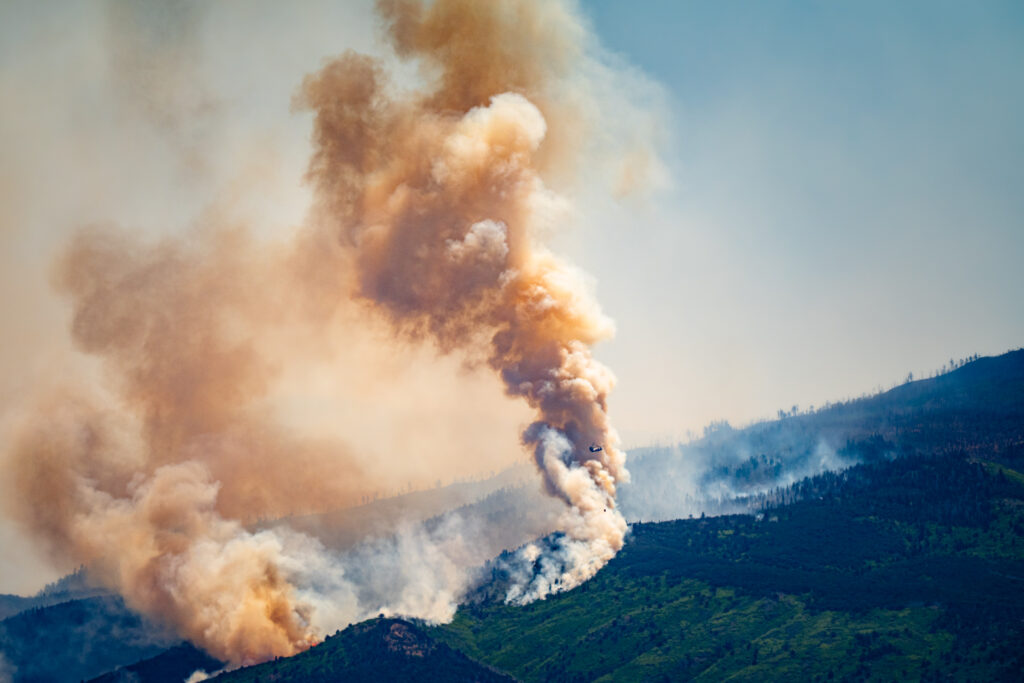
Heat waves do not exist in isolation; they act as "force multipliers" for other natural disasters. A primary concern is the relationship between extreme heat and wildfire risk. In the Rockies and the Pacific Northwest, record-low winter snowpacks have left forests vulnerable. When followed by a series of summer heat domes, the vegetation "cures" or dries out much earlier than usual.
By July 2026, large swaths of the Pacific Northwest reported that fuel types usually not burnable until September were already primed for ignition. This has expanded the window for extreme fire behavior by several weeks, threatening population centers like Spokane, Washington, and putting unprecedented strain on firefighting resources.
Socio-Economic Implications and the Path Toward Resilience
The shift in climate is fundamentally reshaping the "Outdoor State"—the community of individuals and industries that rely on healthy ecosystems for recreation and commerce. Beyond the immediate threat to human health, extreme heat is disrupting local economies, from decreased tourism in national parks to the cancellation of outdoor events.
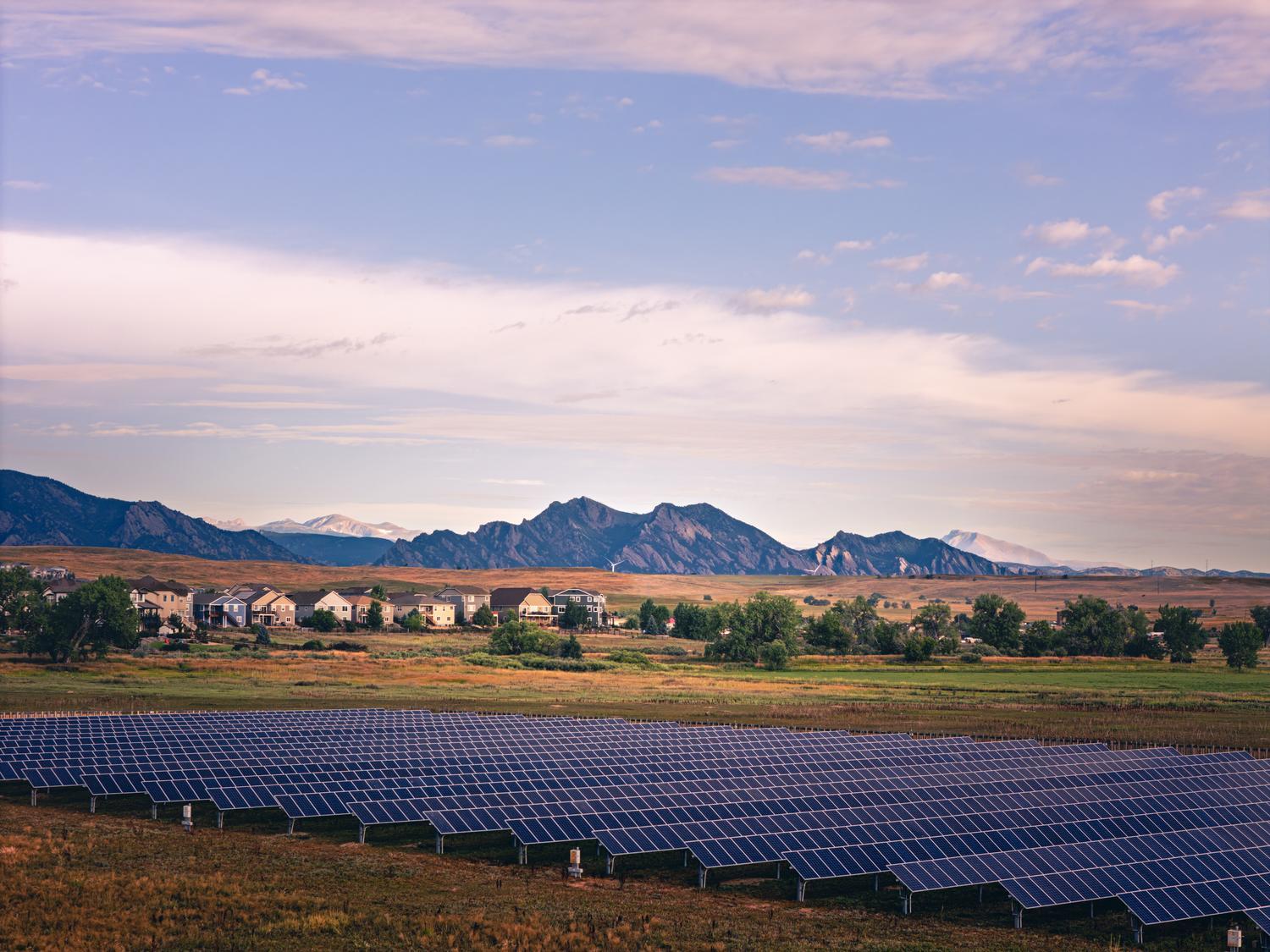
The traditional reliance on air conditioning, while necessary for immediate survival, presents a systemic challenge. Increased demand for cooling puts immense pressure on the electrical grid, often leading to brownouts or blackouts during the times when power is needed most. Furthermore, if that power is generated by fossil fuels, the resulting emissions contribute to the very warming that necessitates the cooling, creating a self-reinforcing cycle.
Community-Led Solutions
Addressing the crisis of extreme heat requires a transition toward more resilient, decentralized energy systems. Experts suggest that local initiatives are often the most effective:
- Community Solar and Microgrids: These allow neighborhoods to generate their own clean energy, reducing reliance on a centralized grid that may be vulnerable to heat-related failure.
- Urban Greening: Increasing the "canopy cover" in cities through tree planting and green roofs can significantly lower local temperatures by improving albedo and evapotranspiration.
- Grid Modernization: Upgrading infrastructure to handle the bidirectional flow of energy from renewable sources is essential for long-term stability.
Conclusion: Adapting to a New Thermal Reality
The data from 2026 and preceding years confirms that the era of "normal" summers has passed. The science of heat waves reveals a planet in transition, where atmospheric patterns are becoming more erratic and dangerous. While the immediate response to extreme heat involves individual safety measures—such as hydration, seeking shade, and monitoring forecasts—the long-term solution lies in systemic change.
Understanding the atmospheric mechanics of heat domes and the influence of Arctic Amplification provides the necessary context for policy and infrastructure decisions. As heat waves continue to grow in intensity, the focus must shift from temporary mitigation to building communities that are fundamentally resilient to the rising thermal demands of the 21st century. The goal is a future where the outdoor environment remains a place of refuge rather than a source of hazard, requiring a concerted effort to stabilize the climate and modernize the way we interact with our warming world.
