

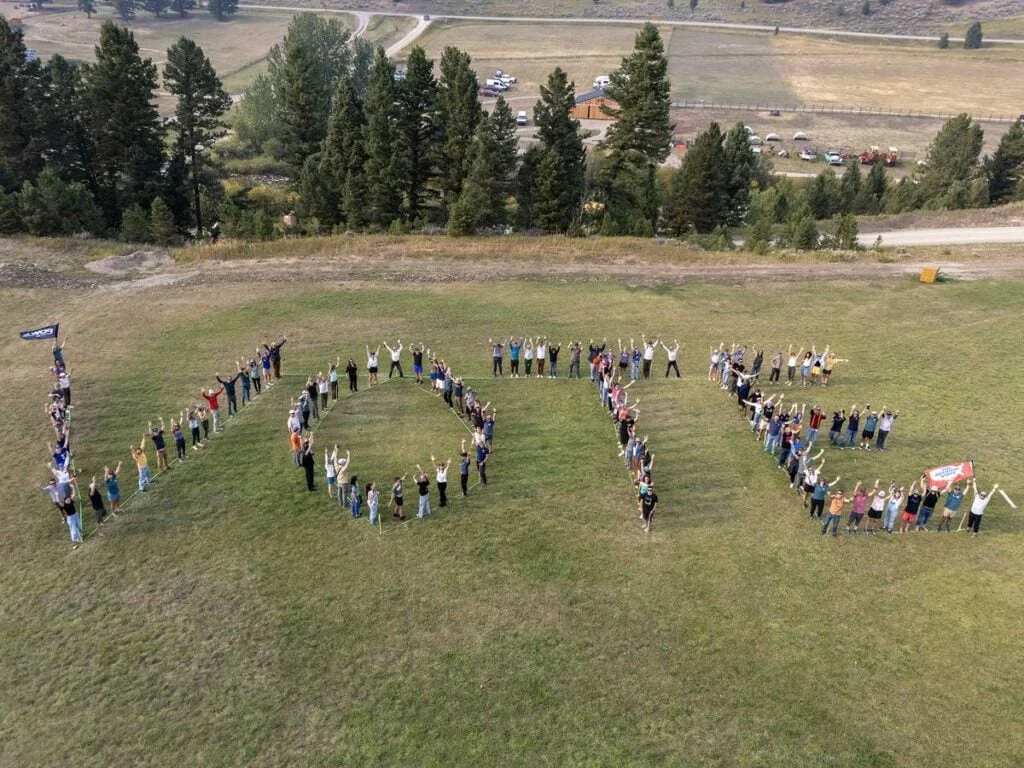
The advocacy organization Protect Our Winters (POW) has officially initiated a comprehensive voter mobilization strategy aimed at the 2026 midterm elections, emphasizing the critical role that outdoor enthusiasts play in shaping federal and state environmental policy. By targeting what the organization calls the "Outdoor State"—a diverse constituency of skiers, climbers, hikers, paddlers, and anglers—POW seeks to transform recreational passion into political influence. This initiative comes at a time when the management of public lands and the trajectory of national climate protections are facing significant legislative and executive scrutiny. The campaign, titled "Shift Who Decides," is built on the premise that the outdoor community represents a massive, yet often under-activated, voting bloc capable of determining the outcome of high-stakes elections through marginal gains in voter turnout.
The Strategic Importance of the Outdoor State
The "Outdoor State" is a conceptual framework used by POW to describe the millions of Americans who identify with outdoor recreation. According to data from the Bureau of Economic Analysis (BEA), the outdoor recreation economy accounted for $1.1 trillion in economic output in 2022, representing 2.2% of the U.S. Gross Domestic Product (GDP). Despite this economic powerhouse status, the political representation of this group has historically been fragmented. Protect Our Winters argues that when outdoor enthusiasts fail to engage in the electoral process, policy decisions regarding land use, carbon emissions, and water rights are often made by officials who do not prioritize the long-term health of the environment.
The 2026 midterms are viewed by political analysts as a pivotal moment for the future of U.S. climate policy. With the entirety of the House of Representatives and one-third of the Senate up for election, the results will dictate the legislative agenda for the final two years of the decade. For POW and its allies, the goal is to move beyond temporary advocacy and establish a permanent, reliable voting base that lawmakers cannot afford to overlook. The organization has set an ambitious target of reaching 45 million eligible voters, providing them with the resources necessary to navigate registration, polling locations, and candidate platforms.
A Chronology of Climate Policy and Public Land Protections
The urgency behind the "Shift Who Decides" campaign is rooted in the legislative fluctuations of the past several years. Following the passage of the Inflation Reduction Act (IRA) in 2022, which marked the largest investment in climate action in American history, the environmental community saw a period of significant progress. However, the subsequent years have been characterized by what conservationists describe as an aggressive rollback of protections.
In 2023 and 2024, debates intensified over the scope of the Antiquities Act, with several legal challenges aiming to limit the President’s authority to designate national monuments. Furthermore, changes to the National Environmental Policy Act (NEPA) were introduced to streamline energy project approvals, which critics argue could bypass essential environmental reviews for oil and gas drilling on public lands. This period of "policy whiplash" has created a sense of instability for industries reliant on stable ecosystems, such as winter sports and river guiding. Protect Our Winters points to these shifts as evidence that environmental protections are only as secure as the current administration and congressional majority, highlighting the necessity of consistent voter participation.
Economic and Legislative Stakes for Public Lands
The impact of midterm elections on public lands is often more direct than that of presidential cycles. Congressional committees, such as the House Committee on Natural Resources and the Senate Committee on Energy and Natural Resources, hold the power to approve or block land-use designations, mining permits, and conservation funding. When the "Outdoor State" fails to show up at the polls, the vacuum is often filled by interests focused on short-term resource extraction.
Data from the Outdoor Industry Association indicates that outdoor recreation supports approximately 5 million jobs across the United States. In states like Colorado, Montana, and Utah, the industry is a primary driver of rural economic development. However, these same states are often the battlegrounds for land-use conflicts. The "Shift Who Decides" campaign emphasizes that the protection of clean air and water is not merely an aesthetic or moral preference but a fundamental requirement for the economic survival of these regions. By framing climate action as an economic necessity for the $1.1 trillion outdoor industry, POW aims to appeal to a broader spectrum of voters, including those who may be traditionally more conservative but rely on the "recreation economy."
Historical Voter Participation and the Impact of Midterm Cycles
Voter turnout in midterm elections has historically lagged behind presidential years, often creating an environment where a small, motivated segment of the electorate can exert disproportionate influence. According to U.S. Census Bureau data, the 2022 midterm elections saw a turnout of 52.2% of the voting-age population. While this was lower than the record-breaking 2018 midterms, it remained significantly higher than the 36.7% turnout seen in 2014.
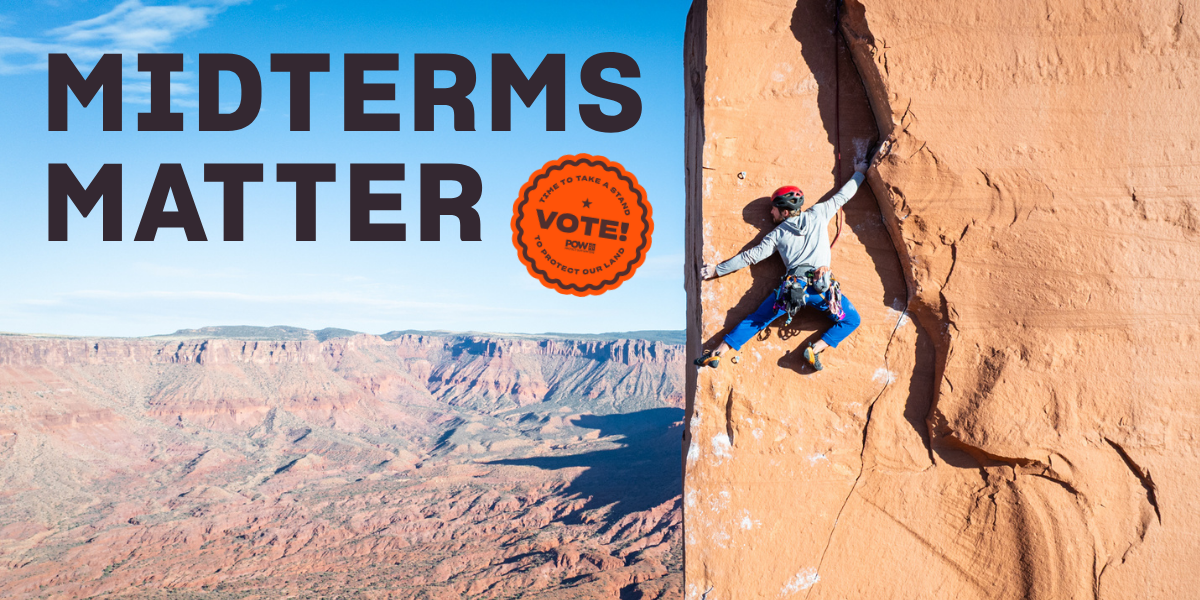
Protect Our Winters views this trend of increased participation as a foundation upon which to build. The organization’s strategy focuses on the "margins"—the idea that in many districts, the difference between a winning and losing candidate is often less than 1%. In the context of outdoor sports, a millimeter can be the difference between a successful climb and a fall; similarly, in politics, a few thousand votes in a swing district can determine the chairmanship of a committee that oversees the Environmental Protection Agency (EPA). The 2026 goal of reaching 45 million voters is designed to ensure that the outdoor community is the decisive factor in these close races.
Official Responses and Broader Political Implications
The push to politicize the outdoor community has met with varied responses from across the political spectrum. Proponents of the campaign argue that it is a necessary evolution for a group that has long been sidelined in Washington. "For too long, the people who actually use these lands and breathe this air have been absent from the rooms where the rules are written," said one advocate familiar with the campaign’s goals. "If you want to protect the places you play, you have to participate in the system that governs them."
Conversely, some critics of such mobilization efforts argue that environmental groups are becoming overly partisan. Industry representatives from the energy sector often point out that land-use policy must balance conservation with national energy security and economic growth. They argue that "aggressive rollbacks" is a subjective term and that many legislative changes are intended to foster energy independence and reduce regulatory burdens that hinder infrastructure development.

Despite these differing perspectives, the data suggests that climate and conservation are becoming increasingly important to the American electorate. A 2023 Pew Research Center study found that a majority of Americans support the United States taking steps to become carbon neutral by 2050. By focusing on the 2026 midterms, POW is positioning itself to capitalize on this public sentiment, turning general support for the environment into specific electoral outcomes.
The Geopolitics of Outdoor Recreation Hubs
The "Shift Who Decides" campaign is expected to focus heavily on specific geographic regions where the outdoor recreation industry is a major player. States such as Nevada, Arizona, and North Carolina—which feature prominent outdoor communities and are also key political swing states—will likely see the most intensive mobilization efforts. In these regions, the intersection of environmental policy and electoral politics is most acute.
For example, in Nevada, the protection of the Mojave Desert and the management of water rights from the Colorado River are top-tier issues for local voters. In North Carolina, the health of the Appalachian forests and the coastal ecosystems of the Outer Banks are vital to the state’s tourism industry. By connecting local environmental concerns to federal voting habits, POW seeks to create a localized sense of urgency that carries through to the national level.
Anticipated Challenges and the Path Toward 2026
Mobilizing a diverse group like the "Outdoor State" presents significant challenges. The demographic includes individuals from across the political spectrum, with varying views on the role of government and the best methods for addressing climate change. Ensuring that the message of "clean air and clean water" remains a unifying theme rather than a polarizing one will be essential for the campaign’s success.
Furthermore, the logistical hurdles of voter registration and turnout are substantial. POW plans to utilize its network of professional athletes, brand partners, and local chapters to provide "backcountry guides" to the voting process. This involves not only encouraging people to vote but also providing factual information on where candidates stand on key issues such as the Land and Water Conservation Fund, methane emissions standards, and the transition to renewable energy.
As the 2026 midterm cycle approaches, the efforts of Protect Our Winters will serve as a test case for whether a shared interest in the outdoors can be forged into a cohesive political force. If successful, the "Outdoor State" could become one of the most influential voting blocs in the country, ensuring that the margins in the mountains are matched by the margins at the ballot box. The organization maintains that the dismantling of environmental protections will not stop on its own; it requires a systemic shift in who holds the power to decide the nation’s ecological future.
