


The transition from a professional athlete to a climate advocate is rarely a matter of choice; for those whose lives are inextricably linked to the mountains, it is often a matter of witness. When Salomon athlete and ambassador Mike Douglas first began his career at Whistler Blackcomb in the 1990s, the Horstman Glacier served as more than just a scenic backdrop. It was a year-round proving ground, a high-altitude laboratory where the world’s most promising freestyle skiers spent their summers honing the tricks that would eventually define the sport of freeskiing. Today, that laboratory is effectively closed. In a development that has sent ripples through the outdoor industry, summer skiing operations on the Horstman Glacier were officially suspended indefinitely last year, marking a somber milestone in the regional impact of global warming.
The disappearance of summer skiing at one of North America’s premier resorts is not an isolated event but a stark indicator of a broader environmental shift. For Mike Douglas, often referred to as the "Godfather of Freeskiing," the changes observed over the last three decades have moved from subtle fluctuations to an undeniable crisis. Winters are becoming shorter, snowpacks are increasingly volatile, and the glaciers that once provided year-round stability are retreating at an accelerating pace. This reality has forced a fundamental reckoning within the outdoor industry, leading brands like Salomon and organizations like Protect Our Winters (POW) to move beyond traditional sponsorship models toward deep-seated advocacy and systemic manufacturing reform.
The Decline of the Horstman Glacier: A Timeline of Change
The Horstman Glacier, located on Blackcomb Mountain in British Columbia, was once the crown jewel of summer skiing in North America. Throughout the 1980s and 1990s, the glacier hosted prestigious summer camps that attracted thousands of athletes and tourists during the months of June and July. However, the physical integrity of the glacier began to falter as global temperatures rose.
By the mid-2010s, the decline became impossible to ignore. Operators were forced to use snowmaking and grooming techniques to "patch" the thinning ice, but these were temporary measures against a systemic warming trend. In 2020, the permanent T-bar lift on the glacier had to be removed because the ice beneath its foundations had melted to a point where the lift was no longer stable or safe. While a temporary lift was briefly considered, the logistics of maintaining a skiable surface on a rapidly receding ice mass proved untenable. The official suspension of summer operations in 2023 served as the final acknowledgment that the glacier could no longer support the industry it helped build.
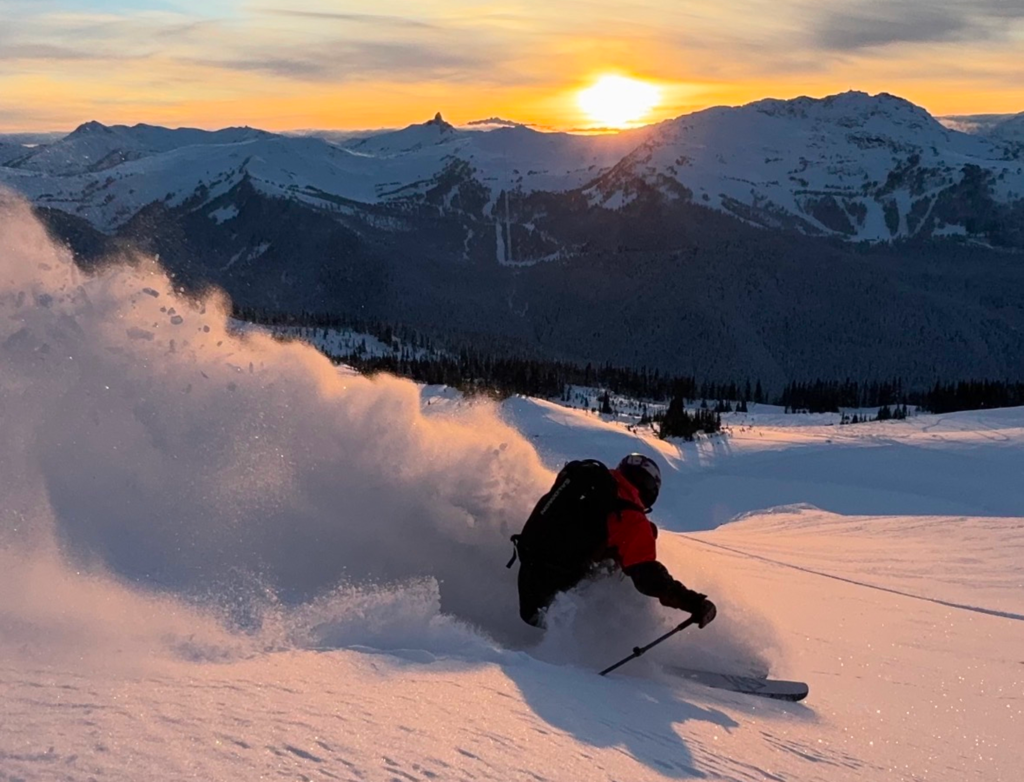
Scientific data supports these observations. Glaciers across Western Canada have been losing mass at an average rate of about 1% per year over the last decade. In British Columbia and Alberta, researchers estimate that up to 80% of mountain glaciers could disappear by the end of the century if current warming trends continue. For the ski industry, this represents an existential threat to its operational window and its cultural heritage.
Corporate Action and the Salomon Sustainability Framework
In response to these environmental shifts, Salomon has embarked on a comprehensive overhaul of its business model. The company, a global leader in winter sports equipment, recognizes that its future is tied to the preservation of the environments in which its products are used. This realization has birthed the "Play-Minded Program," a sustainability roadmap that focuses on four key pillars: protecting the playground, creating responsible products, managing operations efficiently, and empowering people.
One of the most significant shifts in Salomon’s strategy is the move toward a circular economy. Traditionally, ski equipment has been notoriously difficult to recycle due to the complex bonding of plastics, metals, and resins. Salomon has addressed this by developing the first fully recyclable alpine ski boot and exploring "mono-material" constructions that allow products to be ground down and reused at the end of their lifecycle.
Furthermore, Salomon has committed to reducing its overall carbon footprint by 30% by the year 2030. This involves a rigorous audit of its global supply chain, which includes sourcing more sustainable materials and optimizing logistics to reduce the emissions associated with shipping heavy equipment across continents. Mike Douglas, acting as a liaison between the engineering teams in Annecy, France, and the athlete community, emphasizes that these changes must not compromise performance. "I like to think I can help balance the desire for net zero from the team at Salomon HQ and the practical realities of participating in high-level sports," Douglas noted.
The Role of Athlete Advocacy: From Performance to Policy
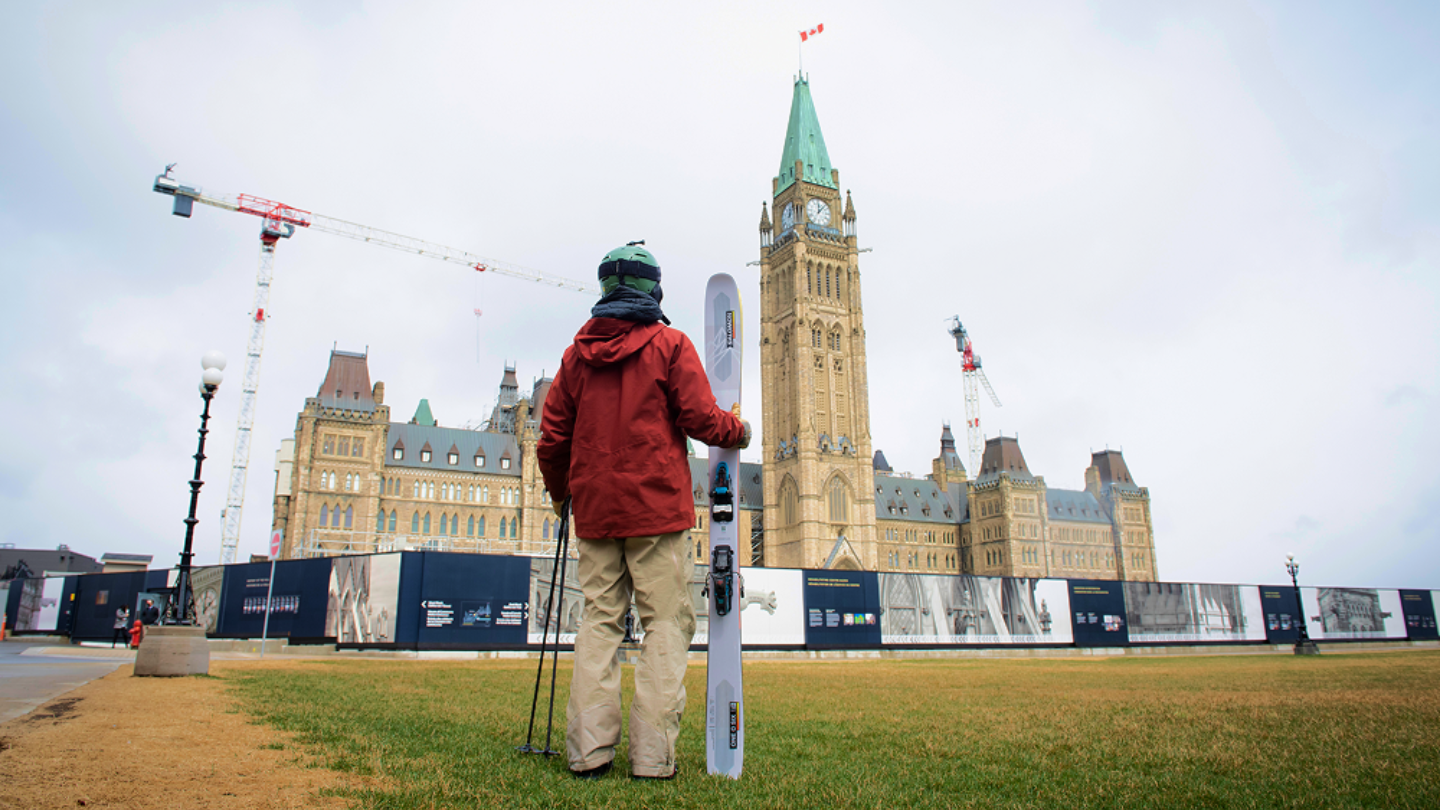
The partnership between Salomon and Protect Our Winters (POW) represents a shift in how professional athletes are utilized by brands. No longer seen merely as billboards for the latest gear, athletes like Douglas are being trained as climate communicators and policy advocates. Since joining the POW Canada Alliance in 2018, Douglas has leveraged his platform to engage in high-level discussions that go beyond the slopes.
Protect Our Winters has been instrumental in providing athletes with the tools to navigate the complexities of climate science and political lobbying. The organization’s mission is to turn outdoor enthusiasts into a powerful voting bloc and a source of pressure on policymakers. This advocacy takes many forms, from social media campaigns that reach millions to direct meetings with lawmakers in national capitals.
The logic behind this approach is clear: while individual lifestyle changes are important, they are insufficient to address the scale of the climate crisis. Systemic change requires legislative action, such as carbon pricing, renewable energy subsidies, and land conservation acts. By empowering athletes to speak on these issues, POW and Salomon are helping to bridge the gap between the outdoor community and the political arena.
Broader Industry Implications and Economic Risks
The crisis facing the Horstman Glacier is a microcosm of a global phenomenon. In Europe, legendary summer skiing destinations like the Hintertux Glacier in Austria and the Les Deux Alpes in France have also faced unprecedented closures and restrictions due to melting ice. The economic implications are profound. The global ski industry is estimated to be worth over $30 billion annually, supporting hundreds of thousands of jobs in mountain communities.
As snow seasons become more erratic, resorts are being forced to diversify their offerings, investing heavily in mountain biking, hiking, and other "four-season" activities. However, the loss of the "winter brand" remains a significant threat to real estate values and tourism revenue in these regions. A 2019 study published in the journal Current Issues in Tourism suggested that without significant climate mitigation, the number of viable ski resorts in the European Alps could drop by over 70% by the end of the century.
The industry-wide reality is that the "take-make-waste" model of the past is no longer viable. Brands that fail to adapt to the demand for sustainable practices risk not only environmental obsolescence but also the loss of a younger, more environmentally conscious consumer base.

A Call for Collective Responsibility
The story of Mike Douglas and the Horstman Glacier serves as a powerful reminder that the window for meaningful climate action is narrowing. The "Godfather of Freeskiing" is now focused on a different kind of legacy—one that ensures future generations have the opportunity to experience the mountains as he did.
The collaboration between Salomon and POW highlights a growing consensus within the industry: advocacy is the most powerful tool available to brands today. By aligning corporate interests with environmental protection, these organizations are demonstrating that profitability and sustainability are not mutually exclusive, but rather mutually dependent.
As the outdoor industry moves forward, the emphasis is shifting from awareness to follow-through. This involves supporting film projects that highlight environmental challenges, backing tours like the Quality Ski Time (QST) initiative that promote community engagement, and maintaining a transparent dialogue about the challenges of sustainable manufacturing.
The disappearance of the Horstman Glacier is a loss for the skiing world, but it also serves as a catalyst for a new era of responsibility. The message from the peaks is clear: the environment is the industry’s most valuable asset, and protecting it requires an all-hands-on-deck approach. In the words of Mike Douglas, "Step up. The window for action is closing." The future of winter depends not just on the snow that falls, but on the actions taken by those who cherish it today.
