

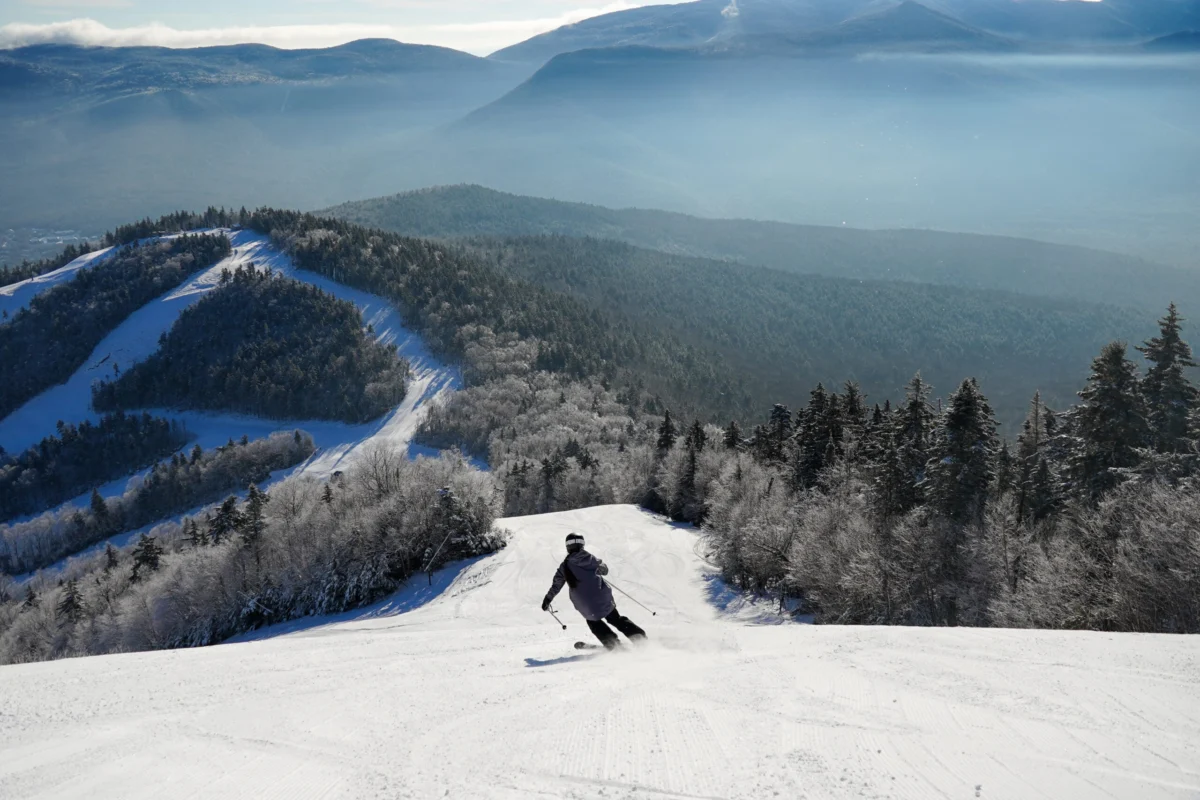
The 2027 Reader Resort Survey results highlight a significant shift in consumer priorities within the North American ski industry, particularly across the Eastern United States. As the cost of multi-day travel and the scarcity of paid time off (PTO) influence recreational choices, "accessibility" has emerged as a primary metric for skier satisfaction. For the current season, the "weekend warrior" demographic—individuals who prioritize proximity and ease of transit over sprawling terrain—has identified ten specific resorts that offer the most seamless transition from metropolitan centers to the slopes.
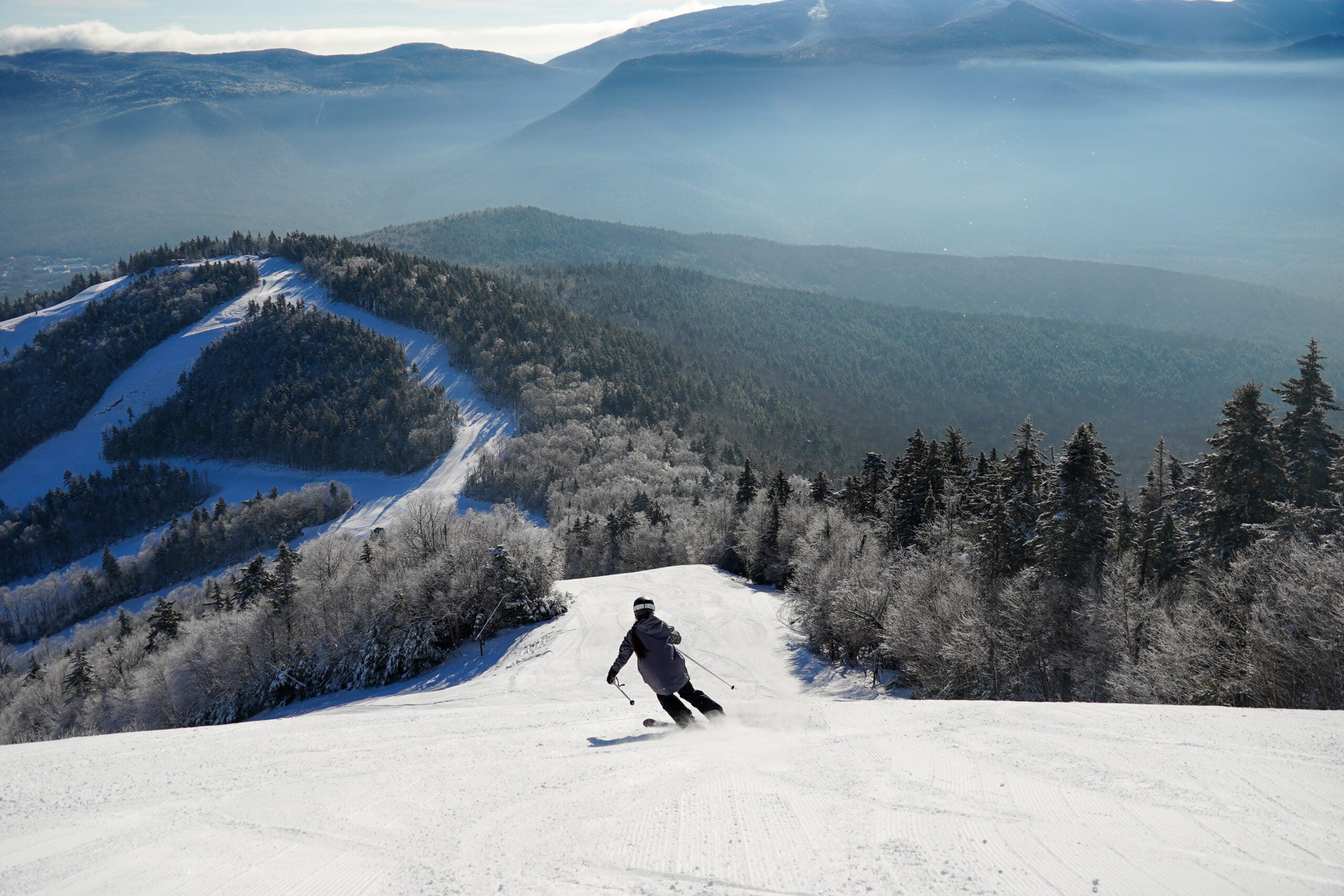
The survey data suggests that while high-altitude peaks and expansive acreage remain desirable, the ability to reach a resort within a few hours of major hubs like Boston, New York City, Hartford, and Montreal is a decisive factor for the modern East Coast skier. This trend is underscored by the high scores awarded to resorts located along major interstate corridors, such as I-93 in New Hampshire and I-91 in Vermont.
The Geography of Accessibility: Analysis of the Top 10
The following ranking reflects the aggregated scores from thousands of participants in the annual Reader Resort Survey, focusing specifically on transit logistics, parking efficiency, and proximity to major infrastructure.
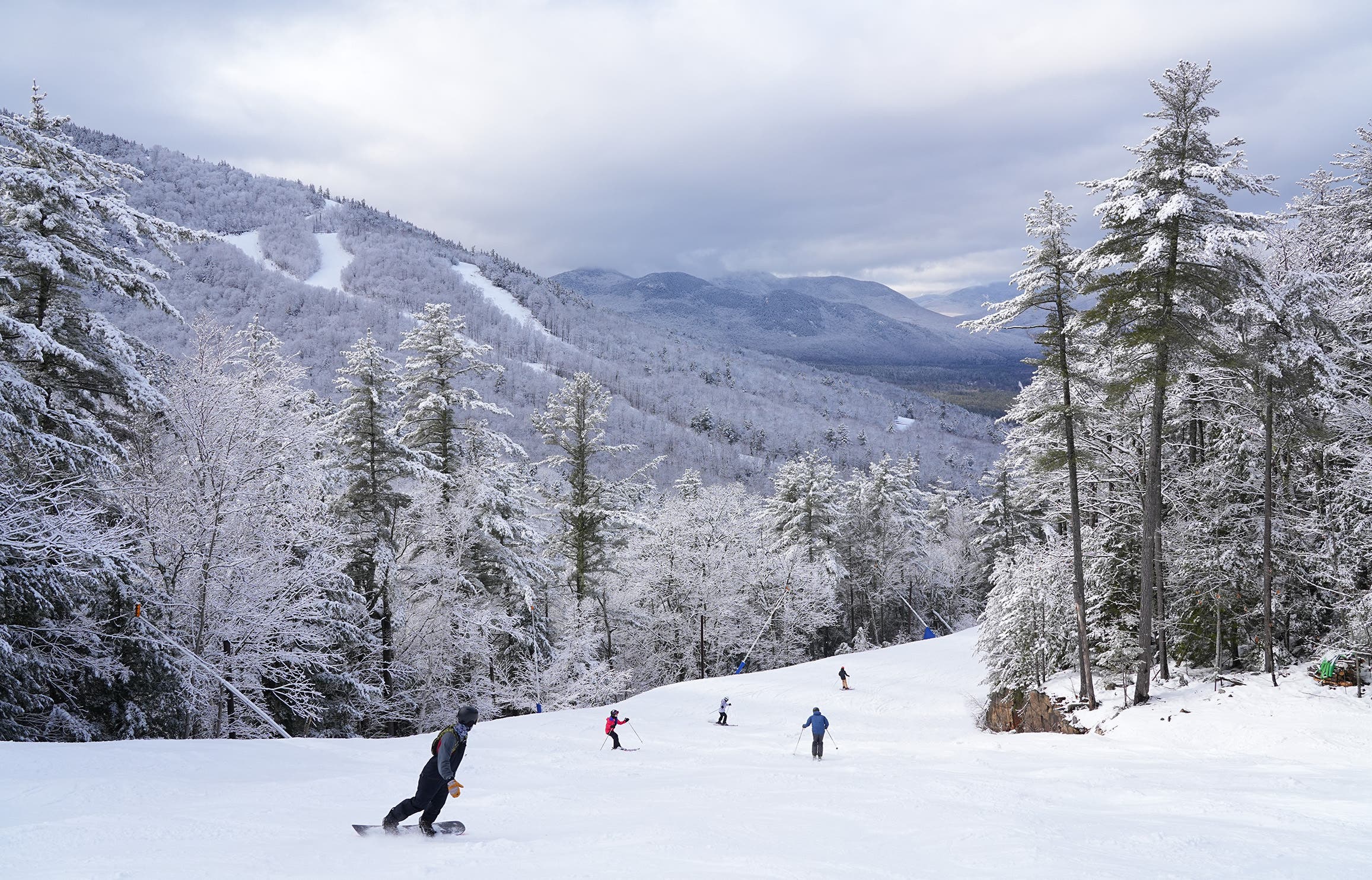
No. 10: Attitash Mountain, N.H.
Score: 8.19
Located in the heart of the Mount Washington Valley, Attitash Mountain benefits from its position along Route 302. Its accessibility score is bolstered by its proximity to North Conway, a premier destination that provides a high density of lodging and nightlife options. Despite its accessibility, readers noted that snow quality and value remain areas for improvement. The resort’s dual-peak layout offers a variety of terrain that appeals to traditionalists, though it faces stiff competition from neighboring resorts.
No. 9: Smugglers’ Notch, Vt.
Score: 8.20
Commonly referred to as "Smuggs," this resort is unique for its "slow-life" approach. While its lift infrastructure is frequently cited as a weakness due to its aging double chairs, the resort’s layout and proximity to Burlington International Airport make it a staple for regional travelers. The "Notch" itself—the mountain pass connecting it to Stowe—is closed in winter, forcing a specific transit route that paradoxically preserves the resort’s independent, less-congested atmosphere. Readers frequently praised the resort for its backcountry access and "Parking Lot 1" culture.
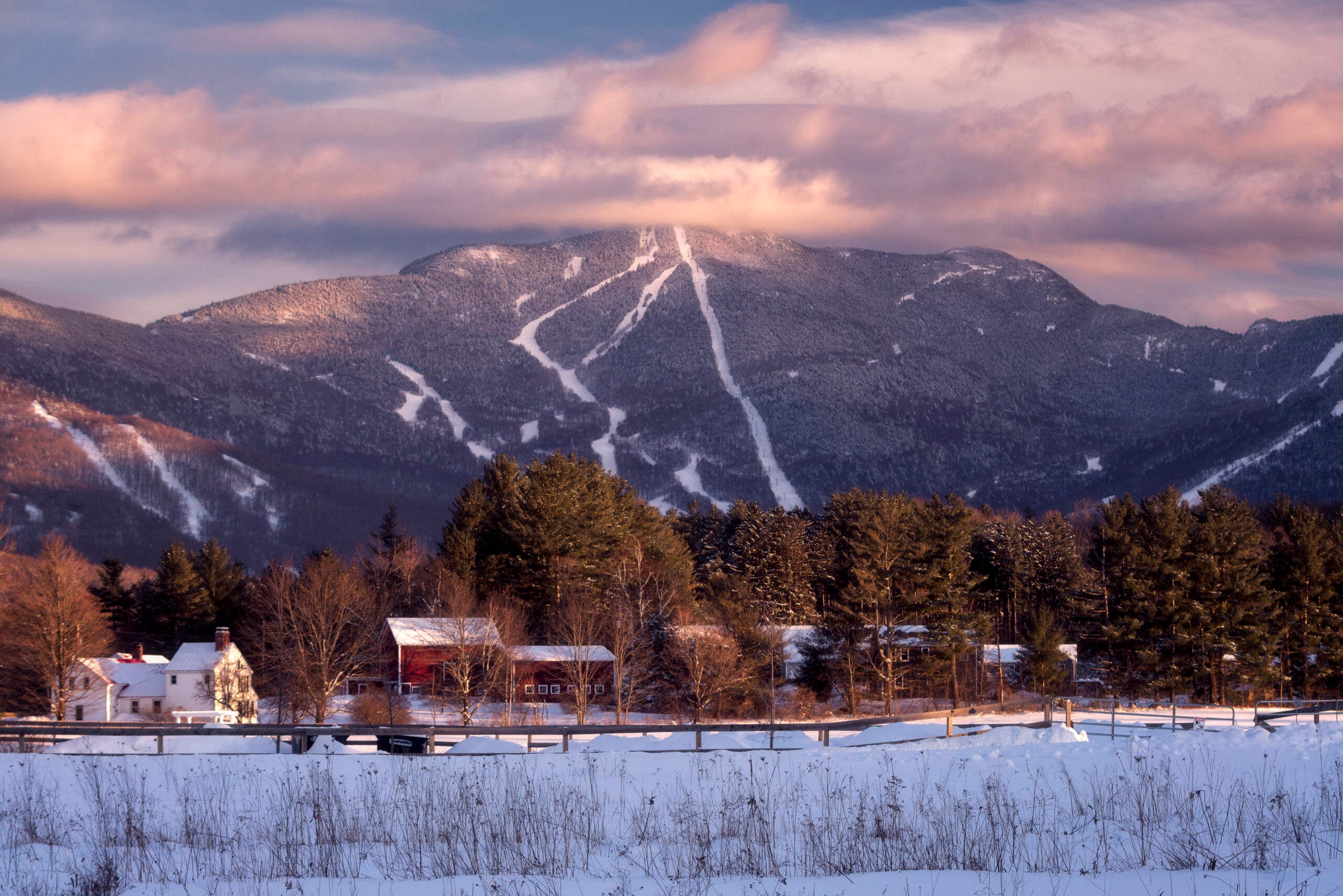
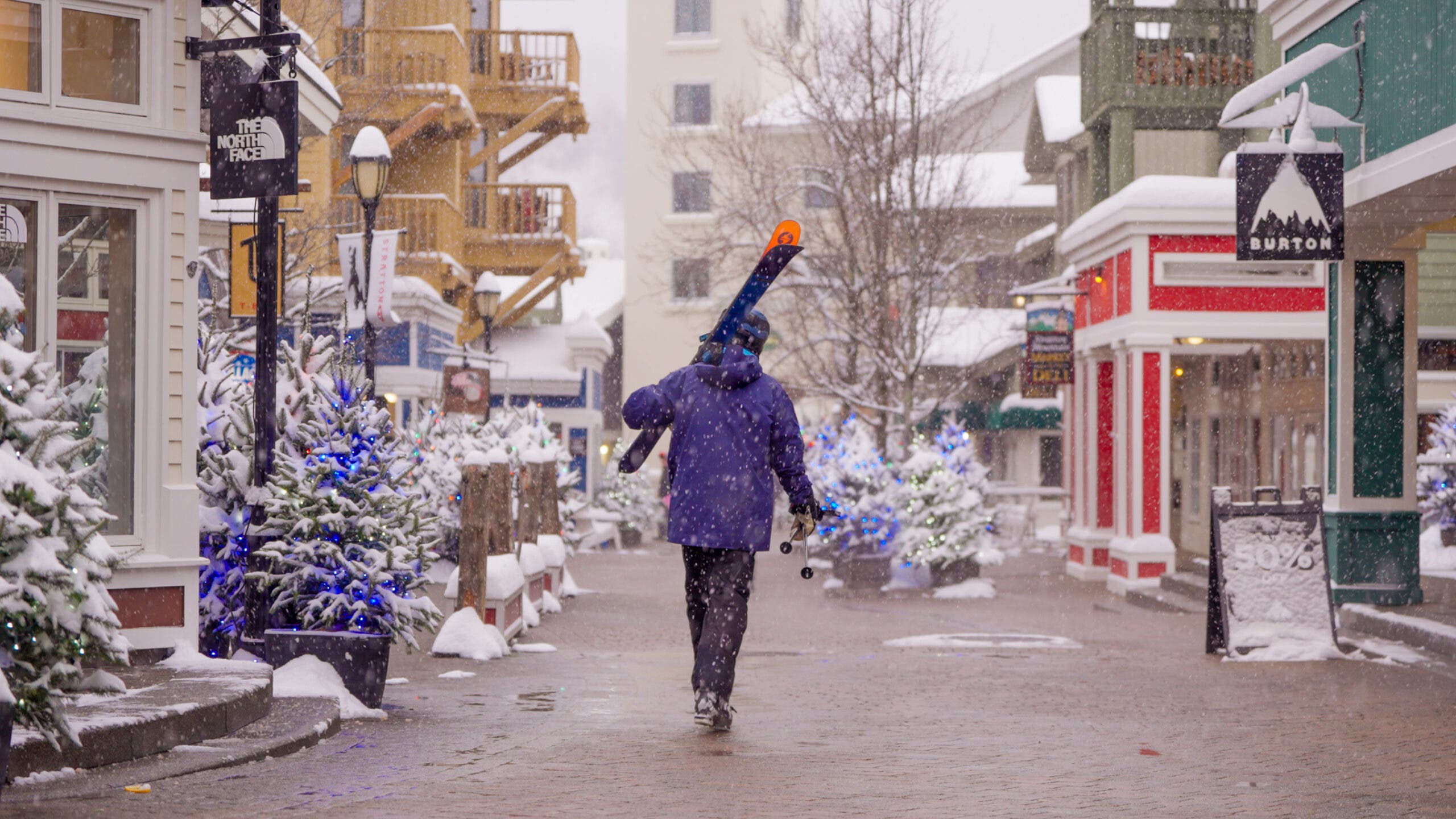
No. 8: Stratton Mountain, Vt.
Score: 8.55
Stratton Mountain is strategically positioned to capture the Southern Vermont market, serving as a primary destination for skiers from New York City and Connecticut. The resort has invested heavily in its base village and "covered parking" options, which significantly reduces the friction of arrival. While some survey respondents felt the terrain lacked extreme challenges, the efficiency of the lift network and the family-friendly atmosphere solidified its high ranking in accessibility.
No. 7: Loon Mountain, N.H.
Score: 8.65
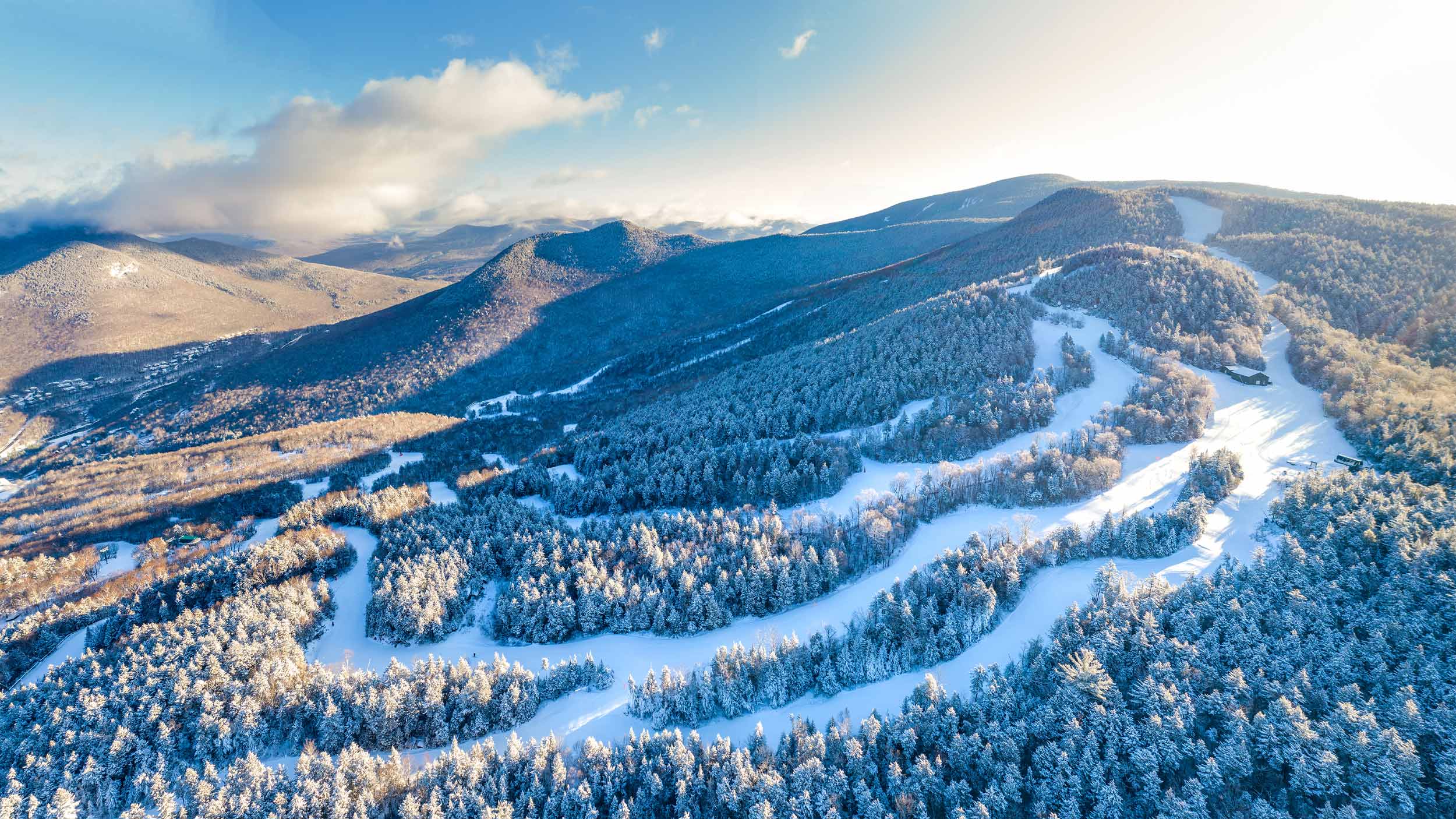
Loon Mountain’s ranking is largely a function of its location. Situated immediately off Exit 32 on Interstate 93, it is arguably the most straightforward drive for skiers traveling north from Boston. The resort has mitigated potential crowding through the implementation of advanced lift technology, including the Kanc 8, a high-speed eight-person chairlift. However, the popularity of this easy access often leads to parking shortages, a weakness noted by several survey participants.
No. 6: Cannon Mountain, N.H.
Score: 8.69
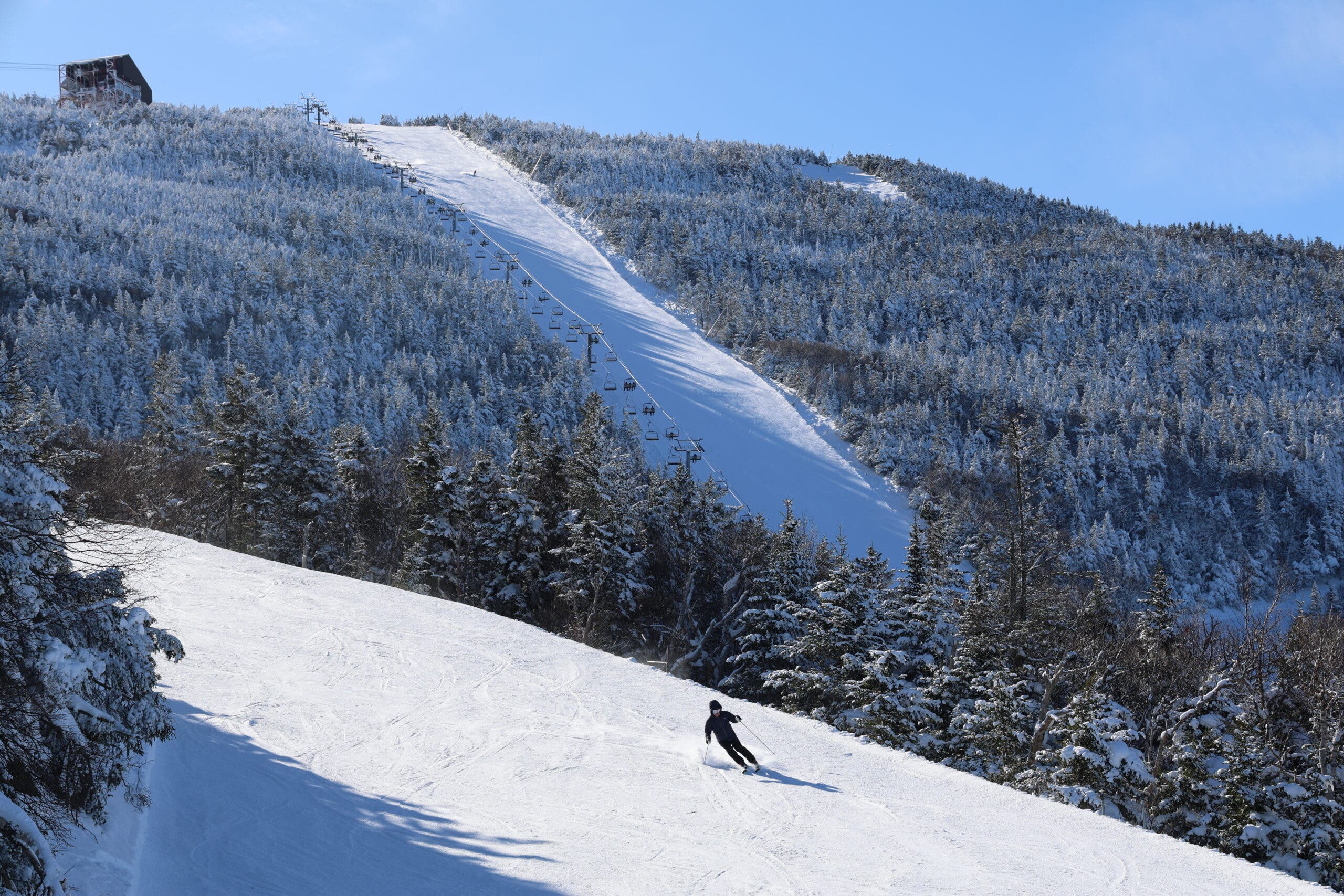
Cannon Mountain, located within Franconia Notch State Park, offers a "no-frills" experience that is highly accessible via I-93. As a state-owned entity, it provides a different atmosphere compared to corporate-owned resorts. Its accessibility is complemented by its reputation for challenge and value. The resort is often the first major peak skiers encounter when entering the Notch, making it a convenient stop for those looking to maximize time on the snow.
No. 5: Cranmore Mountain Resort, N.H.
Score: 8.71
Cranmore Mountain Resort is integrated into the town of North Conway, allowing visitors to walk to the slopes from various local accommodations. This "ski town" integration is a significant factor in its high accessibility score. The resort has transitioned into a year-round adventure hub, offering tubing and mountain parks that appeal to families who may not want to commit to a full day of alpine skiing.
No. 4: Bretton Woods, N.H.
Score: 8.82
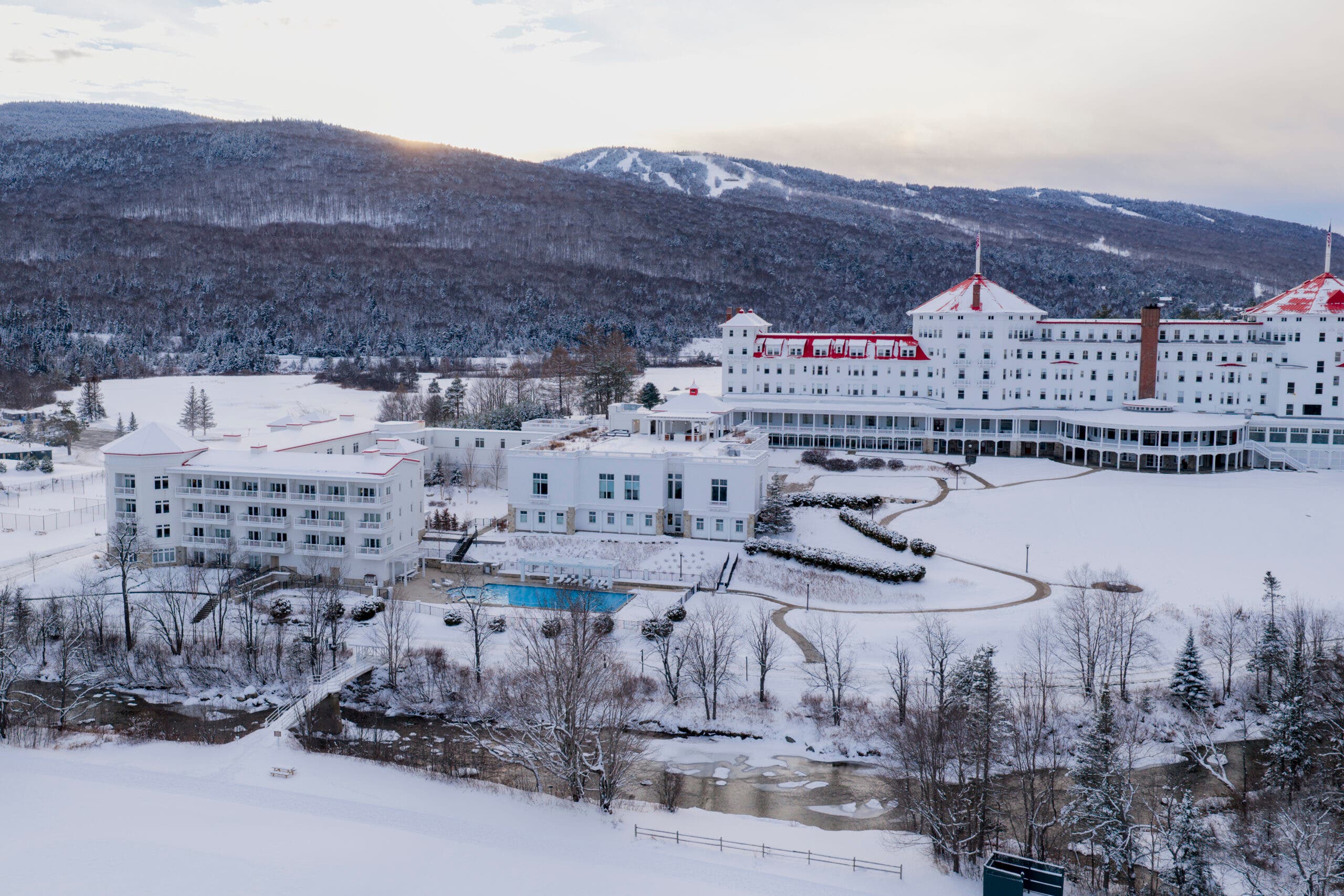
Bretton Woods is frequently cited for its superior grooming and snow quality, but its ease of reach via Route 3 and its proximity to the historic Mount Washington Hotel make it a luxury-access favorite. The resort’s parking is noted as being particularly "breeze-like," and its high-speed lift infrastructure ensures that the transition from the car to the summit is rapid. It remains a top choice for those who want a premium experience without the logistical hurdles of more remote Vermont peaks.
No. 3: Magic Mountain, Vt.
Score: 8.95
Magic Mountain represents the "indie" side of Eastern skiing. Located in Londonderry, Vermont, it is easily reached from Southern New England. The resort’s policy of limiting ticket sales to preserve the on-mountain experience has made it a favorite for those who equate accessibility with a lack of lift lines. While its lifts are slower than corporate counterparts, the ease of parking and the welcoming "local flavor" of the base lodge contribute to its high standing.
No. 2: Waterville Valley, N.H.
Score: 8.98
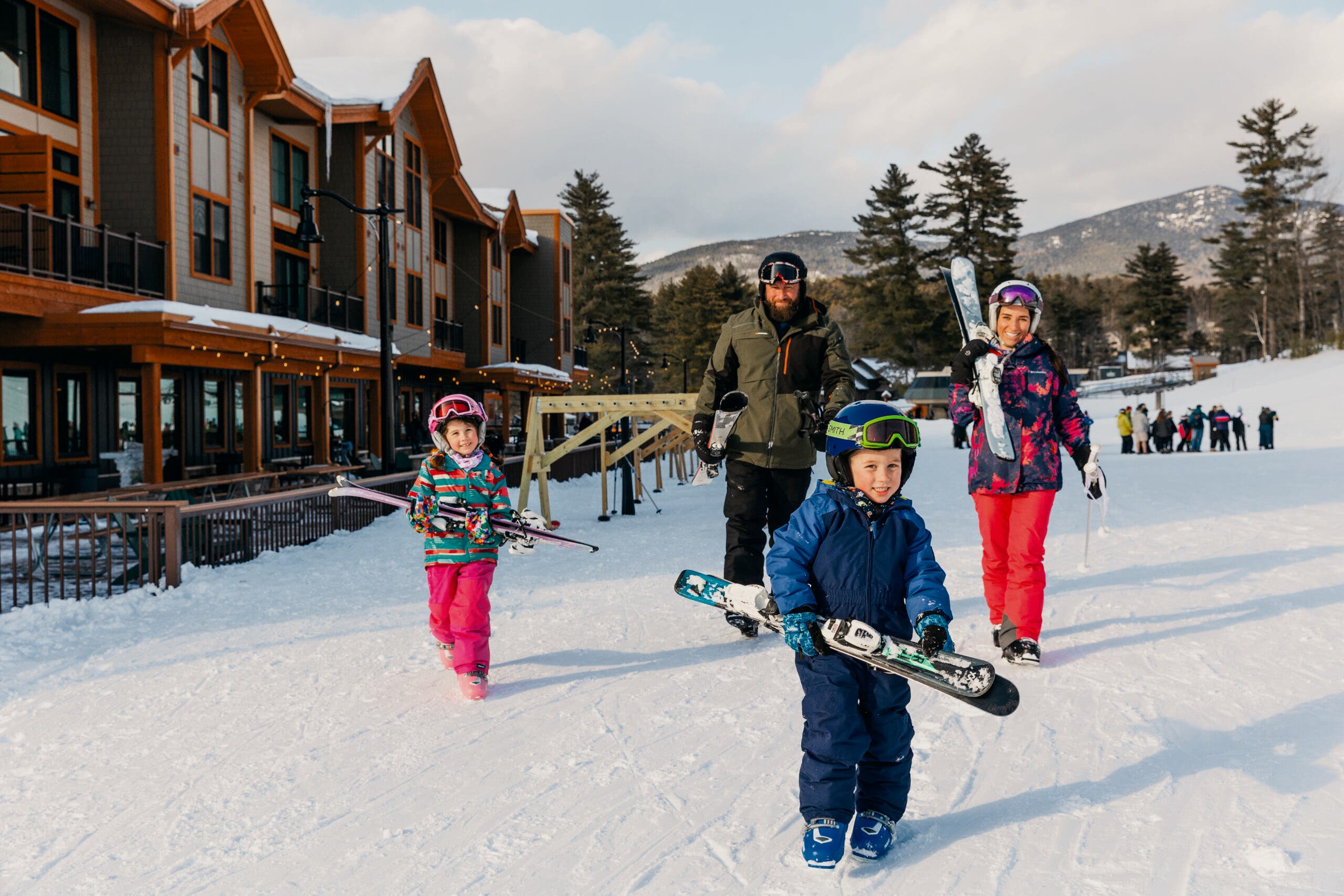
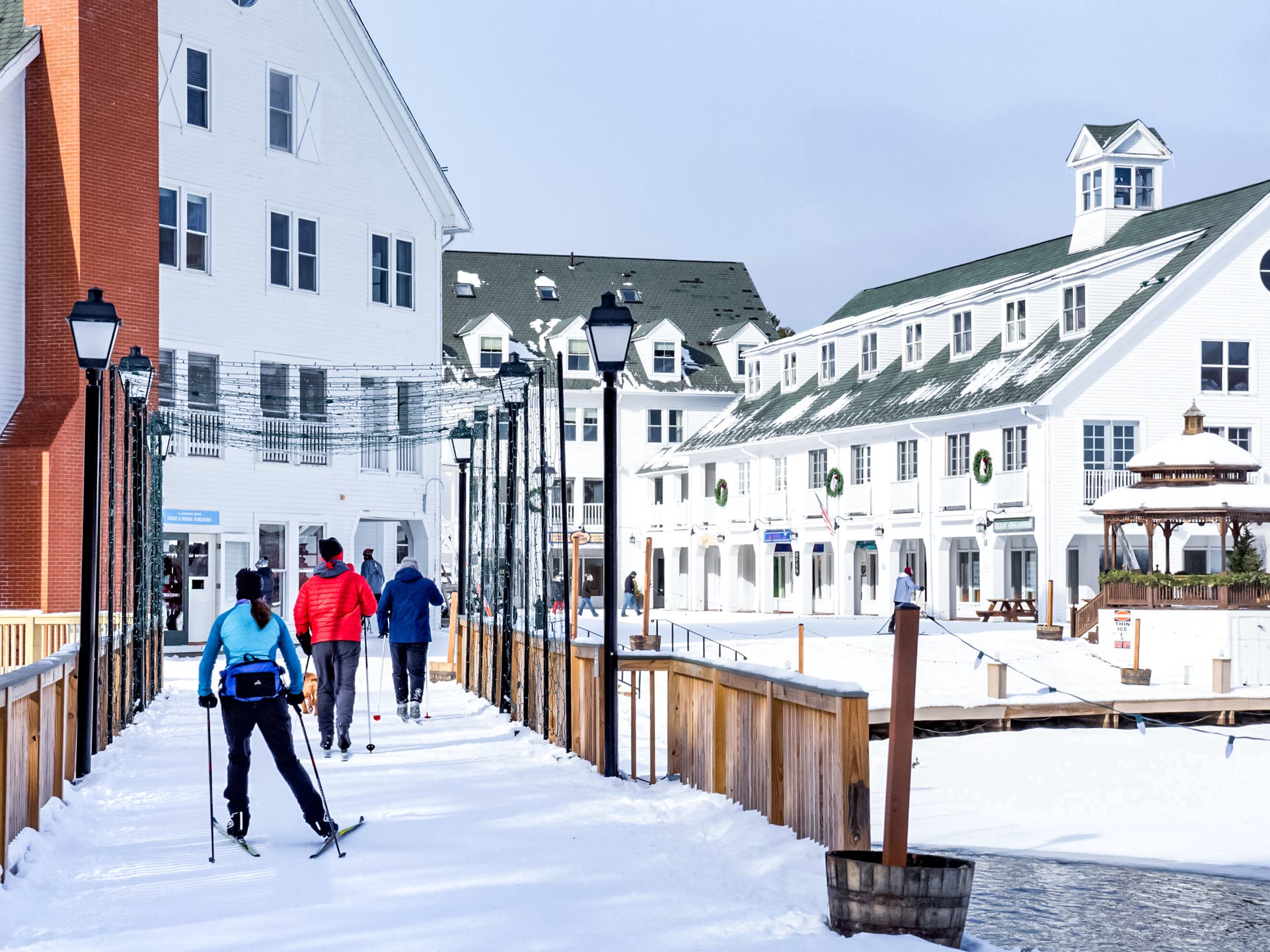
Waterville Valley is a self-contained "pedestrian village" located at the end of Route 49, just a short drive from I-93. This design allows guests to park their vehicles for the duration of their stay, using shuttles or walking to reach the base area. Its proximity to the Boston metro area (approximately two hours) makes it a premier candidate for day-trippers and weekenders alike.
No. 1: Wachusett Mountain, Mass.
Score: 9.19
Wachusett Mountain claims the top spot due to its unparalleled proximity to major population centers. Located in Princeton, Massachusetts, it serves the Worcester and Boston markets directly. It is one of the few resorts in the country accessible via a dedicated "Ski Train" (the MBTA Commuter Rail), which provides a shuttle from the Fitchburg station to the mountain. With robust snowmaking and a high-speed six-pack chairlift, Wachusett offers a "commuter" ski experience that allows residents of Eastern Massachusetts to be on the snow in under an hour.
Chronology of Infrastructure Development (2020–2027)
The rise of these resorts in the rankings is not accidental; it is the result of a decade of targeted infrastructure investments designed to handle high-volume, short-duration visits.
- 2020–2022: Following the COVID-19 pandemic, Eastern resorts saw a surge in local traffic as international and cross-country travel stalled. This period saw the initial implementation of reservation-based parking systems at resorts like Loon and Waterville Valley.
- 2023–2025: Major capital projects were completed, including the Kanc 8 at Loon and the expansion of the West Mountain terrain at Waterville Valley. These projects were specifically designed to increase "uphill capacity," reducing the time skiers spent in lines.
- 2026: Wachusett Mountain and other regional hills expanded their night-skiing operations, recognizing that "accessibility" also applies to the hours of operation, allowing workers to ski after traditional office hours.
- 2027: The current survey results reflect the culmination of these efforts, with skiers rewarding resorts that have prioritized the "door-to-slope" timeline.
Supporting Data: The "Weekend Warrior" Economy
The economic impact of accessible resorts is substantial. According to regional tourism data, day-trip skiers in the Northeast spend an average of $145 per person per day on lift tickets, food, and fuel. For a resort like Wachusett, which sees hundreds of thousands of visits annually, this translates into a vital economic engine for North-Central Massachusetts.
Furthermore, the "accessibility" metric correlates strongly with the sale of multi-resort passes. The Epic, Ikon, and Indy passes have incentivized skiers to visit multiple mountains within a single season. Resorts that are easy to reach benefit disproportionately from these pass-holders, who may choose a mountain based on a Friday evening weather report rather than a long-planned vacation itinerary.
Official Responses and Industry Reactions
Industry analysts suggest that the focus on accessibility is a defensive move against the volatility of climate change. "Lower-elevation resorts and those closer to cities must rely on superior logistics and snowmaking to remain competitive," says Thomas Arnett, a winter sports consultant. "If a skier only has six hours on a Saturday, they won’t spend four of them in a car. The resorts that win are the ones that respect the customer’s time."
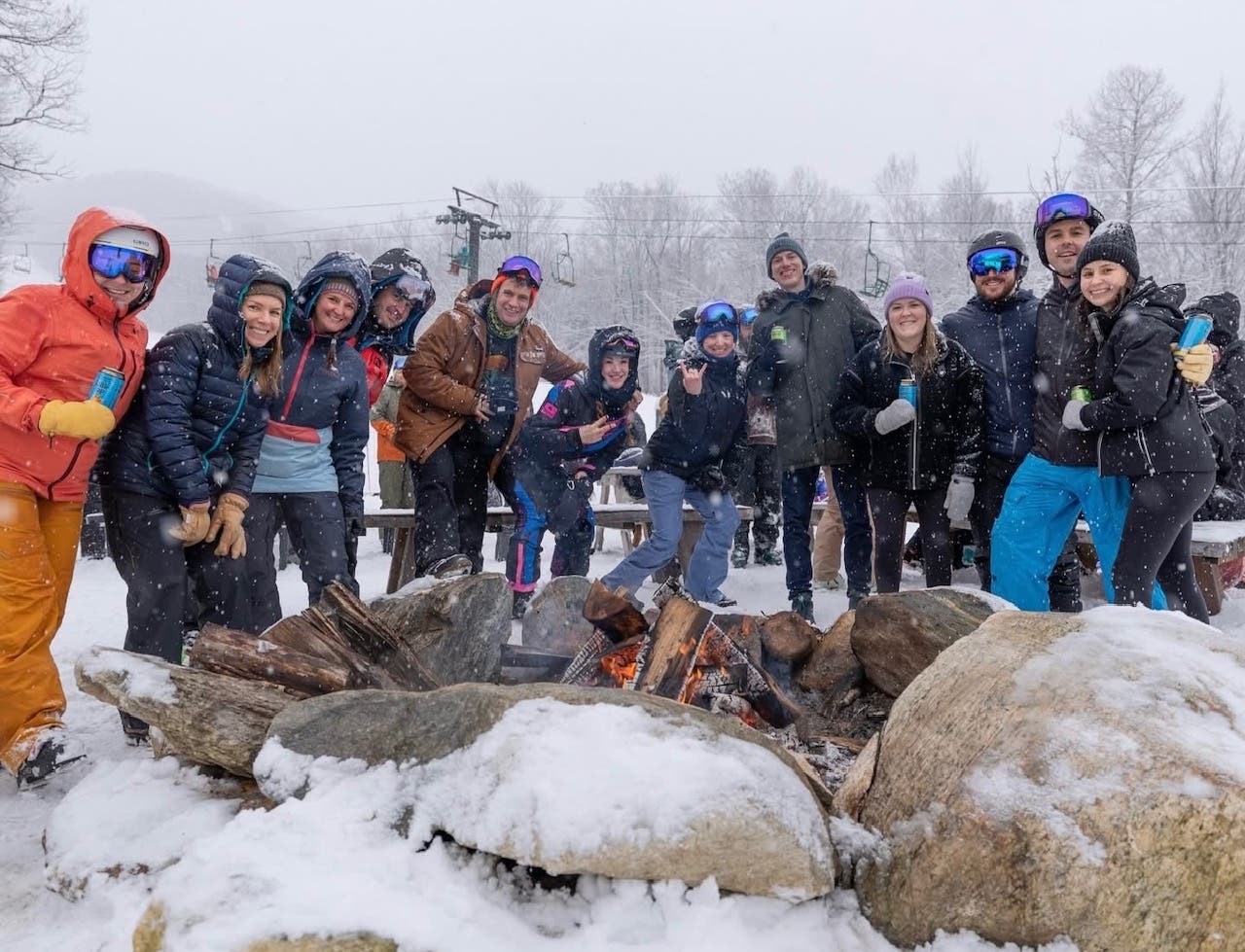
Spokespersons for several top-ranked resorts have emphasized that parking and transit are now as important as trail counts. At Waterville Valley, management noted that their "village-centric" model is designed to remove the stress of New England winter driving once the guest arrives on property. Similarly, Wachusett Mountain officials have frequently highlighted their partnership with the MBTA as a cornerstone of their sustainability and accessibility missions.
Broader Impact and Implications
The ranking of these ten resorts indicates a broader trend toward the "democratization" of skiing in the East. By prioritizing ease of access, these mountains are lowering the barrier to entry for new participants who may be intimidated by the logistics of a week-long trip to the Rockies or Northern Vermont.
However, the ease of access brings its own set of challenges—primarily overcrowding. The survey results show a direct tension between "Accessibility" and "Snow Quality" or "Value." As more skiers flock to the most convenient mountains, the experience on the trails can become congested. This has led to a rise in "dynamic pricing" and "limited ticket" models, as seen at Magic Mountain and Smugglers’ Notch, where management attempts to balance accessibility with the quality of the on-mountain product.
As the 2027 season progresses, the success of these resorts will likely drive further investment in transportation infrastructure, including electric vehicle (EV) charging stations and expanded shuttle services. The "Easiest to Reach" category is no longer just a secondary highlight; it has become the frontline of competition in the Eastern ski market. For the weekend warrior, the message is clear: the best mountain is the one you can actually get to.
