

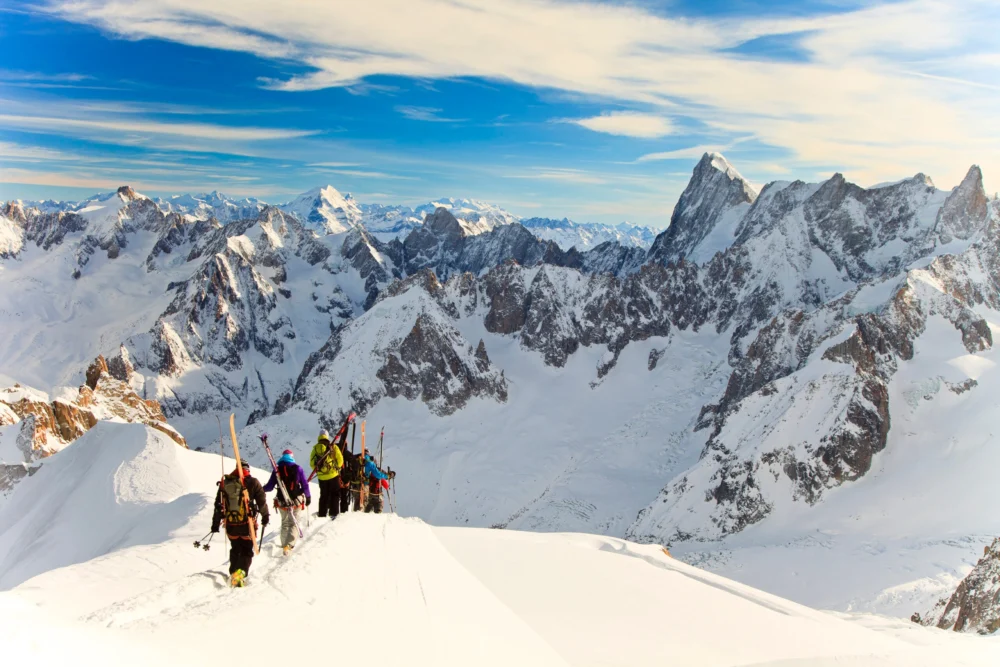
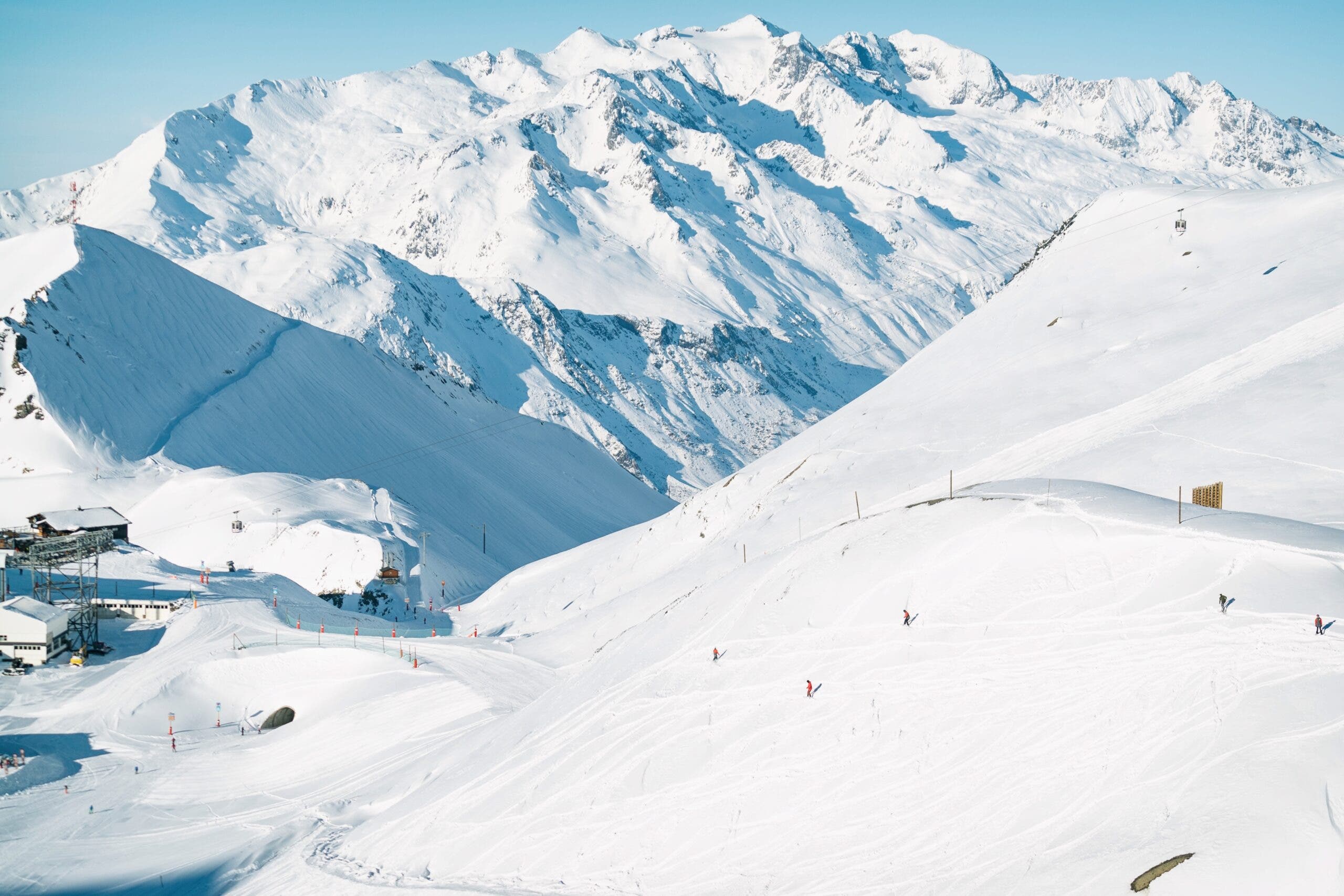
The European Alps represent the global epicenter of lift-access skiing, offering a scale and topographical diversity that remains unmatched by North American or Asian ranges. However, as the 2025-2026 winter season has demonstrated, the sheer vastness of this terrain, coupled with increasingly volatile weather patterns, has elevated the role of the professional mountain guide from a luxury service to a fundamental safety requirement. For international visitors, particularly those from North America, understanding the cultural and structural differences of European skiing is essential for both safety and successful navigation of the high-alpine environment.
While North American ski resorts are typically characterized by strictly controlled "in-bounds" terrain where ski patrols mitigate avalanche risks and mark hazards, the European model operates on a different philosophy. In the Alps, the "piste"—the groomed and marked trail—is the only area managed by the resort. Once a skier moves even a meter beyond the markers, they enter an unmanaged, high-mountain wilderness where the responsibility for safety rests entirely on the individual. This distinction often leads to a dangerous "competency gap" for foreign skiers who may be technically proficient but lack the specialized knowledge required to interpret Alpine snowpacks and glacial movements.
The Historical Evolution of Alpine Guiding
The profession of mountain guiding is deeply woven into the historical fabric of the Alps, dating back to the late 18th century. The birth of recreational mountaineering is widely attributed to the first successful ascent of Mont Blanc in 1786 by Jacques Balmat and Michel Paccard. Balmat and Paccard were originally cristalliers, or crystal hunters, whose livelihoods depended on their ability to navigate treacherous terrain in search of minerals. Their transition from utilitarian mountain travelers to professional guides laid the groundwork for a formalized industry.

By the 19th century, the demand for local expertise led to the formation of the first official guide associations. The Compagnie des Guides de Chamonix, established in 1821, set the standard for professionalizing mountain navigation. This historical trajectory culminated in 1965 with the formation of the International Federation of Mountain Guides Associations (IFMGA), an umbrella organization that now harmonizes training and certification standards across 25 countries. Today, the "UIAGM/IFMGA" pin is the highest level of certification a guide can achieve, requiring a minimum of four to seven years of rigorous training in skiing, ice climbing, rock climbing, and high-altitude medicine.
In countries like France, Switzerland, and Italy, the profession is strictly regulated. It is a criminal offense to lead clients into glaciated or high-mountain terrain for a fee without the proper IFMGA credentials. This regulatory environment ensures a high baseline of safety, but it also creates a significant cultural divide between Europe and the United States, where guiding permits are often restricted by land-use agreements and bureaucratic friction, resulting in a less integrated guiding culture.
Analyzing the 2025-2026 Winter Season and Risk Mitigation
The 2025-2026 season has highlighted the lethal consequences of underestimating Alpine hazards. In a single week during the peak of the winter, 17 fatalities were recorded across France, Switzerland, and Austria due to avalanche activity. Expert analysis of these incidents points to a specific meteorological phenomenon: a prolonged cold, dry spell in early winter that facilitated the development of "facets"—sugar-like, frictionless snow crystals near the ground. When heavy snowfall eventually arrived, it buried this "persistent weak layer," creating a hair-trigger environment where even experienced skiers could trigger massive slides on relatively low-angle slopes.
Joe Vallone, an IFMGA guide with over two decades of experience, notes that even the "best of the best" skiers rely on local guides for their granular knowledge of these conditions. "Reliability of snow is always an issue, but the real danger is the unpredictability of the layers beneath," Vallone observed. In the Alps, where a single lift can provide 2,000 meters of vertical descent, a skier can pass through multiple micro-climates and snow-stability zones in a matter of minutes.
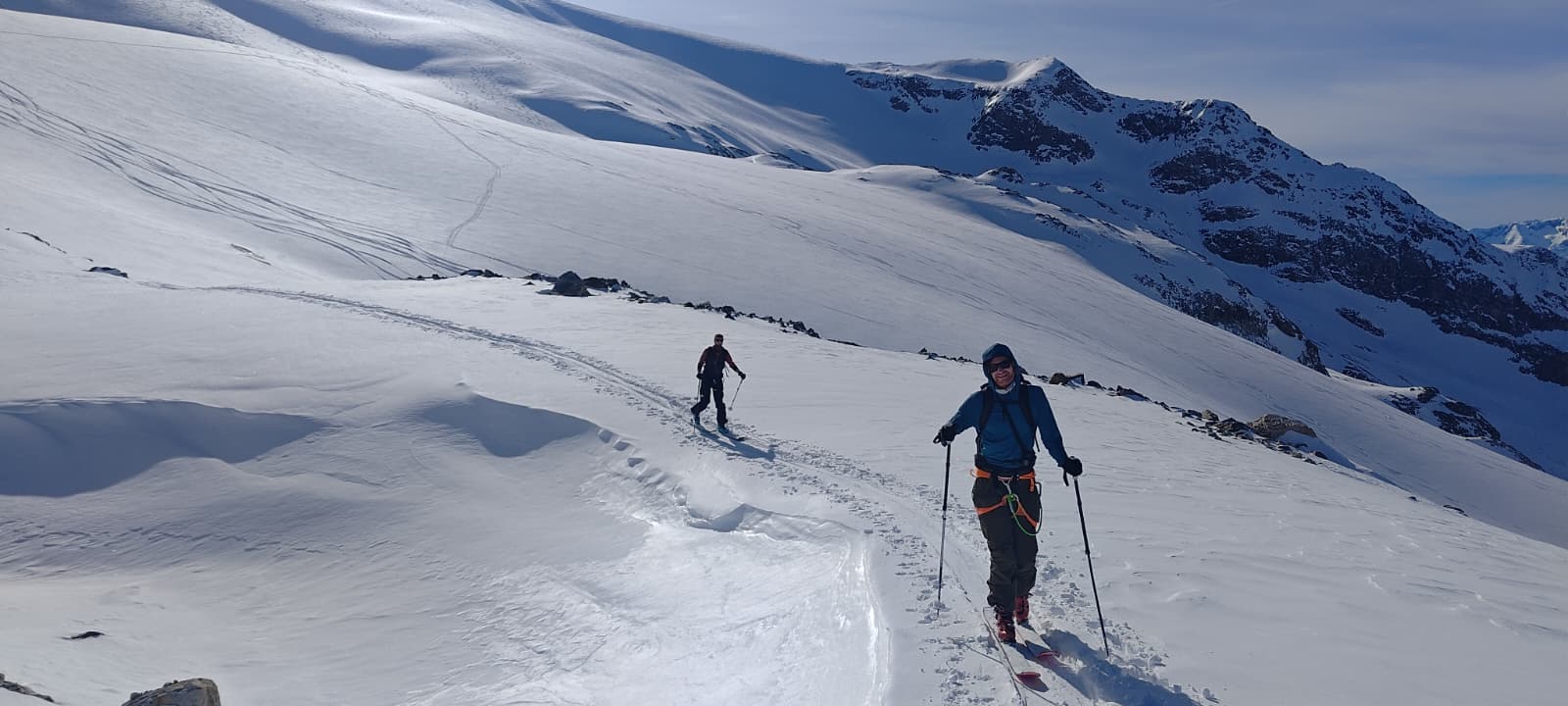
The role of the guide in this context is as much about data analysis as it is about physical navigation. Modern guides function as part-time meteorologists and snow scientists, constantly monitoring Météo-France or SLF (Swiss Institute for Snow and Avalanche Research) bulletins and conducting their own pit tests. This level of oversight is particularly crucial on glaciers, such as those surrounding the Aiguille du Midi in Chamonix, where hidden crevasses pose a constant threat regardless of snow stability.
Infrastructure vs. Wilderness: The Alpine Paradox
The primary allure of the Alps is the intersection of world-class infrastructure and raw wilderness. Erin Smart, an American IFMGA guide based in France, emphasizes that the scale of the Alps is often incomprehensible to those accustomed to the Rocky Mountains. The elevation gain from the valley floor of Chamonix to the summit of Mont Blanc is roughly equivalent to the gain from Everest Base Camp to the summit of Mount Everest.
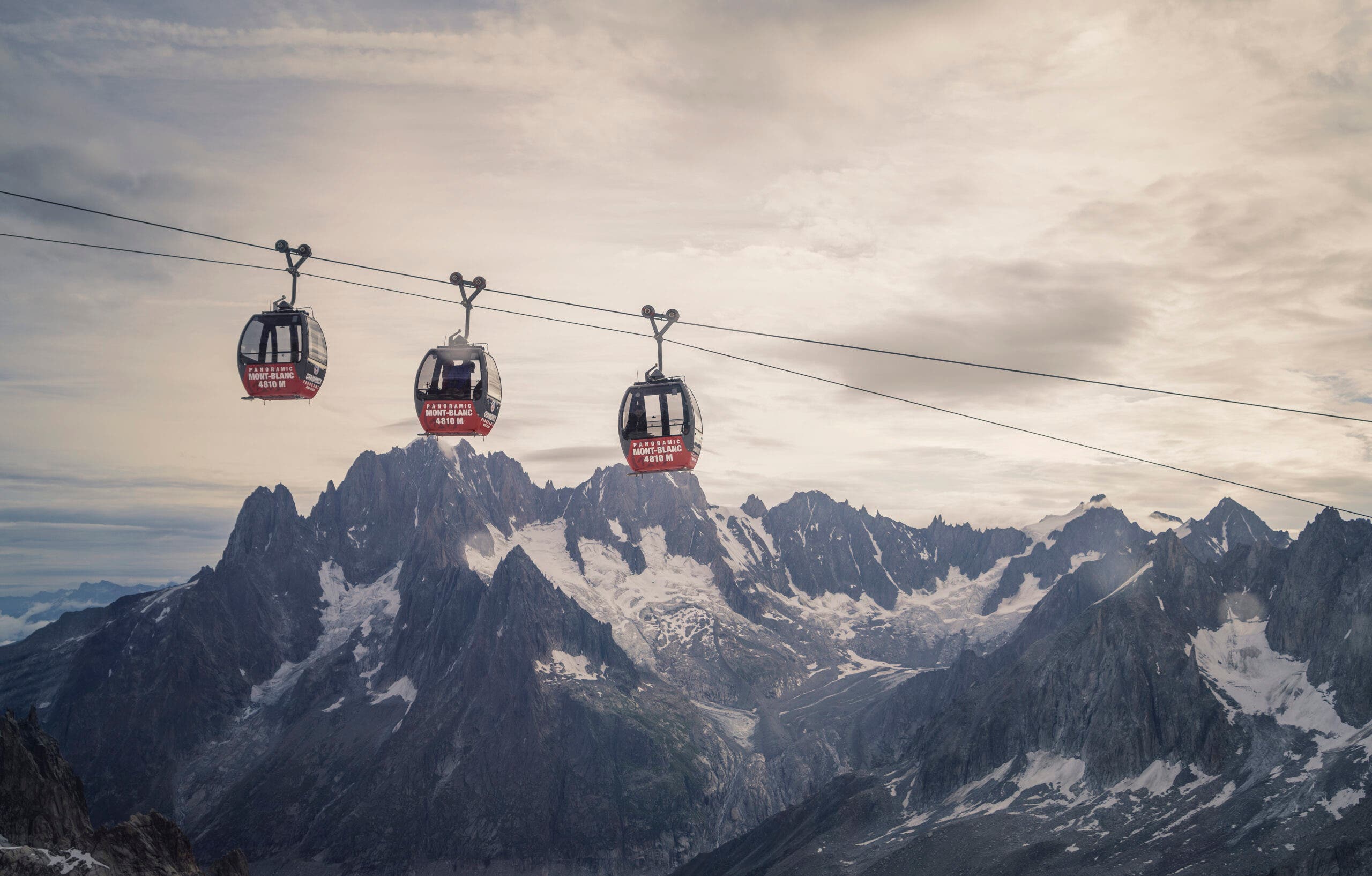
"Cable cars put you into serious alpine terrain quickly," Smart explains. "From there, you’re skiing lines that would be multi-day expeditions elsewhere." This accessibility is a double-edged sword. While it allows for high-volume "ski safaris"—a concept popularized by guides like Anthony Franklin, where clients travel between valleys and resorts over several days—it also places unprepared skiers in high-consequence terrain within minutes of leaving a luxury hotel.
The logistics of connecting these massive valley systems—such as the Les Trois Vallées in France or the Dolomiti Superski in Italy—require a level of route-finding that can overwhelm visitors. Guides provide the "frictionless" experience that many high-net-worth travelers require. As Benjamin Ribeyre, a French IFMGA guide, points out, North American skiers often underestimate their technical ability but lack the environmental awareness needed for the Alps, whereas local skiers may overestimate their safety margins.
The Economic and Professional Landscape of Modern Guiding
From a financial perspective, hiring a guide in Europe is often more accessible than in North America. The standard rate for a private IFMGA guide typically ranges between 400 and 500 Euros per day. When split among a group of four, the cost is comparable to a high-end ski school lesson but provides access to vastly more complex terrain.
The industry is structured around the "Bureau des Guides," a centralized office found in almost every major Alpine village. These bureaus act as cooperatives, managing bookings and ensuring that local knowledge is shared among the professional community. This system also facilitates the "partner" relationship that guides like Pol Decelle strive for. Decelle argues that the best outcomes occur when clients hire a guide for an entire week, allowing for a personal relationship to develop and for the guide to tailor objectives to the group’s evolving skill level and the shifting weather.
Conclusion and Future Implications
As climate change continues to impact the Alpine environment, the necessity of professional guidance is expected to grow. Glacial recession is altering traditional routes, creating new crevasse patterns and increasing the risk of rockfall in the summer and shoulder seasons. The "spontaneity" that guides offer—the ability to pivot to a different valley or aspect based on a morning weather report—is becoming the only way to ensure quality skiing in an era of "weather whiplash."
The 2026 season serves as a reminder that the mountains remain an inherently risky environment. While no professional can eliminate risk entirely, the IFMGA guiding community provides the most robust framework for mitigation. For the international skiing community, the transition from being a "resort skier" to a "mountain partner" under the tutelage of a guide is the definitive way to experience the full potential of the European Alps.
Professional Guide Directory
For those seeking expert navigation and safety services in the European Alps, the following IFMGA-certified professionals contributed their insights to this report:
Erin Smart
Email: [email protected]
Specialization: High-alpine technical transitions and women’s backcountry clinics.
Benjamin Ribeyre
Email: [email protected]
Specialization: Steep skiing and glacial navigation in the Ecrins and Mont Blanc massifs.
Pol Decelle
Email: [email protected]
Specialization: Multi-day glacial tours and freeride coaching.
Anthony Franklin
Email: [email protected]
Specialization: "Ski Safaris" and cross-border Alpine expeditions.
Joe Vallone
Email: [email protected]
Specialization: La Grave expert guiding and technical big-mountain descent.
