

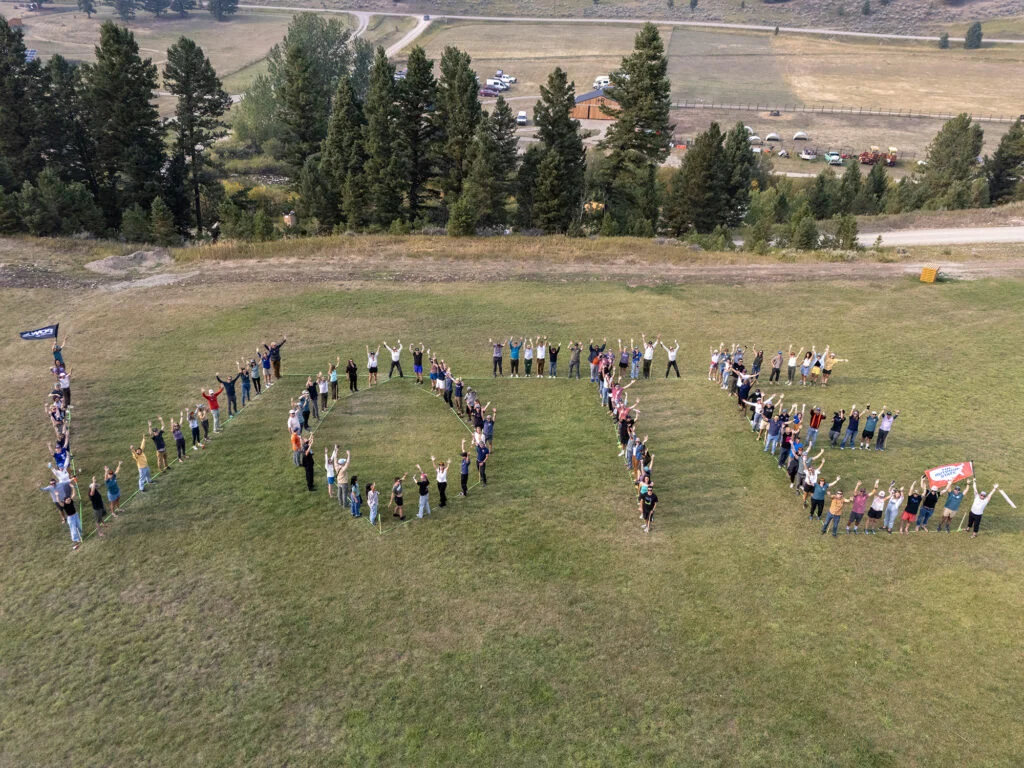
The global challenge of climate change is increasingly recognized not merely as a localized environmental crisis but as a fundamental collective action problem that tests the structural integrity of democratic institutions. Because no single individual or private entity possesses the resources to stabilize the global climate, the burden of mitigation falls upon systemic frameworks, including national power grid modernization, interstate transmission development, and the establishment of stringent pollution standards. These requirements necessitate a functioning democracy capable of enacting laws and managing public investments that serve the collective interest over specific powerful lobbies. Consequently, the efficacy of climate progress remains inextricably linked to the health of the democratic process, including voter participation, government accountability, and the transparency of the legislative and executive branches.
The Legislative Shift and the Deconstruction of Climate Policy
Over the past two fiscal years, a significant shift in federal policy has altered the trajectory of American climate action. Following the implementation of the Inflation Reduction Act (IRA), which represented the largest federal investment in climate and clean energy in United States history, subsequent legislative actions have sought to curtail its reach. The 2025 budget law, colloquially titled "One Big Beautiful Bill," introduced a series of provisions that targeted the core mechanisms of the IRA.
Key among these changes was the accelerated expiration of federal tax credits for wind and solar energy. These credits, which provided the financial predictability necessary for long-term capital investments, were shortened in duration, leading to a cooling effect on new project starts. Additionally, the legislation eliminated consumer-facing incentives for electric vehicles (EVs) and home energy efficiency improvements. Market analysts have noted that these incentives were instrumental in bridging the price gap between traditional internal combustion engines and nascent EV technologies. The sudden removal of these subsidies has not only disrupted domestic manufacturing schedules but has also raised concerns regarding the nation’s ability to meet international carbon reduction commitments.
Administrative Barriers and the Renewable Energy Obstacle Course
Beyond legislative rollbacks, the executive branch has implemented administrative hurdles that have specifically affected the renewable energy sector. While the previous administration had streamlined the permitting process for wind and solar developments on public lands, recent policy shifts have introduced what industry experts describe as a "federal obstacle course."
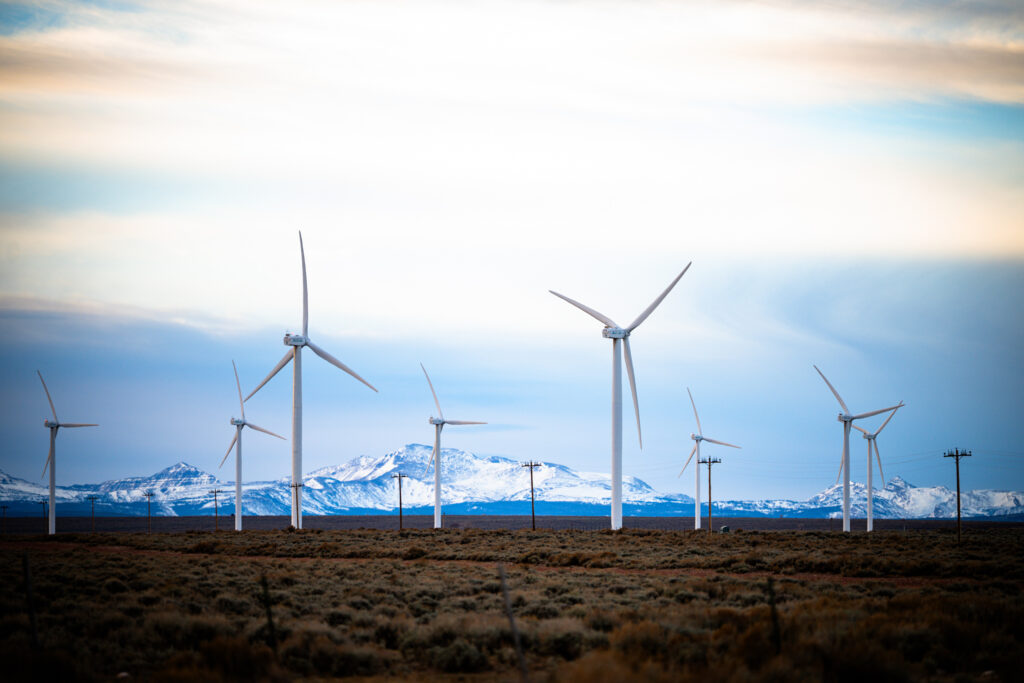
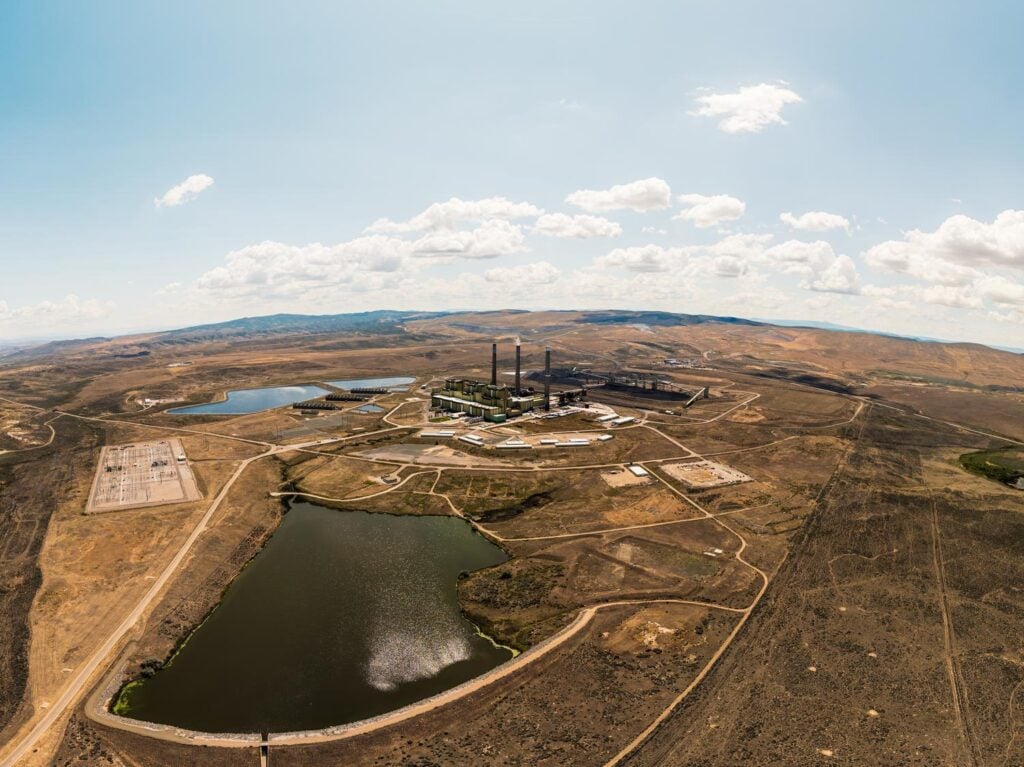
Renewable energy projects on public lands are now subject to elevated levels of political and environmental review, a process that has historically added years to project timelines. In the offshore sector, wind leases and construction permits have faced a series of suspensions and delays, citing the need for further impact assessments. Conversely, the administration has expanded federal support for traditional energy extraction. This includes the streamlining of permits for oil and gas drilling, the expansion of mining operations, and a renewed emphasis on coal production. Critics argue that this does not constitute an "all-of-the-above" energy strategy but rather a deliberate prioritization of fossil fuels over the cheapest and fastest-growing sources of new electricity.
The Reorientation of the Environmental Protection Agency
The Environmental Protection Agency (EPA), established in 1970 to safeguard human health and the environment, has undergone a significant internal transformation under the leadership of Administrator Lee Zeldin. The current administration has framed its actions as the "largest deregulatory action in U.S. history," focusing on the reduction of federal oversight and the easing of pollution safeguards.
A primary area of concern for environmental advocates is the weakening of federal limits on climate pollution from power plants. By erasing these standards, the administration has shifted the regulatory burden to individual states, creating a patchwork of environmental laws that complicates corporate compliance. Furthermore, data from 2025 indicates that federal civil enforcement cases against industrial polluters dropped to the lowest levels in the modern history of the agency. This decline in enforcement suggests a shift in the agency’s mission from proactive regulation to a more passive, industry-friendly posture. The reduction in enforcement actions has direct implications for air and water quality, particularly in fence-line communities located near major industrial corridors.
Public Lands and the Acceleration of Resource Extraction
The management of public lands has emerged as a central flashpoint in the debate over climate responsibility. In July 2026, the administration took the unprecedented step of removing protections from more than 90 percent of the land previously designated as part of the Bears Ears and Grand Staircase-Escalante National Monuments in Utah. This action opened millions of acres to potential mineral and energy extraction, despite the presence of sacred Tribal sites and irreplaceable cultural resources.
In the Arctic, the administration has moved to reopen the coastal plain of the Arctic National Wildlife Refuge (ANWR) to oil and gas leasing. This was accompanied by the revocation of limits that had previously restricted drilling across more than 10 million acres of the National Petroleum Reserve–Alaska (NPRA). These decisions represent a strategic pivot toward maximizing domestic fossil fuel production. However, conservationists warn that these actions place fragile ecosystems and Alaska Native communities at heightened risk, while simultaneously locking the nation into long-term carbon-intensive infrastructure.
The Role of Democratic Institutions in Climate Stability
The cumulative effect of these legislative and administrative changes underscores the reality that institutions determine what is possible in the realm of climate policy. When democratic institutions function effectively, they provide a platform for collective action, allowing for the protection of clean air and the conservation of shared landscapes. However, these institutions are not self-sustaining. The hollowing out of agencies and the repeal of public protections demonstrate that progress is contingent upon the individuals who hold office and the priorities of the voters who elect them.
The relationship between political power and environmental outcome is cyclical. When political power becomes less accountable to the public, industrial interests often gain disproportionate influence over regulatory decisions. Conversely, when voting rights and public participation are robust, communities are better equipped to demand accountability and advocate for a livable future. This intersection has led many advocacy groups to view the protection of democracy as a prerequisite for any meaningful climate progress.
The Environmental Health Restoration Act (EHRA)
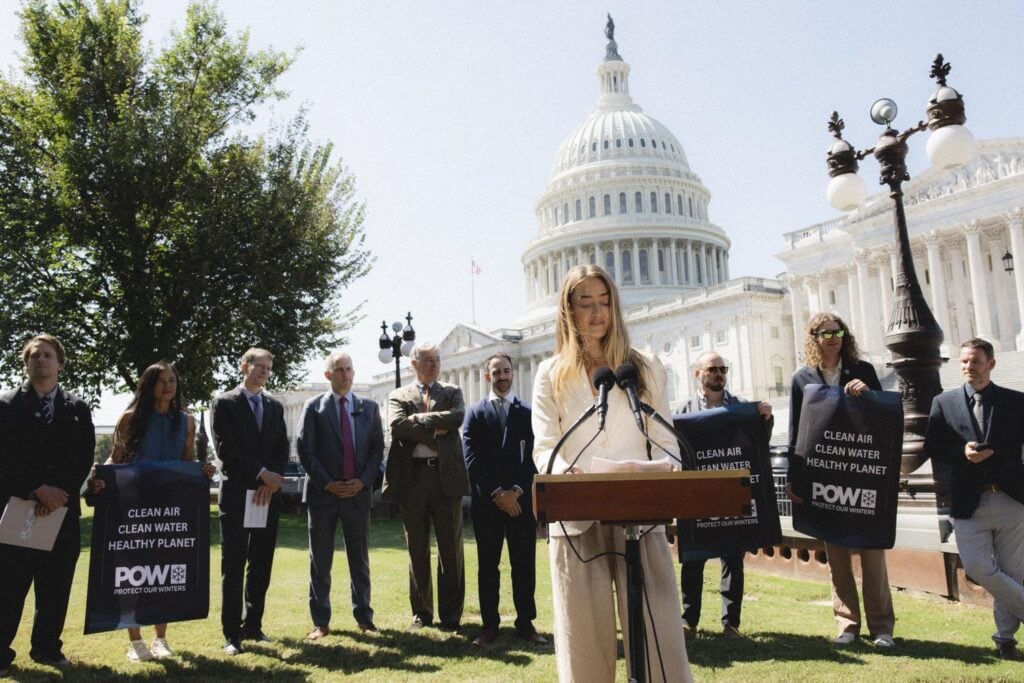
In response to the perceived dismantling of environmental protections, members of the "Outdoor State"—a coalition of athletes, outdoor enthusiasts, and business leaders—have advocated for the Environmental Health Restoration Act (EHRA). Introduced by Representative Sean Casten and Senator Sheldon Whitehouse, the EHRA seeks to restore the core mission of the EPA.
The proposed legislation is grounded in the principle that the EPA should be legally required to fulfill its founding mandate: protecting public health from pollution. The EHRA aims to insulate the agency from political volatility by codifying specific enforcement requirements and ensuring that clean air and water are treated as public rights rather than negotiable political assets. Proponents of the bill argue that organized civic engagement is the only force capable of compelling institutions to prioritize public health over corporate interests.
Economic Implications of the Energy Transition
The shift away from renewable energy incentives also carries significant economic implications. The global transition to a low-carbon economy is currently a multi-trillion-dollar industry, with nations competing to lead in battery technology, EV manufacturing, and green hydrogen. By scaling back support for these sectors, the United States risks losing its competitive edge to international rivals who are heavily subsidizing their own clean energy industries.
Furthermore, the uncertainty created by the repeal of tax credits has disrupted domestic supply chains. American manufacturers who had retooled their facilities to support wind and solar projects now face a diminished market. Economists suggest that a "climate renaissance"—a return to pro-climate policies—could stabilize these markets, lower energy costs for consumers, and create high-paying jobs in the burgeoning green technology sector.
Looking Toward the Midterm Elections
As the midterm elections approach, the direction of U.S. climate and public-lands policy remains a central issue for the electorate. The events of the past two years have demonstrated the speed with which decades of environmental progress can be reversed through executive and legislative action. These elections offer a pivotal moment for voters to decide whether the nation will continue its current path of fossil-fuel prioritization or pivot back toward a framework of climate responsibility.
The concept of a "climate renaissance" involves more than just restoring previous regulations; it envisions a durable clean-energy economy that is resilient to political shifts. Achieving this would require a government committed to utilizing the best available science and a regulatory framework that places the health of communities at the center of decision-making. While a single election cannot solve the climate crisis in its entirety, the results will determine which futures remain viable. The current political climate suggests that the "Outdoor State" and other advocacy groups will continue to mobilize, viewing the ballot box as the primary tool for answering the collective action problem of climate change.
