

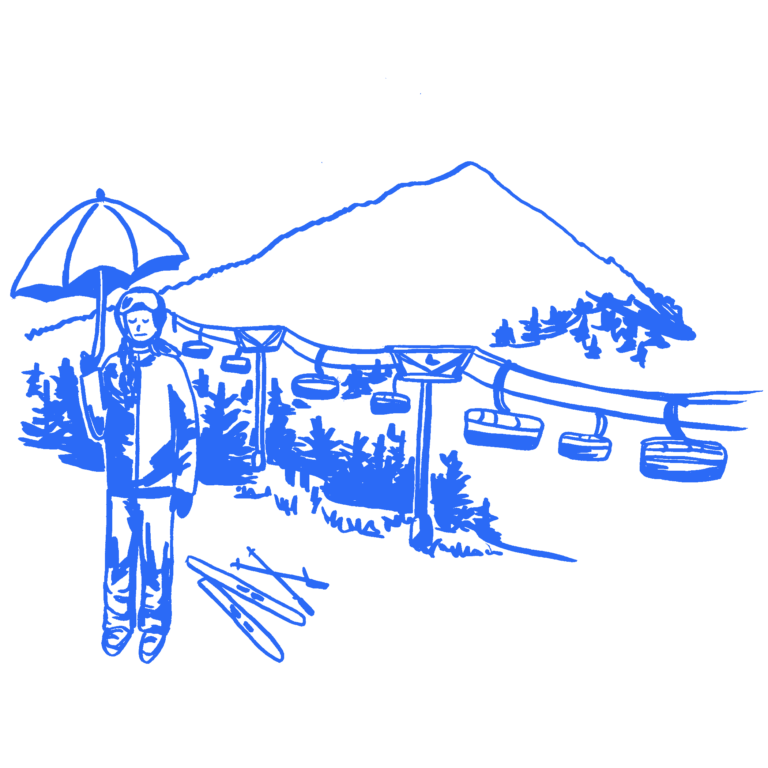
The early morning hours at iconic mountain passes such as Turnagain in Alaska, Red Mountain in British Columbia, Snoqualmie in Washington, and Teton Pass in Wyoming often reveal a striking paradox of the modern outdoor experience. Rows of internal combustion trucks idle in the darkness, exhaust plumes rising into the frigid air as skiers and snowboarders prepare for the day. These enthusiasts are burning fossil fuels to pursue a seasonal phenomenon that those very fuels are systematically erasing: reliable snowfall. In the high-altitude environments where these communities recreate, the difference between a successful season and an ecological disaster is measured by a single degree of temperature. At 31 degrees Fahrenheit, the landscape is a winter playground; at 32 degrees, the powder turns to rain, compromising both the experience and the underlying ecosystem.

This tension between lifestyle and environmental impact serves as the catalyst for Protect Our Winters (POW), a 501(c)(3) nonprofit organization that has spent nearly two decades transitioning the outdoor community from a group of concerned individuals into a cohesive political force. Founded in 2007 by professional snowboarder Jeremy Jones, the organization operates on the premise that the outdoor recreation industry possesses the social and economic capital necessary to influence national climate policy.
The Economic and Environmental Context of Winter Sports
The urgency of POW’s mission is underscored by the shifting economics of the outdoor industry. According to data from the Bureau of Economic Analysis, the outdoor recreation economy accounts for approximately $1.3 trillion in annual economic output, representing a significant portion of the United States’ Gross Domestic Product (GDP). This sector supports millions of jobs in rural and mountain communities that are increasingly vulnerable to the volatility of a warming climate.
Environmental data highlights the scale of the challenge. While the U.S. has seen a decline in total carbon emissions since 2010 despite economic growth, the frequency of extreme weather events—including floods, wildfires, and unprecedented heatwaves—continues to rise. In the mountains, these changes are felt through shortened winters and receding glaciers. However, the economic landscape for solutions has shifted favorably; solar energy costs have plummeted by 90% over the last fifteen years, and in recent years, wind, solar, and battery storage accounted for 93% of all new electricity capacity added to the U.S. power grid.
A Chronology of Advocacy and Organizational Growth
Protect Our Winters began as a localized effort within the snowboarding community but has since evolved into a multidisciplinary coalition. The organization’s timeline reflects a broadening scope of influence:
- 2007: Jeremy Jones founds POW after witnessing the direct impact of climate change on the mountains he frequented for filming and competition.
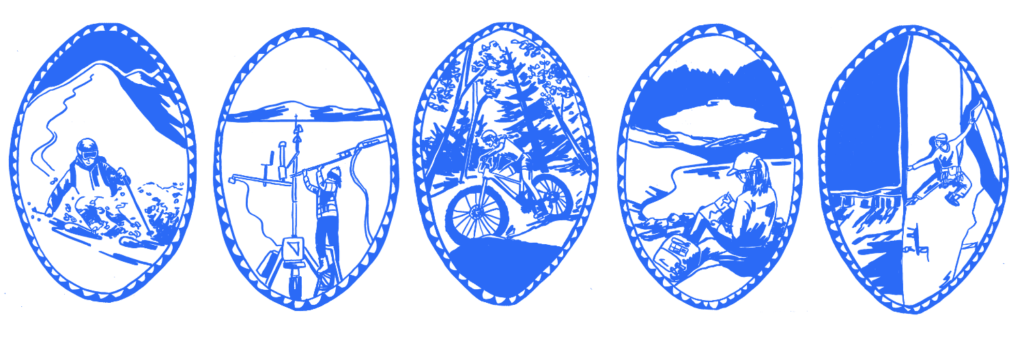
- 2010–2015: The organization expands its "Athlete Alliance," recruiting high-profile climbers, runners, and skiers to serve as climate spokespeople.
- 2016–2020: POW shifts its focus toward "political will," recognizing that individual consumer choices are insufficient to address systemic carbon reliance. The organization begins aggressive non-partisan "Get Out the Vote" (GOTV) campaigns.
- 2021–2024: The launch of regional chapters in key geographies such as Reno/Tahoe, Western Colorado, New England, and Montana allows for localized grassroots lobbying.
- 2025–2026: The organization intensifies its focus on clean energy infrastructure, setting a goal to realize 500 MW of new clean energy by the end of 2026.
By mid-2026, the organization’s impact reached a new zenith. During a critical Montana Public Service Commission hearing regarding resource planning, POW representatives and trained advocates comprised nearly one-third of the attendees, demonstrating the organization’s ability to mobilize a demographic that historically avoided administrative policy meetings.
The Three Pillars of the POW Strategy
To address the climate crisis, POW utilizes a three-pronged strategic framework designed to move the needle on federal and state policy: Defend, Build, and Shift.

Defending Public Lands and Carbon Sinks
The organization views public lands not just as recreational venues, but as critical carbon sinks. Policy decisions regarding these lands dictate whether the U.S. continues to permit fossil fuel extraction or transitions to renewable energy permits. POW has been active in opposing public land sell-offs and fossil fuel expansion in sensitive areas like the Arctic National Wildlife Refuge and Bears Ears National Monument. By framing these issues through the lens of the $1.3 trillion recreation economy, POW provides lawmakers with an economic justification for conservation.
Building Clean Energy Infrastructure
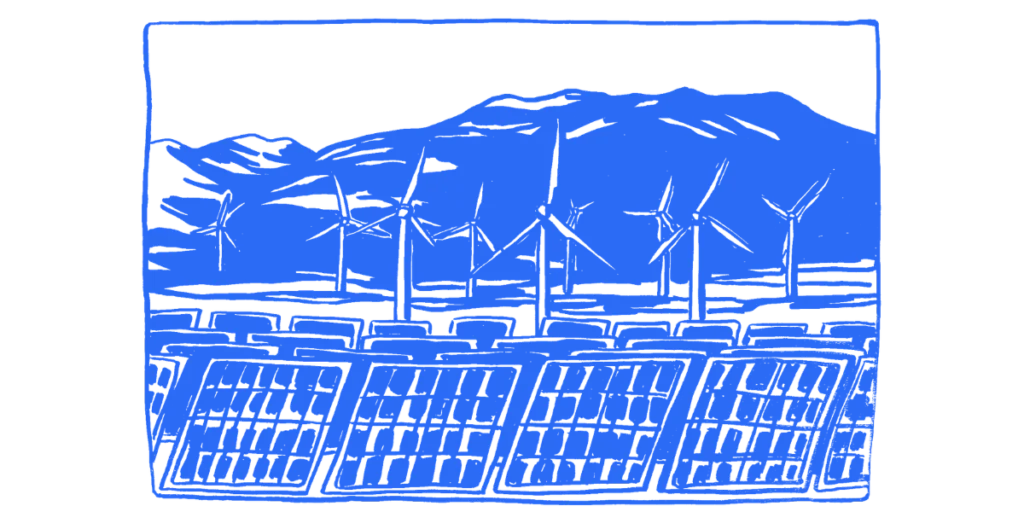
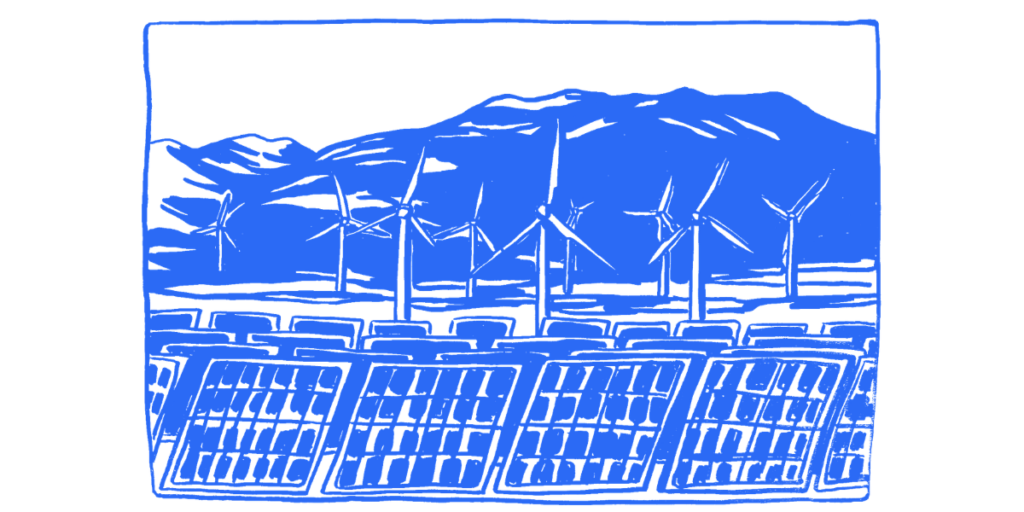
POW has moved beyond mere opposition to fossil fuels by actively advocating for the "build-out" phase of the energy transition. This includes supporting the permitting of wind farms, solar arrays, and the transmission lines required to modernize the grid. As of late 2025, the organization’s clean energy campaigns have contributed to the realization of 297 MW of renewable capacity, with a long-term target of 1 GW by 2028. This work involves navigating complex local permitting processes in states like Nevada and Colorado, where community-led advocacy is often the deciding factor in project approval.

Shifting Political Will and Social Norms
The most abstract yet vital pillar of POW’s work is the shifting of social norms. The organization draws a parallel between climate action and historical shifts in public behavior, such as the normalization of helmets in skiing or the prohibition of smoking in public spaces. By leveraging "trusted messengers"—athletes, scientists, and creatives—POW aims to make climate advocacy a fundamental component of the outdoor identity. In the most recent federal election cycles, POW’s outreach reached an estimated 7.5 million people, encouraging a demographic of "outdoor voters" to prioritize climate at the ballot box.
Data-Driven Impact and Outreach
The effectiveness of POW’s model is reflected in its internal metrics and external reach. In a single year of operation leading into 2026, the organization achieved the following:
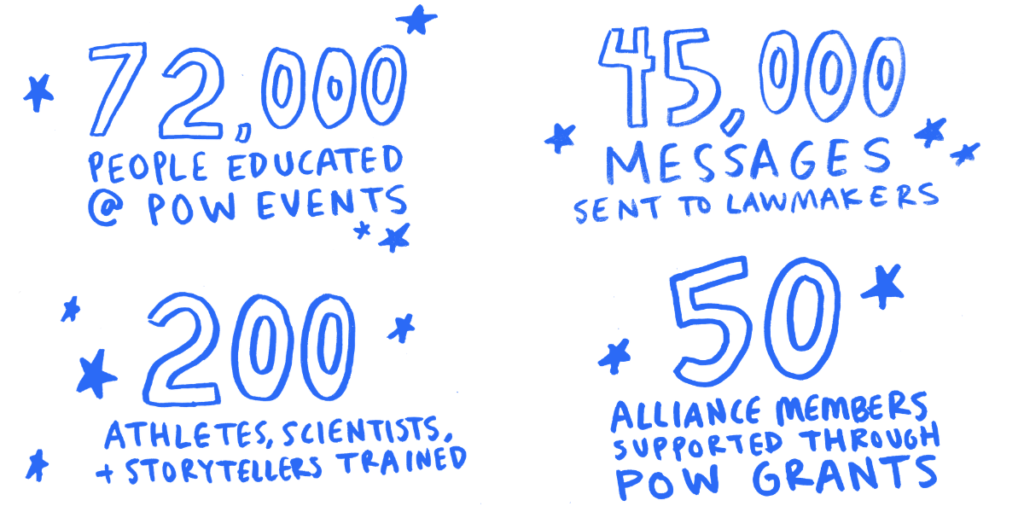
- Training: 200 athletes, scientists, and storytellers were professionally trained in climate communication and policy advocacy.
- Direct Action: These advocates completed over 600 individual climate actions, ranging from congressional testimony to community education.
- Engagement: 150 live events drew 72,000 in-person attendees, while digital storytelling reached a staggering 36 million views.
- Political Mobilization: Supporters sent more than 47,000 messages to decision-makers, and 16,000 new advocates joined specific legislative campaigns.
This scale of engagement is significant when compared to the lobbying power of the fossil fuel industry. While traditional energy conglomerates spend hundreds of millions of dollars on political influence, POW operates on a fraction of that budget, relying instead on "social currency" and the high visibility of its members to gain access to legislative offices.
Analysis of Implications: The Transition to Systemic Change
The strategy employed by Protect Our Winters represents a significant departure from the "individual footprint" environmentalism of the early 2000s. For years, the narrative around climate change focused on personal guilt—shaming individuals for driving to trailheads or using plastic bags. POW’s leadership has argued that this focus is a distraction from the structural changes required to decarbonize the global economy.

By emphasizing "political will," POW acknowledges that technology and economics are no longer the primary barriers to a clean energy transition. Solar and wind are already the most cost-effective options in many markets. The remaining obstacles are largely administrative and political: zoning laws, tax credit renewals, and the influence of legacy energy interests.
The organization’s success in places like Montana suggests that the outdoor community can bridge traditional political divides. In these regions, the love of the land and the economic necessity of tourism often outweigh partisan affiliations. When a professional skier or a local fly-fishing guide speaks at a county commission meeting, they are viewed as trusted community members rather than outside agitators. This "trusted messenger" approach is supported by social science as one of the most effective ways to widen the "window of possible action" in polarized environments.
Conclusion: The Path to 2028 and Beyond
As Protect Our Winters looks toward its 2028 goal of facilitating 1 GW of clean energy, the organization remains focused on the "assignment" of making climate solutions inevitable. The long-term vision includes a total transformation of the trailhead experience—transitioning the idling trucks of today into a fleet of electric vehicles powered by a decarbonized grid.
However, the organization maintains that the fight is not about the technology itself, but about what the technology preserves. The ultimate metric of success for POW is not the growth of the organization, but the preservation of the "right-side-up" snowpack and the health of the watersheds that sustain both nature and the economy. As climate change continues to put mountain communities at risk, the mobilization of the outdoor community stands as a critical counterweight to the systemic forces driving global warming. The "new normal" envisioned by POW is one where protecting the environment is as intrinsic to the outdoor experience as the gear used to navigate it.
