

The landscape of American environmental policy is undergoing a significant transformation following the 2024 presidential election, prompting a wave of renewed activism and academic pursuit among high-profile conservationists. Jared Shumate, a 2022 Winter Olympian and prominent advocate for the "Outdoor State," recently announced a strategic shift in his approach to environmental protection. Following the election of Donald Trump to a second term, Shumate has committed to pursuing a Master’s in Public Policy, a move that highlights a broader trend of climate advocates transitioning from grassroots awareness to formal legislative engagement. This decision comes as the federal government prepares for a series of policy rollbacks and administrative changes that could redefine the protection of public lands, clean air, and water standards for decades.
The 2024 Election and the Environmental Policy Pivot
The outcome of the 2024 election signaled a departure from the climate-focused initiatives of the previous four years. During his first term, President Trump oversaw the removal or weakening of more than 100 environmental rules, according to data tracked by the Brookings Institution and the New York Times. These included the replacement of the Clean Power Plan, the withdrawal from the Paris Agreement, and the significant narrowing of the Waters of the United States (WOTUS) rule.
With the second Trump administration, the focus has returned to "energy dominance," a policy framework prioritizing the expansion of fossil fuel extraction on federal lands. Early indicators from the transition period suggest a renewed emphasis on opening previously protected areas to new drilling and mining leases. This includes potential changes to the management of the Arctic National Wildlife Refuge (ANWR) and the use of the Antiquities Act to review or shrink national monuments—a move that has historically faced significant legal challenges from environmental groups.
For athletes like Shumate, whose professional lives and personal values are tied to the stability of the natural environment, these shifts represent an existential threat to their industry. The outdoor recreation economy, which contributes significantly to the U.S. Gross Domestic Product, relies on the preservation of these ecosystems.
Chronology of an Advocacy Shift
The timeline of Shumate’s decision-making process offers a glimpse into the immediate psychological and strategic impact of the election on the conservation community.
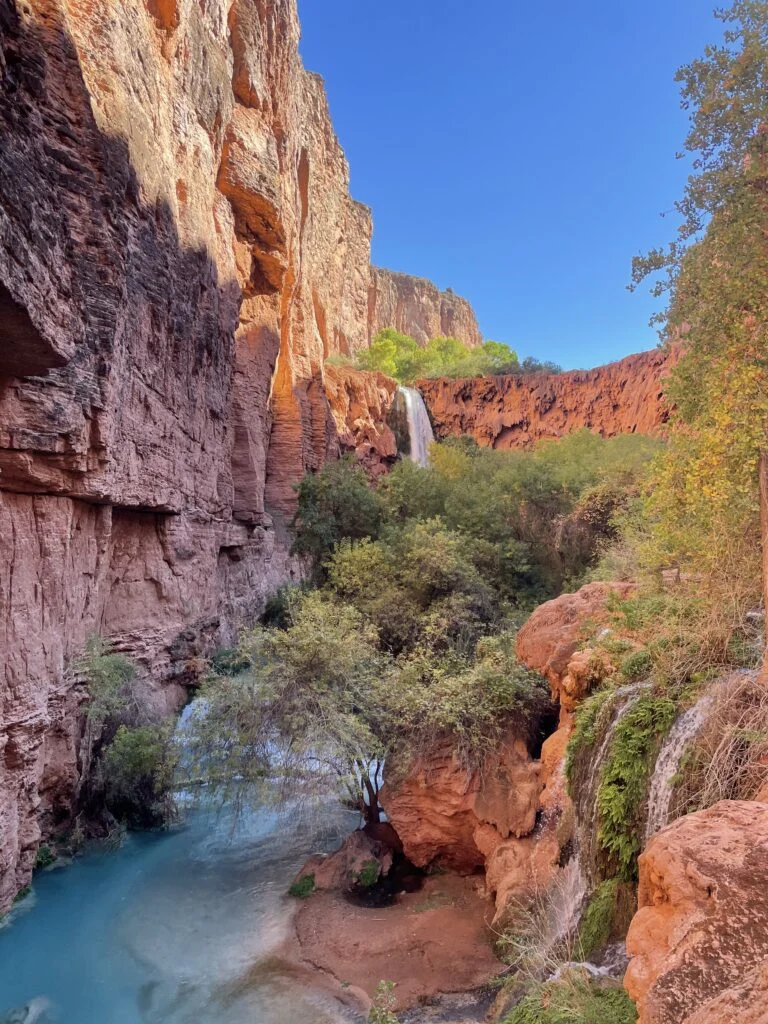
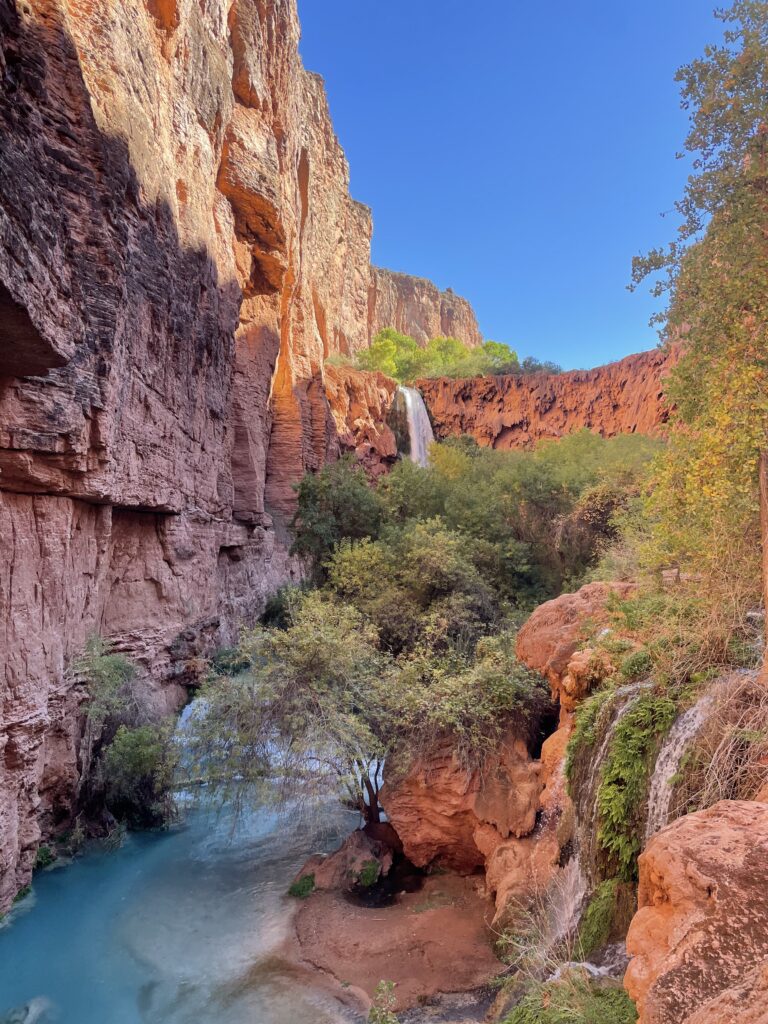
On November 5, 2024, as voters across the country headed to the polls, Shumate was isolated from digital communication, participating in a backpacking expedition through the remote canyon country of Arizona. At the time, his expectations were aligned with the continuation of existing environmental protections. He spent the evening of the election at a campsite, speculating on the success of Vice President Kamala Harris and the potential for expanded protections for the very lands he was traversing.
By November 8, 2024, three days after the election results were finalized, Shumate returned to cellular service and learned of the Republican victory. The news served as a catalyst for an immediate reassessment of his role in the climate movement. Despite having spent the election cycle engaging in traditional grassroots efforts—knocking on doors in Bozeman, Montana, and organizing voter registration drives at the University of Utah—Shumate concluded that the changing political climate required a more specialized set of skills. Within minutes of reconnecting to the news cycle, he initiated the process of returning to academia to study the intricacies of public policy.
The Economic Weight of the Outdoor State
Shumate’s advocacy is rooted in his affiliation with Protect Our Winters (POW), an organization that represents the "Outdoor State"—a demographic of approximately 180 million outdoor enthusiasts in the United States. This group is not just a cultural demographic but a significant economic force.
According to 2023 data from the Bureau of Economic Analysis (BEA), the outdoor recreation economy accounts for $1.1 trillion in gross economic output, representing 2.2% of the U.S. GDP. The sector supports nearly 5 million jobs across various industries, from manufacturing and retail to tourism and professional athletics. In states like Utah and Montana, where Shumate has focused his efforts, the outdoor industry is a primary driver of rural development and tax revenue.
The political mobilization of this group has become a focal point for organizations like POW. The "Outdoor State" represents a bipartisan coalition of voters who prioritize public land access and climate resilience. However, the 2024 election highlighted a gap between the economic importance of this group and its legislative influence. Shumate’s move to study public policy is a direct attempt to bridge this gap by bringing technical expertise to the advocacy space.
Jared Shumate: From Olympic Competition to Legislative Lobbying
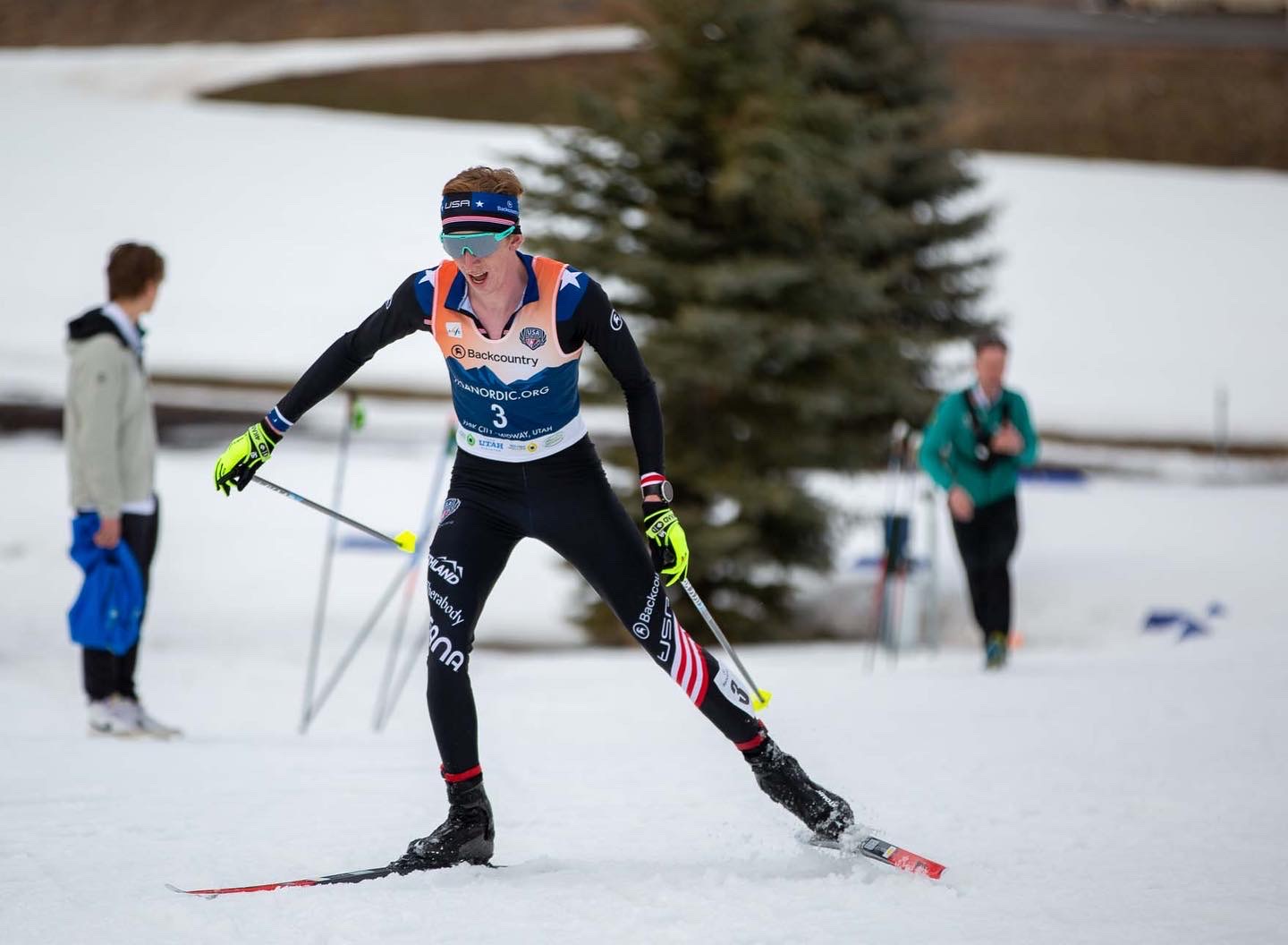
Jared Shumate’s background provides a unique foundation for his transition into policy. A native of Park City, Utah, Shumate has been an alpine skier since the age of two and began competing in Nordic Combined—a grueling sport that combines ski jumping and cross-country skiing—at age nine. His athletic career culminated in a spot on the U.S. Olympic team for the 2022 Beijing Winter Games.
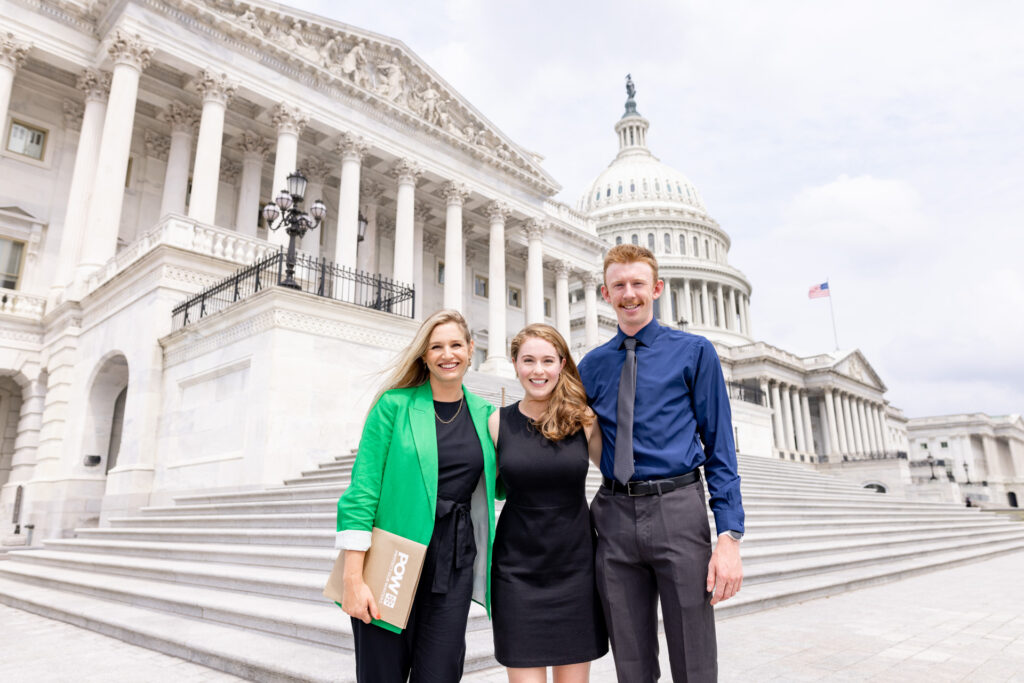
Parallel to his athletic achievements, Shumate pursued an education in geography and environmental science. This academic background allowed him to observe the physical manifestations of climate change—such as receding snowlines and volatile weather patterns—through both a scientific and a professional lens. His work with POW has already included multiple lobbying trips to Washington, D.C., where he met with lawmakers to discuss clean air and water protections.
These experiences informed his realization that while grassroots activism (door-knocking and phone-banking) is essential for electoral politics, the long-term protection of the environment requires an understanding of administrative law, regulatory frameworks, and the legislative process. By pursuing a Master’s in Public Policy, Shumate aims to transition from a "messenger" for the movement to a "strategist" who can navigate the complexities of the Department of the Interior and the Environmental Protection Agency (EPA).
Analysis of Policy Implications and the Road to the Midterms
The shift in the executive branch’s priorities is expected to lead to a period of intense litigation. Environmental organizations are preparing to challenge administrative rollbacks in court, relying on the Administrative Procedure Act to argue that many changes are "arbitrary and capricious." However, the recent Supreme Court decision in Loper Bright Enterprises v. Raimondo, which overturned the Chevron deference, has changed the legal landscape. Courts are no longer required to defer to an agency’s interpretation of ambiguous statutes, potentially making it easier for the administration to dismantle regulations—or for environmental groups to challenge new, pro-extraction rules.
Shumate’s call to action emphasizes the importance of the upcoming midterm elections. While the presidential cycle dictates executive priorities, the midterms determine the composition of Congress, which holds the "power of the purse" and the authority to pass permanent land protections.
The "Outdoor State" strategy for the next two years involves:
- Local Engagement: Participating in public comment periods for Bureau of Land Management (BLM) leasing plans.
- Legislative Pressure: Advocating for the passage of specific conservation bills, such as the CORE Act or the Black Canyon of the Bear River National Heritage Area Act.
- Voter Education: Translating complex policy shifts into relatable impacts for hunters, anglers, skiers, and hikers.
Conclusion: Action Versus Apathy in a Polarized Environment
The narrative of Jared Shumate serves as a case study in how individuals within specialized sectors are responding to political volatility. His transition from the Olympic stage to the halls of policy school reflects a broader professionalization of climate advocacy.
In a statement regarding his decision, Shumate noted that while his individual degree is a small contribution, the collective action of the 180 million outdoor enthusiasts remains the most potent tool for environmental preservation. He argued that the fear and disappointment resulting from the 2024 election must be converted into tangible skills and participation.
As the second Trump administration begins to implement its energy and land-use agenda, the response from the outdoor industry and its athletes suggests that the debate over the American environment is entering a more technical and legally rigorous phase. For Shumate, the goal is clear: to ensure that when the next round of policy decisions is made, the "Outdoor State" has a seat at the table, backed by the expertise required to defend the landscapes they represent. The focus now shifts to the 2026 midterms, where the momentum generated by these personal and professional pivots will be tested at the ballot box.
