

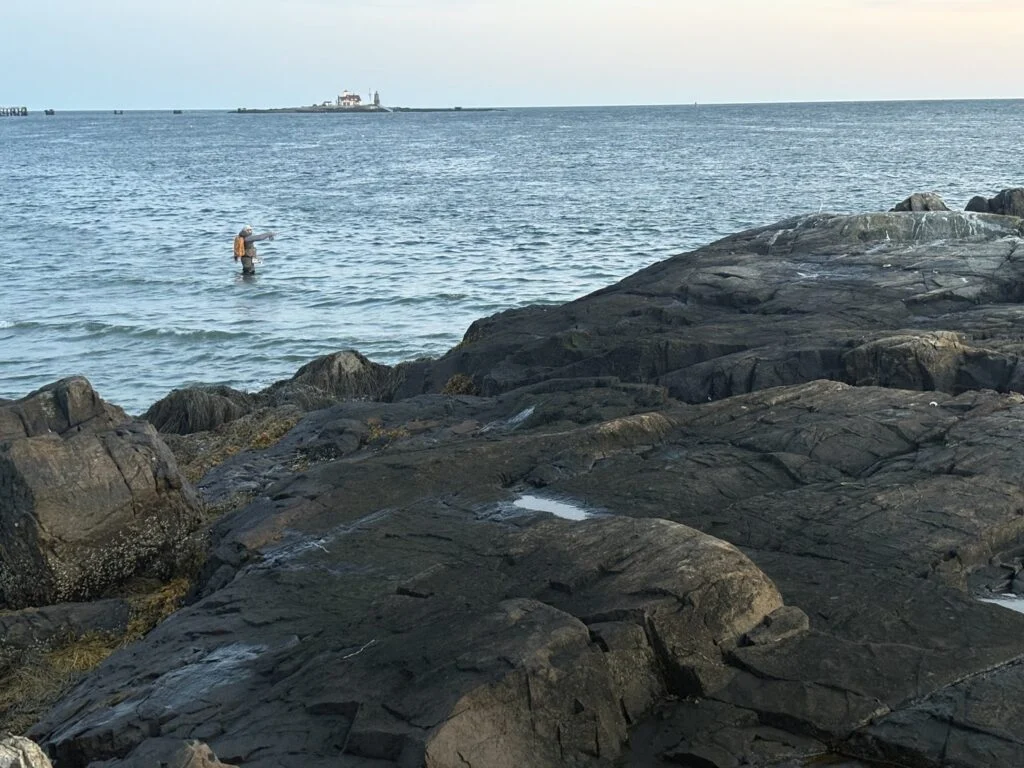
The launch of the five-part film series New Blue View, a collaborative production supported by Protect Our Winters (POW) and 11th Hour Racing, marks a significant milestone in the documentation of marine climate adaptation. Centered on the Gulf of Maine—a body of water currently experiencing thermal shifts more extreme than nearly any other oceanic region on the planet—the series documents a six-day expedition led by filmmaker Liam Gallagher and Captain Kyle Schaefer. Through a blend of visual storytelling and scientific inquiry, the project examines the intersection of recreational fishing, sustainable aquaculture, and community-led conservation efforts.
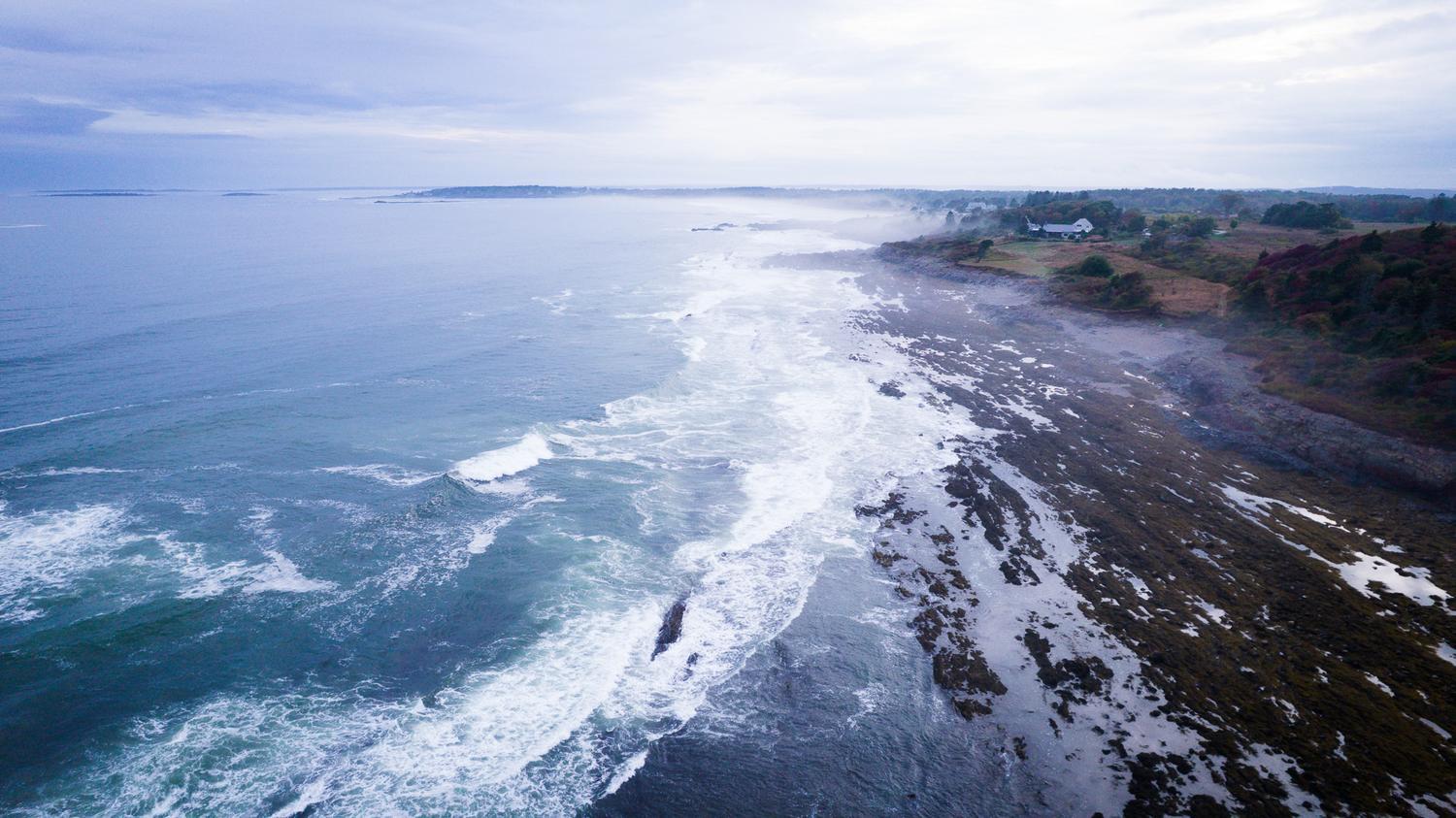
The Gulf of Maine, which spans the coastline from Cape Cod in Massachusetts to the Canadian provinces of New Brunswick and Nova Scotia, has become a focal point for global climatologists. According to the Gulf of Maine Research Institute (GMRI), the region is warming faster than 97% of the world’s oceans. This rapid temperature increase is attributed to a combination of shifting currents, including the weakening of the cold Labrador Current and the northward intrusion of the warm Gulf Stream, alongside the unique bathymetry of the semi-enclosed basin. For Captain Kyle Schaefer, a professional outfitter and Maine resident, these statistics are not merely data points but lived realities observed through decades of navigating these waters.
A Chronology of Discovery: Six Days on the Water
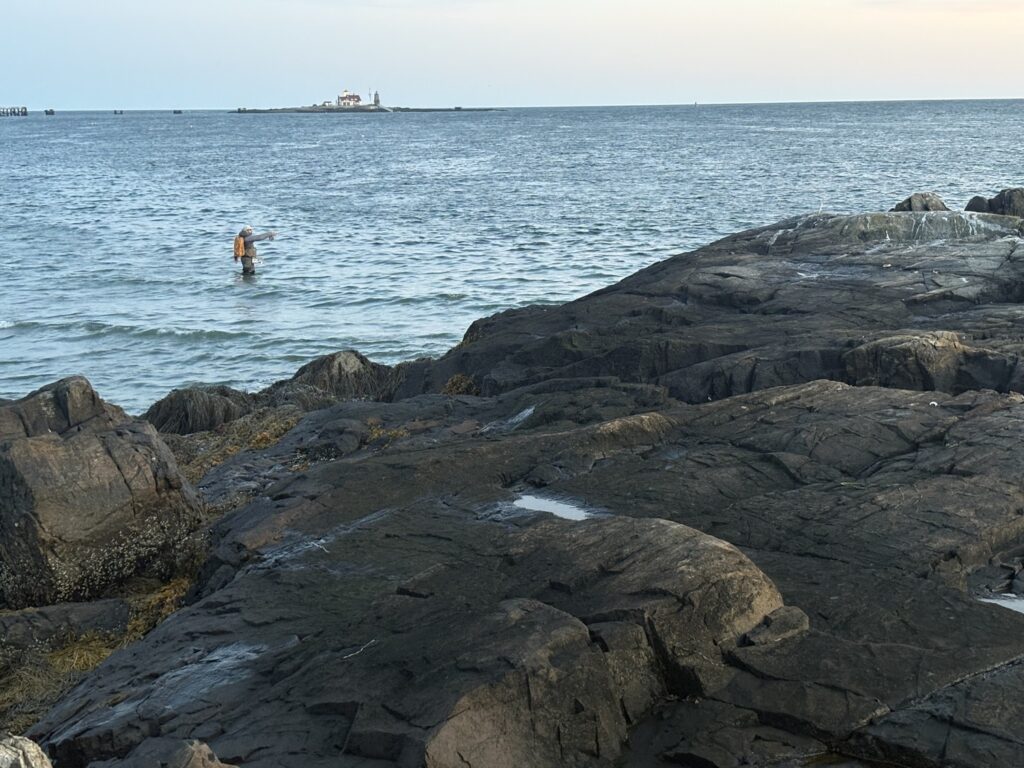
The production of New Blue View was executed over a condensed, high-intensity six-day period in September. During this window, the production team utilized the tidal cycles to maximize access to the region’s diverse ecosystems. Each day began before dawn, often coinciding with the lowest tides, which provided optimal conditions for both fly fishing and the inspection of intertidal aquaculture operations.
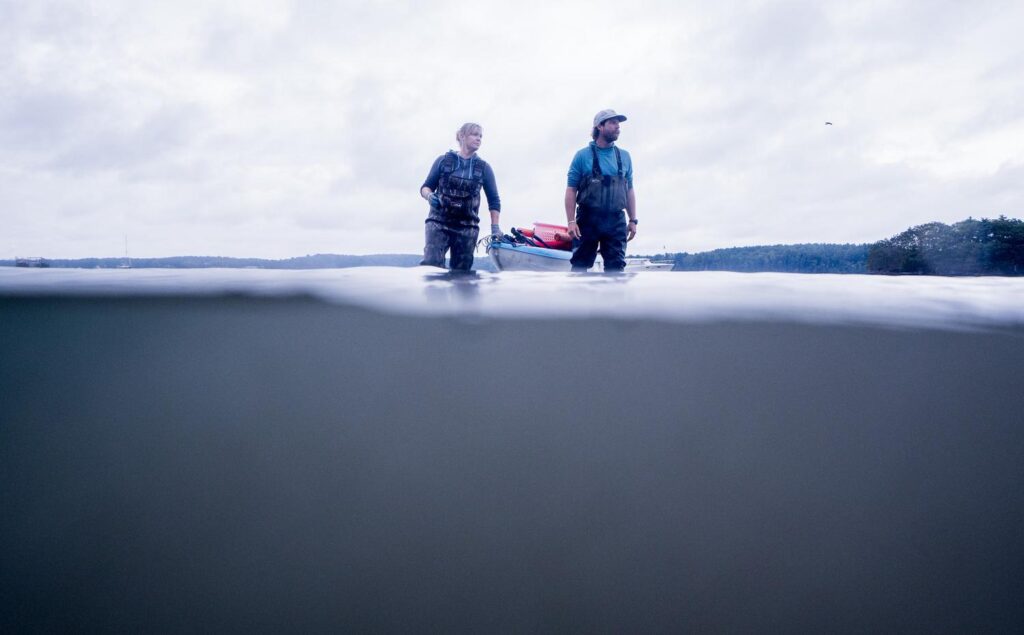
The narrative follows Gallagher, a member of the POW Creative Alliance, as he joins Schaefer to explore the Gulf’s changing landscape. The itinerary was designed to bridge the gap between recreational outdoor pursuits and rigorous environmental advocacy. Over the course of twelve-hour workdays, the duo traveled primarily by skiff, visiting a network of scientists, conservationists, and industry professionals. The timeline of the expedition included:
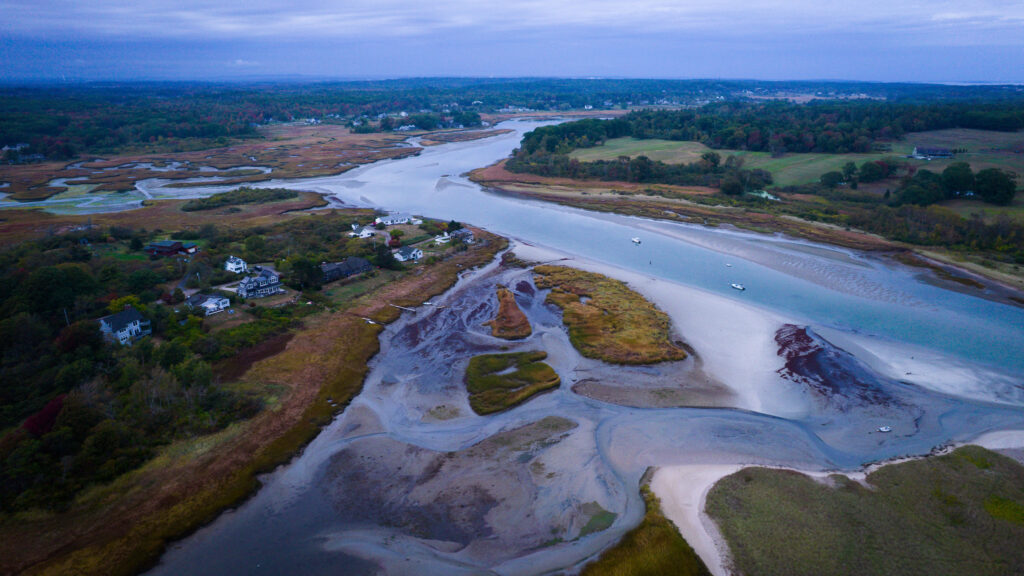
- Day 1-2: The Estuary and the Oyster: Initial explorations focused on the tidal flats, where the team met with local oyster farmers to discuss the bivalve’s role in water filtration and carbon sequestration.
- Day 3: River Restoration and Connectivity: The team moved inland to examine the relationship between freshwater systems and the ocean, focusing on dam removal and the restoration of migratory pathways for fish species such as alewives and river herring.
- Day 4-5: Community and Commerce: Conversations shifted toward the economic impact of climate change, featuring interviews with local chefs and restaurant owners, including Chef Jeremy Sewall, who advocates for hyper-local seafood sourcing.
- Day 6: Synthesis and Advocacy: The final stage of the journey involved meetings with advocacy groups like the American Saltwater Guides Association (ASGA) to discuss how recreational anglers can influence federal and state environmental policy.
The Science of Bivalves and Water Quality
A primary focus of the New Blue View series is the ecological utility of oyster aquaculture. As the Gulf of Maine warms, maintaining water quality becomes increasingly complex. Oysters serve as a natural defense mechanism against eutrophication—the over-enrichment of water with nutrients that often leads to oxygen depletion.
During the filming, Gallagher and Schaefer documented the operational scale of local oyster farms. Scientific data highlighted in the series confirms that a single adult oyster can filter between 40 and 50 gallons of water per day. By removing excess nitrogen and particulate matter, these bivalves improve water clarity, which in turn allows sunlight to reach submerged aquatic vegetation like eelgrass. Eelgrass serves as a critical nursery habitat for various fish species and acts as a significant carbon sink.
The series posits that supporting local aquaculture is a pragmatic climate solution. By fostering a market for sustainable seafood, the region can bolster its economic resilience while simultaneously improving the health of its marine ecosystems. This "blue economy" approach is presented not as a secondary benefit, but as a central pillar of New Blue View’s message.
Watershed Connectivity: From Upriver to the Open Sea
The film series also addresses the vital link between inland waterways and the Atlantic Ocean. For decades, the Gulf of Maine’s migratory fish populations were decimated by industrial-era dams that blocked access to spawning grounds. However, a growing movement toward river restoration is beginning to reverse these trends.
Melissa Paly, the Great Bay-Piscataqua Water Keeper with the Conservation Law Foundation, appears in the series to provide context on the progress of these restoration efforts. She notes that the solutions to many of these environmental challenges are well-understood and increasingly accessible. "What we need to do here is not rocket science," Paly states in the fourth episode. "We know what the problems are and we know how to fix them. We are making headway."
The restoration of river herring populations is a key example of this success. These fish are a foundational element of the marine food web, providing sustenance for larger predators including striped bass, cod, and various seabirds. By removing obsolete dams and installing modern fish passage systems, conservationists are restoring the "nutrient pump" that moves essential minerals and energy between salt and fresh water.
Stakeholder Perspectives and Collaborative Advocacy
New Blue View emphasizes that climate action is most effective when it is driven by those who have a direct stake in the environment’s health. Captain Kyle Schaefer’s transition from a recreational angler to a vocal advocate for science-based management reflects a broader trend within the outdoor industry. Through his involvement with the American Saltwater Guides Association, Schaefer works to bridge the gap between the fishing community and policy-making bodies.
The series also highlights the role of the culinary industry in climate resilience. Chef Jeremy Sewall, a fourth-generation lobsterman turned restaurateur, discusses the importance of supply chain transparency. By sourcing fish directly from local harvesters, Sewall’s operations reduce the carbon footprint associated with seafood transportation and ensure that more of the economic value remains within the coastal community.
Liam Gallagher’s perspective as a filmmaker provides the connective tissue for these diverse stories. He suggests that the "baseline" of shared passion—whether for fishing, surfing, or skiing—serves as a powerful tool for community building. Gallagher argues that the complexity of the climate crisis often leads to paralysis, but that individual contributions, when aggregated, create a significant "ripple effect."
Implications for Future Climate Communication
The production of New Blue View arrives at a time when the Gulf of Maine is at a crossroads. While the warming trends are alarming, the series focuses on the proactive measures being taken by local stakeholders. This shift from "climate doom" to "climate agency" is a deliberate choice intended to engage a broader audience in conservation efforts.
Analysis of the series suggests several key takeaways for viewers and policymakers:
- Citizen Science Integration: There is a growing need for recreational users of the environment to participate in data collection and monitoring, providing scientists with "eyes on the ground."
- Hyper-Local Economic Support: Consumer choices, such as purchasing locally farmed oysters or supporting regional fisheries, have direct environmental consequences.
- Policy Engagement: Organizations like the American Saltwater Guides Association demonstrate that the outdoor industry can be a powerful lobbying force for science-based environmental regulations.
- Ecosystem Holism: The health of the ocean is inextricably linked to the health of the rivers and the land. Conservation strategies must be integrated across these boundaries.
As the Gulf of Maine continues to change, the stories captured in New Blue View serve as a blueprint for other coastal regions facing similar challenges. The series does not shy away from the severity of the climate crisis, but it provides a pragmatic roadmap for adaptation and resilience. By highlighting the innovation and dedication of the Maine coastal community, the project underscores the potential for human agency to mitigate the impacts of a warming planet.
The five-part series is now available for public viewing, intended to serve as both an educational resource and a catalyst for localized environmental action. As Liam Gallagher concludes in the film, the most effective response to global issues is often to "concentrate on the dirt or the water that’s at your feet." Through this lens, New Blue View offers a vision of a sustainable future built one community, and one ripple, at a time.
