

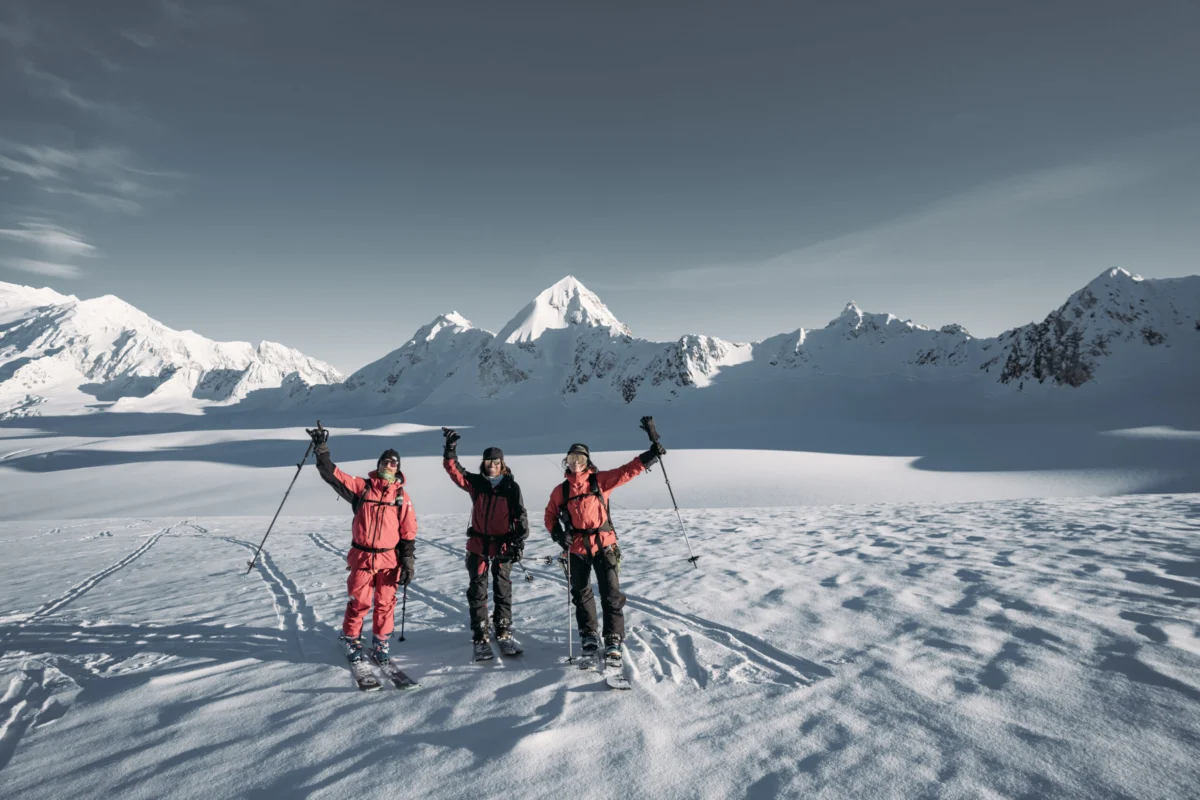
The intersection of glaciology, historic preservation, and high-stakes mountain adventure has converged in Canada’s remote Yukon Territory, where a team of professional athletes and scientists recently embarked on a mission to locate a long-lost cache of mountaineering equipment. The project, documented in the upcoming film The Lost Cache, chronicles the search for artifacts abandoned 85 years ago by legendary explorers Bradford Washburn and Robert Bates. Led by professional skier and Protect Our Winters (POW) Alliance member Griffin Post, the expedition sought to recover over 1,000 pounds of gear, including a historic large-format aerial camera, which had been buried by decades of snow and transported miles downstream by the relentless movement of the Walsh Glacier.
The mission represents a significant collaboration between the outdoor film industry and the scientific community. Athletes from Teton Gravity Research (TGR) worked alongside glaciologists from the University of Ottawa to navigate the complex terrain of Kluane National Park and Reserve. The search was not merely an exercise in treasure hunting but a rigorous application of glacial flow modeling and archival research, set against the backdrop of a rapidly changing Arctic environment where melting ice is both revealing and destroying fragments of human history.
The 1937 Expedition: A Legacy of Survival and Science
To understand the significance of the search, one must look back to June 1937, when Bradford Washburn and Robert Bates set out to complete the first ascent of Mount Lucania. Standing at 17,145 feet, Lucania was at the time the highest unclimbed peak in North America. The logistics of the era were rudimentary compared to modern standards; the pair relied on a bush pilot to ferry them and their extensive supplies onto the Walsh Glacier.
However, an unseasonable heatwave turned the glacial surface into a slushy morass, making it impossible for the pilot to return for the rest of the climbing team or to retrieve Washburn and Bates. Stranded in one of the most isolated regions of the continent, the two men were forced to abandon a significant portion of their supplies to lighten their load for a desperate overland escape. Among the items left behind were tents, climbing hardware, and Washburn’s Fairchild F-8 aerial camera—a massive piece of equipment used to document the topography of the region.
Washburn and Bates eventually summited Mount Lucania and Mount Steele before trekking over 100 miles through rugged terrain to reach civilization. While their feat became a cornerstone of mountaineering lore, the "lost cache" remained on the glacier, a time capsule of 1930s exploration. Washburn, who would go on to become a world-renowned photographer, cartographer, and the founder of the Boston Museum of Science, often spoke of the equipment but never returned to claim it before his death in 2007.
The Modern Catalyst: From Literature to Logistics
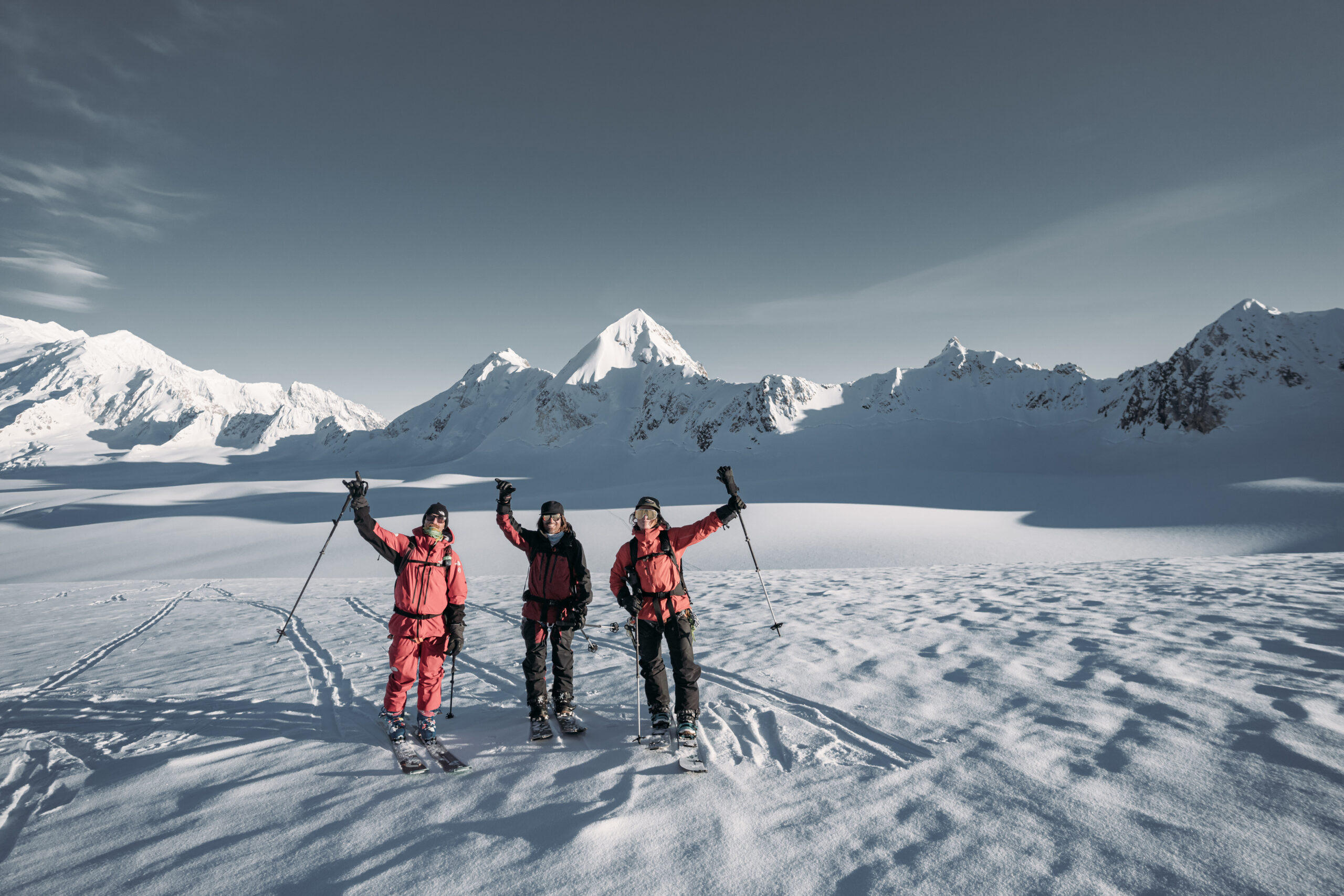
The impetus for the modern search began when Griffin Post read David Roberts’ 2002 book, Escape from Lucania. A brief mention in the epilogue regarding the abandoned gear sparked an obsession that lasted several years. Post, a veteran of numerous high-altitude ski expeditions, recognized that finding the cache would require more than just mountain skills; it would require a forensic reconstruction of the glacier’s movement over nearly a century.
Post spent months analyzing archival materials, including Washburn’s original journals and photographs housed at Boston University and the University of Alaska Fairbanks. By cross-referencing these 1937 accounts with contemporary satellite imagery, Post attempted to triangulate the original 1937 campsite. However, the primary challenge lay in the fact that the Walsh Glacier is a "living" entity, constantly shifting and flowing toward the sea.
The Science of Glacial Surges and Displacement
The technical crux of the expedition involved predicting where 85 years of glacial flow would have deposited the cache. For this, the team turned to Dr. Dora Medrzycka and her colleagues at the University of Ottawa’s Laboratory for Cryospheric Research. Glaciology in the Yukon is particularly complex due to the presence of "surge-type" glaciers.
While a typical glacier might move a few inches or a foot per day, the Walsh Glacier is known for periodic surges. During these events, the ice can accelerate to speeds of up to 50 feet per day, lasting for months or even years. These surges are often triggered by internal hydrological changes or the buildup of basal pressure. Between 1937 and 2022, the Walsh Glacier underwent several such surges, meaning the equipment could be miles away from its original coordinates.
Dr. Medrzycka utilized historical data and ice-flow velocities to estimate the cache’s trajectory. The margin for error was immense; a slight miscalculation in the duration or intensity of a surge could result in a search area spanning several square kilometers of heavily crevassed ice. Furthermore, the vertical movement of the ice—how deep the gear might be buried or whether it had been pushed to the surface through ablation—added another layer of uncertainty.
Field Operations in Kluane National Park
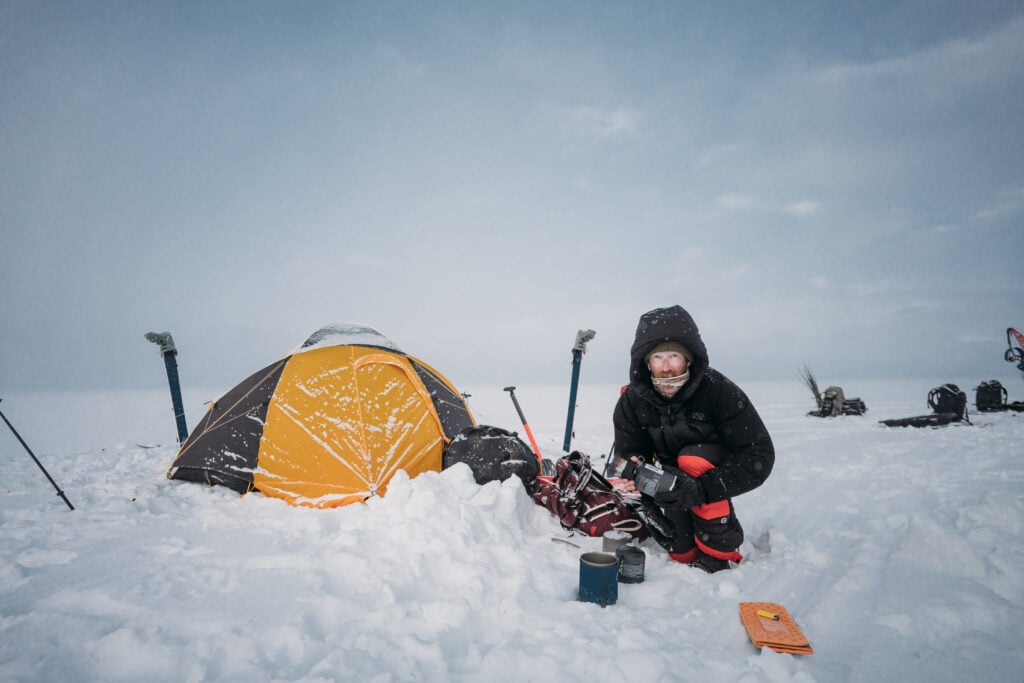
The expedition team arrived on the Walsh Glacier in the spring of 2022, marking the first of three separate trips to the site. The environment proved as formidable as the historical accounts suggested. Kluane National Park is a wilderness of massive proportions, containing the world’s largest non-polar icefield. The team faced extreme weather, the constant threat of crevasses, and the physical toll of operating at high altitudes.
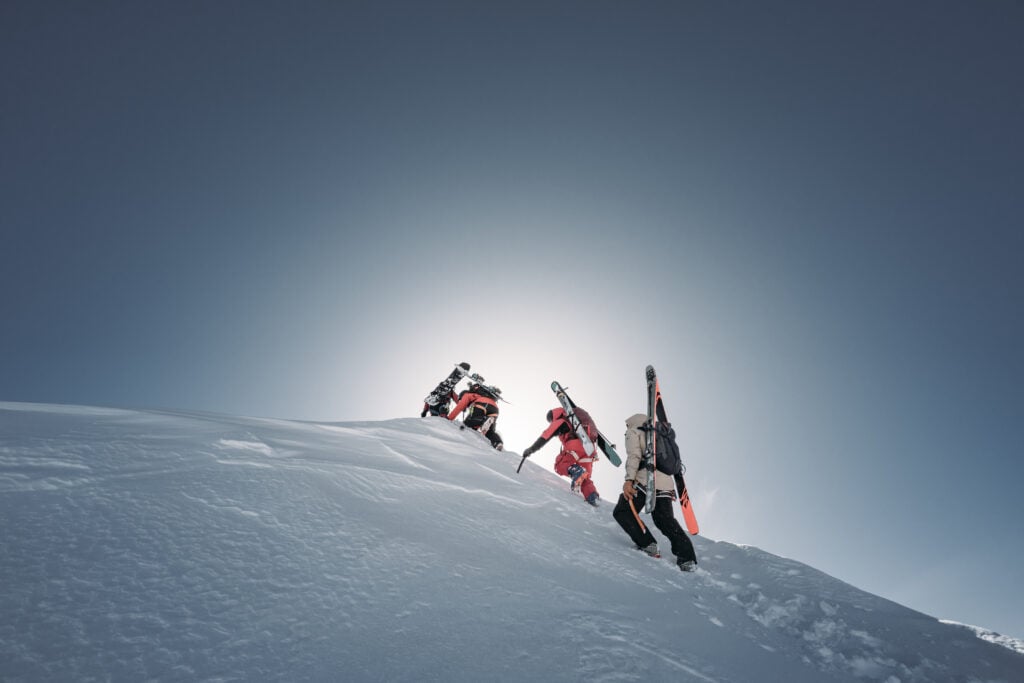
A significant portion of the search involved ground-penetrating radar and metal detectors, though the sheer scale of the glacier made these tools difficult to use effectively. The team also had to contend with the dramatic physical changes the glacier had undergone since Washburn’s time. Climate change has led to significant thinning of the ice in the St. Elias Mountains. Post noted that the landmarks described in Washburn’s journals—specific nunataks and ice falls—had been altered by decades of melting and shifting, making visual navigation unreliable.
Environmental Implications and the Role of Climate Change
The search for the lost cache serves as a poignant case study in the effects of global warming on sub-Arctic environments. The Yukon has seen some of the most rapid temperature increases in North America, leading to the retreat of glaciers and the loss of perennial snowpack.
The involvement of Protect Our Winters (POW) through its Advocacy & Adventure Alliance Grants highlights the environmental stakes of the project. For the team, the mission was as much about documenting the state of the glacier as it was about finding the camera. The thinning ice that made the search possible is also a harbinger of ecological instability. As glaciers melt, they release stored water that contributes to sea-level rise and alters local freshwater ecosystems. The "The Lost Cache" project emphasizes that the artifacts being sought are not just historical curiosities but markers of a landscape that is fundamentally disappearing.
Official Responses and Archaeological Significance
Parks Canada, the agency responsible for managing Kluane National Park, played a critical role in the expedition. Initially skeptical of the mission’s success, the agency granted the necessary permits for the archaeological recovery. Under Canadian law, artifacts found on federal land are protected, and any recovery effort must adhere to strict guidelines to ensure the historical integrity of the items is maintained.
Archaeologists and historians view the potential recovery of Washburn’s gear as a major find. The Fairchild F-8 camera, in particular, is a significant piece of technology. If recovered and preserved, it could offer insights into the early days of aerial photography and mapping. Furthermore, the recovery of organic materials, such as tents or clothing from 1937, provides a rare look at the materials and manufacturing processes of early 20th-century mountaineering.
Film Premiere and Broader Cultural Impact
The resulting documentary, The Lost Cache, is scheduled to premiere in late October at the Coast Film Festival in California, followed by a screening at the prestigious Banff Centre Mountain Film Festival in November. The film aims to bridge the gap between high-adrenaline adventure cinema and scientific documentary.
By focusing on the process of the search—the failures, the scientific debates, and the historical research—the production moves beyond the "treasure hunter" trope. It positions the modern adventurers as successors to Washburn’s legacy, driven by the same curiosity and respect for the mountain environment.
Conclusion: A Nexus of History and Science
While the team has remained "tight-lipped" regarding the final outcome of the search to preserve the narrative tension of the film, the impact of the expedition is already clear. It has successfully demonstrated how modern glaciological techniques can be applied to historical mysteries, and it has brought renewed attention to the environmental crises facing the Yukon’s icefields.
The quest for the Washburn-Bates cache is a reminder that the past is never truly lost; it is merely waiting to be rediscovered in the shifting layers of the earth. As the Walsh Glacier continues its slow march toward the sea, it carries with it the stories of those who first dared to map its surface. Whether the camera and gear are ever fully recovered or remain entombed in the ice, the search itself has added a new chapter to the storied history of Mount Lucania and the enduring spirit of wilderness exploration.
