

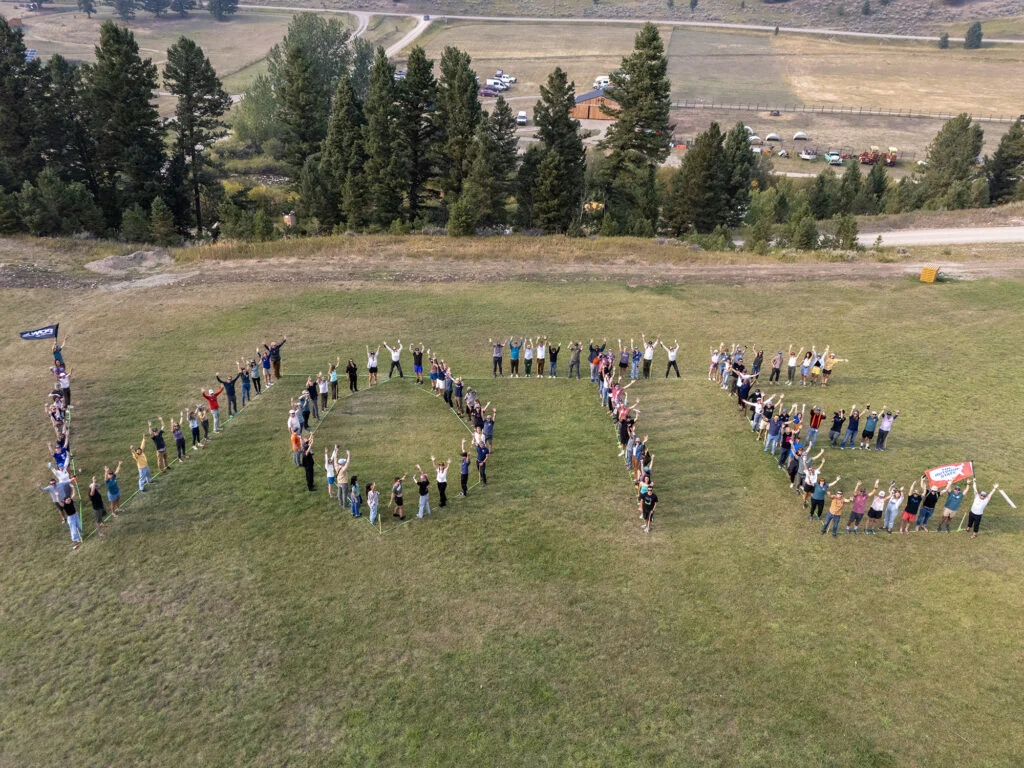
Climate change is fundamentally a collective action challenge that tests the structural integrity of democratic institutions. While environmental degradation is often framed as a scientific or ecological crisis, its resolution depends entirely on the capacity of a representative government to implement systemic solutions that transcend individual choices. No single citizen possesses the resources to construct an interstate transmission system, modernize an aging power grid, or establish national pollution standards. These requirements necessitate a functional democracy capable of enacting laws, directing public investment, and maintaining institutions that prioritize the long-term welfare of the public over the immediate interests of concentrated economic powers. The efficacy of climate progress is therefore inextricably linked to the health of the democratic process, including voter participation, government transparency, and the accountability of elected officials.
The Legislative Deconstruction of Environmental Protections
Over the preceding 24-month period, a significant shift in federal policy has fundamentally altered the trajectory of American climate action. This transition was characterized by a systematic dismantling of established environmental safeguards and a redirection of federal resources toward fossil fuel extraction. Central to this shift was the passage of the 2025 budget law, colloquially referred to by the administration as "One Big Beautiful Bill." This legislation effectively targeted the core components of the Inflation Reduction Act, which had previously stood as the largest federal investment in climate mitigation in United States history.
The 2025 budget law introduced several critical changes to the energy landscape. Notably, it accelerated the expiration dates for wind and solar tax credits, which had been vital in driving the transition to renewable energy. Furthermore, the bill eliminated federal incentives for electric vehicles (EVs) and home energy efficiency improvements. Market analysts suggest that these disruptions have not only stalled various clean energy projects but have also introduced significant volatility into the American manufacturing sector. By removing the long-term certainty that investors require for large-scale energy transitions, the legislative changes have hindered the development of a diversified and affordable energy grid.
Regulatory Obstacles and the Shift Toward Extraction
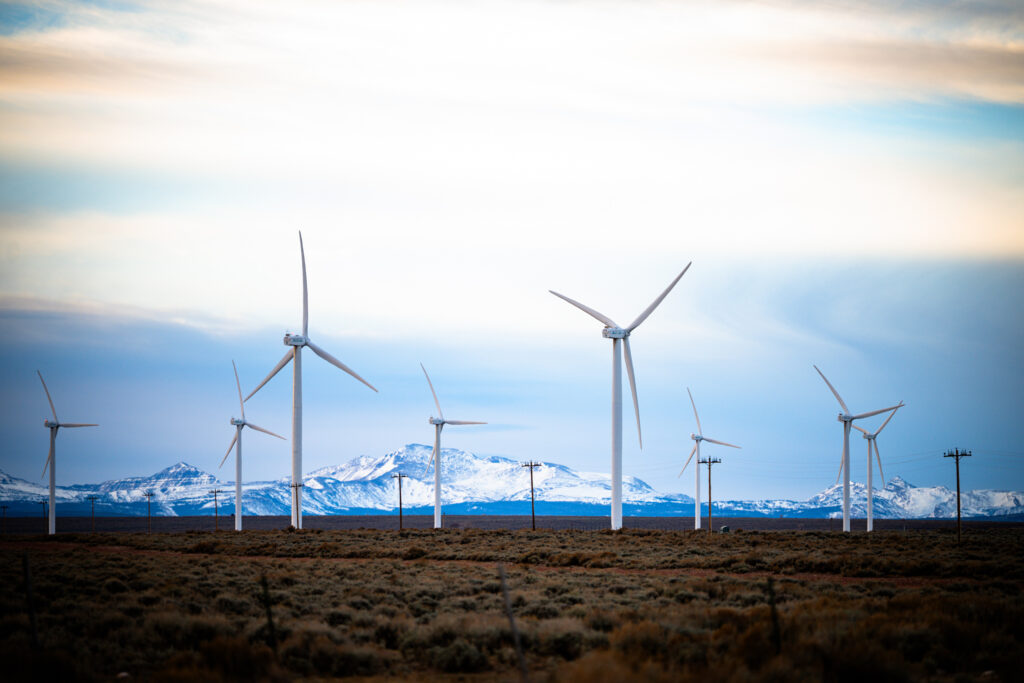
Following the legislative rollbacks, the federal administration implemented a series of administrative hurdles designed to prioritize traditional energy sources over emerging technologies. A new "federal obstacle course" was established for renewable energy, subjecting wind and solar projects on public lands to heightened levels of political review. Simultaneously, offshore wind leases faced a series of suspensions and delays, citing the need for expanded environmental and economic assessments.
In contrast, federal policies regarding fossil fuels were streamlined. The administration expanded support for oil and gas drilling, mining, and coal production by eroding standard environmental review processes. This policy shift did not reflect an "all-of-the-above" energy strategy but rather a deliberate prioritization of fossil fuels. By placing the most cost-competitive and rapidly growing sources of new electricity behind new regulatory barriers, the federal government signaled a move away from the decarbonization goals of the previous decade.
The Transformation of the Environmental Protection Agency
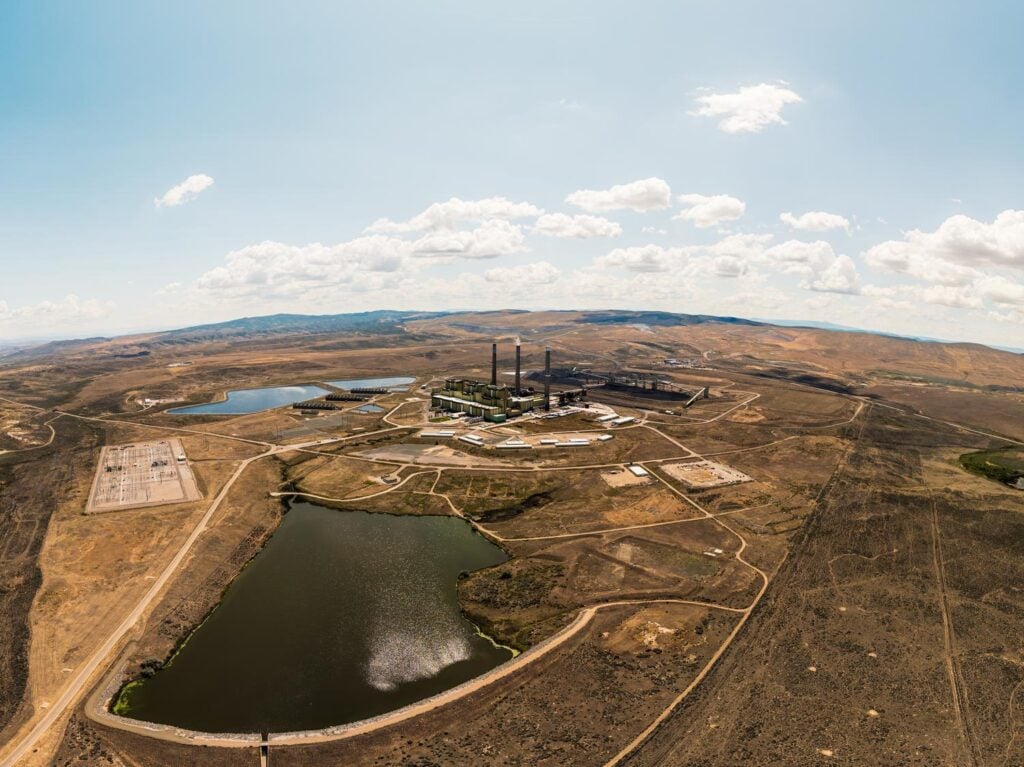
The Environmental Protection Agency (EPA), an institution traditionally tasked with protecting human health and the environment, underwent a radical internal restructuring under the leadership of Administrator Lee Zeldin. Under this tenure, the agency shifted its focus toward a deregulatory agenda that critics argue is at odds with its founding mission. Key actions included the weakening of pollution safeguards, a significant reduction in enforcement activities, and the elimination of federal limits on climate-related pollution from power plants.
Data from early 2026 indicates that federal civil enforcement cases against polluters dropped to their lowest levels in the modern history of the EPA. The administration characterized these developments as the "largest deregulatory action in U.S. history," framing the reduction of oversight as a victory for economic efficiency. However, public health advocates and environmental scientists have expressed concern that the lack of accountability for industrial polluters will lead to long-term degradation of air and water quality, disproportionately affecting vulnerable communities.
Chronology of Key Environmental Policy Shifts (2025–2026)
To understand the current state of climate policy, it is necessary to examine the timeline of actions that have redefined the federal approach to conservation and energy:
- January 2025: The inauguration of the administration and the appointment of Lee Zeldin as EPA Administrator.
- March 2025: Passage of the "One Big Beautiful Bill," gutting clean-energy tax credits and EV incentives.
- July 2025: Implementation of elevated political reviews for solar and wind projects on federal lands.
- November 2025: Revocation of Biden-era limits on Alaskan oil drilling, specifically targeting the National Petroleum Reserve-Alaska (NPRA).
- February 2026: Official reports confirm record-low EPA enforcement levels for the 2025 fiscal year.
- July 2026: Executive action removes protections from over 90 percent of the Bears Ears and Grand Staircase-Escalante National Monuments in Utah.
- September 2026: Introduction of the Environmental Health Restoration Act (EHRA) by a coalition of lawmakers and advocacy groups in response to administrative rollbacks.
The Erosion of Public Land Protections
The administration’s approach to public lands has treated vast tracts of the American landscape as inventory for resource extraction. In July 2026, the executive branch significantly reduced the size of two major national monuments in Utah. By stripping safeguards from millions of acres, the government opened sacred Tribal sites and irreplaceable cultural resources to potential mining and drilling.
In Alaska, the administration reopened the coastal plain of the Arctic National Wildlife Refuge (ANWR) to oil and gas leasing. Furthermore, it eliminated protections that had previously restricted drilling across more than 10 million acres of the National Petroleum Reserve-Alaska. These actions have placed the nation’s most pristine wilderness areas at risk, threatening the biodiversity and the traditional way of life for Alaska Native communities. This cumulative strategy reflects a federal government organized around the acceleration of fossil fuel development rather than the stewardship of public resources.
The Legislative Counter-Response: The Environmental Health Restoration Act
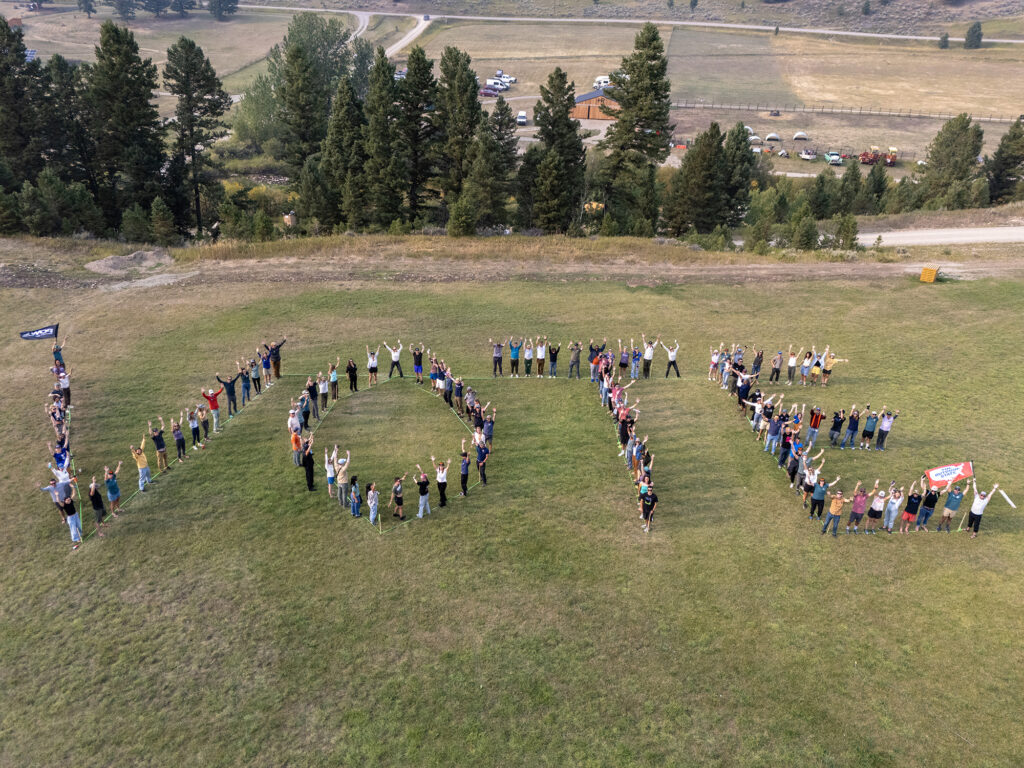
In response to these systemic changes, members of the "Outdoor State"—a coalition of athletes, scientists, business leaders, and outdoor enthusiasts—traveled to Washington, D.C., to advocate for the Environmental Health Restoration Act (EHRA). Introduced by a group of lawmakers including Representatives and Senators concerned with the erosion of the EPA’s authority, the EHRA is grounded in the principle that federal agencies must be legally mandated to fulfill their core missions.
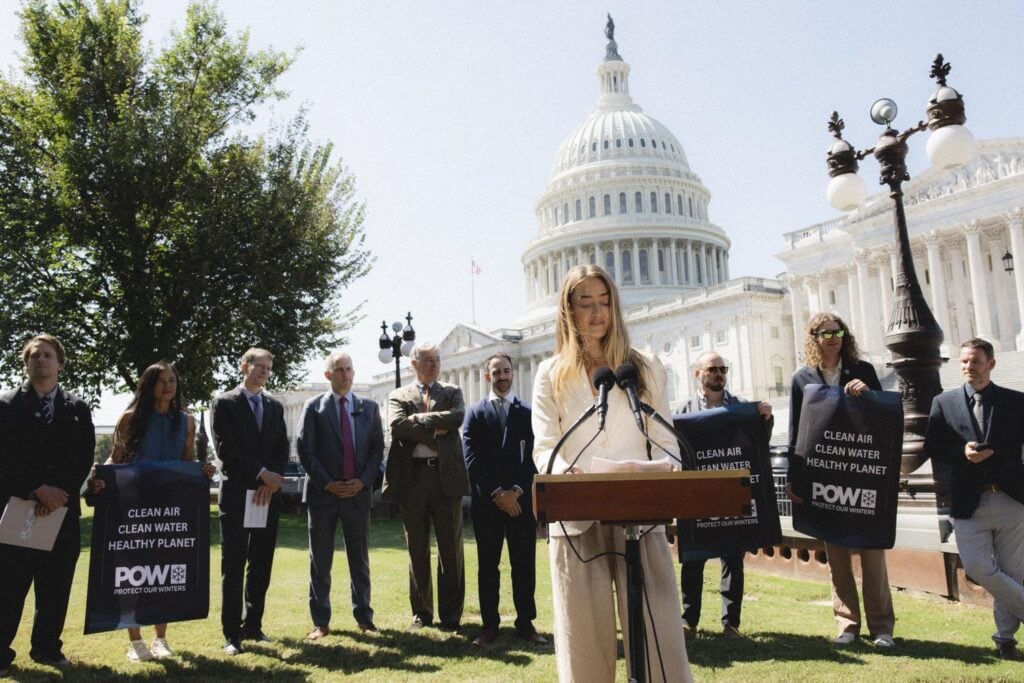
The EHRA seeks to restore the EPA’s capacity to protect the public from pollution and hold corporate entities accountable for environmental damage. The legislation proposes that clean air, clean water, and a stable climate should be treated as fundamental public rights rather than negotiable political commodities. Proponents of the bill argue that organized civic participation is the only viable mechanism for reclaiming institutions that have been co-opted by industrial interests.
Data-Driven Analysis of Economic and Health Implications
The shift in energy policy has significant economic ramifications. While the administration argues that deregulation spurs growth, recent data suggests a more complex reality:
- Manufacturing Stability: The sudden expiration of tax credits has caused a projected 15% decline in domestic solar panel manufacturing investment for the 2026-2027 cycle.
- Public Health Costs: Actuarial models suggest that the relaxation of power plant emission standards could result in an additional $40 billion in annual healthcare costs related to respiratory and cardiovascular illnesses by 2030.
- Energy Prices: Despite the promotion of fossil fuels, the lack of grid modernization has led to a 10% increase in energy transmission costs in several regions, as aging infrastructure struggles to handle demand without the efficiency of modern renewable integration.
The Role of Democracy in Climate Solutions
The recent era of environmental policy demonstrates that progress is not self-sustaining. Laws can be repealed, agencies can be hollowed out, and public protections can be transferred to the industries they were designed to regulate. The quality of environmental outcomes is directly tied to the quality of the decision-makers who write budgets, confirm judges, and lead federal agencies.
Democracy, however, extends beyond the act of voting once every few years. It is an ongoing process of civic engagement. This is evidenced by Tribal nations leading the protection of sacred landscapes, community groups defending local watersheds, and outdoor enthusiasts participating in public hearings. When political power becomes less accountable to the public, polluters gain disproportionate influence. Conversely, when voting rights and public participation are robust, communities maintain the power to demand a livable future.
Conclusion: The Path Toward a Climate Renaissance
The destruction of established environmental norms in recent years has created a sense of urgency among the electorate. The upcoming midterm elections present an opportunity for voters to influence the direction of local, state, and federal policies. A "climate renaissance" would involve more than just a restoration of previous policies; it would require the construction of a more durable, clean-energy economy that provides lower costs and job security across the country.
Restoring the government’s ability to adhere to scientific evidence and empowering regulatory bodies like the EPA are essential steps in protecting public health. Viewing public lands as a shared inheritance rather than a resource reserve is central to this vision. Ultimately, climate change is a problem of collective action, and democracy is the mechanism through which that action is organized. The future of the American landscape and the stability of the global climate depend on the scale and determination of civic engagement in the current political moment.
