

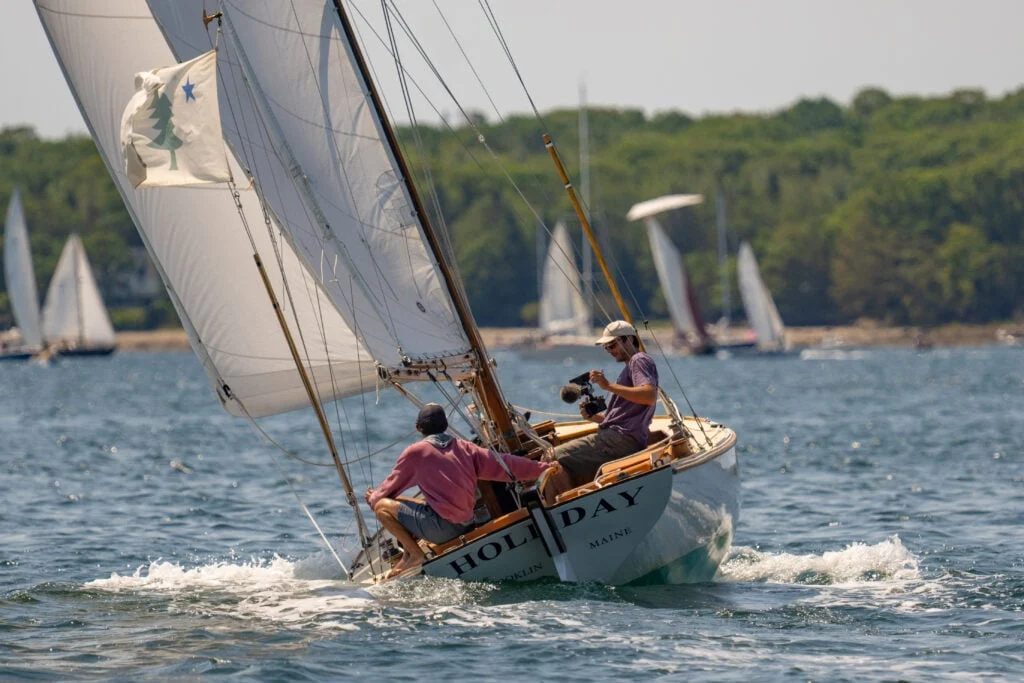
The release of the documentary film Steward·ship, directed by Luke Kaneb of the Protect Our Winters (POW) Creative Alliance and featuring sailor Luc Milam, marks a significant contribution to the discourse on environmental conservation and the preservation of traditional maritime heritage. The film centers on the relationship between Milam and his wooden vessel, Holiday, serving as a narrative vehicle to explore the broader concept of stewardship within the context of Maine’s expansive and rugged coastal landscape. Through a combination of visual storytelling and philosophical inquiry, the project posits that the act of caring for a physical object—in this case, a vintage wooden ship—is inextricably linked to the preservation of the natural ecosystems and communities that define the Maine experience.
The Philosophical Foundation of Stewardship
At its core, the film argues that the ability to access and enjoy wild spaces is not an inherent right but a privilege that requires active maintenance and responsibility. This ethos is personified by Luc Milam, whose daily commitment to the upkeep of Holiday mirrors his dedication to the conservation of Maine’s islands. The narrative structure of the film is built upon the premise of reciprocity: the effort invested into maintaining the vessel translates directly into the quality of the experiences the vessel provides. This philosophy of "getting back what you put in" is presented not merely as a guide for boat ownership, but as a blueprint for modern environmentalism.
The filmmakers emphasize that stewardship is an active, rather than passive, engagement. By showcasing the labor-intensive process of maintaining a wooden boat—often involving grueling work in harsh winter conditions—the film highlights the "grit" required to sustain both traditional crafts and natural habitats. This perspective aligns with the mission of Protect Our Winters, an organization that leverages the influence of the outdoor community to advocate for systemic solutions to climate change while encouraging individual responsibility toward local environments.
Chronology of Development and the Acquisition of Holiday
The genesis of the film began with a chance intersection of interests between Luke Kaneb and Luc Milam. Kaneb, an experienced filmmaker and member of the POW Creative Alliance, was initially drawn to Milam’s work ethic rather than just the prospect of a sailing adventure. The project was conceived when Kaneb observed Milam sanding the hull of a wooden boat late into a winter weekend, a scene that captured the dedication and manual craftsmanship central to the Maine identity.
Milam’s own journey to the coast of Maine was characterized by a significant career pivot. Originally following a structured path in finance and business, Milam transitioned to a nomadic lifestyle, living in a van in Washington State with the intention of traveling to Alaska. However, the closure of international borders during the COVID-19 pandemic forced a redirection. Returning to Maine, Milam found employment on a 130-foot schooner, an experience that introduced him to the profound connection between the local community and the sea.
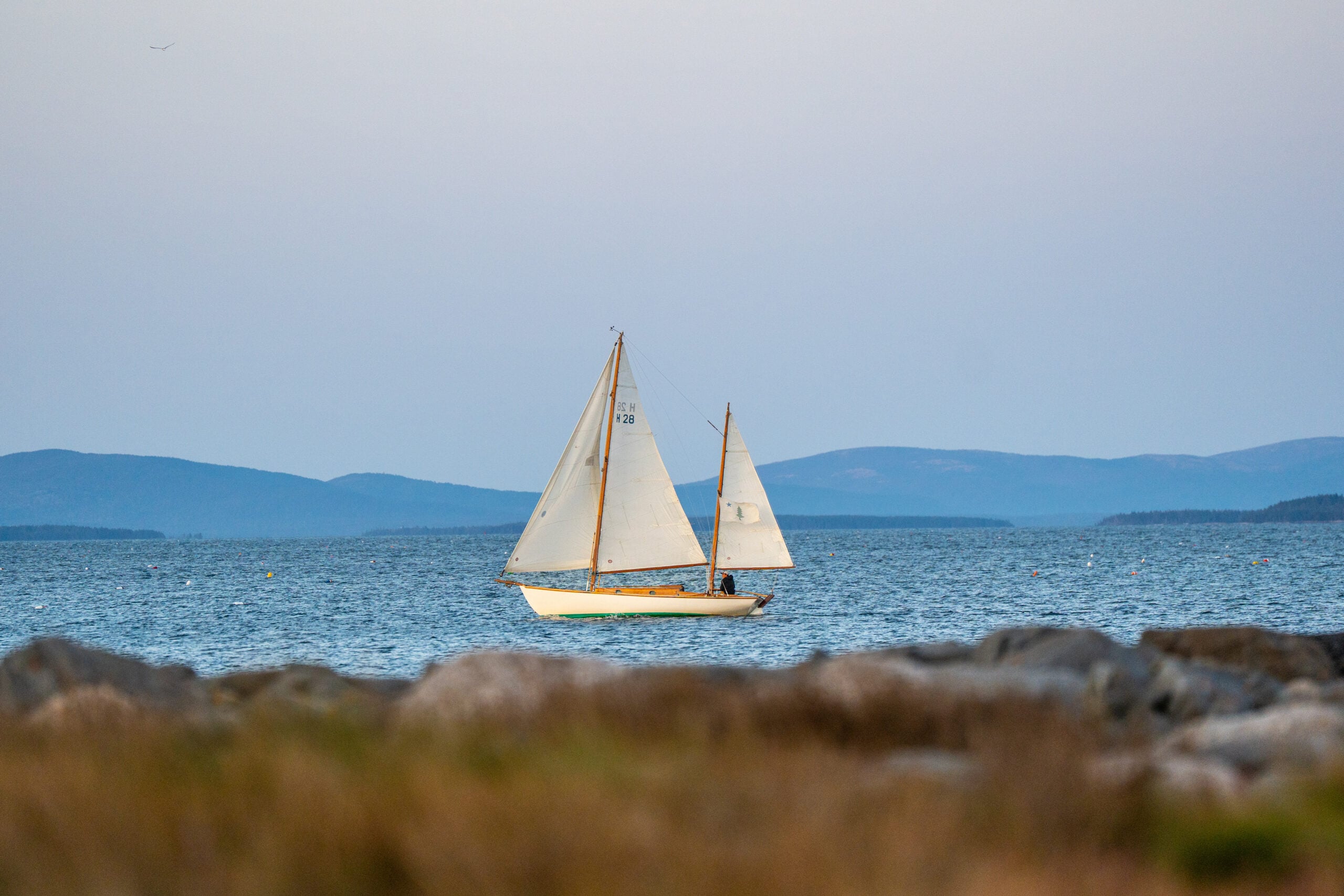
The acquisition of Holiday, the vessel featured in the film, occurred through an unconventional channel: Facebook Marketplace. Despite initial financial constraints, Milam negotiated a long-term payment plan with the previous owner, who was motivated by the desire to see the vessel pass into the hands of a younger generation committed to its preservation. Milam’s commitment to the boat required significant personal sacrifice, including living on board during the summer months to offset costs, a testament to the dedication required to uphold the standards of maritime stewardship.
Maine’s Coastal Ecosystem and the Importance of Preservation
The setting of the film is critical to its message. Maine’s coastline is one of the most complex and ecologically diverse in the United States, boasting over 4,000 islands. These islands provide essential habitats for various bird species, marine life, and unique flora. However, they are also increasingly vulnerable to the impacts of climate change and human encroachment.
Data from the Gulf of Maine Research Institute indicates that the Gulf of Maine is warming faster than 99 percent of the world’s oceans. This rapid warming has significant implications for local biodiversity, sea-level rise, and the traditional fishing industries that sustain coastal towns. In this context, the film’s focus on stewardship takes on a greater urgency. By caring for the islands and the surrounding waters, individuals like Milam contribute to a larger effort to mitigate the degradation of these sensitive environments.
The film distinguishes between being a "tourist" and being a "steward." While a tourist consumes the beauty of a place, a steward participates in its longevity. This distinction is vital for the sustainability of Maine’s "wild" spaces, which rely on a combination of state protection and private volunteerism. Organizations such as the Maine Island Trail Association (MITA) have long championed this model, relying on boaters to monitor island health and manage waste, a practice the film seeks to inspire in a broader audience.
Mentorship and the Continuity of Generational Knowledge
A pivotal element of Steward·ship is the exploration of mentorship and the transmission of skills across generations. The film features Maynard Bray, a 93-year-old veteran of the maritime community and a renowned figure at Mystic Seaport. Bray’s lifelong dedication to the preservation of wooden boats serves as a benchmark for the stewardship ethos. Despite his age, Bray remains an active sailor and craftsman, illustrating that a sense of purpose derived from stewardship can contribute to personal longevity and community vitality.
The relationship between Milam and Bray highlights a critical challenge in the modern era: the potential loss of traditional crafts and the knowledge required to maintain them. The film suggests that environmental stewardship and the preservation of manual crafts are two sides of the same coin. Both require a long-term perspective and a willingness to learn from those who have come before. By engaging with mentors like Bray, the younger generation ensures that the "grit" and technical expertise necessary to protect Maine’s heritage are not lost to time.
Analysis of Implications: Local Action and Global Crisis
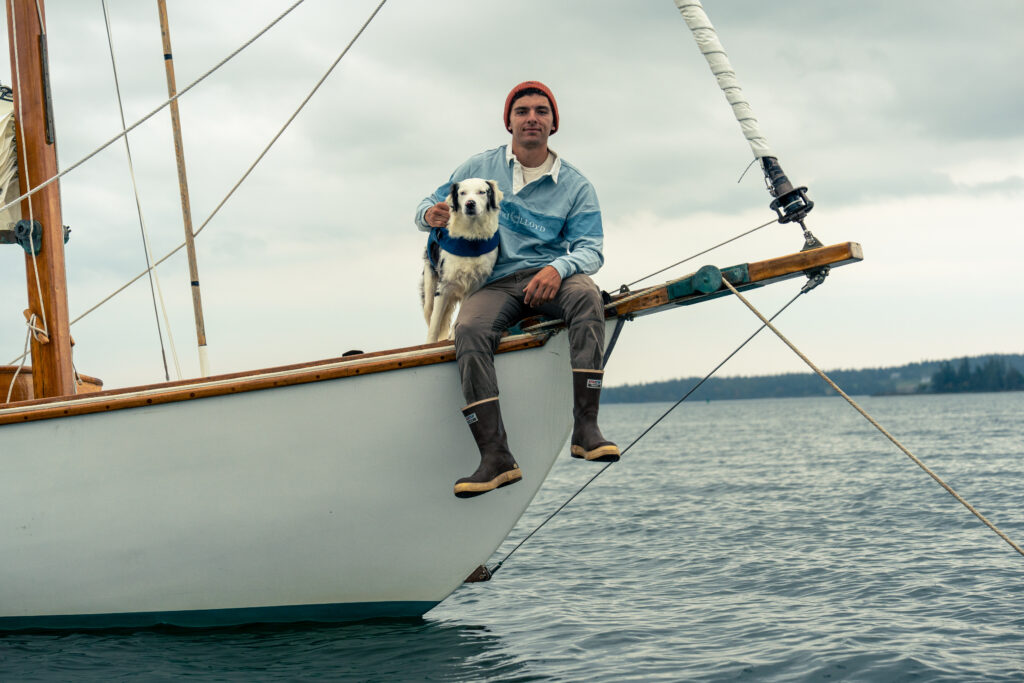
One of the more profound questions addressed in the film is how local stewardship can address the overwhelming anxiety associated with global issues like climate change. The filmmakers propose a "backyard" approach to activism. By focusing on immediate, tangible actions—such as maintaining a boat, cleaning a local beach, or volunteering with community organizations—individuals can foster a sense of agency that is often lost when contemplating large-scale ecological disasters.
Luke Kaneb notes that starting small and "tidying our own backyards" creates a ripple effect. This perspective is supported by psychological research into "environmental efficacy," which suggests that individuals are more likely to support broad environmental policies if they are first engaged in local, hands-on conservation efforts. While picking up a lobster buoy from a beach may not single-handedly solve the climate crisis, the cumulative effect of a community engaged in such acts creates a culture of care and accountability.
Furthermore, the film challenges the prevailing focus on material wealth and financial gain. Milam’s decision to abandon a finance career for the "sacrificial" life of a boat steward suggests a shift in values toward fulfillment and community. The film argues that by making stewardship "cool" and demonstrating the joy found in hard work and environmental service, a new generation can be motivated to carry the torch of conservation.
Broader Impact and Conclusion
The release of Steward·ship comes at a time when the outdoor industry and environmental organizations are increasingly looking for ways to engage the public beyond traditional advocacy. By centering the narrative on a beautiful, tangible object like a wooden boat, the film provides an accessible entry point into complex discussions about land use, resource management, and climate resilience.
The implications of the film extend beyond the borders of Maine. The "ethos of Holiday" is a universal concept that can be applied to any community or ecosystem. Whether it is the restoration of a local park, the maintenance of a community garden, or the preservation of a historic building, the principles of showing up, earning the experience, and caring for the collective future remain the same.
In conclusion, Steward·ship is more than a documentary about sailing; it is a call to action for a more intentional way of living. It highlights the necessity of "grit," the value of mentorship, and the profound rewards of dedication to a cause larger than oneself. As the Gulf of Maine continues to face unprecedented environmental challenges, the message of the film serves as a timely reminder that the future of our wild spaces depends on the willingness of individuals to become active participants in their protection. Through the lens of Luc Milam and the vessel Holiday, viewers are invited to consider what they are willing to put in to ensure that the beauty of the world remains for generations to come.
