

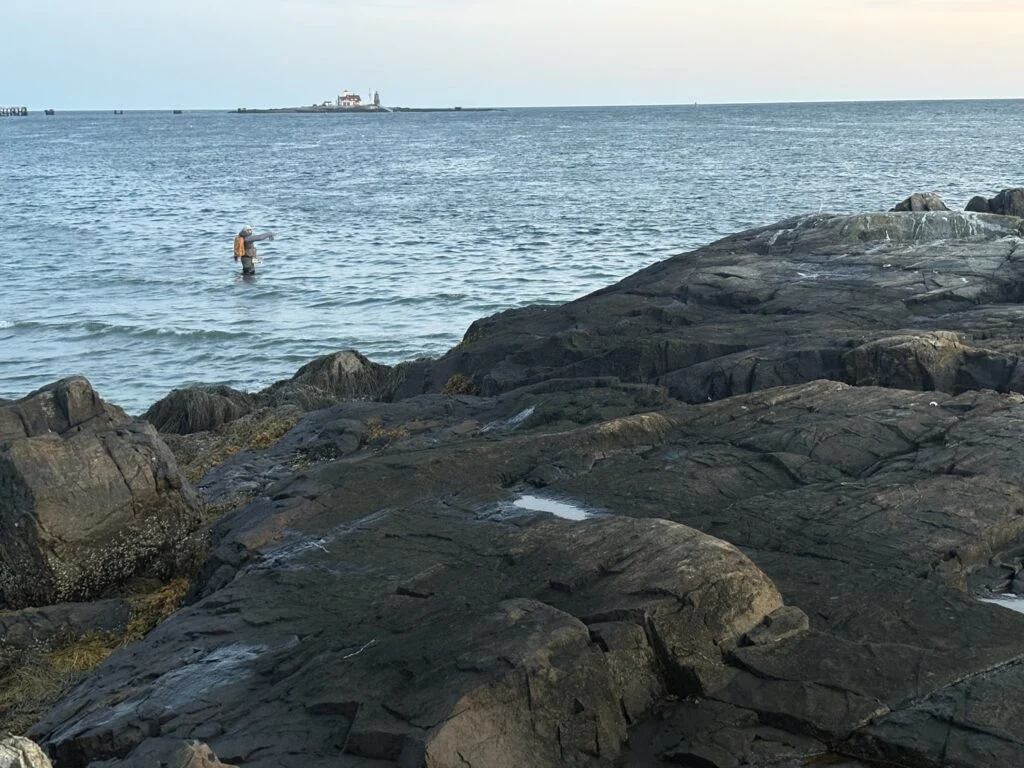
The Gulf of Maine, a vast and ecologically diverse body of water stretching from Cape Cod to the Canadian Maritimes, has become a global focal point for climate change research due to its unprecedented rate of warming. Against this backdrop, a new five-part film series titled New Blue View has been launched to document the intersection of traditional maritime industries, modern conservation science, and grassroots advocacy. Supported by the climate advocacy group Protect Our Winters (POW) and 11th Hour Racing, the series follows filmmaker Liam Gallagher and professional fishing guide Captain Kyle Schaefer as they navigate the shifting coastal landscape of Maine to highlight local solutions to global environmental challenges.
The production of New Blue View involved a rigorous six-day expedition across the Maine coastline, during which Gallagher and Schaefer engaged with a diverse array of stakeholders, including oyster farmers, marine biologists, conservationists, and culinary professionals. The series aims to shift the narrative of climate change from one of inevitable loss to one of active resilience, showcasing individuals and organizations that are adapting to the changing environment while working to preserve the health of the Atlantic ecosystem.
Scientific Context: The Rapid Warming of the Gulf of Maine
The urgency of the New Blue View project is underscored by data from the Gulf of Maine Research Institute (GMRI), which indicates that the region is warming faster than 97% of the world’s oceans. This accelerated warming is attributed to a combination of factors, including the northward shift of the Gulf Stream and a weakening of the cold Labrador Current. As warmer, saltier water enters the Gulf, it disrupts the traditional thermal cycles that have historically supported the region’s iconic species, such as Northern shrimp, Atlantic cod, and the American lobster.
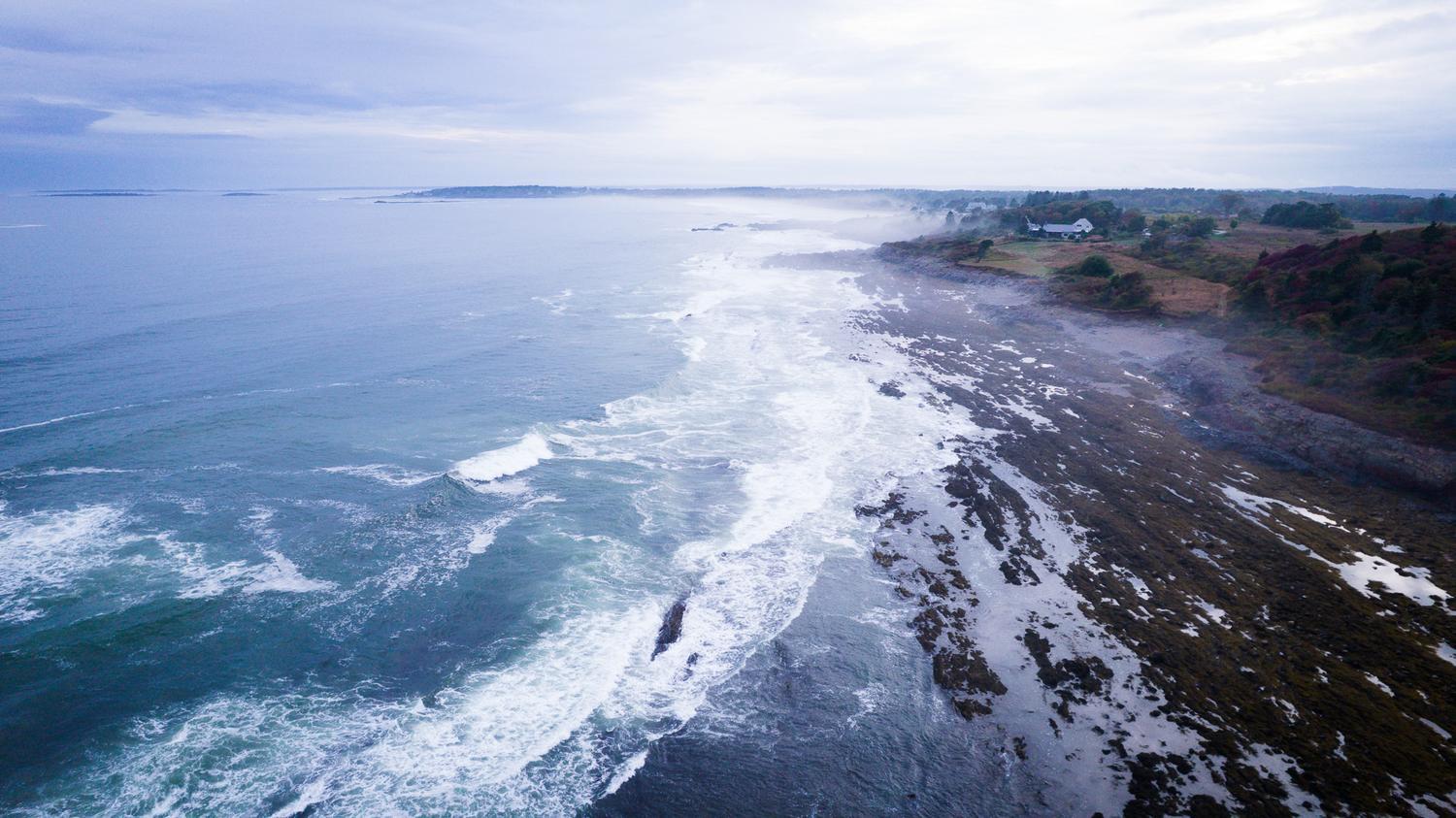
For Captain Kyle Schaefer, who has spent his life on these waters, the changes are not merely statistical but observable. Changes in migratory patterns of sport fish and the arrival of southern species that were once rare in Maine waters have become increasingly common. The film series uses Schaefer’s firsthand experience as a professional outfitter to ground the scientific data in the lived reality of those whose livelihoods depend on the sea. The warming trends have significant implications for the region’s $1 billion-plus commercial fishing industry, making the search for sustainable alternatives and restoration efforts a matter of economic as well as ecological necessity.
Chronology of Production and Collaborative Engagement
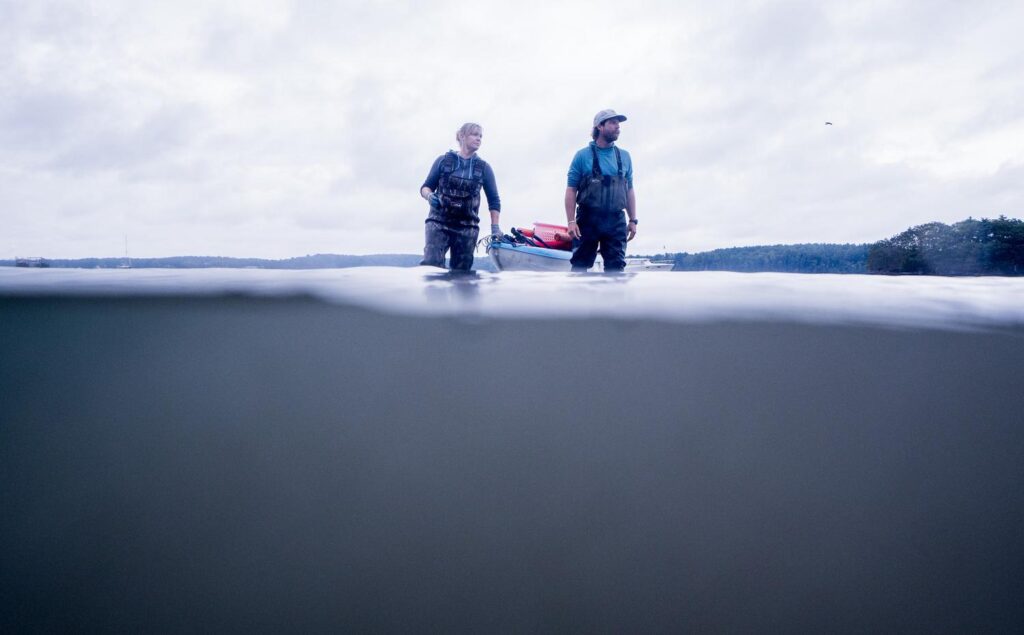
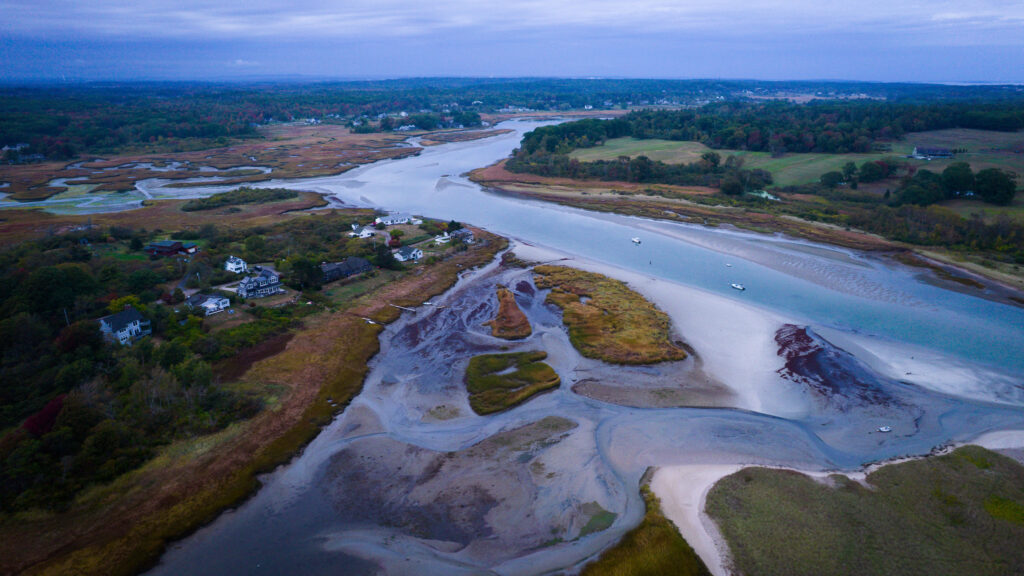
The development of New Blue View was characterized by a concentrated period of field production in September, timed to coincide with the lowest dawn tides of the season. Liam Gallagher, a member of the POW Creative Alliance and an experienced filmmaker from Washington, traveled to Maine to collaborate with Schaefer. The two utilized a small skiff as their primary mode of transport, allowing them to access shallow tidal flats and remote estuaries that are central to the region’s biodiversity.
The production schedule consisted of 12-hour days that began before sunrise, capturing the "first light" on the water to document the aesthetic and functional importance of the coastline. The journey was structured as a series of meetings with "solution-oriented" individuals. One of the primary stops included a visit to a local oyster farm, where the team explored the role of aquaculture in water filtration and carbon sequestration. Following this, the crew moved upstream to investigate river restoration projects, interviewing conservationists from organizations like the Conservation Law Foundation to discuss the removal of obsolete dams.
The timeline of the series reflects a holistic "summit-to-sea" approach, tracking the flow of nutrients and species from freshwater rivers down to the salt marshes and out into the open ocean. By documenting these connections over a six-day period, Gallagher and Schaefer aimed to demonstrate that coastal health is dependent on the management of inland waterways.
Aquaculture and the Ecological Role of Bivalves
A significant portion of the film series is dedicated to the burgeoning oyster industry in Maine. Once a historical staple of the New England coast, oyster populations saw a dramatic decline due to overharvesting and pollution in the 20th century. However, modern aquaculture is seen as a key component of climate resilience. During the filming, Gallagher and Schaefer documented the biological efficiency of oysters, noting that a single adult bivalve can filter between 40 and 50 gallons of water daily.
This filtration process is vital for maintaining water clarity and removing excess nitrogen, which can lead to harmful algal blooms as sea temperatures rise. The series argues that supporting local oyster farms provides a dual benefit: it creates a sustainable, low-impact food source and establishes "living reefs" that protect shorelines from erosion caused by increasingly frequent and severe coastal storms. The film encourages consumers to view their dietary choices—specifically the consumption of local seafood—as a form of direct environmental advocacy.
River Restoration and the "Upriver-Downriver" Connection
New Blue View also addresses the critical role of river restoration in maintaining marine health. The series highlights the work of river conservationists who are working to remove dams and restore the natural flow of Maine’s many rivers. These efforts are primarily aimed at benefiting anadromous fish species, such as river herring (alewives) and Atlantic salmon, which migrate between fresh and salt water.
The restoration of these pathways has a "ripple effect" on the entire food web. When river herring can return to their upstream spawning grounds in the millions, they provide a massive influx of nutrients to inland ecosystems and serve as a primary food source for larger marine predators, including the striped bass that fuel the region’s recreational fishing economy. The film features interviews with estuary experts who explain that the health of the offshore fishery is inextricably linked to the accessibility of the headwaters. This segment of the series emphasizes that conservation cannot be siloed into specific zones but must be managed as a continuous system.
Economic Impacts and Culinary Sustainability
The series extends its reach into the regional economy by featuring Chef Jeremy Sewall, a fourth-generation lobsterman turned restaurateur. Sewall represents the vital link between the harvester and the consumer. In the film, he discusses the challenges of maintaining a sustainable supply chain in a warming ocean and the importance of "knowing your fisherman."
By highlighting the restaurant industry’s role, New Blue View illustrates the economic stakes of climate change. The Maine lobster industry alone supports thousands of jobs and is a cornerstone of the state’s identity. The film suggests that innovation in the culinary world—such as diversifying the species featured on menus and prioritizing local, climate-resilient catches—is essential for the long-term survival of coastal communities. The inclusion of Sewall’s perspective provides a pragmatic view of how heritage industries can evolve without losing their cultural roots.
Advocacy through the American Saltwater Guides Association
A key theme of the series is the transition from recreation to advocacy. Captain Kyle Schaefer’s involvement with the American Saltwater Guides Association (ASGA) serves as a model for how specialized communities can influence policy. The ASGA focuses on science-based management of fisheries, advocating for regulations that prioritize the long-term health of fish stocks over short-term commercial gain.
The film documents how recreational anglers are being recruited into "citizen science" roles, collecting data on water temperature, fish health, and species distribution that can be used by researchers to fill gaps in government-funded studies. This grassroots data collection is presented as a powerful tool for holding policymakers accountable and ensuring that management decisions are grounded in the most current environmental realities.
Broader Implications and Call to Action
The final episodes of New Blue View focus on the concept of "individual agency" in the face of a global crisis. Melissa Paly, a Great Bay-Piscataqua Water Keeper with the Conservation Law Foundation, provides a concluding perspective on the feasibility of the solutions presented. She argues that the primary obstacles to environmental restoration are often political or financial rather than technical, stating that "what we need to do here is not rocket science."
The series concludes by offering viewers a menu of actionable steps, ranging from supporting local fisheries to participating in river restoration petitions. Liam Gallagher emphasizes that while the scale of climate change can feel overwhelming, focusing on the "water at your feet" allows for tangible progress. The film posits that the cumulative effect of small-scale local actions—such as a ten-dollar monthly donation to a conservation group or choosing locally farmed oysters—can create a significant impact when mirrored across other coastal regions.
As the Gulf of Maine continues to serve as a bellwether for the effects of ocean warming, New Blue View provides a documented record of a community in transition. The series serves as both a warning of the challenges ahead and a blueprint for how other coastal regions might mobilize to protect their natural resources. By blending cinematic storytelling with scientific inquiry and economic analysis, the project seeks to foster a deeper public understanding of the complex web of life that sustains the North Atlantic.
