

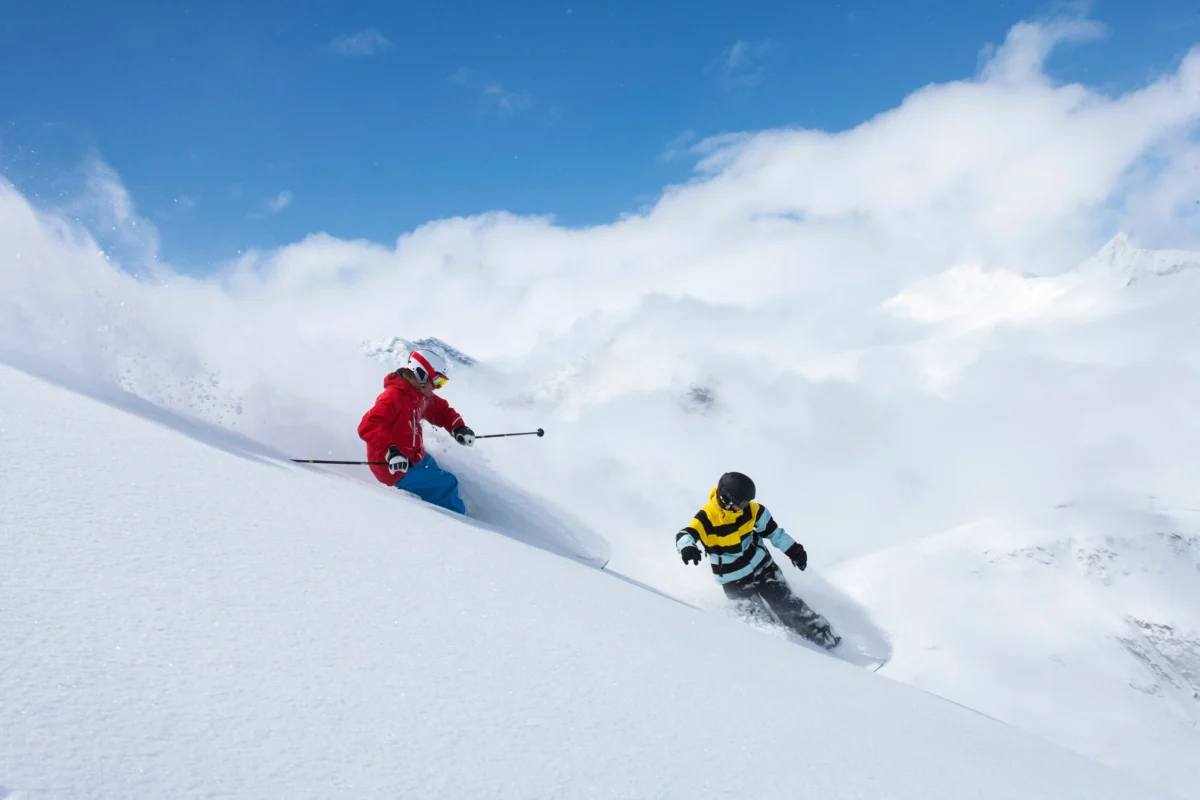
The pristine slopes of Winter Park Resort on Christmas morning of 2024 became the site of a significant skiing incident involving a husband and wife, resulting in a fractured pelvis for one and a prolonged absence from the sport for both. The collision, which occurred on the Hughes run, saw the wife, a skier, struck from behind by her husband, a snowboarder, at high speed. The impact sent her airborne, causing a severe injury that necessitated a three-month recovery period, effectively ending her ski season prematurely.
The Incident: A Collision on Christmas Morning
According to the account provided by the injured skier, the incident transpired around mid-morning on December 25, 2024. She was traversing the Hughes run, a slope described as having "perfect corduroy of crisp ridges" under a clear, vibrant sky. The skier stated she was proceeding downhill in her typical pattern of predictable short-swing turns. Her husband, on a snowboard, was reportedly performing a toe-side turn and, due to a blind spot, failed to see her. The collision was sudden and forceful. The skier described the sensation as akin to her legs being pulled apart like a Thanksgiving wishbone, a visceral description of the trauma to her pelvic structure. The impact resulted in a fracture of her pelvis, specifically cracking her pubic rami.
Upon impact, the skier was propelled through the air, rotating 180 degrees before landing heavily on her back. The force of the fall was compared to dropping from a second-story window onto concrete. The severity of the injury was immediately apparent, requiring attention from ski patrol.
At the emergency room located at the base of the resort, ski patrollers attended to the injured skier. While one patroller gingerly removed her ski boots, she described the incident to the other patroller. Her initial statement was, "He hit me from behind," gesturing towards her husband. The husband, present at the scene, contested this, stating, "I did not hit you. We collided with each other." The skier then rephrased, "Okay, then. I collided with the uphill skier." This exchange highlights the immediate differing perspectives on the dynamics of the collision, even as the painful reality of the injury set in.
Medical Assessment and Recovery Timeline
Following the initial assessment by ski patrol and transport to the emergency room, the skier was diagnosed with a fractured pelvis. Fortunately, the fracture was not displaced, and medical professionals determined that surgery was not required. This was a significant factor in her recovery prognosis.
The skier was placed on crutches, a mobility aid she utilized for less than two weeks. However, the bone healing process necessitated a complete cessation of skiing activities for approximately three months. This period represented a substantial disruption to her winter sports engagement, a passion she clearly cherishes.
During a follow-up appointment with an orthopedic specialist, the doctor provided further context regarding the injury and recovery. It was during this consultation that the doctor shared a personal anecdote about crashing into his ex-wife on the ski slopes, emphasizing the importance of forgiveness in such situations. He directly advised the injured skier, "You need to forgive him." Her immediate, and perhaps pointed, response was, "I noticed you said ‘ex-wife’," indicating a subtle skepticism regarding the long-term benefits of forgiveness in marital skiing incidents.
The Husband’s Perspective and The "Sticky Wicket"
The inherent complication in this incident, as the article reveals, was the identity of the offending party: the injured skier’s husband. This fact transformed a potentially straightforward personal injury claim into a deeply personal and complex situation. The husband’s explanation for the collision centered on a miscalculation of the skier’s trajectory. He had been executing a large toe-side turn and was unaware of her presence in his blind spot. His account suggested he had anticipated the skier would angle away from his turning path at a 45-degree angle, a prediction that proved to be incorrect.
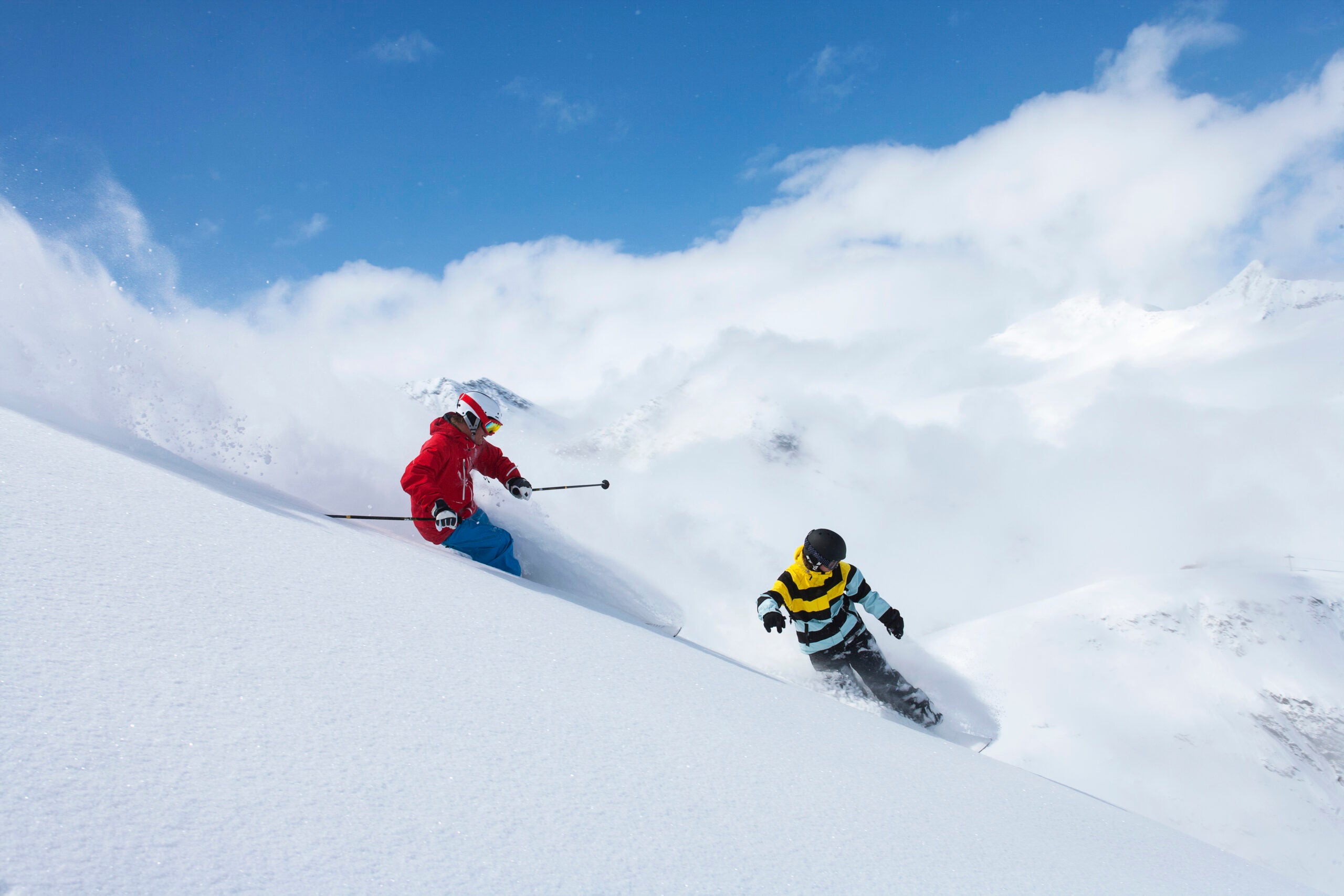
The article implies that the husband’s momentum and size – described as a "215-pound, 6’2” snowboarder" – contributed significantly to the force of the impact. The speed at which he was traveling was also noted as a critical factor. The "sticky wicket," as the author puts it, is navigating the legal and emotional ramifications when the person at fault is one’s spouse. The instinct to pursue legal action, while understandable in any similar accident, is considerably more nuanced when the perpetrator is a life partner.
The Unconventional Path to Reconciliation
Faced with a significant injury and the perpetrator being her husband, the skier grappled with the concept of forgiveness. While acknowledging the accidental nature of the collision, she felt that a simple apology or a few prayers were insufficient penance for being sidelined from her ski season for three months. In a move described as a "simple five-step plan" for retribution, she devised a strategy to, in her words, "even the score."
While the specific details of this five-step plan are not elaborated upon in the provided text, the author’s subsequent reflection suggests its ultimate purpose was not genuine malice but a symbolic act of rebalancing. The underlying motivation appears to have been a need for a sense of justice and accountability, even within the context of a marital relationship.
Forgiveness and Lingering Lessons
The narrative culminates with a profound realization: true forgiveness had already occurred, not as a result of the "five-step campaign," but in the moments following the accident, in the ER at Winter Park. The injured skier observed her husband’s evident distress and remorse, a genuine display of concern that softened her resolve. She recognized the inherent unpredictability of accidents and the immediate impact they can have on relationships.
However, the article concludes with a crucial distinction: "forgiveness doesn’t mean forgetting." The experience, while ultimately resolved with understanding, left a lasting impression. This is most practically demonstrated in their current skiing dynamic. The author now consciously allows her husband to ski ahead of her on the slopes. This simple adjustment is a tangible manifestation of the lesson learned, a prudent measure to prevent a recurrence of such a painful and disruptive event. It serves as a reminder that even in the most forgiving of relationships, personal safety and the lessons from past incidents remain paramount. The incident, though a Christmas Day mishap, ultimately reinforced the importance of communication, awareness, and mutual consideration on the ski slopes, even between the closest of partners.
Broader Implications and Safety Considerations in Recreational Sports
The incident at Winter Park underscores broader safety concerns prevalent in recreational skiing and snowboarding. Collisions between skiers and snowboarders, particularly those involving impacts from behind, are a significant cause of injury in mountain resorts worldwide. Data from various sports safety organizations consistently highlight that human error and lack of awareness are primary contributors to such accidents.
For instance, studies on ski and snowboard injuries have indicated that a substantial percentage of collisions occur when one participant fails to yield the right of way or when visibility is compromised. The skier’s description of being struck from behind by a snowboarder in their blind spot aligns with common scenarios leading to accidents. The physical disparity in mass and momentum between a skier and a snowboarder, as highlighted in this case, can also exacerbate the severity of injuries.
The narrative also touches upon the complex interpersonal dynamics that can arise from recreational accidents. While resorts and governing bodies emphasize adherence to the "Skier’s Responsibility Code" (or equivalent), which outlines rules of conduct and etiquette, personal relationships can complicate the application of these principles. The desire to maintain harmony within a family or partnership can influence how incidents are addressed, potentially delaying or altering the pursuit of accountability.
In conclusion, the event serves as a stark reminder of the inherent risks associated with snow sports, even on seemingly idyllic days. It emphasizes the critical need for constant vigilance, adherence to established safety protocols, and clear communication among all participants on the slopes. While forgiveness is a powerful aspect of human interaction, the practical lessons learned from such experiences, like maintaining a safe distance and awareness of one’s surroundings, are essential for ensuring continued enjoyment and safety in these exhilarating activities. The ongoing efforts by resorts to promote safety through education and enforcement remain vital in mitigating the frequency and severity of such incidents.
