

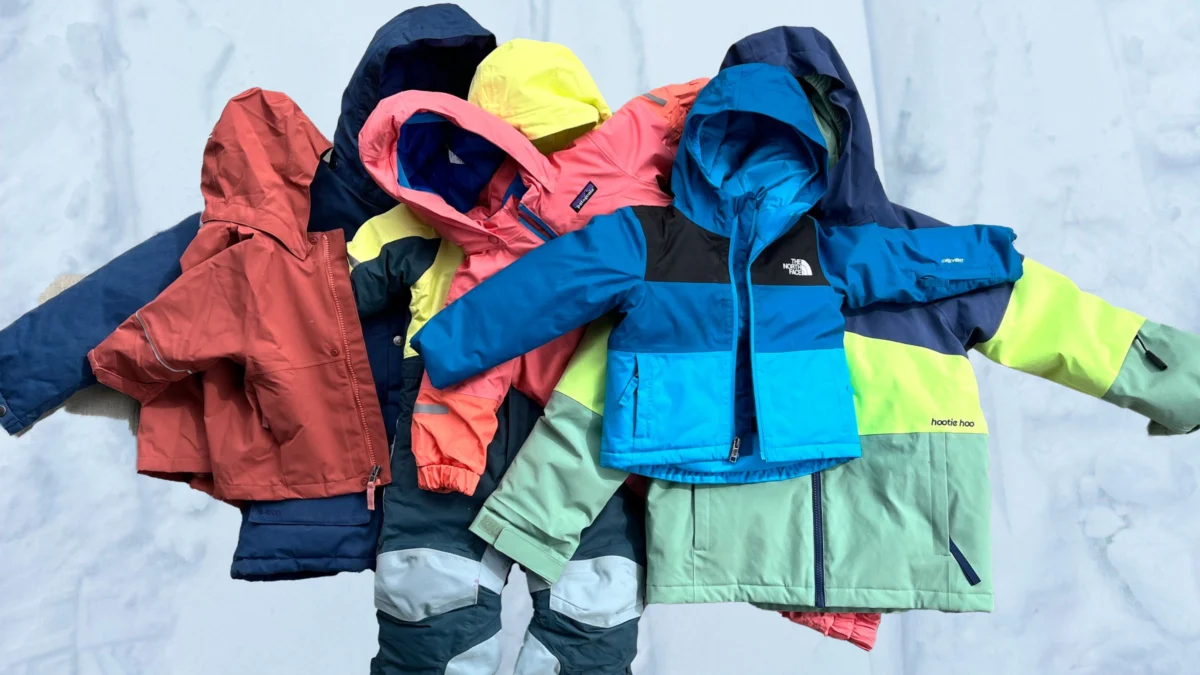
The winter of 2025-2026 has marked a significant shift in the design philosophy of children’s alpine apparel, moving away from the bulky, restrictive "bundling" of previous decades toward high-performance, technical layering systems. For parents, the challenge of equipping a child for the slopes has historically been a balance between thermal protection and physical mobility. Over-insulation often leads to restricted movement and overheating, which can diminish a child’s enjoyment of the sport, while under-insulation risks safety in sub-zero environments. Modern manufacturers are now addressing this "Ralphie conundrum"—named after the iconic immobilized character in A Christmas Story—by utilizing advanced synthetic insulations and breathable, waterproof membranes that mimic the quality of professional adult gear.
As the 2026 ski season progresses, the market has seen an influx of garments that prioritize durability and "grow-with-me" features, acknowledging the economic reality that children often outpace their equipment in a single season. The following analysis evaluates the top-performing kids’ ski jackets based on rigorous field testing conducted across a variety of winter environments, from the groomed runs of Vermont to backcountry sledding hills and municipal ice rinks.

The 2026 Testing Framework: Methodology and Demographics
The evaluation of the 2026 children’s outerwear lineup was led by Jenny Wiegand, a veteran gear specialist and associate gear director at Outside. The testing protocol involved a diverse cohort of young athletes ranging from 15 months to seven years of age. This demographic spread allowed for the assessment of gear across various developmental stages, from non-ambulatory toddlers in snowsuits to active elementary-aged skiers capable of navigating intermediate terrain.
Testing was conducted over several months, encompassing a wide range of meteorological conditions. Jackets were subjected to temperatures fluctuating between 15 and 45 degrees Fahrenheit, high-moisture snowfall, and high-wind environments. Evaluators focused on five primary metrics: thermal efficiency, moisture management (waterproofing and breathability), range of motion, functional features (such as pass pockets and powder skirts), and long-term value (specifically the inclusion of seam let-out systems).
Top Performance Selection: Hootie Hoo Kids Spruce Insulated Jacket
In the high-performance category, the Spruce Insulated Jacket from Hootie Hoo emerged as the premier choice for 2026. Founded by Vermont-based designers and mothers, Hootie Hoo has carved a niche by applying professional-grade specifications to youth sizes (4-14). The Spruce model is notable for its use of PrimaLoft Silver insulation—80 grams in the torso and 60 grams in the limbs and hood. This staggered insulation strategy ensures core warmth while maintaining the flexibility required for technical skiing.
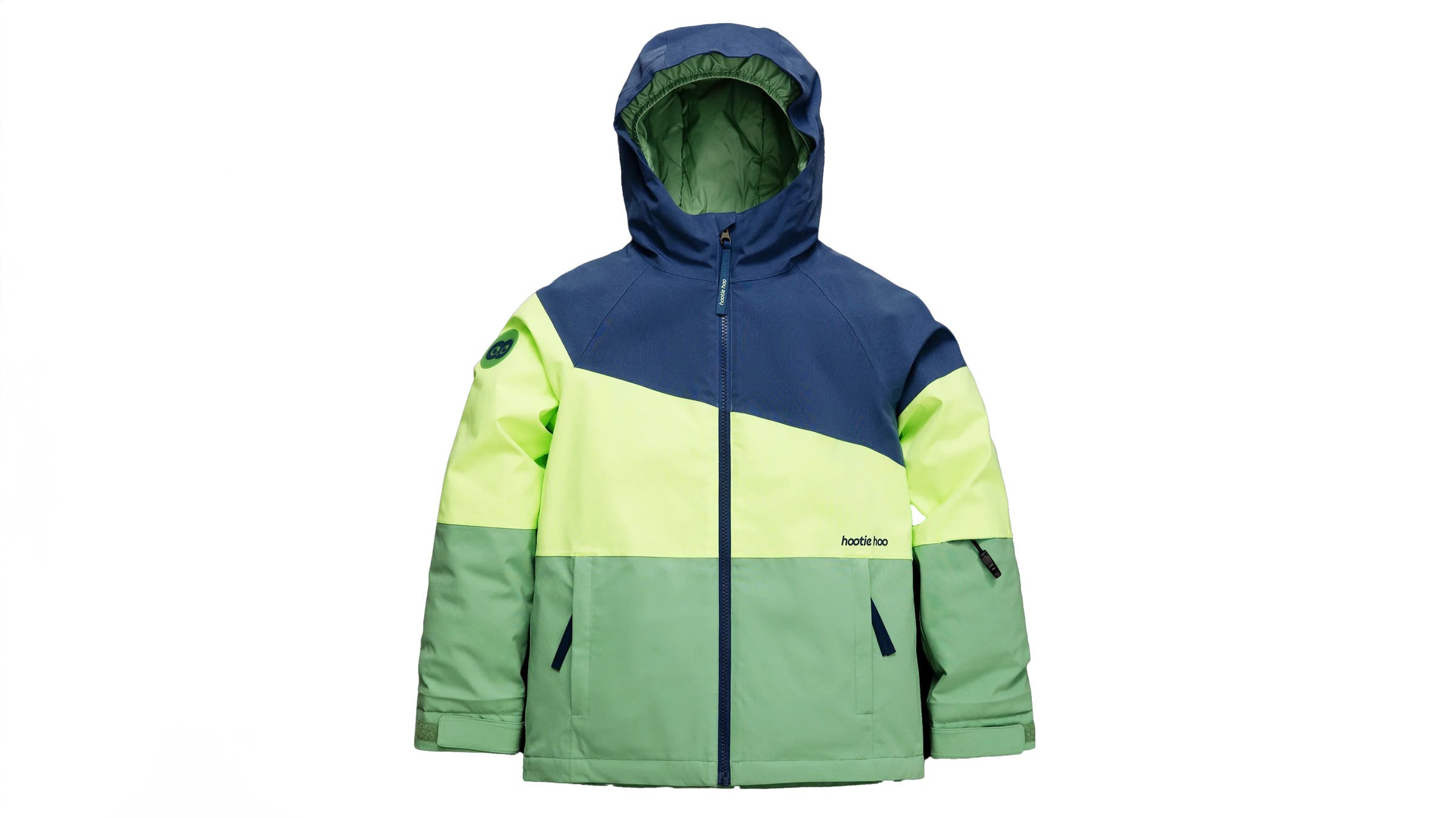
Field observations noted that the jacket’s waterproof exterior, treated with a PFAS-free Durable Water Repellent (DWR), remained effective even during "wet" snow cycles. A significant factor in the jacket’s high rating was its internal lining; testers reported a "silky" feel that eliminated the crinkling sensation common in lower-end waterproof fabrics. For parents, the inclusion of a seam let-out system provides a critical economic benefit, allowing the sleeves to be extended as the child grows, thereby potentially doubling the garment’s lifespan.
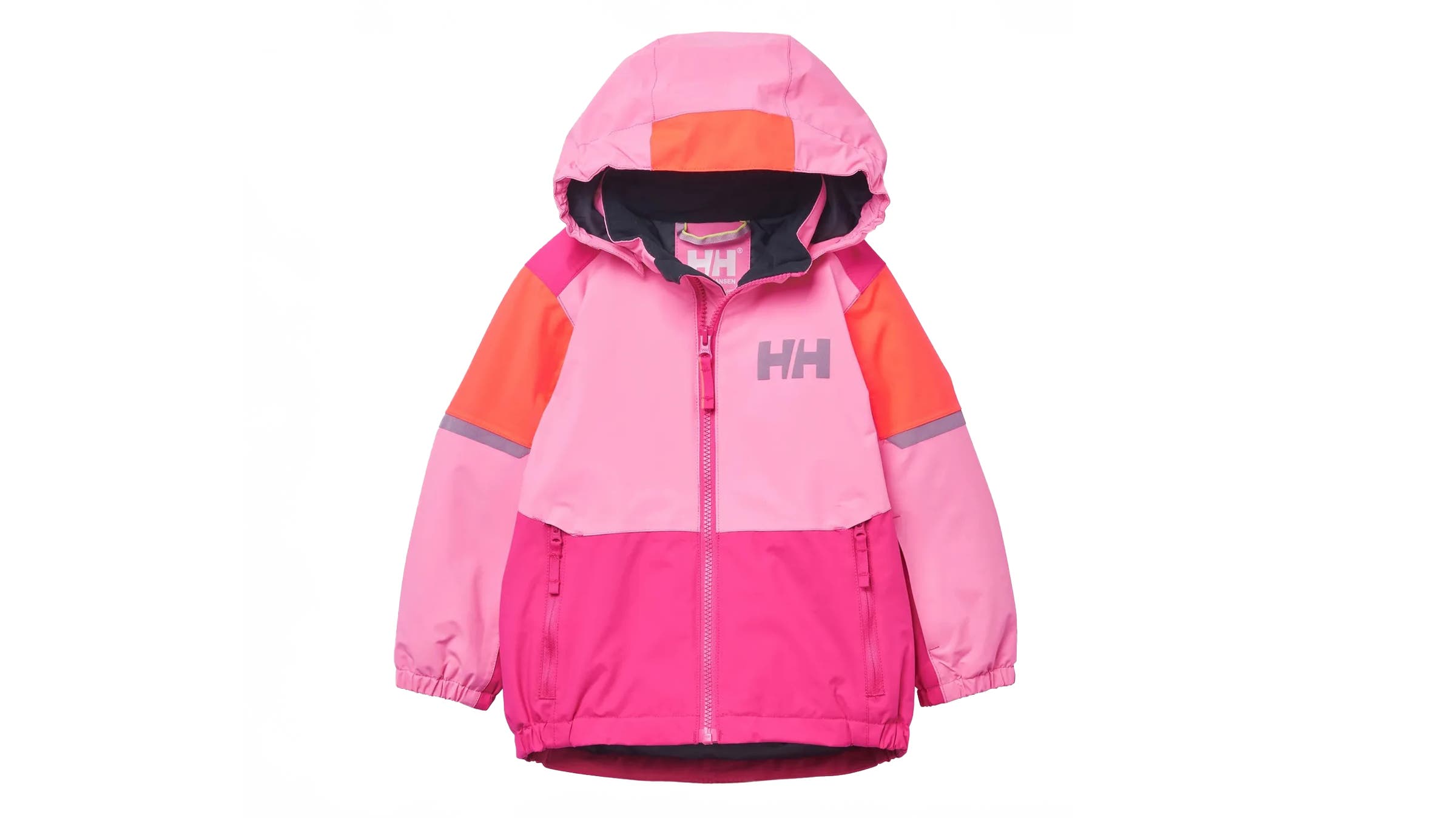
Reliability and Breathability: Helly Hansen Kids Rider Insulated Jacket
The 2026 Helly Hansen Rider Insulated Jacket secured the runner-up position, praised for its consistency and climate versatility. Utilizing 133 grams of PrimaLoft Black Eco insulation in the body, it offers a higher thermal baseline than the Hootie Hoo Spruce, making it suitable for colder, less active days. The Rider is designed for the 1-8 age range, a critical period where children are often transitioning from play-based snow activity to formal ski instruction.
While the jacket lacks the "grow-with-me" seam let-outs found in some competitors, it compensates with superior breathability. During testing in the 35-to-45-degree range, young athletes remained dry from the inside out, indicating efficient moisture vapor transmission through the Helly Tech membrane. The feature set remains focused on the essentials: a dedicated ski pass pocket on the sleeve and a detachable hood for safety and versatility.
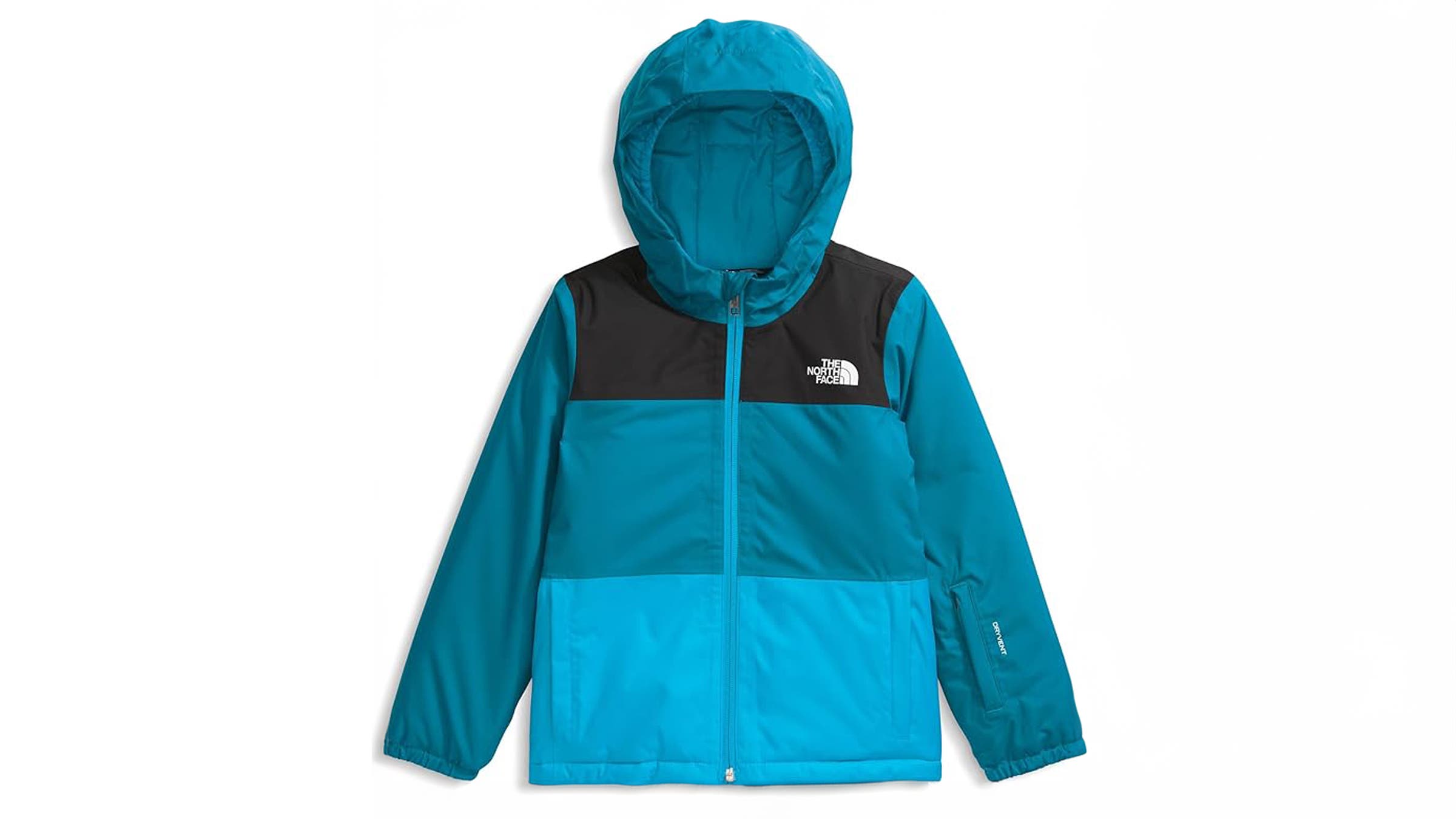
Economic Analysis and Value: The North Face Kids Freedom Insulated Jacket
The North Face continues to dominate the "value" segment with its Freedom Insulated Jacket. Aimed at the 2T to size 7 demographic, this jacket serves as a multi-functional winter garment suitable for both resort skiing and daily school wear. The jacket utilizes Heatseeker polyester insulation—200 grams in the body—making it one of the most heavily insulated options on the market.
Despite its lower price point, The North Face has integrated several "premium" features into the 2026 model, including a powder skirt to prevent snow ingress during falls and a goggle wipe built into the sleeve pocket. Evaluators noted that while the Freedom jacket is slightly bulkier than the Hootie Hoo or Helly Hansen models, its durability and the inclusion of cuff let-out seams make it an industry leader in terms of cost-per-use.
Specialized Thermal Protection: The Obermeyer Ashor Jacket
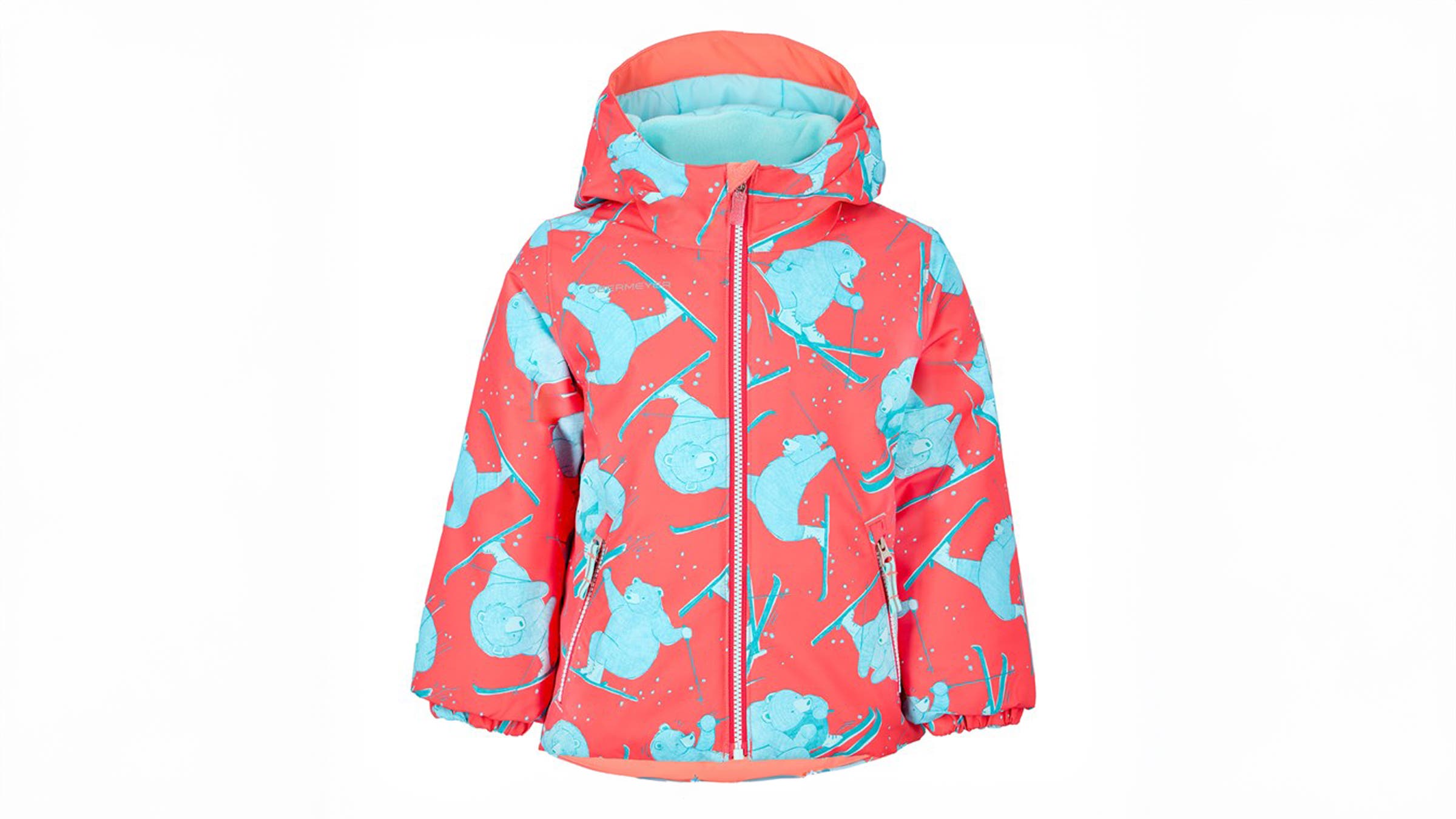
For parents prioritizing warmth above all other factors, the Obermeyer Ashor Jacket (sizes 1-8) was identified as the "warmest" in the 2026 testing pool. Obermeyer, a pioneer in the "I-Grow" extended wear system, utilizes 220 grams of proprietary synthetic insulation in the core. This makes the Ashor an ideal choice for stationary activities or extremely low-temperature environments where heat retention is the primary safety concern.
Testing highlights included the "glove clips" integrated into the sleeves, a small but vital feature for younger children prone to losing accessories. However, the jacket’s design is more streamlined, lacking some of the technical pockets found in the Hootie Hoo Spruce. The Ashor is positioned as a reliable, "bombproof" option for families skiing in harsh, wind-exposed regions like the American Midwest or the Canadian Rockies.
Infant and Toddler Considerations: Patagonia Baby Snow Pile One-Piece
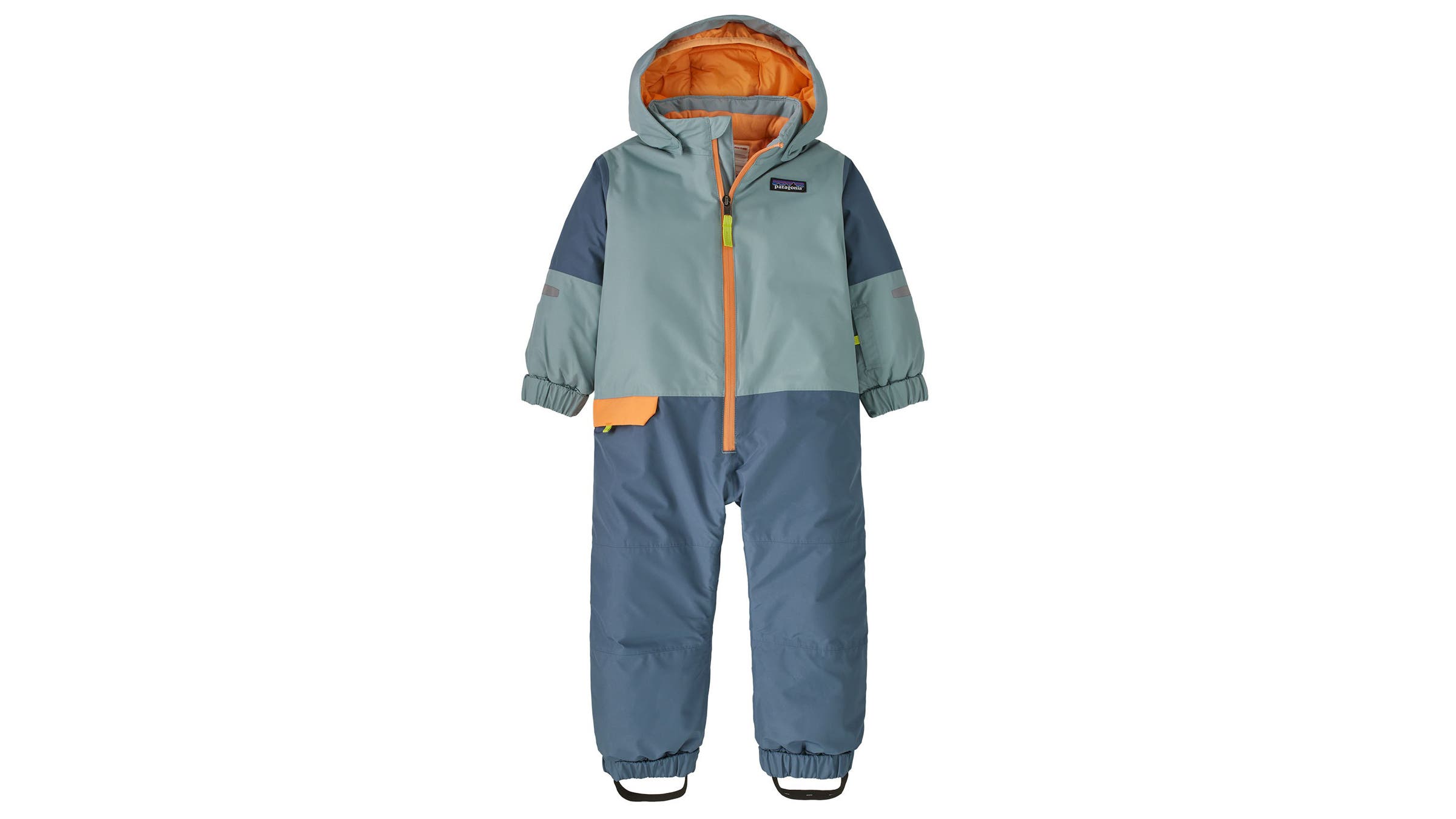
In the 15-month to 3-year-old category, the one-piece snowsuit remains the gold standard for thermal integrity. The 2026 Patagonia Baby Snow Pile One-Piece was recognized for its superior construction, featuring a fully seam-sealed, waterproof shell and 150 grams of Thermogreen insulation. Because toddlers have a higher surface-area-to-volume ratio than adults, they lose heat more rapidly; the one-piece design eliminates the "gap" between jacket and pant where cold air and snow typically enter.
An interesting finding in the 2026 review was the sizing of the Patagonia line. Testers observed that the suits tend to run large, which, when combined with the cuff let-out seams, allows for significant longevity. While the Snow Pile represents a higher upfront investment, its resale value in the secondary market remains the highest in the industry, often recouping 50-60% of its original cost.
Technical Implications: The Shift to PFAS-Free Chemistry
A critical context for the 2026 gear market is the industry-wide transition away from PFAS (per- and polyfluoroalkyl substances). These "forever chemicals" were once the standard for waterproof coatings but have been phased out due to environmental and health concerns. The jackets reviewed this year represent the first generation of widespread, high-performance PFAS-free DWR treatments.
Initial data from the 2026 season suggests that these newer, more sustainable coatings are performing at parity with their predecessors in terms of initial water bead-off. However, gear experts emphasize that PFAS-free jackets may require more frequent cleaning and re-treatment with technical washes (such as Nikwax or Granger’s) to maintain their hydrophobic properties. This shift places a new responsibility on parents to maintain the gear to ensure it lasts through multiple seasons or siblings.
Conclusion: Selecting the Right Gear for 2026 and Beyond
The 2026 children’s ski jacket market demonstrates that "miniaturized" gear no longer means "diminished" quality. For the serious junior skier, the Hootie Hoo Spruce offers an unparalleled balance of movement and protection. For the budget-conscious family, The North Face Freedom provides a durable, multi-season solution.
As the industry moves toward more sustainable materials and adjustable sizing, the long-term cost of equipping a child for winter sports is beginning to stabilize. By selecting garments with high-quality synthetic insulation and growth-accommodating features, parents can ensure that their children remain comfortable, safe, and—most importantly—eager to return to the slopes year after year. The data from this season’s testing suggests that the best jacket is not necessarily the thickest, but the one that most effectively manages the microclimate between the child’s skin and the winter air.
