

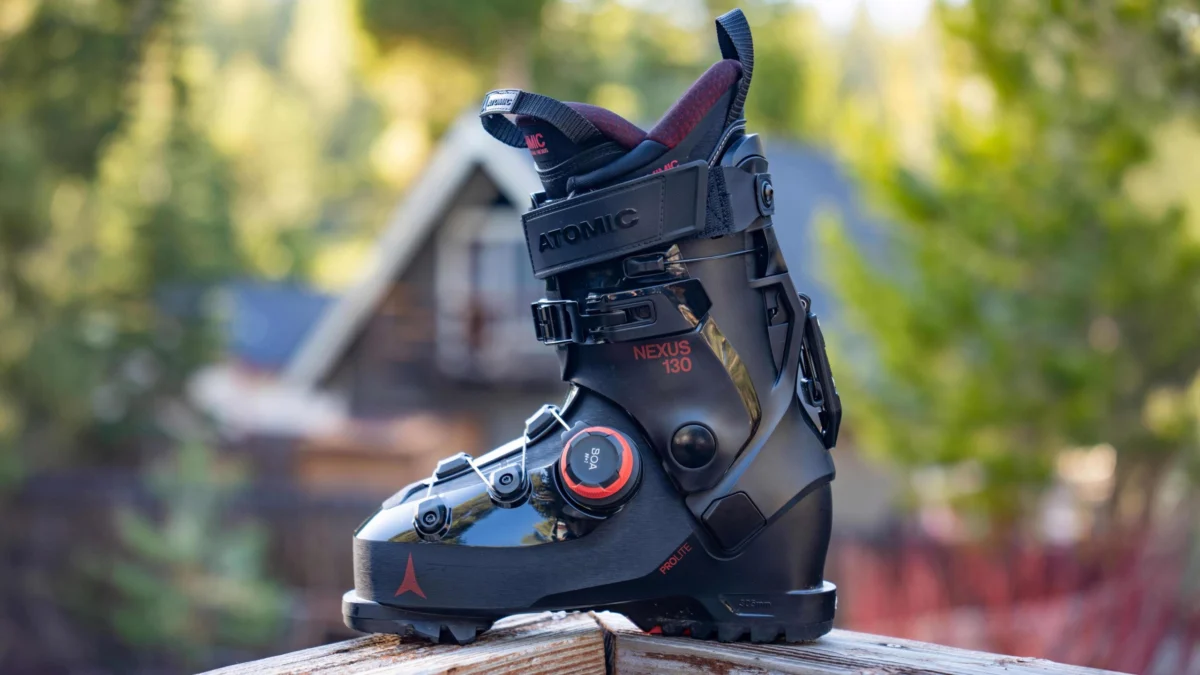
The global ski equipment market is witnessing a significant shift in design philosophy as major manufacturers move beyond traditional four-buckle overlap boots to address a burgeoning demographic: high-performance skiers with mobility limitations. Leading this transition is the Atomic Nexus 130 BOA, a flagship model designed to bridge the gap between the convenience of historic rear-entry designs and the uncompromising power of modern alpine racing boots. Set for a broad commercial release in the fall of 2026, the Nexus series represents a strategic pivot for Atomic, an Amer Sports brand, as it seeks to capture a market segment that requires ease of entry without sacrificing the 130-flex rating demanded by expert-level athletes.
The Evolution of the Mid-Entry Architecture
The Atomic Nexus 130 BOA is categorized as a "mid-entry" boot, a structural middle ground that has seen a resurgence in recent years. Unlike the traditional overlap construction, which requires the user to pull apart stiff plastic shells to insert the foot, the Nexus features a cuff where the front and rear sections separate significantly. This allows for a "step-in" experience that can, under the right settings, be performed hands-free.
The engineering behind this system relies on a dual-pivot design. This mechanism not only facilitates the wide opening of the cuff but also serves a dual purpose during active skiing. By utilizing a spine lever—reminiscent of the walk-mode levers found on alpine touring (AT) boots—the Nexus allows the rear spine to be unbolted or released for entry and exit. When locked into ski mode, the dual-pivot system creates mechanical leverage that enhances power transmission to the edges, a feature Atomic engineers have refined to ensure the boot maintains a consistent, progressive flex.
Technical Specifications and the BOA H+1 Integration
At the core of the Nexus 130 BOA is a 101-millimeter last, placing it firmly in the "medium-to-high volume" category. This width is intended to accommodate a broader range of foot shapes, particularly those with higher insteps or wider forefoots, which often correlate with the mobility issues the boot aims to solve.
The inclusion of the BOA H+1 Fit System on the lower shell marks a continued partnership between Atomic and BOA Technology. The H+1 system replaces the traditional two lower buckles with a high-tensile stainless steel cable and a micro-adjustable dial. This system provides a more uniform wrap around the forefoot, reducing pressure points that are common in traditional buckle systems. For the Nexus target audience—which includes skiers with finger arthritis or reduced grip strength—the BOA dial offers a mechanical advantage, allowing for precise tensioning with minimal physical exertion.
Complementing the shell is the Mimic Platinum liner. This heat-moldable component features a high density of customizable material around the heel and ankle. By utilizing a "stout" construction, Atomic ensures that the liner provides the necessary lateral stiffness to support the 130-flex shell, preventing the "mushy" feel often associated with comfort-oriented boots.
The Nexus Product Hierarchy
Atomic has announced a comprehensive lineup under the Nexus umbrella to ensure that various skill levels and physiological needs are met. The 2026-2027 collection includes:
- Men’s Models:
- Nexus 130 BOA (Flagship, 130 flex)
- Nexus 120 BOA
- Nexus 110 BOA
- Nexus 110 (Traditional buckle lower)
- Women’s Models:
- Nexus 105 BOA W
- Nexus 95 BOA W
- Nexus 95 W (Traditional buckle lower)
This tiered approach allows the brand to scale the stiffness and features according to the skier’s weight and aggressiveness, ensuring that the "accessibility" mission statement of the Nexus line is not limited to elite-level skiers.
Chronology of the Easy-Entry Renaissance
To understand the significance of the Nexus, one must look at the timeline of ski boot evolution. In the 1980s, rear-entry boots dominated the market due to their extreme comfort and ease of use. However, as skiing techniques evolved and materials improved, the rear-entry design fell out of favor because it lacked the heel hold and forward-pressure capabilities of overlap boots.
By the early 2000s, the industry had almost entirely consolidated around the four-buckle overlap design. It wasn’t until the mid-2010s that manufacturers began to reconsider the "comfort-performance" gap. Nordica introduced the HF (Hands-Free) series in 2020, which revitalized interest in easy-access boots but was largely viewed as a product for intermediate or aging skiers who had moved away from aggressive terrain.
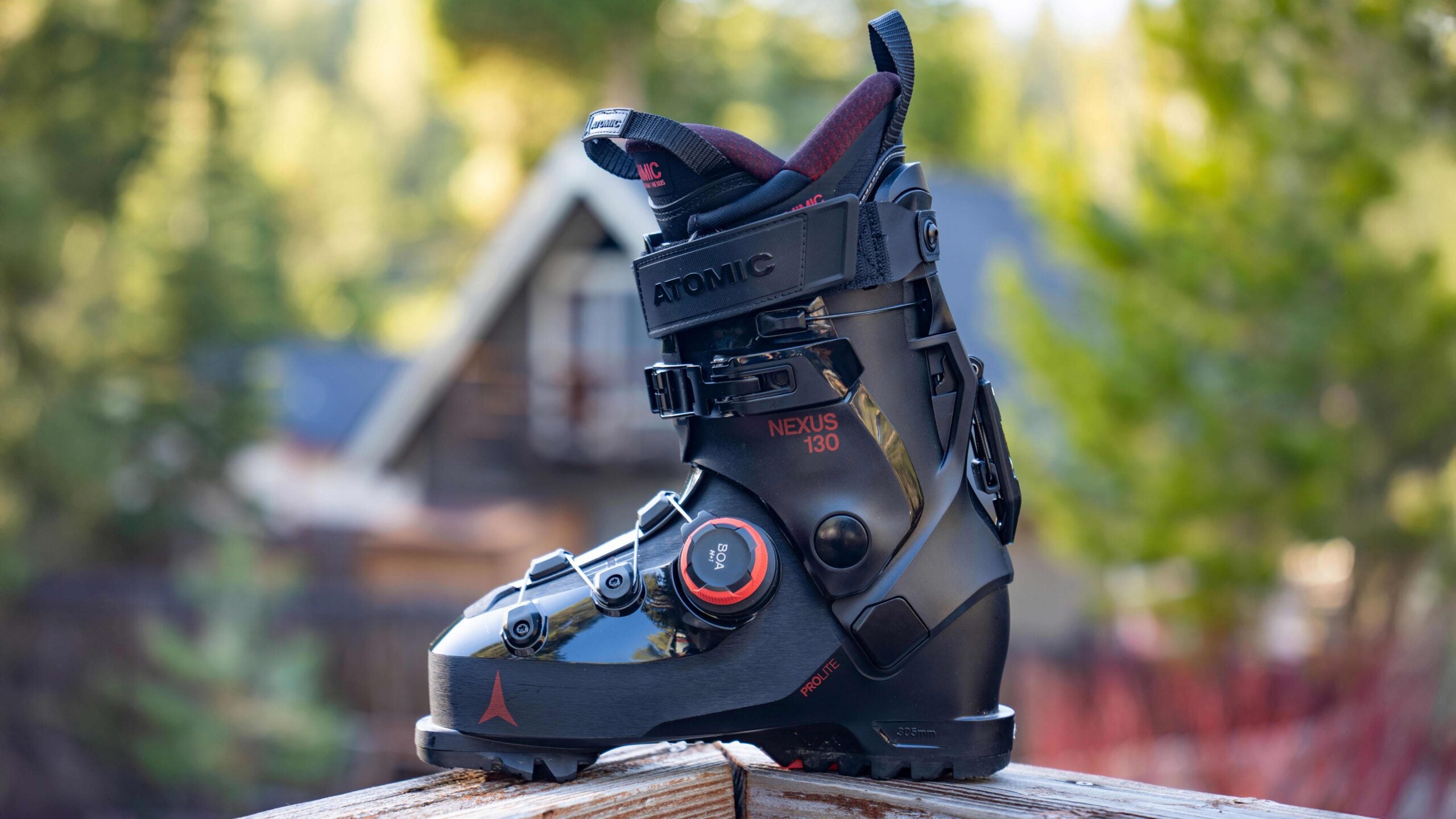
In 2024 and 2025, the industry saw the introduction of more sophisticated "mid-entry" concepts, such as the Rossignol Vizion. Atomic’s development of the Nexus, culminating in its 2026 release, represents the latest stage in this chronology: the "Hard-Charging Easy-Entry" era. This era is defined by the use of advanced plastics (such as True Flex PU) and sophisticated closure systems (BOA) to ensure that a boot that is easy to put on can still perform on World Cup-level groomed runs or in steep, off-piste terrain.
Comparative Performance Analysis
Initial field testing and bootfitter evaluations suggest that the Nexus 130 BOA distinguishes itself through its rebound characteristics. While traditional easy-entry boots often feel "dead" or lack energy when finishing a turn, the dual-pivot construction of the Nexus provides a springy, lively feel. This is attributed to the way the upper cuff interacts with the lower shell, creating a leverage point that assists the skier in transitioning from edge to edge.
In comparison to the Nordica HF series, the Nexus 130 BOA offers a more aggressive stance and a stiffer flex profile. While the Nordica HF remains a benchmark for pure ease of use—often featuring heating elements and a simplified single-rear-closure—the Nexus is positioned for the skier who still intends to ski "bell-to-bell" in challenging conditions.
However, industry analysts have noted a potential trade-off with the BOA system. While the dial is easier to turn than a buckle is to latch for some, it still requires a degree of fine motor skill. Some experts suggest that for skiers with severe mobility issues, a large, traditional buckle that can be flicked with a ski pole might still hold an advantage. Atomic’s inclusion of a "set-it-and-forget-it" top buckle and a large rear lever is an attempt to mitigate these concerns, allowing the skier to pre-tension the BOA and use the lever as the primary entry/exit trigger.
Market Implications and Demographic Trends
The release of the Nexus series is a data-driven response to the "Silver Tsunami" in the skiing industry. According to data from the National Ski Areas Association (NSAA), the average age of the frequent skier has been steadily rising over the last two decades. A significant portion of the "Baby Boomer" and "Gen X" demographics possess both the disposable income for high-end gear and the technical skill to ski expert terrain, yet they are increasingly hampered by physiological realities such as osteoarthritis, reduced flexibility, and past injuries.
By providing a 130-flex boot that does not require a "parking lot struggle," Atomic is tapping into a loyalty-driven market. "We are seeing a trend where skiers don’t want to retire to ‘old man’ gear," says one industry consultant. "They want the performance of their 20s with the convenience required by their 60s. The Nexus is a direct answer to that psychological and physical demand."
Furthermore, the "mid-entry" category is expected to expand. Analysts predict that if the Nexus and its competitors (like the Rossignol Vizion) succeed commercially, the traditional four-buckle overlap boot may eventually become a niche product reserved primarily for racing and freestyle, while mid-entry becomes the new standard for the general "all-mountain" category.
Official Responses and Manufacturing Context
While Atomic has not released internal sales targets, the broadness of the Nexus rollout—spanning six different flex patterns across two genders—indicates a high level of confidence in the platform. Manufacturing of the Nexus utilizes Atomic’s "Energy Backbone" technology, a reinforced, asymmetrical backbone that provides extra strength for powerful skiing while keeping the rest of the shell light and manageable.
The Mimic Platinum liners are also a point of pride for the manufacturer. By allowing the liner to be heated and molded to the skier’s foot in a shop setting, Atomic is reducing the "break-in" pain that often discourages older skiers from purchasing new equipment. The goal is a "perfect fit out of the box," a phrase often used in marketing but rarely achieved in the 130-flex category until now.
Conclusion: A New Standard for All-Mountain Skiing
The Atomic Nexus 130 BOA is more than just a new product; it is a symptom of a maturing industry that is learning to value accessibility as a performance metric. By combining the BOA H+1 system, a high-performance 130 flex, and a revolutionary mid-entry shell, Atomic has addressed the primary pain point of the skiing experience: the transition from the car to the slopes.
As the Nexus hits retail shelves in late 2026, it will likely serve as a litmus test for the future of boot design. If expert skiers embrace the mid-entry format, it could signal the end of the "suffer for performance" era, ushering in a period where technical excellence and physical ease are no longer mutually exclusive. For the skier who has spent decades mastering the mountains, the Nexus offers a way to continue that legacy without the frustration of the "red snake" of parking lot traffic or the agony of cold, stiff plastic. The message from Atomic is clear: the best days on the mountain should not be overshadowed by the struggle to get ready for them.
