

Spend enough time traversing the snow-laden slopes of the Pacific Northwest, and you’ll inevitably find yourself immersed in the world of Bigfoot, a mythical creature whose presence is so deeply woven into the fabric of the region’s ski culture that it feels less like folklore and more like an honorary resident. From the names of majestic ski resorts and the lifts that carry eager skiers skyward to challenging trail designations, cozy mountain restaurants, and even imposing sculptures overlooking pristine runs, Sasquatch is an undeniable fixture. In a landscape defined by its ancient, towering forests, formidable mountain ranges, and an aura of untamed wilderness, the legendary ape-like being has transcended mere legend to become an intrinsic part of the Pacific Northwest ski identity, offering a playful yet profound connection to the wild heart of the region.
The pervasive integration of Bigfoot into the ski experience prompts an intriguing inquiry: How did this enigmatic creature, long a subject of whispered tales and speculative sightings, become such a familiar and celebrated symbol within the Pacific Northwest’s vibrant ski scene? The answer lies at the intersection of deep-rooted regional folklore, strategic cultural branding, and the inherent human fascination with the unknown that thrives in vast, untouched landscapes.
The Ubiquitous Sasquatch: A Tour of PNW Ski Resorts
The embrace of Sasquatch is far from subtle across the Pacific Northwest’s premier ski destinations, manifesting in diverse and creative ways that enhance the visitor experience. At Mission Ridge in Washington, an 11-foot sculpture crafted from recycled steel and chain stands proudly near the summit of Chair 2, embodying the region’s chameleon-like seasons. Matt Kung, the resort’s marketing and data systems manager, notes its transformative nature: "In winter he’s coated in rime and snow and becomes a Yeti. Come summer, the rusted chain shows through, and he’s a Bigfoot walking over the ridgeline." This artistic representation not only serves as a landmark but also mirrors the very essence of the wilderness—ever-changing yet enduring.
Beyond the slopes, the cultural footprint of Bigfoot extends into the communities that serve as gateways to these mountain havens. En route to Stevens Pass in Washington, skiers can pause at the Espresso Chalet, a roadside coffee stand that has become a pilgrimage site for Bigfoot enthusiasts. Adorned with a colossal Sasquatch statue, an array of Bigfoot-themed decor, and an abundance of souvenirs, the chalet offers a tangible link to the legend. Its connection to the 1987 film Harry and the Hendersons, a beloved cinematic portrayal of the iconic creature, further solidifies its place in the regional narrative. Similarly, at Big White Ski Resort in British Columbia, the culinary landscape pays homage to the legend through Sasquatch Sushi, a restaurant whose name subtly yet unmistakably nods to the region’s enduring fascination with its elusive inhabitant, blending local lore with international cuisine.
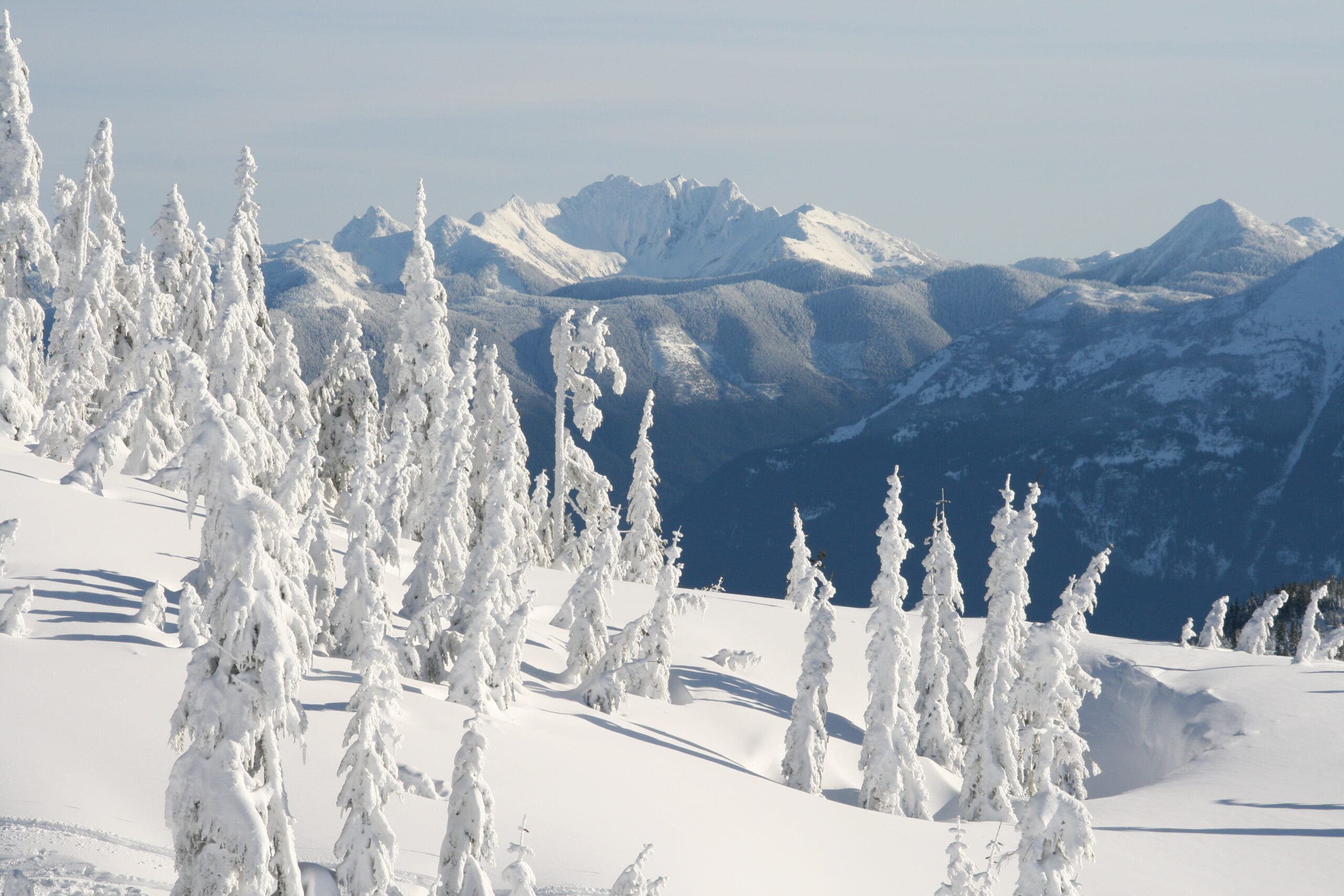
Oregon’s majestic Mt. Hood, a beacon for skiers, provides a particularly fertile ground for Bigfoot superstitions. The very forests that draw thousands for world-class skiing are steeped in tales of Sasquatch, with the area reportedly boasting more Bigfoot sightings than anywhere else in the state, according to the North American Bigfoot Center. This dense concentration of reported encounters transforms a typical day on the slopes into an immersive adventure, blurring the lines between sport and expedition into "Sasquatch country." With some of the Pacific Northwest’s most reliable snowfall and diverse terrain, Mt. Hood offers ample opportunities to explore the wild expanses where the legend continues to breathe.
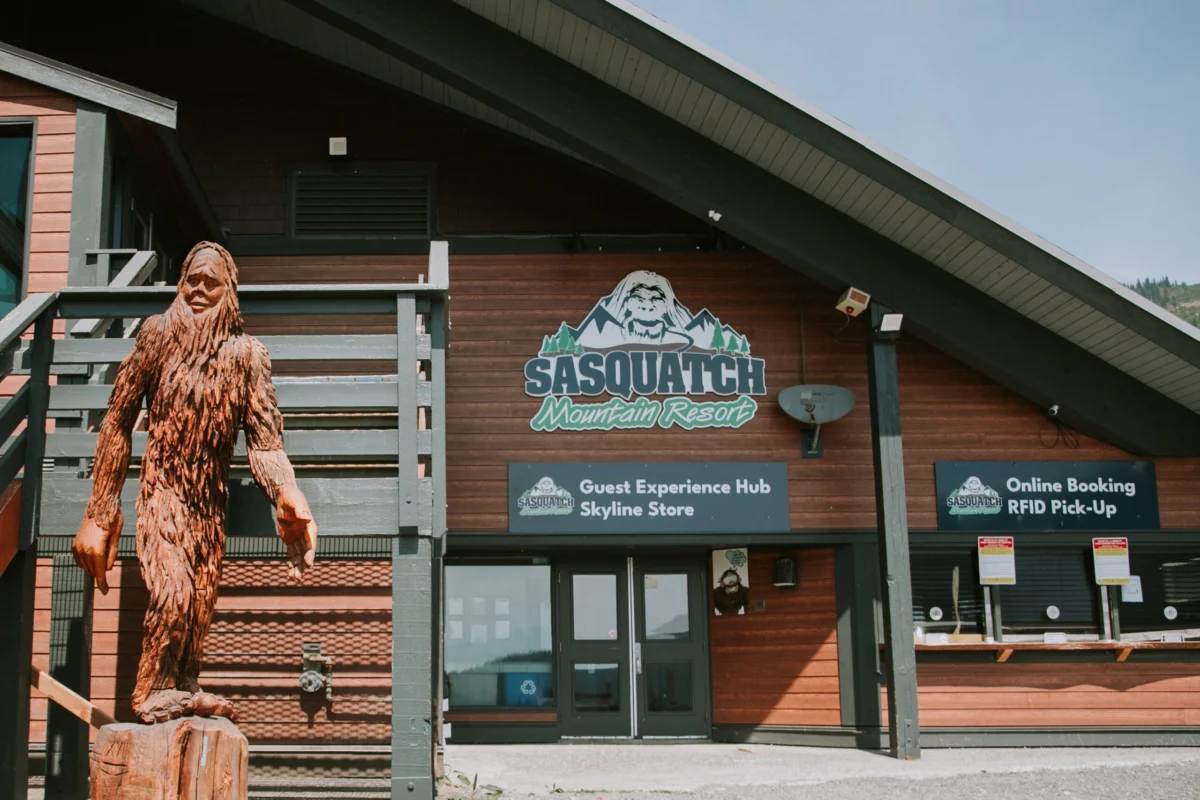
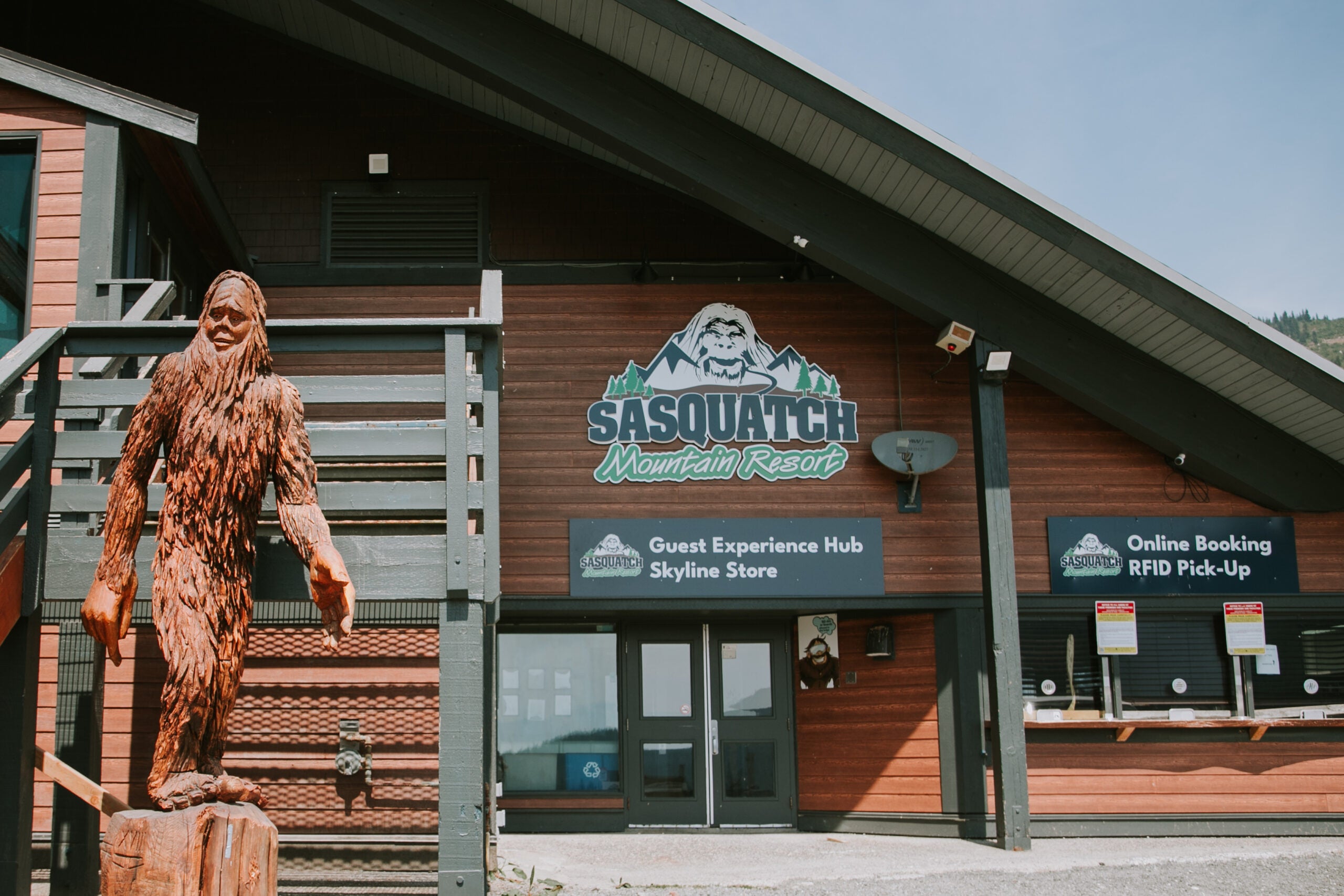
Perhaps no destination exemplifies this integration more thoroughly than Sasquatch Mountain Resort in British Columbia. Formerly known as Hemlock Valley Resort, the mountain underwent a comprehensive rebranding under new ownership, explicitly embracing the Sasquatch mythos. This transformation is evident everywhere, from the resort’s official name to specific infrastructure like the "Sasquatch Triple Chair" and the "Bigfoot" ski run. Nikita Romane, the resort’s inside operations manager, explains the strategic decision: "Rather than adopting a generic mountain identity, we chose to celebrate something that is uniquely tied to the Harrison and Fraser Valley region." This deliberate choice underscores a commitment to fostering an identity deeply rooted in local heritage, distinguishing the resort in a competitive market. The resort’s name, in turn, reflects a broader regional identity; the nearby Harrison River Valley actively promotes itself as "Sasquatch country," sustained by local folklore, a history of reported sightings, and the raw, untamed nature of its expansive forests. The presence of a dedicated Sasquatch Museum in Harrison Hot Springs further cements the creature’s status as a cultural cornerstone.
Roots of the Legend: The Pacific Northwest’s Enduring Mystery
The Bigfoot phenomenon is not a recent marketing gimmick but a narrative deeply embedded in the historical and geographical context of the Pacific Northwest. The region’s sprawling, ancient forests, dramatic mountain ranges, and often-isolated communities have long provided an ideal canvas for tales of enigmatic forest-dwellers. Before the term "Bigfoot" gained widespread popularity in the mid-20th century, Indigenous peoples across North America, particularly in the Pacific Northwest, had their own rich traditions of describing large, hairy, human-like beings inhabiting the wilderness.
In British Columbia, the very name Sasquatch is a direct derivation from Sásq’ets, a word from the Halq’eméylem language of the Sts’ailes people, which translates roughly to "hairy man" or "wild man." These stories were not mere superstitions but integral components of Indigenous oral traditions, serving to impart lessons, explain the natural world, and delineate the boundaries between human settlements and the untamed wilderness. These narratives often portrayed these beings not as monsters but as powerful, sometimes benevolent, sometimes fearsome, guardians of the forest, embodying the mystery and power of nature itself.
The cultural impact of these Indigenous stories was immense, shaping early European settler perceptions of the wilderness. As logging and exploration pushed deeper into the region, encounters with large, unidentifiable tracks or fleeting glimpses of figures in the dense undergrowth fed into these existing narratives, creating a fertile ground for the modern Bigfoot legend. The 1958 Bluff Creek incident in northern California, where a bulldozer operator discovered a series of large, human-like footprints, is often cited as a pivotal moment that propelled "Bigfoot" into mainstream consciousness, sparking a surge of interest and dedicated searches. While outside the immediate PNW ski context, it significantly amplified the creature’s regional and national profile.
From Folklore to Branding: The Commercial Embrace of Sasquatch
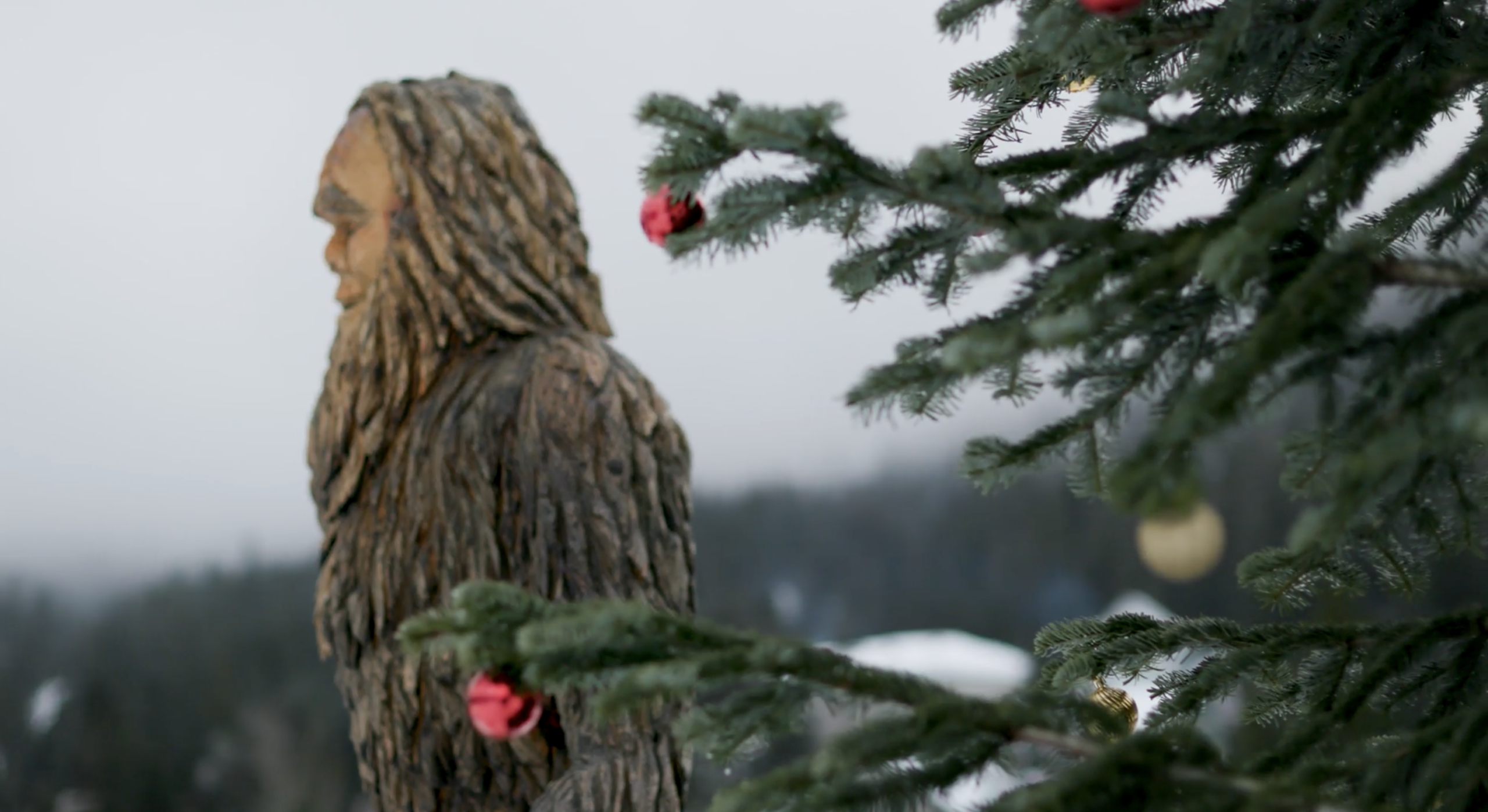
The deliberate integration of Bigfoot into ski resort branding represents a savvy convergence of cultural identity and commercial strategy. Resorts in the Pacific Northwest operate in a highly competitive market, vying for the attention of both local and international tourists. Developing a unique and compelling brand identity is crucial for standing out. Sasquatch, with its inherent connection to the region’s wilderness, offers an instantly recognizable and authentically local mascot.
The rebranding of Sasquatch Mountain Resort serves as a prime example of this strategy. By shedding its generic "Hemlock Valley" identity, the resort tapped into a narrative that resonates deeply with the region’s mystique. This isn’t just about a name change; it’s about crafting an entire experience that feels distinct. The "Sasquatch Triple Chair" and "Bigfoot" run aren’t just labels; they invite skiers to become part of the legend, to imagine the elusive creature sharing their wild playground. This immersive storytelling enhances the perceived value of the ski experience, transforming a simple ski trip into an adventure tinged with local lore.
Furthermore, this branding extends beyond the slopes into merchandise, dining experiences, and even local community partnerships. Espresso Chalet, with its robust Bigfoot theme, benefits from this cultural capital, drawing in curious travelers and providing a unique photo opportunity that doubles as free marketing. Sasquatch Sushi at Big White leverages the name to create a memorable dining experience, making it more than just a place to eat—it’s a place that tells a story. This holistic approach to branding creates a cohesive and engaging narrative that appeals to a wide demographic, from families with young children enchanted by the mystery to seasoned adventurers who appreciate the nod to the region’s wild spirit.
Expert Perspectives: Bridging Wilderness and Culture
Cliff Barackman, the esteemed curator of the North American Bigfoot Center, offers valuable insights into the intrinsic link between Bigfoot and outdoor recreation. He highlights that reported encounters with Sasquatch-like beings overwhelmingly occur in the very environments that draw outdoor enthusiasts: dense forests, rugged mountains, verdant river valleys, and other remote, untamed locales. "Hikers, campers, hunters, anglers, and skiers inherently spend time in these environments," Barackman observes, "making the outdoors a natural setting for Bigfoot stories to emerge and thrive." This geographical congruence provides a logical framework for why the legend resonates so strongly within these communities.
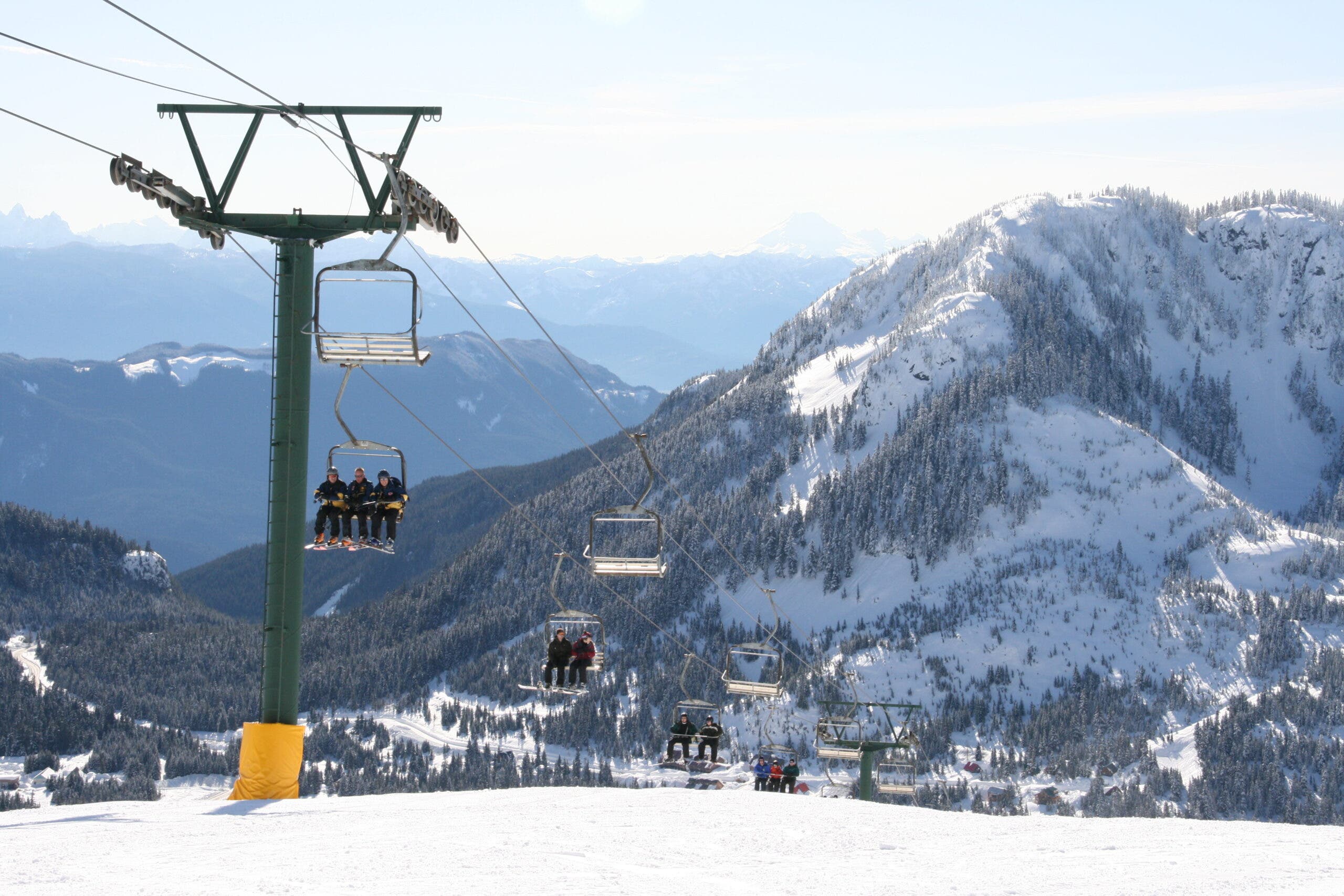
Beyond the physical landscape, Barackman emphasizes the profound cultural significance of Bigfoot. "Bigfoot has become such a recognizable symbol of the Pacific Northwest that it almost functions as a regional mascot," he posits. He describes the creature as a powerful emblem of wilderness, an enduring symbol of mystery, and a testament to the idea that, even in an increasingly explored world, there remain places where the full scope of life and phenomena remains unknown to humanity. This psychological appeal—the allure of the undiscovered—is particularly potent in the context of skiing. Skiers, by their very nature, seek out fresh powder, venture into the silent depths of snow-laden trees, and explore remote terrain where forests stretch for seemingly endless miles. The concept of Bigfoot, a creature said to inhabit these same wild and untracked places, fits seamlessly into the adventurous ethos of skiing. It adds an element of thrilling possibility to every turn and every tree line explored.
Nikita Romane from Sasquatch Mountain Resort further underscores the nuanced understanding required when engaging with the legend. While the resort playfully embraces the Sasquatch myth as part of its commercial identity, Romane stresses the importance of acknowledging its deeper cultural origins: "It is important to recognize that stories of Sasquatch-like beings have deep roots in the Indigenous cultures of the Pacific Northwest." She explicitly notes that the resort operates on the unceded territory of the Sts’ailes people, and as such, they strive to respect these profound cultural origins while celebrating the legend in a contemporary context. This sensitivity adds a layer of authenticity and respect to the branding, moving it beyond mere caricature to a genuine appreciation of local heritage.
Economic and Cultural Impact: More Than Just a Mascot
The strategic incorporation of Bigfoot into Pacific Northwest ski culture carries significant economic and cultural implications. Economically, unique branding can be a powerful differentiator in the highly competitive ski tourism market. By cultivating a distinct identity tied to a regional legend, resorts like Sasquatch Mountain Resort and businesses like Espresso Chalet create memorable experiences that attract visitors. This can translate into increased visitation, longer stays, higher spending on merchandise and dining, and ultimately, greater revenue for resorts and surrounding communities. The "Bigfoot factor" adds a layer of intrigue that global marketing campaigns can leverage, drawing in tourists from outside the immediate region who are fascinated by the creature.
Culturally, the embrace of Bigfoot serves several functions. It helps preserve and perpetuate local folklore, keeping alive stories that might otherwise fade in an increasingly homogenized world. By integrating Indigenous-derived narratives, even in a commercial context, there’s an opportunity to educate visitors about the rich cultural tapestry of the region. The legend also fosters a sense of regional pride and identity. Bigfoot becomes a shared symbol that locals recognize and tourists associate with the Pacific Northwest, strengthening the overall brand of the region as a destination for wilderness adventure and unique experiences. It transforms abstract notions of "wild" into a tangible, if mythical, figure that encapsulates the spirit of the land.
Furthermore, the playful nature of Bigfoot branding contributes to the overall visitor experience. For families, the idea of a Sasquatch lurking in the woods, or discovering a "Littlefoot" beginner carpet, adds an element of wonder and excitement for children. It makes the mountain feel more alive, more magical. This emotional connection can foster loyalty and encourage repeat visits, as skiers seek to revisit a place where adventure is not just on the trails but woven into the very atmosphere.
Beyond the Slopes: Sasquatch in the Wider PNW Landscape
The phenomenon of Bigfoot in the Pacific Northwest extends far beyond the ski slopes, illustrating its profound penetration into the regional consciousness. The North American Bigfoot Center, curated by Cliff Barackman, is a prime example of an institution dedicated to exploring the legend through research, artifacts, and public education. Located in Boring, Oregon, it serves as a hub for enthusiasts and skeptics alike, showcasing plaster casts of alleged footprints, eyewitness accounts, and scientific discussions. This center, along with the Sasquatch Museum in Harrison Hot Springs, British Columbia, demonstrates a serious engagement with the folklore, transcending mere amusement to delve into the cultural and historical significance of the creature.
Roadside attractions, local festivals, and even municipal branding in various towns throughout the Pacific Northwest frequently feature Sasquatch. This widespread adoption underscores that Bigfoot is not merely a niche interest but a unifying cultural motif. It reflects a collective regional identity that cherishes its wild spaces, its mysteries, and its unique heritage. This broader context reinforces why ski resorts, as prominent gateways to these wild spaces, have found such natural synergy in adopting Bigfoot as their unofficial, yet universally recognized, mascot.
Conclusion: The Enduring Allure of the Wild
In the Pacific Northwest, where the ancient forests and majestic mountains have long served as the crucible for Bigfoot stories, the creature emerges as a uniquely fitting mascot for ski country. It represents an adventurous spirit, a connection to the untamed wilderness, and a playful nod to the region’s enduring mysteries. Skiers may initially be drawn by the promise of pristine powder, exhilarating descents, and breathtaking vistas, but the subtle, and sometimes not-so-subtle, presence of Sasquatch adds an entirely different dimension to their experience.
As Matt Kung eloquently states, Bigfoot embodies the essence of outdoor freedom: "He’s never been pinned down; he goes wherever he wants, and he belongs completely to the wild places most people only visit." This sentiment perfectly encapsulates the allure of the Pacific Northwest’s ski resorts—places where humans can momentarily enter the domain of the wild, where the boundaries between reality and legend beautifully blur. The Bigfoot phenomenon in PNW ski culture is a testament to the power of folklore, the savvy of cultural branding, and the timeless human desire for a touch of mystery in our adventures. It ensures that every turn on the slopes, every glance into the dense forest, and every shared laugh about a potential sighting adds an unforgettable layer to the already exhilarating experience of skiing in this extraordinary corner of the world.
