

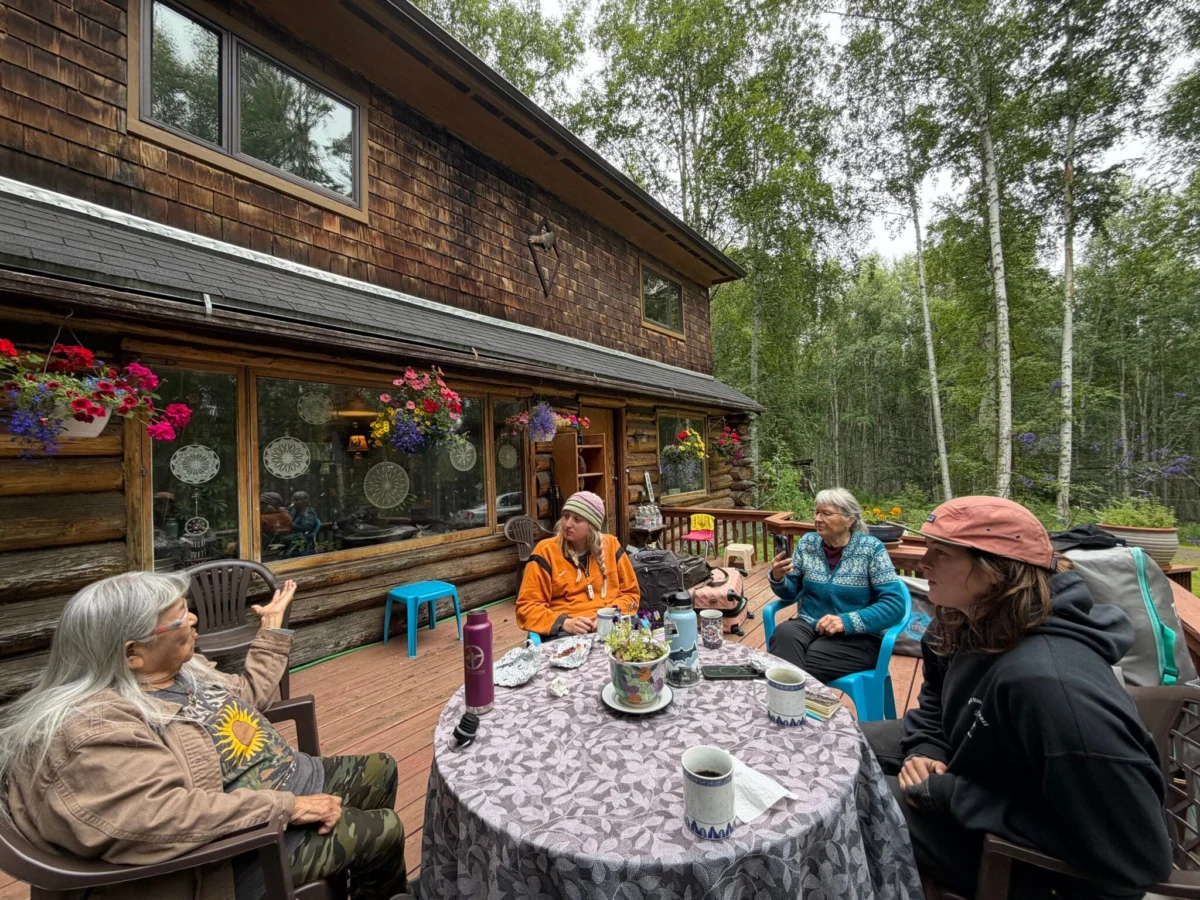
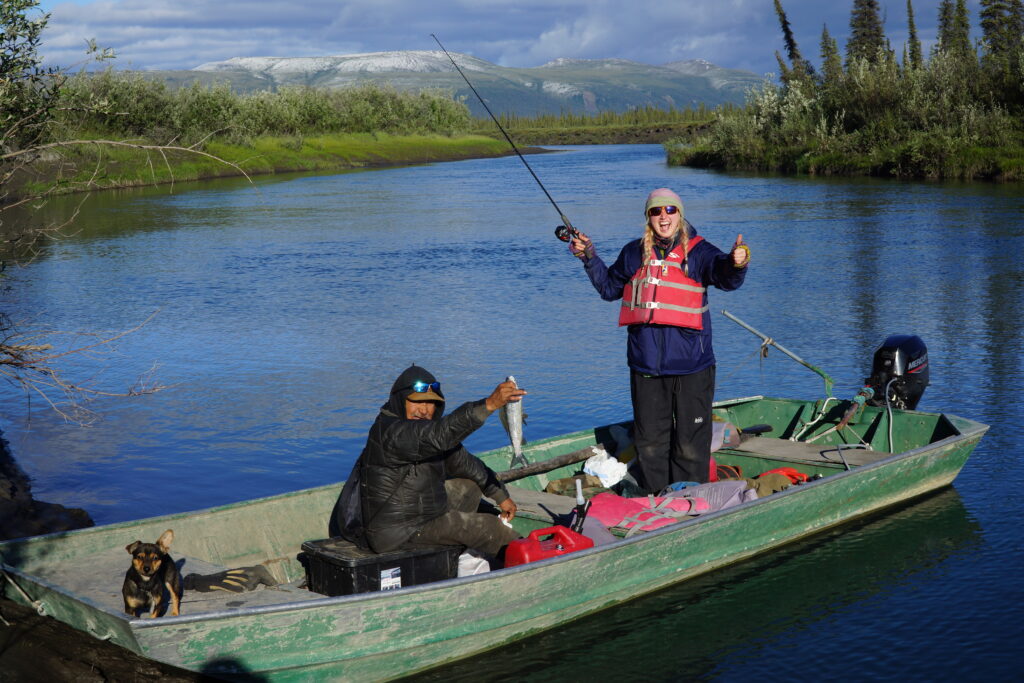
The convergence of rapid environmental transformation and a decades-long struggle for land sovereignty has reached a critical juncture in the Arctic National Wildlife Refuge (ANWR). In Vashraii K’oo, also known as Arctic Village, members of the Neets’aii Gwich’in Nation are witnessing unprecedented shifts in local ecosystems that challenge traditional subsistence patterns. Recent observations from Indigenous elders and visiting educational groups highlight a stark reality: the Arctic is warming at approximately four times the global average rate, leading to significant alterations in wildlife migration, vegetation density, and geological stability. Among the most notable changes is the unprecedented appearance of King Salmon in northern waters where they were previously absent, as the species migrates toward higher latitudes in search of the colder temperatures necessary for survival.
Ecological Transformation and the Phenomenon of Arctic Greening
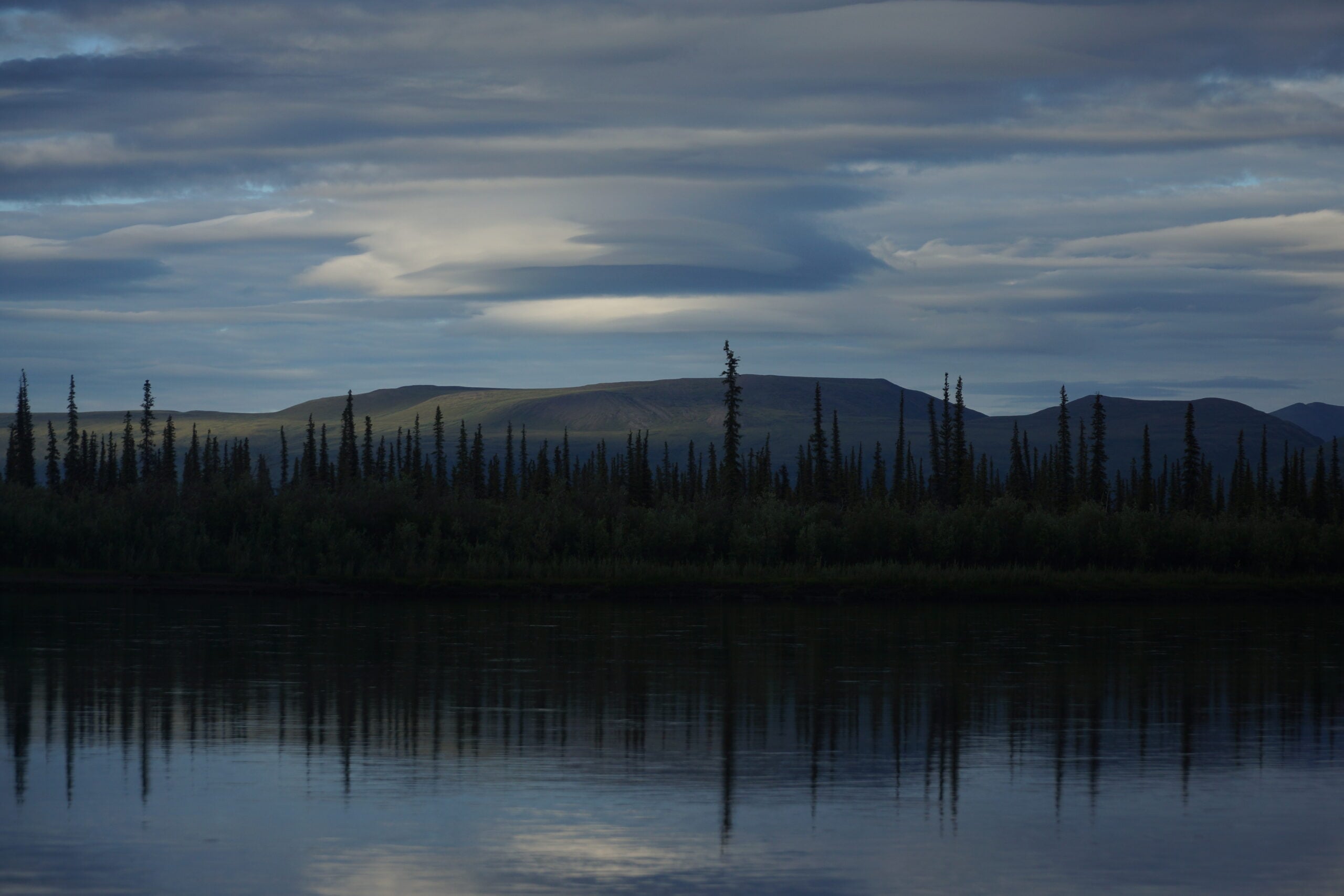
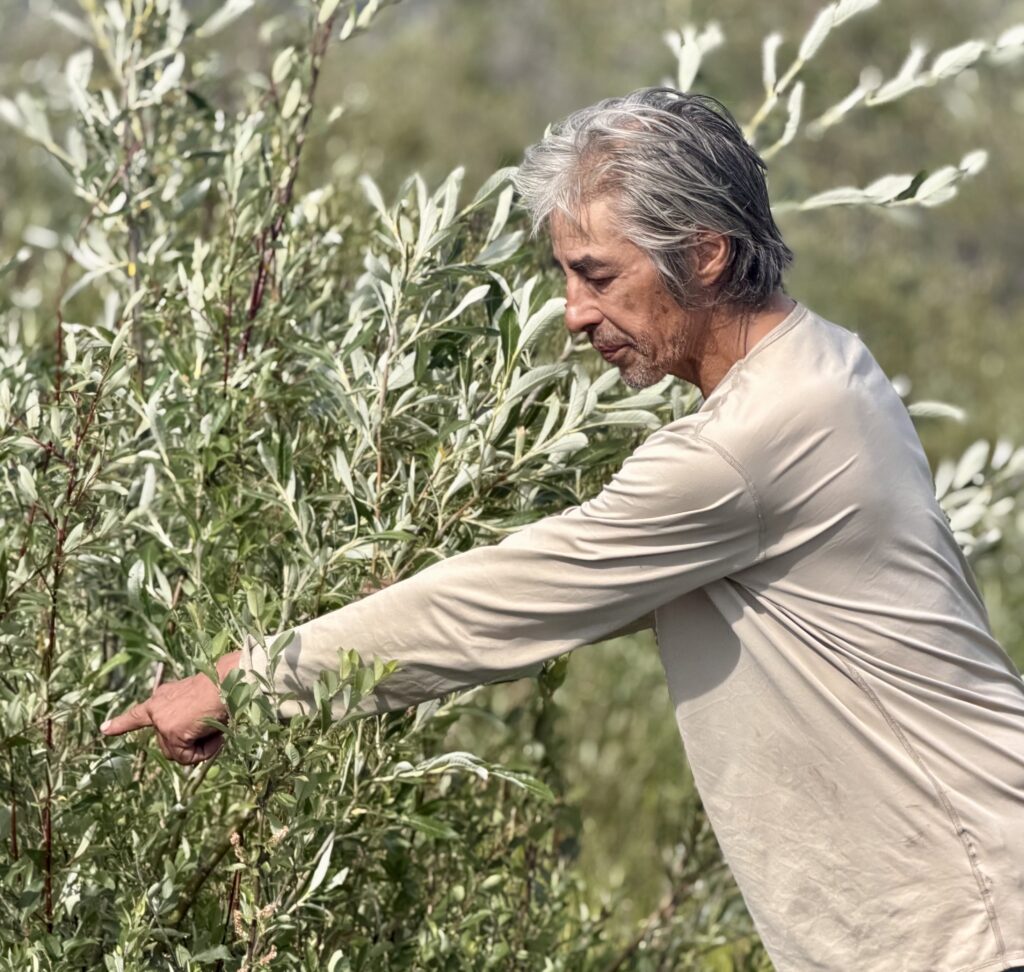
The landscape of the Arctic Refuge is currently undergoing a process known as "Arctic greening," a phenomenon documented by NASA and other scientific institutions. This shift involves the proliferation of tall, thick vegetation, particularly willow and alder shrubs, in areas that were historically characterized by low-lying tundra. For the Gwich’in people, who have inhabited these lands for millennia, the physical change is palpable. Observations along the East Fork of the Chandalar River indicate that willow thickets have become significantly taller and more dense over the last decade, a trend that correlates with rising mean temperatures.
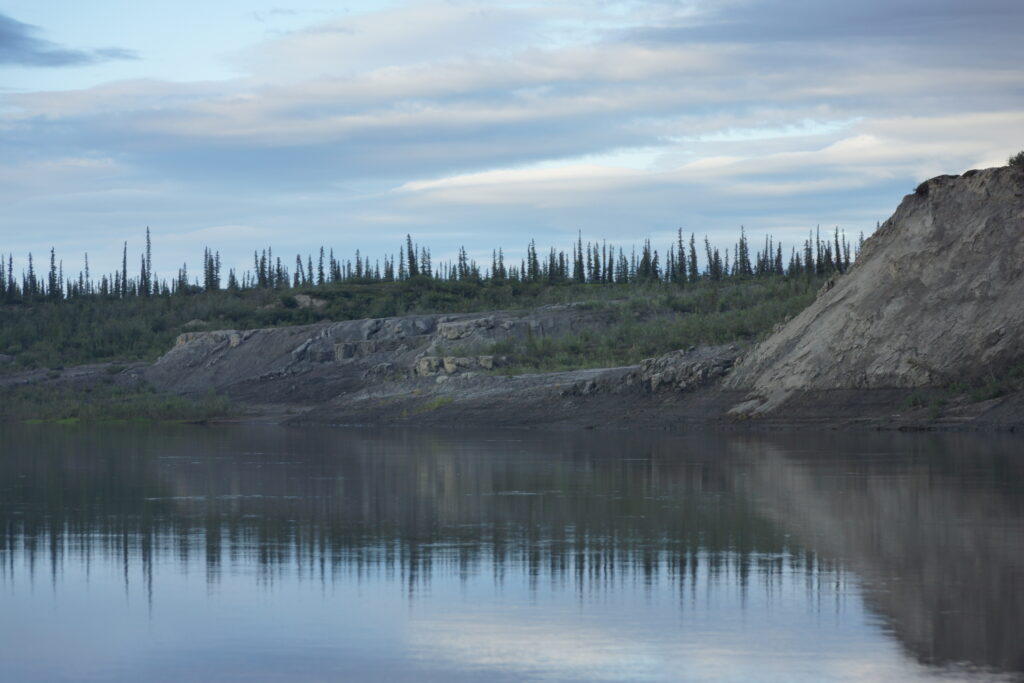
This "shrubification" of the Arctic has profound implications for the regional climate. Increased shrub cover reduces the surface albedo—the Earth’s ability to reflect sunlight—thereby absorbing more solar radiation and further accelerating the warming process. Beneath the surface, this thermal absorption contributes to permafrost degradation. Recent geological surveys and local reports confirm an increase in permafrost collapse and the formation of sinkholes. As the frozen ground thaws, it releases stored carbon and methane, creating a feedback loop that intensifies regional warming. For the residents of Vashraii K’oo, these changes are not merely data points but direct threats to the integrity of the land that sustains their culture and food security.
The Subsistence Economy and Cultural Resiliency
For the Gwich’in Nation, the health of the land is inextricably linked to the health of the people. The Porcupine Caribou Herd, which utilizes the Coastal Plain of the Arctic Refuge as its primary calving ground, serves as the cornerstone of Gwich’in culture and nutrition. The Gwich’in refer to the Coastal Plain as "Iizhik Gwats’an Gwandaii Goodlit," or "The Sacred Place Where Life Begins." Any disruption to the caribou’s migratory patterns or calving success is viewed as an existential threat to the Gwich’in way of life.
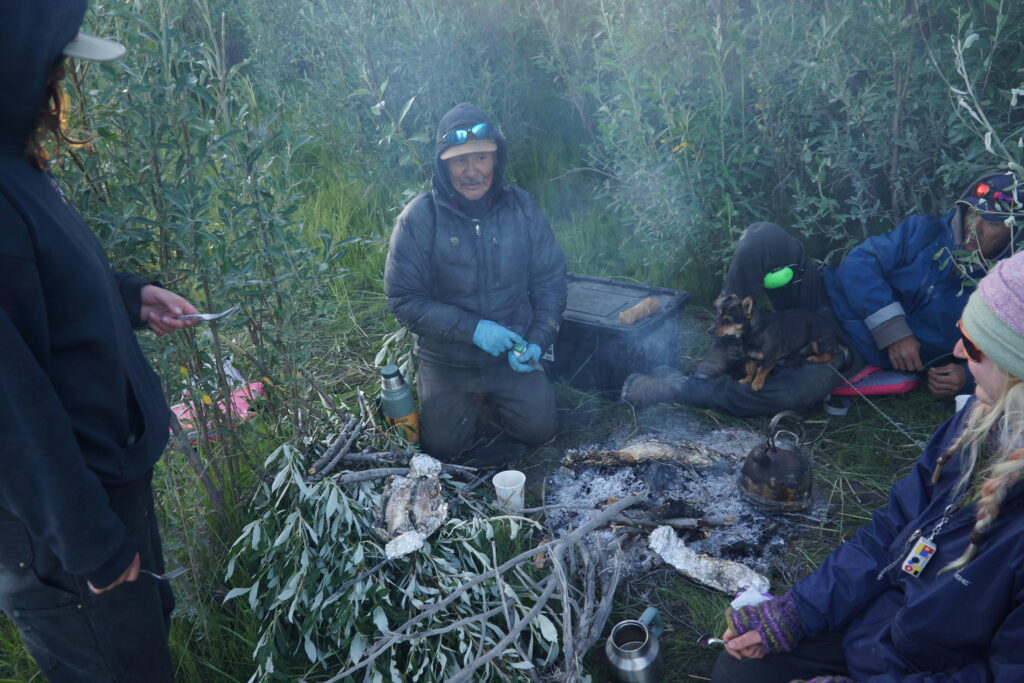
Subsistence hunting and fishing are economic necessities in the Arctic, where the cost of imported groceries can be prohibitively high and the nutritional quality of processed foods is often inferior to traditional sources. Indigenous leaders emphasize that the land provides everything necessary for survival, from moose and caribou meat to fresh fish. However, as climate change alters the distribution of these resources, the community must adapt. The sharing of fresh meat, such as moose, remains a central pillar of social cohesion in Vashraii K’oo. Traditional practices, such as the meticulous processing of meat to ensure no part of the animal is wasted, reflect a deeply ingrained ethos of respect and sustainability that has allowed the Gwich’in to thrive in one of the world’s most demanding environments.
A Chronology of Conflict: The Fight for Permanent Protection
The struggle over the Arctic National Wildlife Refuge has been one of the most contentious environmental battles in United States history. The 1.5 million-acre Coastal Plain, often referred to as the "1002 Area," has been the primary focus of energy development interests due to its potential oil and gas reserves.
- 1960: The Arctic National Wildlife Range is established by the Eisenhower administration.
- 1980: The Alaska National Interest Lands Conservation Act (ANILCA) is passed, expanding the range and renaming it the Arctic National Wildlife Refuge. Section 1002 of the act reserves the Coastal Plain for future study of its petroleum potential, requiring congressional approval for development.
- 1988: The Gwich’in Steering Committee is formed in response to renewed threats of oil drilling, unifying Gwich’in communities from Alaska and Canada.
- 2017: The Tax Cuts and Jobs Act is signed into law, containing a provision that mandates the Bureau of Land Management (BLM) to conduct two lease sales in the Arctic Refuge Coastal Plain.
- January 2021: The first lease sale is held in the final days of the Trump administration. The sale saw minimal interest from major oil companies, with the majority of tracts being purchased by the Alaska Industrial Development and Export Authority (AIDEA), a state-owned corporation.
- September 2023: The Biden administration announces the cancellation of the seven remaining oil and gas leases in the Arctic Refuge, citing that the initial lease sale was legally flawed.
- 2024: The Department of the Interior continues to work on new environmental protections for the region, while the Gwich’in Nation and environmental allies continue to advocate for permanent protection through federal legislation.
Market Realities and the Failure of Lease Sales
The failure of the 2021 lease sale to attract major industry players serves as a significant indicator of shifting economic and social priorities. Several factors contributed to this outcome. First, major global financial institutions, including Goldman Sachs, JPMorgan Chase, and Wells Fargo, have instituted policies that prohibit or restrict the financing of new oil and gas projects in the Arctic. These decisions are driven by both environmental concerns and the high financial risk associated with Arctic extraction.
Furthermore, the "Outdoor State"—a coalition of outdoor recreationists, conservationists, and climate activists—has exerted considerable pressure on the corporate sector. Organizations such as Protect Our Winters (POW) and the Gwich’in Steering Committee (GSC) have successfully framed the defense of the Arctic Refuge as a matter of climate justice and human rights. This advocacy has made the prospect of drilling in the refuge a reputational liability for many companies. Indigenous leaders like Dr. Sarah James, a Neets’aii Gwich’in Elder and Goldman Environmental Prize winner, have been instrumental in this effort, speaking "truth to power" and building international alliances to defend the caribou and the land.
Political and Legal Implications
The legal status of the Arctic Refuge remains a focal point of administrative and judicial action. While the cancellation of leases in 2023 provided a temporary reprieve, the 2017 mandate for a second lease sale by the end of 2024 remains a statutory requirement unless repealed by Congress. This creates a complex legal landscape where the executive branch must balance legislative mandates with environmental and human rights obligations.
The Gwich’in Nation maintains that any development in the Coastal Plain violates their human rights, specifically their right to food security and cultural survival. International bodies, including the United Nations, have expressed concern over the potential impacts of development on Indigenous rights in the Arctic. The ongoing litigation and administrative reviews serve as a bellwether for how the U.S. government navigates the transition away from fossil fuel extraction in the face of the escalating climate crisis.
Conclusion: A Uniting Force for Climate Justice
The movement to protect the Arctic National Wildlife Refuge has evolved from a localized environmental concern into a global symbol of resistance against the extraction economy. It represents a broader shift toward recognizing Indigenous leadership in climate solutions. The resilience of the Gwich’in people, who continue to hunt, fish, and teach their traditions despite the rapid changes occurring around them, provides a model for adaptation and stewardship.
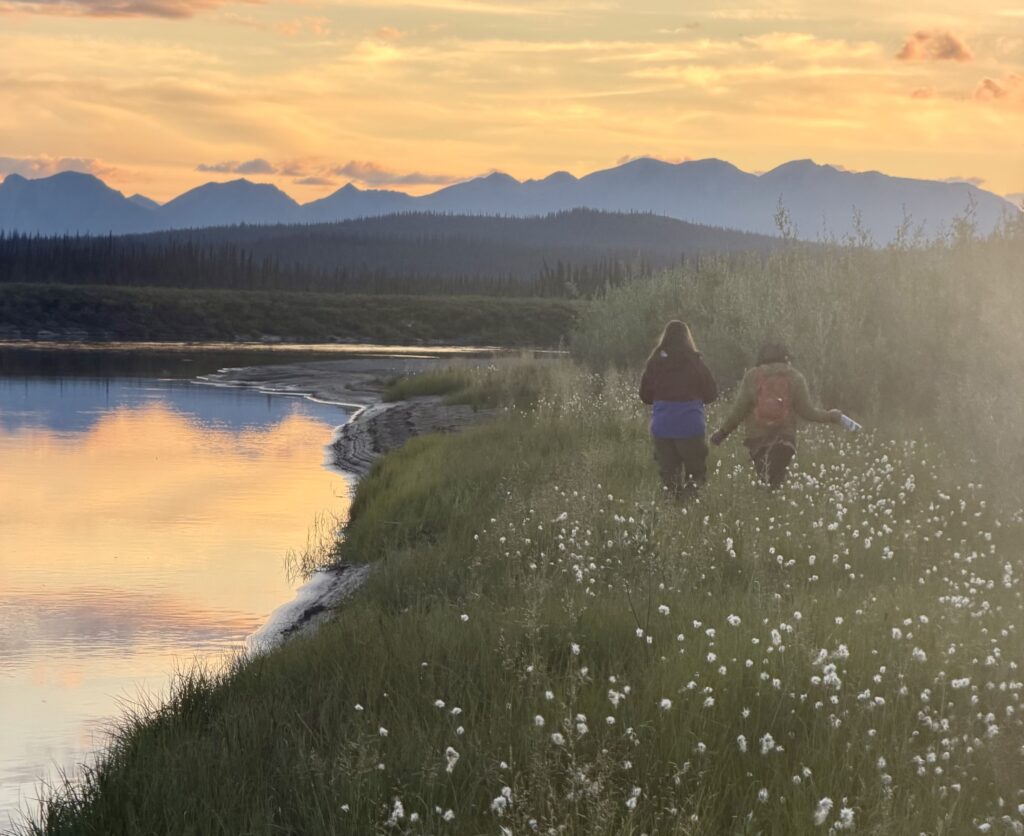
As the Arctic continues to warm at an accelerated rate, the lessons from Vashraii K’oo are increasingly relevant to the rest of the world. The "Sacred Place Where Life Begins" is not just a geographic location but a testament to the interconnectedness of all life. The successful defense of this land to date is credited to a diverse coalition of elders, youth, and global allies who recognize that protecting the Arctic Refuge is essential for maintaining the planet’s ecological balance. The ongoing advocacy for permanent protection aims to ensure that the refuge remains in its original state, serving as a sanctuary for wildlife and a foundation for Gwich’in culture for generations to come. The message from the Arctic is clear: the defense of the land and the defense of the people are one and the same, and the unity of these voices is a powerful force for change in the 21st century.
