

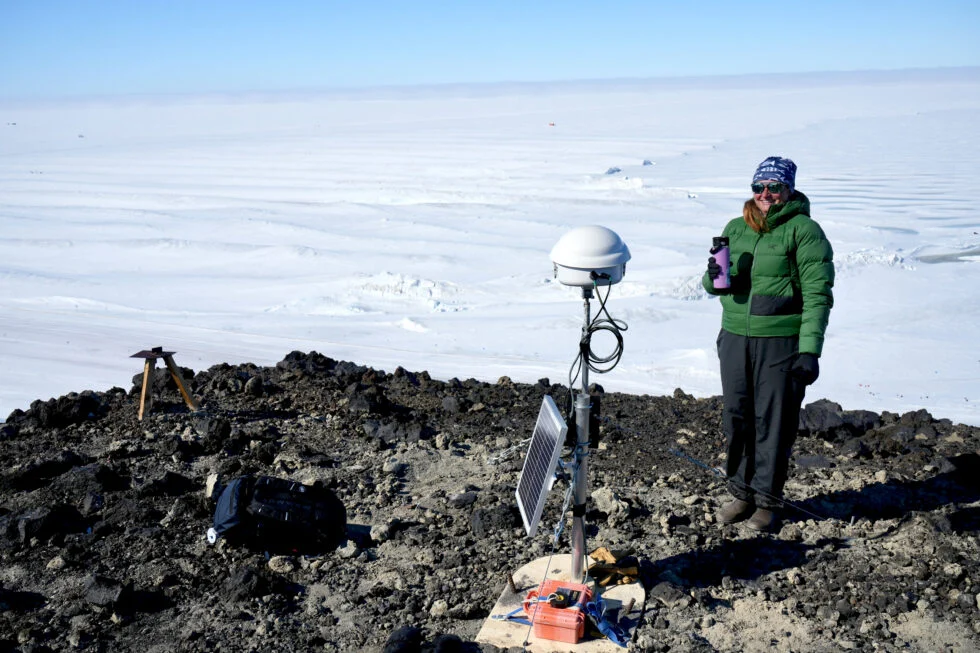
At the remote southern extremity of the globe, a specialized team of glaciologists is currently engaged in a mission to answer one of the most critical environmental questions of the 21st century: the long-term structural integrity of the Antarctic ice shelves. Dr. Ali Banwell, a prominent member of the POW Science Alliance and a Research Scientist at the University of Colorado Boulder, recently concluded an intensive field season on the McMurdo Ice Shelf. Her research, conducted in partnership with Northumbria University and funded by the National Science Foundation (NSF), seeks to quantify the stability of the floating ice masses that serve as the primary defense against catastrophic global sea-level rise.
The Antarctic Ice Sheet is a geological feature of staggering proportions, containing enough frozen water to raise global sea levels by approximately 190 feet. While the total melting of this ice sheet is considered a long-term geological scenario rather than an immediate certainty, the mechanisms governing its current rate of loss are accelerating. The focus of Dr. Banwell’s research is the "buttressing" effect provided by ice shelves—vast, floating extensions of the land-based glaciers that ring 75% of the Antarctic continent. These shelves act as physical barriers, slowing the flow of terrestrial ice into the Southern Ocean. If these shelves thin or collapse, the land-based glaciers behind them are "uncorked," flowing more rapidly into the sea and contributing directly to the rising ocean volumes that threaten coastal municipalities worldwide.
The Physics of Ice Shelf Rumples and Structural Stability
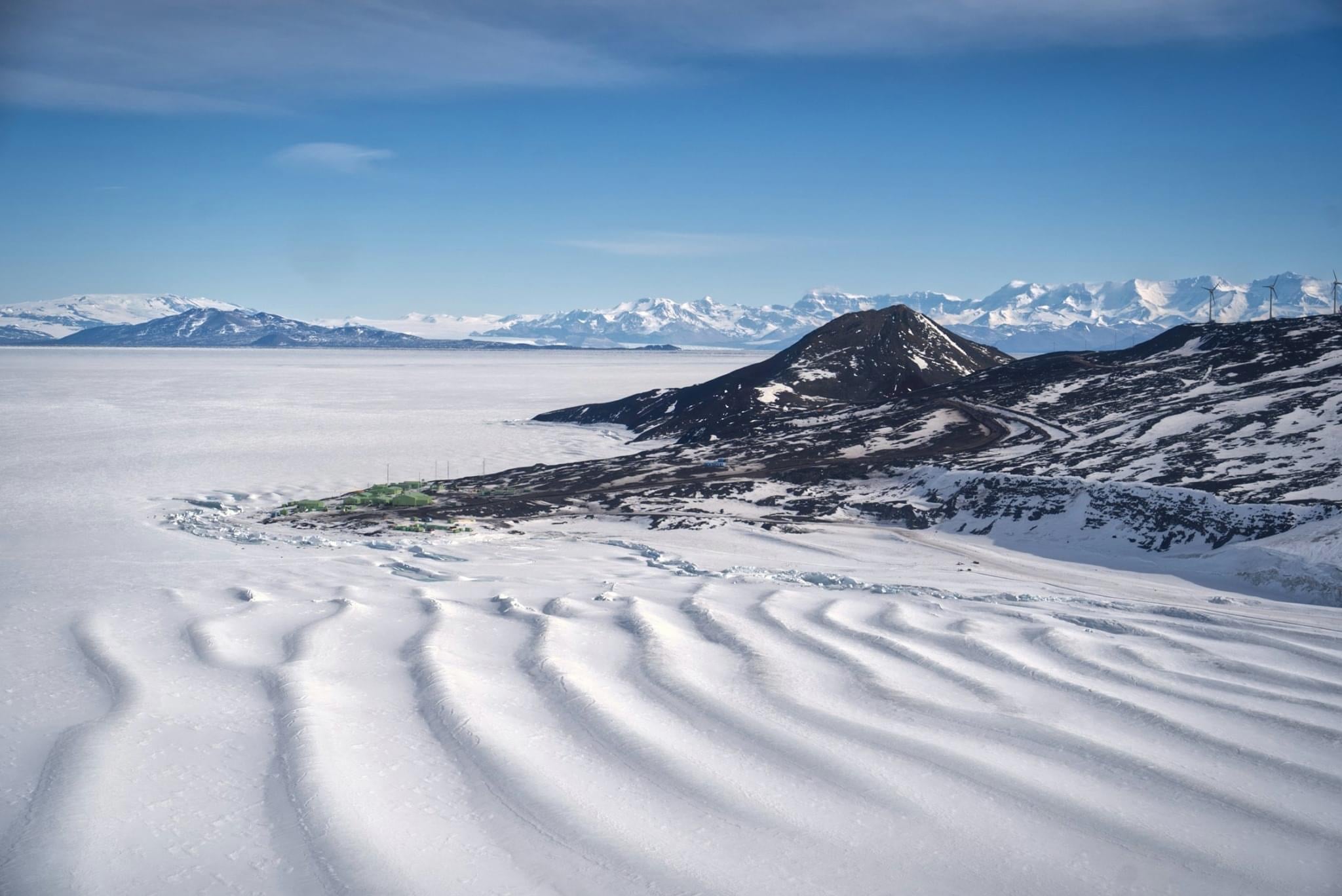
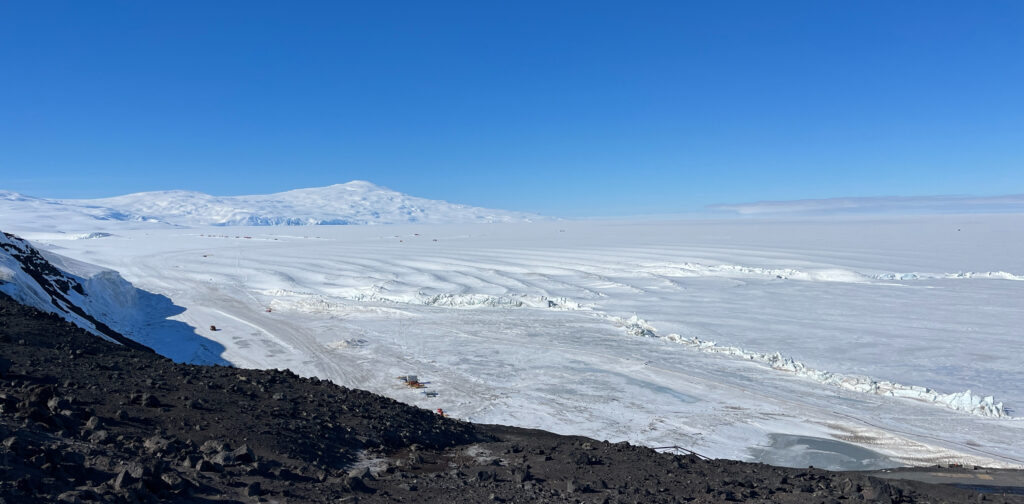
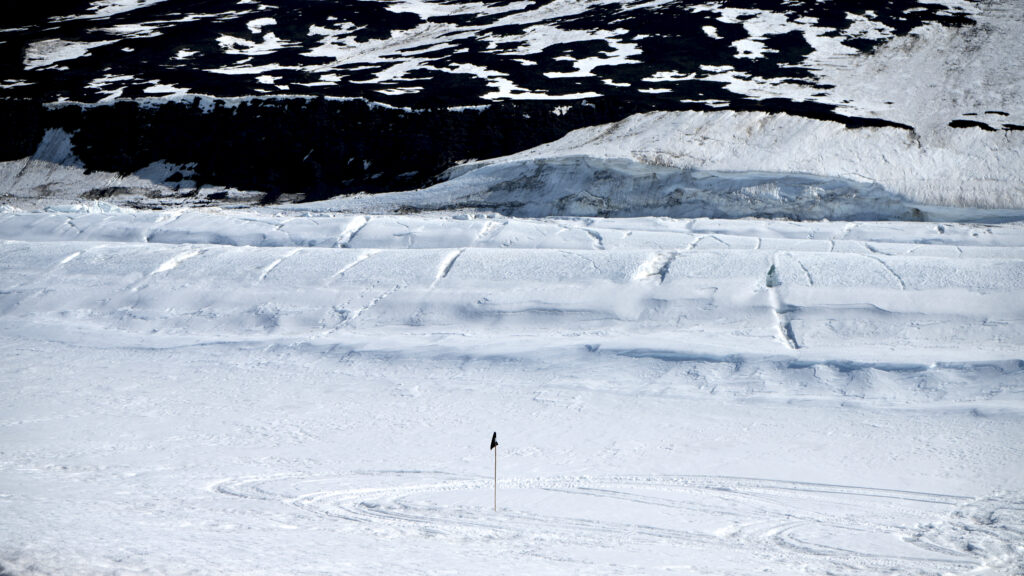
The McMurdo Ice Shelf, situated near the United States’ McMurdo Station on Ross Island, presents a unique geological puzzle that challenges standard models of glacial flow. Typically, ice shelves are expected to flow outward toward the open ocean in a relatively uniform manner. However, in the McMurdo region, significant portions of the ice shelf are being compressed against landmasses. This lateral pressure causes the ice to "crumple," creating features known to glaciologists as "ice shelf rumples."
These rumples manifest as wave-like ridges stretching across the ice surface. Under extreme pressure, the ice within these formations can buckle and fracture. The central objective of the current NSF-funded study is to determine whether these rumples serve to reinforce the shelf by "pinning" it against the land, or if they represent structural weak points where fractures are likely to initiate a larger collapse. The distinction is vital for climate modeling; understanding the threshold at which a stabilizing feature becomes a point of failure is essential for predicting the future of the Antarctic coastline.
Chronology of the Six-Week Field Expedition
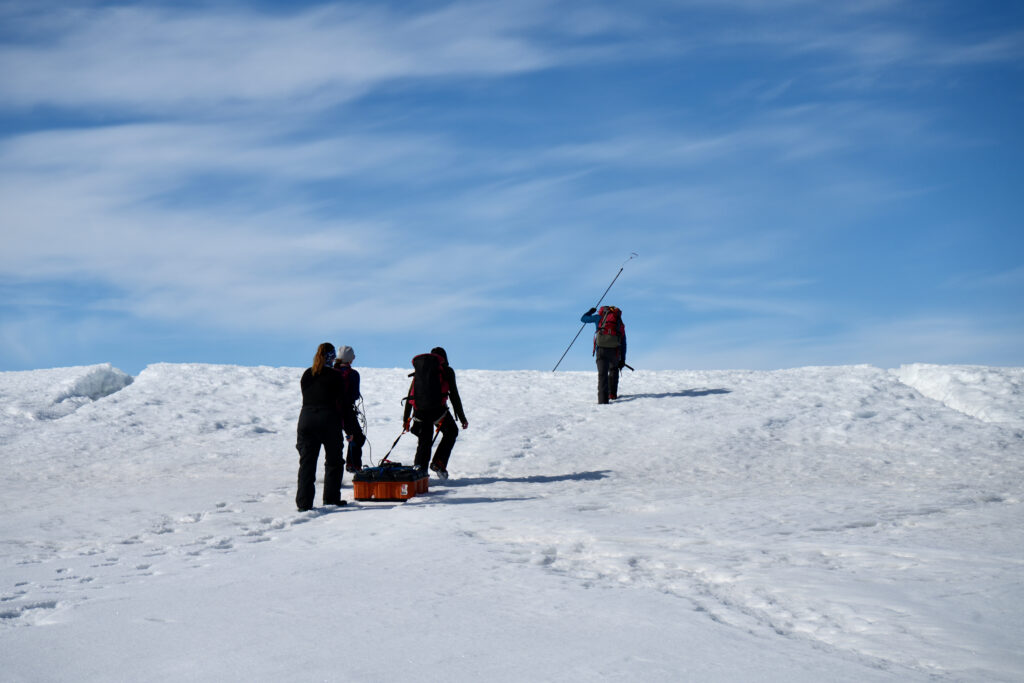
The expedition, led by Dr. Banwell, consisted of a four-person team including Co-Principal Investigator Ryan Cassotto of the University of Colorado Boulder and the University of Maine, and PhD students Allie Berry (University of Maine) and Michela Savignano (University of Colorado Boulder). The team spent six weeks deployed on the ice, operating in an environment characterized by perpetual summer daylight and extreme isolation.
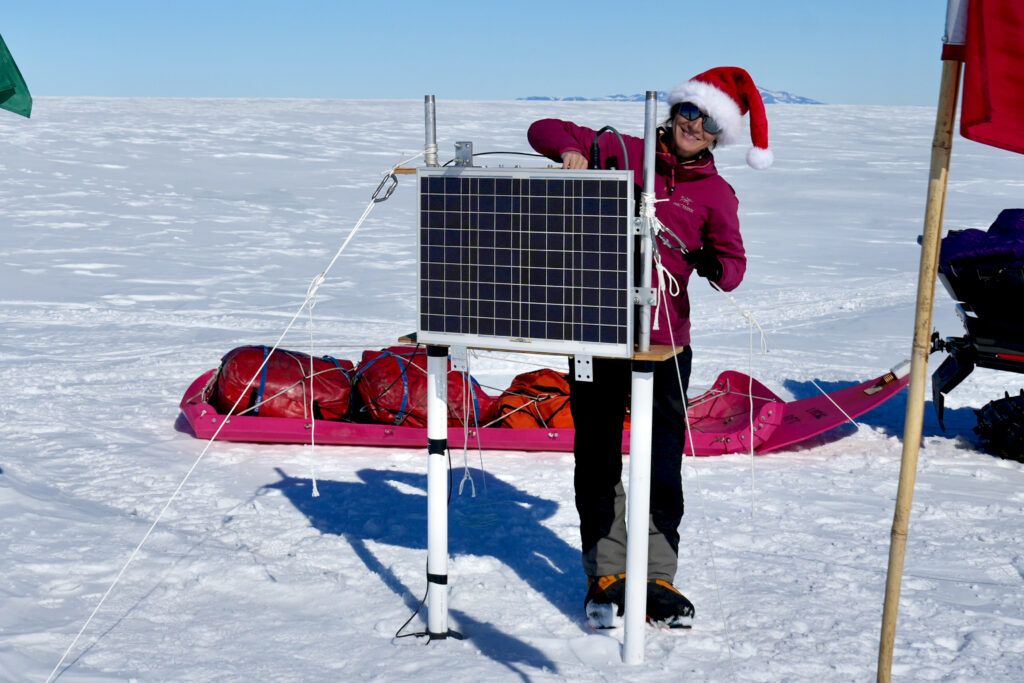
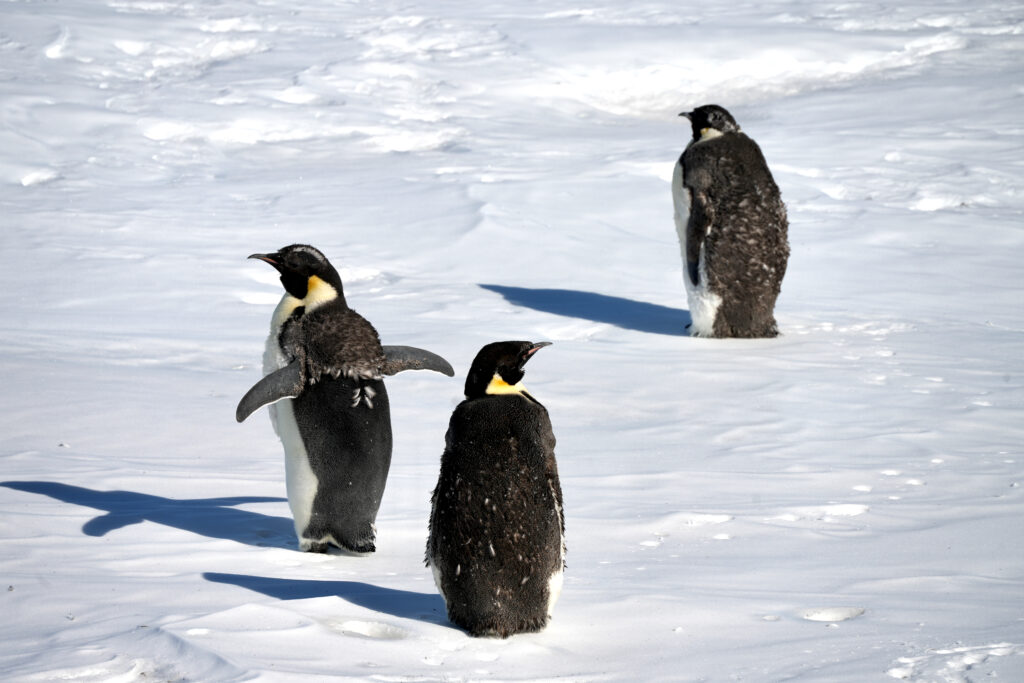
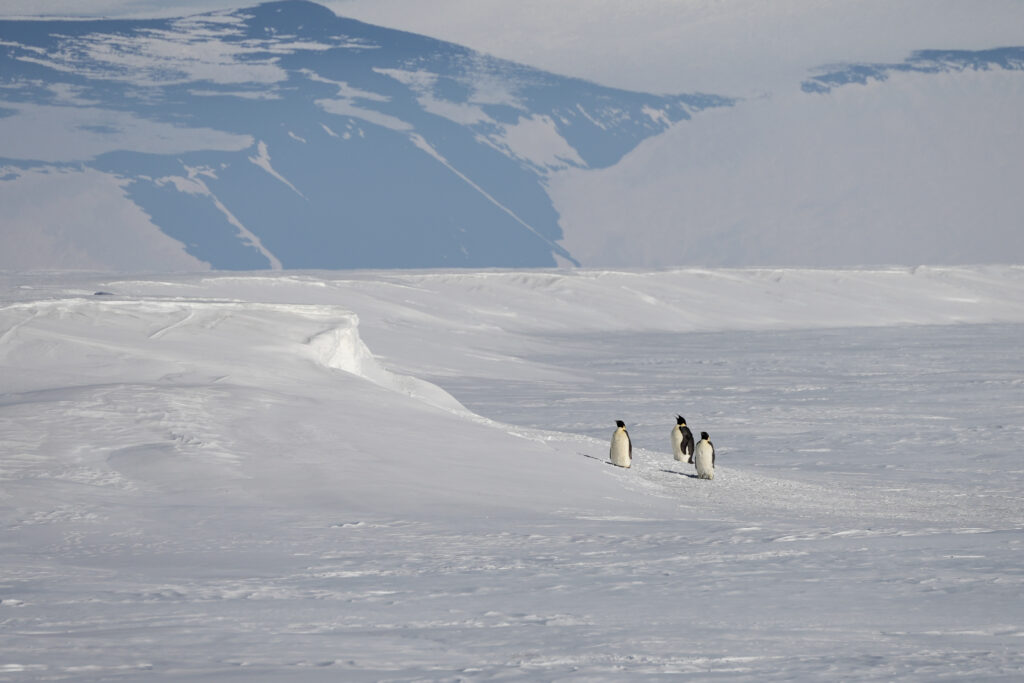
The daily operations involved traversing the "rumple zone" via snowmobile to deploy a sophisticated array of monitoring equipment. This period was marked by rigorous physical labor and the technical challenges of maintaining sensitive electronics in sub-zero conditions. Throughout the deployment, the team observed local fauna, including three emperor penguins undergoing their annual molt. The presence of these animals provided a stark reminder of the biological ecosystems that rely on the stability of the ice environment.
By the conclusion of the field season, the team had established a comprehensive sensor network designed to operate autonomously through the brutal Antarctic winter. The retrieval of this data, scheduled for the following field season, will provide a continuous record of the shelf’s behavior during the months when human presence is impossible.
Technical Methodology and Instrumentation
To capture a high-resolution map of the ice shelf’s dynamics, the research team utilized a multi-modal approach to data collection. The instrumentation suite includes:
- Seismometers: These devices are calibrated to detect "icequakes"—micro-seismic events caused by the internal cracking and fracturing of the ice shelf. By monitoring the frequency and location of these cracks, scientists can identify where the shelf is under the greatest stress.
- High-Precision GPS Units: Centimeter-accurate GPS systems were installed to track the horizontal and vertical movement of the ice in real-time. These units reveal how the shelf deforms as it is pushed against the land.
- Ground-Penetrating Radar (GPR): Radar systems were used to measure ice thickness and internal deformation layers, allowing the team to "see" through the shelf to the water below.
- Automated Weather Stations: Atmospheric data, including wind speed, solar radiation, and temperature, are being recorded to correlate physical ice changes with local climate variations.
- Time-Lapse Photography: Cameras programmed to capture images every 30 minutes provide a visual record of surface changes, snow accumulation, and potential meltwater ponding.
Early observations from the field have already yielded surprising data. Dr. Banwell noted that the ice was moving at a rate of one to two feet per day—a velocity that exceeds previous estimates for this specific sector. While a few feet may seem negligible in a global context, the cumulative effect of this movement across a shelf hundreds of miles wide represents a massive transfer of mass and energy.
Environmental Shifts and Record Warmth
The recent field season was notable for more than just its scientific output; it was also characterized by unprecedented environmental conditions. Dr. Banwell, a veteran of seven Antarctic summers, reported that this was the warmest season she had ever experienced on the continent. This increase in temperature had immediate physical consequences for the research site.
The team observed that snow cover melted significantly earlier than in previous years, exposing a highly fractured and dangerous ice surface. The prevalence of crevasses—deep fissures in the ice—was much higher than anticipated, necessitating advanced mountaineering techniques and constant vigilance to ensure the team’s safety. The transition from a smooth, snow-covered surface to a jagged, fractured landscape is a physical manifestation of the stress the ice shelf is currently enduring. This observation aligns with broader scientific trends indicating that the Antarctic periphery is becoming increasingly volatile as global mean temperatures rise.
Global Implications and Analysis of Sea-Level Rise
The research conducted by Dr. Banwell and her colleagues has direct implications for global climate policy and coastal engineering. Current scientific consensus, as outlined by the Intergovernmental Panel on Climate Change (IPCC), suggests a global sea-level rise of one to three feet over the next century. However, these projections are heavily dependent on the stability of Antarctic ice shelves.
If the McMurdo Ice Shelf and its larger neighbors—such as the Ross and Ronne-Filchner shelves—were to experience significant calving events or total collapse, the rate of sea-level rise could accelerate beyond current "worst-case" scenarios. A rise of just three feet would be sufficient to displace tens of millions of people, inundate critical infrastructure in cities like New York, Shanghai, and London, and destroy vast swaths of agricultural land in low-lying deltas.
The "rumples" being studied at McMurdo represent a microcosm of the larger Antarctic struggle. They are the friction points where the ice meets the earth, and the data collected by the Banwell team will help determine if that friction is enough to hold back the tide.
Institutional Collaboration and Future Research
The success of the McMurdo expedition is the result of a multi-institutional effort involving some of the world’s leading centers for polar research. The team includes:
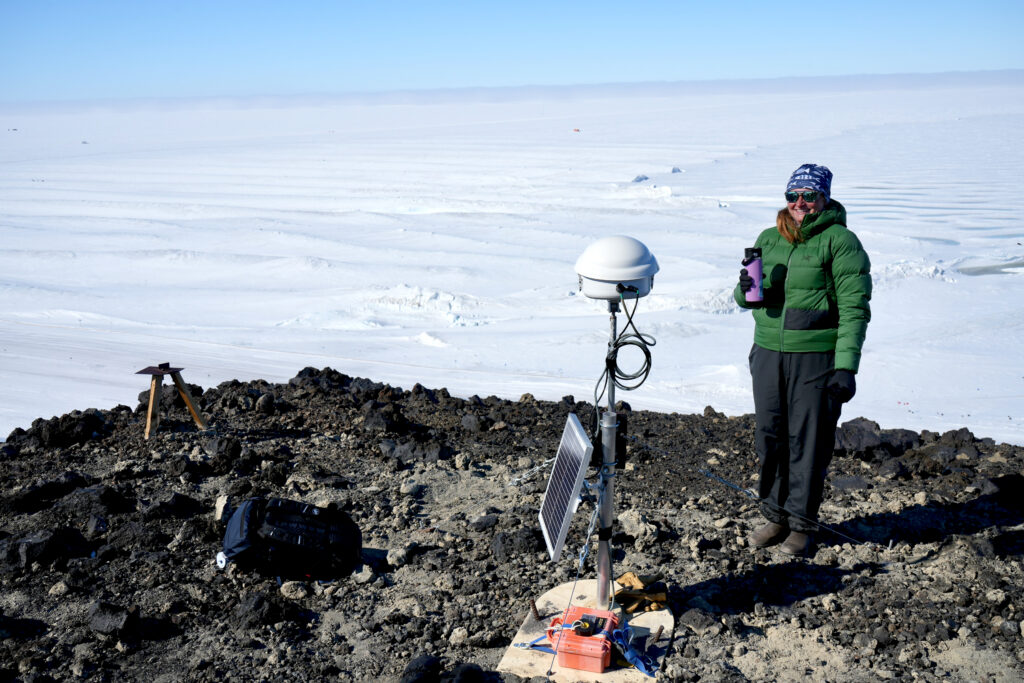
- Dr. Alison Banwell (Principal Investigator): University of Colorado Boulder / Northumbria University, UK.
- Dr. Ryan Cassotto (Co-Principal Investigator): University of Colorado Boulder / University of Maine.
- Allie Berry (PhD Student): University of Maine.
- Michela Savignano (PhD Student): University of Colorado Boulder.
As the team prepares for their return to the ice next season, the global scientific community awaits the retrieval of the winter data. The integration of ground-based sensor data with satellite observations from missions like ICESat-2 will allow for the creation of more accurate predictive models. These models are the only tools humanity has to forecast the timeline of coastal change.
In the final analysis, the work of glaciologists like Dr. Banwell underscores a sobering reality: the smallest increments of change in the Antarctic—a foot of movement per day, a degree of temperature increase—carry immense weight for the future of human civilization. By listening to the seismic "creaks" of the ice and tracking its slow march toward the sea, these scientists are providing the essential data required to navigate an era of environmental uncertainty. The fate of the world’s coastlines may well be written in the fractures of the McMurdo Ice Shelf.
