

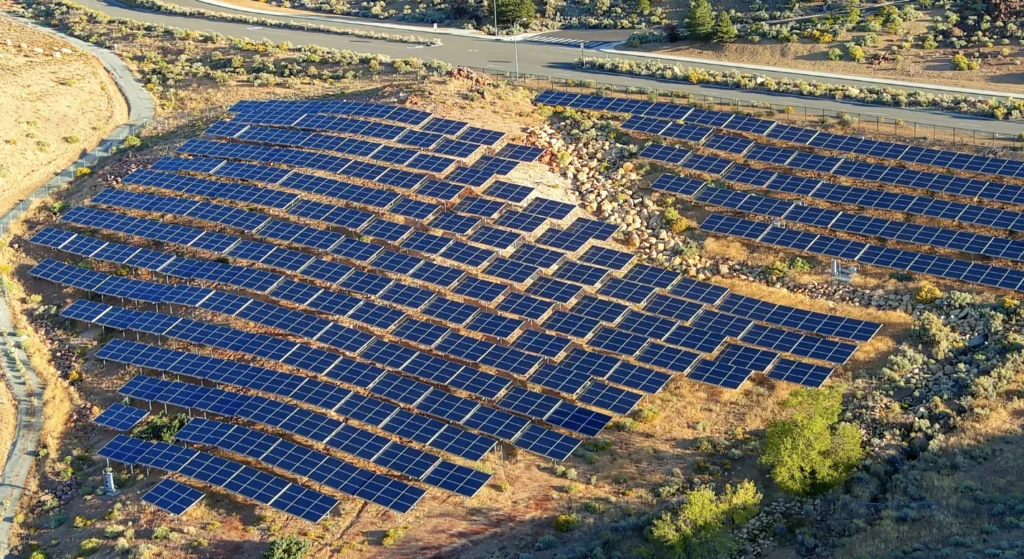
The city of Reno, Nevada, has emerged as a focal point for the American clean energy transition following the successful advancement of the Trego Battery Energy Storage System (BESS). This 200-megawatt (MW) infrastructure project represents a significant shift in how local communities engage with large-scale renewable energy initiatives. Designed to capture and store excess renewable energy for use during periods of peak demand, the Trego BESS is projected to provide enough power to support approximately 68,000 households in the region. The project’s progress is largely attributed to a concerted effort by local residents, scientific experts, and advocacy groups who navigated the complex regulatory and social landscape to ensure the project moved forward despite common hurdles associated with utility-scale energy developments.
The Strategic Role of the Trego BESS in Nevada’s Energy Landscape
As Nevada continues its aggressive pursuit of a decarbonized power grid, the integration of battery storage has become a technical necessity. Nevada’s Renewable Portfolio Standard (RPS) mandates that 50 percent of the state’s electricity must come from renewable sources by 2030, with a long-term goal of zero carbon emissions by 2050. However, the intermittent nature of solar and wind power—the state’s primary renewable resources—requires robust storage solutions to maintain grid stability.
The Trego BESS serves as a critical buffer for the regional grid. During daylight hours, Nevada’s vast solar arrays often produce more electricity than the market requires. Without storage, this energy is frequently curtailed or wasted. The Trego facility will allow this surplus energy to be stored and discharged during the evening hours when solar production ceases but residential and commercial demand spikes. By smoothing out these fluctuations, the project reduces the state’s reliance on "peaker" plants, which are typically fueled by natural gas and are more expensive and carbon-intensive to operate.
Technical Innovation and Safety Standards
One of the primary concerns frequently raised during the public comment phases of energy projects involves the safety and environmental impact of the technology used. For the Trego project, developers selected Lithium Iron Phosphate (LFP) battery technology, a decision that proved pivotal in gaining community trust.
Unlike traditional Lithium-Ion batteries that utilize nickel and cobalt (NMC), LFP batteries are known for their superior thermal and chemical stability. They are significantly less prone to "thermal runaway," a condition where a battery cell enters an uncontrollable self-heating state. For a high-desert environment like Reno, where summer temperatures can be extreme, the safety profile of LFP technology is a critical factor. Furthermore, LFP batteries offer a longer lifecycle and are generally considered more environmentally friendly to manufacture, as they do not rely on cobalt, which is often associated with ethical and environmental concerns in the global supply chain.
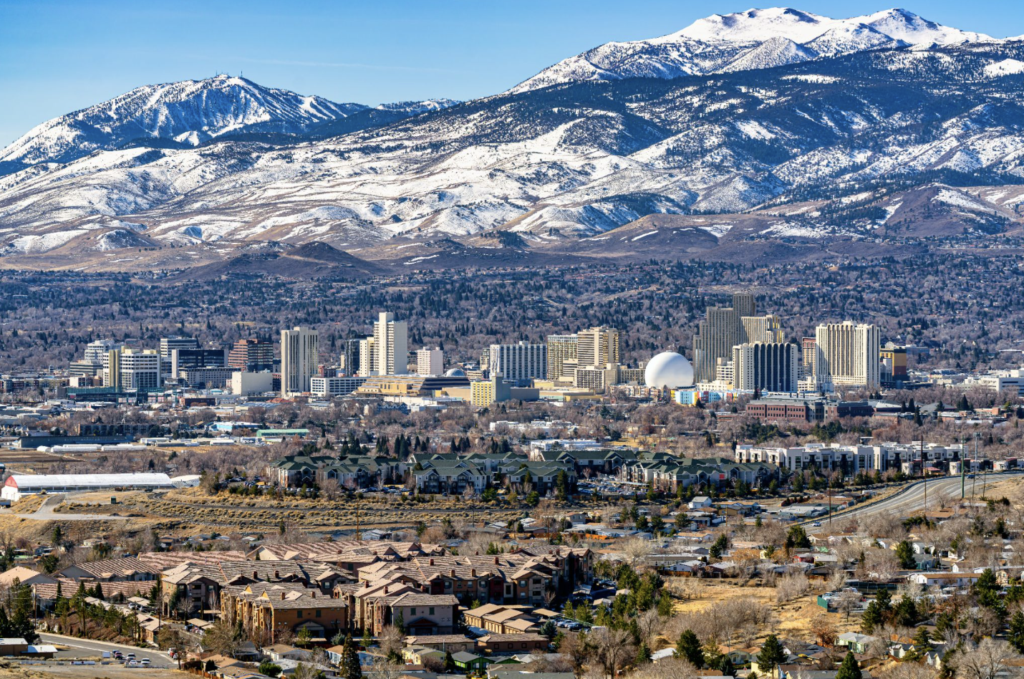
Dr. Anne Nolin, a Snow Hydrologist and Professor in the Geography Department at the University of Nevada, Reno, played a central role in the advocacy for the project. As a member of the Science Alliance at Protect Our Winters (POW), Dr. Nolin initially approached the project with a rigorous scientific lens. Her endorsement followed an extensive review of the LFP technology, concluding that the project represented a tangible, safe, and necessary step toward local climate resilience.
Economic Implications and Community Development
The economic impact of the Trego BESS extends far beyond its contribution to the electrical grid. According to industry data and projections shared during the planning phases, projects of this nature generate substantial economic activity. Estimates indicate that for every 5 megawatts of capacity, approximately $14 million in economic activity is generated. For a 200-megawatt project like Trego, the cumulative economic impact is projected to reach several hundred million dollars over the course of its development, construction, and operational lifespan.
This economic infusion manifests in several ways:
- Job Creation: The construction phase requires specialized labor, including electrical engineers, heavy equipment operators, and project managers.
- Tax Revenue: The facility will contribute to the local tax base, providing funds that can be allocated toward Washoe County schools, public safety, and infrastructure.
- Grid Cost Reduction: By reducing the need for expensive peak-hour energy purchases from out-of-state sources, the project contributes to long-term rate stability for local consumers.
Overcoming the Challenges of Local Opposition
The path to approval for the Trego BESS was not without obstacles. Utility-scale energy projects often face "NIMBYism" (Not In My Backyard), a phenomenon where residents support clean energy in principle but oppose specific installations due to concerns over aesthetics, land use, or perceived safety risks.
In Reno, the strategy to overcome this opposition focused on transparency and education. The involvement of the "POW crew" and local advocates shifted the narrative from a corporate utility project to a community-led climate solution. Public hearings, which are often dominated by opposition voices, saw an influx of informed supporters, including outdoor industry professionals, scientists, and students.
Dr. Nolin noted that the community statements provided during these hearings were exceptionally well-informed. This shift in public participation is part of a growing trend where climate-conscious citizens recognize that the "energy transition" is not merely a global policy goal but a local infrastructure challenge. By showing up to public hearings and engaging with the planning commission, advocates were able to demonstrate to local decision-makers that there was a broad mandate for clean energy infrastructure.
Chronology of the Project and the Advocacy Timeline
The development of the Trego BESS followed a multi-year trajectory typical of large-scale energy infrastructure:
- Initial Proposal and Site Selection: Developers identified the Trego site based on its proximity to existing transmission lines, which minimizes the need for new, invasive power line construction.
- Environmental and Safety Reviews: Comprehensive studies were conducted to assess the impact on local wildlife, water resources, and soil stability, alongside fire safety planning.
- Public Engagement Phase: Throughout the mid-2020s, a series of town halls and informational sessions were held. This is where Protect Our Winters and local scientists began their outreach efforts to bridge the gap between technical data and public perception.
- Regulatory Hearings: Formal testimony was heard by the Washoe County Planning Commission and other local governing bodies. Supporters emphasized the project’s role in protecting the "outdoor economy" of Nevada—an industry that relies heavily on stable winters and a healthy environment.
- Approval and Pre-Construction: Following the successful demonstration of community support and technical viability, the project moved into the final stages of permitting and procurement.
Analysis of Broader Implications for the United States
The success of the Trego BESS in Reno provides a blueprint for other municipalities across the United States. According to the U.S. Energy Information Administration (EIA), battery storage capacity in the U.S. is expected to nearly double in the coming years as more states adopt clean energy mandates. However, the "bottleneck" for this transition is frequently found at the local level.
The Reno case study suggests that scientific advocacy is a powerful tool in neutralizing the "fear of the unknown" that often stalls green projects. When local experts like Dr. Nolin translate complex engineering data into community-relevant benefits, it lowers the barrier for political support.
Furthermore, the Trego project highlights the evolution of the "outdoor advocate" as a political force. Traditionally focused on land conservation and trail access, groups like Protect Our Winters are increasingly focusing on the systemic infrastructure changes required to address the root causes of climate change. This reflects a maturation of the environmental movement, moving from a defensive posture (protecting specific areas) to an offensive posture (building the systems of the future).
Conclusion and Future Outlook
The Trego Battery Energy Storage System is more than a collection of batteries in the Nevada desert; it is a symbol of successful local governance and civic engagement. As the project moves toward full operational status, it will serve as a vital organ in the region’s electrical anatomy, ensuring that the clean energy harvested from the Nevada sun is not wasted but utilized to power the lives of tens of thousands of citizens.
For Nevada, the win in Reno reinforces its position as a leader in the Western U.S. energy market. For the rest of the country, it serves as a reminder that the transition to a clean energy future is won or lost in local planning commissions and community halls. The grit and consistency shown by the Reno community demonstrate that while the global climate challenge is daunting, the solutions are often found in the dedicated participation of local citizens in their own backyards. The Trego BESS stands as a testament to the fact that when science, advocacy, and community interests align, the result is a safer, cheaper, and more resilient energy future.
