

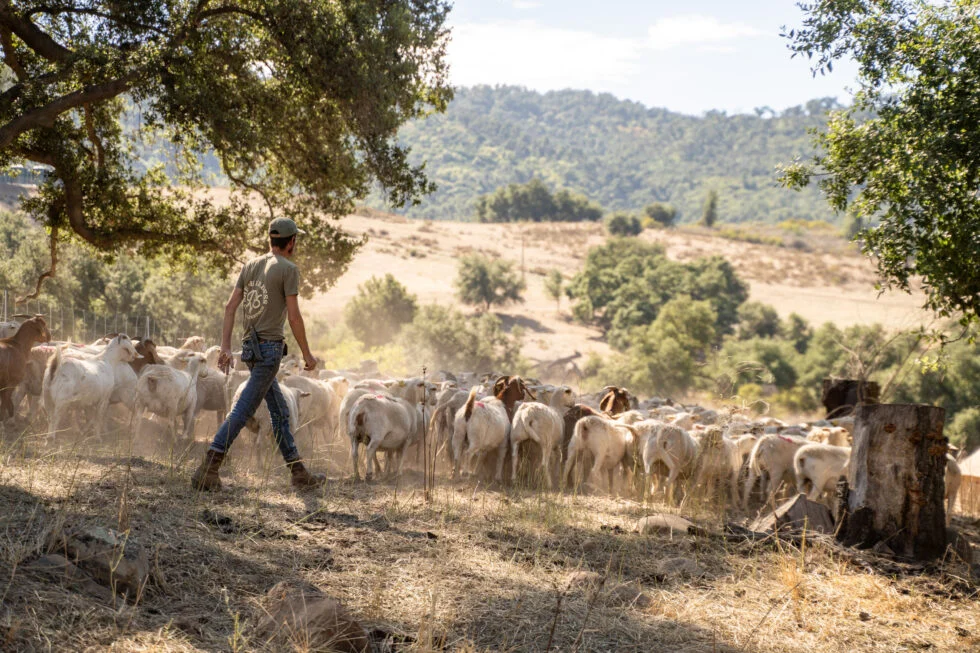
The landscapes of Southern California, defined for millennia by the fluid movement of water, animals, and seasonal fire, are currently undergoing a radical ecological transformation. As rising global temperatures and prolonged drought cycles redefine the region’s climate, the traditional relationship between the public and the land has shifted from one of recreation and stability to one of volatility and emergency management. In response to this escalating crisis, a ancient form of land stewardship—prescribed grazing—has reemerged as a critical component of California’s climate adaptation strategy. By utilizing bands of sheep and goats to manage vegetation, land managers are attempting to restore a semblance of the natural interruption that once prevented the accumulation of catastrophic fuel loads.
The Evolution of a Brittle Environment
Southern California operates within a Mediterranean climate, characterized by a "brittle" environment where moisture is concentrated in a brief winter window followed by months of intense aridity. Historically, this system was kept in balance by the constant movement of megafauna and indigenous management practices. Native grasses were grazed and trampled, preventing the buildup of thick, uniform vegetation. Fire, too, was a frequent but generally less intense participant in this ecology, acting as a tool for renewal rather than a force of total destruction.
However, a century of aggressive fire suppression, coupled with rapid urban expansion into the wildland-urban interface (WUI), has disrupted these natural cycles. The introduction of invasive annual grasses has further complicated the landscape. These species grow rapidly during the wet months and die off just as quickly, leaving behind a fine, highly combustible fuel bed that carries fire across hillsides with terrifying speed. Today, the National Oceanic and Atmospheric Administration (NOAA) notes that hotter temperatures and increasingly dry atmospheric conditions have become the primary drivers of wildfire severity in the Western United States. This is no longer an occasional seasonal threat but a structural condition of California life, impacting everything from insurance stability to public health.
The Mechanics of Prescribed Grazing
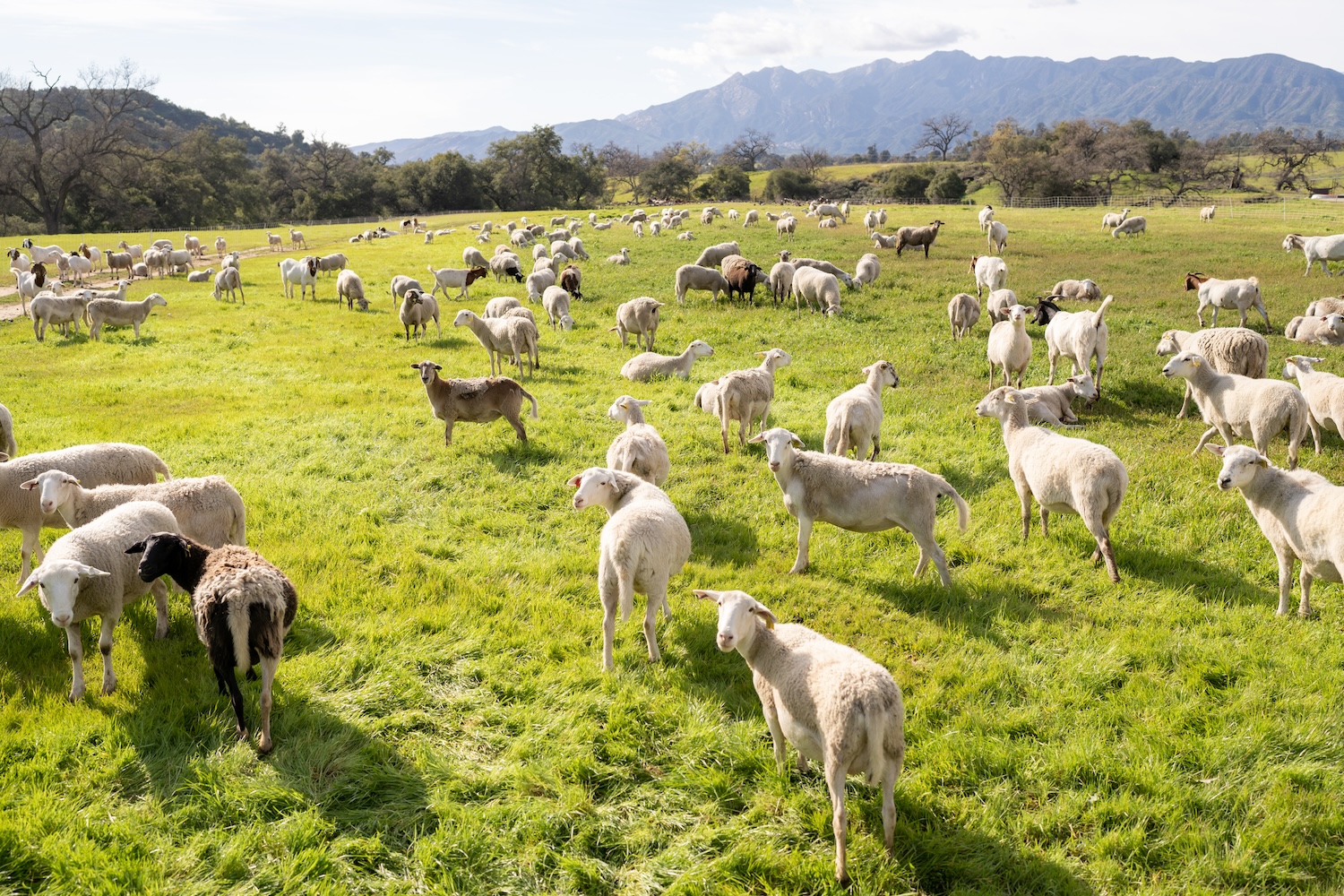
At the forefront of the region’s adaptation efforts is the practice of prescribed grazing, a targeted, highly observational form of land management. Unlike traditional livestock operations, prescribed grazing is designed with specific ecological outcomes in mind: the reduction of fine fuels, the suppression of invasive species, and the promotion of fire-resilient native plants.
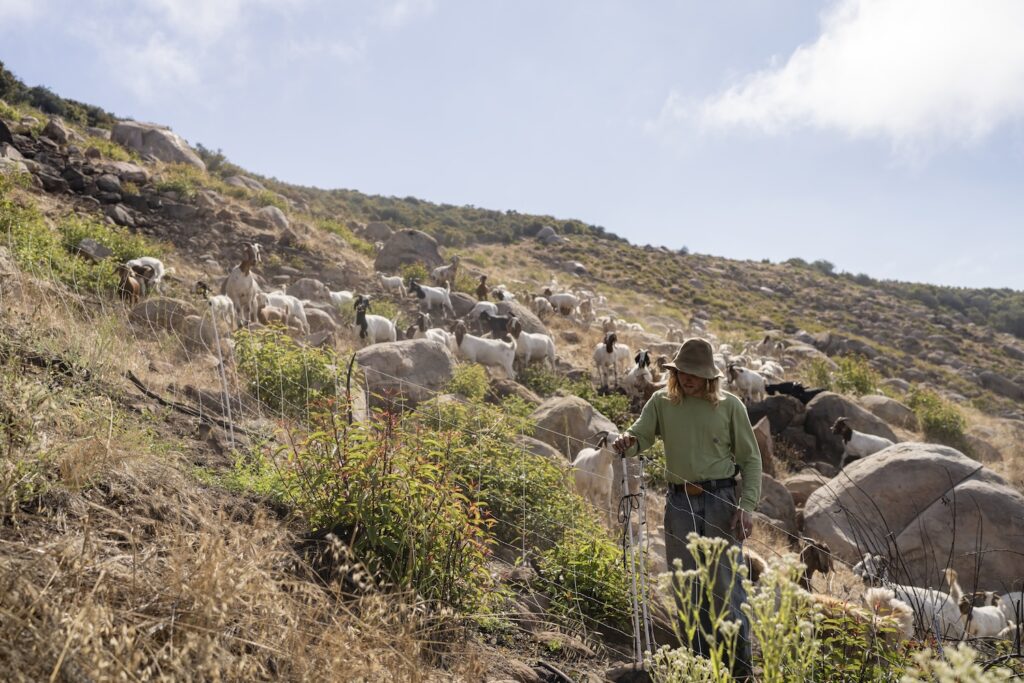
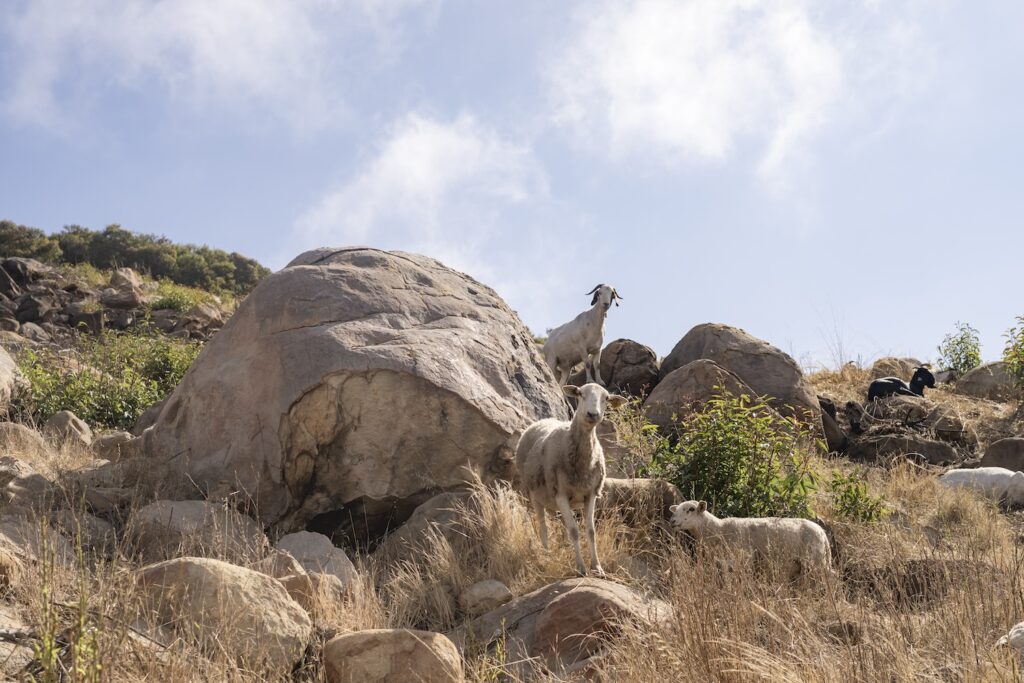
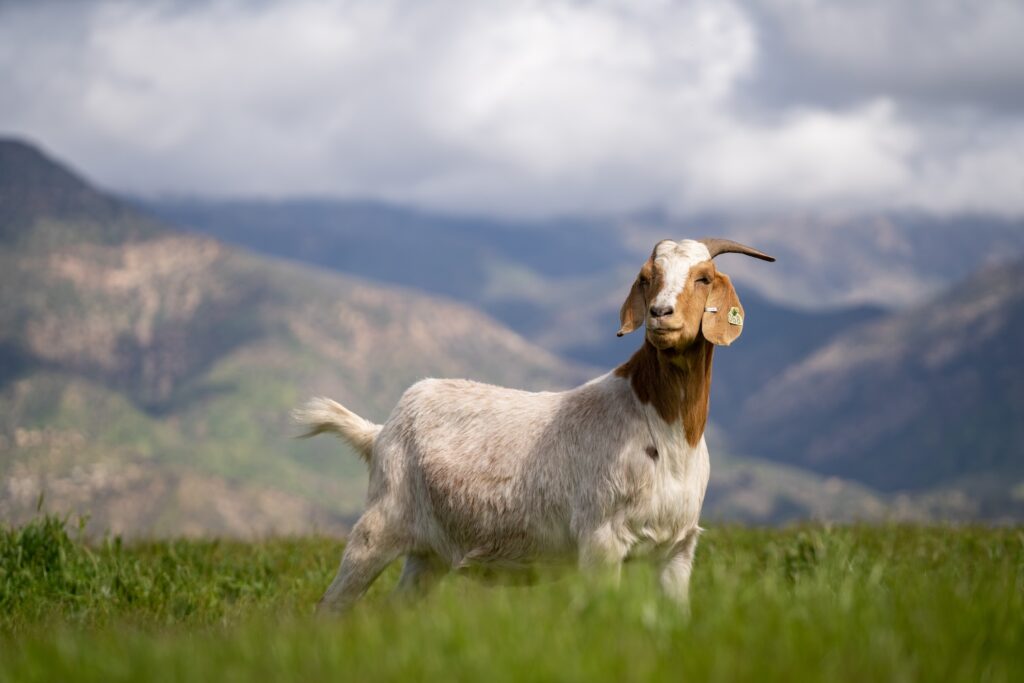
The practice relies on the distinct biological behaviors of different ruminants. Goats are primarily "browsers," preferring woody vegetation, shrubs, and low-hanging tree limbs. This makes them ideal for thinning dense chaparral and creating vertical fuel breaks. Sheep, conversely, are "grazers" that focus on grasses and low-lying forage. When deployed together—a strategy practitioners call a "combo punch"—these animals can effectively "clean" a landscape of various fuel types that mechanical equipment cannot reach.
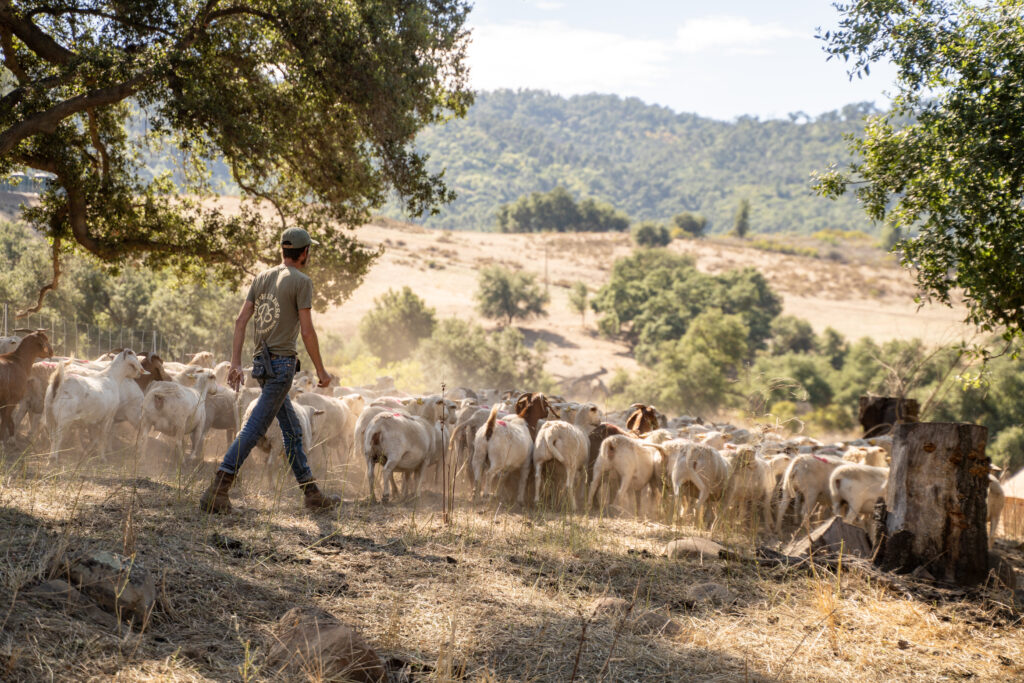
Cole Bush, the founder of Shepherdess Land and Livestock and the Grazing School of the West, emphasizes that this work is far more than simple vegetation removal. It requires a deep understanding of soil compaction, wildlife corridors, and the reproductive cycles of plants. Before a herd enters a site, shepherds evaluate the "prescriptive" needs of the land. This includes assessing the density of invasive species like mustard or cheatgrass and determining the precise timing required to graze these plants before they go to seed, thereby reducing their presence in the following year’s growth cycle.
Chronology of Crisis and Response
The urgency of this work is underscored by a timeline of increasingly destructive fire seasons. The 2017 Thomas Fire, which consumed over 280,000 acres in Ventura and Santa Barbara counties, served as a turning point for the Ojai Valley and surrounding regions. It demonstrated that even traditional "fire-adapted" landscapes could no longer cope with the intensity of modern megafires.
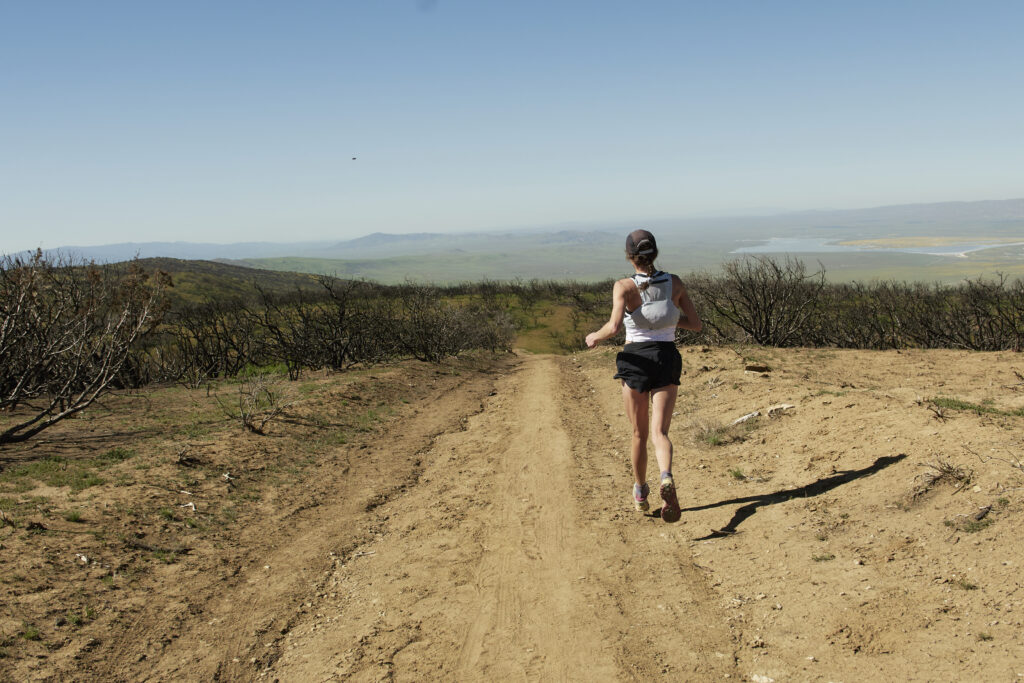
The situation escalated further in the mid-2020s. In January 2025, a series of fires erupted across Los Angeles and Ventura counties, including the Kenneth Fire near Agoura Hills. These blazes were characterized by extreme behavior and the rapid endangerment of both human and animal populations. In the summer of 2025, the Madre Fire became the largest wildfire in the state for that year, drastically altering the topography of the Carrizo Plain National Monument. By 2026, the Sandy Fire in Ventura County further decimated local ecosystems, necessitating the construction of massive new fire roads and emergency fuel breaks.
During these crises, the role of the shepherd shifted from land manager to emergency responder. During the Kenneth Fire, practitioners like Bush were instrumental in the "Ojai Herd and Horse Network," an improvised evacuation system. The ability to move semi-feral animals calmly under the pressure of encroaching flames and overhead helicopter activity proved to be a specialized skill set that traditional emergency services often lacked. These events have solidified the "modern shepherd" as a vital figure in the state’s resilience infrastructure.
Data and Economic Implications
The shift toward prescribed grazing is also driven by economic necessity. As of 2024, several major insurance providers, including State Farm and Allstate, have significantly limited or ceased the issuance of new homeowners’ policies in California, citing the unsustainable risk posed by wildfires. The California Department of Forestry and Fire Protection (CAL FIRE) has reported that 18 of the 20 largest wildfires in the state’s history have occurred since 2000, with the cost of fire suppression now regularly exceeding $1 billion annually.
Prescribed grazing offers a cost-effective alternative to mechanical thinning and chemical herbicides, particularly in the WUI. Animals can navigate 60-degree slopes and utility corridors where tractors are prone to rolling or sparking new fires. Furthermore, grazing contributes to carbon sequestration. While catastrophic wildfires release massive amounts of stored carbon into the atmosphere—contributing to a feedback loop that further warms the planet—well-managed grazing helps build soil health and promotes the growth of perennial native grasses with deep root systems that store carbon underground.
The Intersection of Recreation and Stewardship
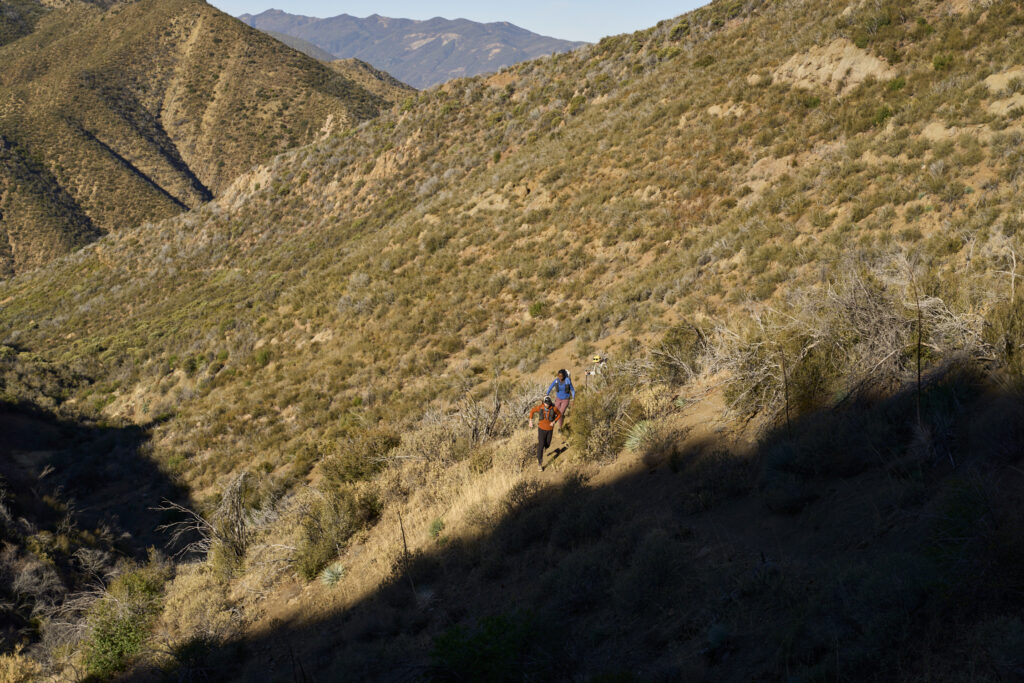
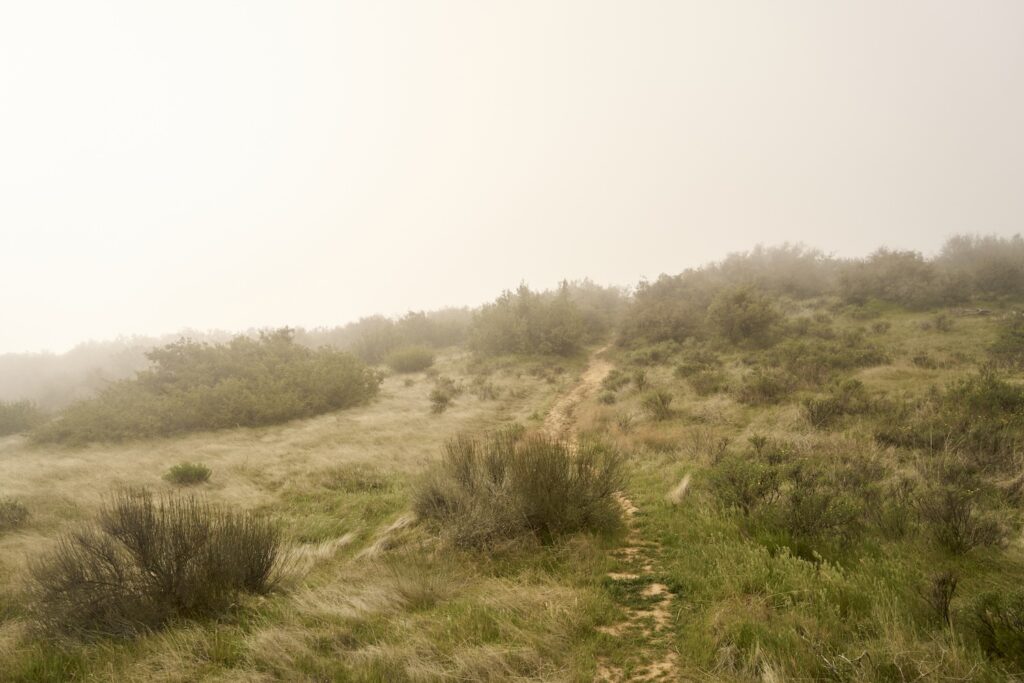
For the millions of hikers, trail runners, and cyclists who frequent the Santa Monica Mountains and Los Padres National Forest, the changing ecology is a daily reality. The "psychological exposure" of these landscapes—the lack of cover and the visible burn scars—demands a new level of awareness from those who use the land for recreation.
Liam Pickhardt, a photographer and trail runner who has documented the region’s transformation, observes that the distinction between "outdoor enthusiast" and "land steward" is rapidly disappearing. "The trails people run on require active management now," Pickhardt notes. "They don’t just stay intact on their own." Trail runners, who often cover vast distances and notice subtle shifts in vegetation and erosion, are increasingly acting as "citizen scientists," reporting changes in the landscape that might indicate rising fire risk or the success of restoration efforts.
This symbiotic relationship between humans, animals, and the land is central to the mission of organizations like the Ojai Valley Fire Safe Council. Kalli O’Connor, the council’s Assistant Director, argues that wildfire resilience is a long-term cultural adaptation. It involves moving away from a "suppression-only" mindset toward a model of "visible stewardship." This includes the creation of defensible space around homes, the use of prescribed fire during safe windows, and the integration of grazing herds into the suburban fabric.
Broader Impact and the Future of California
The future of Southern California depends on the ability of its communities to live within the realities of ecological instability. The "brittle" nature of the environment means that the region will continue to burn; the goal of prescribed grazing and modern stewardship is not to eliminate fire, but to change how it moves through the system. By reducing fuel continuity and restoring native plant diversity, managers hope to return the landscape to a state where fire can once again function as an occasional ecological force rather than a catastrophic event.
As the state continues to update its fire hazard maps and refine its insurance regulations, the "Ojai model" of community-led resilience is gaining traction. The success of targeted grazing in Ventura County provides a blueprint for other regions facing similar threats. It demonstrates that climate adaptation is not merely a matter of high-tech solutions, but of returning to biological rhythms—using the movement of animals to counter the destructive movement of fire.
In the words of Cole Bush, the modern shepherd is a form of activism. It is a quiet, persistent labor that acknowledges the interdependence of all things in a fire-prone world. Landscapes are ultimately shaped by what moves through them, and in the hillsides of Southern California, the steady movement of sheep and goats is carving out a path toward a more resilient future. The story of California’s survival is no longer one of conquering nature, but of learning to move with it.
