

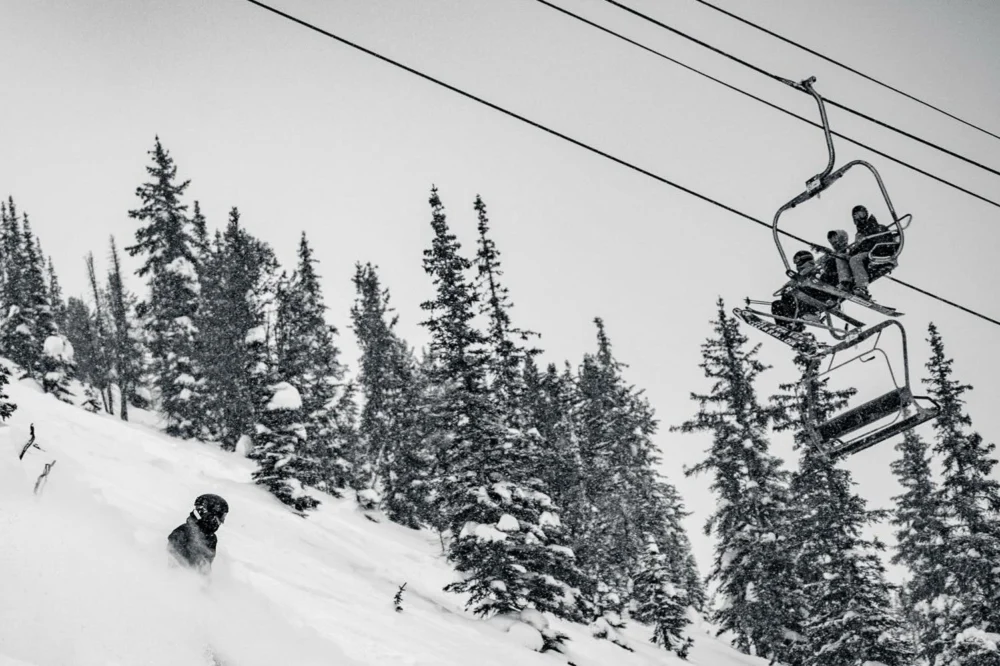
As March 4, 2026, marks the official progression into a month often characterized by the delicate balance between lingering winter and the encroaching warmth of spring, a comprehensive assessment of snow conditions across North America reveals a highly varied landscape for skiers and snowboarders. While the calendar might suggest a winding down of the ski season, significant snowfall and robust base depths persist in numerous regions, promising continued opportunities for powder enthusiasts and casual cruisers alike. The overarching narrative for this period indicates that the Northwest region of the United States currently holds the strongest position for optimal ski conditions, closely followed by Canada, which continues to benefit from widespread recent snowfall.
This detailed analysis, updated as of 8:30 AM on March 4, 2026, draws extensively from the sophisticated algorithms of Snow-Forecast.com. This platform utilizes a weighted index that meticulously combines current snow depths, immediate future forecasts, and a ski area’s general popularity to generate a dynamic ranking of conditions. This methodology provides a nuanced view, moving beyond simple snowfall totals to offer a holistic picture of the skiing experience available across various resorts. For the latest, most granular resort-level forecasts and live updates, snow-forecast.com remains the authoritative source.
A Regional Breakdown of North American Snow Conditions
The diverse geographical and meteorological characteristics of North America inevitably lead to significant disparities in snow accumulation and retention. As we delve into the specifics, it becomes clear that while some regions are preparing for spring skiing, others are still very much in the throes of a vibrant winter.
The Northwest: Leading the Charge
The Pacific Northwest, a perennial contender for deep snow, has once again asserted its dominance in the early days of March 2026. This region, encompassing 28 resorts, is reporting exceptional conditions, largely attributed to consistent storm cycles that have delivered both recent and forecasted snowfall. A remarkable five resorts within this region are currently boasting powder or fresh snow, both on and off-piste, indicating prime conditions for exploration. Furthermore, two resorts have recorded measurable new snowfall within the last 72 hours, reinforcing the fresh feel. The outlook remains optimistic, with eleven resorts anticipating two inches or more of new snow within the next three days, suggesting a continuation of the favorable pattern.
Mount Baker in Washington stands out as the undisputed leader in the Northwest. This iconic resort, renowned globally for its staggering snowfall averages, is forecasting approximately nine inches of new snow over the coming three days. This anticipated refresh comes on the heels of a significant five-inch top-up just two days prior, ensuring remarkably soft and pliable conditions. The resort’s base depth is reported at a robust 103 inches at mid-mountain, escalating to an impressive 170 inches on the upper slopes. This substantial base provides an excellent foundation for the new snow, promising deep turns and excellent coverage across all terrains. A spokesperson for Mount Baker Ski Area expressed enthusiasm, stating, "Our guests are enjoying some of the best mid-season conditions we’ve seen in years, and with more snow on the way, we’re confident of a fantastic spring skiing experience." Other notable performers in the region include Stevens Pass and Crystal Mountain, both benefiting from similar weather patterns and reporting excellent operational status.
The Rocky Mountains: A Strong Showing
The majestic Rocky Mountains, a bedrock of North American skiing, are performing commendably above their seasonal average this week. Across 34 reporting resorts, an impressive 24 (71 percent) are currently reporting powder or fresh snow, indicative of widespread excellent conditions. Fourteen resorts have received measurable snowfall recently, maintaining a fresh surface, while twelve resorts are anticipating two inches or more of new snow in the three-day forecast. The consistent cold temperatures at higher elevations in the Rockies are crucial for preserving snow quality, even as spring approaches, allowing recent snowfall to remain light and dry.
Jackson Hole Mountain Resort in Wyoming emerges as the snowiest destination in the Rockies for this period. The resort is reporting a healthy 67 inches at mid-mountain and an even more substantial 98 inches on its upper reaches. While surface conditions are described as ‘old snow,’ a forecast of around two inches of new snow offers the promise of a refresh. Critically, all 13 of Jackson Hole’s lifts are fully operational, providing unhindered access to its legendary steep and deep terrain. A representative from Jackson Hole tourism noted, "Our consistent snowpack and full operational capacity mean that even as we transition into March, the skiing here is world-class. Visitors are enjoying long days on the mountain with excellent coverage." Resorts like Aspen Snowmass in Colorado and Big Sky Resort in Montana are also reporting strong conditions, benefiting from recent storms that have bolstered their extensive trail networks.
California: A Mixed Picture
California’s ski season, often characterized by dramatic swings, presents a somewhat mixed picture this week. Across 16 resorts, five are reporting powder or fresh snow, which is a positive sign. However, only one resort has recorded measurable snowfall recently, and no significant new snow is currently in the forecast for the next three days. Despite this, eight resorts have most of their lifts open, indicating a commitment to maintaining operations for as long as conditions allow. California’s snowpack, while substantial in places, has seen less recent refresh compared to its northern neighbors.
Palisades Tahoe stands out as California’s leading resort in terms of snow depth, reporting a base of 43 inches at its lower elevations and 65 inches on the upper mountain. The last recorded snowfall was 11 days ago, and no new snow is currently forecast. Despite the lack of recent refresh, the resort maintains near-full operations with 29 of its 30 lifts running, ensuring comprehensive access to its vast terrain. "We’ve built a solid base throughout the winter, and that’s allowing us to offer fantastic spring skiing despite a drier spell," commented a Palisades Tahoe operations manager. "Our guests are still finding excellent conditions, especially on north-facing slopes." Mammoth Mountain and Heavenly Resort are also maintaining strong operations, leveraging their substantial earlier-season snow accumulations.
The Northeast: Below Average but Resilient
The Northeast region of the United States is trending below its seasonal average this week, a common pattern for March in this part of the country where significant thaws can occur. Across 21 reporting resorts, five are still managing to report powder or fresh snow, which speaks to the dedication of resort operators in preserving snow quality. A notable sixteen resorts have received measurable snowfall recently, indicating that localized storm systems are still impacting the area. However, only three resorts are expecting two inches or more in the three-day forecast, suggesting that widespread heavy snowfall is less likely.
Jay Peak in Vermont is the standout performer in the Northeast, reporting a base of 24 inches at its lower elevations and a respectable 60 inches higher up. A light dusting of snow yesterday provided a welcome refresh to surface conditions, helping to mitigate the effects of warmer temperatures. Crucially, all nine of Jay Peak’s lifts are open, allowing skiers full access to its famous glades and varied terrain. "Jay Peak’s unique microclimate often helps us capture more snow than other resorts in the region, and this week is no exception," said a marketing representative for Jay Peak. "We’re making the most of every snowflake and continuing to offer great conditions for our loyal visitors." Stowe Mountain Resort and Sugarloaf in Maine are also offering competitive conditions, having benefited from earlier season storms and diligent snowmaking efforts.
The Southeast: Holding On
The Southeast region, with its typically milder winters and shorter ski seasons, sits last in the regional standings this week. Across its three reporting resorts, only one shows a forecast of two inches or more in the three-day outlook, and only one has most of its lifts open. This indicates that while skiing is still available, options are becoming more limited as spring advances. Resort operations in the Southeast are often heavily reliant on snowmaking capabilities and cold snaps to extend their seasons.
Snowshoe Mountain Resort in West Virginia is the primary ski destination still offering significant opportunities in the Southeast. The resort is reporting a 55-inch base on its upper mountain, a testament to its robust snowmaking infrastructure and earlier season cold. Surface conditions are currently described as variable, which is typical for this time of year in the region. However, an encouraging forecast of approximately four inches of new snow offers the potential for a late-season refresh, which would be a welcome boost for local enthusiasts. A Snowshoe Mountain spokesperson commented, "We are committed to providing the best possible experience for as long as conditions allow. Our teams are working tirelessly to maintain our slopes, and any natural snowfall is a fantastic bonus for our guests."
Canada: A Strong Contender
Canada, with its vast and diverse ski terrain, ranks as the second strongest overall region this week by resort score. This is a significant achievement, reflecting widespread excellent conditions across the country. Across 79 reporting resorts, an impressive 23 are reporting powder or fresh snow. Even more notably, 64 resorts have received measurable snowfall recently, indicating an active winter pattern across much of the Canadian ski landscape. Furthermore, 23 resorts are anticipating two inches or more of new snow in the three-day forecast, suggesting that Canada’s ski season is far from over.
Kicking Horse Mountain Resort in British Columbia leads the Canadian charge. The resort is reporting a delightful three inches of fresh snow, contributing to soft conditions across its expansive ski area. The upper-mountain depth stands at a formidable 84 inches, providing a deep and reliable base. All five of Kicking Horse’s lifts are fully operational, granting skiers access to its challenging and varied terrain, including its renowned expert chutes and bowls. "Kicking Horse is truly living up to its reputation for champagne powder this season," remarked a representative from Tourism Golden, the region’s tourism body. "The consistent snowfall and excellent base mean we’re set for an epic spring, drawing visitors from around the world." Other top-performing Canadian resorts include Revelstoke Mountain Resort in British Columbia and Lake Louise Ski Resort in Alberta, both benefiting from recent snow and strong base depths, cementing Canada’s reputation as a world-class ski destination.
International Shout Out: Japan’s Persistent Powder
Beyond North America, the international spotlight shines brightly on Japan, which continues to experience exceptional snow conditions this week. Renowned globally for its legendary "Japow" – the light, abundant powder created by cold Siberian air masses crossing the Sea of Japan – the archipelago is living up to its reputation. A fresh pulse of snowfall is expected to bring totals into the mid- to upper teens in some spots, with follow-up accumulations maintaining an active wintry pattern.
Specifically, resorts such as Gassan Glacier, Yokotsudake Kokusai, and Hakodate Nanae across northern Honshu and parts of Hokkaido are anticipated to receive significant snow. The upper slopes in these areas are expected to retain solid base depths, providing incredible opportunities for powder skiing. Local tourism officials in Hokkaido expressed their delight, stating, "The consistent, deep powder we are experiencing continues to attract international visitors seeking the ultimate winter experience. Our resorts are thriving, and the conditions are simply spectacular." This late-season surge reinforces Japan’s status as a premier destination for serious snow enthusiasts, offering unparalleled powder experiences even as many other regions contemplate the end of their ski seasons.
Broader Implications and Outlook
The varied snow conditions across North America in early March 2026 carry significant implications for the ski industry and local economies. Regions like the Northwest and Canada are poised for extended and successful spring seasons, which translate into continued revenue for resorts, hotels, restaurants, and other tourism-dependent businesses. Strong snow years can mitigate the financial pressures faced by resorts, allowing for investment in infrastructure and future planning. Resort operators in these regions can anticipate continued strong visitation and extended operational periods, potentially into late April or even May for higher-elevation areas.
Conversely, regions like the Northeast and Southeast, which are trending below average, face challenges in maintaining visitor numbers as conditions become more marginal. This necessitates a greater reliance on snowmaking technologies and diversified resort offerings to attract guests. The variability highlights the ongoing adaptive strategies required in the face of changing climate patterns, where consistent natural snowfall can no longer be guaranteed across all traditional ski regions. Resorts are increasingly investing in sophisticated snowmaking systems, grooming fleets, and off-snow activities to ensure viability and appeal regardless of natural snowfall.
For skiers and snowboarders, this regional disparity underscores the importance of staying informed through reliable sources like Snow-Forecast.com. Those seeking the deepest powder will find their best bets in the Northwest and Canada, while others may opt for spring skiing in regions like the Rockies or even the resilient resorts of the Northeast. The international option of Japan further broadens the horizon for those willing to travel for exceptional conditions.
Conclusion: Northwest Leads a Diverse Landscape
As North America transitions from the heart of winter into the early stages of spring, the ski landscape remains dynamic and full of opportunity. The Northwest region unequivocally leads the continent in terms of overall snow conditions, offering abundant fresh powder and robust forecasts. Canada closely follows, benefiting from widespread recent snowfall and promising future accumulations. While other regions present more varied or challenging conditions, dedicated resorts continue to provide quality skiing experiences, adapting to the nuances of early March weather. For those chasing the last significant storms of the season or simply looking for enjoyable spring turns, the data confirms that ample opportunities remain across a diverse array of destinations, with Japan offering an irresistible international allure for powder purists. Staying updated on real-time forecasts will be key for maximizing the remaining weeks of the 2025-2026 ski season.
