

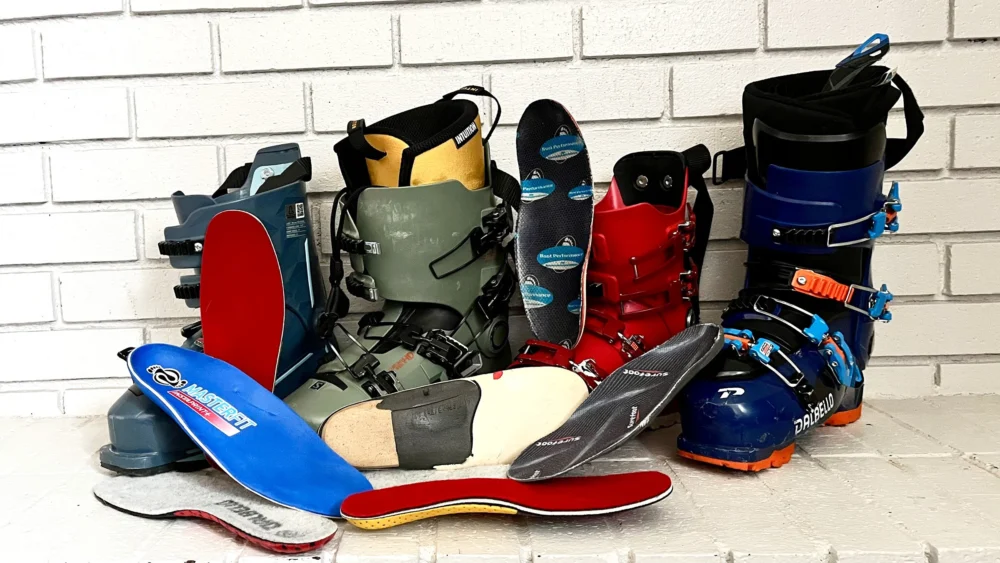
A seasoned ski bootfitter, with extensive experience crafting bespoke footbeds for thousands of clients, is challenging conventional wisdom within the ski industry, suggesting that expensive custom-molded solutions may often be unnecessary and even counterproductive for recreational skiers. Jake Stern, a former editor at Outside and Powder who honed his expertise at Footloose Sports in Mammoth Lakes, California, posits that readily available, pre-formed insoles, often retailing for a fraction of the price, provide superior performance and greater reliability for a significant majority of skiers. His perspective, shared after years of hands-on work with diverse clientele ranging from masters racers to casual vacationers, highlights potential pitfalls in the widespread recommendation and execution of custom footbeds.
The Foundation of Ski Boot Performance: Understanding Footbeds
The primary objective of any ski footbed, whether custom or off-the-rack, is to stabilize the heel. This stabilization is critical because the heel serves as the biomechanical anchor point for a complex chain of movement extending throughout the entire leg and body. When the heel remains stable, the rest of the foot tracks more predictably within the ski boot, enhancing control and power transmission to the skis. Many skiers mistakenly believe that footbeds primarily offer arch support; however, their most crucial role lies in managing heel movement, particularly pronation—the inward rolling of the foot.
Pronation is a natural biomechanical motion, but excessive or uncontrolled pronation within a rigid ski boot can lead to discomfort, pressure points, and reduced performance. The typical symptom of an unsupported heel is a feeling of pressure along the inside of the ankle, caused by the foot rolling inward and pushing against the boot’s hard plastic shell. By effectively supporting the heel, a well-designed footbed helps to mitigate this inward roll, keeping the skier’s foot centered and stable. This stability, in turn, facilitates cleaner edge-to-edge transitions and more precise control over the skis.
It is important to note that the degree of desired pronation can vary. Elite athletes, such as World Cup racers, sometimes require a more flexible or "malleable" heel cup that permits a certain degree of pronation. This controlled movement can enable them to engage ski edges faster and at more aggressive angles, crucial for high-performance racing. However, for the vast majority of recreational skiers, who do not operate at such extreme levels of precision and intent, the primary goal remains consistent heel stabilization to prevent discomfort and improve general control.
The Rise of Custom Footbeds: A Historical Context
The concept of custom footbeds gained significant traction in the ski industry over several decades as bootfitting evolved from a rudimentary process to a specialized science. Early ski boots offered minimal internal support, leading to widespread discomfort and performance issues. As ski technology advanced, so did the understanding of biomechanics in skiing. Bootfitters began to recognize the critical role of the foot-to-boot interface, realizing that a generic insole (often described as a "glorified piece of foam") provided insufficient support for optimal control and comfort.
The development of custom footbeds offered a seemingly ideal solution: a personalized insert molded precisely to an individual’s foot shape, promising unparalleled support and stability. This bespoke approach resonated with the premium nature of the ski equipment market, where skiers often invest thousands in boots, skis, and bindings. Custom footbeds, typically costing upwards of $200-$300, became a standard recommendation, often presented as a panacea for a wide range of boot-related ailments, from arch pain to shin bang. This trend was fueled by an industry-wide push for personalized solutions, with many bootfitting shops promoting custom footbeds as a cornerstone of a proper boot fit.
Unpacking the Problems: The Bootfitter’s Critique
Despite the widespread adoption and perceived benefits of custom footbeds, Stern’s professional experience reveals a significant number of issues. His own journey, marked by numerous bootfitting consultations to address his "skinny feet and little chicken calves" that resulted in persistent pain, highlights a common predicament for many skiers. He recounts receiving contradictory advice and being sold various modifications, including shims, wedges, and, inevitably, custom footbeds, often without lasting success.
The core of Stern’s critique centers on the quality and efficacy of many custom footbeds currently produced. He estimates that more than half of the custom footbeds brought into his shop for review, having been made elsewhere, were either poorly crafted or actively contributing to the skier’s problems. This finding directly challenges the notion of custom footbeds as an infallible "cure-all."
The process of creating a custom footbed, while seemingly straightforward, is fraught with potential for error. Small inaccuracies in shaping the heel cup or in positioning the skier’s foot during the molding process can introduce subtle yet critical angles that misalign the foot and disrupt the skier’s stance. Such errors can lead to new pressure points, exacerbate existing discomfort, and ultimately degrade performance rather than improve it.
Stern differentiates between two primary molding techniques: "weighted" and "unweighted" footbeds. Weighted molding involves the skier standing on a heated, moldable material, which then conforms to the foot under body weight. While seemingly intuitive, this method can inadvertently capture and perpetuate existing biomechanical imbalances, such as excessive pronation, leading to a "pronated footbed" that offers incorrect support. His shop, like many others striving for precision, preferred the "unweighted" method. This involves the customer sitting with their feet dangling, allowing the fitter to manually manipulate the foot into an optimal, athletic position while a vacuum bag suctions a heated, malleable footbed material to the sole. Even with this more controlled approach, mistakes can occur, such as pinching the outside of the heel too aggressively, resulting in an uneven heel cup that places undue pressure on the ankle bone.
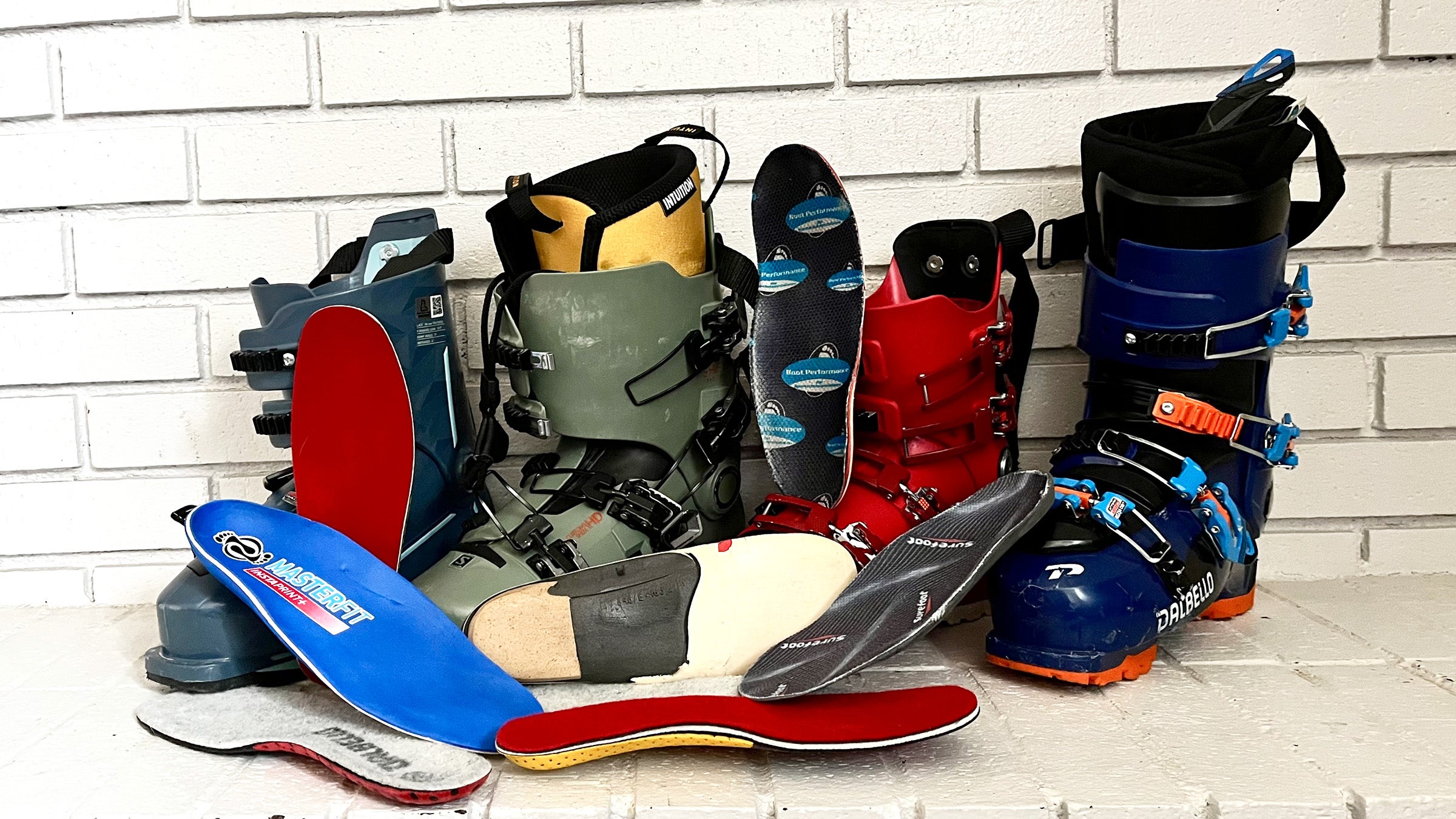
The tangible evidence of these failures, according to Stern, is a "huge box of failed custom footbeds" in his shop—dozens of discarded pairs replaced with more effective alternatives. This collection underscores a critical problem: while a well-made custom footbed can undeniably enhance a skier’s stance and comfort, a poorly executed one can inflict more pain and create new problems, leaving the skier with a costly, unusable product. The implications are substantial for consumers who invest hundreds of dollars in a solution only to find it ineffective or detrimental, often with no recourse for correction, as many faulty footbeds cannot be modified.
The Proven Alternative: Drop-In Footbeds
The search for reliable, effective, and accessible foot support in ski boots is not new. Decades ago, ski industry pioneer Sven Coomer, renowned for his design contributions to iconic products like Zipfit liners, the Nordica Grand Prix, and the Raichle Flexon, confronted the very issues now highlighted by Stern. Coomer’s ingenious solution was to develop a supportive heel cup design that effectively prevents pronation and is adaptable to a wide range of foot types. He then offered this design in various arch shapes and thicknesses. This groundbreaking concept materialized into what we now know as Superfeet insoles, which later inspired similar products like DownUnders. Following Coomer’s passing, even Zipfit began offering its own version of these pre-formed, supportive inserts.
These "drop-in" footbeds represent a distinct departure from custom-molded solutions. Instead of being individually shaped to a skier’s unique foot, they are designed to support an "average" heel shape with an optimized level of arch support and pronation control. The fitting process for these insoles is straightforward: the bootfitter matches the heel cup to the ski boot’s mondo size, trims the toe edges to fit precisely within the liner, and bevels them for a seamless insertion.
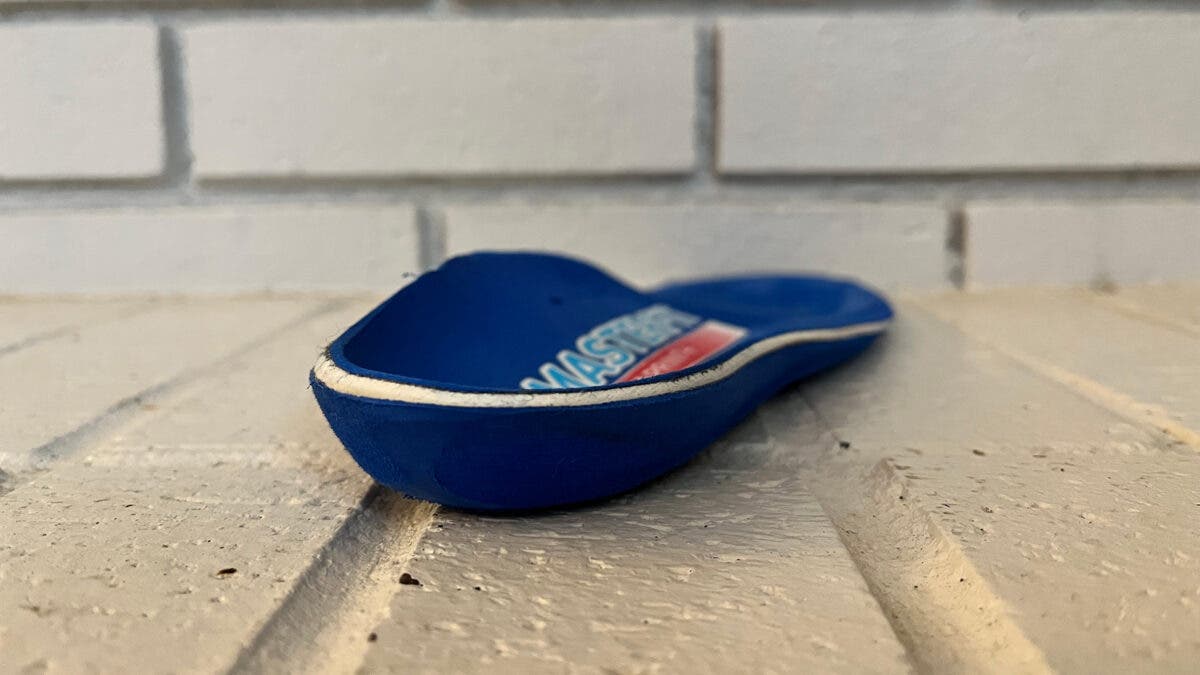
Stern emphatically endorses the effectiveness of drop-in footbeds, citing hundreds of positive experiences from clients he has fitted with them. The consensus among these skiers is that these off-the-rack solutions make a "world of difference" in their skiing experience. He personally advocates for the Superfeet Winter Thin Support, priced at approximately $55. His rationale is clear: they are lightweight, comfortable, highly effective for a vast spectrum of skiers, and easily replaceable without significant financial outlay.
Broader Implications and Industry Perspectives
Stern’s candid assessment has significant implications for both consumers and the ski bootfitting industry. For skiers, it offers a compelling argument to reconsider the automatic assumption that custom footbeds are the only or best solution for boot discomfort. Given the average cost of custom footbeds can range from $150 to $300 (or more when combined with a full bootfitting service that itself can cost upwards of $100-$200), the financial savings offered by a $50-$60 drop-in footbed are substantial, especially if they deliver comparable or superior performance. This economic consideration is particularly relevant in a sport already characterized by high equipment costs.
For bootfitters and ski shops, Stern’s perspective presents a challenge to established practices. The sale of custom footbeds is a lucrative component of many bootfitting businesses, representing a significant revenue stream alongside boot sales and other modifications. Shifting towards a greater recommendation of off-the-rack alternatives could impact profit margins. However, it also presents an opportunity to build greater trust with customers by prioritizing effective, cost-efficient solutions. A bootfitter who transparently offers and effectively fits a less expensive, proven alternative might foster stronger customer loyalty than one who consistently pushes the most expensive option.
Industry associations and manufacturers of custom footbed systems might react to this perspective with a defense of their products, emphasizing the individualized precision that custom molding can achieve when performed correctly by a highly skilled technician. They might argue that the issues identified by Stern are a reflection of poor craftsmanship rather than an inherent flaw in the custom footbed concept itself. However, the prevalence of these "poorly made" footbeds, as observed by Stern, suggests that the standard of execution across the industry may not consistently meet the ideal.
Conversely, manufacturers of off-the-rack solutions like Superfeet and DownUnders would likely welcome this expert endorsement, as it validates their product development philosophy and provides a powerful testimonial from a professional bootfitter. This could lead to increased market share for these companies and potentially spur further innovation in pre-formed insole technology.
Ultimately, Stern’s insights encourage a more critical and informed approach to ski bootfitting. Instead of automatically defaulting to the most expensive solution, skiers are advised to seek out bootfitters who demonstrate a comprehensive understanding of foot biomechanics and who are willing to explore a range of solutions, including the often-overlooked, yet highly effective, drop-in footbeds. His advice to "peer around the shop" for the "little rack in a corner, collecting dust" that holds the cure to skiing woes is a poignant reminder that the most effective solutions are not always the most heavily marketed or the most costly. In an industry often driven by premium pricing and high-tech promises, the call to "Don’t go custom, go off-the-rack" is a refreshingly pragmatic and customer-centric recommendation.
Jake Stern’s experience, both as a frustrated skier and a highly skilled professional bootfitter, offers a valuable counter-narrative to prevalent industry practices. His deep understanding of how boots and feet interact, combined with years of practical problem-solving for diverse skiers, provides a credible foundation for his argument. His current role as category manager for SKI and Outside’s ski boot reviews further positions him as an authoritative voice in evaluating ski equipment performance. This expert perspective suggests a potential shift in how skiers approach boot comfort and how bootfitters approach their craft, moving towards more accessible, reliable, and perhaps, more honest solutions for optimal on-snow performance.
