

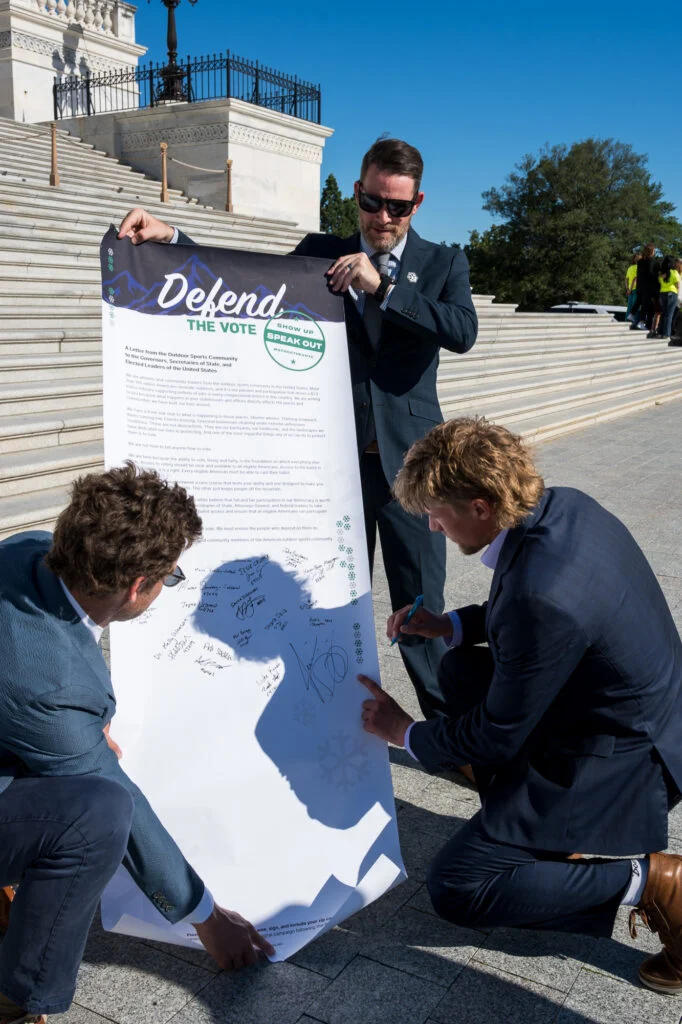
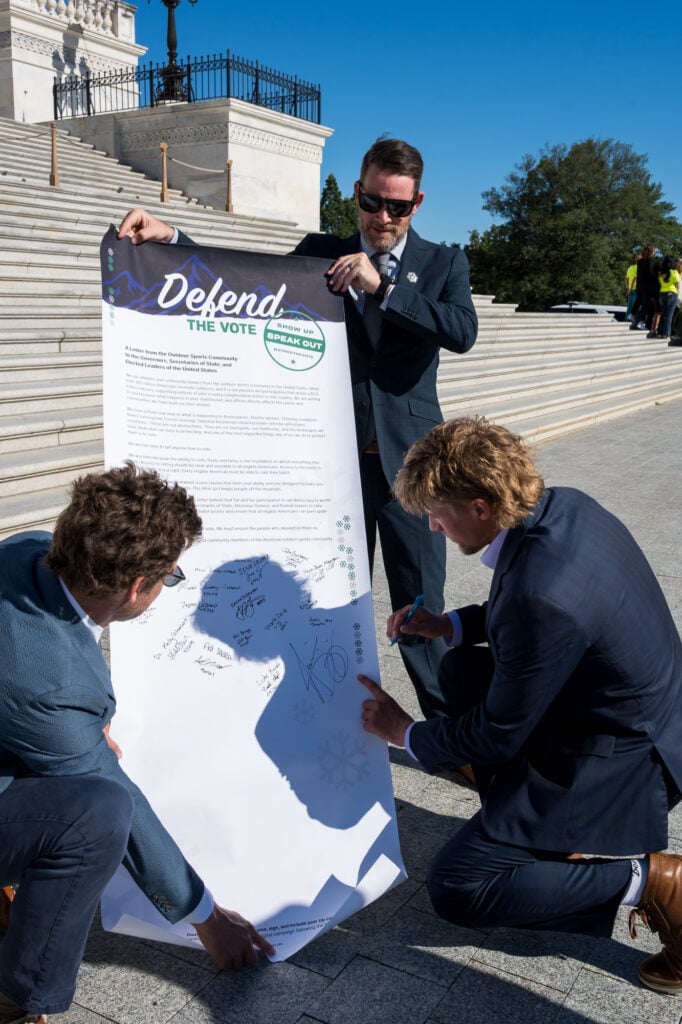
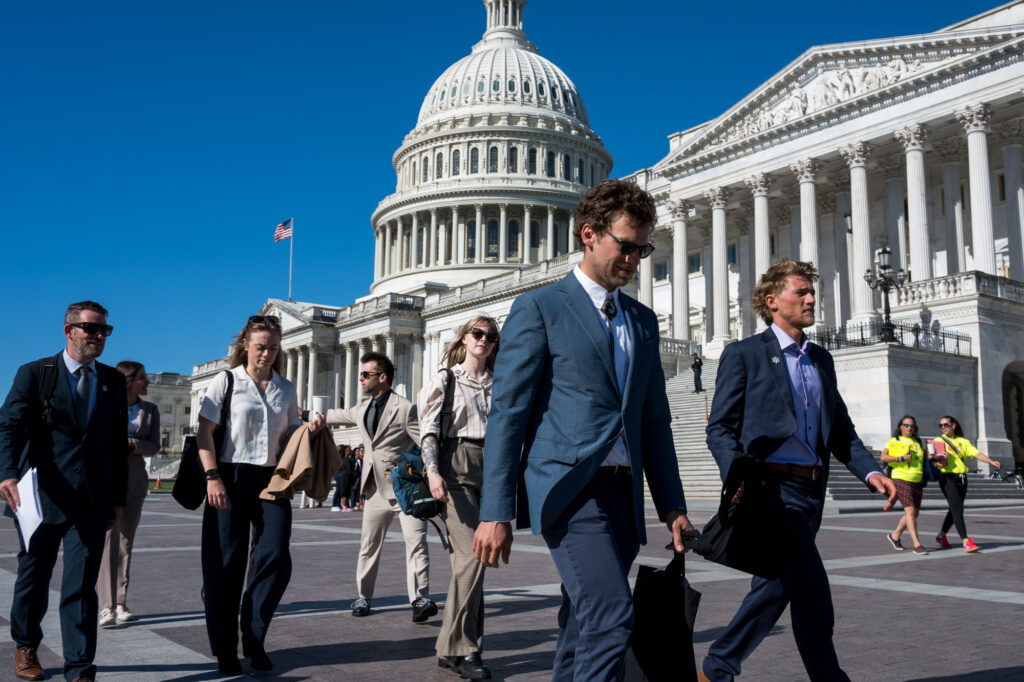
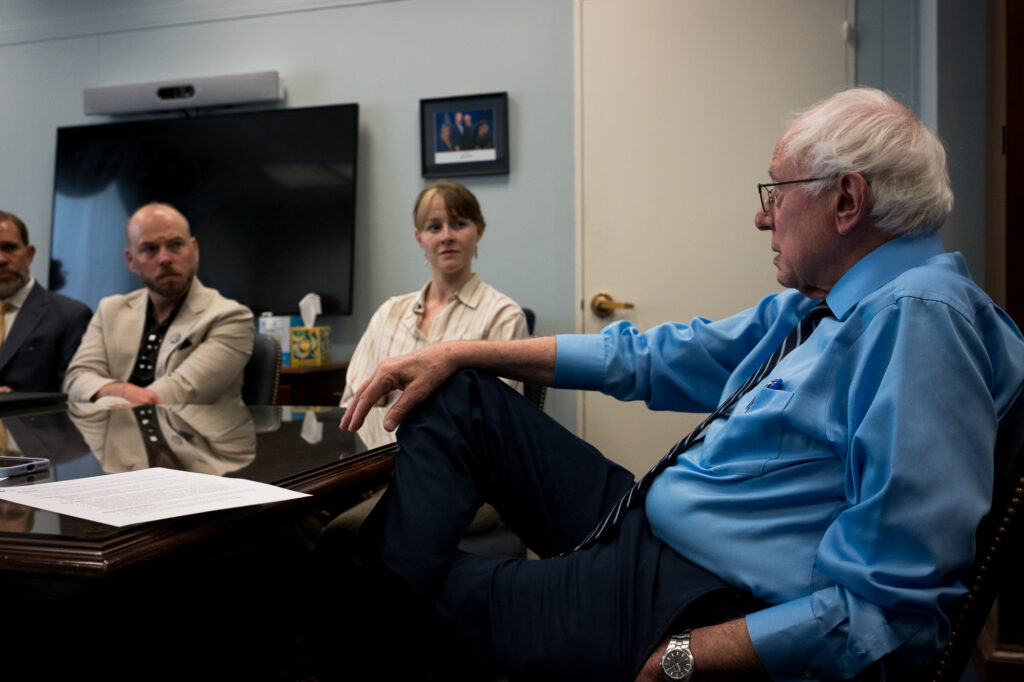
A high-profile delegation led by the non-profit organization Protect Our Winters (POW) concluded a series of intensive legislative meetings on Capitol Hill last week, signaling a strategic escalation in the outdoor industry’s efforts to influence federal climate and land management policies. The group, comprised of 13 prominent figures including Olympic gold medalists, climate scientists, and outdoor industry executives, conducted 38 separate meetings with congressional offices to protest the rapid deregulation of environmental protections and the expansion of fossil fuel extraction on public lands. The mobilization comes at a critical juncture as federal agencies continue to roll back decades of conservation frameworks, prompting a coalition of what the organization calls the "Outdoor State" to demand legislative intervention.
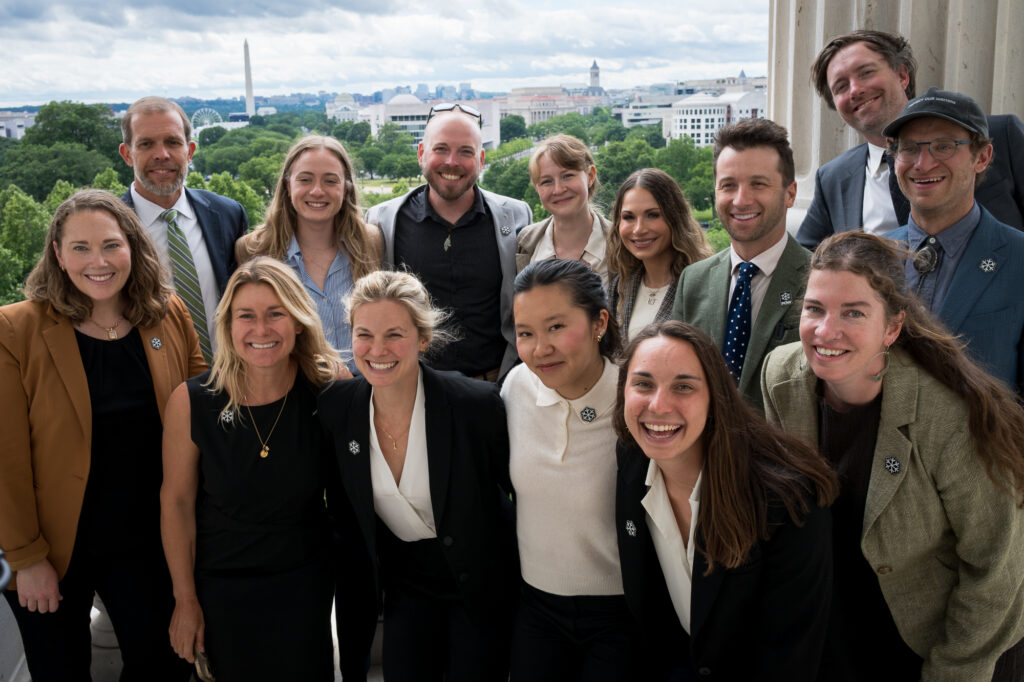
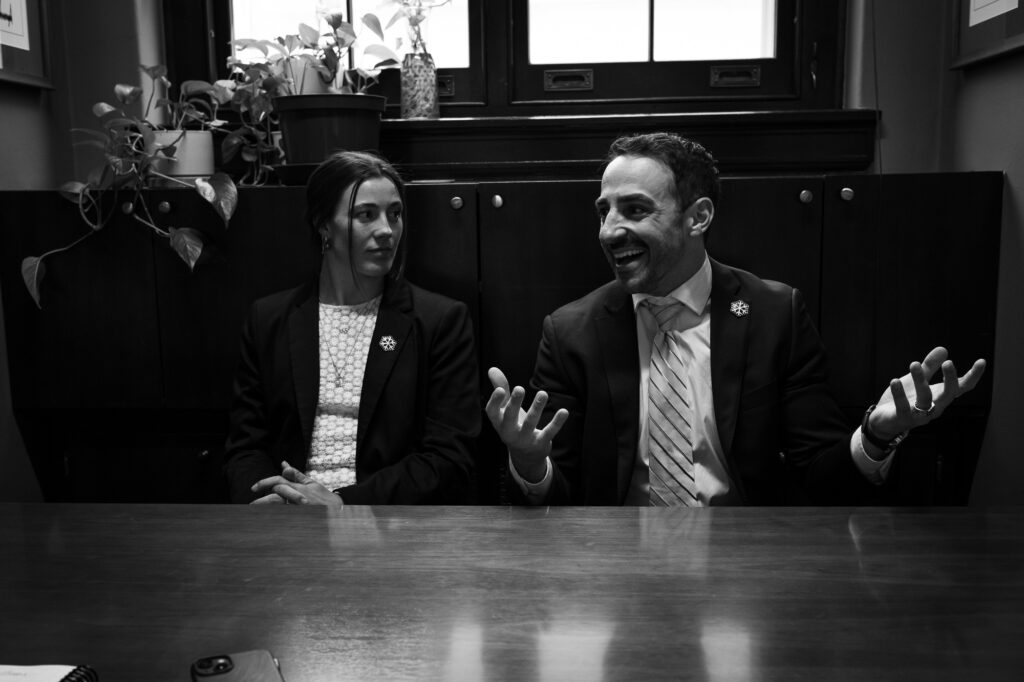
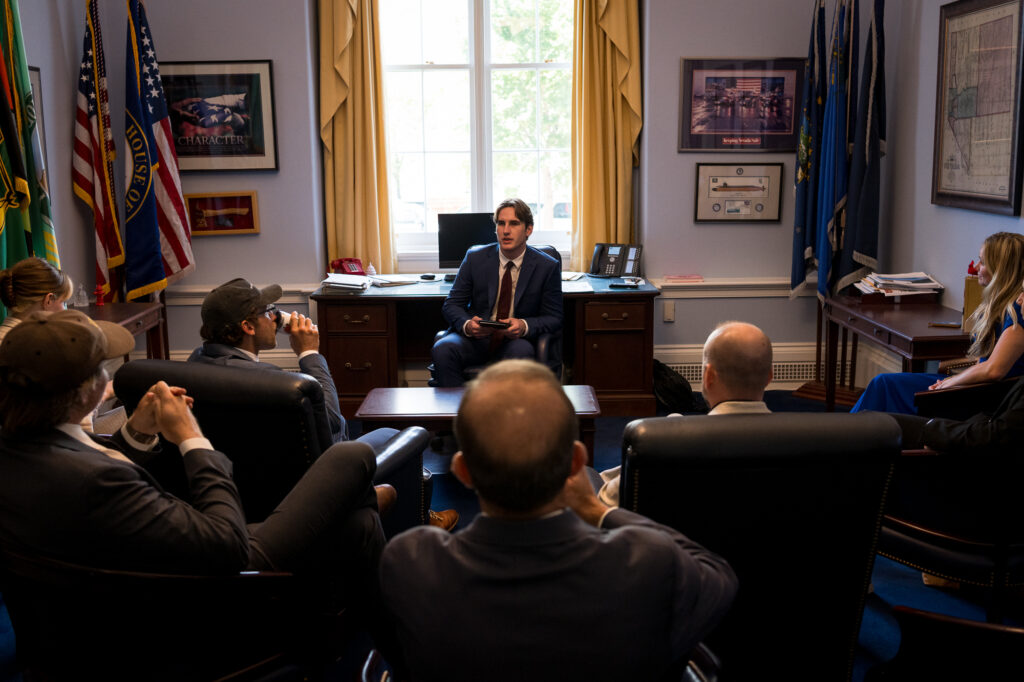
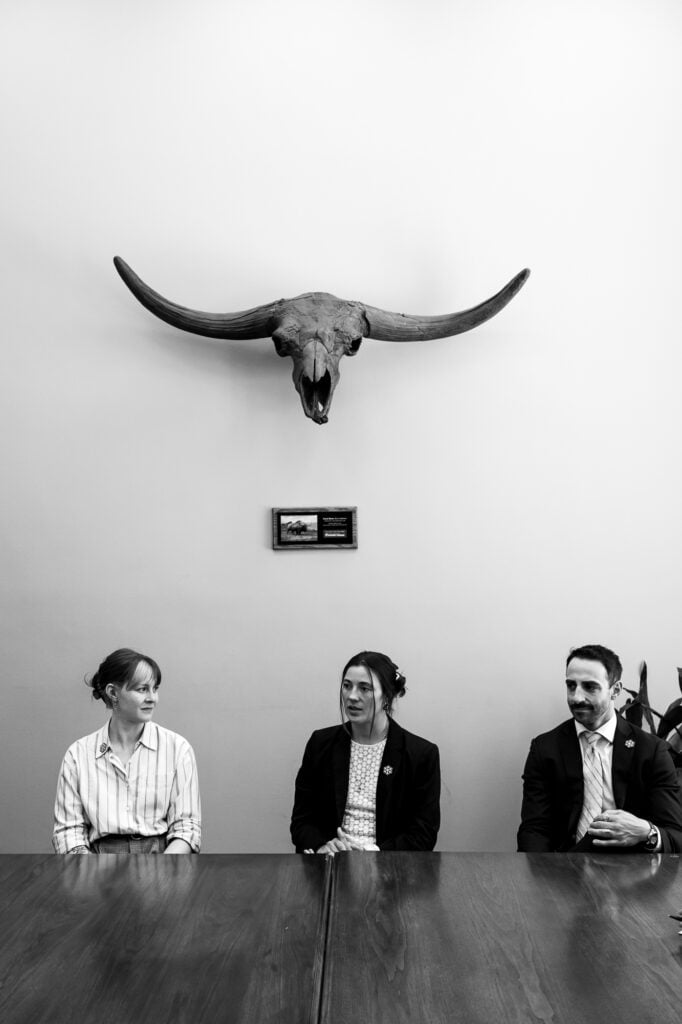
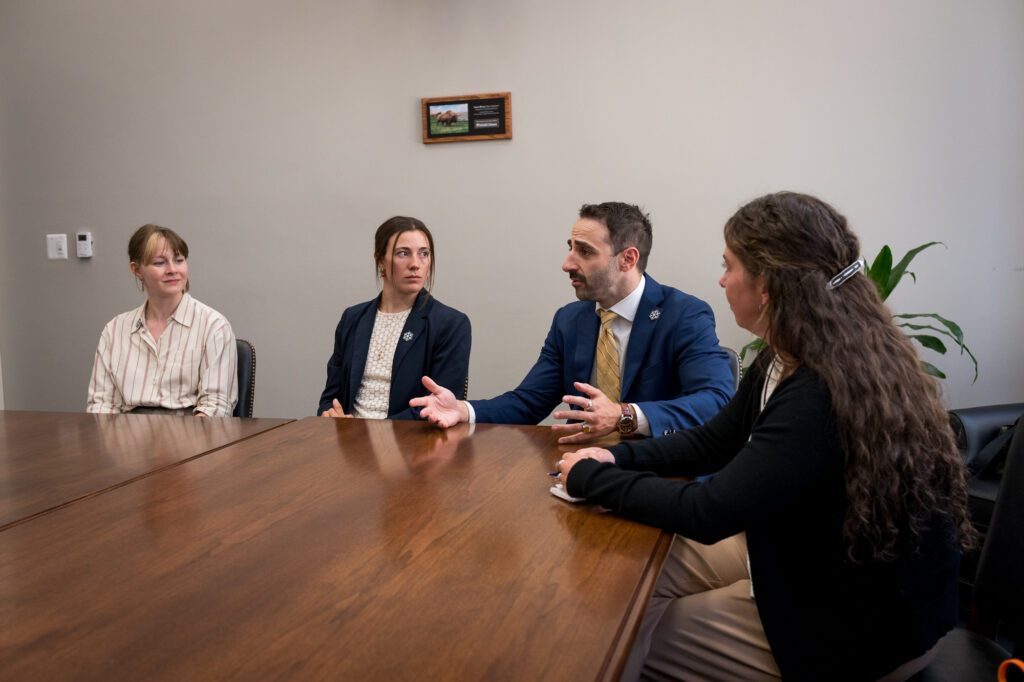
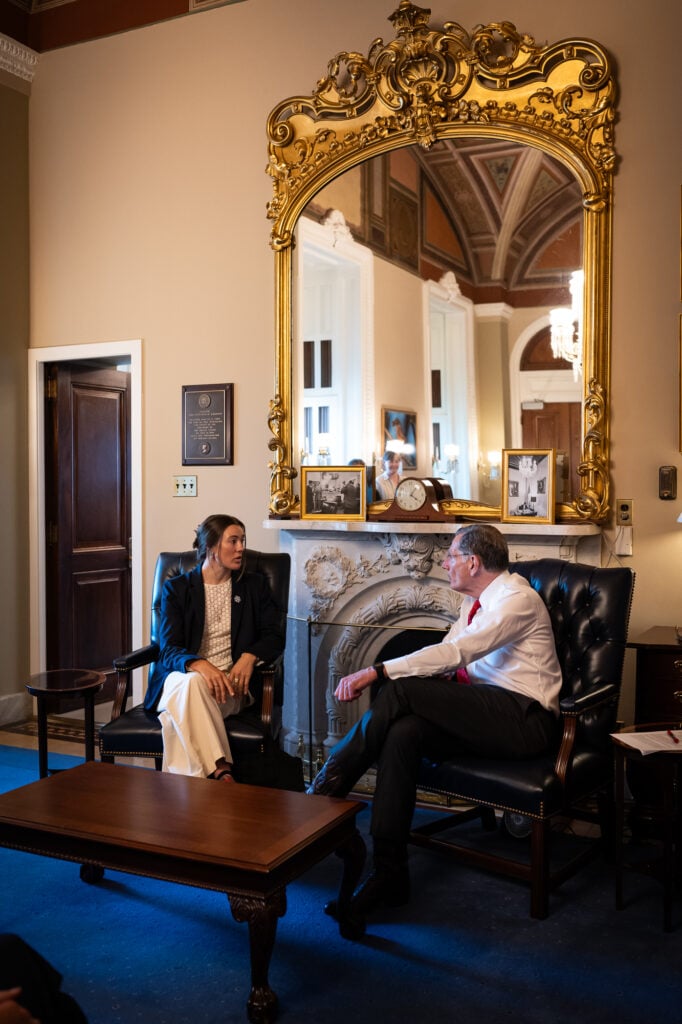
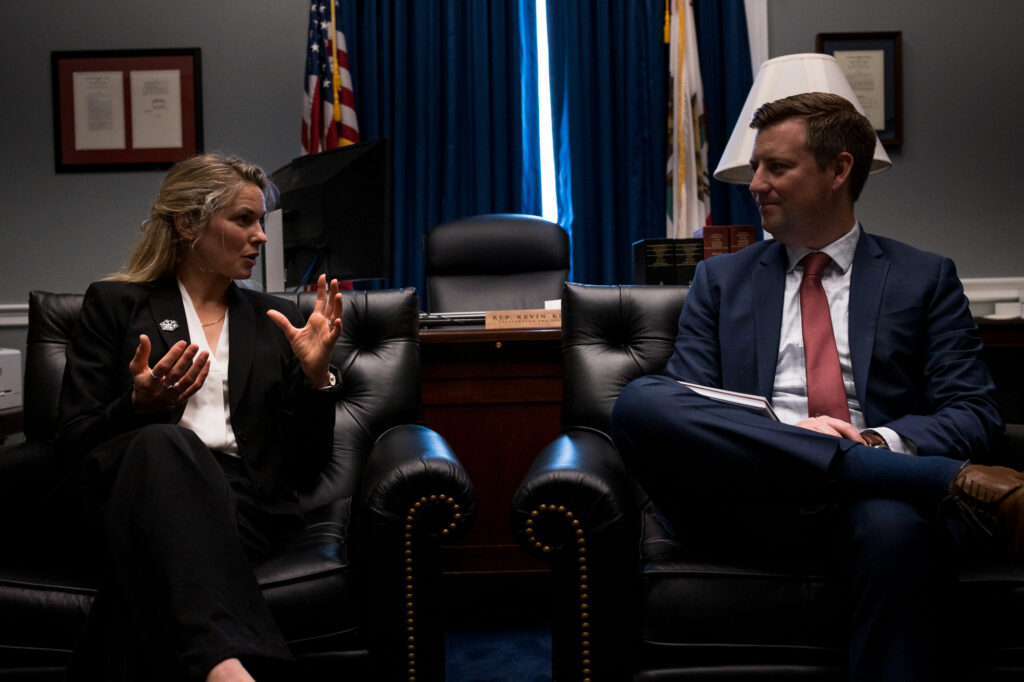
The delegation’s presence in Washington, D.C., was designed to provide a human face to the economic and physical impacts of climate change. By pairing elite athletes, whose livelihoods depend on stable winter conditions, with scientists who can quantify the loss of biodiversity and air quality, the group aimed to move climate discourse beyond partisan rhetoric. Over a 48-hour period, the team met with 23 Democratic and 15 Republican offices, as well as members of the House Natural Resources Committee, emphasizing that the protection of clean air, clean water, and public lands is a prerequisite for a stable economy and public health.
Composition of the Advocacy Delegation
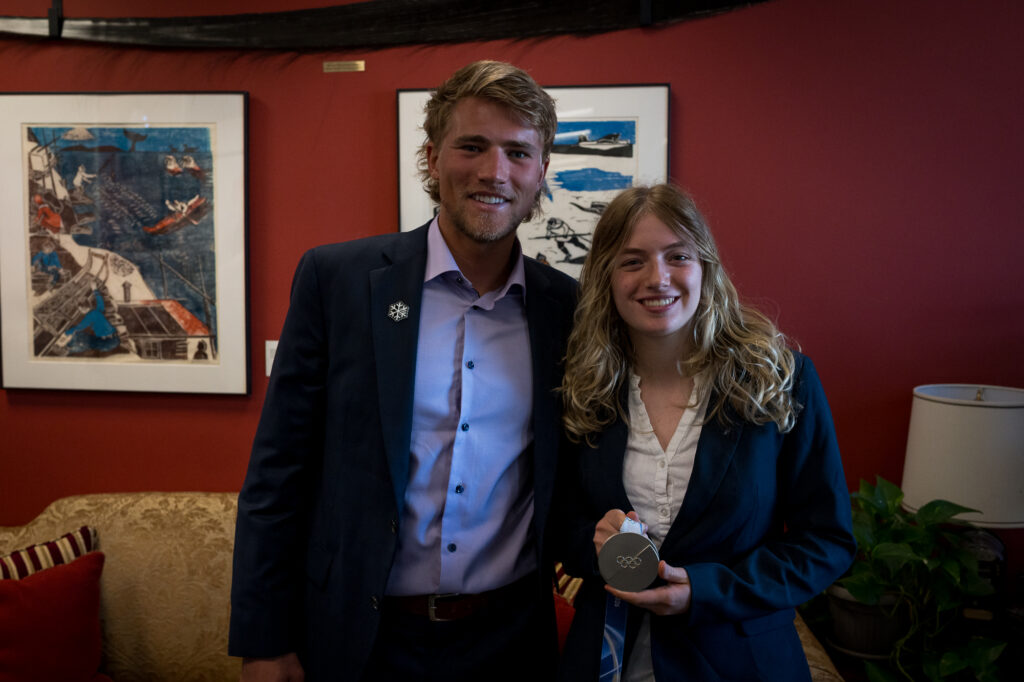
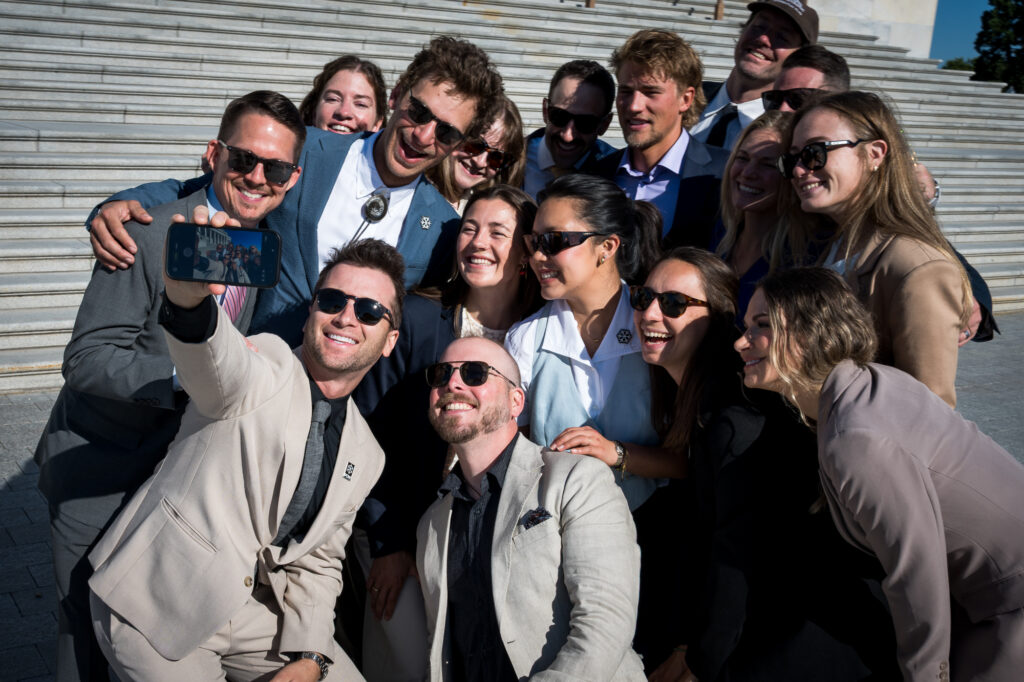
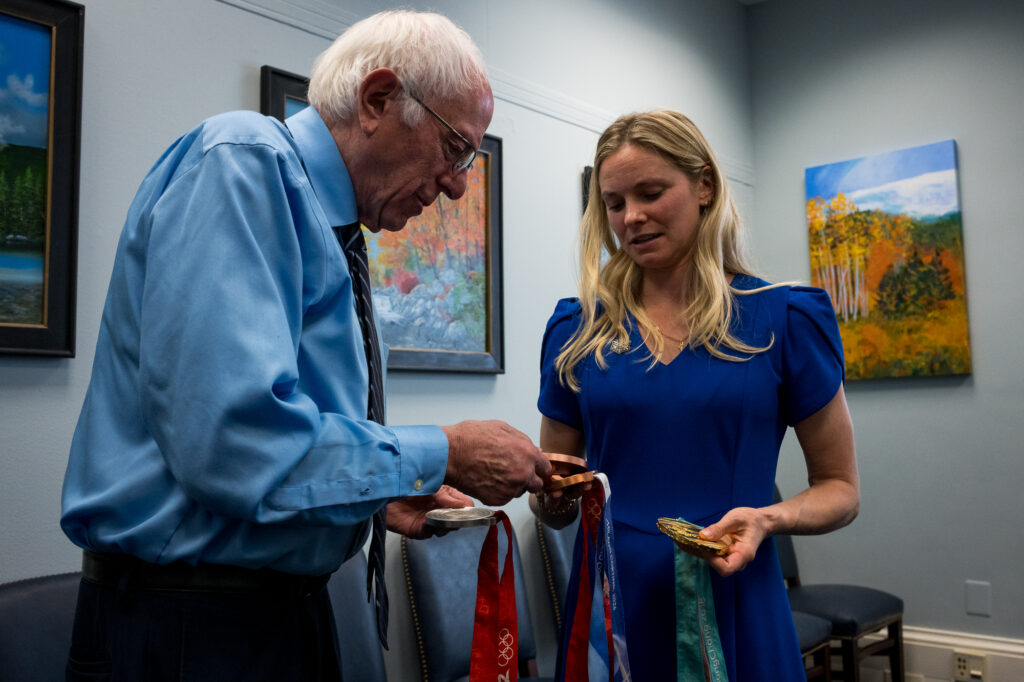
The delegation represented a diverse cross-section of the outdoor recreation community, which contributes significantly to the United States’ Gross Domestic Product (GDP). Leading the group were notable Olympians including Jessie Diggins, Julia Kern, Jaelin Kauf, Gus Schumacher, Bea Kim, and Olivia Giaccio. These athletes were joined by professional skier Brody Leven and Science Alliance members Stu Nissenbaum and Tracy Fanara. The inclusion of Nissenbaum, a former scientist for the Environmental Protection Agency (EPA), provided a technical counterweight to the personal narratives of the athletes.
The creative and strategic sectors of the outdoor industry were represented by filmmakers Max Lowe and Mike Thurk, along with photographer Chris Shane. Jamey Delaplane, a member of the POW Action Fund Board, provided additional policy guidance. This multifaceted approach allowed the delegation to address lawmakers from multiple angles: the economic impact on the $1.1 trillion outdoor recreation industry, the scientific reality of environmental degradation, and the cultural significance of America’s wilderness.
Strategic Objectives: Addressing EPA Deregulation
A primary focus of the two-day mission was the systematic dismantling of the Environmental Protection Agency’s regulatory authority. Since the beginning of 2025, the federal government has moved to weaken or eliminate more than 50 core environmental protections. These rollbacks have targeted rules governing methane emissions, tailpipe standards, and water quality protections under the Clean Water Act.
The delegation argued that these administrative shifts represent a departure from the EPA’s congressionally mandated mission to protect public health. During meetings, Stu Nissenbaum provided firsthand accounts of how sidelining scientific data in federal decision-making leads to increased pollution levels in vulnerable communities. The group’s central query to lawmakers focused on the specific legislative mechanisms they would support to restore the EPA’s enforcement capabilities and ensure that polluters are held financially and legally accountable for environmental damage.
The advocacy effort emphasized that clean air and water are not merely environmentalist ideals but are the infrastructure upon which the outdoor economy is built. According to data from the Bureau of Economic Analysis (BEA), the outdoor recreation economy accounts for 2.2% of the total U.S. GDP and supports nearly five million jobs. The delegation argued that by allowing deregulation to continue, the federal government is effectively undermining a major sector of the American economy that relies on the integrity of natural resources.
Defending Public Lands from Fossil Fuel Extraction
The second pillar of the delegation’s platform was the protection of iconic public landscapes from intensified oil and gas development. This advocacy follows a series of aggressive lease sales initiated by the Department of the Interior. Earlier this year, the administration held a significant sale in the National Petroleum Reserve-Alaska (NPR-A), resulting in 187 new leases covering approximately 1.3 million acres. Furthermore, a Coastal Plain lease sale in the Arctic National Wildlife Refuge (ANWR) opened for bids in early June, marking a contentious step toward industrializing one of the world’s most sensitive ecosystems.
The Protect Our Winters delegation urged lawmakers to support the Arctic Refuge Protection Act, a piece of legislation designed to provide long-term safeguards against oil and gas exploration in the 1002 Area of the refuge. The group argued that the short-term economic gains of fossil fuel extraction do not outweigh the permanent loss of biodiversity, the disruption of indigenous subsistence lands, and the acceleration of carbon emissions.
Gus Schumacher, a POW Ski Alliance member and Olympian, noted that while political parties may differ on the methods of land management, the fundamental value of key habitats remains a common concern for the majority of the American public. The delegation’s messaging focused on public lands as a bipartisan asset that provides essential services, including carbon sequestration and natural defenses against climate-driven disasters like wildfires and droughts.
The Bipartisan Bridge: Public Lands as a Common Ground
One of the most notable takeaways from the mission was the efficacy of using public lands as a bridge for bipartisan dialogue. Despite the polarized political climate in Washington, the delegation reported that offices on both sides of the aisle were receptive to discussions regarding the outdoor economy and land conservation. This suggests that the "Outdoor State"—a constituency of approximately 50 million Americans who participate in outdoor recreation—represents a powerful, non-partisan voting bloc.
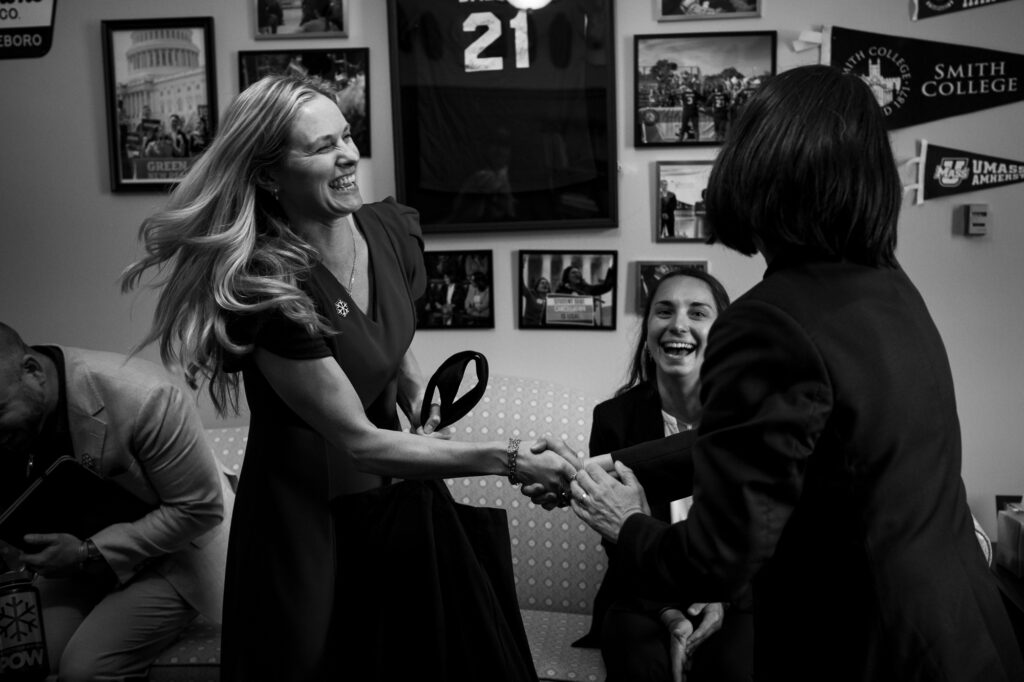
Max Lowe, a member of the POW Creative Alliance, reflected on the complexity of the legislative process, noting that while the pace of government can be frustratingly slow, the engagement of citizens and representatives is the only viable path toward long-term policy shifts. The group observed that when lawmakers are confronted with the tangible impacts of climate change—such as the loss of snowpack affecting winter sports and regional water supplies—the conversation shifts from abstract policy to real-world consequences.
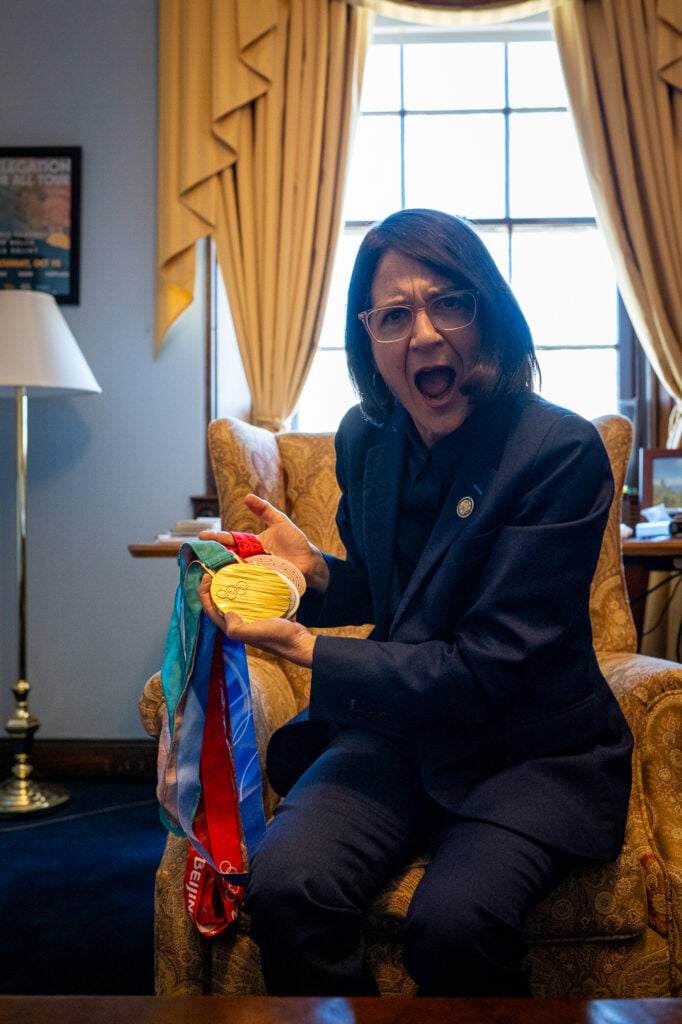
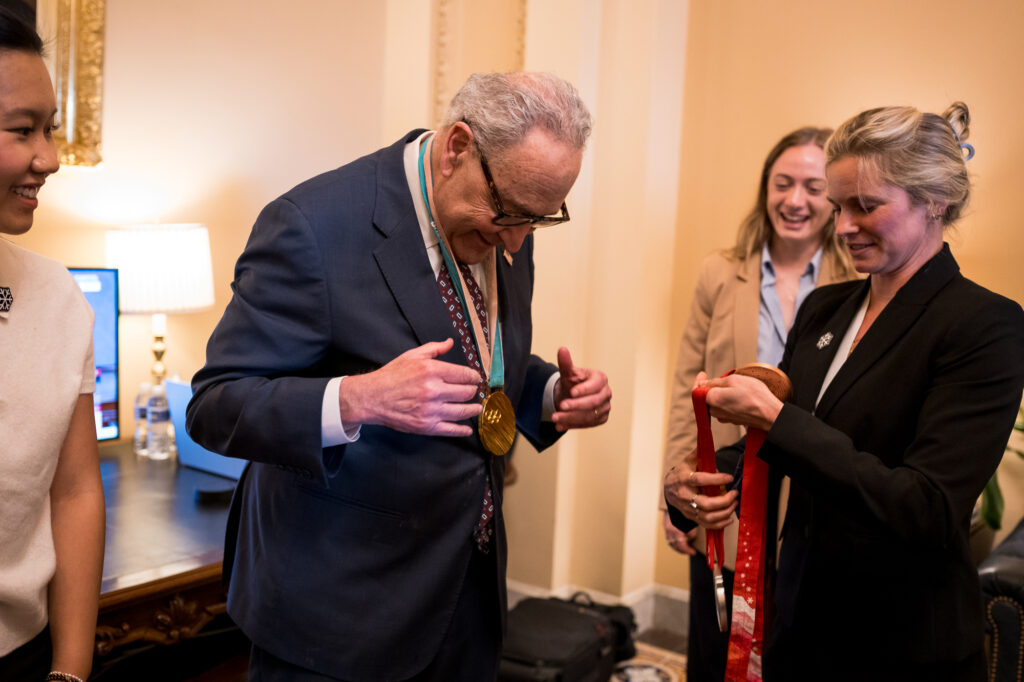
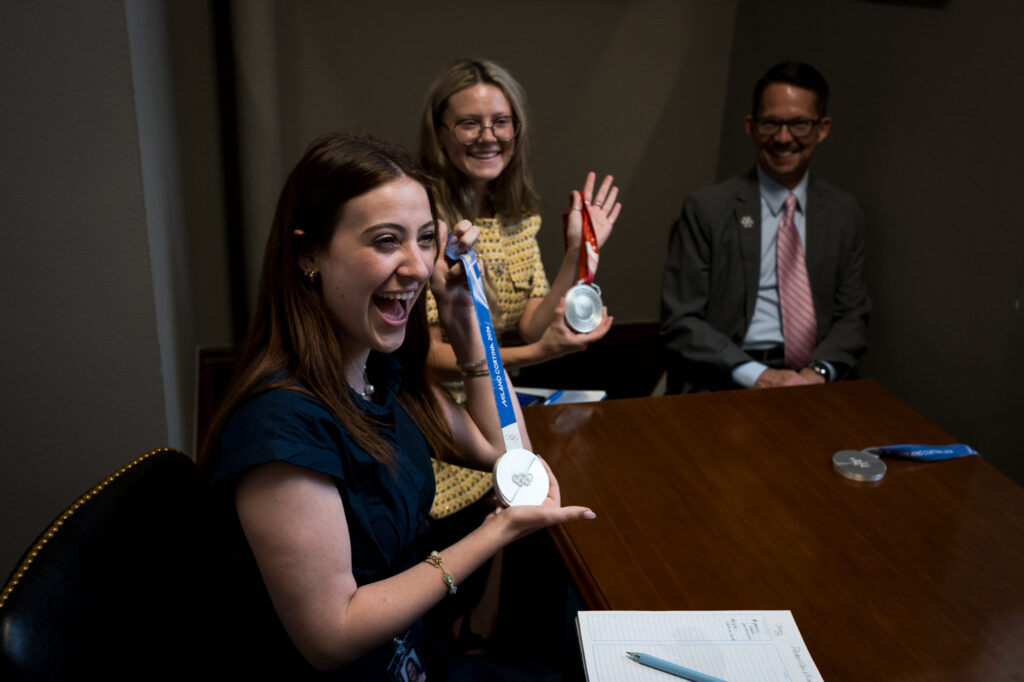
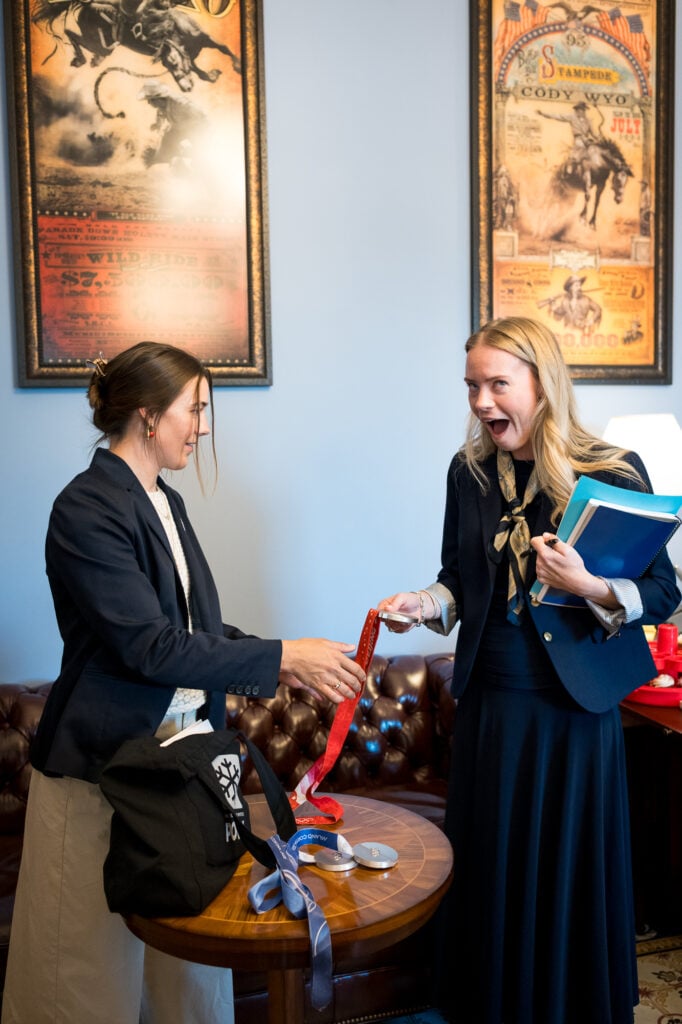
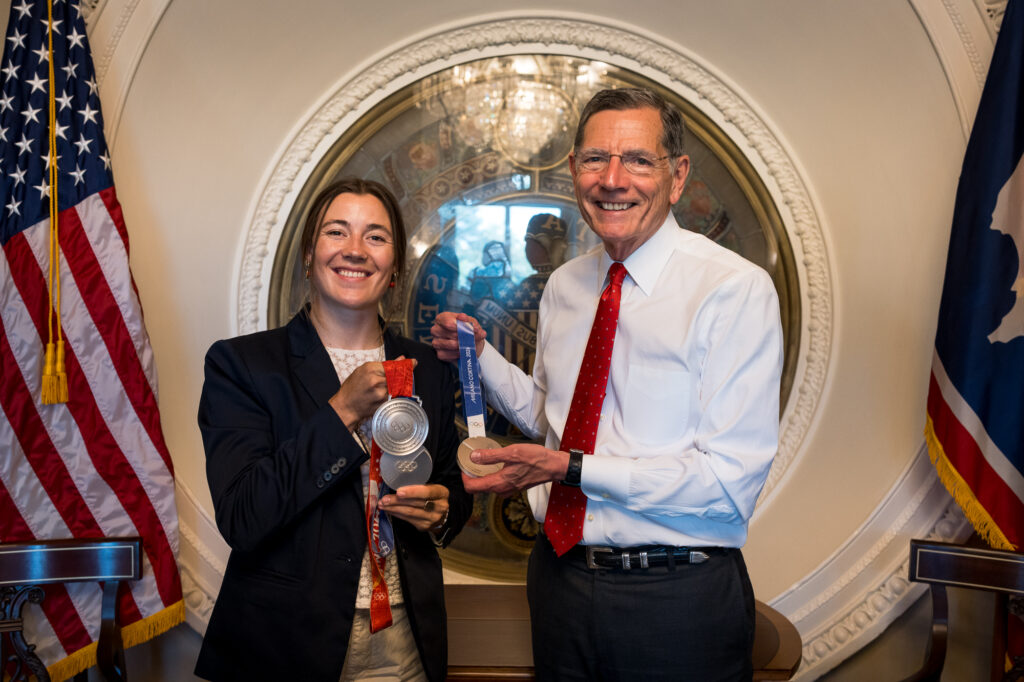
The delegation found that the presence of Olympic athletes was particularly effective in capturing the attention of lawmakers. The visual of Olympic medals and the personal testimony of athletes whose training and competitions are being disrupted by erratic weather patterns provided a compelling narrative that data alone sometimes fails to convey. This "trusted messenger" strategy is a cornerstone of POW’s advocacy model, leveraging the cultural influence of sports icons to elevate scientific and policy-driven goals.
Economic Data and the Impact of the "Outdoor State"
The delegation’s arguments were bolstered by recent economic reports highlighting the resilience and growth of the outdoor sector. In 2023 and 2024, despite inflationary pressures, the outdoor recreation industry saw continued expansion, particularly in gateway communities that serve as entry points to national parks and forests. These communities are often located in rural or politically conservative districts, making them vital to the delegation’s bipartisan outreach.
Data provided to congressional offices indicated that the loss of a predictable winter season due to climate change directly threatens the viability of ski resorts, guiding services, and local hospitality businesses. In some Western states, the outdoor industry is a primary economic driver, rivaling or exceeding the contributions of traditional extraction industries. By framing climate action as a form of economic protectionism for these communities, the delegation was able to find common ground with representatives who might otherwise be skeptical of environmental regulation.
Timeline of Recent Environmental Policy Shifts
To contextualize their visit, the delegation provided a timeline of regulatory changes that have occurred over the past 18 months:
- January 2025: Initial executive orders signed to streamline the permitting process for fossil fuel projects on federal lands, bypassing several layers of environmental review.
- March 2025: The EPA announces a reduction in the enforcement of the "Good Neighbor" rule, which regulates cross-state air pollution from power plants.
- May 2025: The Department of the Interior finalizes the NPR-A lease sale, the largest in over a decade, drawing sharp criticism from conservation groups.
- June 2025: Bidding opens for the Arctic Refuge Coastal Plain, leading to the current mobilization of the POW delegation.
This timeline underscores the urgency felt by the outdoor community. The delegation argued that without immediate legislative checks, the cumulative impact of these decisions will be irreversible, resulting in degraded public health and the permanent loss of wilderness areas.
Broader Implications and Future Outlook
The conclusion of the Capitol Hill mission marks the beginning of a sustained advocacy campaign heading into the next legislative session. Protect Our Winters has indicated that it will continue to mobilize its network of guides, outfitters, hunters, anglers, and small business owners to keep pressure on the House Natural Resources Committee and the Senate Energy and Natural Resources Committee.
The success of the 38 meetings suggests a growing recognition in Washington that the outdoor recreation community is a formidable political force. As climate-driven crises like drought and wildfire become more frequent, the demand for proactive land management and emissions reduction is likely to intensify. The delegation’s emphasis on "science-centered decision-making" and the "non-negotiable" health of the planet sets a clear benchmark for future legislative accountability.
In the long term, the group seeks to move the needle on the Arctic Refuge Protection Act and a series of bills aimed at codifying EPA protections into federal law, making them less susceptible to the shifting priorities of successive administrations. As the delegation departed Washington, their message remained clear: the outdoor community is no longer sitting on the sidelines; it is actively shaping the policy landscape to ensure that public lands remain public and the climate remains stable for generations to come.
